
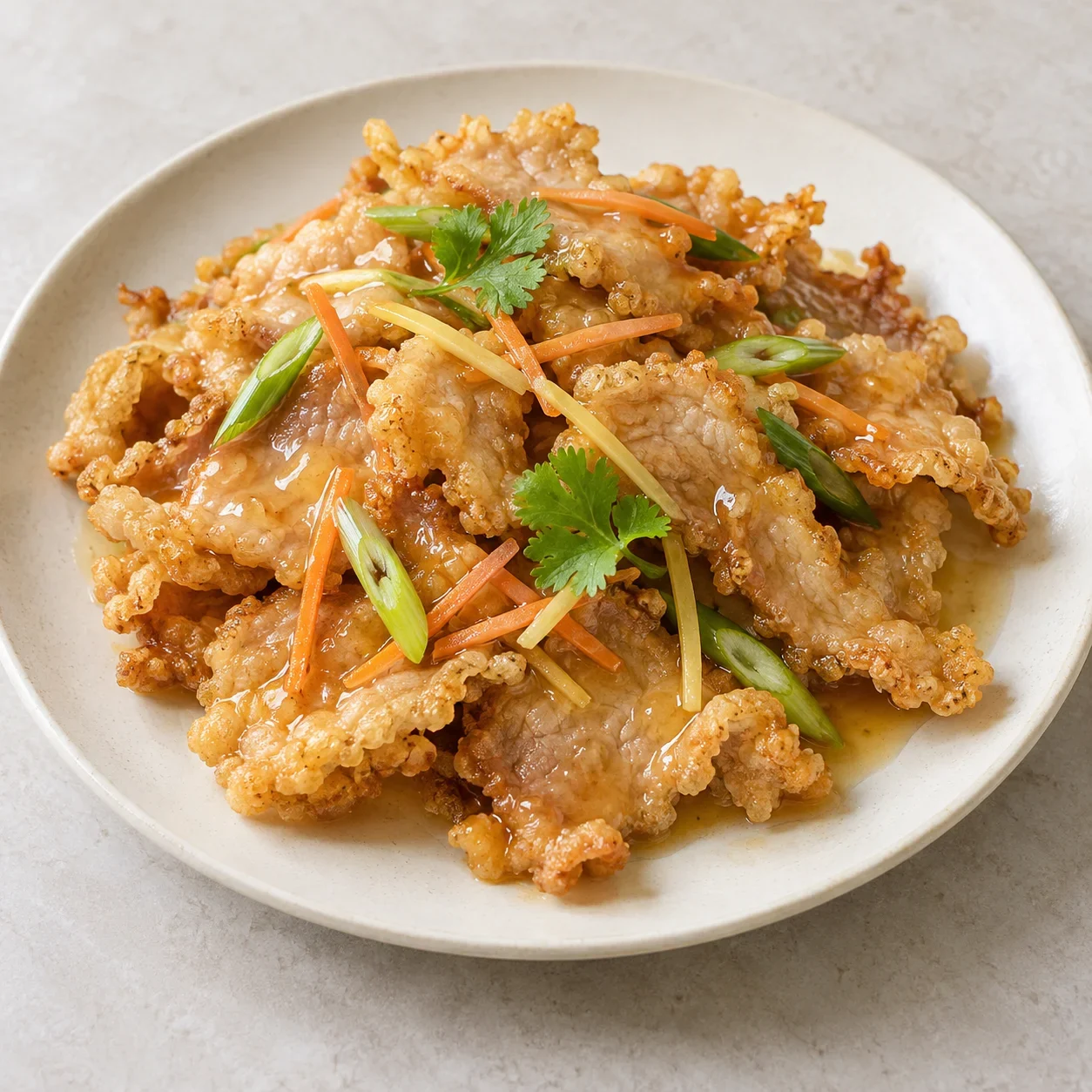
The tender pork, crisp coating and sweet-sour sauce offer a clear mix of textures and flavors in shareable pieces; cool and cut a small portion.
Recipes vary. Ask the restaurant about ingredients and serving before you order.
GET TO KNOW THE DISH
What goes into it?
Explore some key ingredients below. Preparations may use additional seasonings and ingredients.
Carrot, coriander, scallion, ginger and garlic can accompany the pork.
Typical ingredients
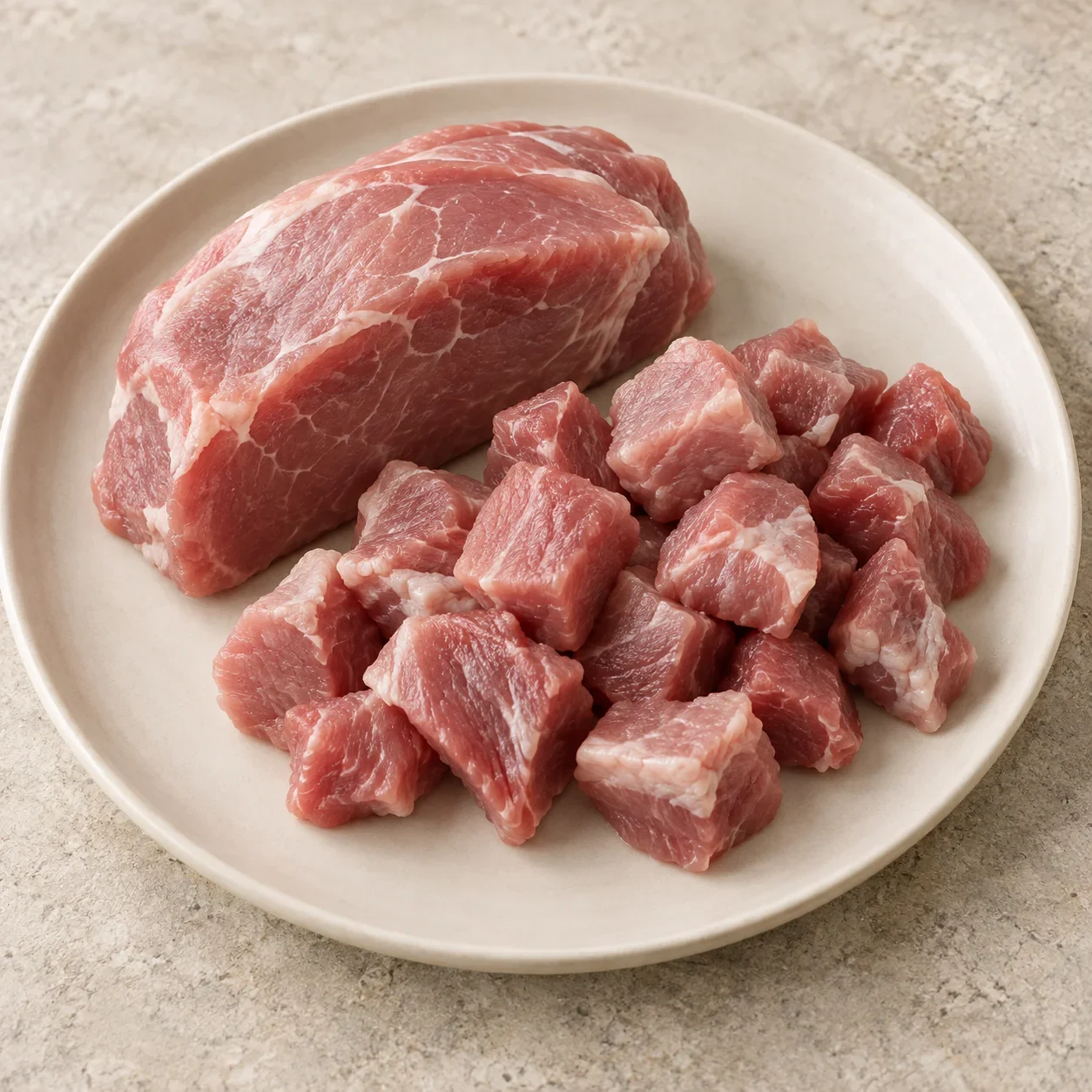
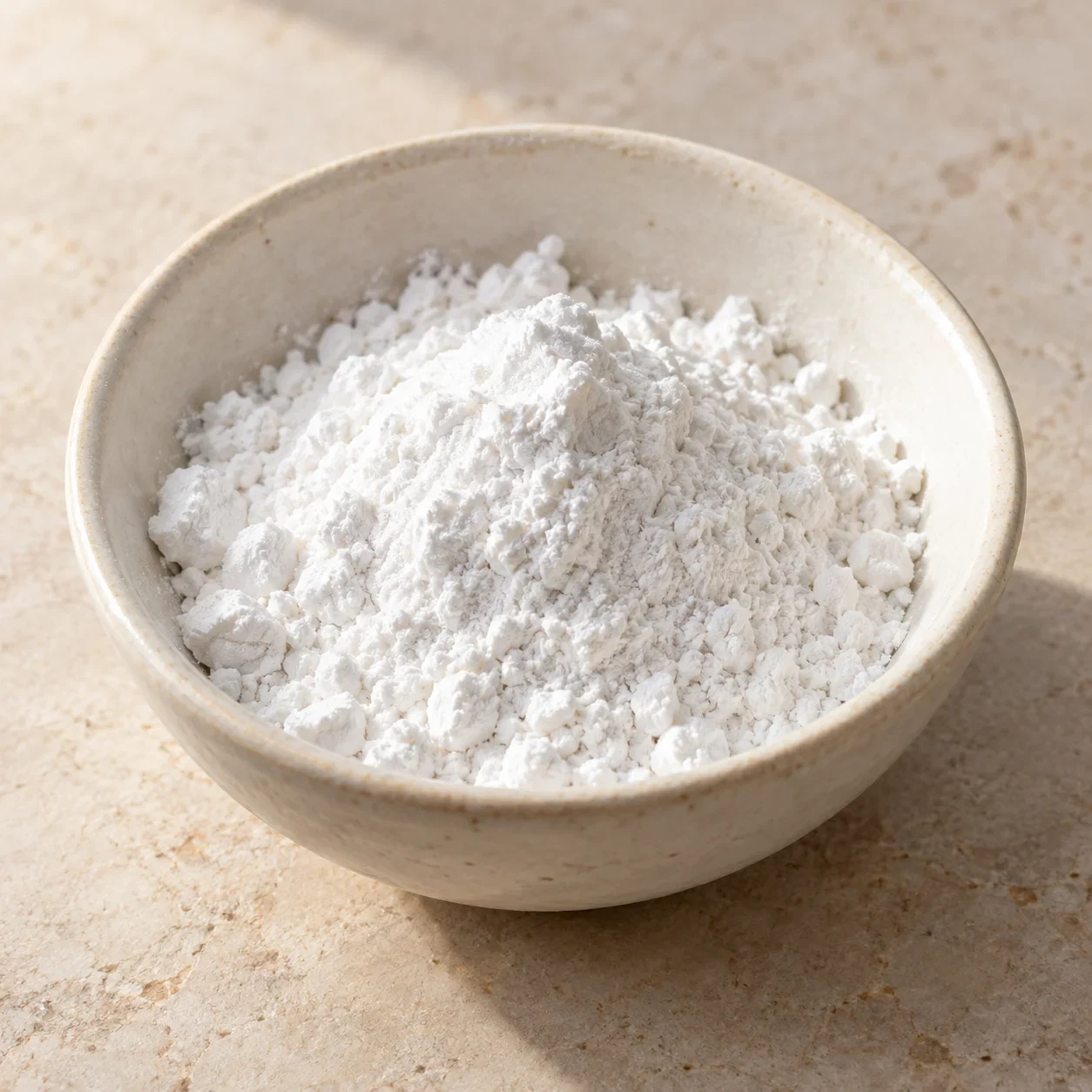
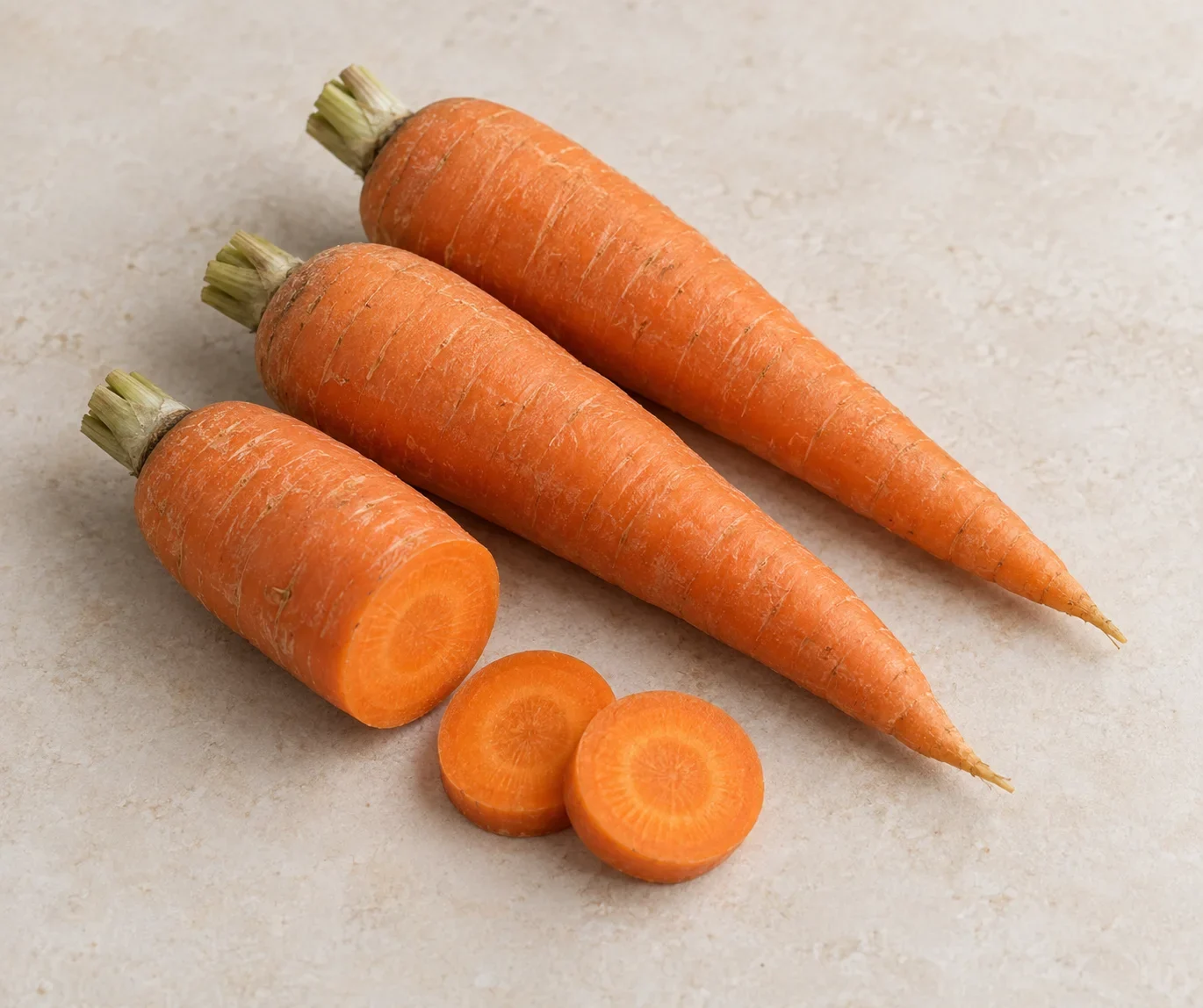
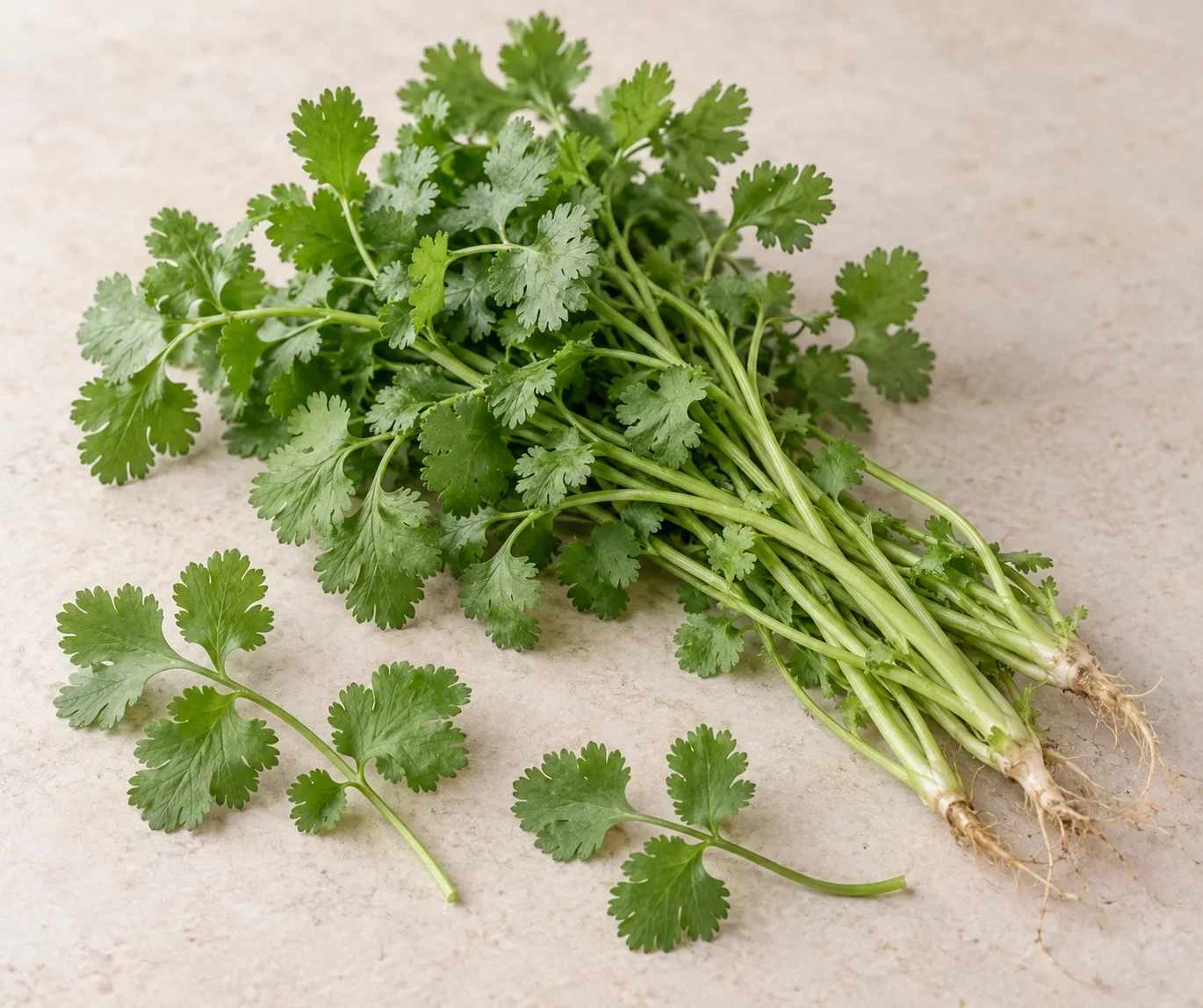
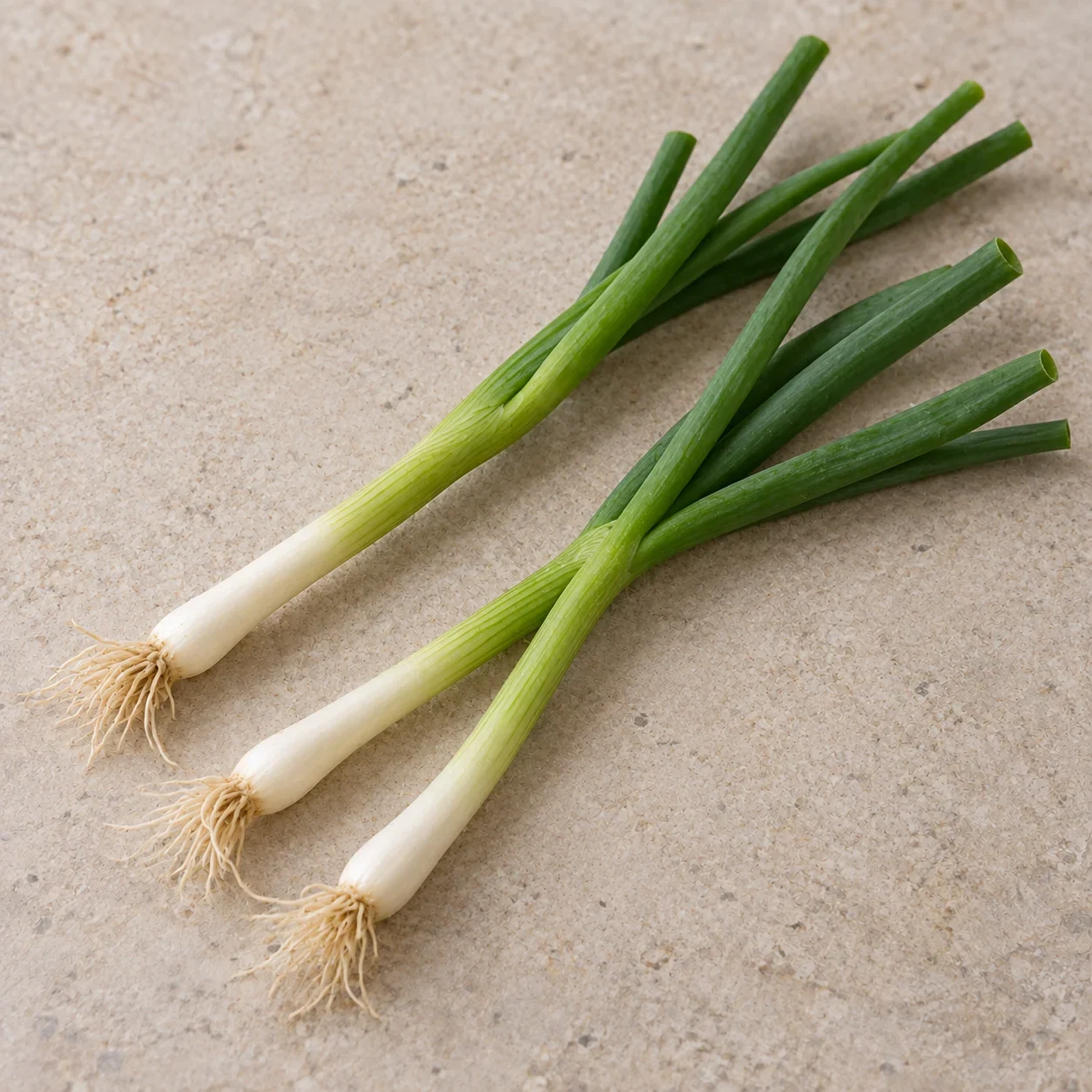
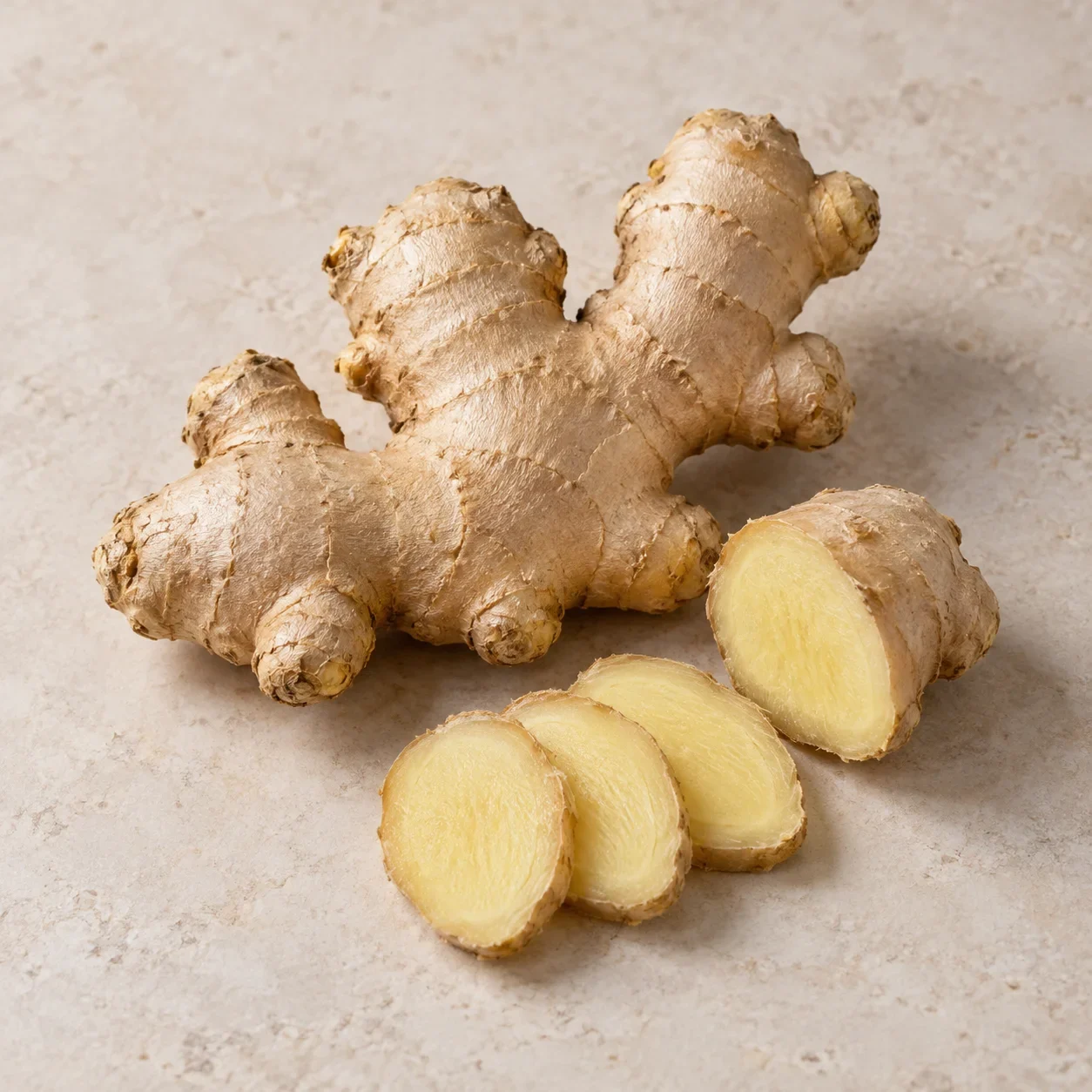
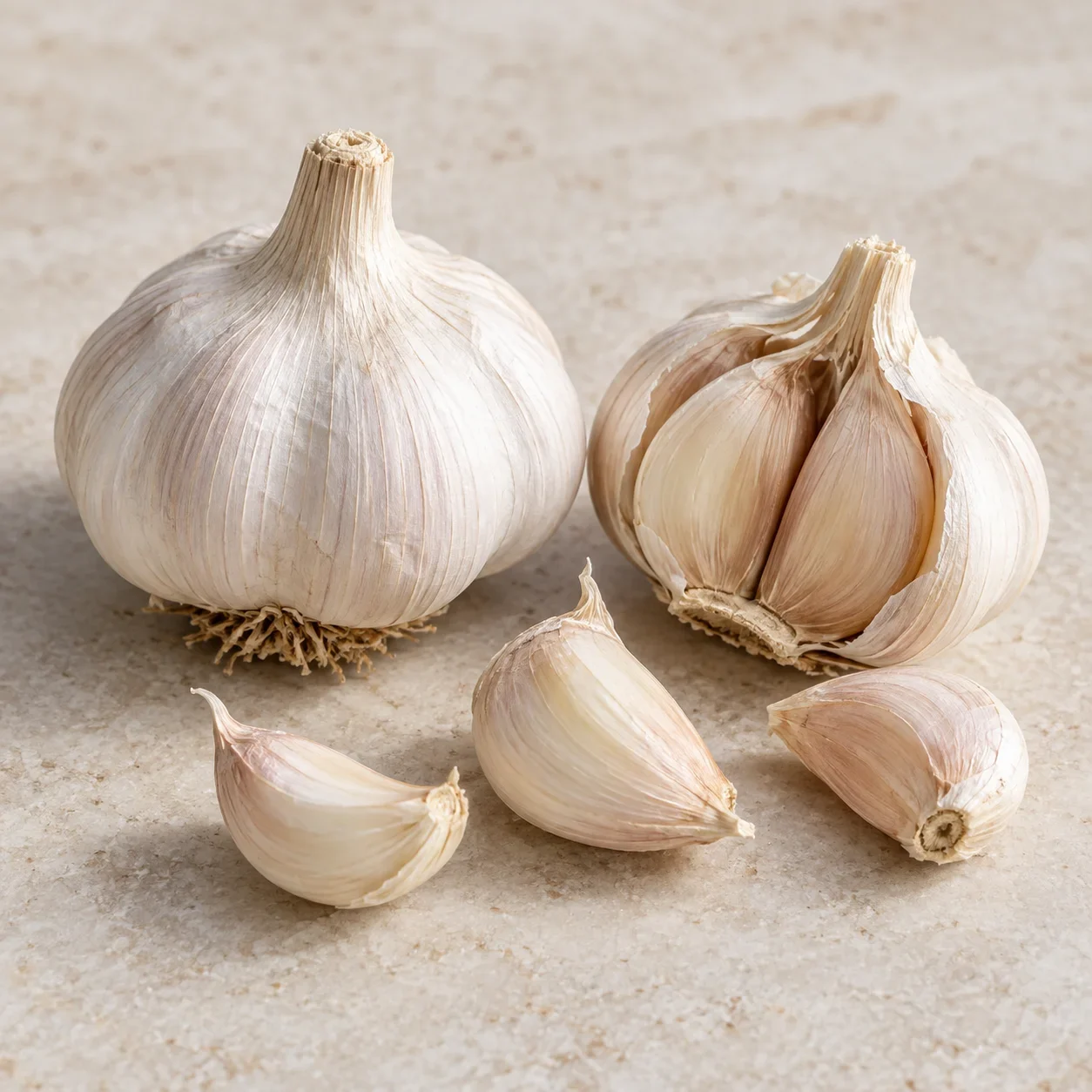
Recipes vary by restaurant.
How does it taste?
Sweet and sour
- Chili heat
- Texture
- Crisp coating, tender meat.
- How it’s made
- Coat pork with potato starch, fry and refry.
Carrot, coriander, scallion, ginger and garlic can accompany the pork.
A CONNECTION TO PLACE
Origin & regional roots
Associated with Heilongjiang.
Ask if they have it first
请问你们有锅包肉吗?
Do you have this item?
A LITTLE SOMETHING TO READ
Story & history
A Harbin banquet dish remembered through a family story
One Harbin restaurant family traces guobaorou to the banquet kitchen of the Daotai yamen, where its ancestor Zheng Xingwen is said to have adapted a savory sliced-pork dish into a sweet-and-sour one for foreign guests. The account links that change to Harbin’s railway-era life among Chinese and international residents; it also says guests’ pronunciation shifted the written name from “锅爆肉” to “锅包肉.” Kept alive as family memory, the story connects the dish with Harbin’s cross-cultural table.