
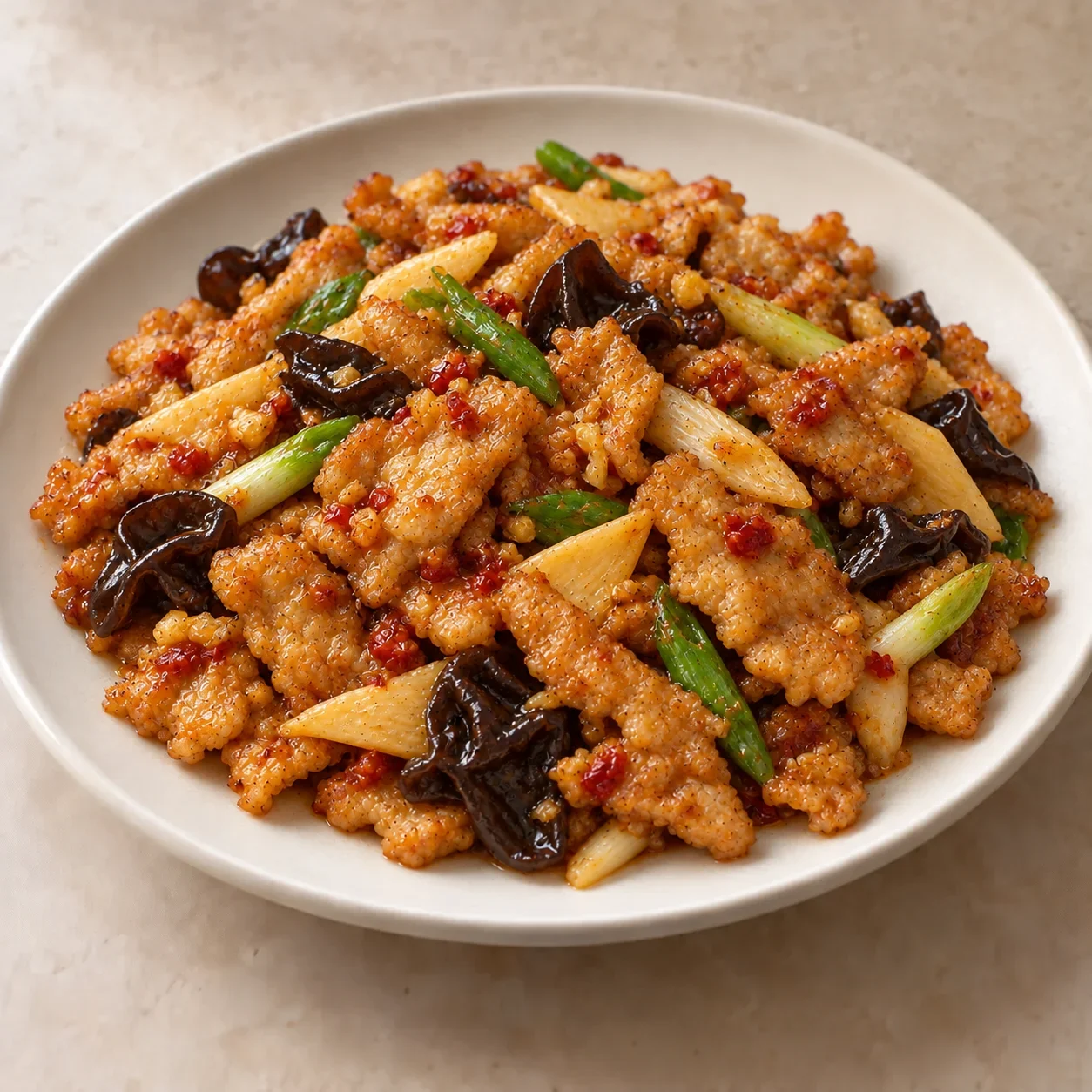
At the table
Eat the cooked pork and vegetables with chopsticks, alongside rice. Enjoy promptly while the coating still has some crispness.
The coating contains egg. Bean paste and soy sauce may contain soy or wheat; ask about the actual seasoning if you have allergies.
Pork cuts, starches and vegetables vary. Bamboo shoots or peppers may be added; chili paste changes the heat.
GET TO KNOW THE DISH
What goes into it?
Explore some key ingredients below. Preparations may use additional seasonings and ingredients.
Pork cuts, starches and vegetables vary; bamboo shoots and chili seasoning differ by recipe.
Typical ingredients
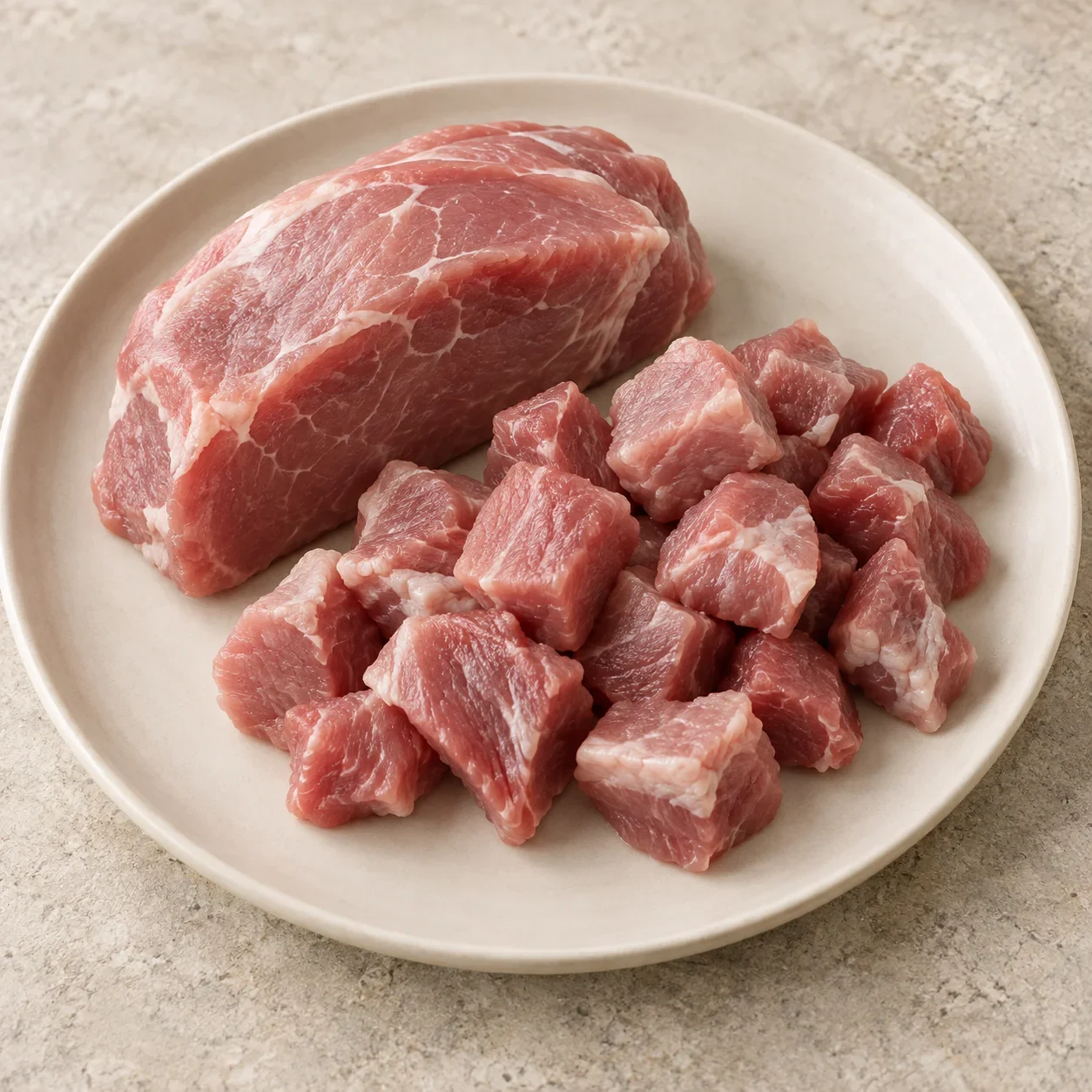
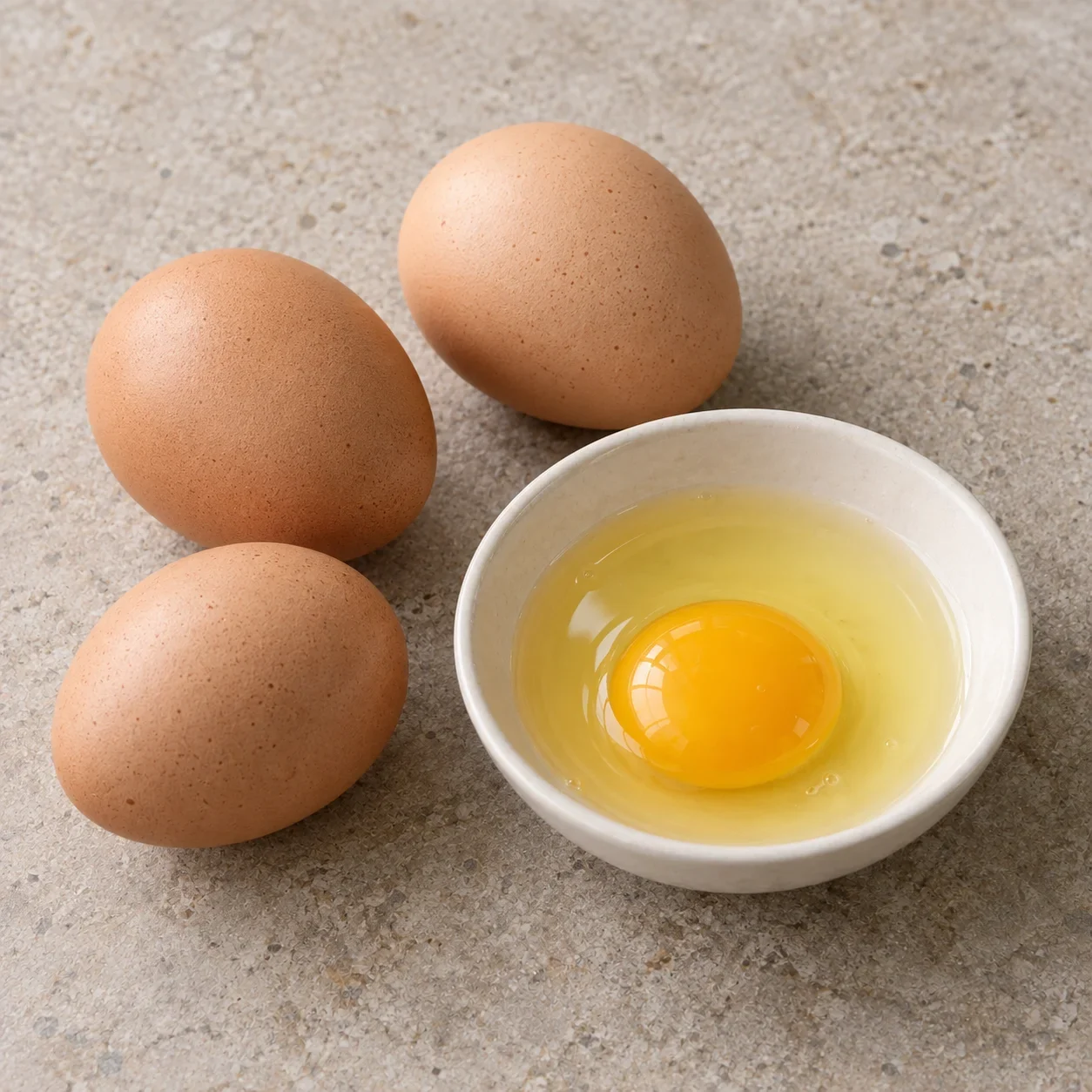
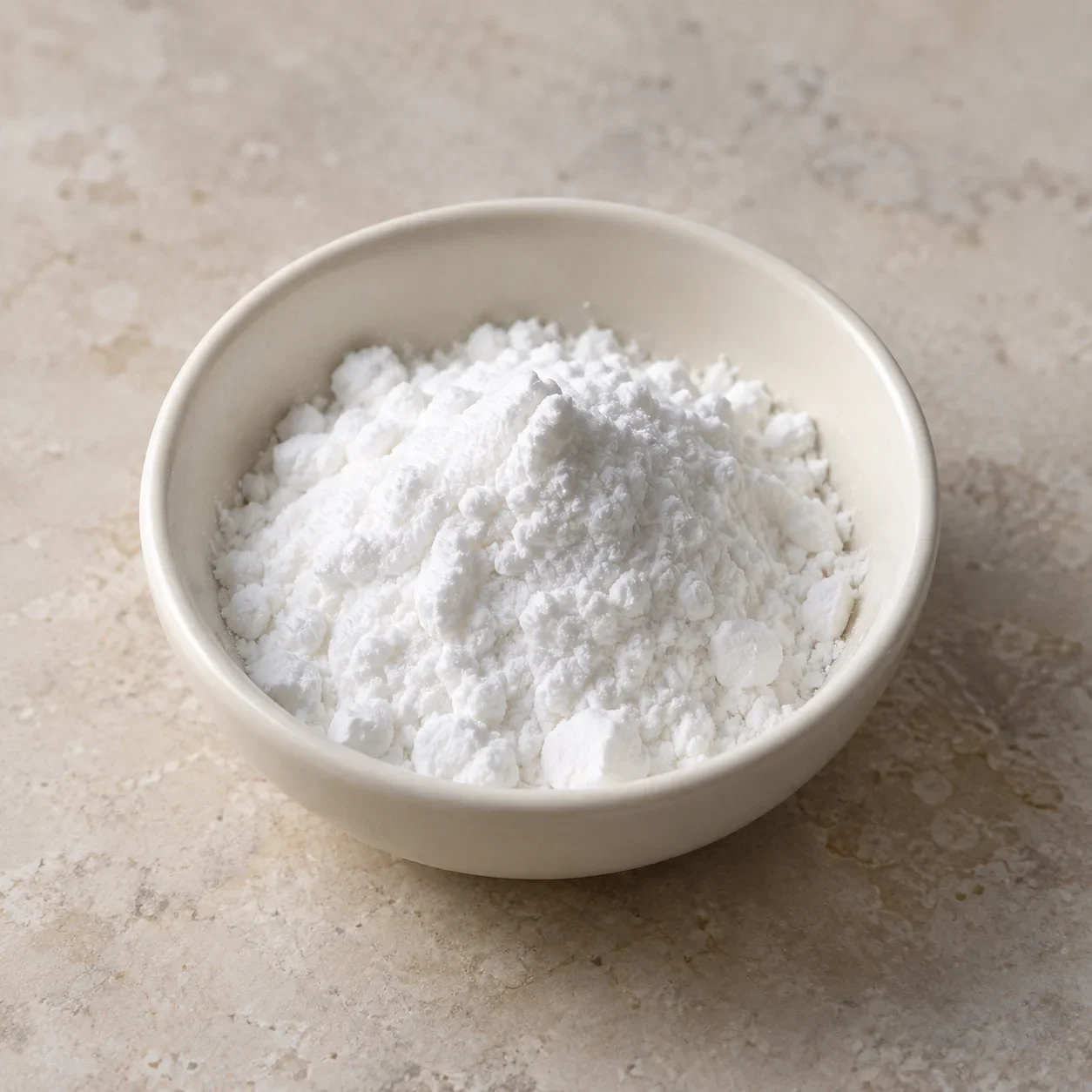
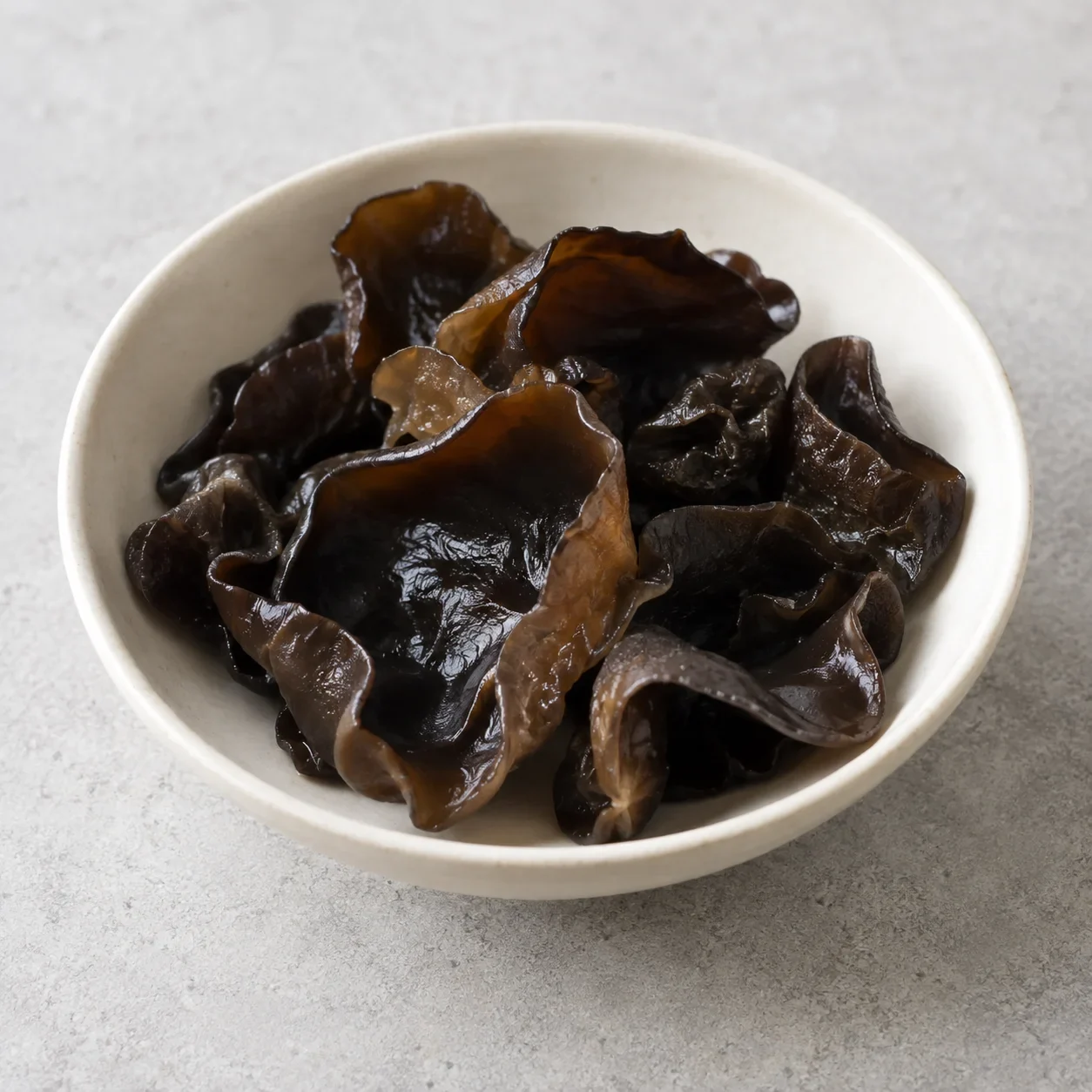
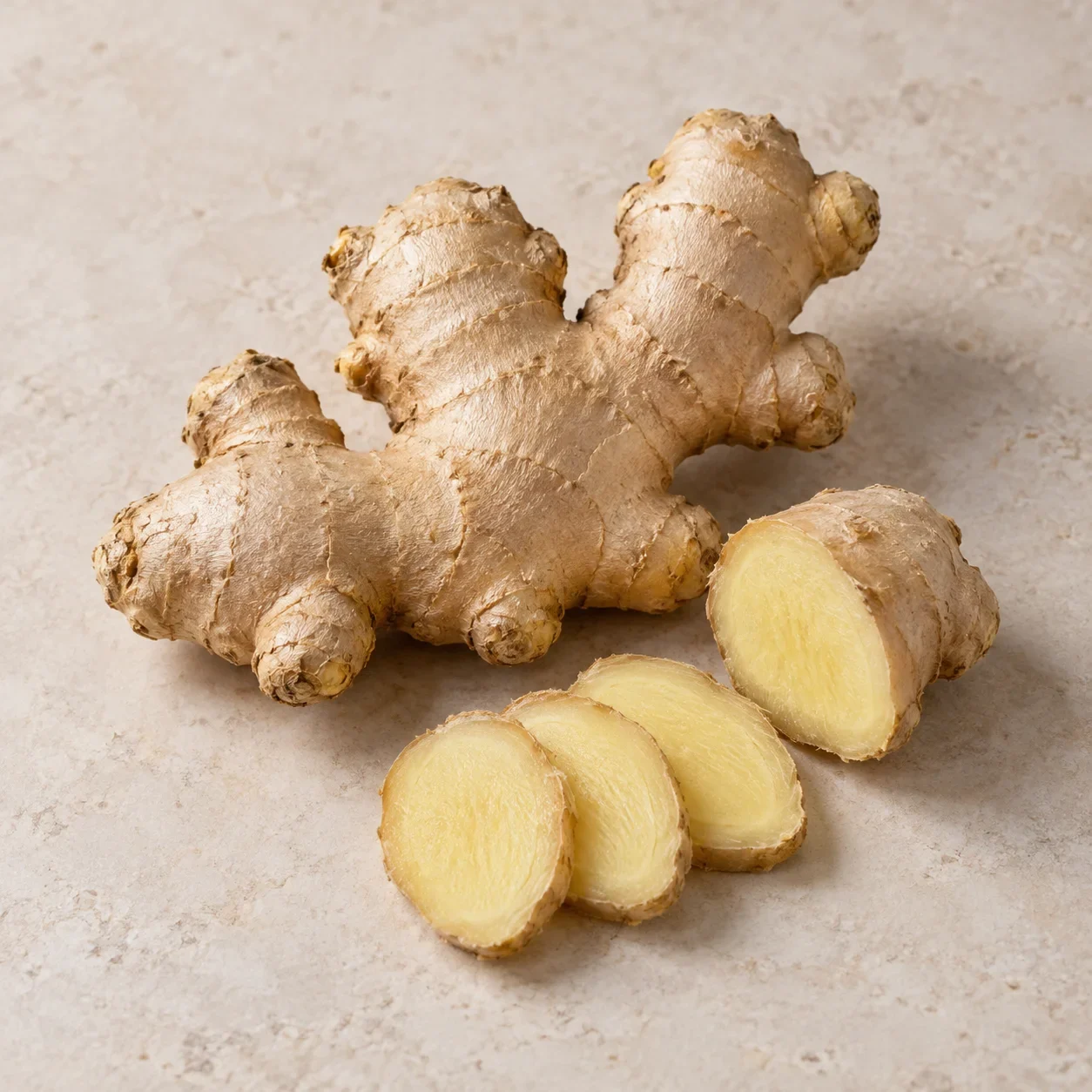
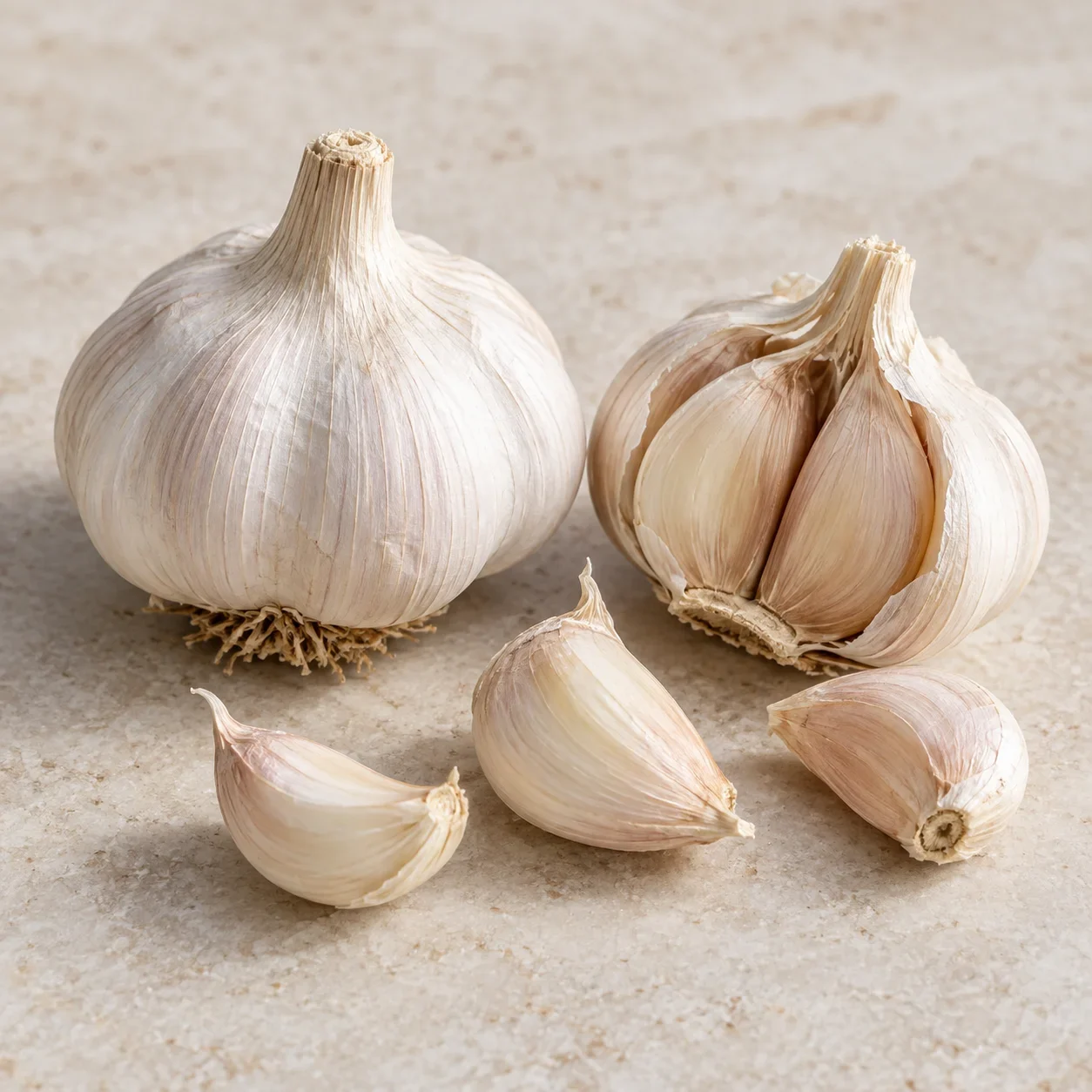
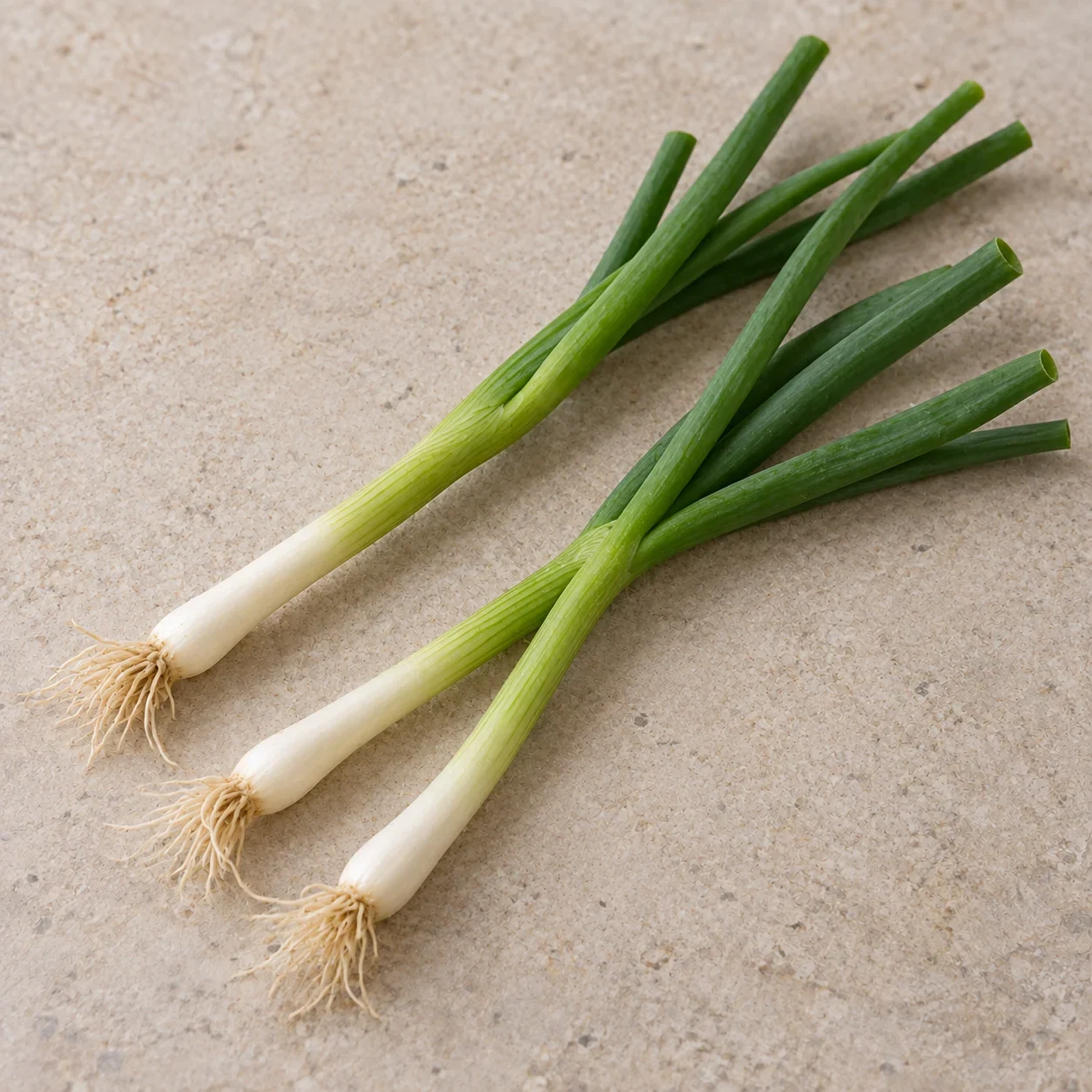
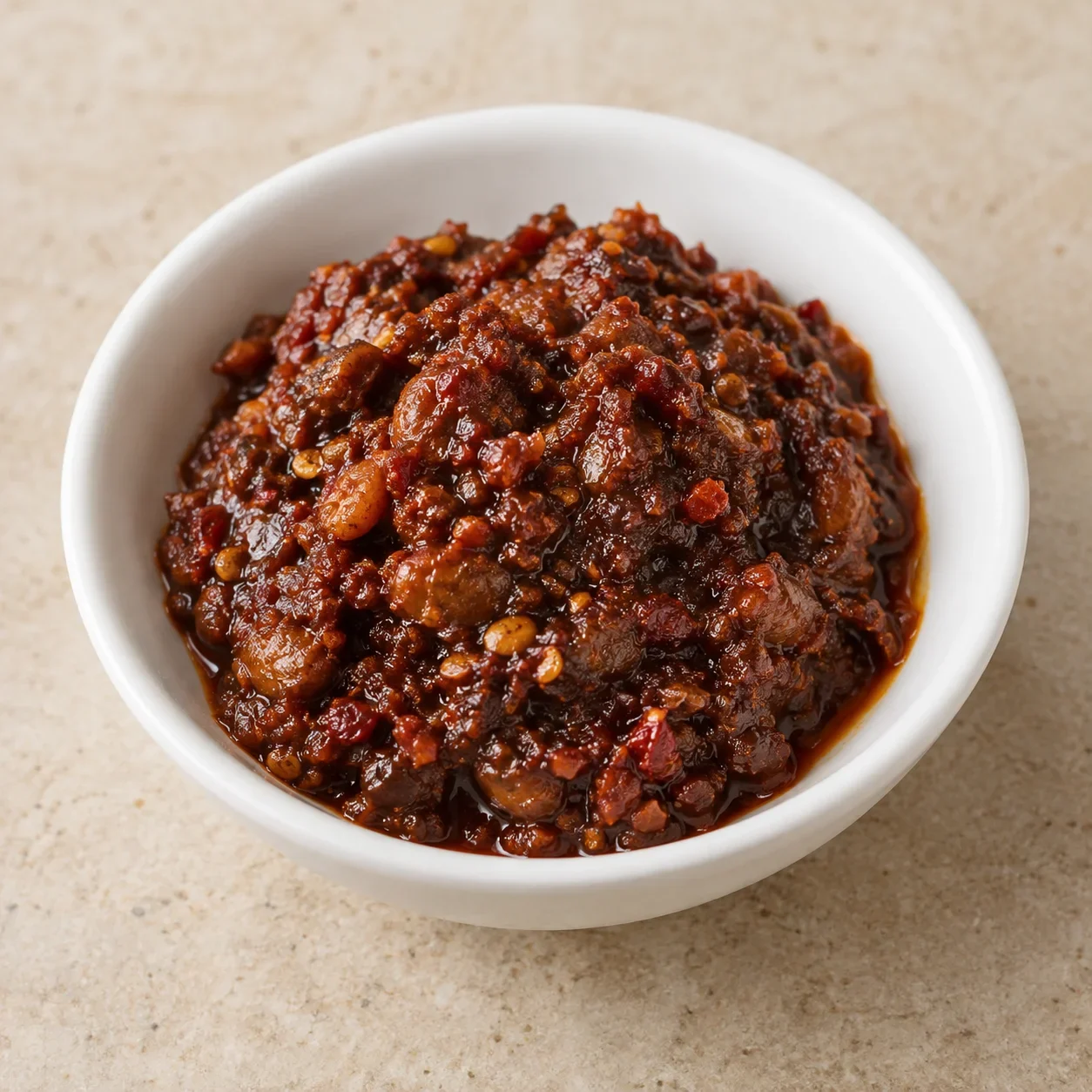
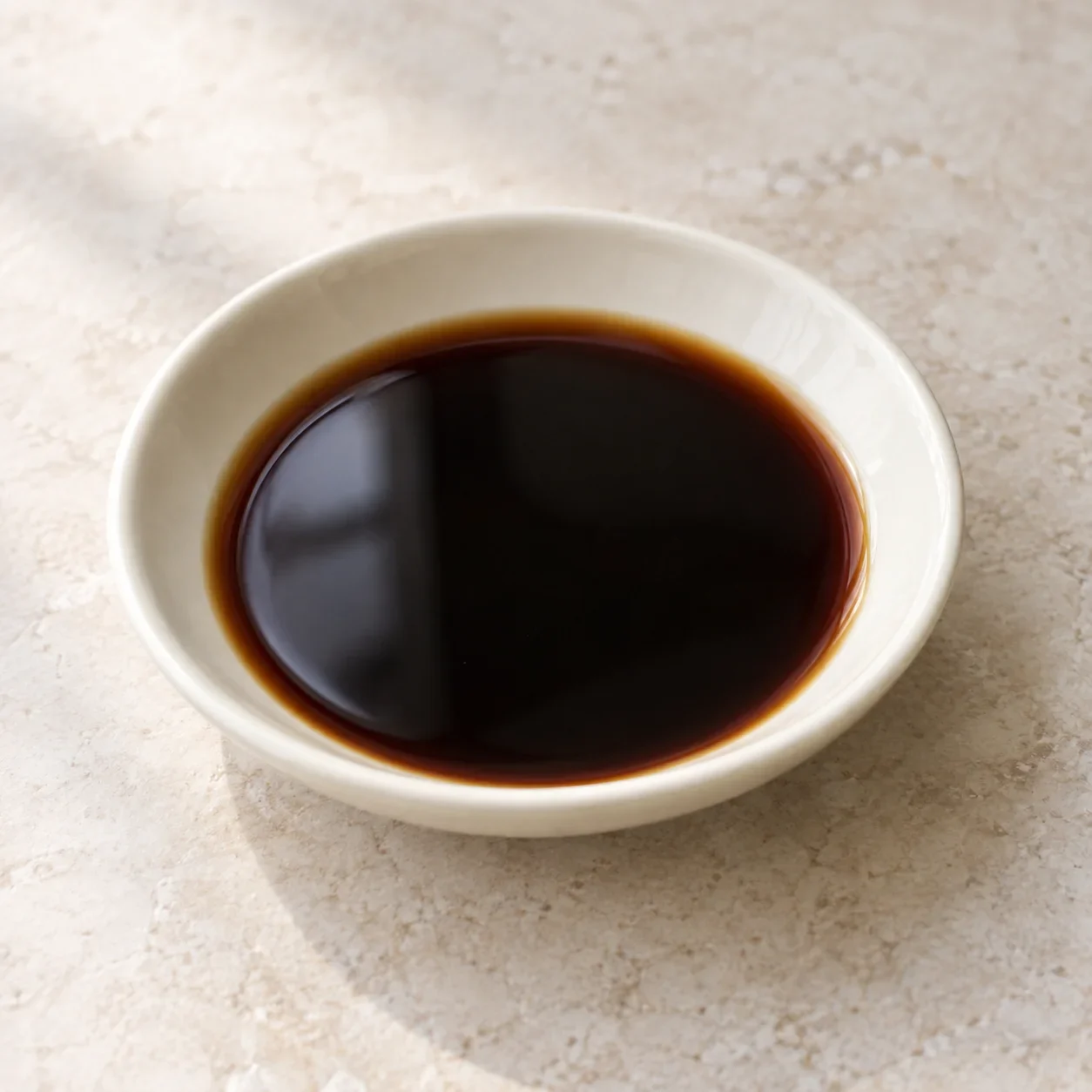
In some versions
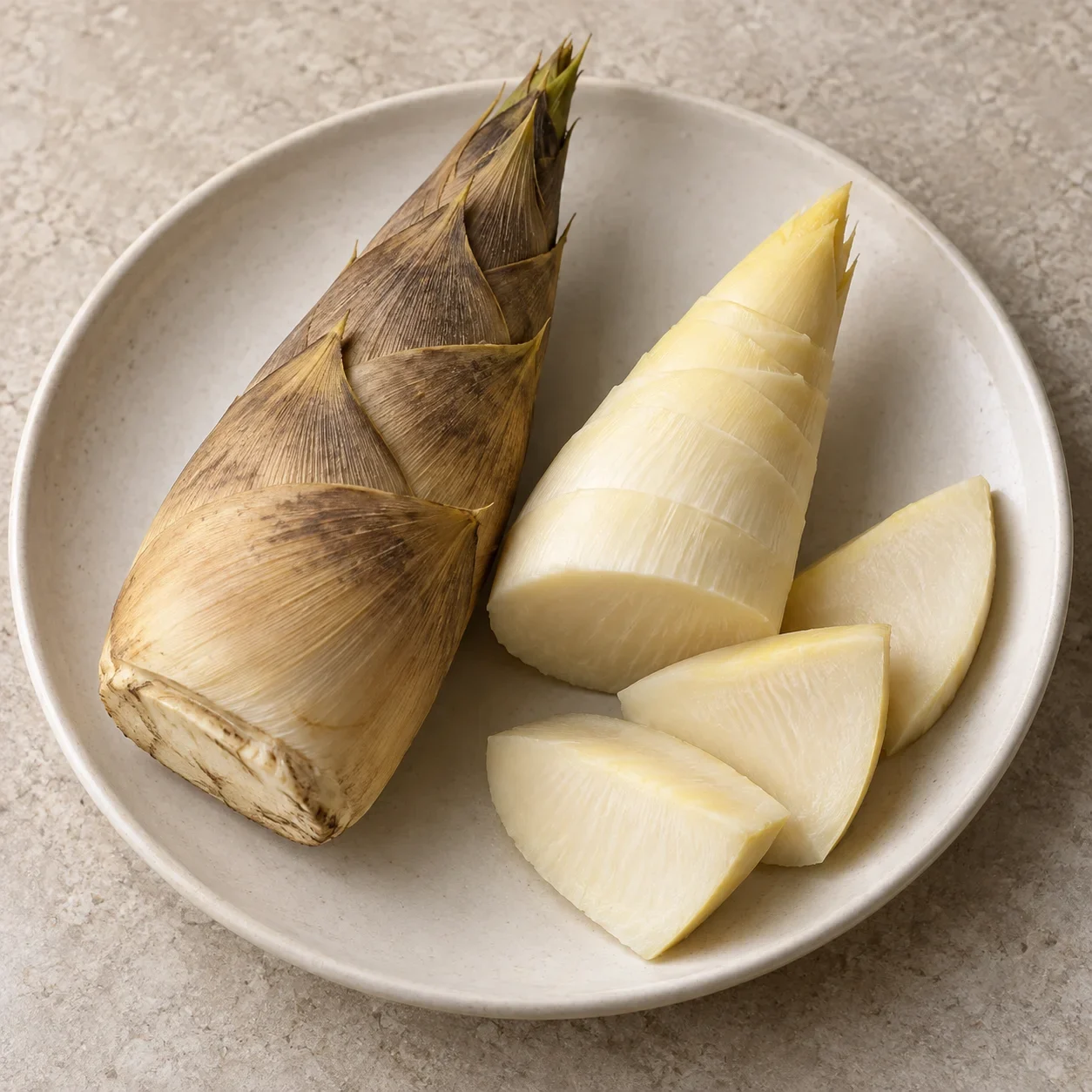
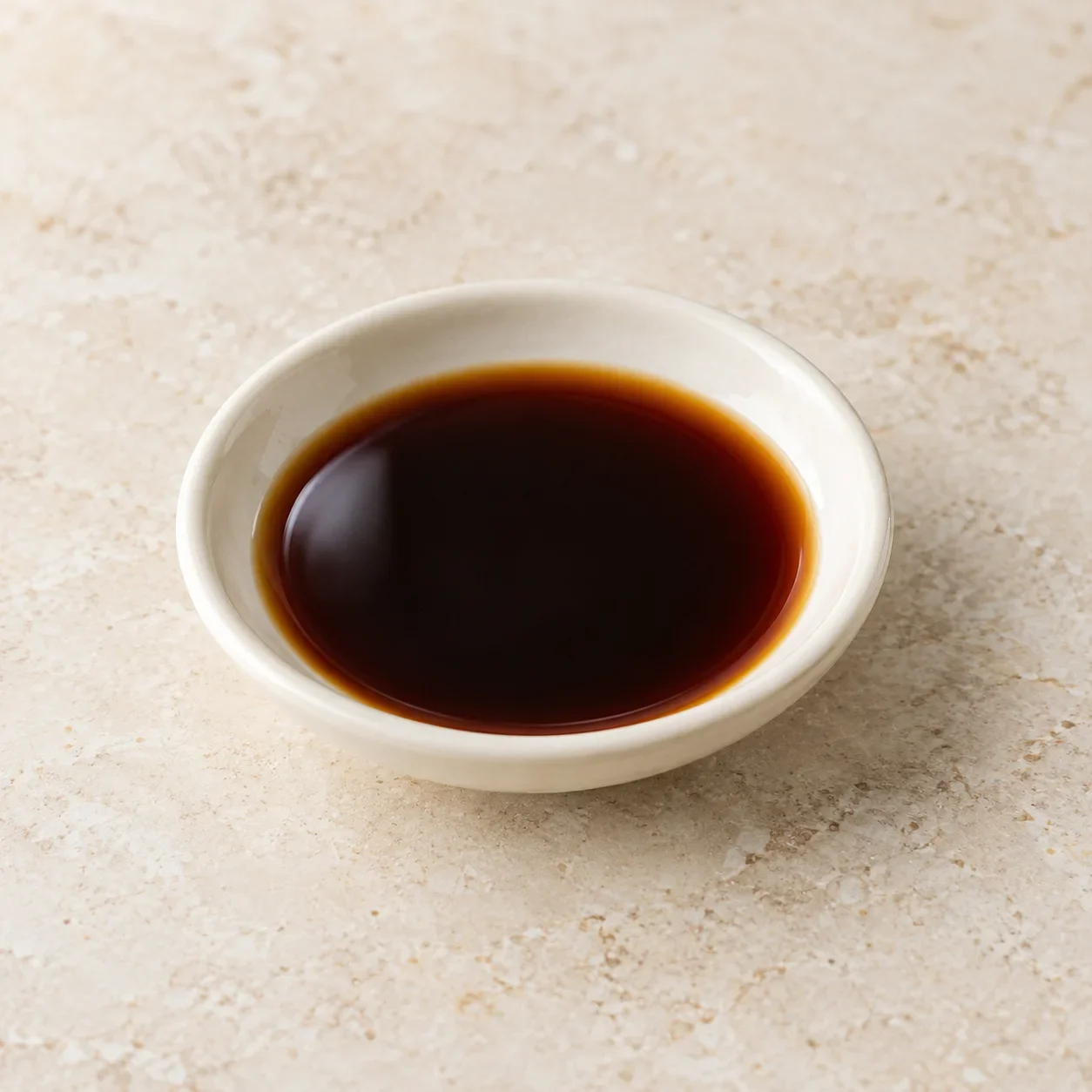
Recipes vary by restaurant.
How does it taste?
Savory, lightly sweet and sour, with gentle chili heat.
- Chili heat
- Texture
- Crisp coating and tender meat.
- How it’s made
- Coat sliced pork with egg and starch, pan-fry until golden, then briefly toss with vegetables and a thickened sauce.
Pork cuts, starches and vegetables vary; bamboo shoots and chili seasoning differ by recipe.
A CONNECTION TO PLACE
Origin & regional roots
Associated with Chongqing.
Ask if they have it first
请问你们有合川肉片吗?
Do you have this item?
A LITTLE SOMETHING TO READ
Story & history
A siege legend and a town’s food craft
A local legend connects Hechuan pork slices with the defenders of nearby Diaoyu Fortress: they supposedly made fried pork as a handy ration. The dish was already gaining popularity in the Qing dynasty. During the wartime years of 1937–1945, increased travel through Hechuan helped its food trade flourish, and cooks continued refining the dish. Its traditional preparation technique joined Chongqing’s municipal intangible cultural heritage list in 2014.