
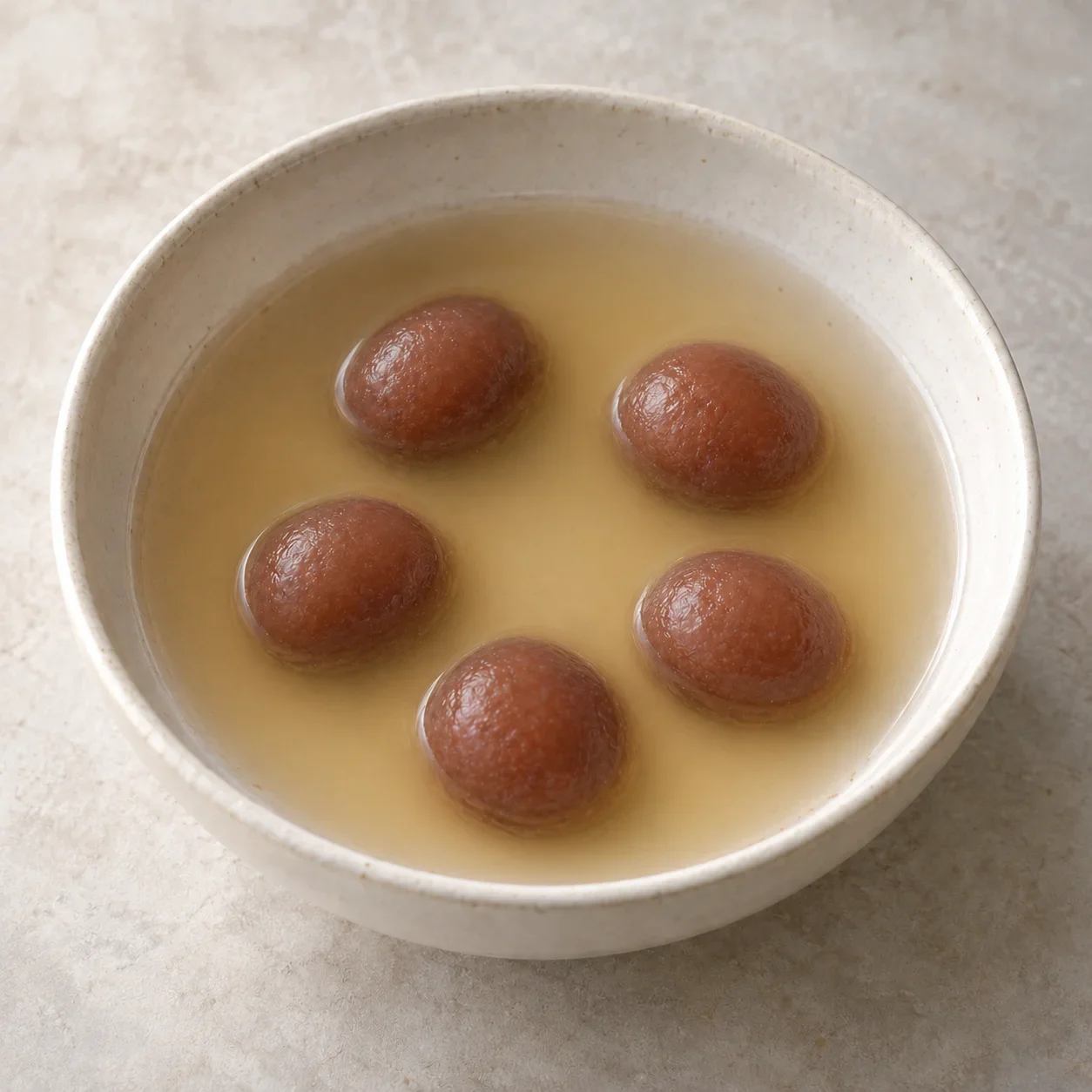
At the table
Use a spoon, let the soup and filling cool, then cut or bite the ball into manageable pieces. Do not swallow a whole ball.
Traditional filling contains pork lard, walnuts, pine nuts and other seed kernels. Check the actual filling for dietary needs; the plant-based starch coating does not make the whole dish vegetarian.
Do not offer whole slippery balls. Cut into small pieces, cool thoroughly and check whether the child can chew the elastic shell and nut filling.
Recipes vary. Ask the restaurant about ingredients and serving before you order.
GET TO KNOW THE DISH
What goes into it?
Explore some key ingredients below. Preparations may use additional seasonings and ingredients.
Some makers reduce the amount of sugar. The described traditional filling uses lard, nuts, seed kernels and candied kumquat; do not assume it is vegan.
Typical ingredients
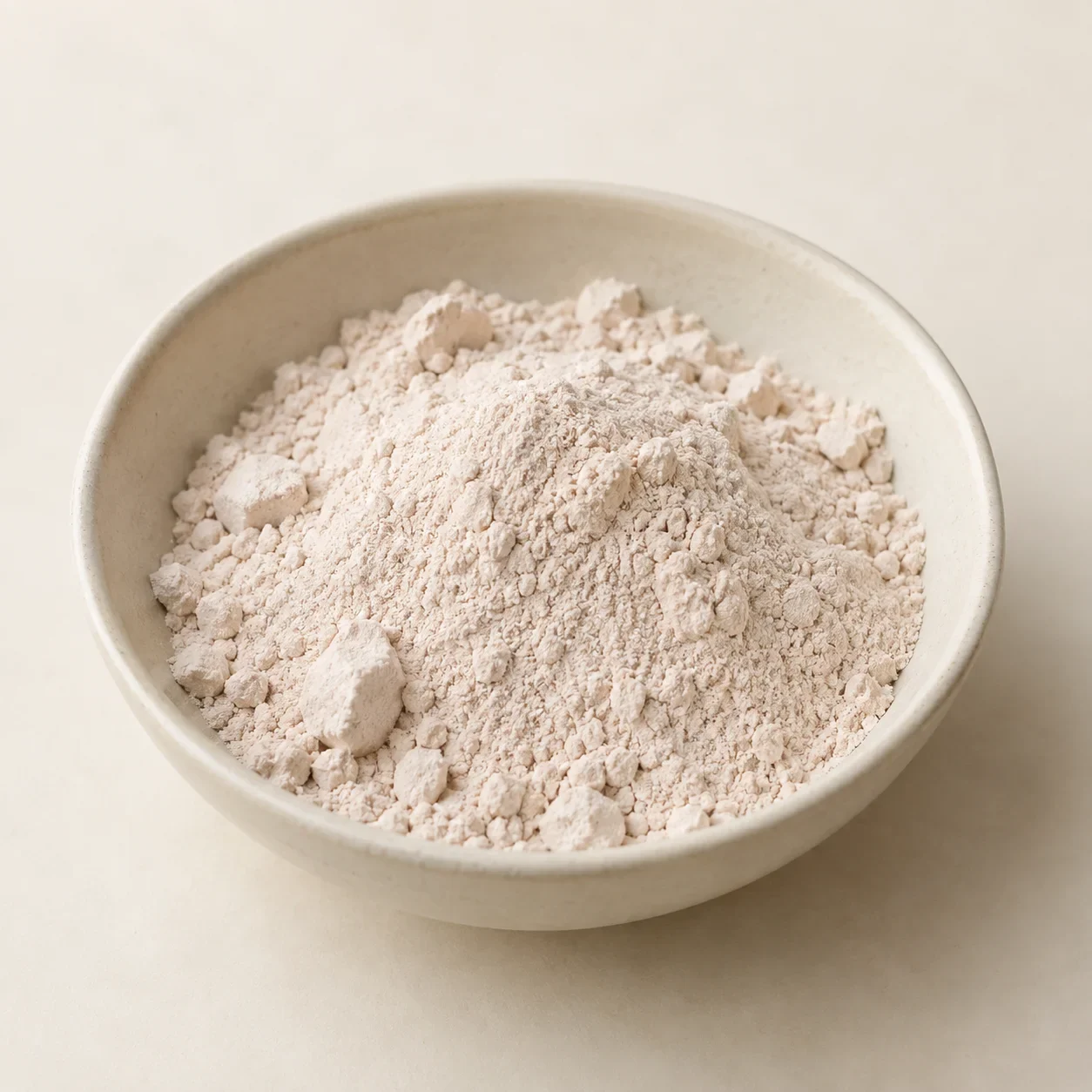

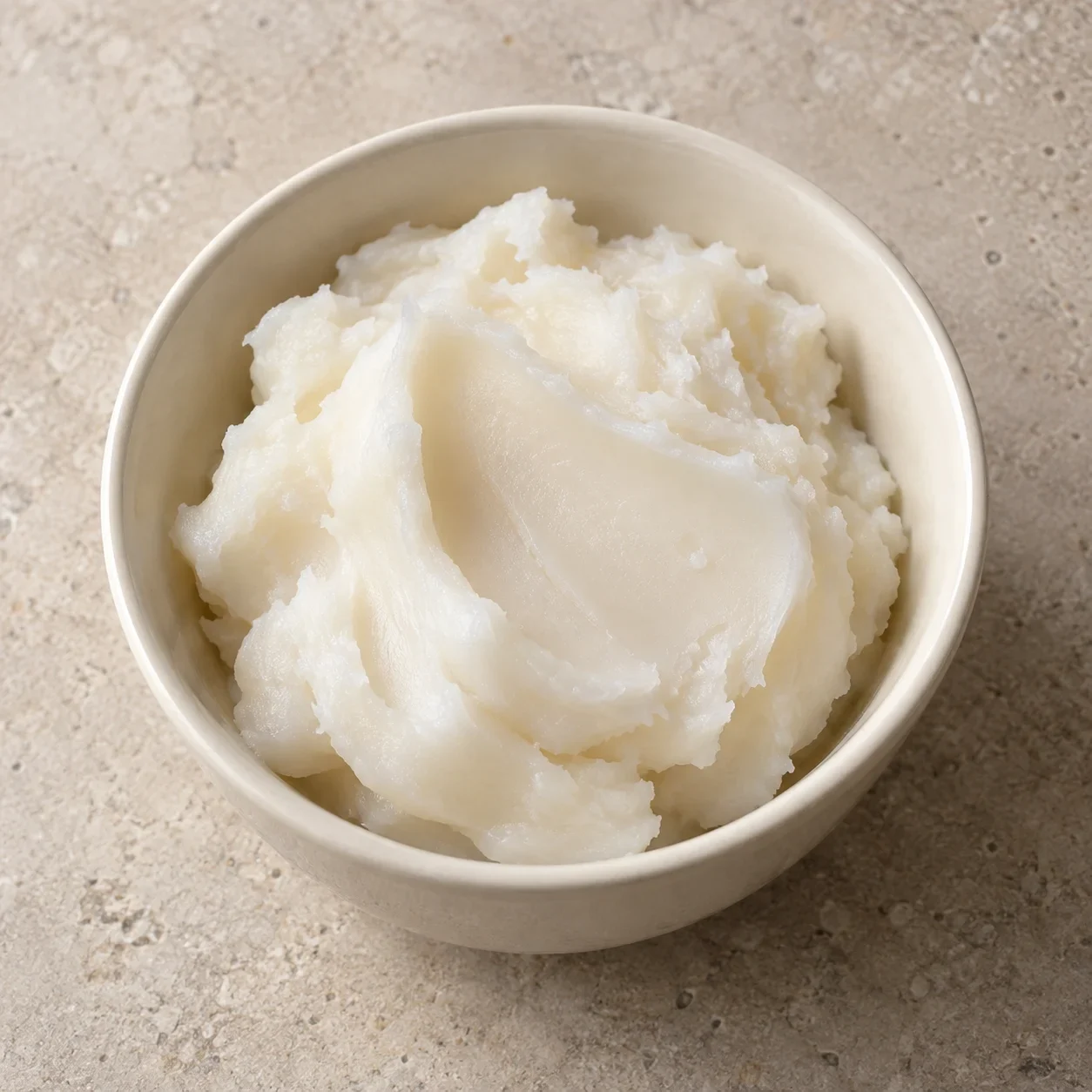
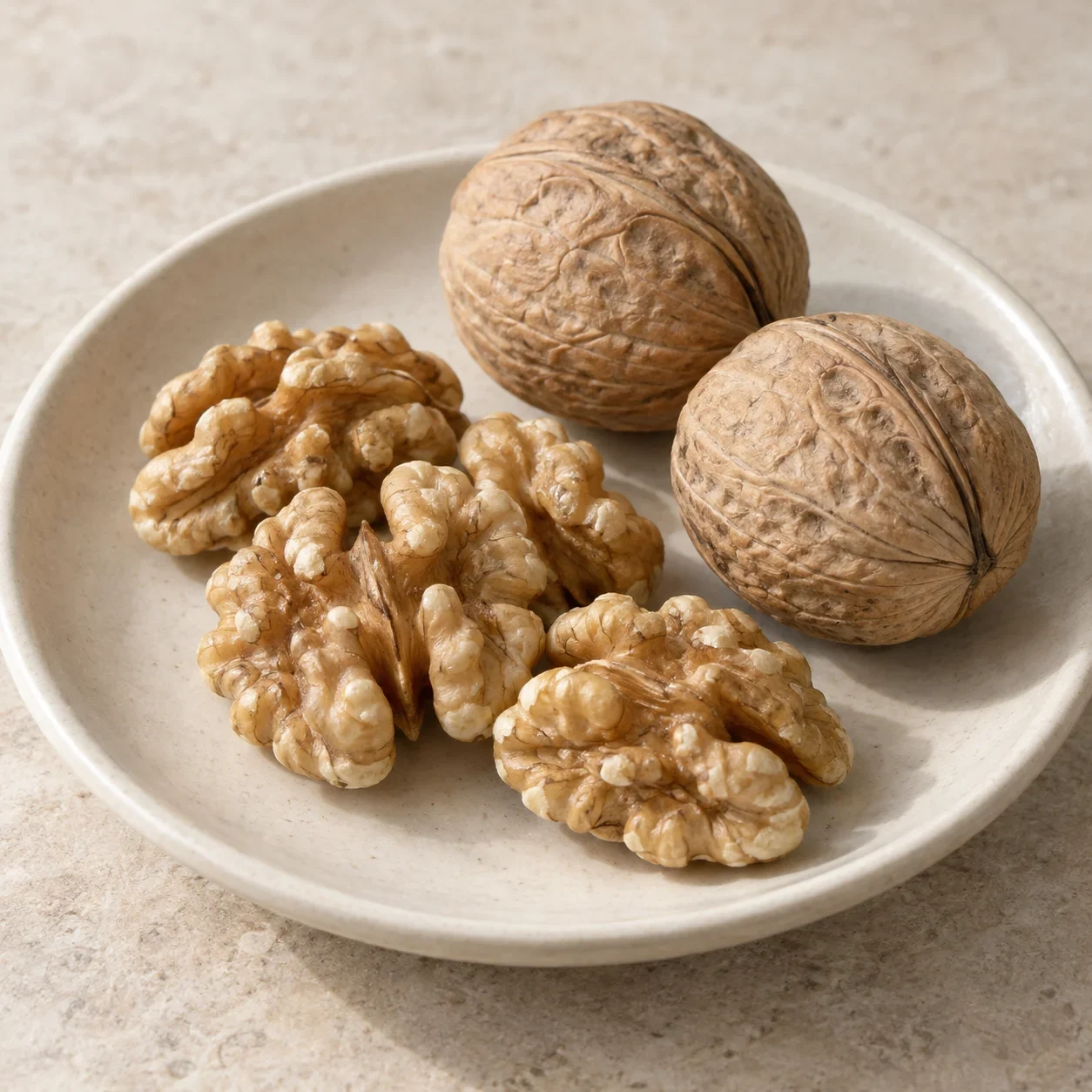
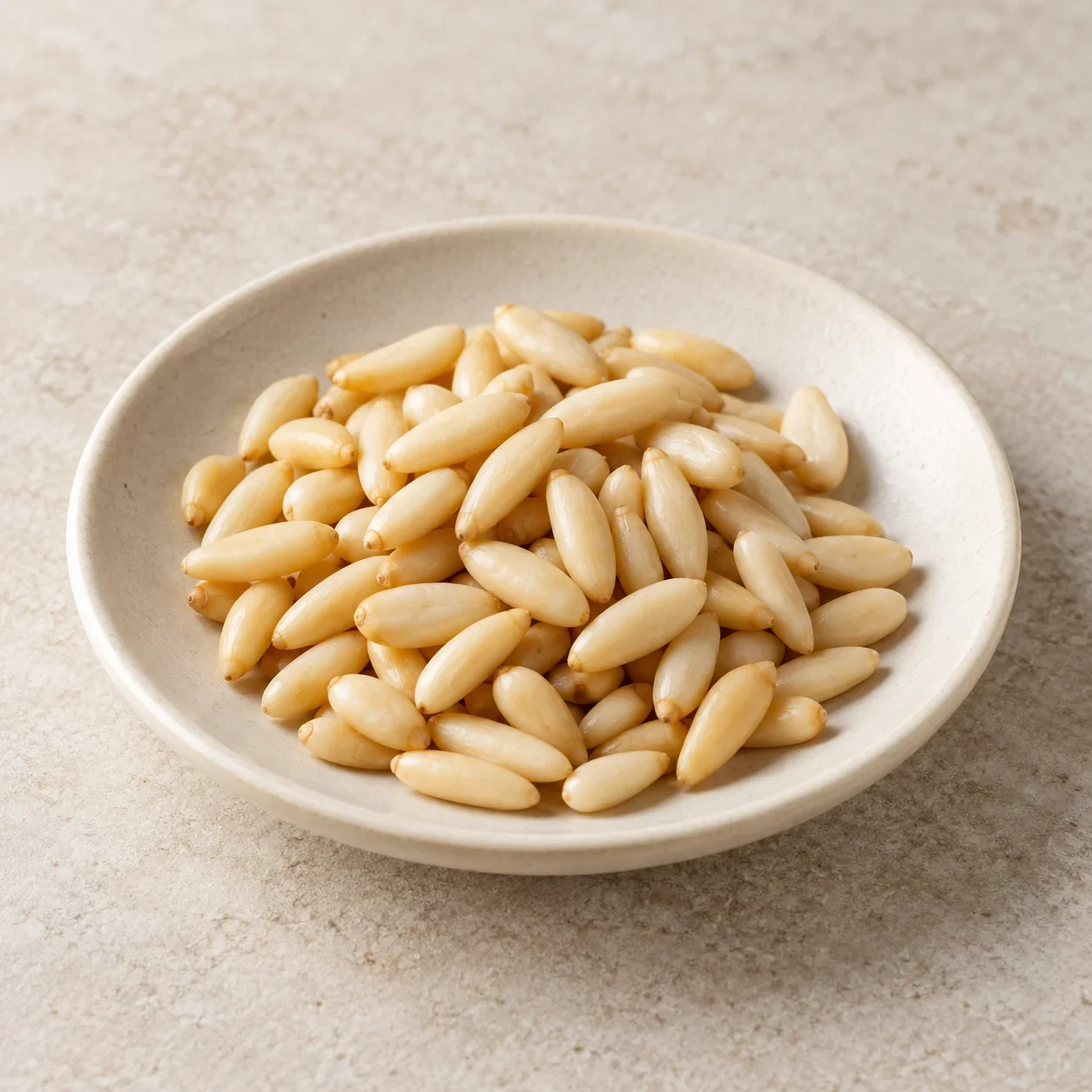
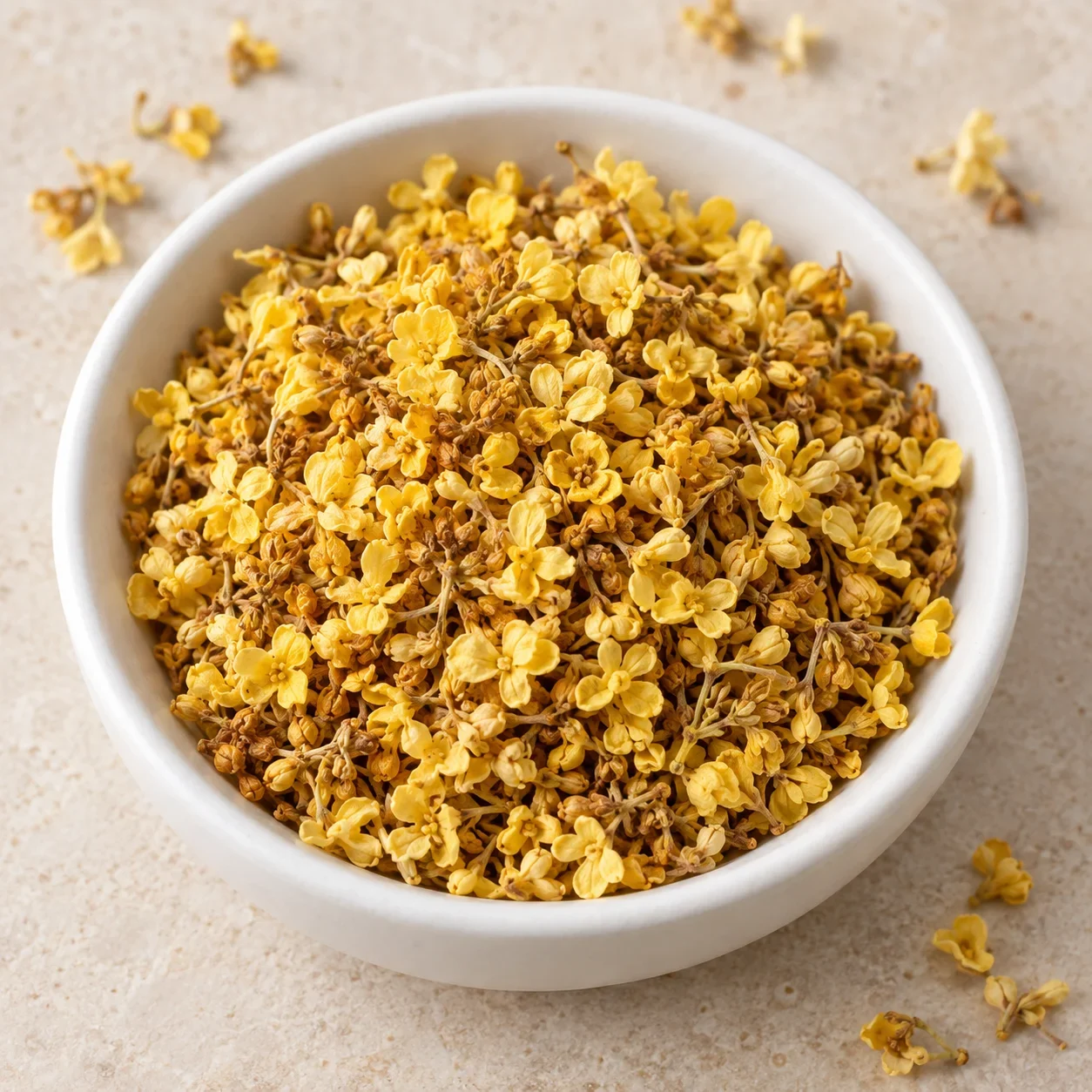
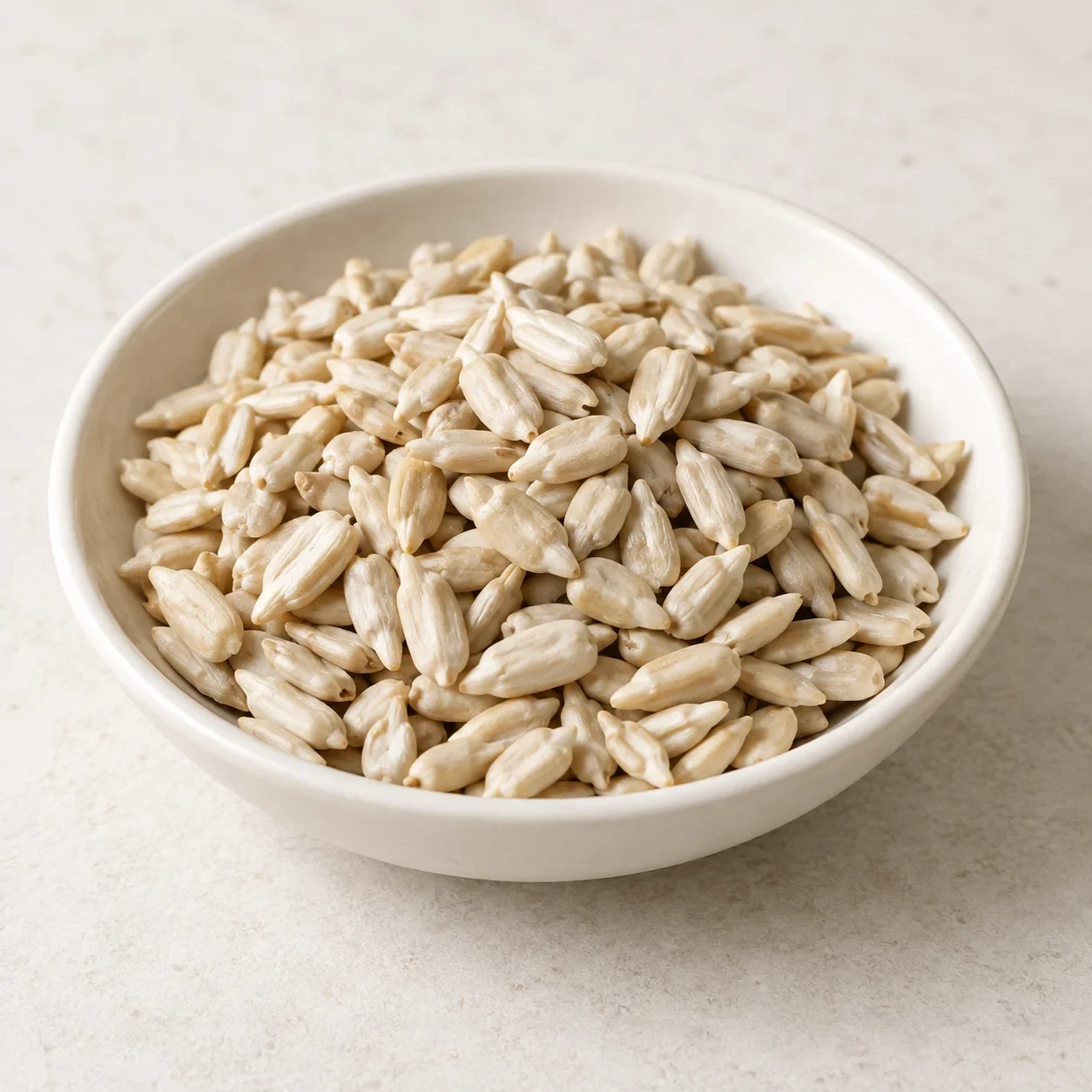
In some versions
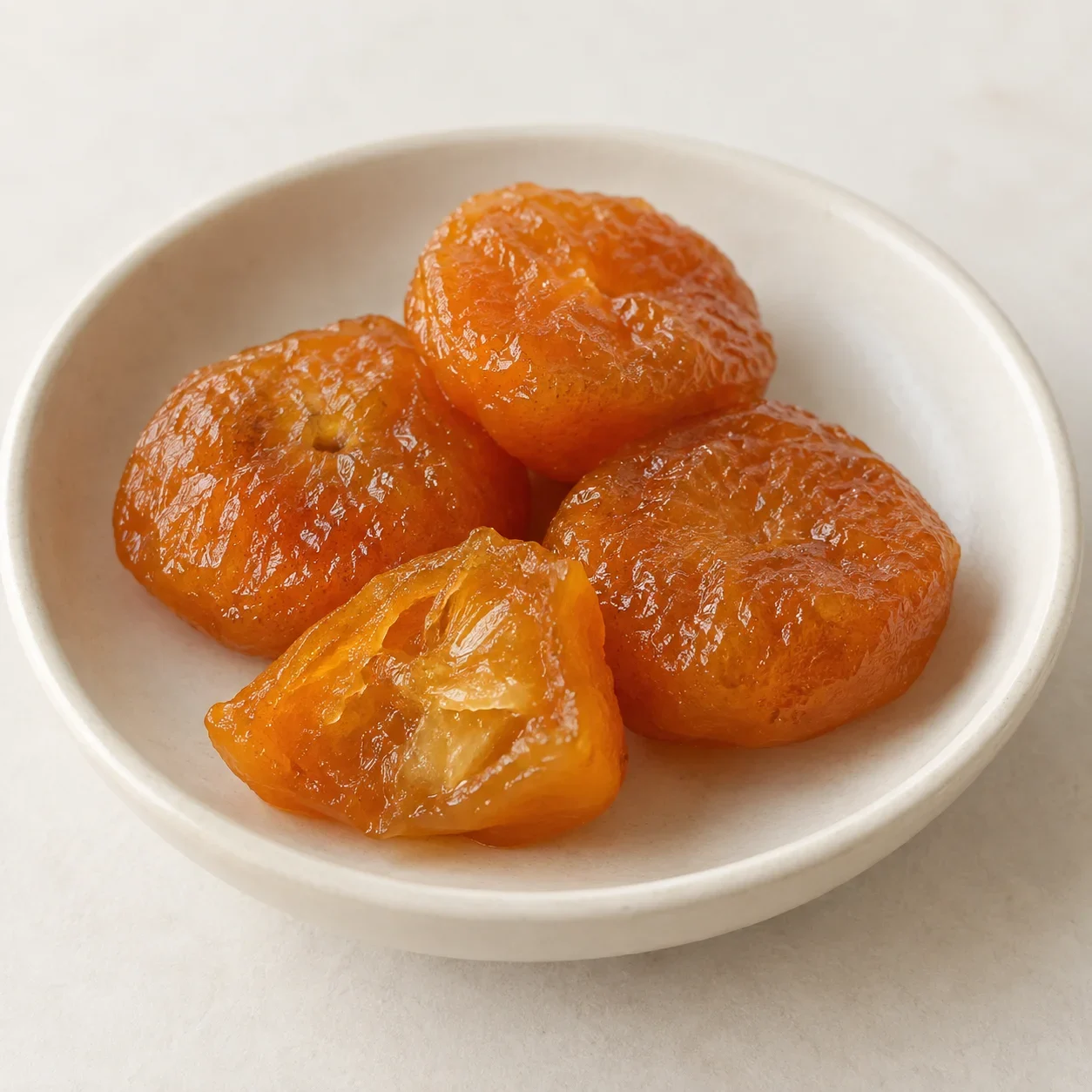
Recipes vary by restaurant.
How does it taste?
Sweet nutty filling with osmanthus perfume; the starch shell is mild and clean.
- Chili heat
- Texture
- Smooth, elastic, translucent coating around a soft sweet center; slippery in warm syrup.
- How it’s made
- Roll the sugar, lard, nut, seed and candied-kumquat filling into balls. Coat with lotus-root starch in a tray, dip in boiling water and repeat the coating and dipping several times to build a glossy shell.
Some makers reduce the amount of sugar. The described traditional filling uses lard, nuts, seed kernels and candied kumquat; do not assume it is vegan.
A CONNECTION TO PLACE
Origin & regional roots
Associated with Jiangsu.
About this regional connection
Jiangsu: Associated with Jianhu County, Yancheng, Jiangsu; provincial ICH craft reported.
Ask if they have it first
请问你们有建湖藕粉圆吗?
Do you have this item?
A LITTLE SOMETHING TO READ
Story & history
From banquet sweet to breakfast bowl
In Jianhu, lotus-starch balls appear both as a sweet dish at banquets and as a family breakfast. Their distinctive shell is built around the filling: the balls are rolled in lotus-root starch, dipped in boiling water and coated again. Repeated layers give the glossy, springy surface. The craft is handed down locally, while some makers adjust the sweetness for changing tastes.