
At the table
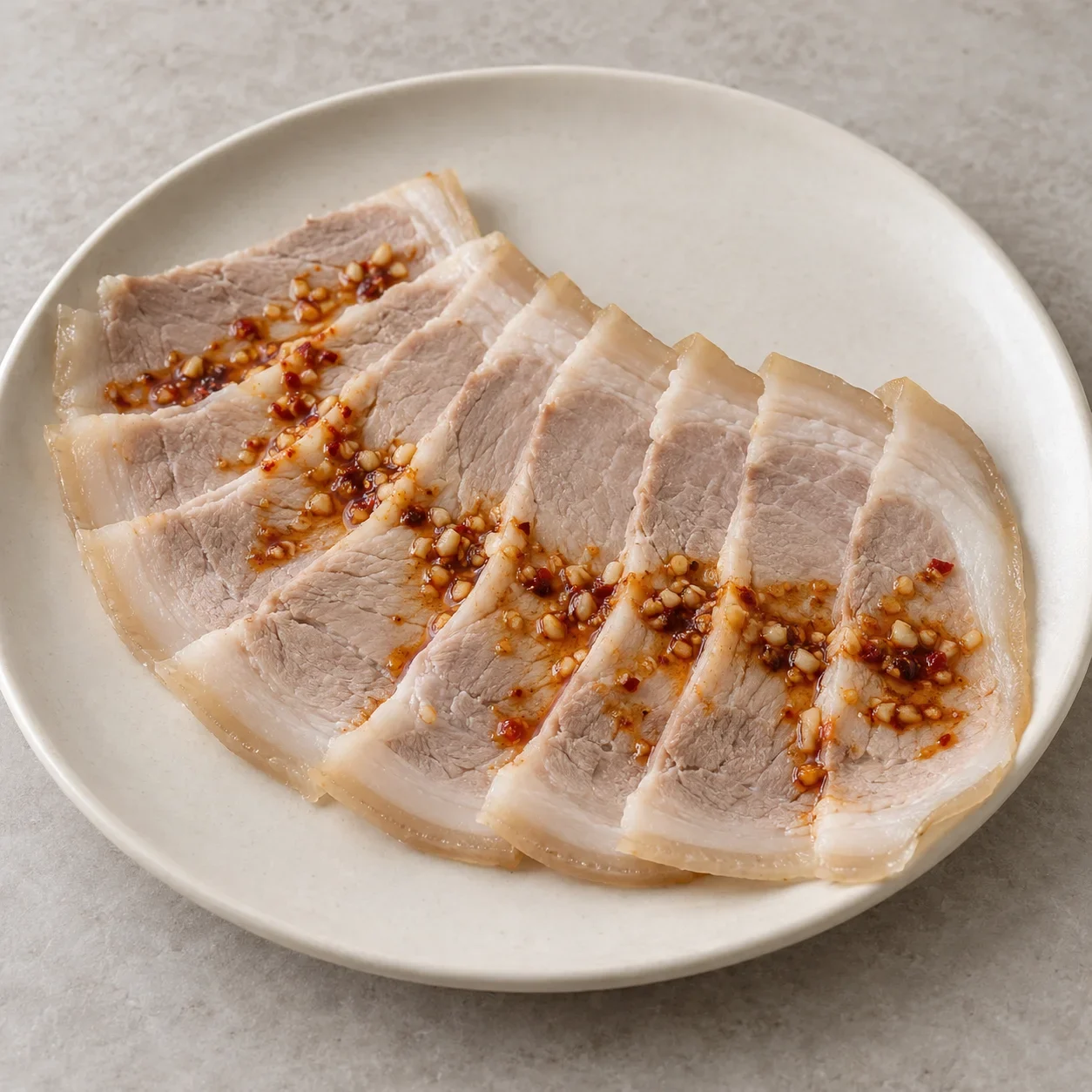
Share as a small dish alongside rice and other dishes. “蒜泥白肉,少放辣椒油” asks for sliced pork with garlic sauce and less chili oil.
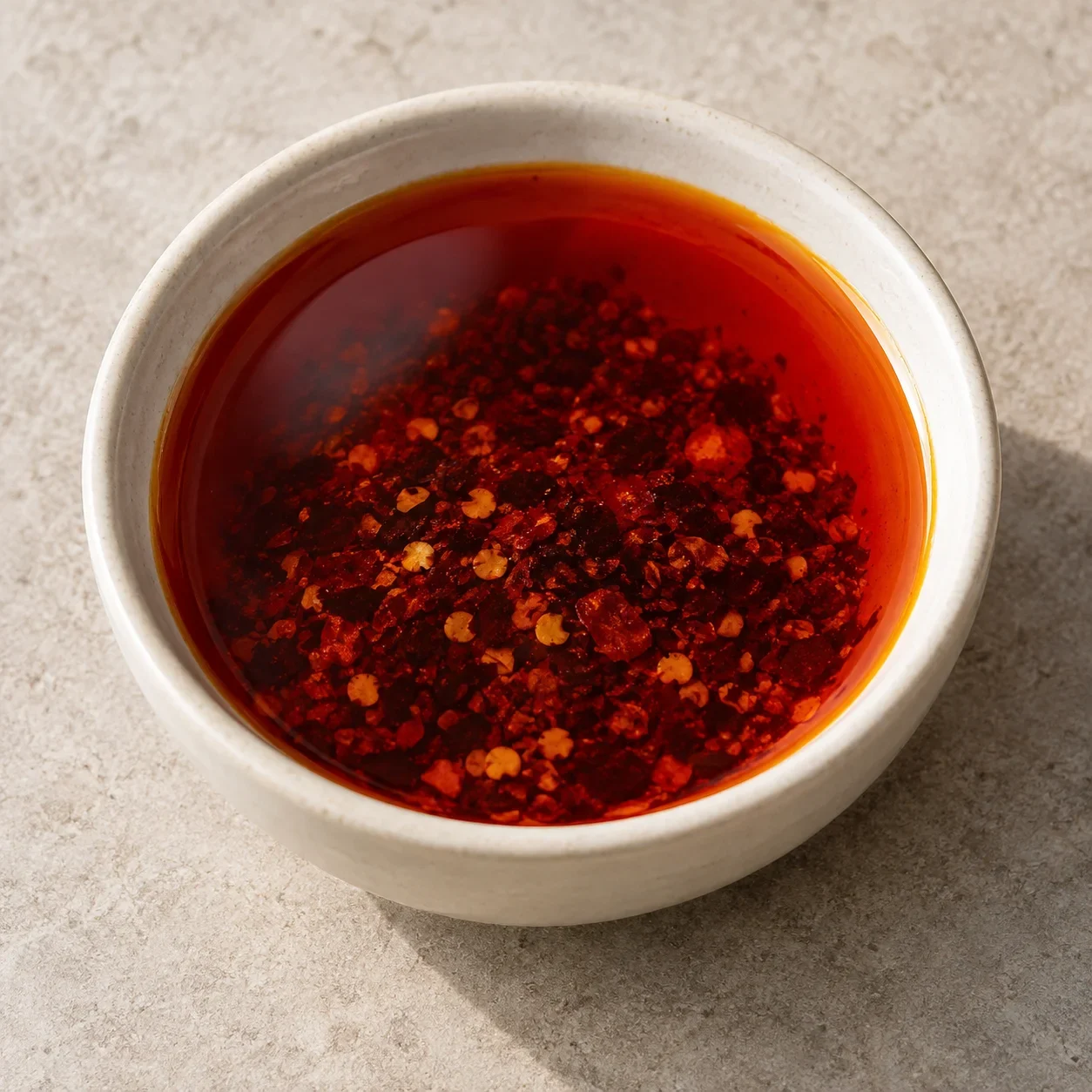
Contains pork and soy sauce, often wheat. The featured chili oil includes sesame. Garlic pungency is separate from chili heat; ask about the sauce if avoiding an ingredient.
GET TO KNOW THE DISH
What goes into it?
Explore some key ingredients below. Preparations may use additional seasonings and ingredients.
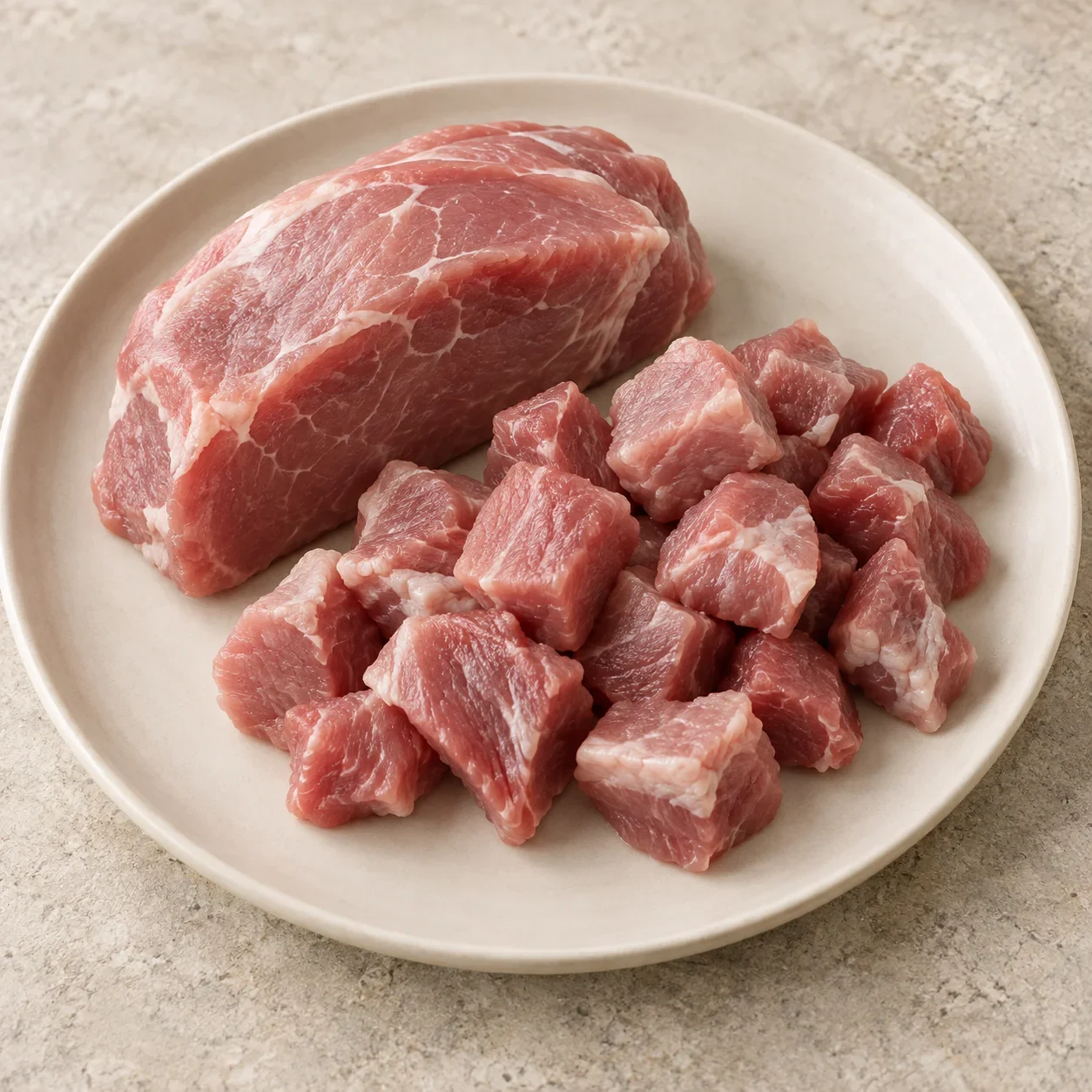
The featured Sichuan version uses pork hindquarter. Other cuts and cool or warm service occur; shredded celtuce is an optional accompaniment.
Typical ingredients

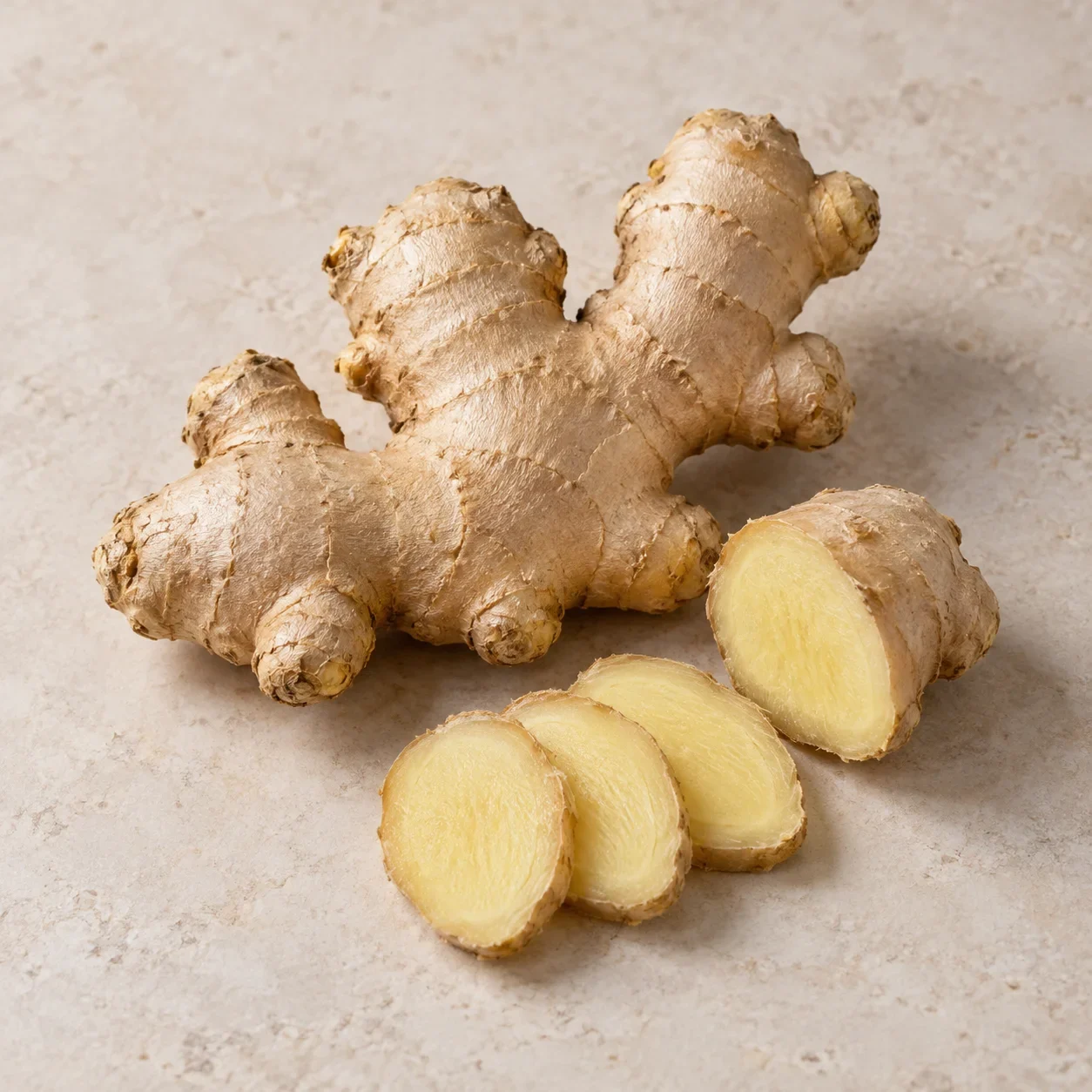

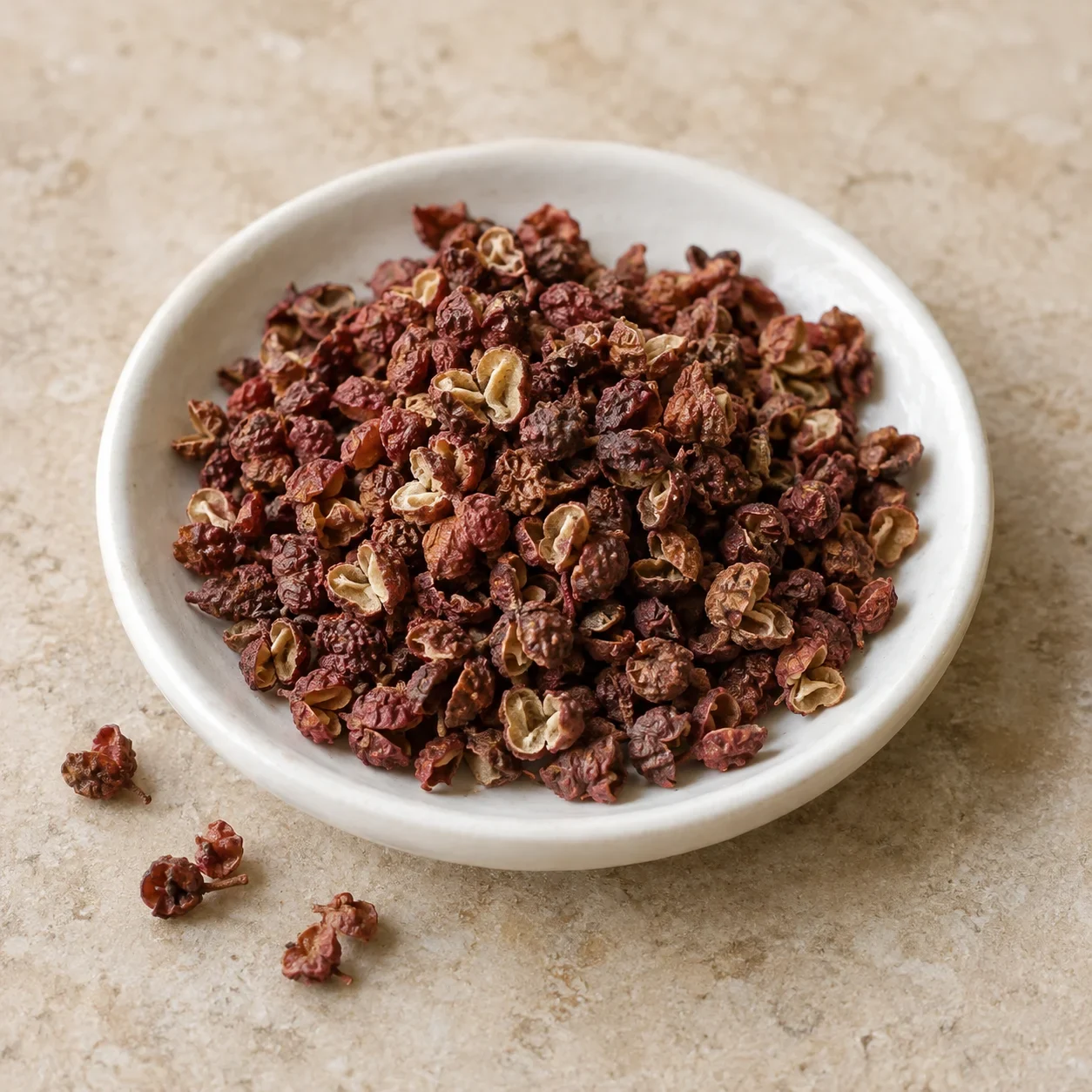
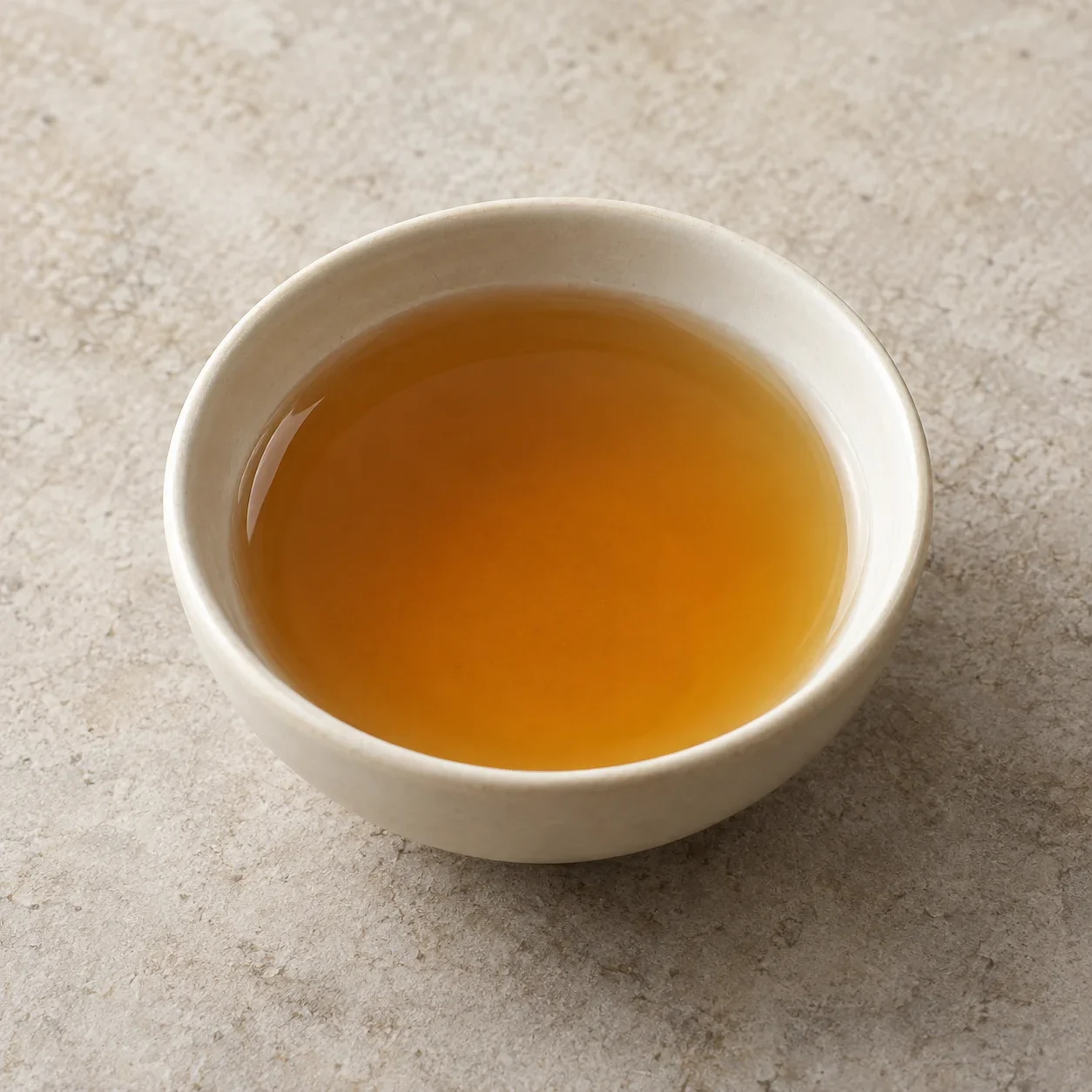
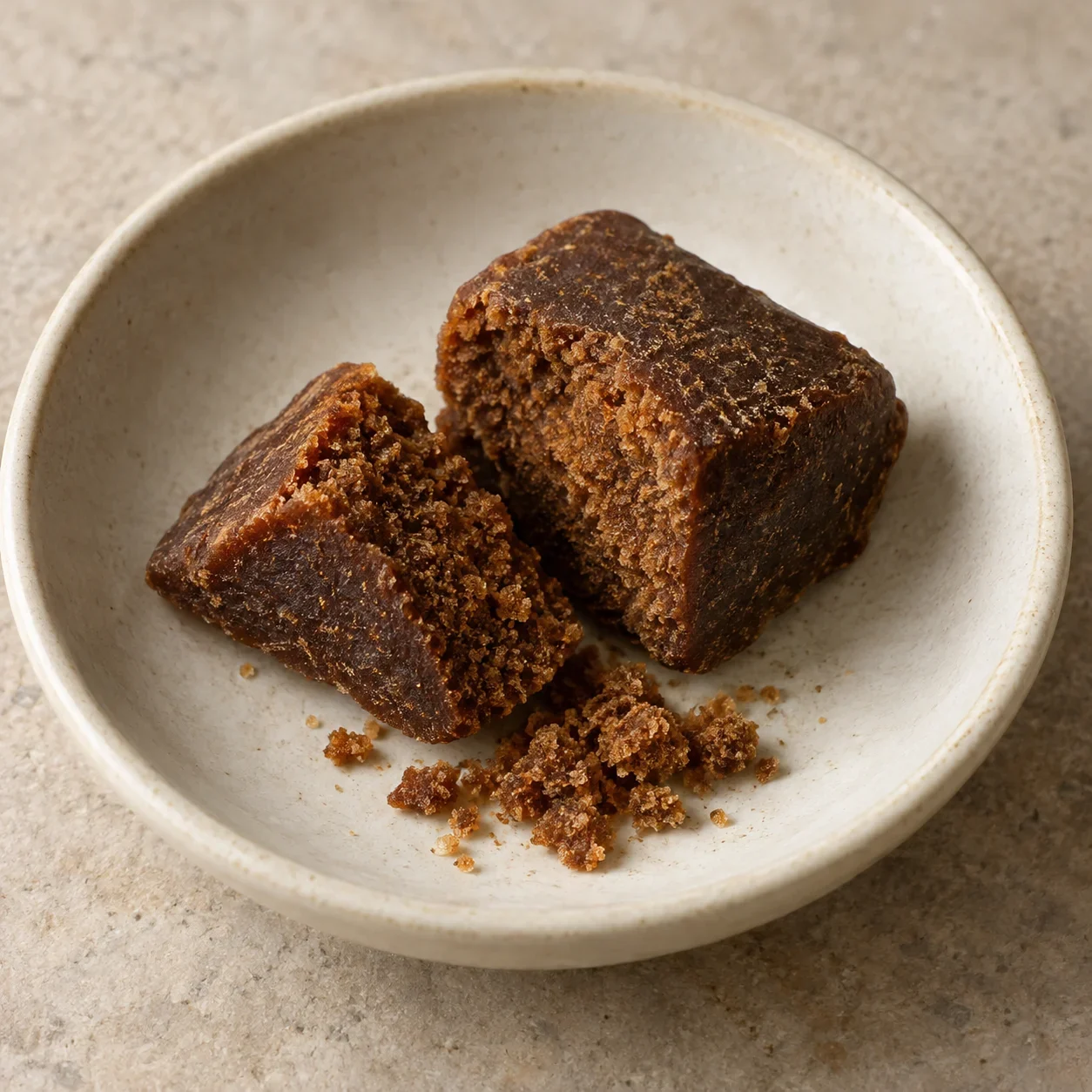
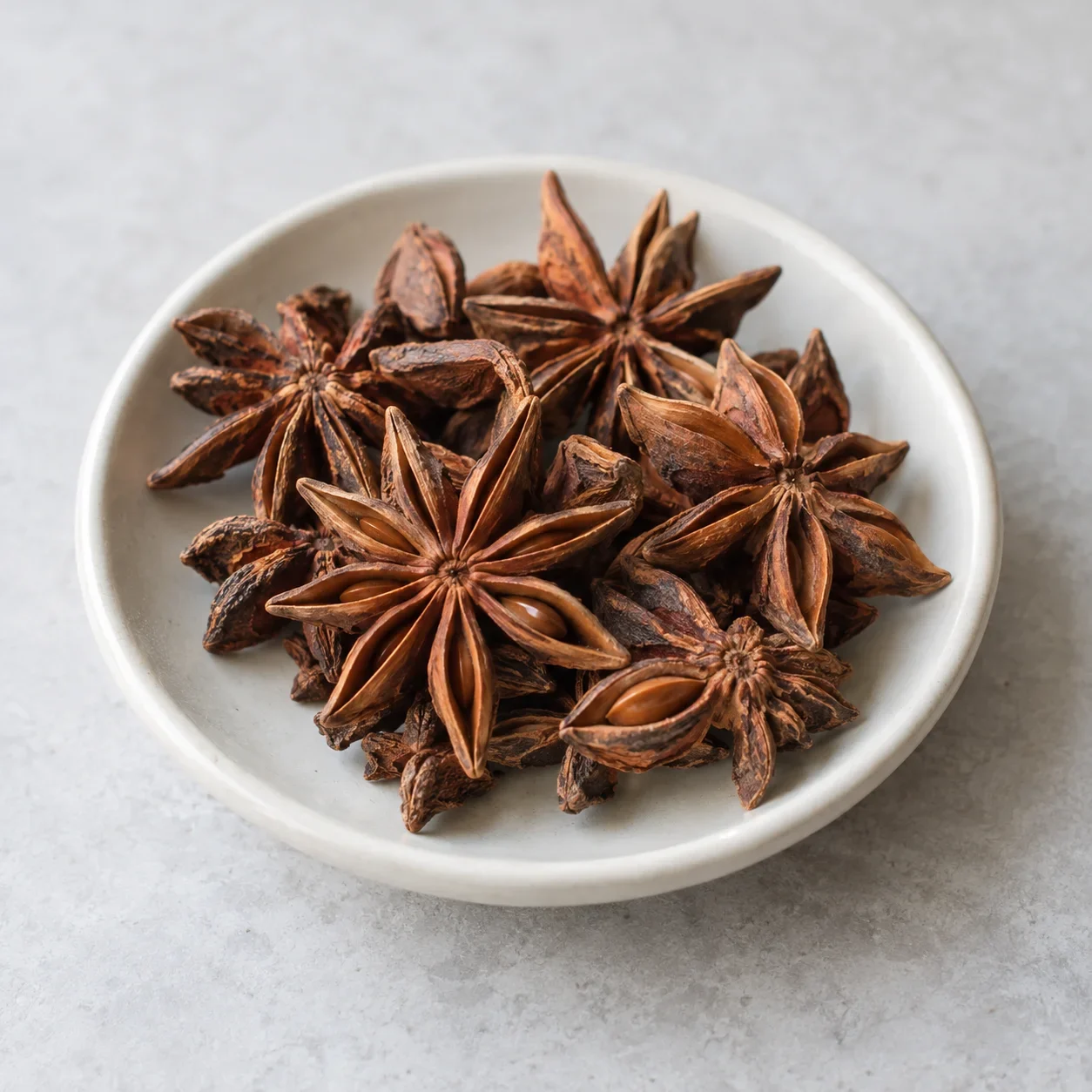
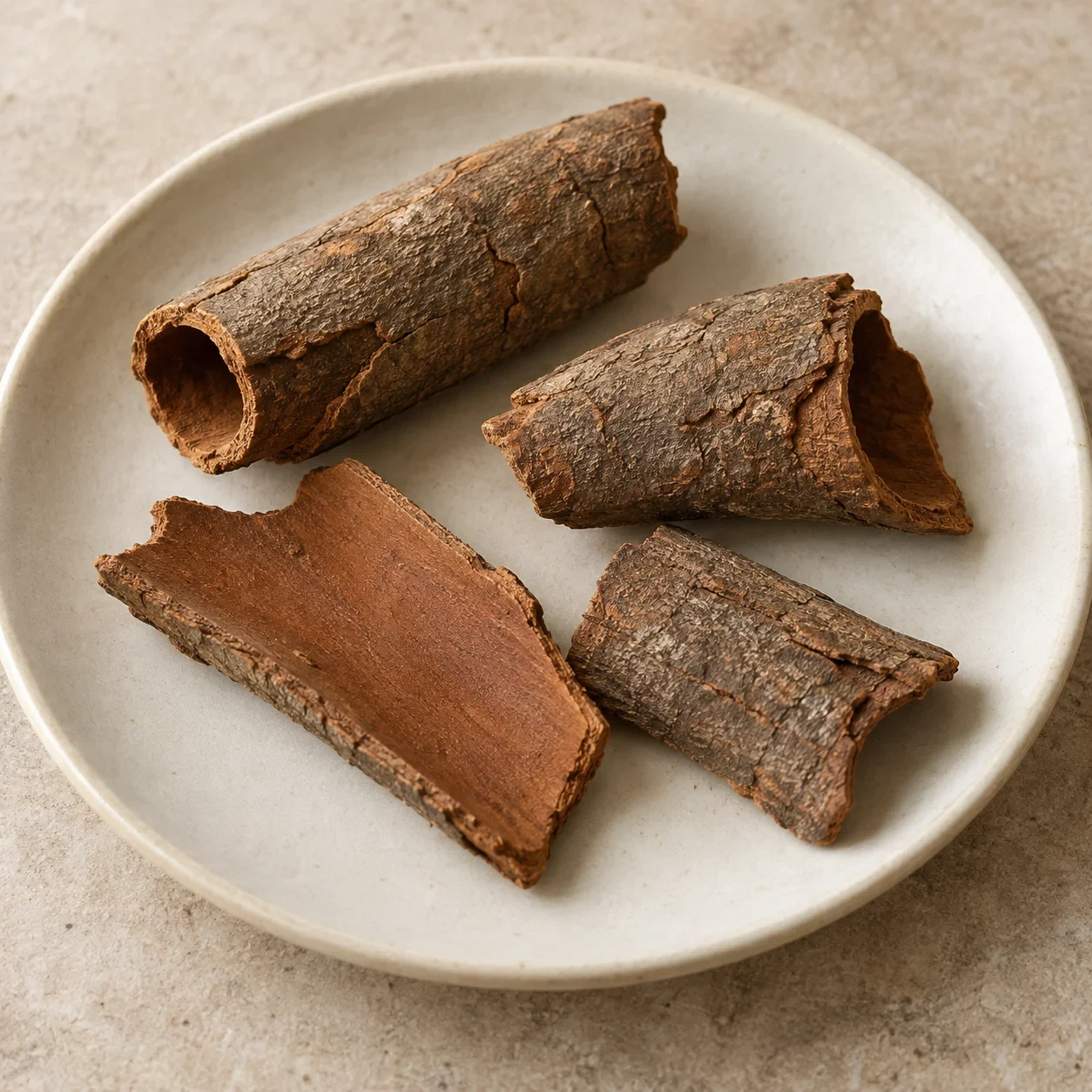
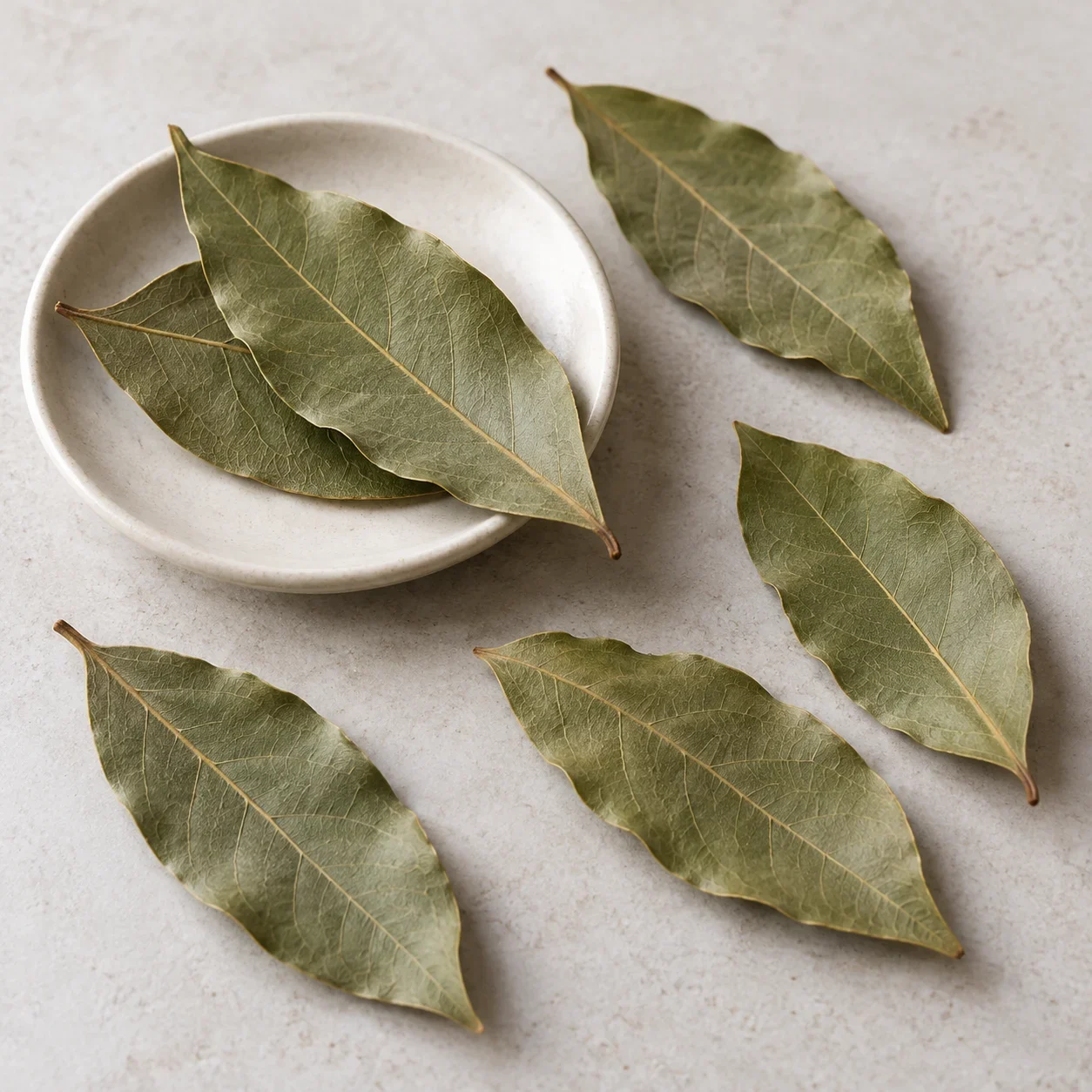
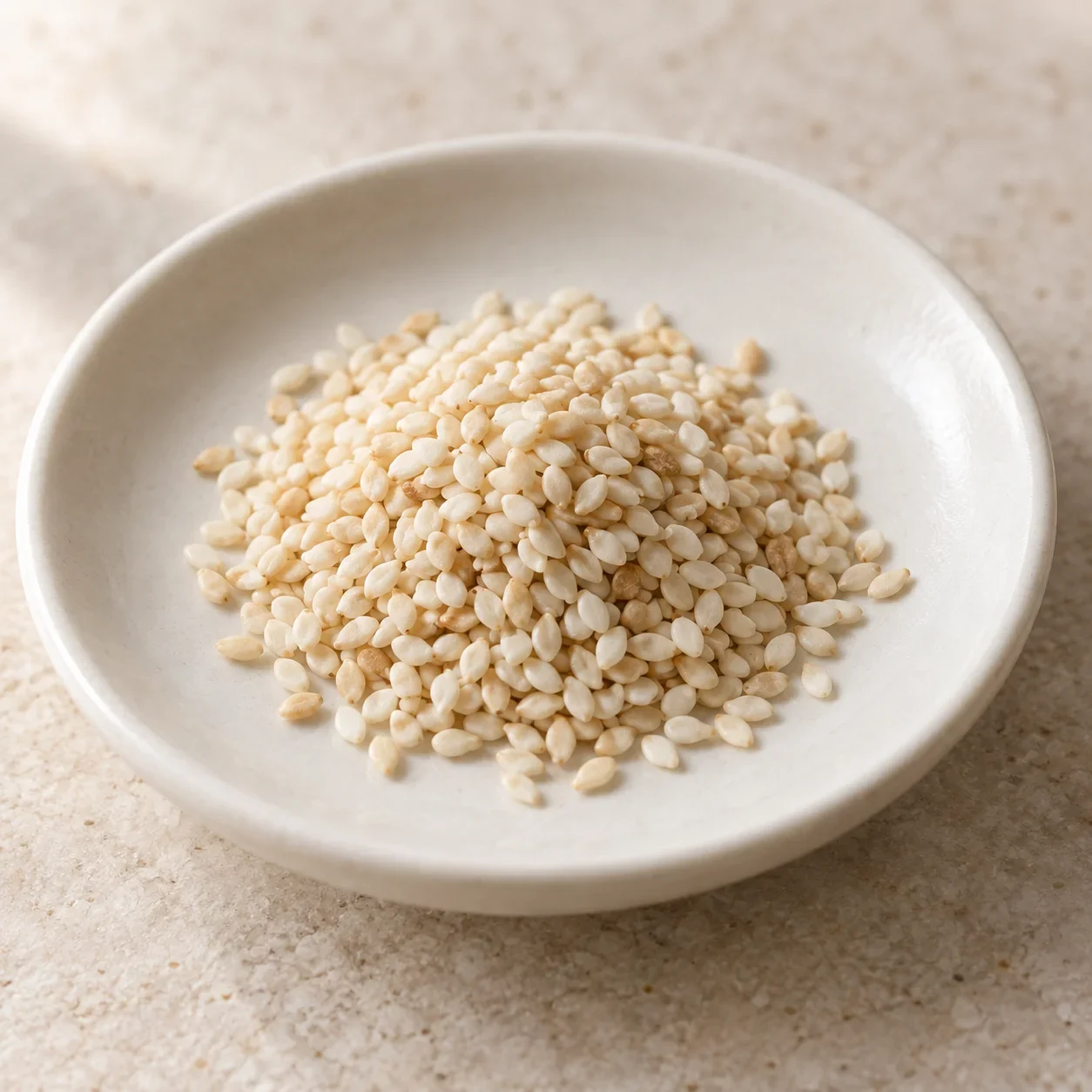
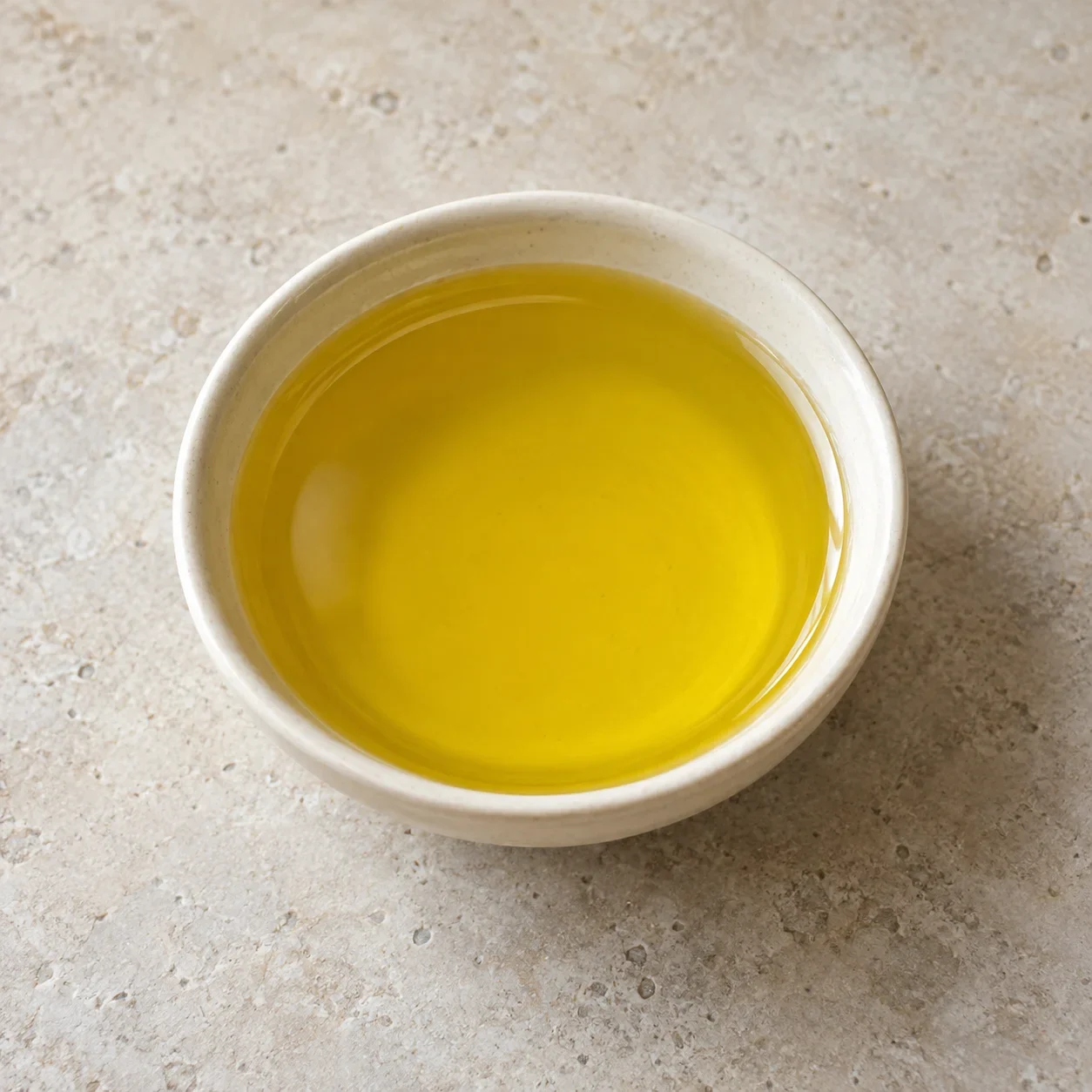
In some versions
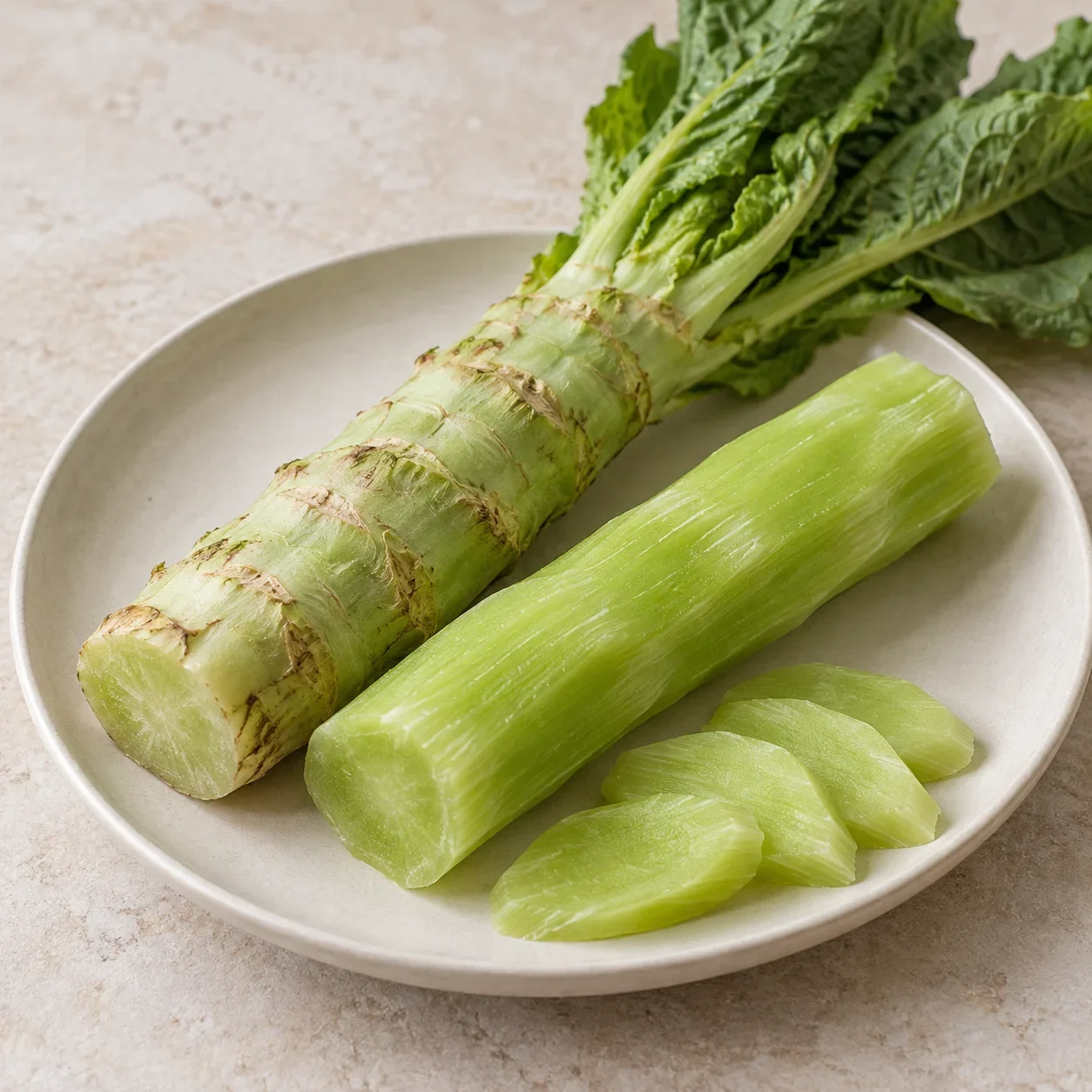
Recipes vary by restaurant.
How does it taste?
Garlicky and savory, with chili-oil heat and a little sweetness from seasoned soy sauce. Chili strength varies.
- Chili heat
- Texture
- Thin cooked pork slices combine tender lean meat with soft fat; the balance depends on the cut.
- How it’s made
- Simmer pork with aromatics, rest it in broth, slice thinly and dress with mashed garlic, chili oil and sweetened spiced soy sauce.
The featured Sichuan version uses pork hindquarter. Other cuts and cool or warm service occur; shredded celtuce is an optional accompaniment.
A CONNECTION TO PLACE
Origin & regional roots
Associated with Sichuan.
About this regional connection
Sichuan: A directly read Chengdu restaurant account identifies the dish with Chengdu and Sichuan; no exclusive-origin claim is made.
Ask if they have it first
请问你们有蒜泥白肉吗?
Do you have this item?
A LITTLE SOMETHING TO READ
Story & history
Garlic sauce, not a single regional cut
This account describes a tradition or story, rather than an established historical fact.
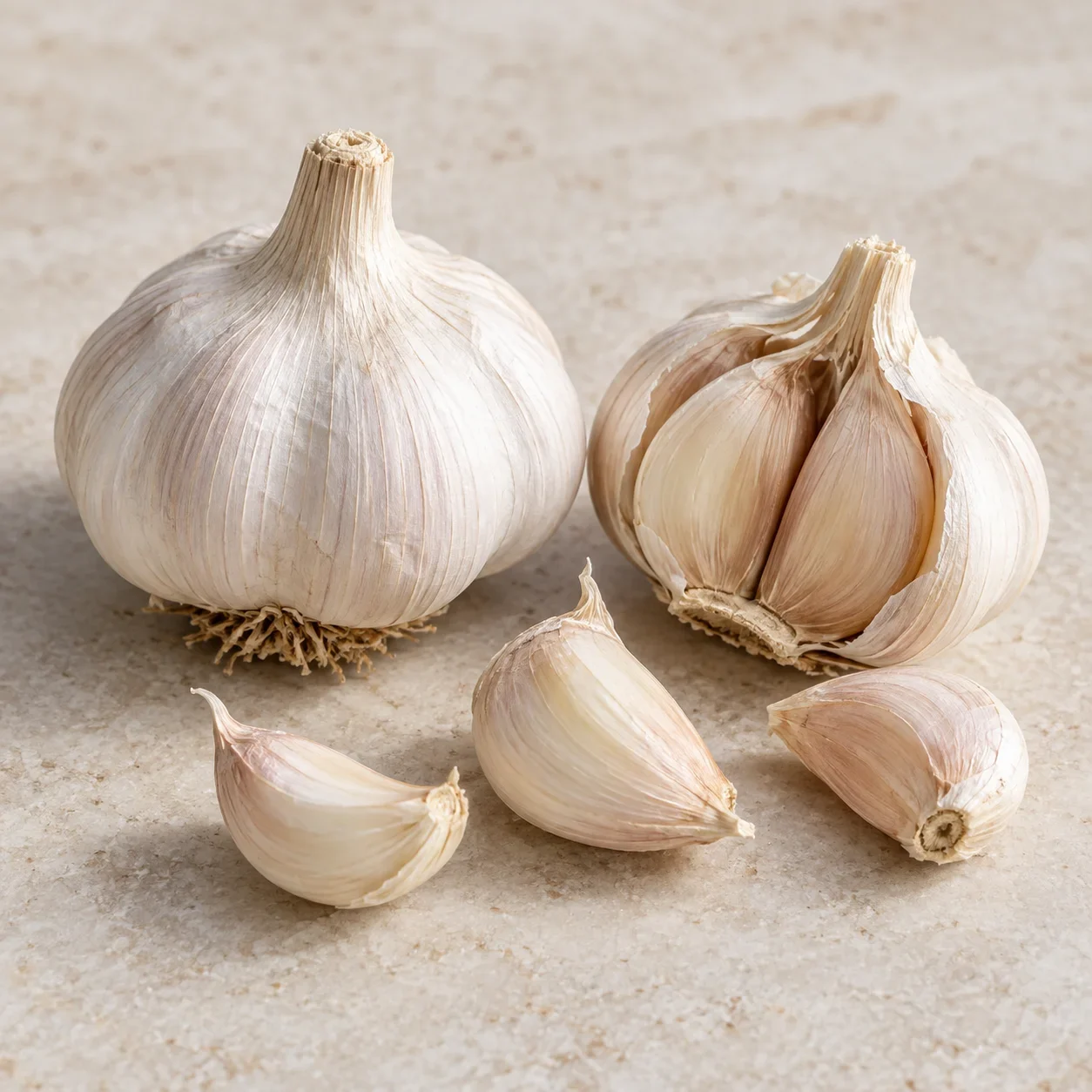
Suanni bairou means cooked pork with mashed garlic: “white meat” refers to its plain-cooked appearance before dressing. The Sichuan version combines garlic, red chili oil and seasoned soy sauce. It is distinct from Lizhuang bairou, whose regional identity centers on exceptionally broad, thin pork slices.