
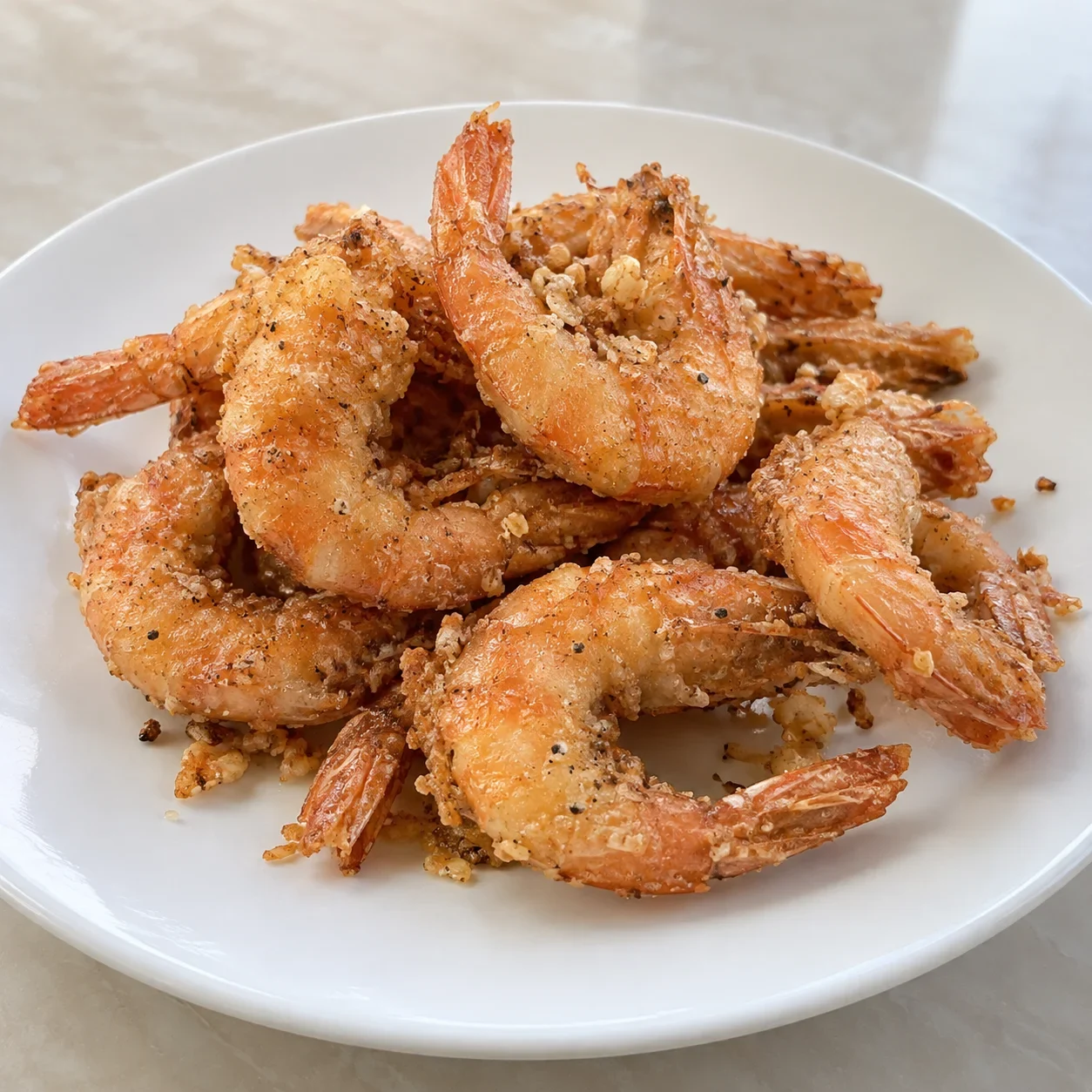
Shell-on shrimp need peeling and may be spicy. For a small serving, remove the head, shell and tail and cut the cooled shrimp meat into small pieces. Check whether chili has been added.
Recipes vary. Ask the restaurant about ingredients and serving before you order.
GET TO KNOW THE DISH
What goes into it?
Explore some key ingredients below. Preparations may use additional seasonings and ingredients.
The seasoning may use white pepper, black pepper, Sichuan pepper or a mixture. Cornstarch or potato starch can form the coating; heads may be retained or removed, and added chili changes the heat.
Typical ingredients
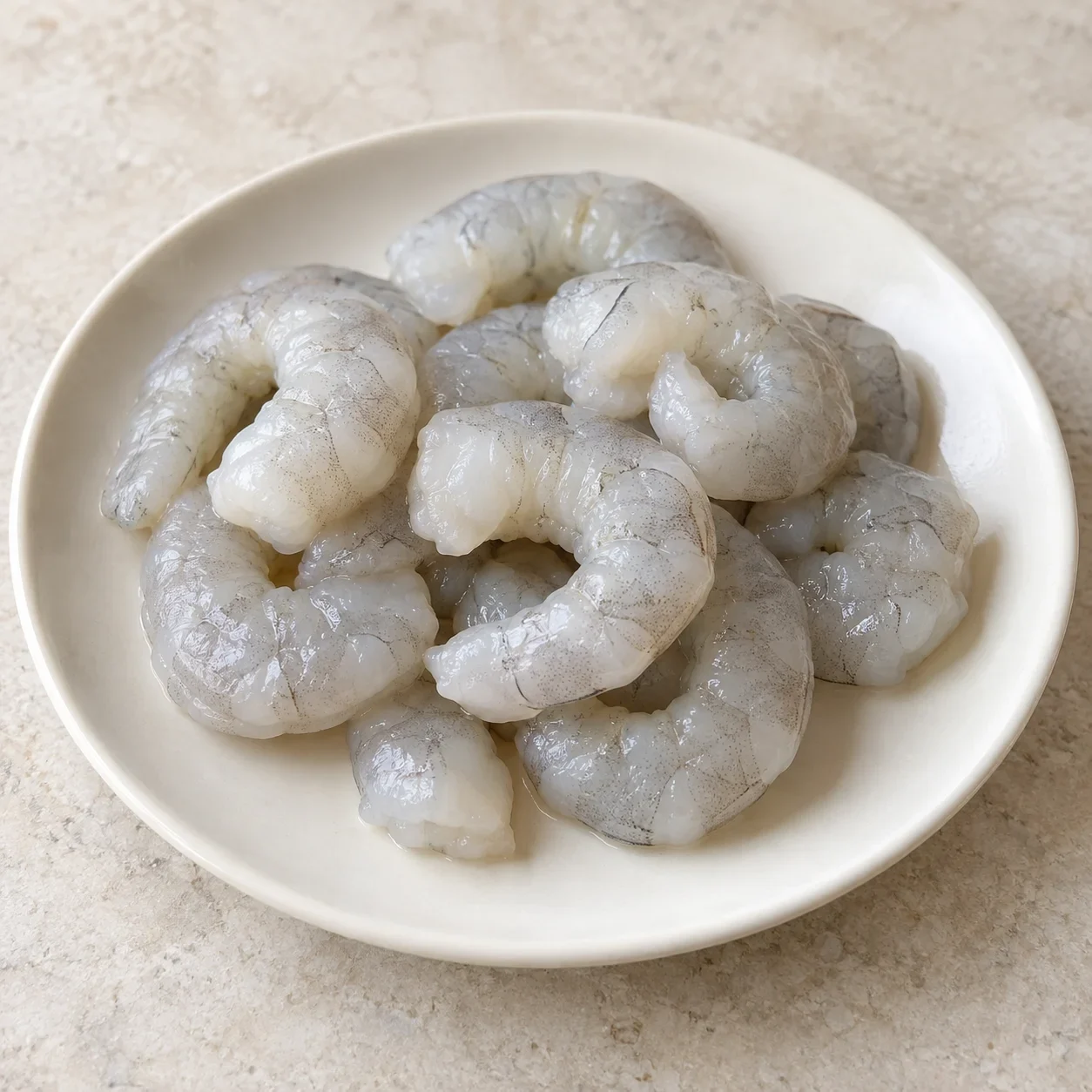
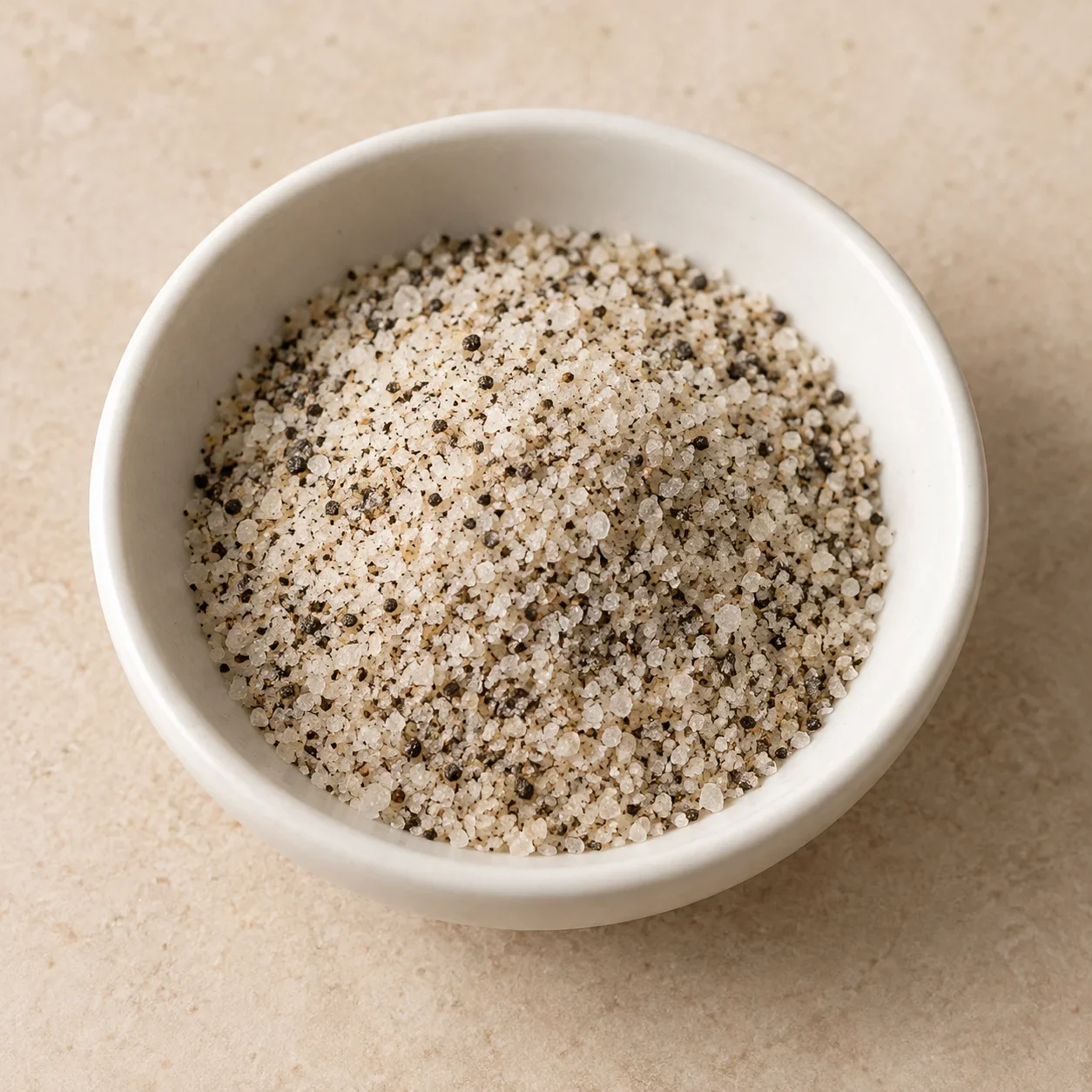
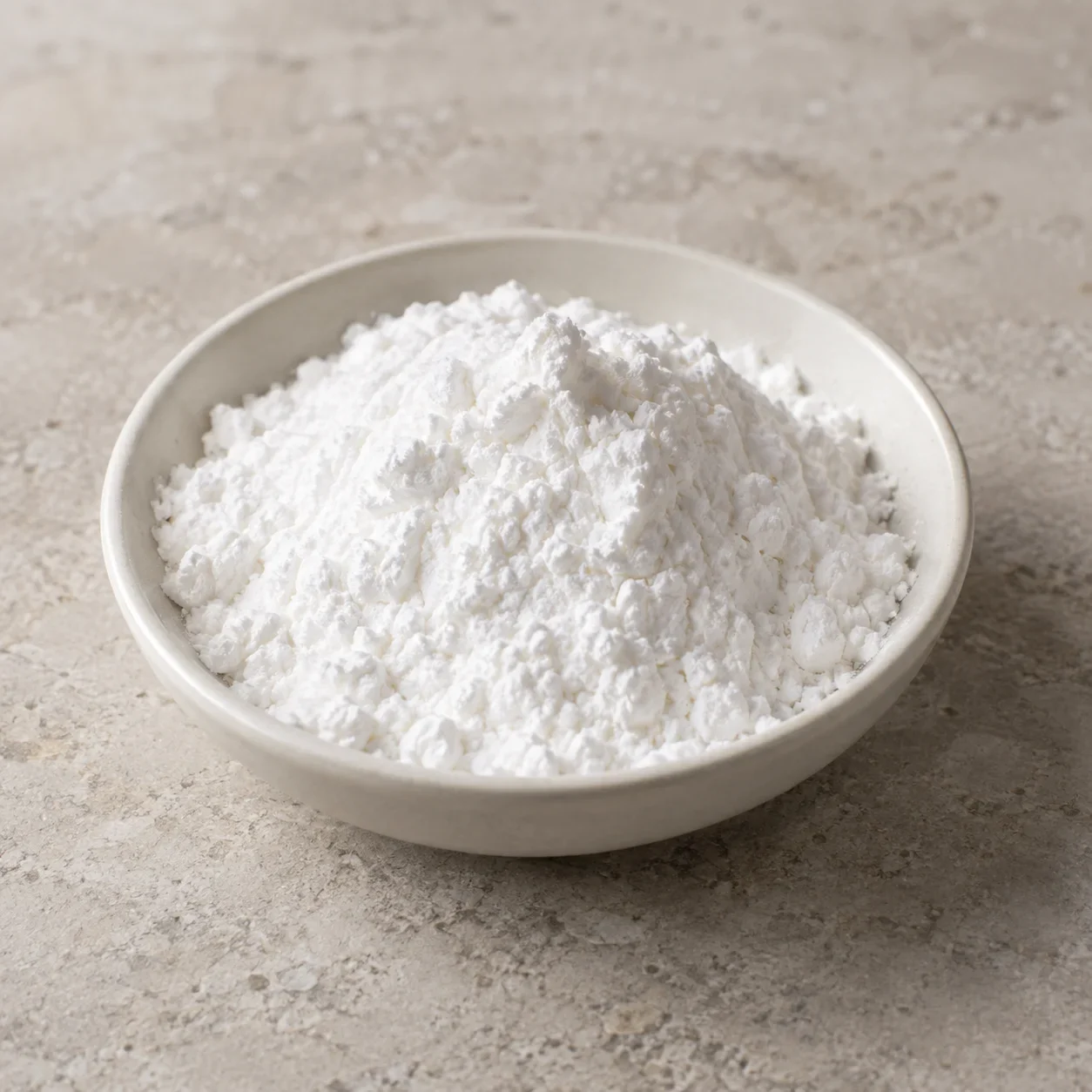

In some versions
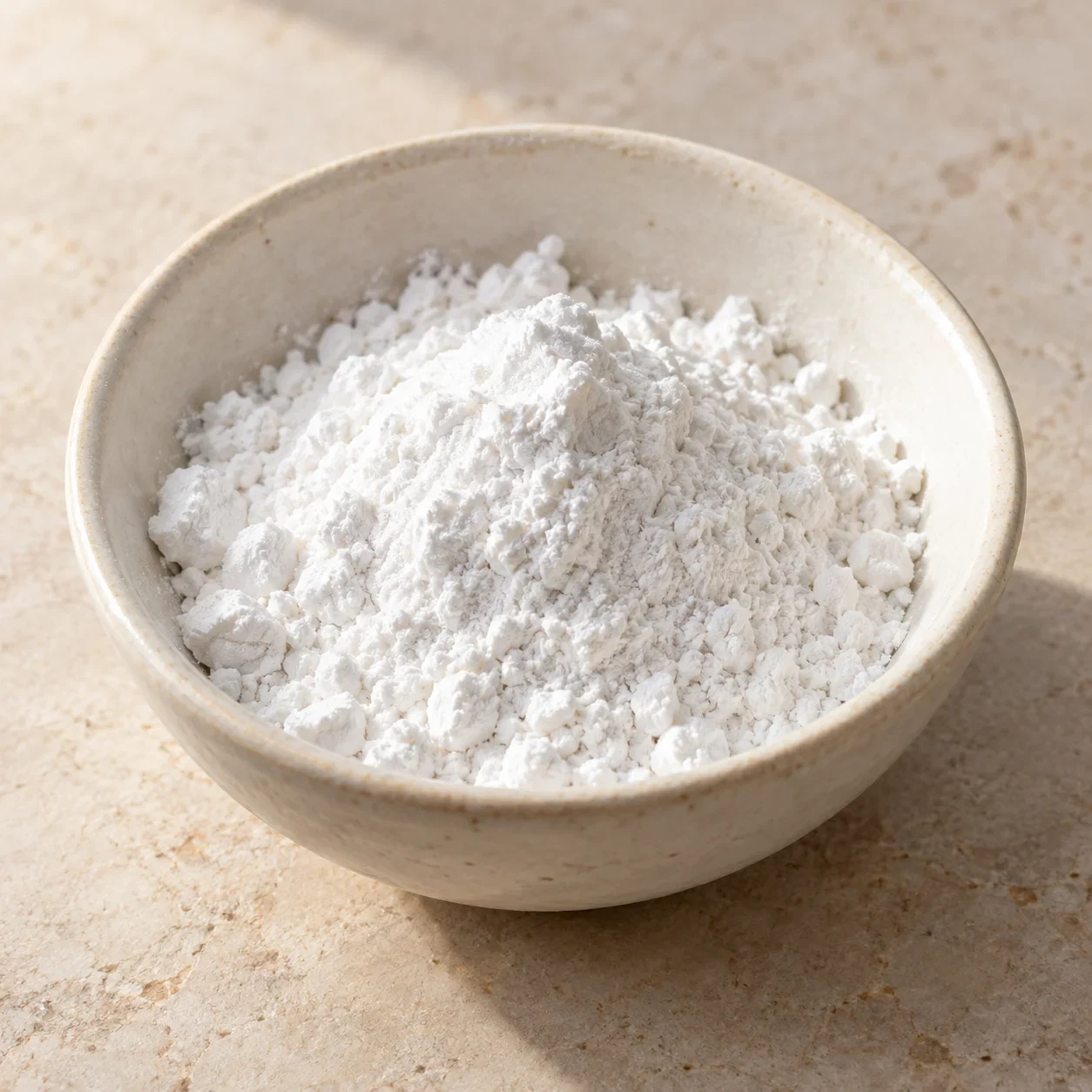
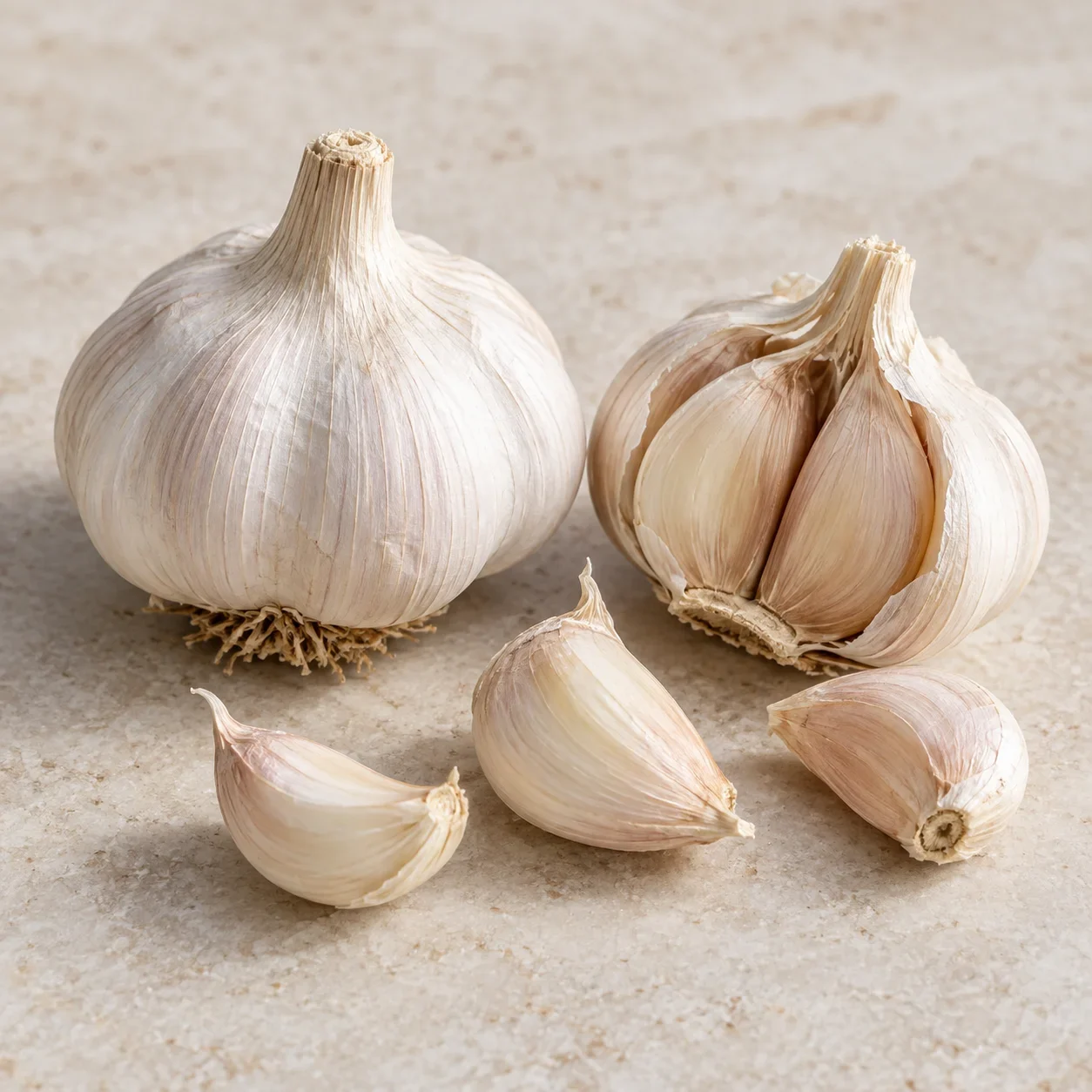
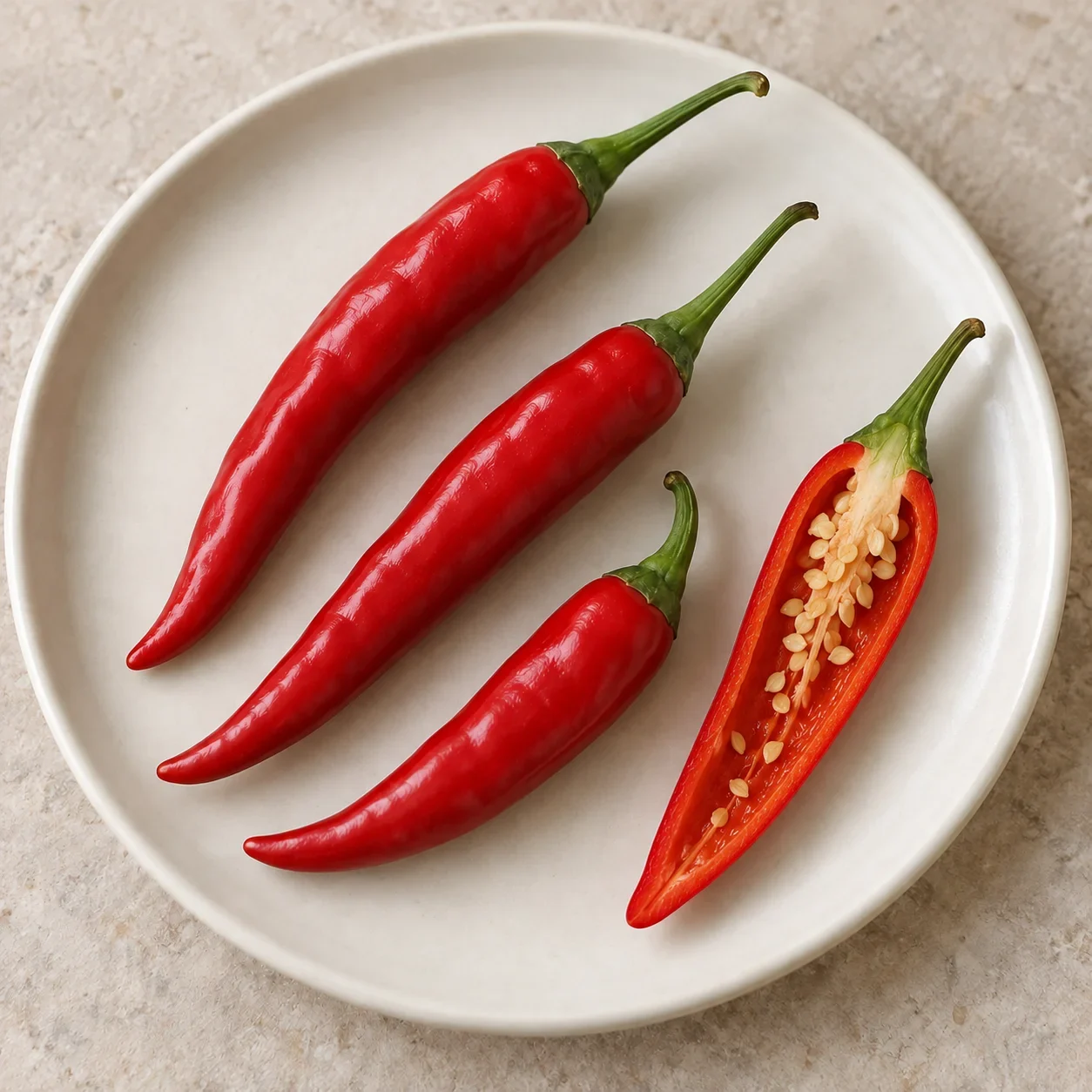
Recipes vary by restaurant.
How does it taste?
Salty, peppery shrimp with toasted spice and garlic notes.
- Chili heat
- Texture
- A crisp shell or coating around the shrimp meat.
- How it’s made
- Coat the shrimp lightly in starch, fry until cooked and crisp, then toss with pepper-salt seasoning and aromatics.
The seasoning may use white pepper, black pepper, Sichuan pepper or a mixture. Cornstarch or potato starch can form the coating; heads may be retained or removed, and added chili changes the heat.
A CONNECTION TO PLACE
Origin & regional roots
Associated with Guangdong.
About this regional connection
Guangdong: Guangdong association; no exclusive origin claim.
Ask if they have it first
请问你们有椒盐虾吗?
Do you have this item?
A LITTLE SOMETHING TO READ
Story & history
Salt-and-pepper shrimp in New York’s Chinatown
On Doyers Street in New York’s Chinatown, Henry Hugh cooked salt-and-pepper shrimp at the Cantonese restaurant Yun Luk Rice Shoppe. Food writer Jeffrey Steingarten later sought out the chef for his recipe. In that version, the shrimp kept their shells, with the seasoning clinging to the outside. Diners could use fingers or chopsticks, tasting the seasoned shells before discarding them.