At the table
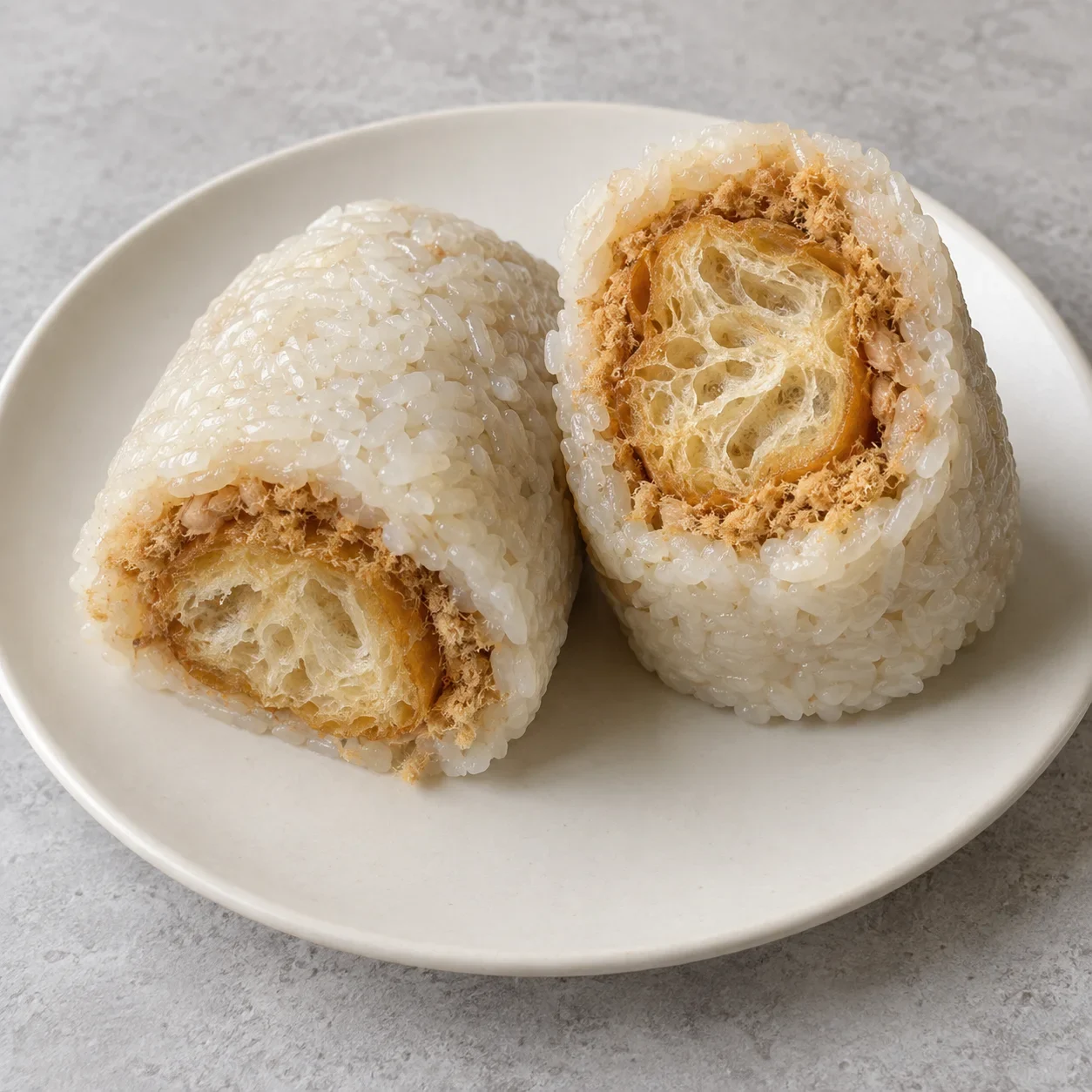
Unwrap as you eat to help the rice hold together, taking small bites. Ask “甜的还是咸的?” (“Is it sweet or savory?”) and “有肉松吗?” (“Does it contain pork floss?”) before choosing a version.
Youtiao generally contains wheat, and some doughs include egg or dairy. Pork-floss versions contain pork. Confirm the dough, frying fat and pickles for allergies or vegetarian and vegan needs. Dense, sticky rice and crisp filling need manageable bites.
Sweet versions may add sugar; savory versions may include pork floss or zha cai, a pickle made from mustard stems. Fillings are choices rather than one fixed combination. Pickle and sauce recipes differ, including their chilli content. A little oil may be used to re-crisp the youtiao.
GET TO KNOW THE DISH
What goes into it?
Explore some key ingredients below. Preparations may use additional seasonings and ingredients.
Sugar, pork floss or pickled vegetables may be added.
Typical ingredients
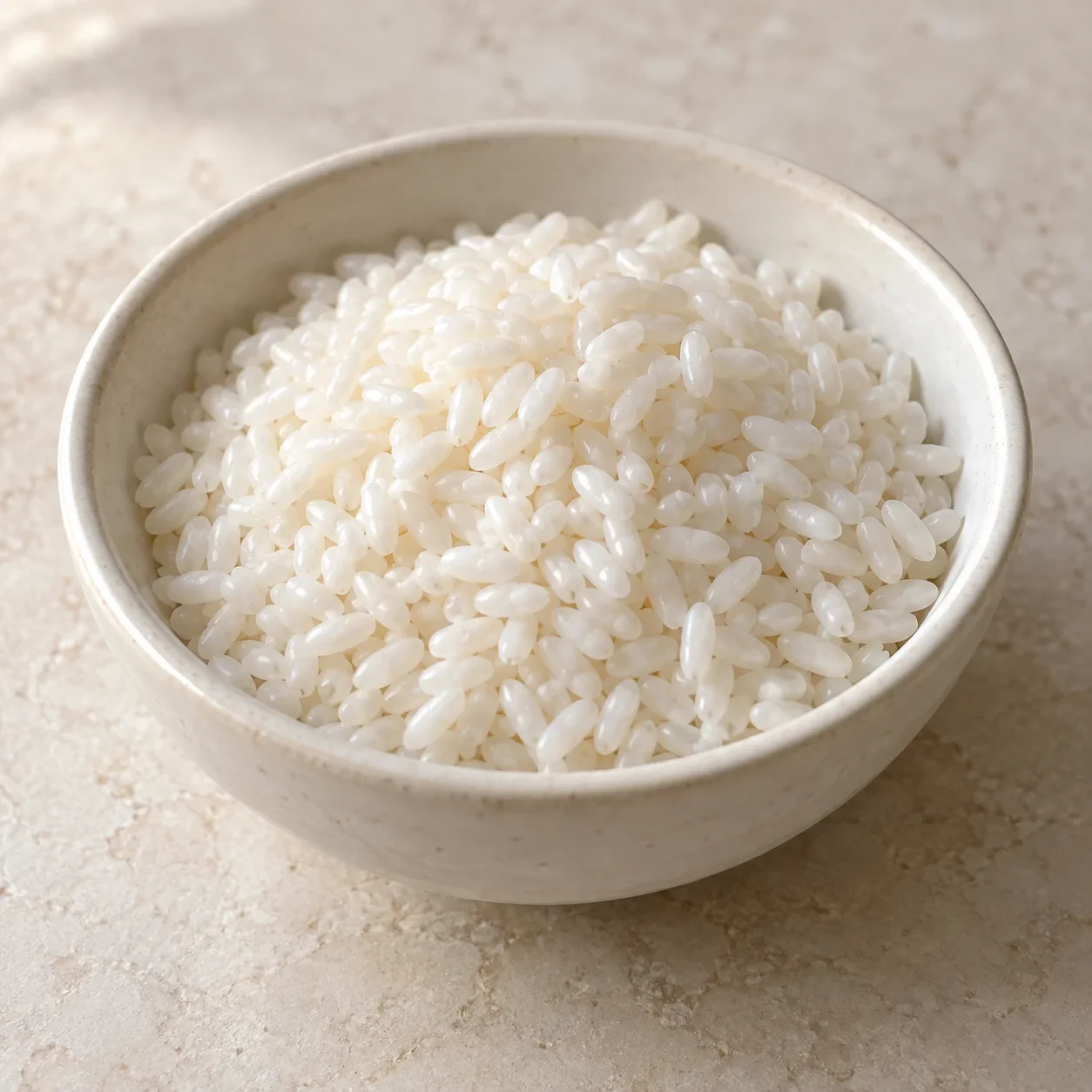
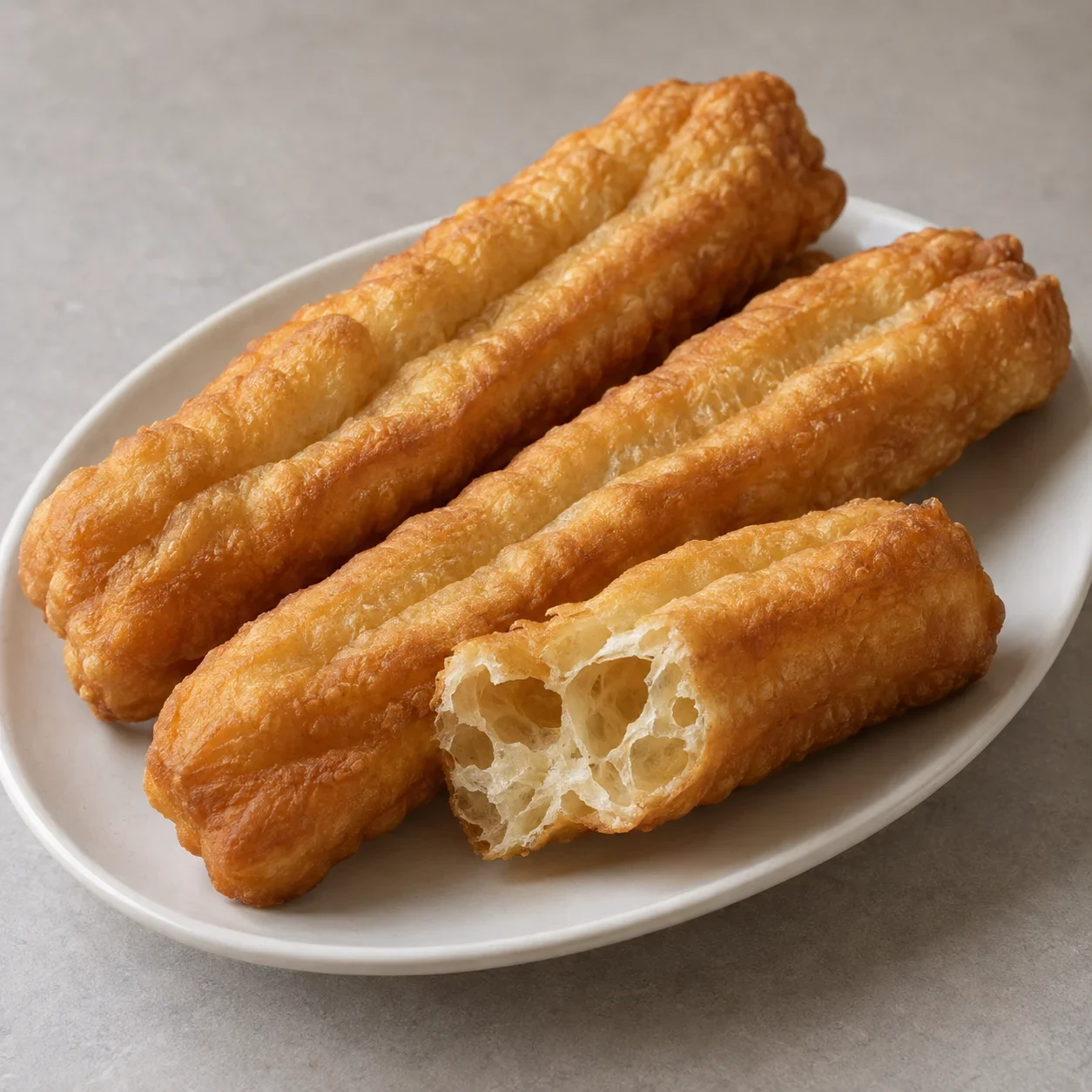
In some versions

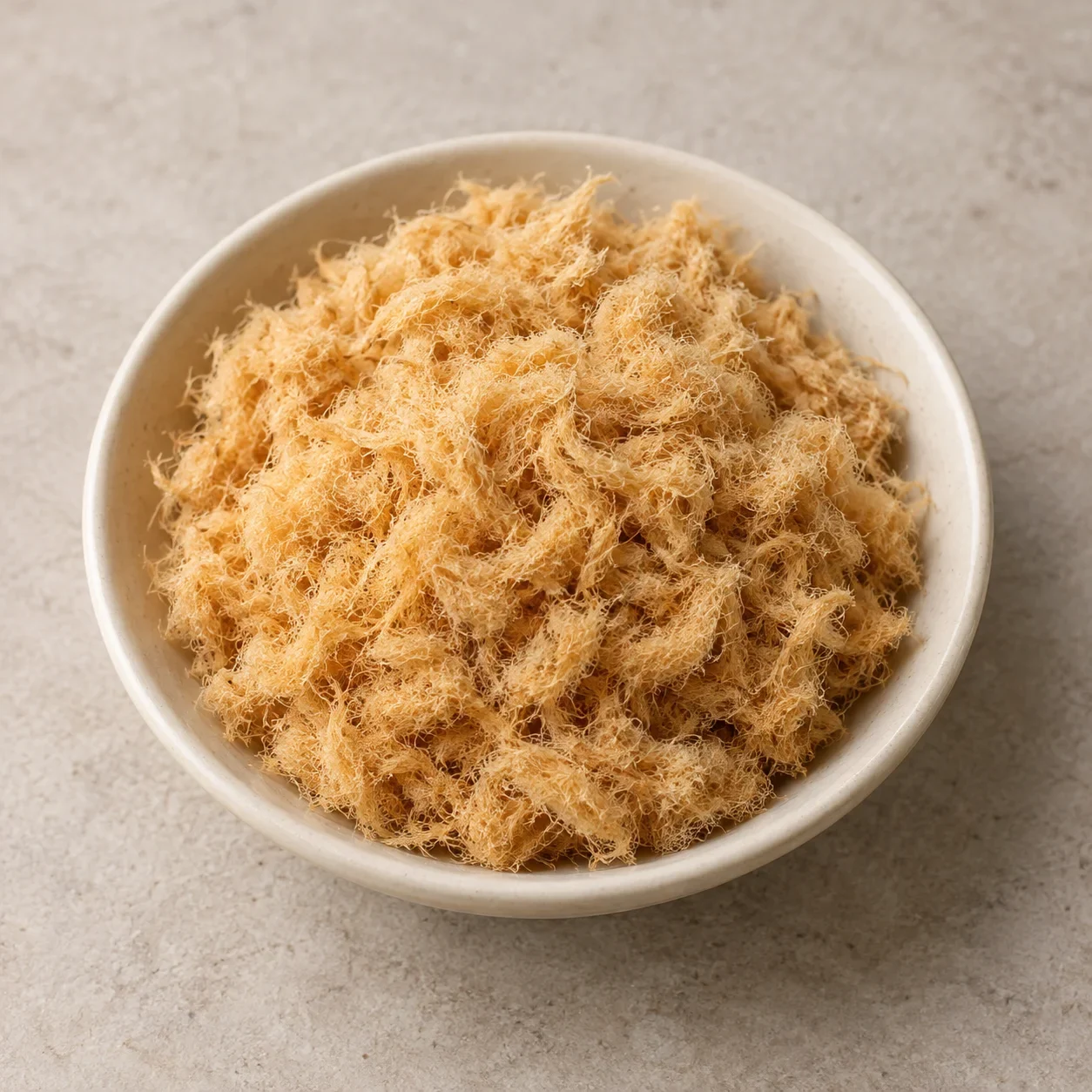
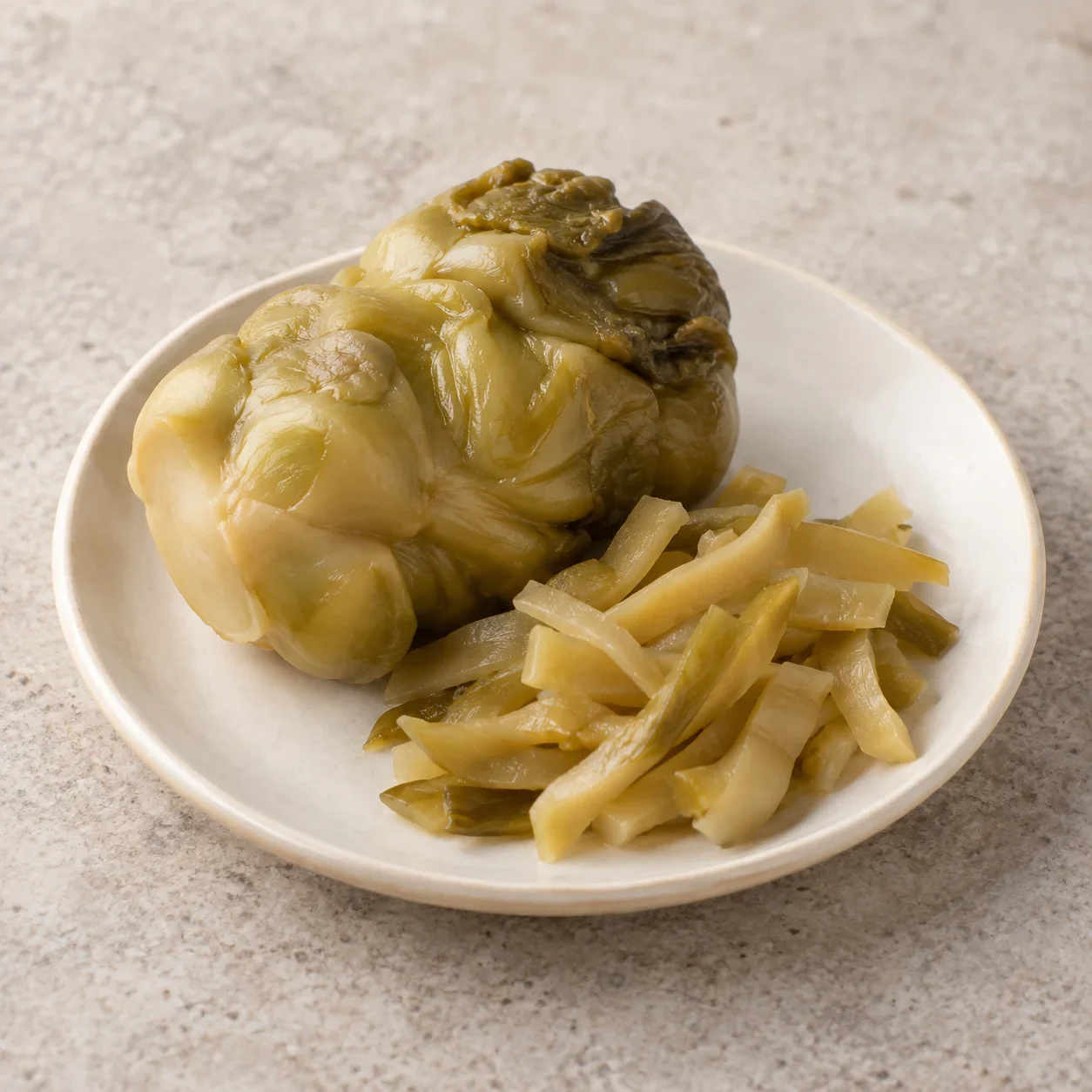

Recipes vary by restaurant.
How does it taste?
Plain or sweet-savory
- Chili heat
- Heat not recorded
- Texture
- Sticky rice and crisp fried dough.
- How it’s made
- Steam the rice and wrap it around the filling.
Sugar, pork floss or pickled vegetables may be added.
A CONNECTION TO PLACE
Origin & regional roots
Associated with Shanghai.
Ask if they have it first
请问你们有粢饭团吗?
Do you have this item?
A LITTLE SOMETHING TO READ
Story & history
A Shanghai breakfast to hold in one hand
This account describes a tradition or story, rather than an established historical fact.
Cifantuan is one of Shanghai’s four familiar breakfast staples, alongside dabing, youtiao and soy milk. Its compact shape suits an early start: warm sticky rice holds a crisp dough stick and the chosen fillings together. Sweet and savory versions share this contrast of textures, so choosing the filling is as useful as knowing the name.