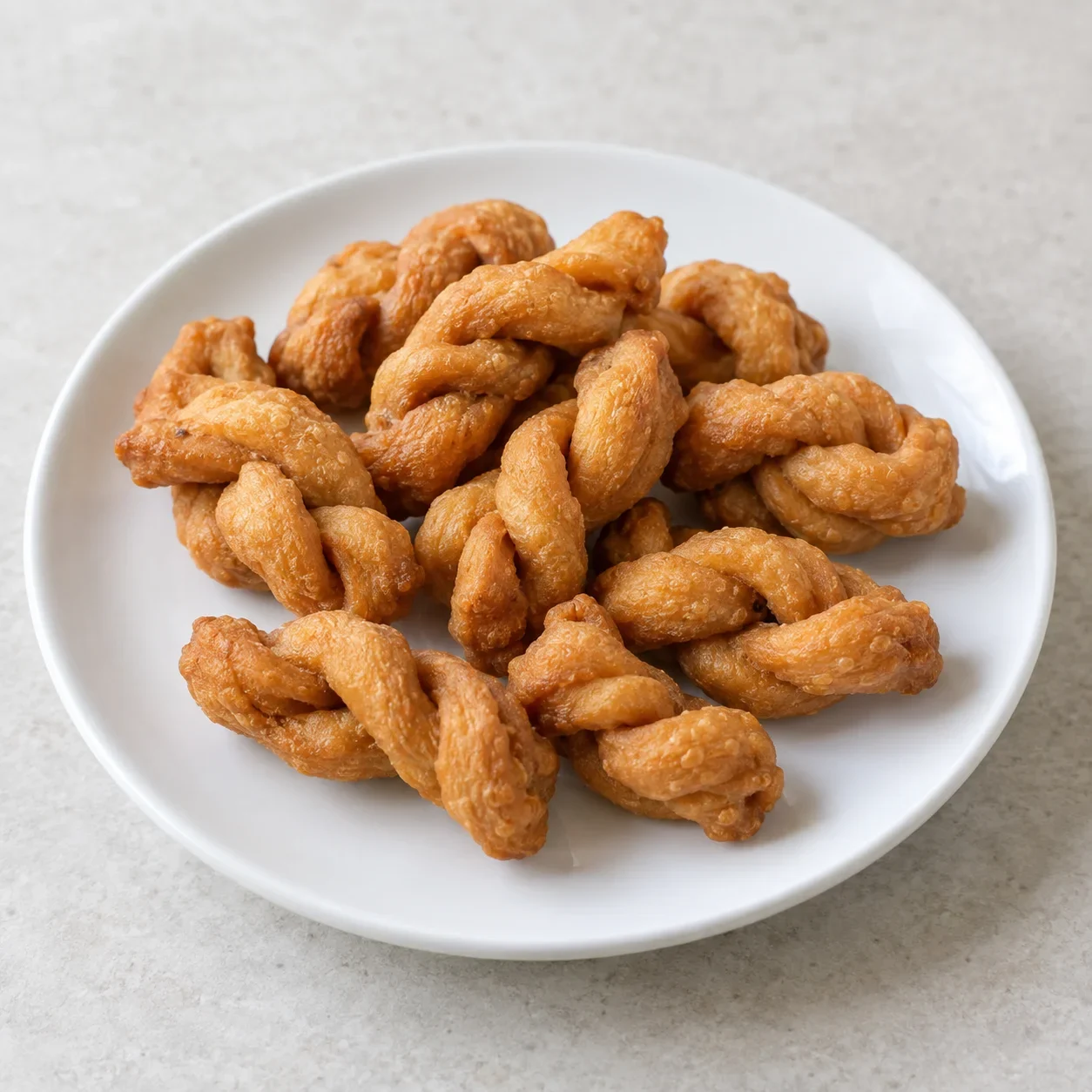
At the table
Eat by hand, breaking off a small piece first. Let freshly fried twists cool.
Contains wheat; some recipes use sesame, peanut or walnut oils, and soy. Check the exact recipe if allergic.
Sweet, pepper-salt and spicy versions differ. Oils and additions such as sesame, honey or brown sugar vary; check the flavor and ingredient label.
GET TO KNOW THE DISH
What goes into it?
Explore some key ingredients below. Preparations may use additional seasonings and ingredients.
Sweet, pepper-salt and spicy versions differ. Oils and additions such as sesame, honey or brown sugar vary; check the flavor and ingredient label.
Typical ingredients
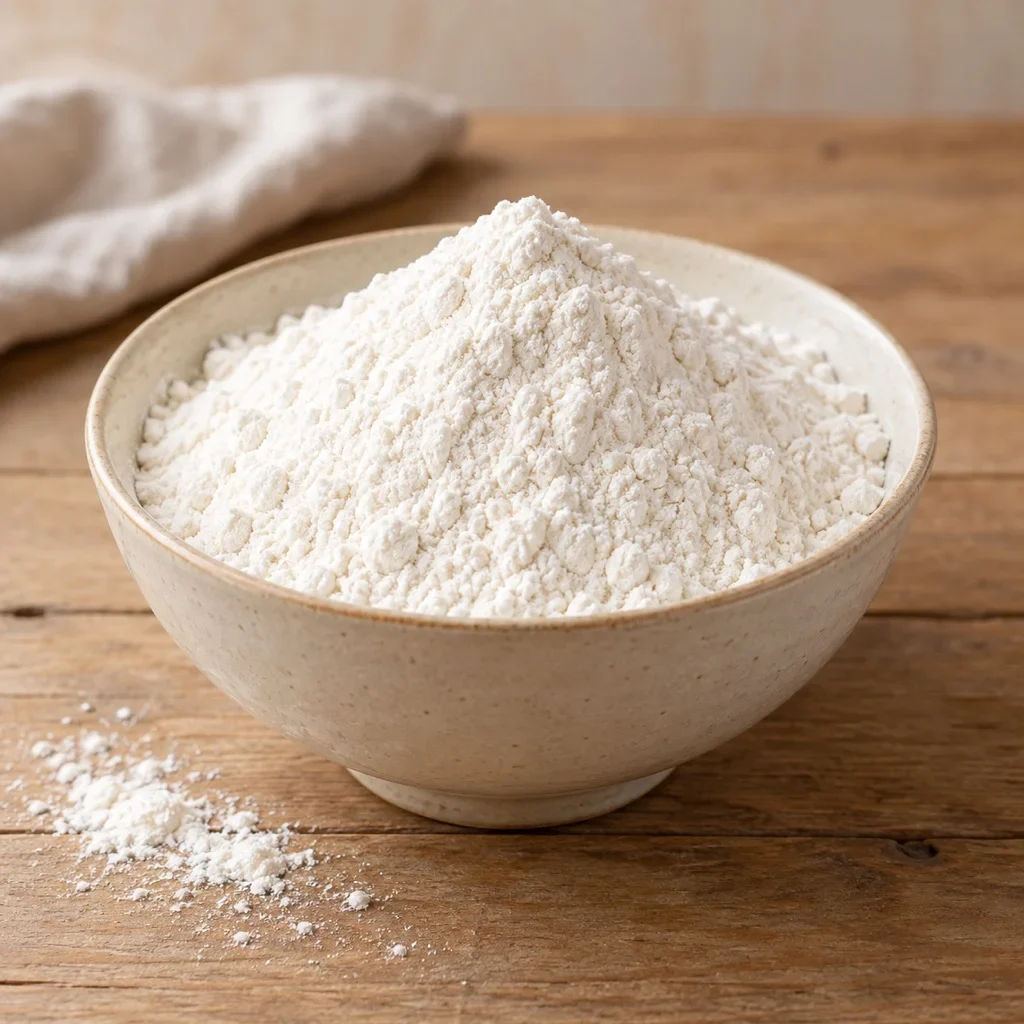
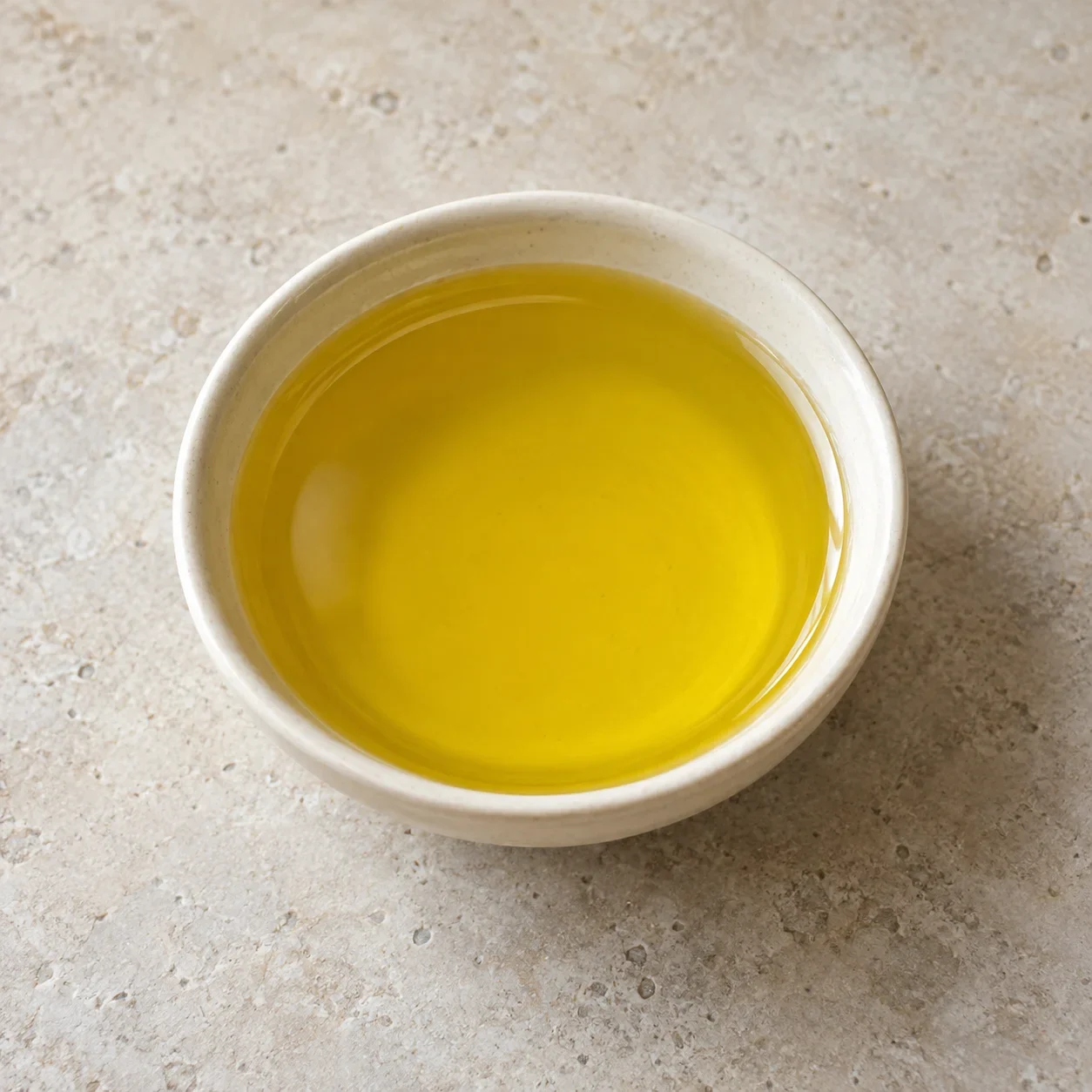
In some versions
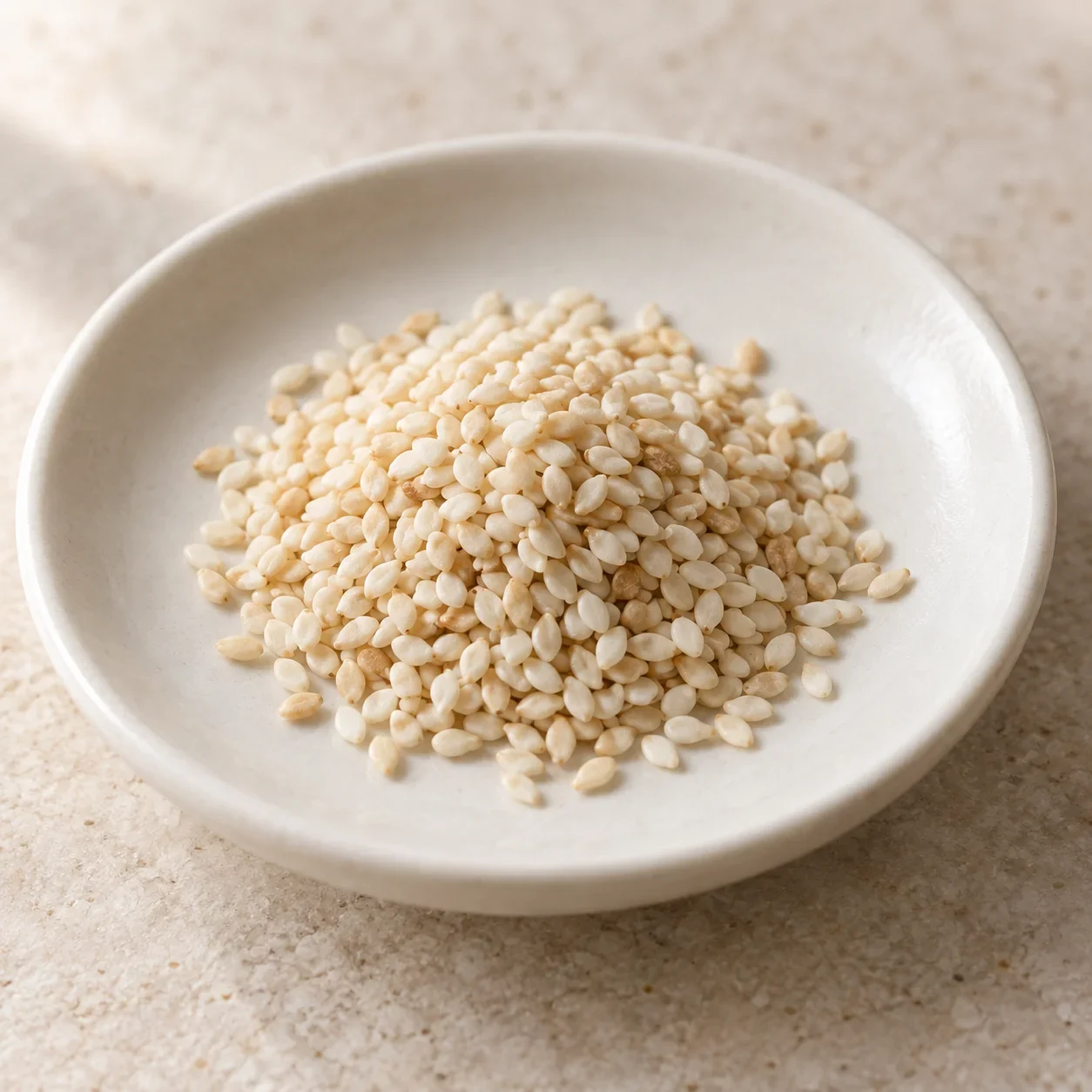
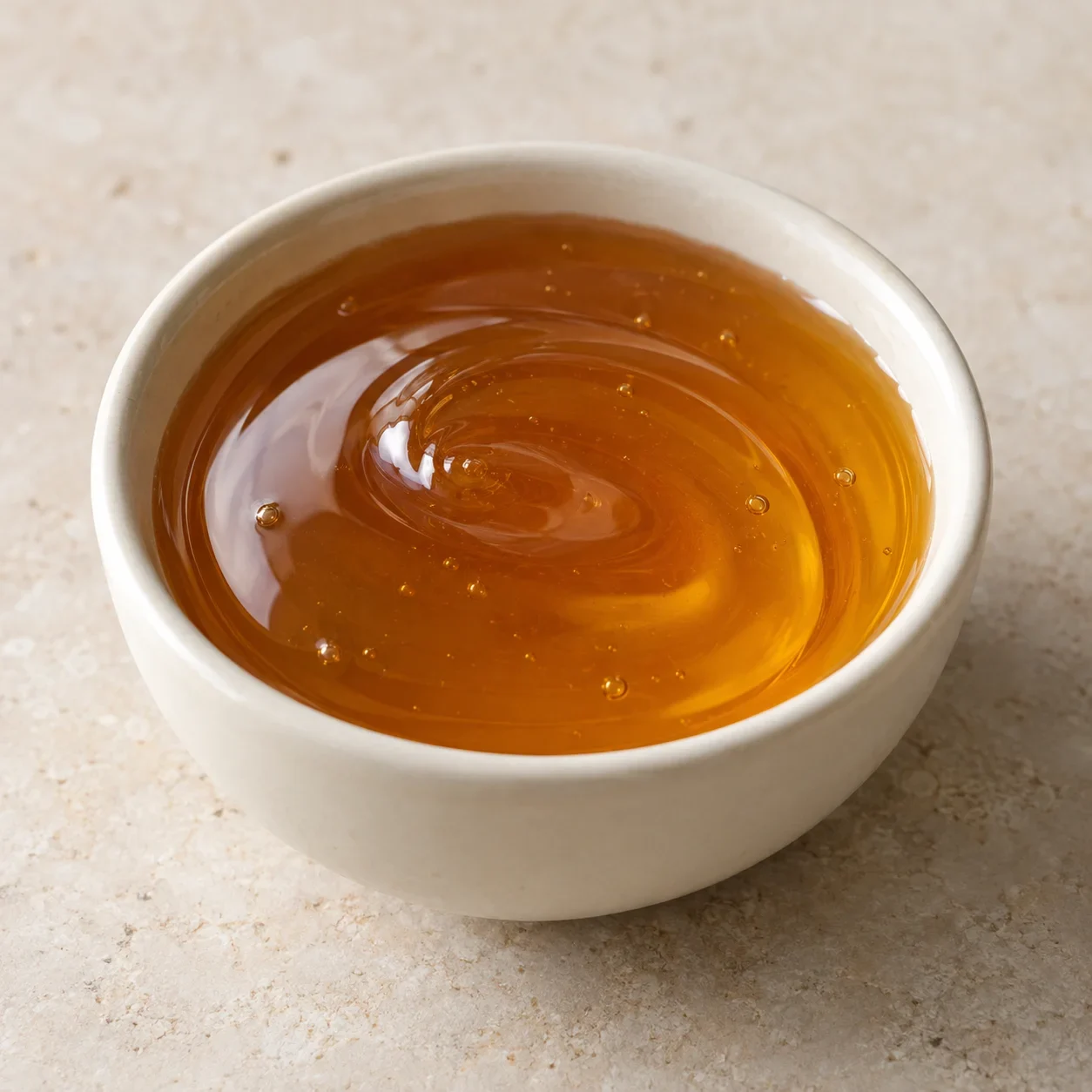
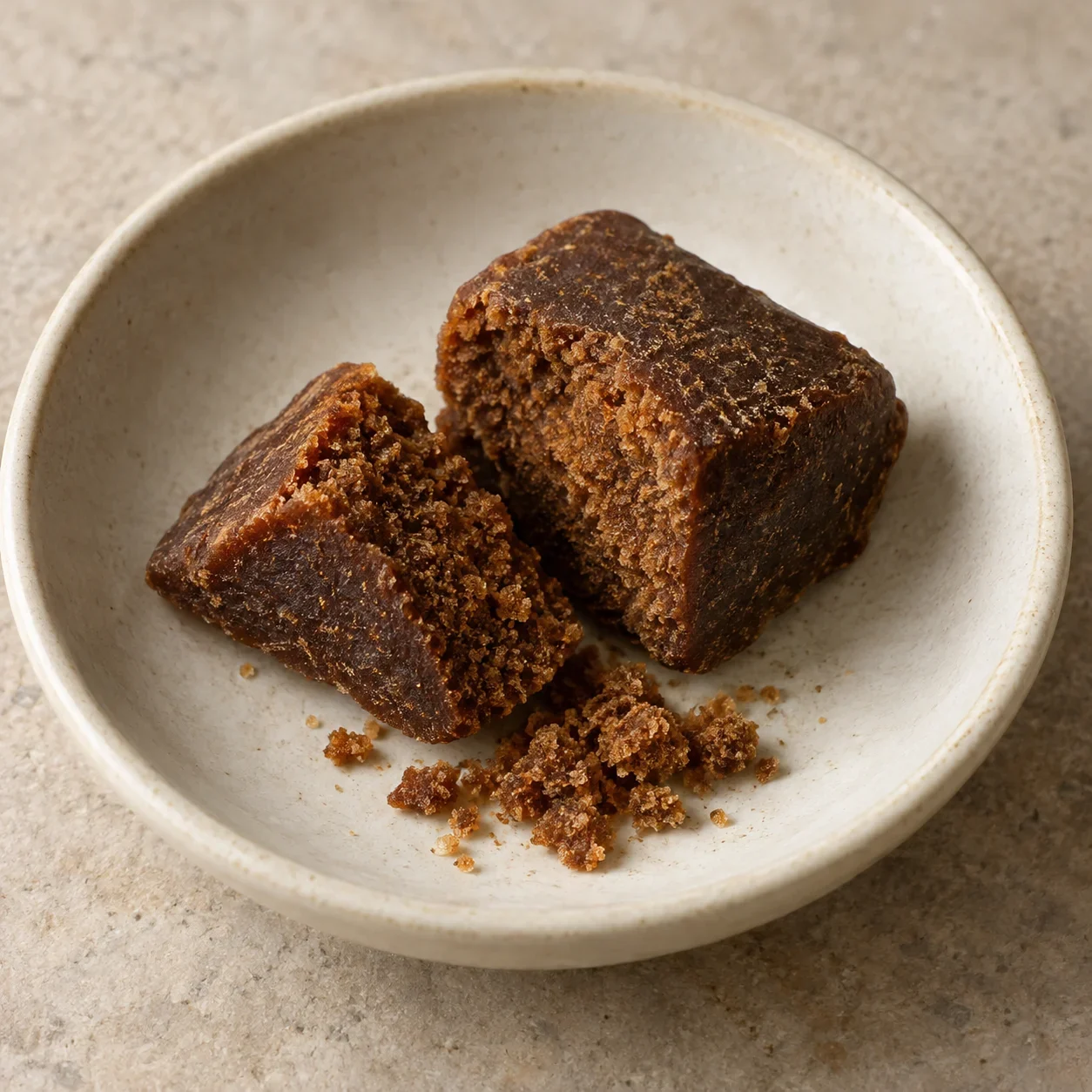
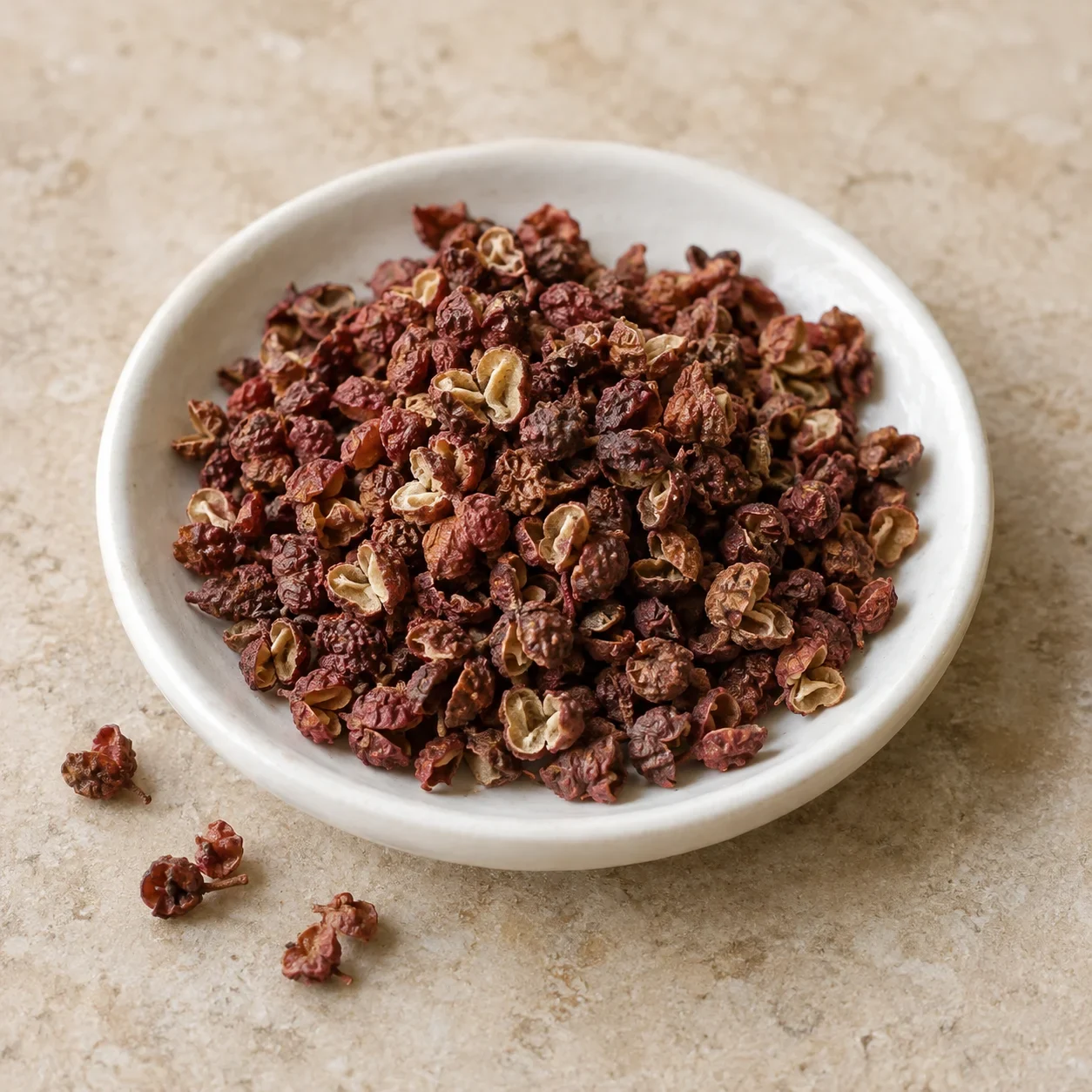
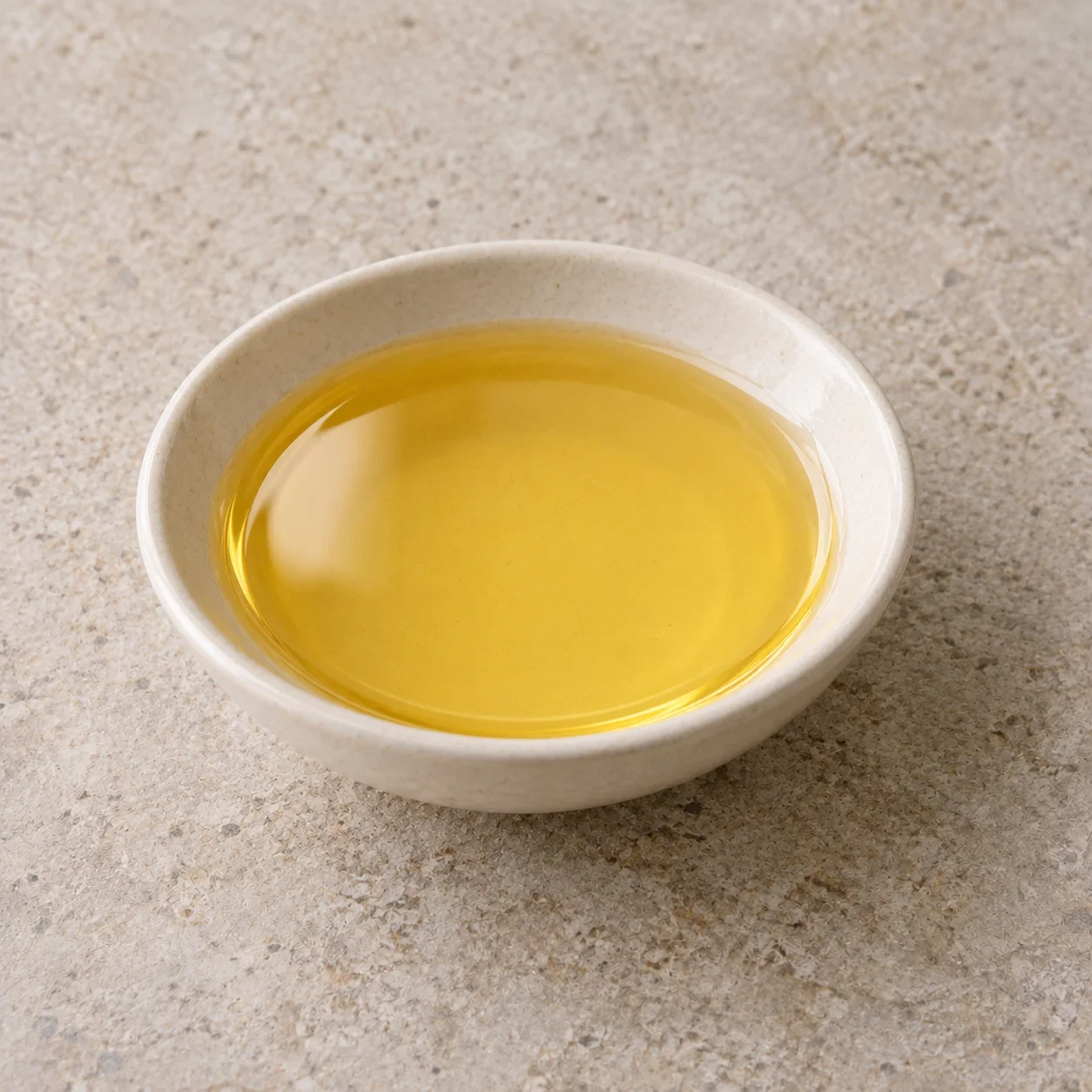
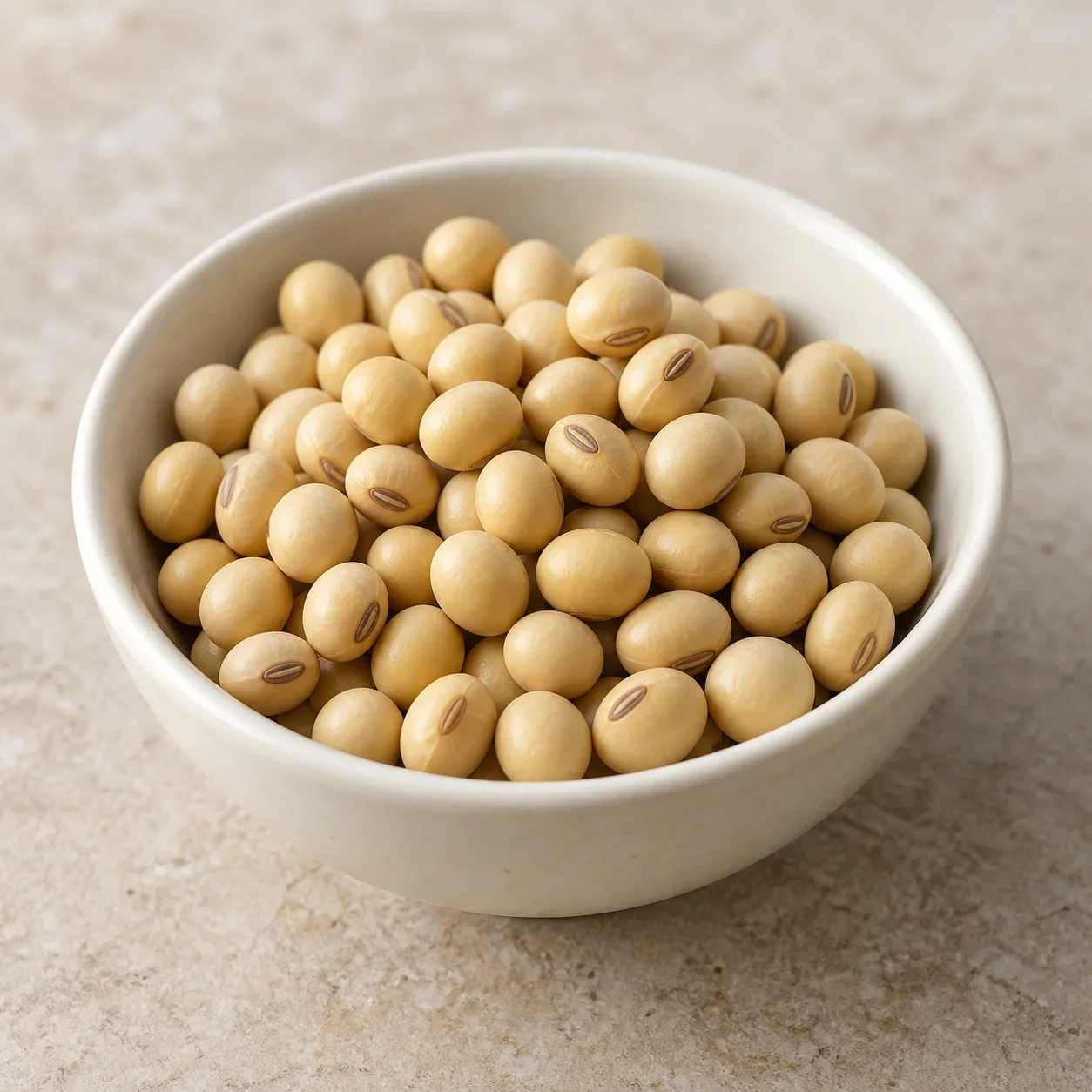
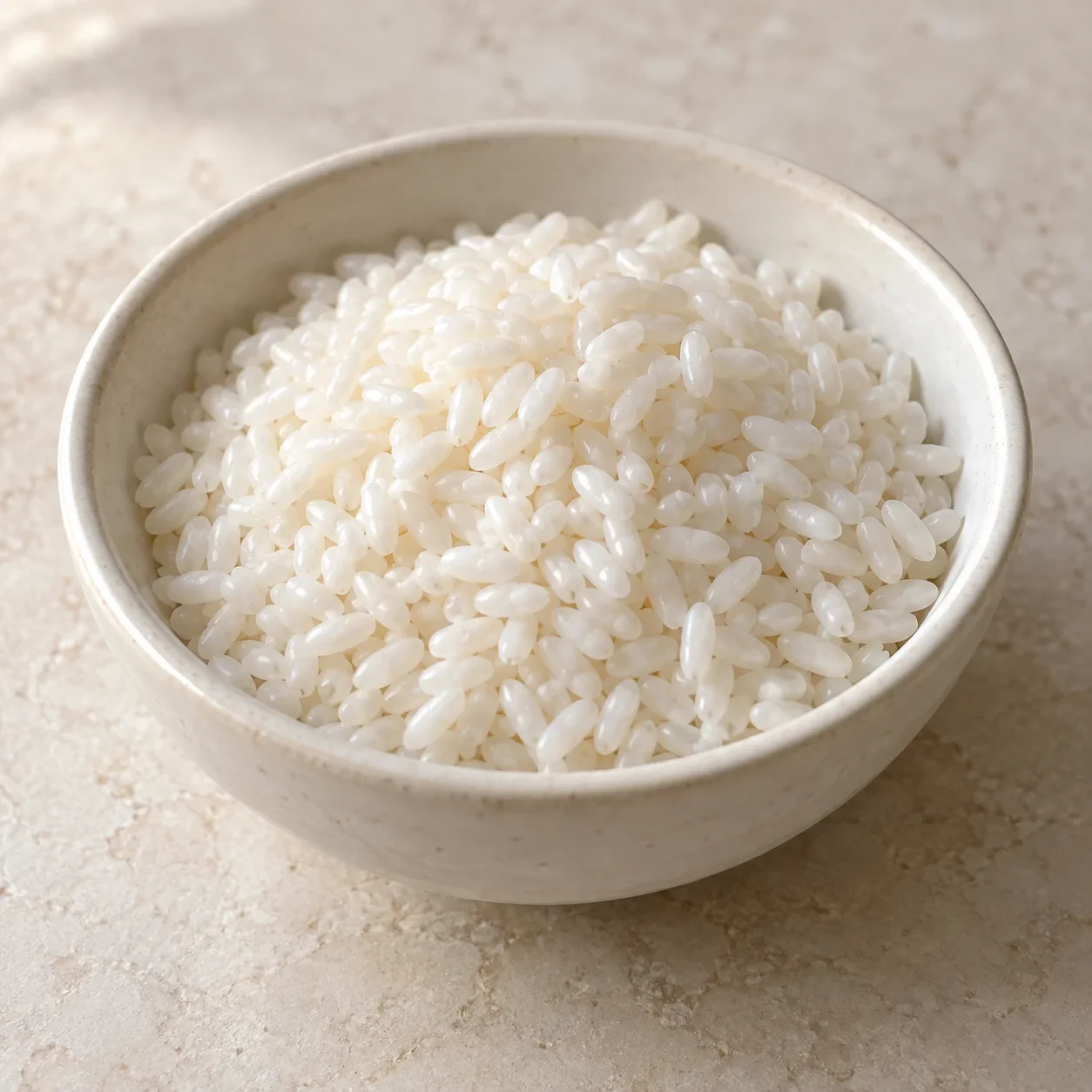
Recipes vary by restaurant.
How does it taste?
Toasted wheat, with sweetness or savory seasoning depending on the flavor.
- Chili heat
- Texture
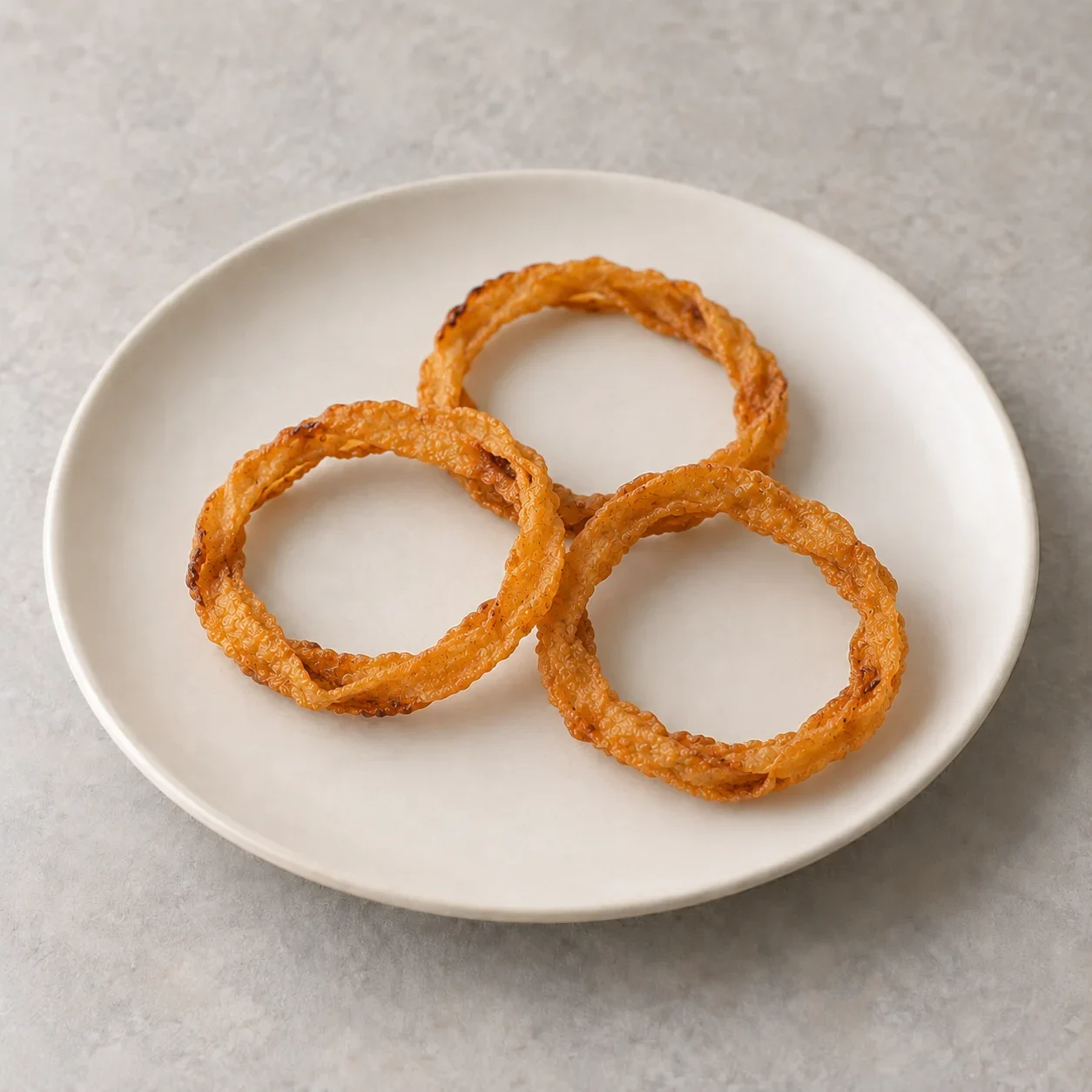
- Crisp, crumbly twisted strands.
- How it’s made
- Wheat dough is kneaded, rested, cut into strips, twisted and fried until golden.
Sweet, pepper-salt and spicy versions differ. Oils and additions such as sesame, honey or brown sugar vary; check the flavor and ingredient label.
A CONNECTION TO PLACE
Origin & regional roots
Associated with Chongqing.
About this regional connection
Chongqing: Small crisp mahua associated with Ciqikou old town in Chongqing; distinct regional form from Tianjin filled mahua.
Ask if they have it first
请问你们有磁器口麻花吗?
Do you have this item?
A LITTLE SOMETHING TO READ
Story & history
Ciqikou mahua and the teahouse snack tradition
This account describes a tradition or story, rather than an established historical fact.
Ciqikou mahua is a twisted, fried wheat snack; one Chen-family version is closely tied to teahouse life. In the family’s account, Chen Jinghong learned a mahua method in Tianjin, then adjusted it into smaller, crisper twists for Chongqing tastes. After returning to Ciqikou, he worked with teahouses, where guests ate the snack with tea. The city recognized the traditional making technique for Ciqikou Chen mahua in 2016. That tea pairing helps explain the small, crunchy form, while the family story describes one Chen version rather than every mahua sold in the old town.