
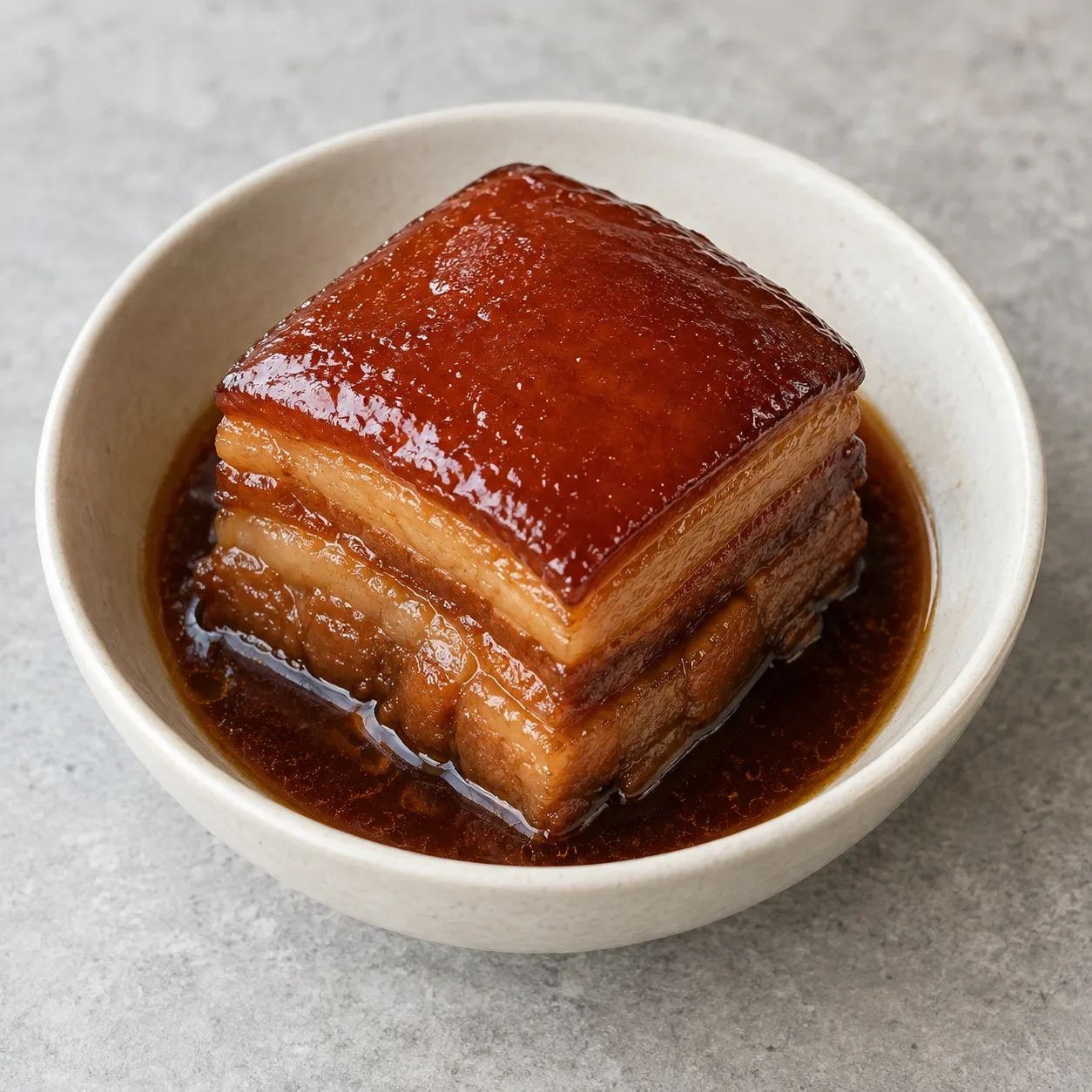
At the table
Separate small bites of the tender pork, including some skin, fat and lean meat if you like. A plain bun or flatbread can accompany the rich meat.
Contains pork and soy sauce, which may contain wheat. Yellow rice wine is used in the described preparation.
This version is braised with wine, soy sauce, sugar, scallion and ginger, then steamed. Other versions use a covered pot or include vinegar; seasonings vary.
GET TO KNOW THE DISH
What goes into it?
Explore some key ingredients below. Preparations may use additional seasonings and ingredients.
Some preparations finish by steaming; others cook in a covered pot. Seasonings and finishing methods differ.
Typical ingredients
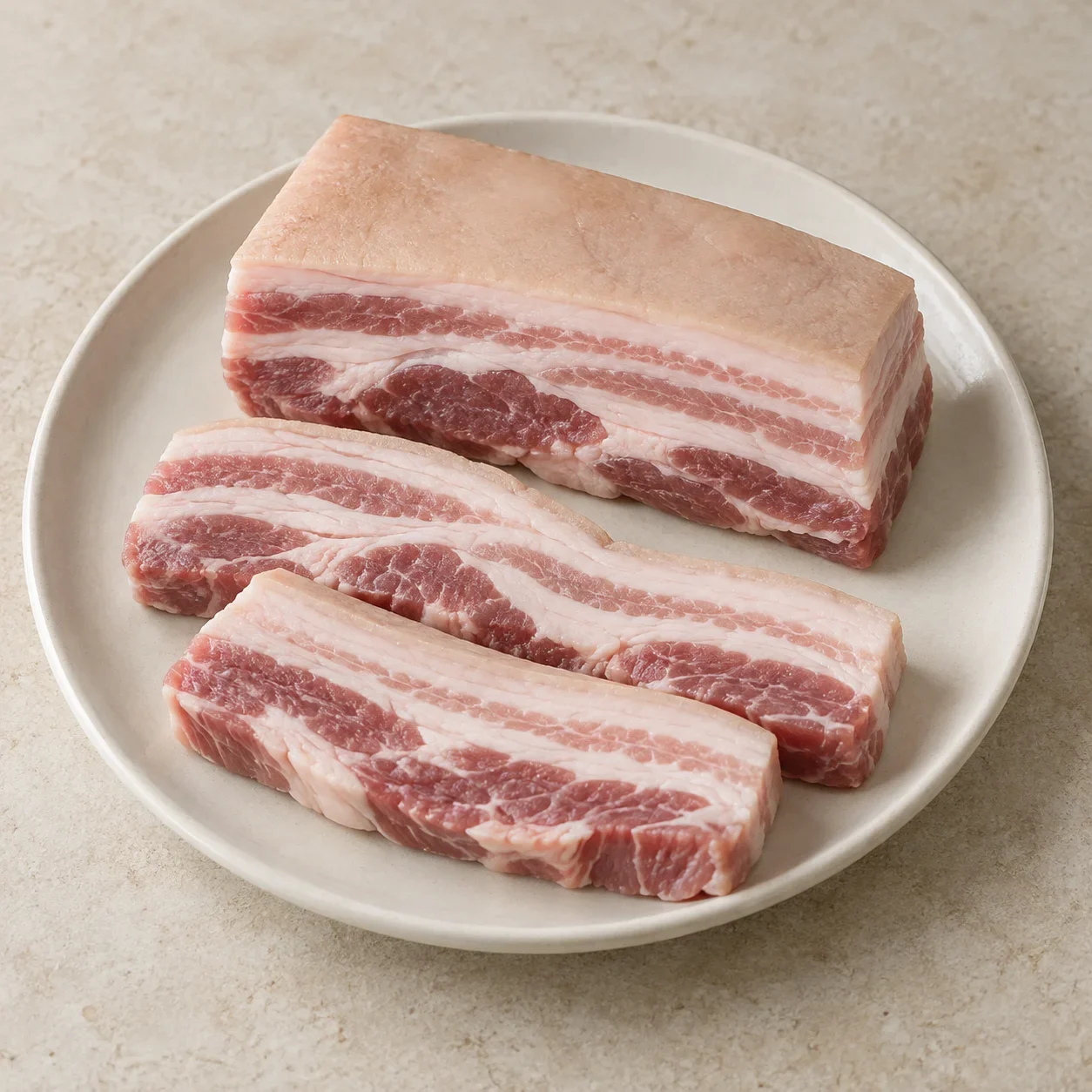

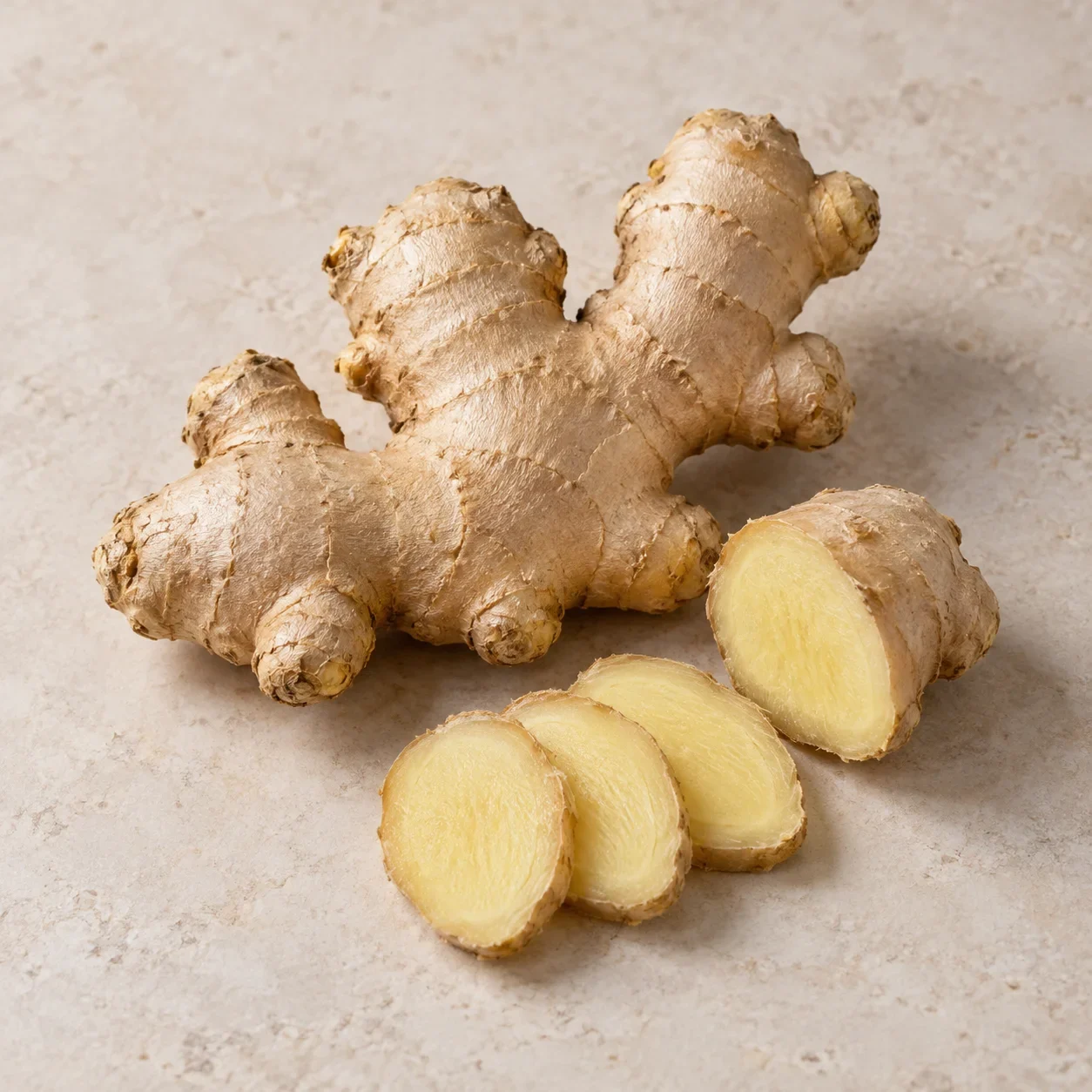

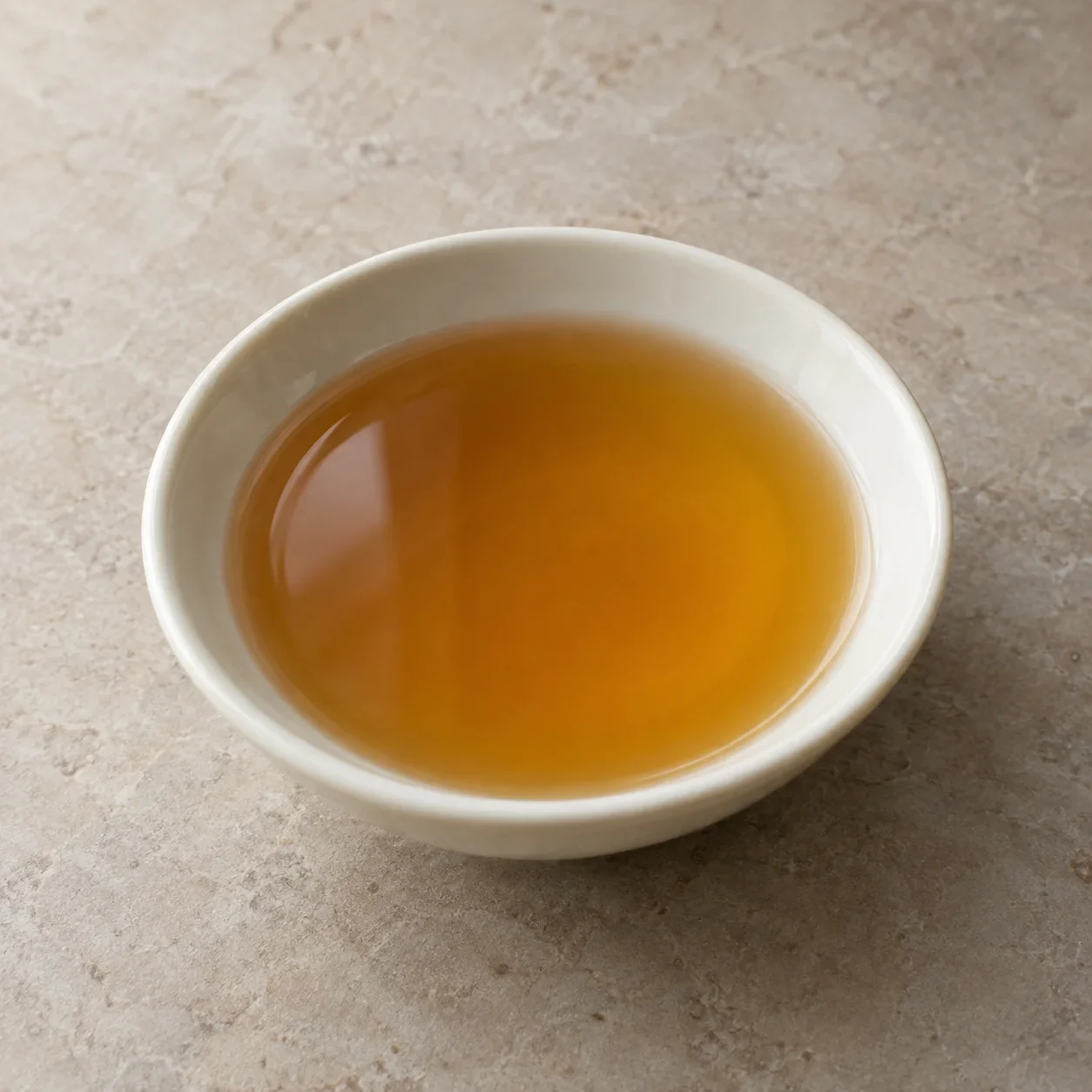

In some versions
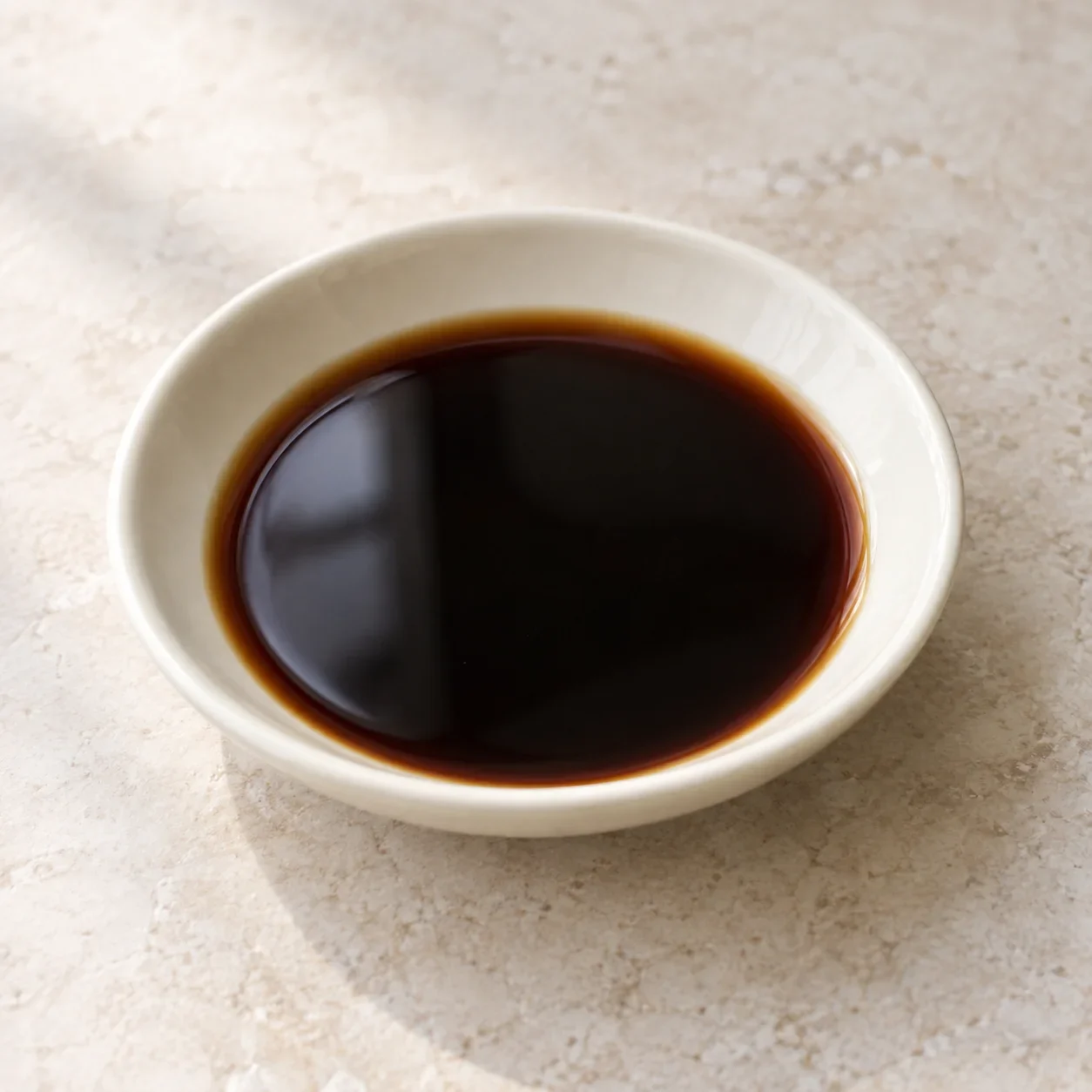
Recipes vary by restaurant.
How does it taste?
Sweet and savory
- Chili heat
- Texture
- Very soft and rich.
- How it’s made
- Braise pork-belly squares with yellow rice wine, soy sauce, sugar, scallion and ginger, then steam them in pottery jars.
Some preparations finish by steaming; others cook in a covered pot. Seasonings and finishing methods differ.
A CONNECTION TO PLACE
Origin & regional roots
Associated with Zhejiang.
Ask if they have it first
请问你们有东坡肉吗?
Do you have this item?
A LITTLE SOMETHING TO READ
Story & history
Dongpo pork and the West Lake legend
This account describes a tradition or story, rather than an established historical fact.
In Hangzhou, Dongpo pork is linked to the poet and local official Su Dongpo. A well-known tale says that after workers dredged West Lake, residents brought pork and wine to thank Su Dongpo. Su is said to have asked his family to braise the meat and share it with the workers; the dish supposedly took his name. The Hangzhou story is presented as a legend, not proof of how the modern dish began.