
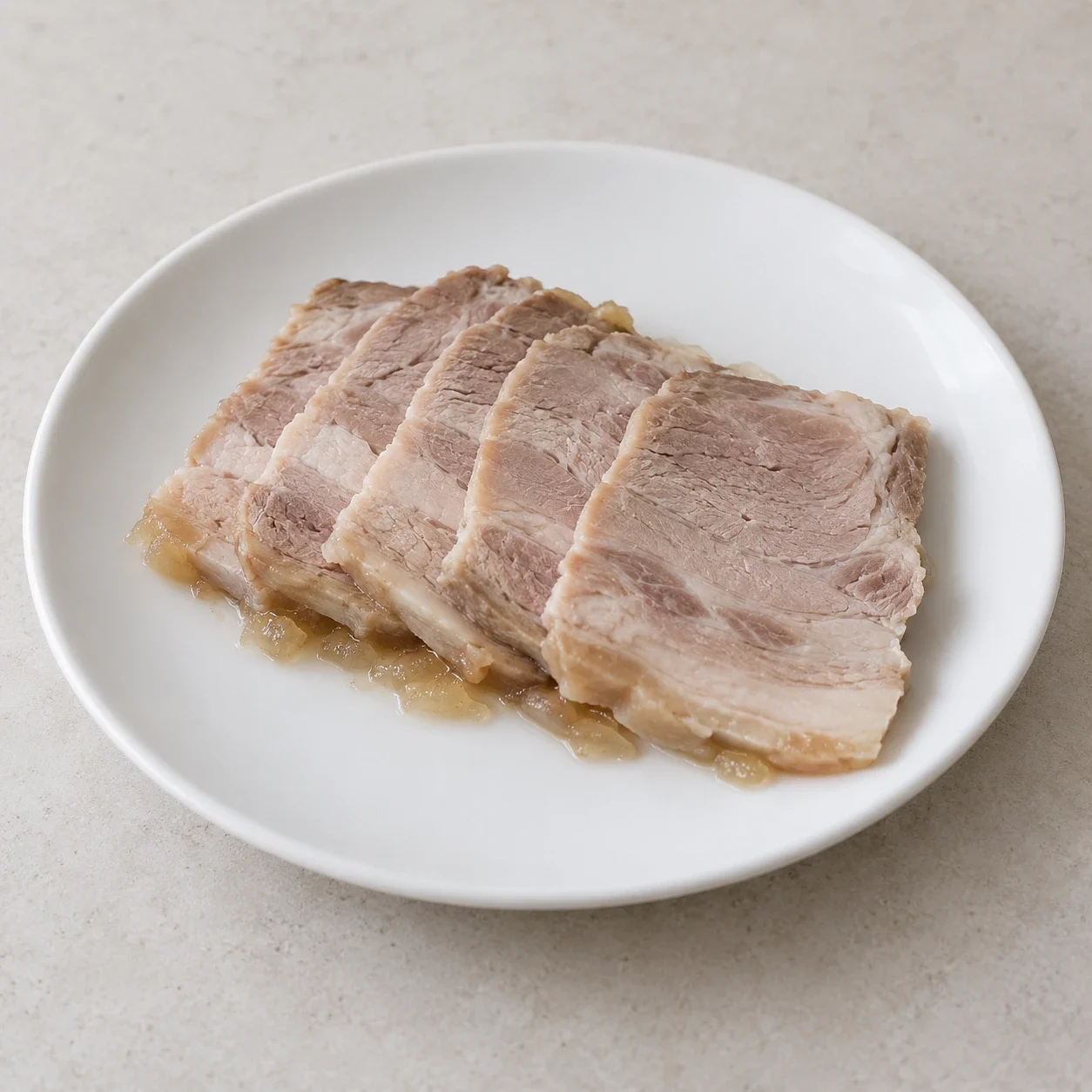
At the table
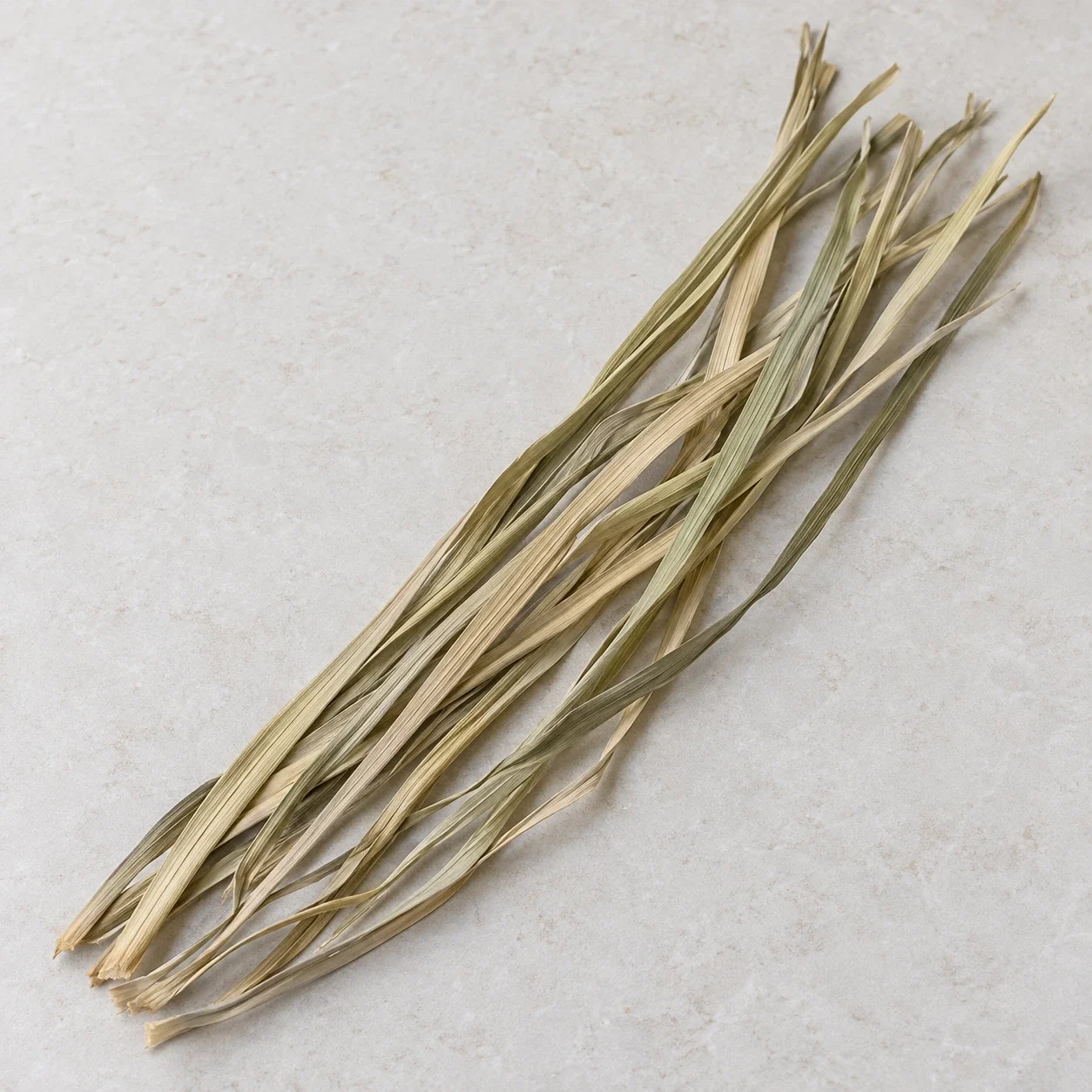
Eat the thin meat slices with a little savory jelly using chopsticks or a spoon. It is a chilled shared dish; remove any remaining binding material.
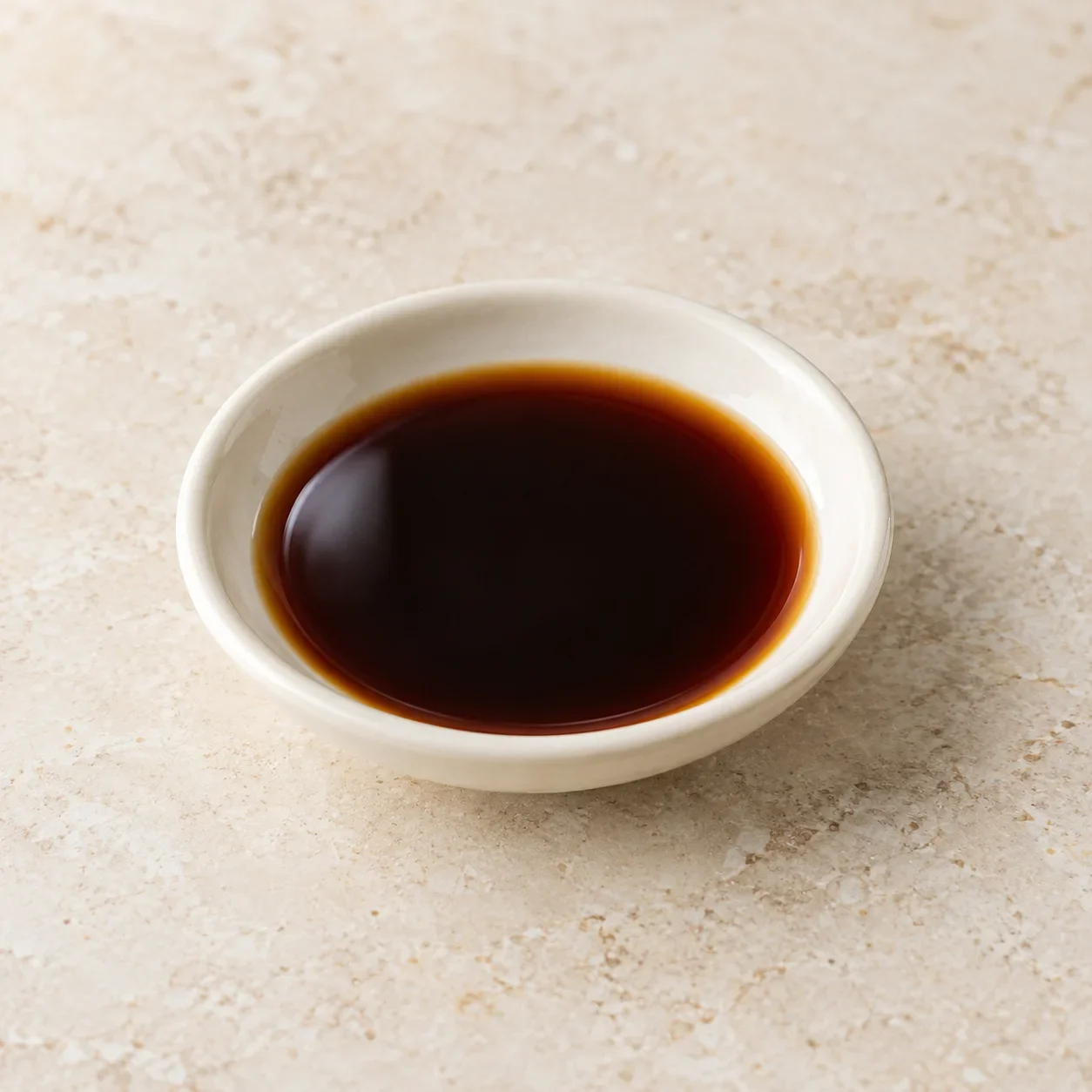
Contains pork and pork-skin jelly, with soy sauce and cooking wine. Soy sauce may contain wheat. Ask about seasonings and additives; the binding leaves are not eaten.
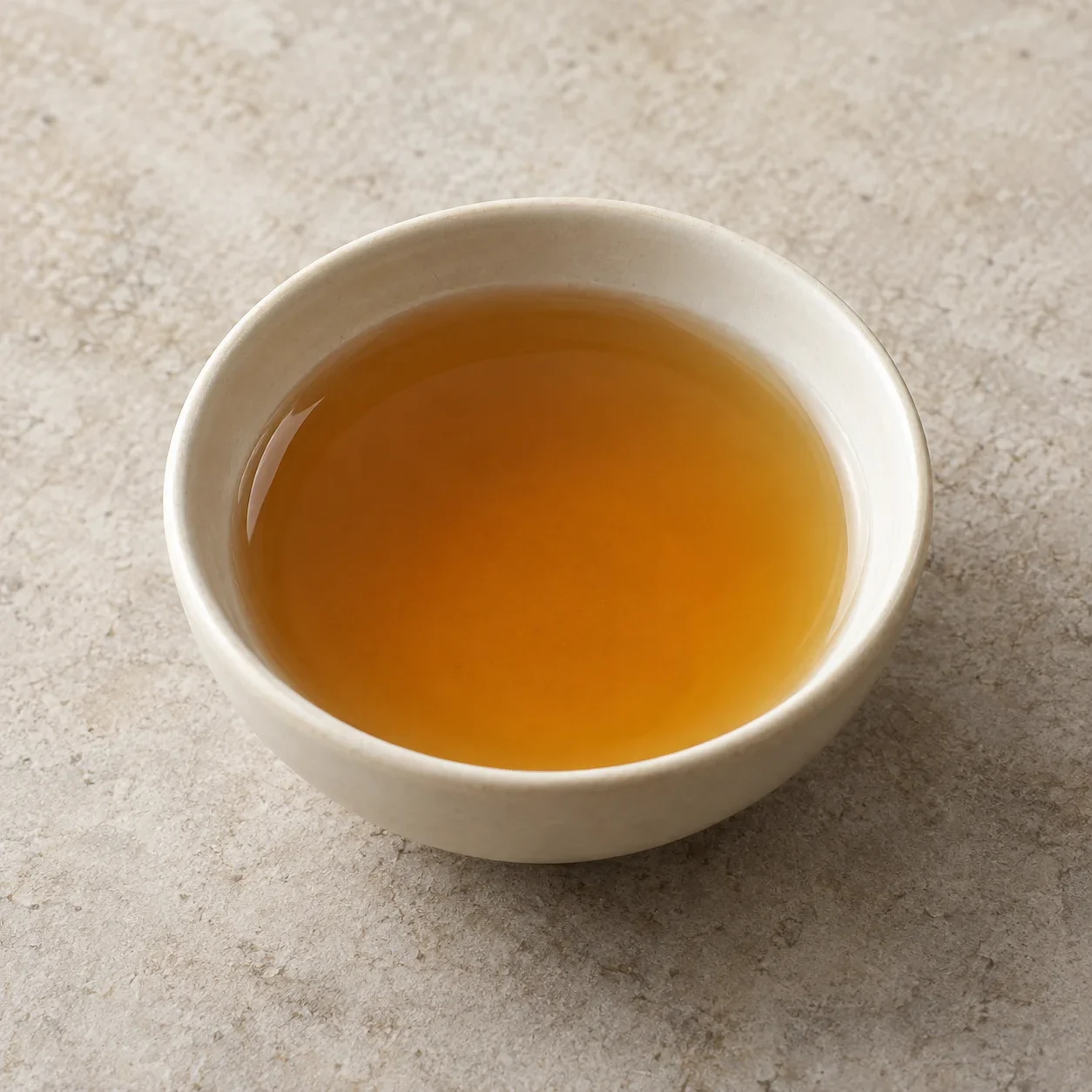
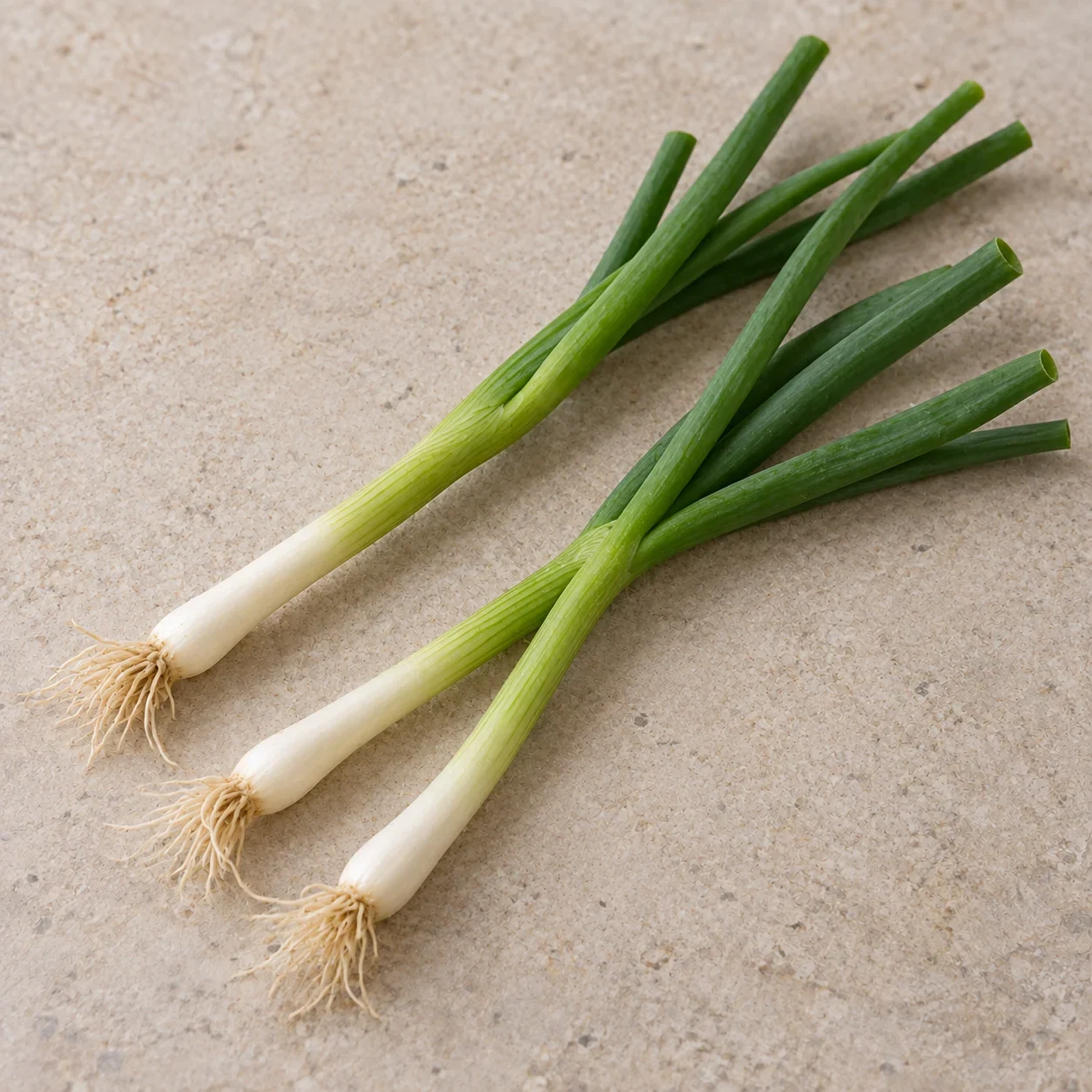
A representative version pairs pork belly with leaner leg meat. Scallion, ginger, Sichuan pepper, star anise, cassia and fennel season the broth; MSG and clarifying agents vary.
Offer small pieces only if the child can chew the meat and manage slippery jelly. Check seasoning and allergens, and make sure all ties are removed.
Recipes vary. Ask the restaurant about ingredients and serving before you order.
GET TO KNOW THE DISH
What goes into it?
Explore some key ingredients below. Preparations may use additional seasonings and ingredients.
Cuts, seasoning strength and broth clarification vary. Traditional preparations may use alum to clarify the broth; ask about the actual preparation.
Typical ingredients
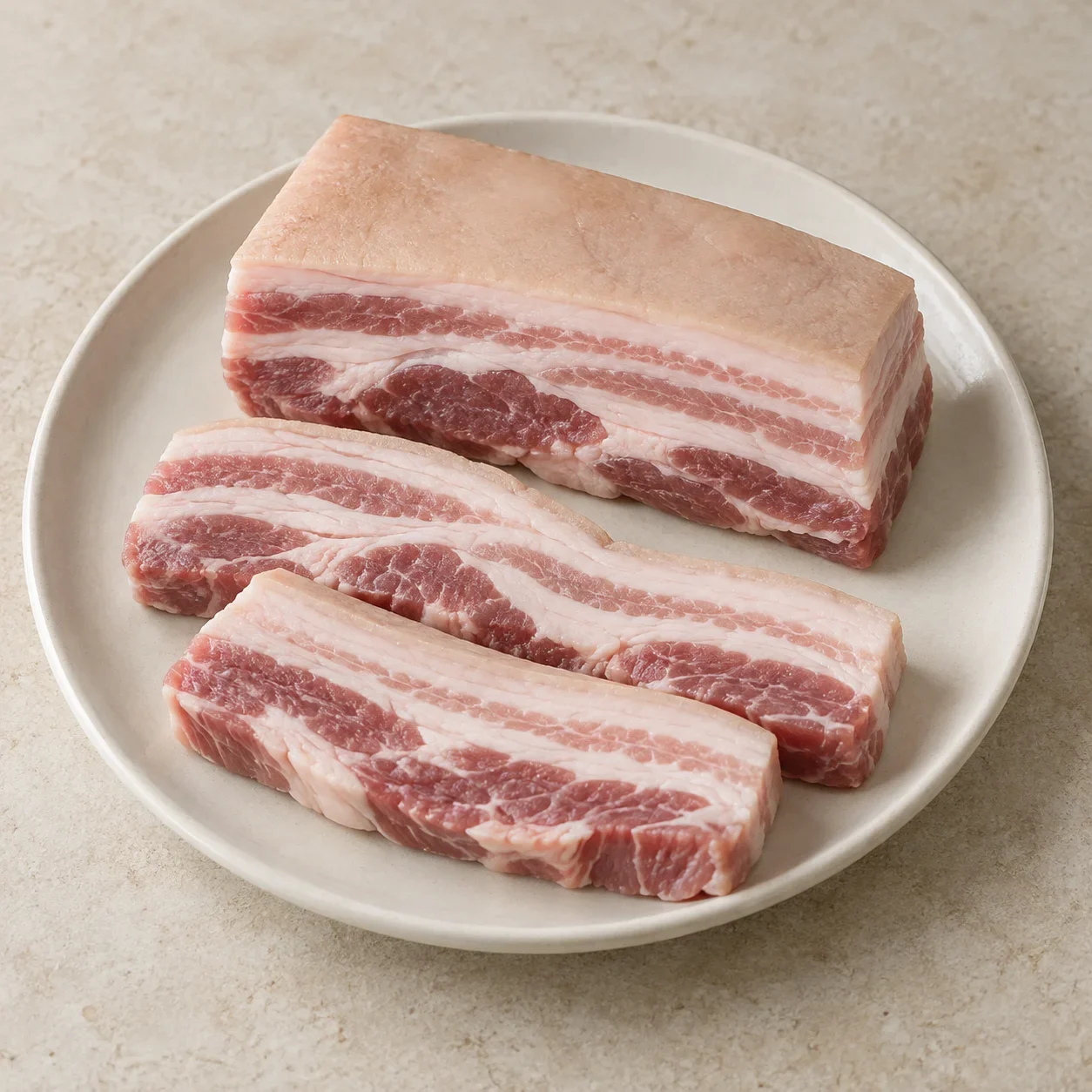
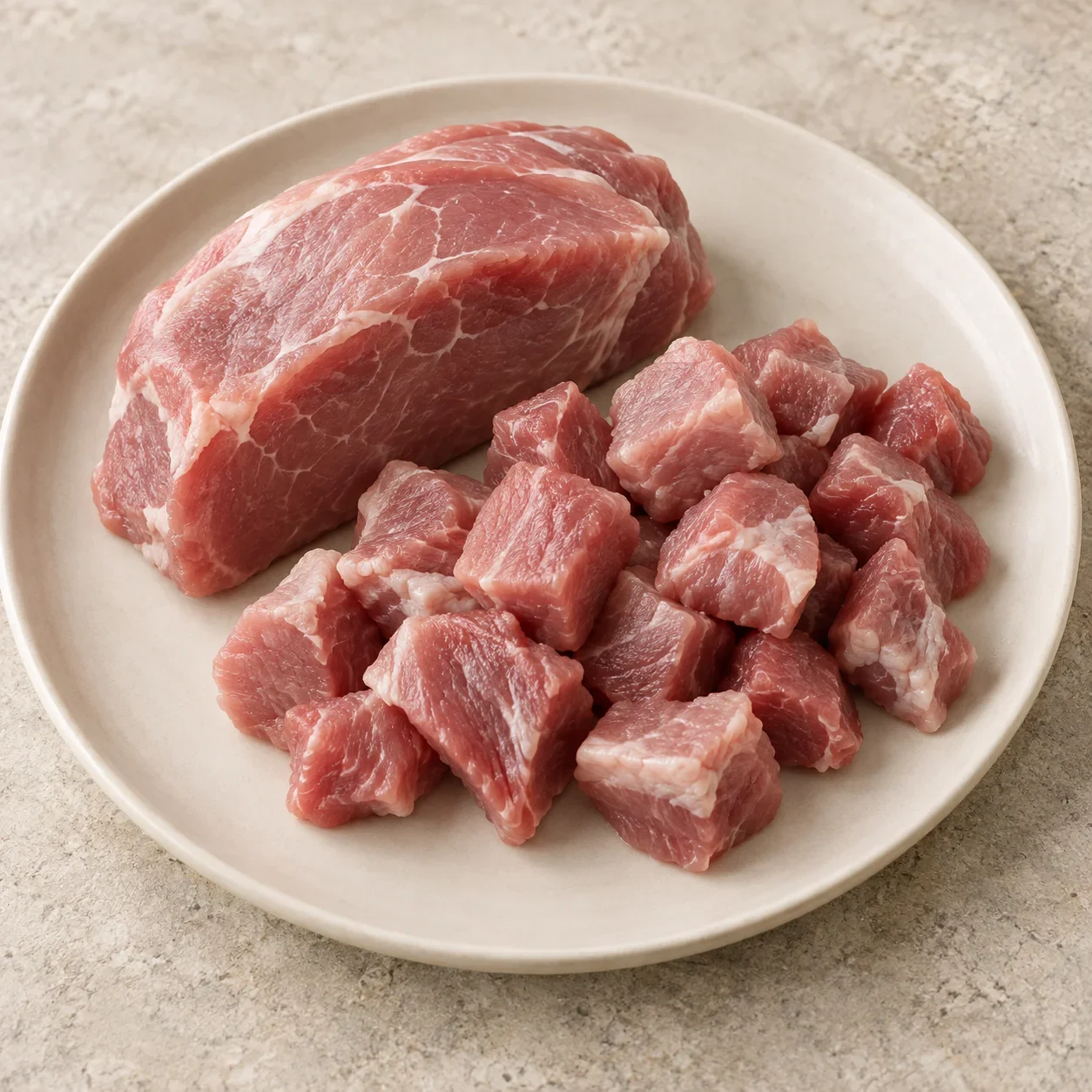
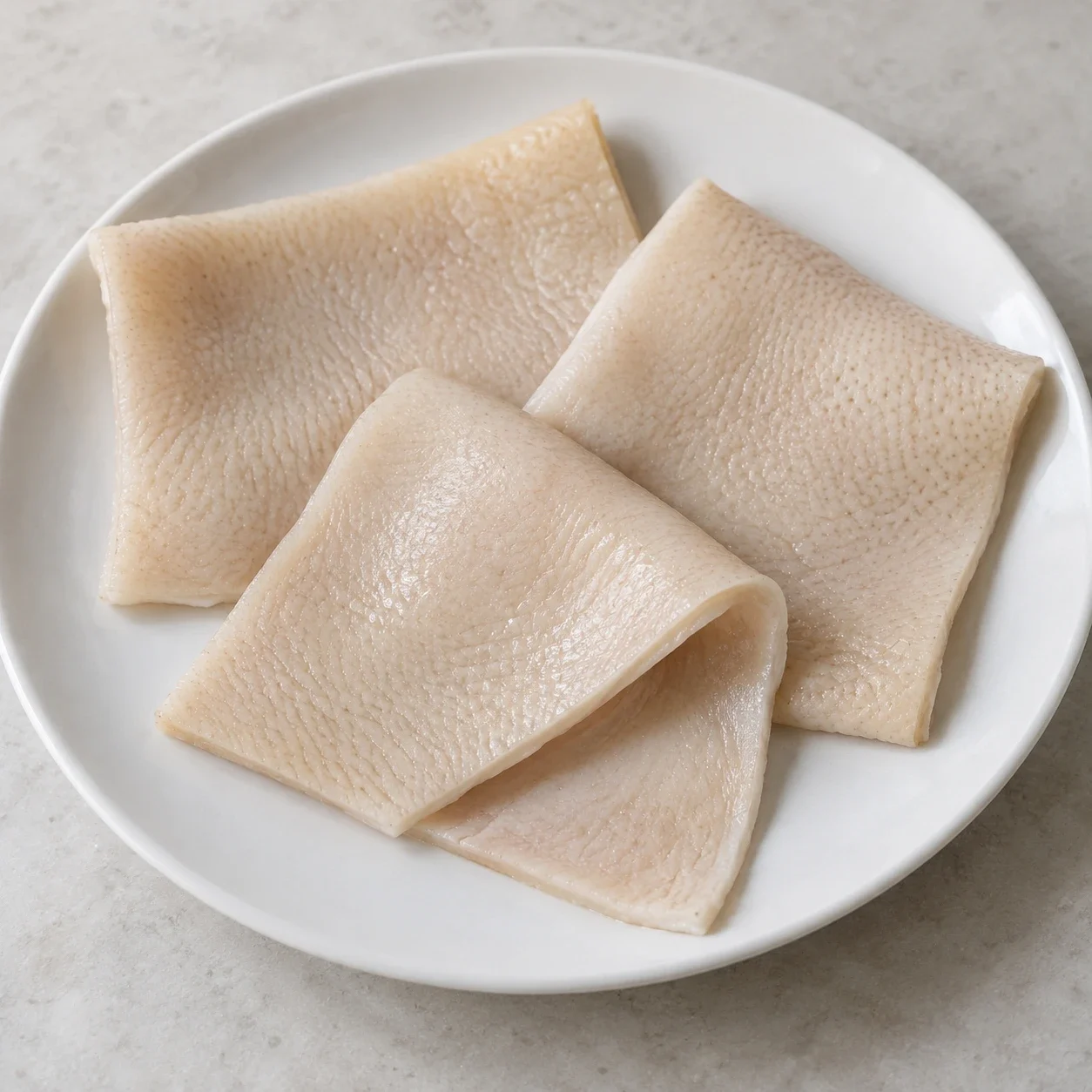
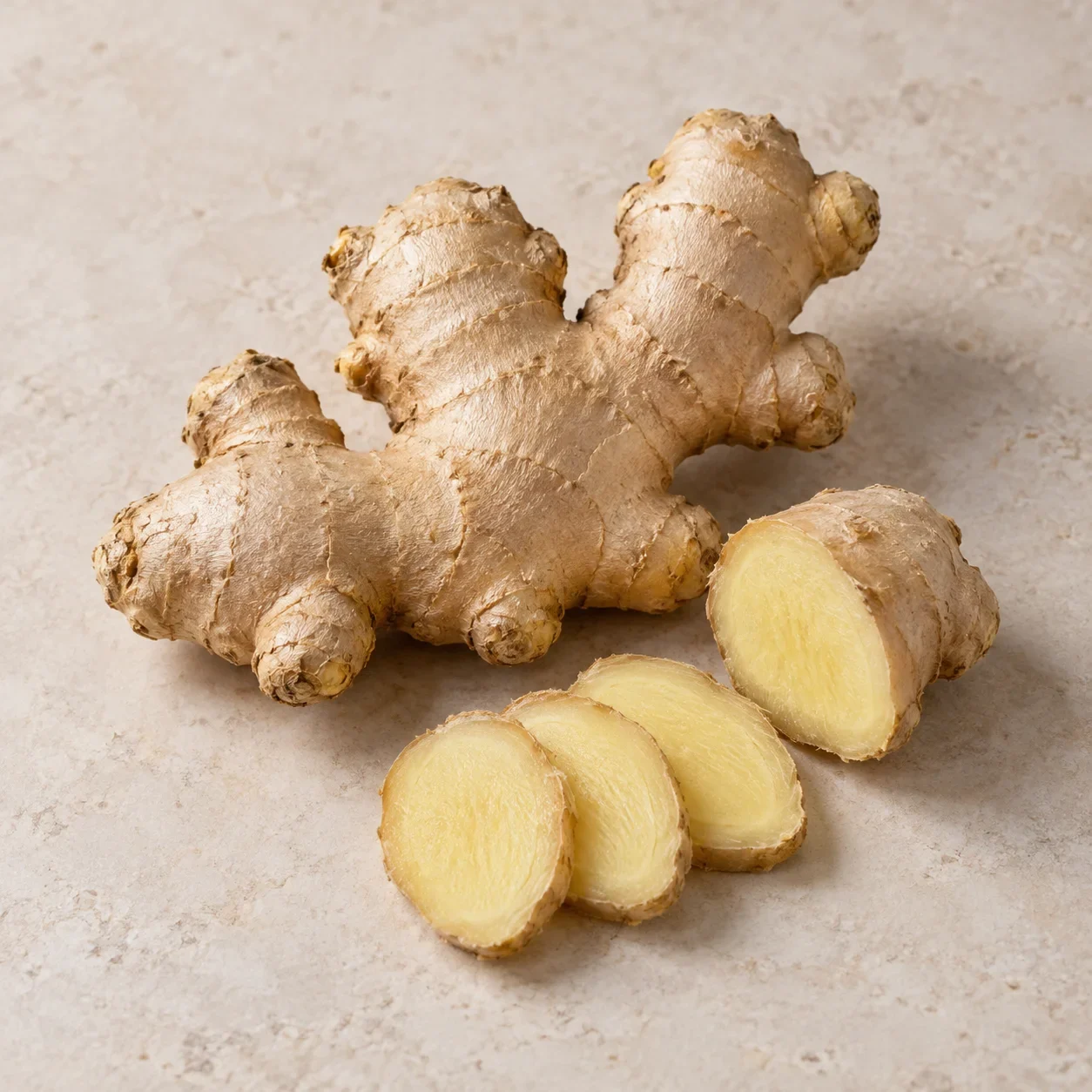
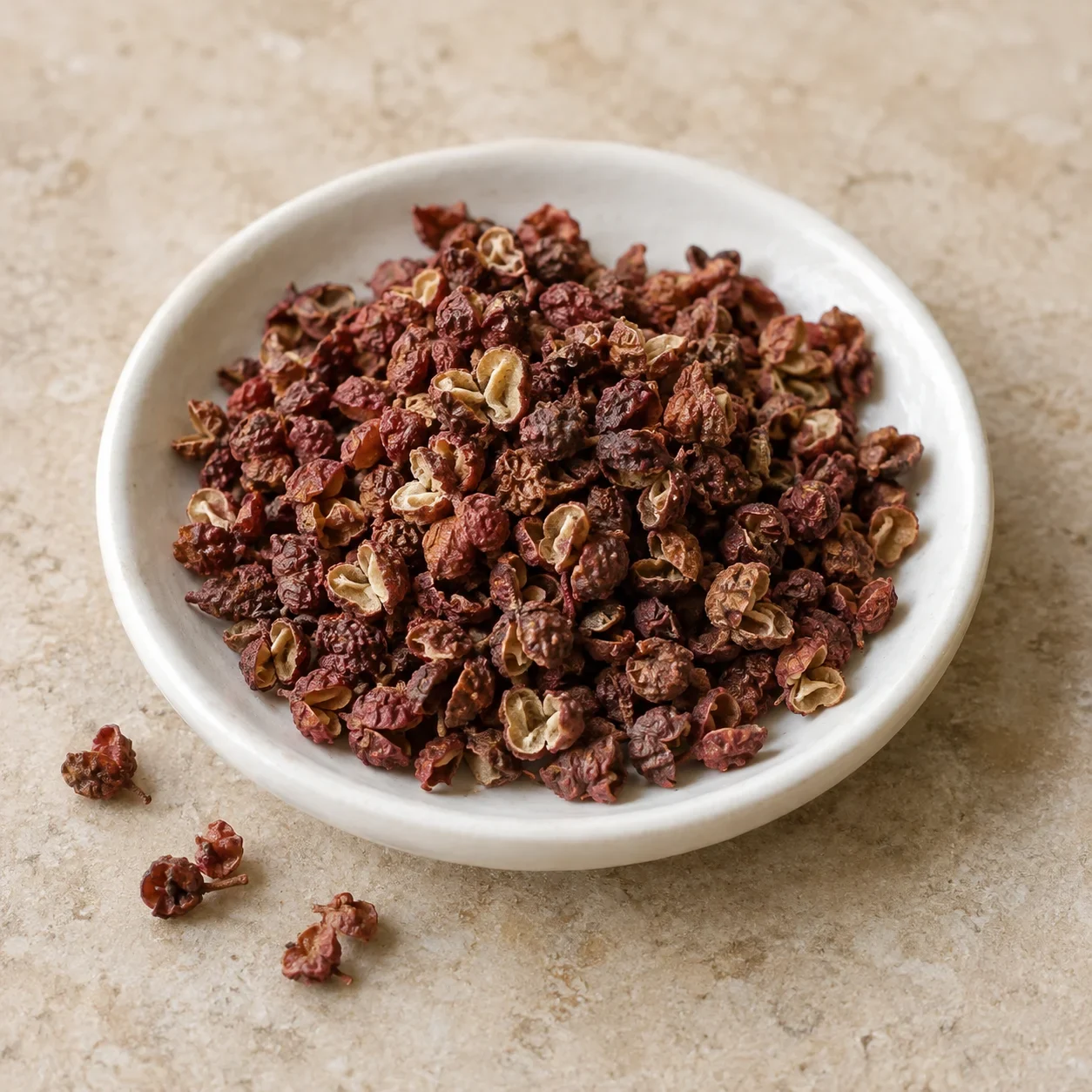
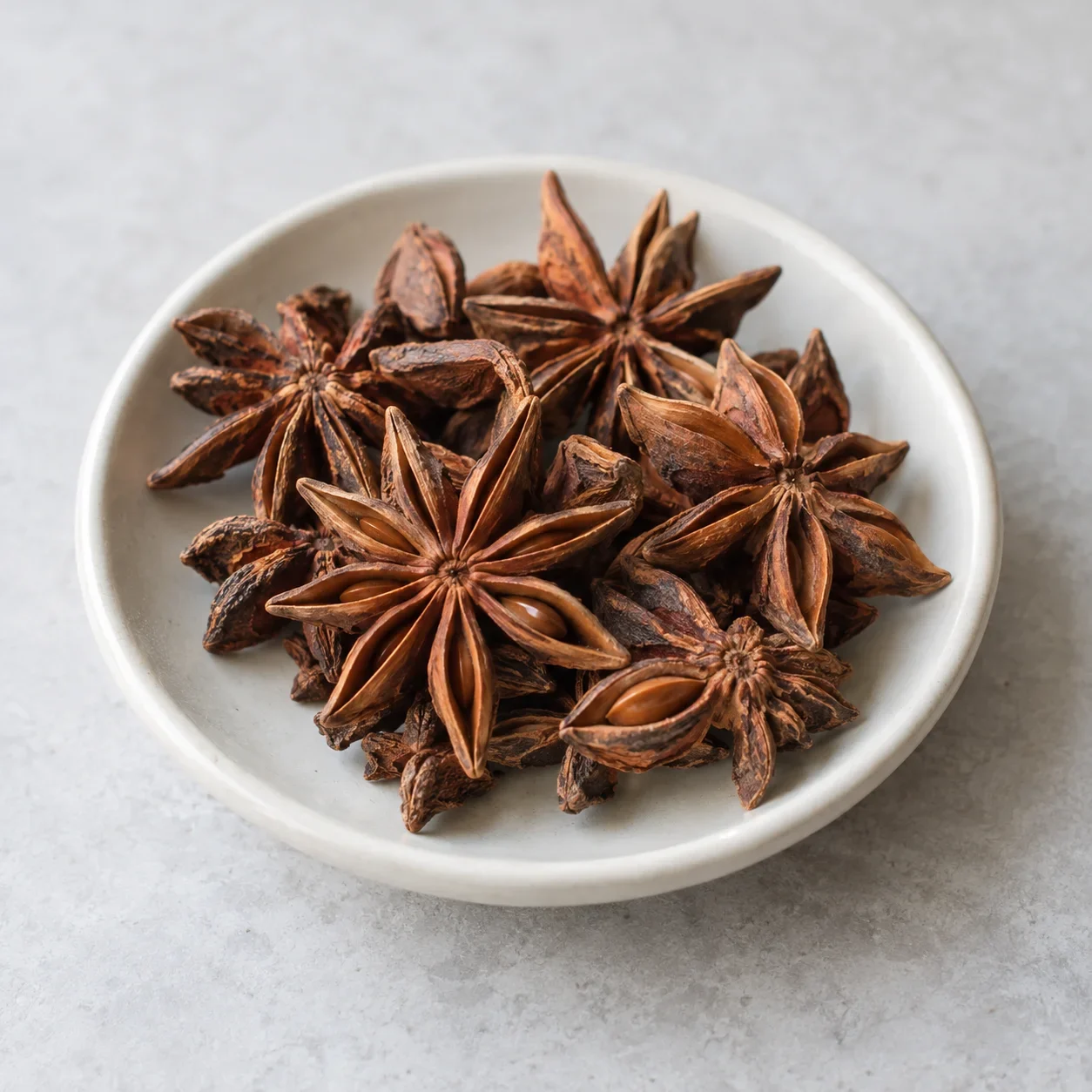
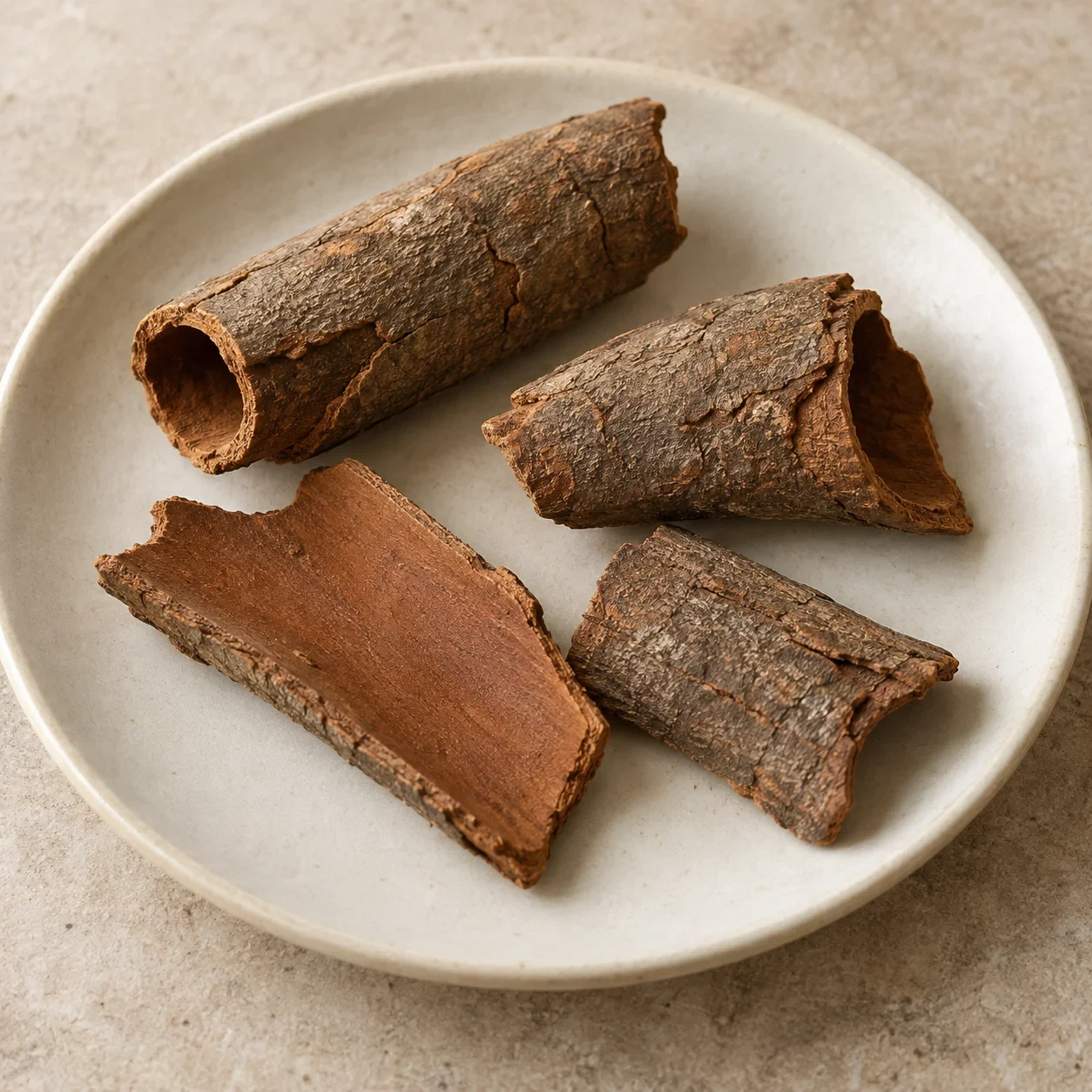
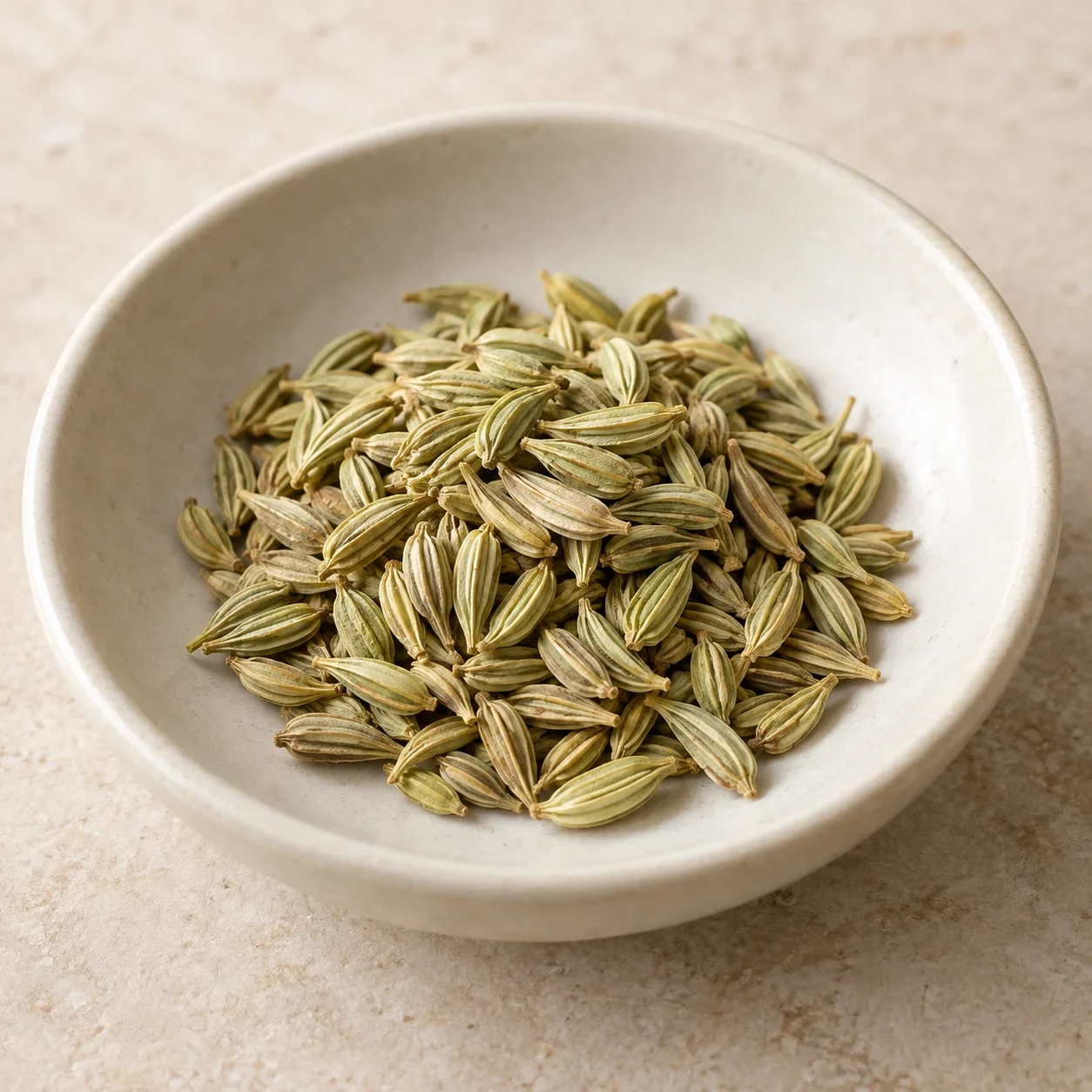
In some versions
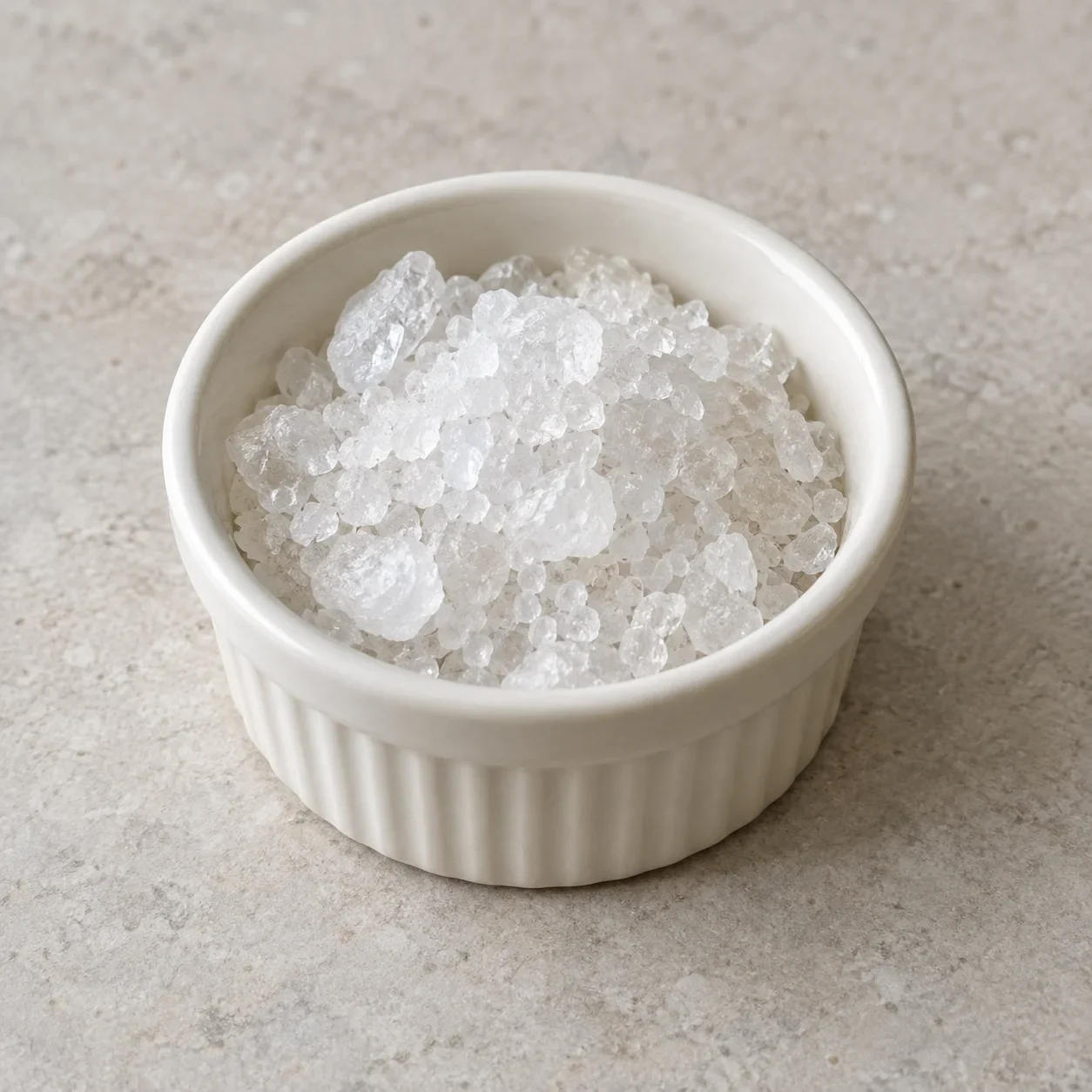
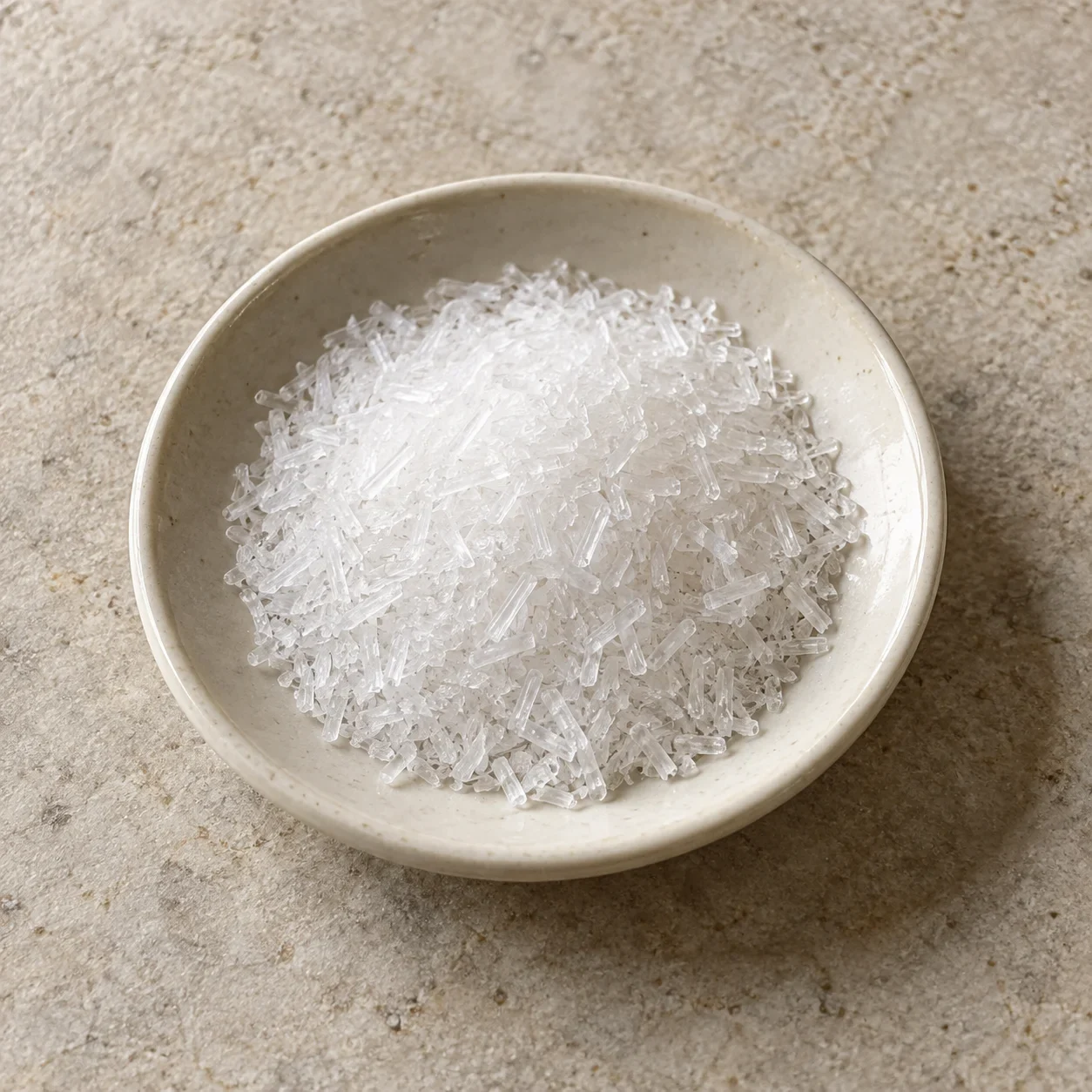
Recipes vary by restaurant.
How does it taste?
Savory soy and warm spices, with a light herbal aroma. The representative preparation has no chili.
- Chili heat
- Texture
- Tender lean-and-fat pork slices with cool, soft, slippery jelly.
- How it’s made
- Tie the pork, simmer with pork skin, soy sauce, cooking wine and aromatics, then strain and chill the broth into jelly. Remove the leaf ties and slice the meat onto the jelly.
Cuts, seasoning strength and broth clarification vary. Traditional preparations may use alum to clarify the broth; ask about the actual preparation.
A CONNECTION TO PLACE
Origin & regional roots
Associated with Beijing.
About this regional connection
Beijing: Beijing association via municipal Duyichu menu history and Chinese Cookbook Beijing; no inventor/exclusiveorigin asserted.
Ask if they have it first
请问你们有马莲肉吗?
Do you have this item?
A LITTLE SOMETHING TO READ
Story & history
A small dish on Duyichu’s old tavern menu
At Qianmen’s Duyichu, ma lian rou was among the small dishes on the tavern’s menu. During the Tongzhi era, the shop added shao mai and zha sanjiao, which became famous alongside those earlier dishes. Ma lian rou also belonged to the restaurant’s traditional festival wine dishes.