
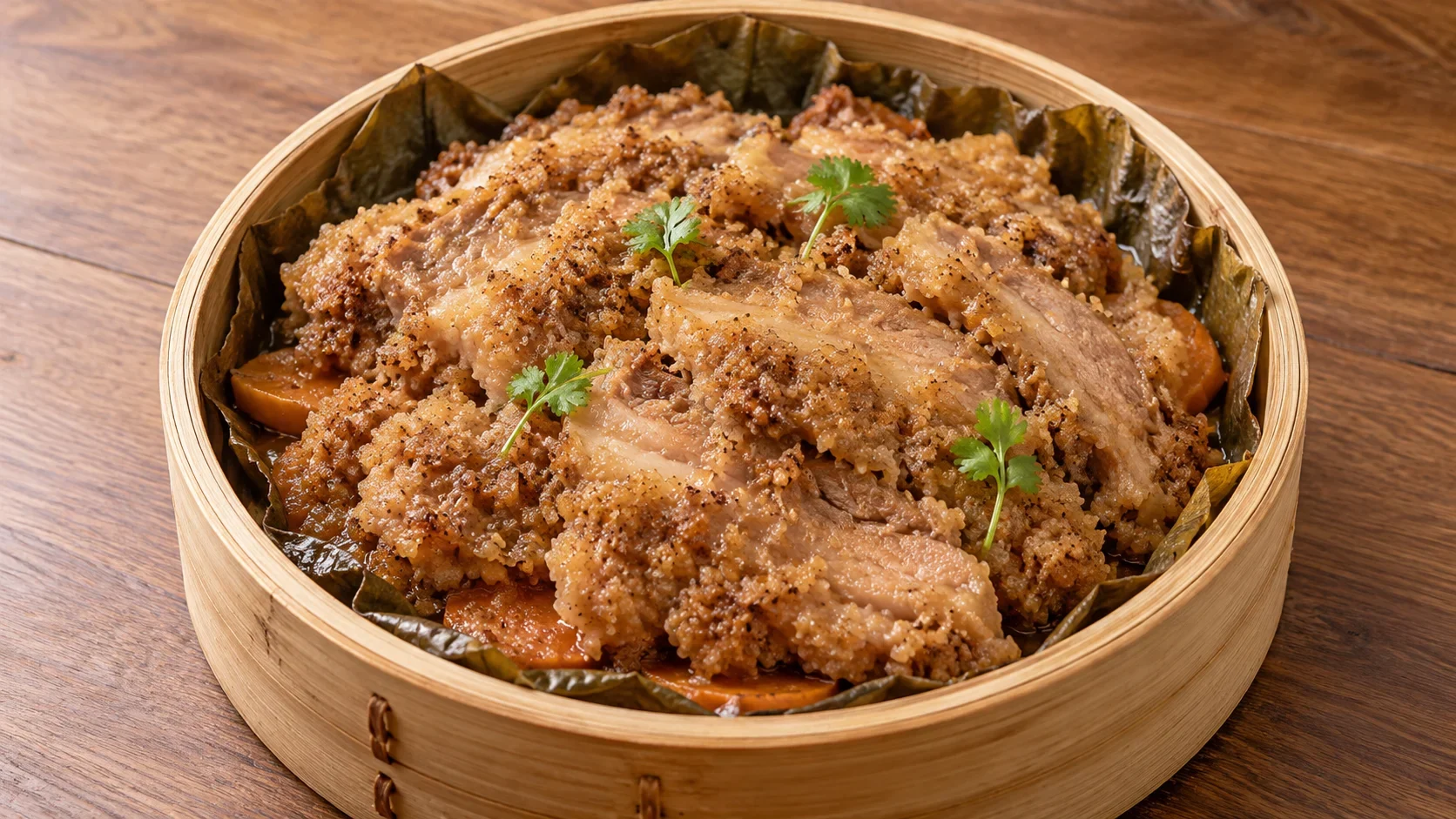
At the table
Take pork and sweet potato together, add a little sauce, and let the hot filling cool. The lotus leaf is a liner, not part of the bite.
Contains pork; soy, oyster sauce, sesame and cooking wine are used in this version. Check condiment ingredients and the stock base if you have dietary restrictions.
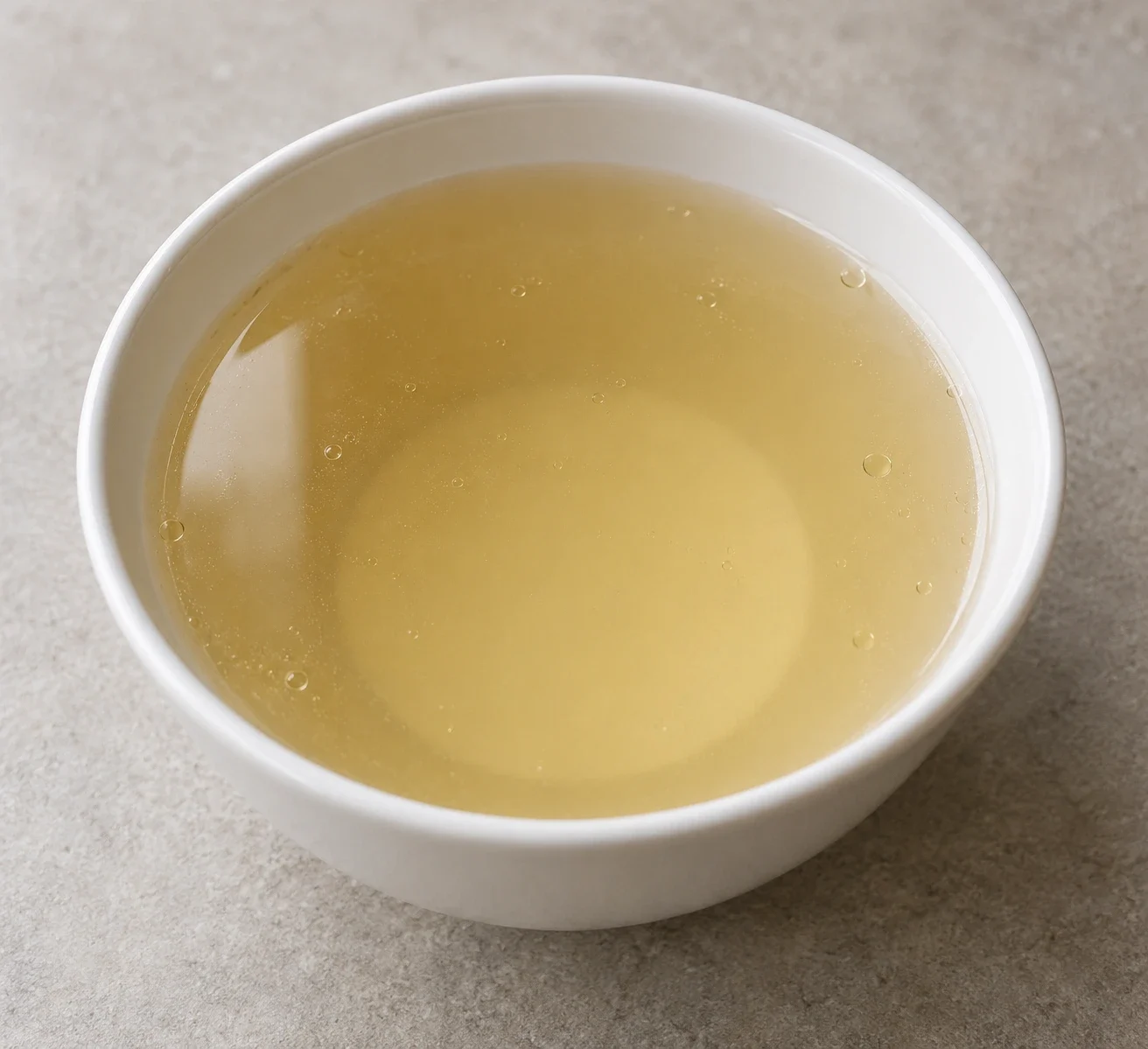
This pork version contains no chili. Pepper and Sichuan pepper oil add a different pungency; sauces and chili additions vary. The clear stock does not specify a meat or vegetable base.
GET TO KNOW THE DISH
What goes into it?
Explore some key ingredients below. Preparations may use additional seasonings and ingredients.
A separate savory sauce can be poured over the pork. Coarser rice is used for meat and finer rice for vegetables. Fermented-tofu liquid flavors the marinade rather than pieces of the curd.
Typical ingredients
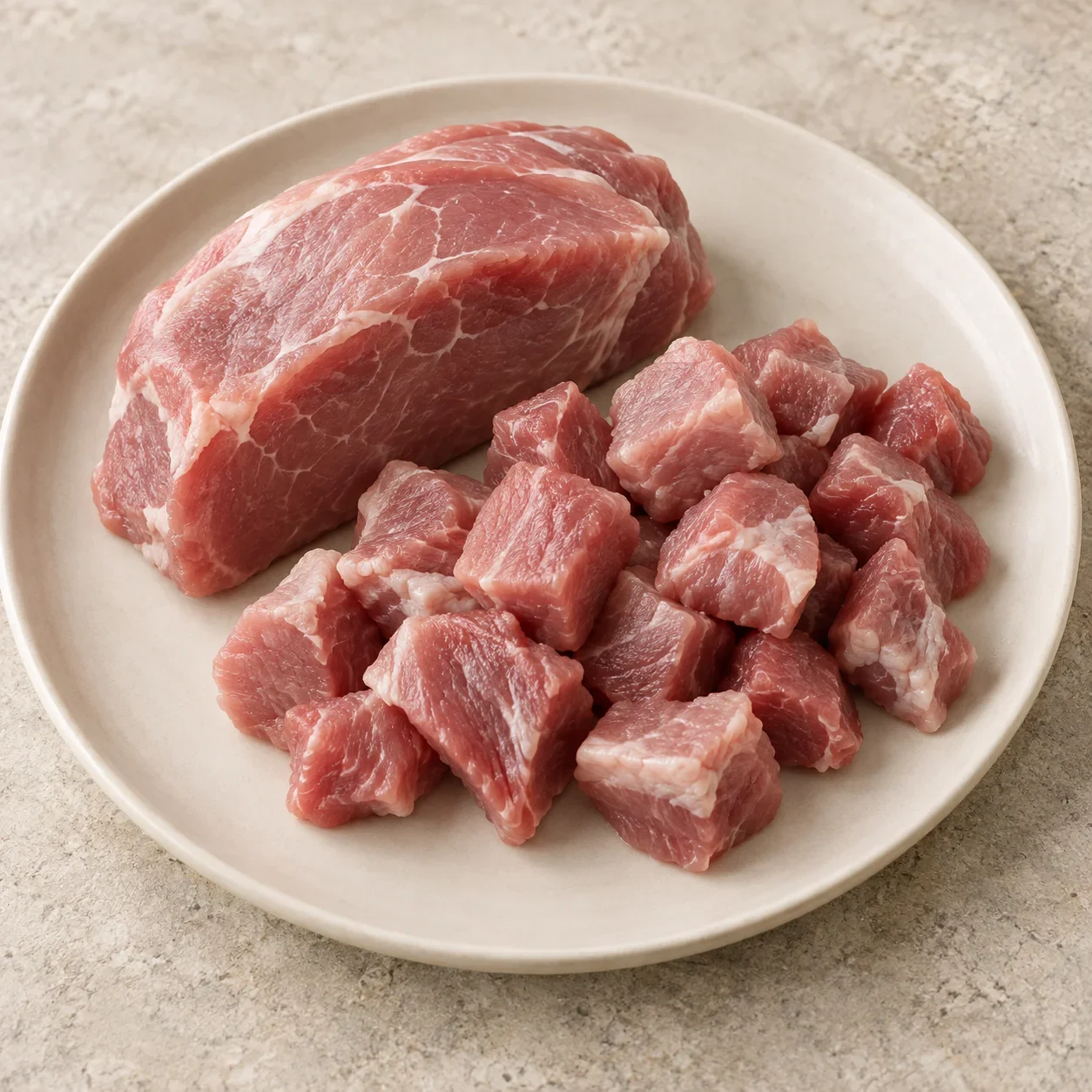
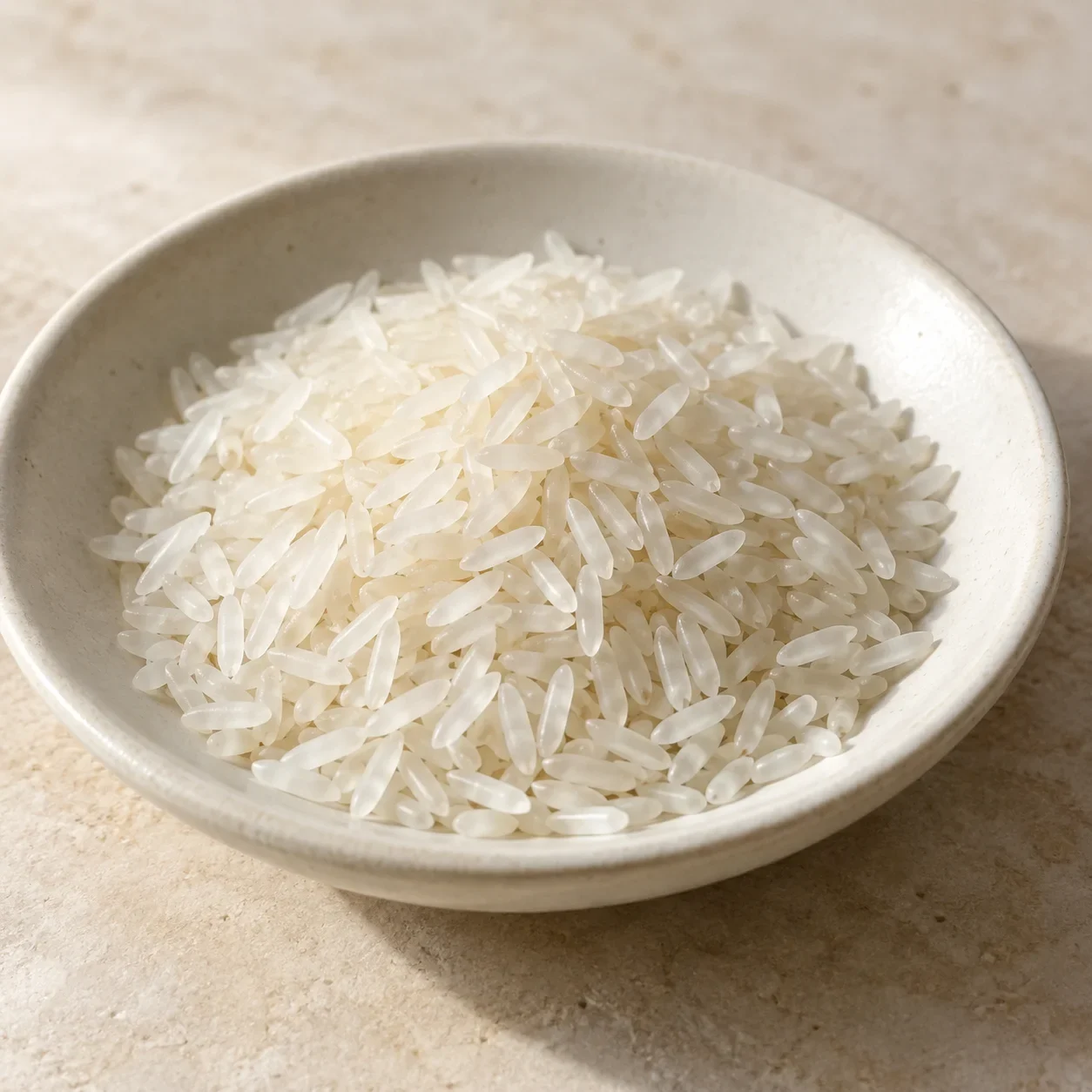
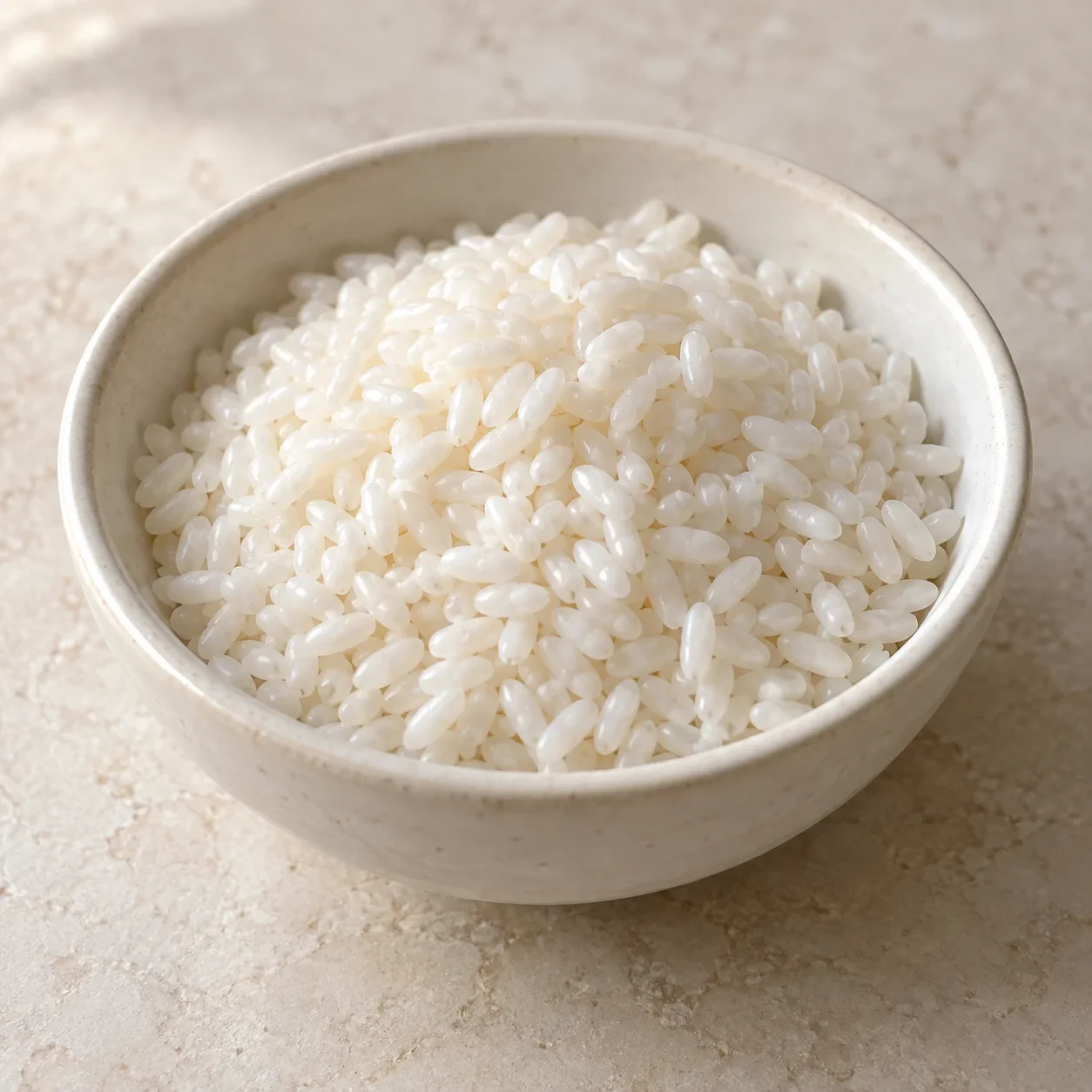
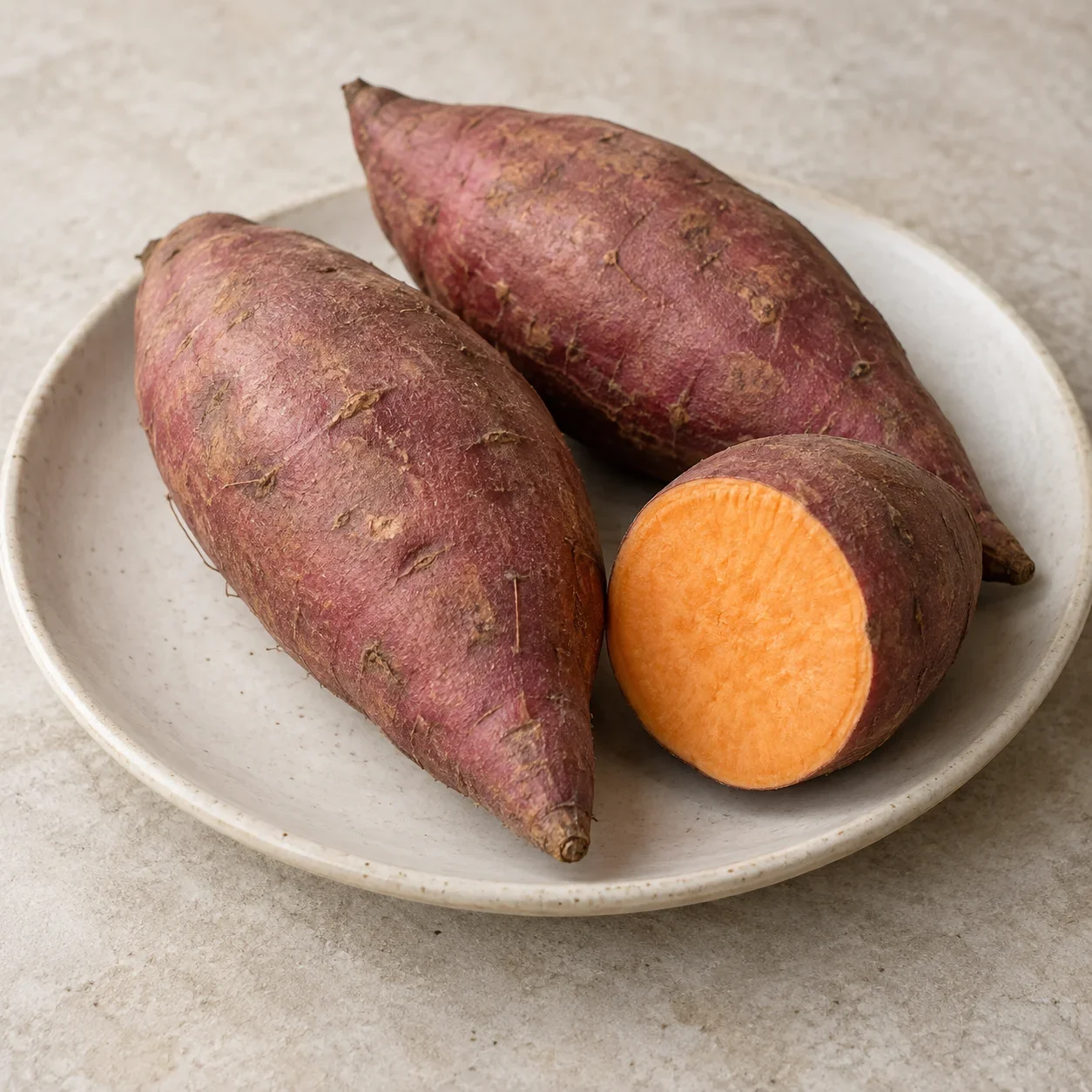
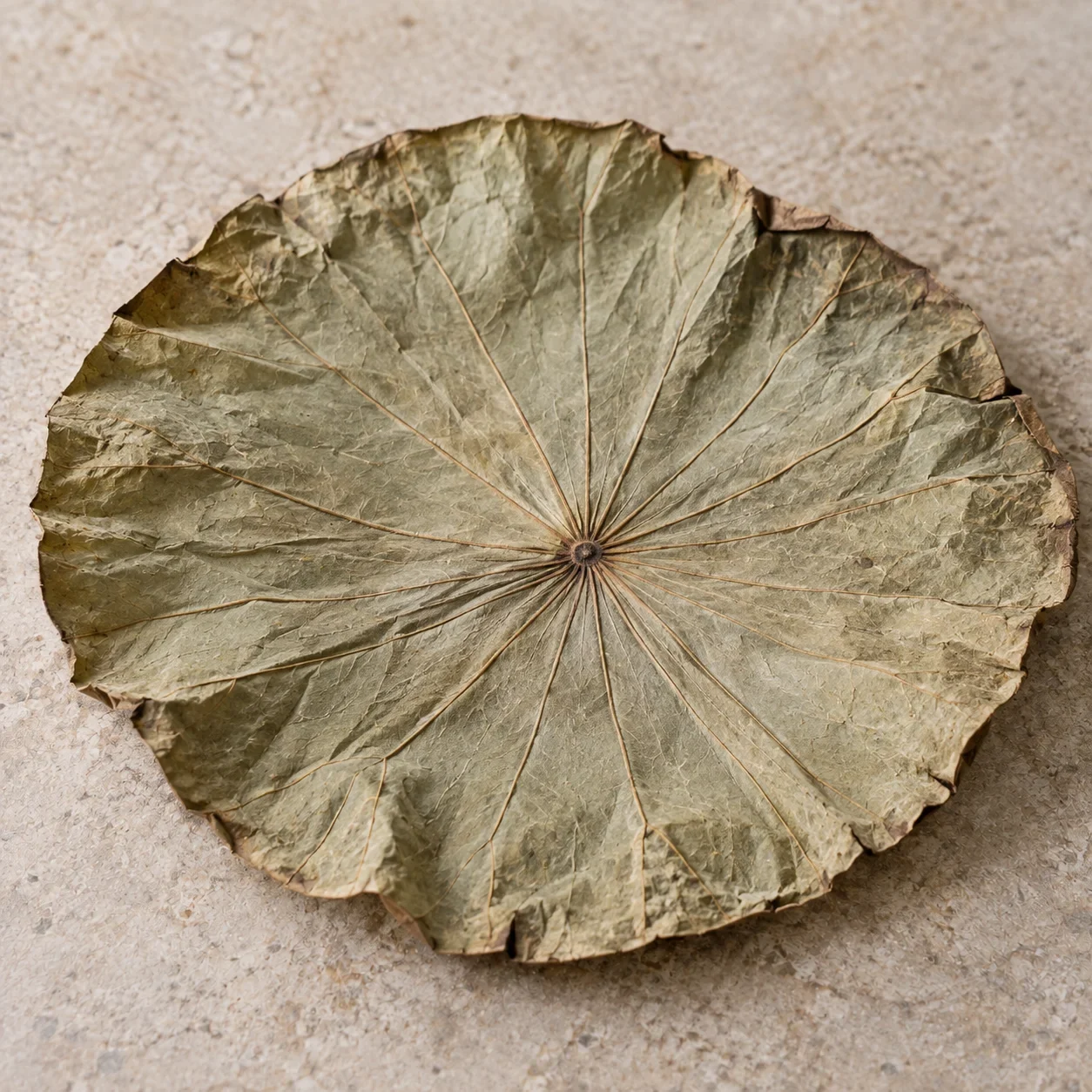

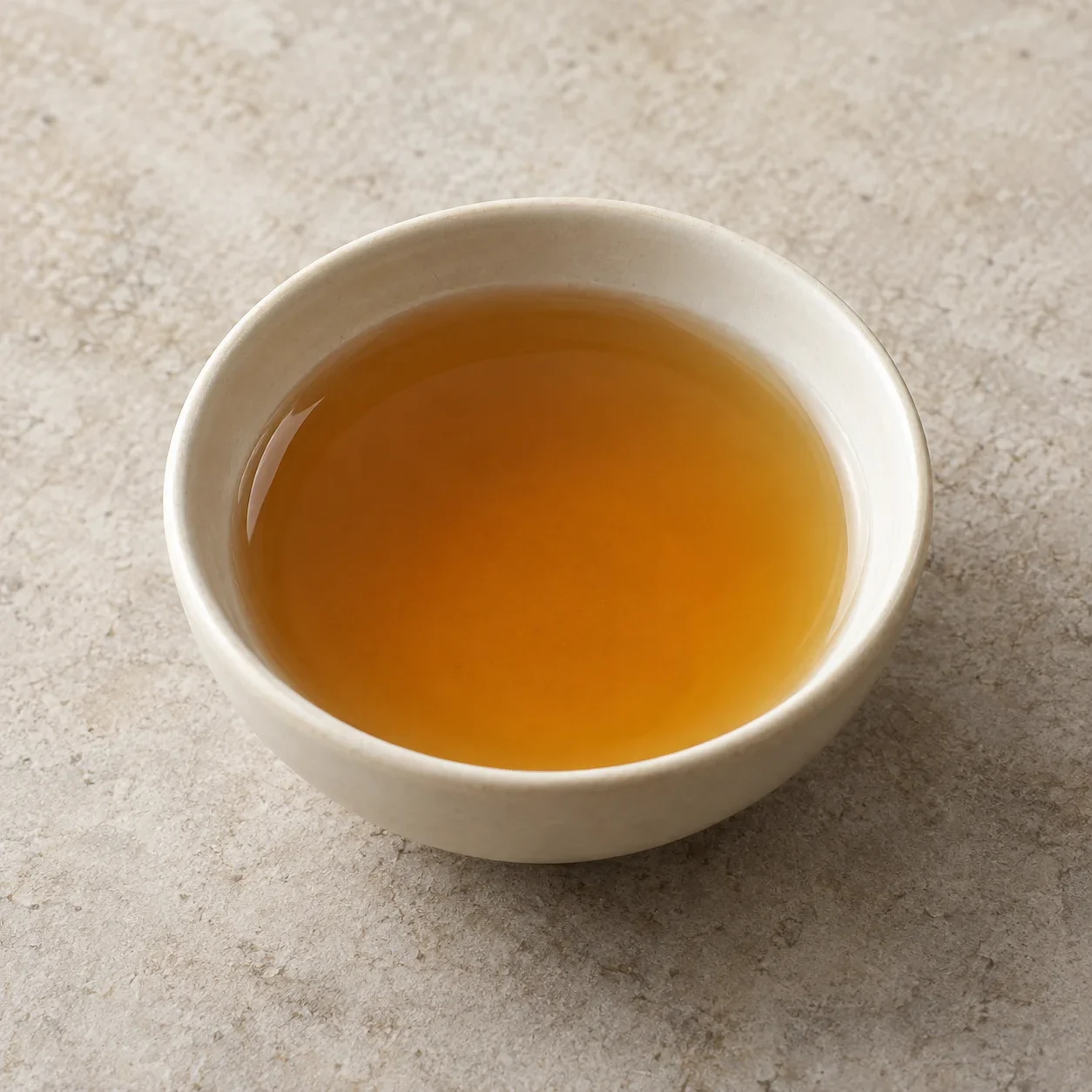
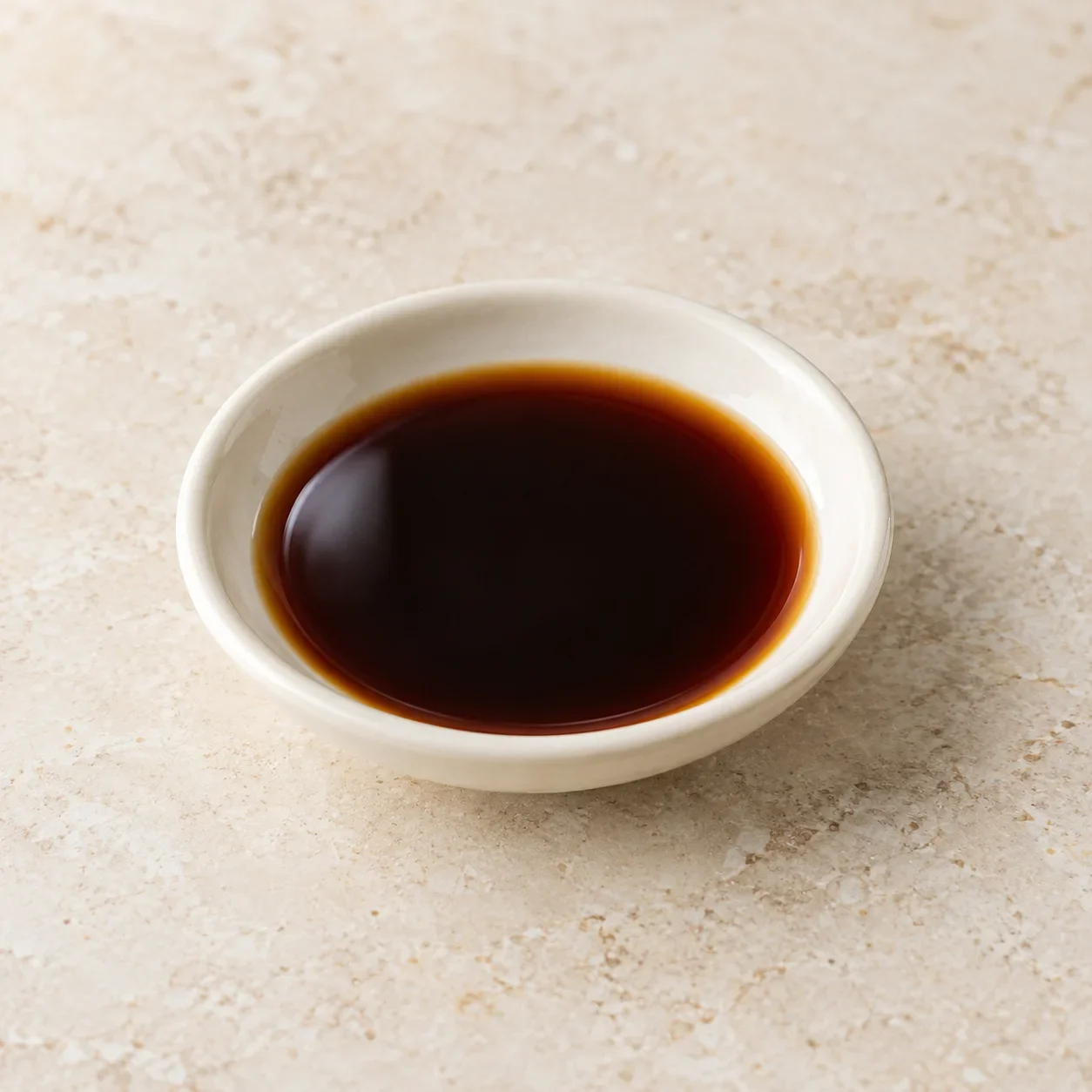
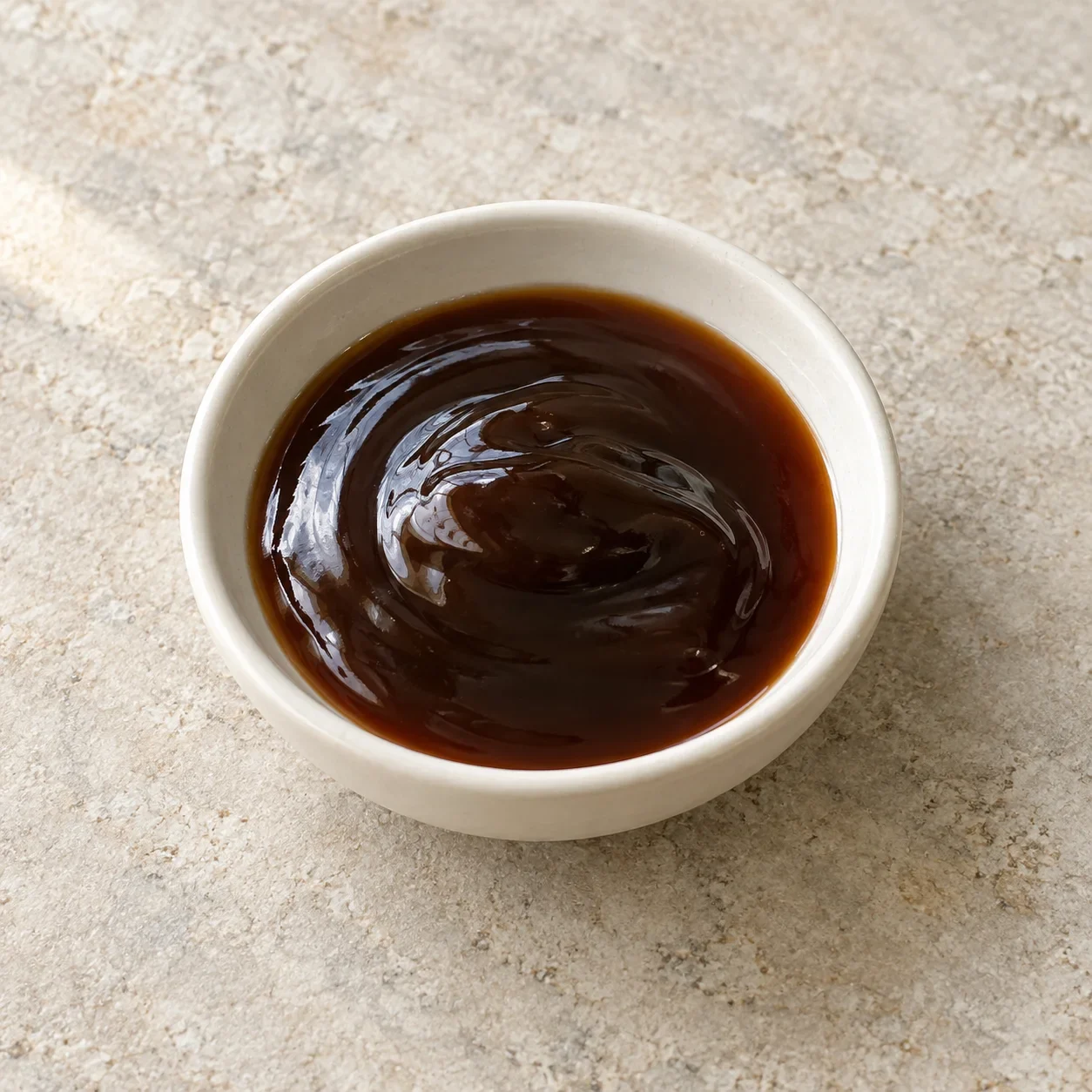
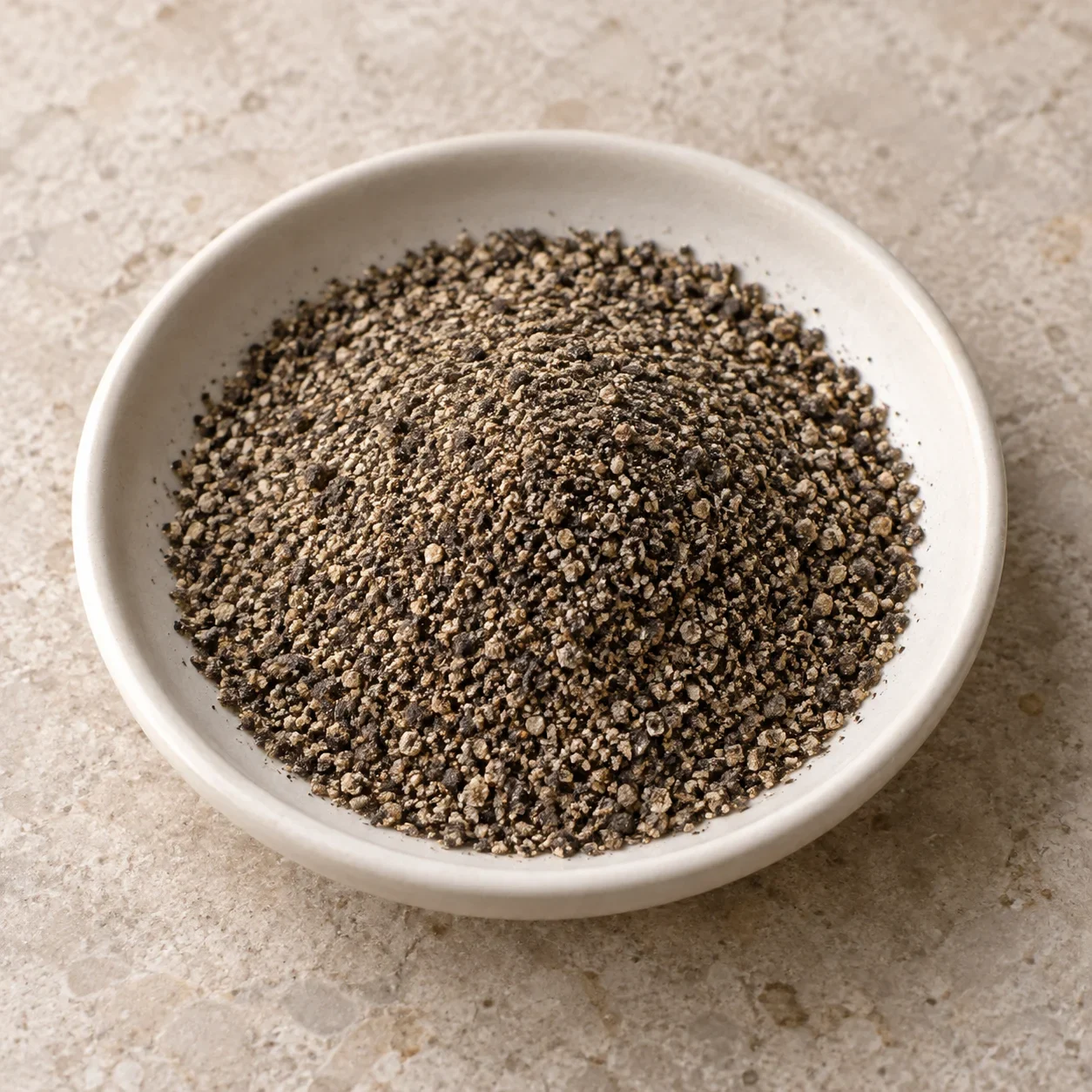
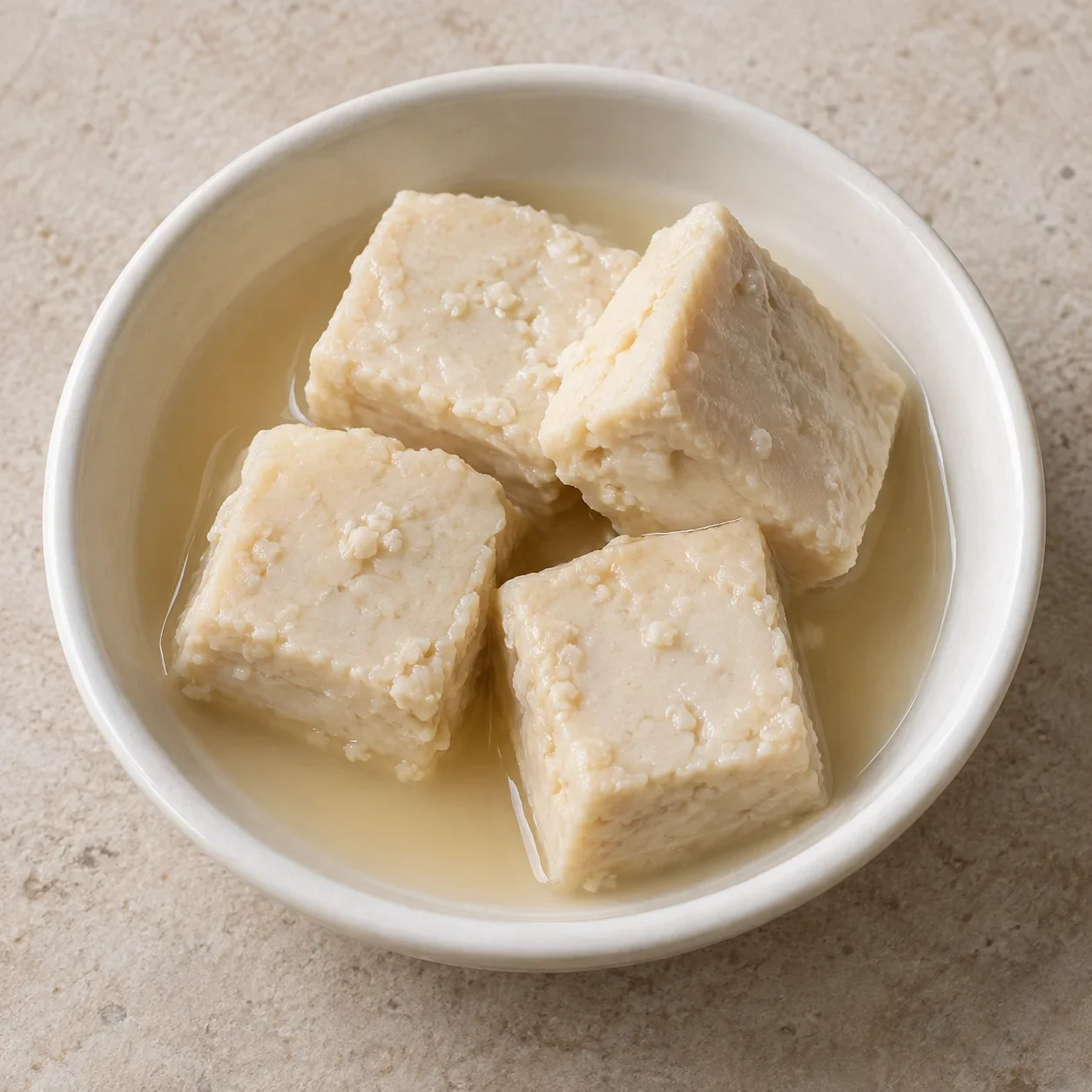

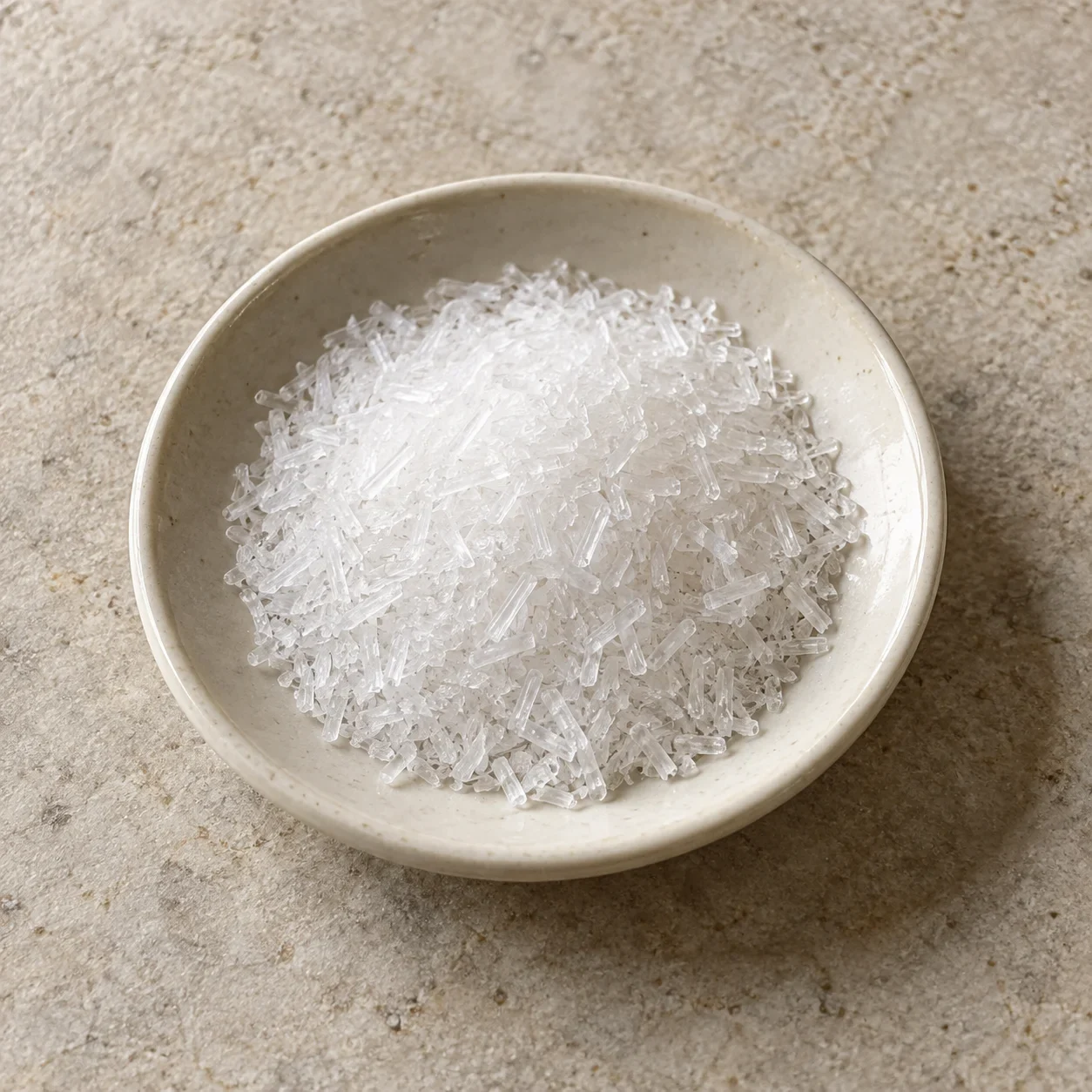
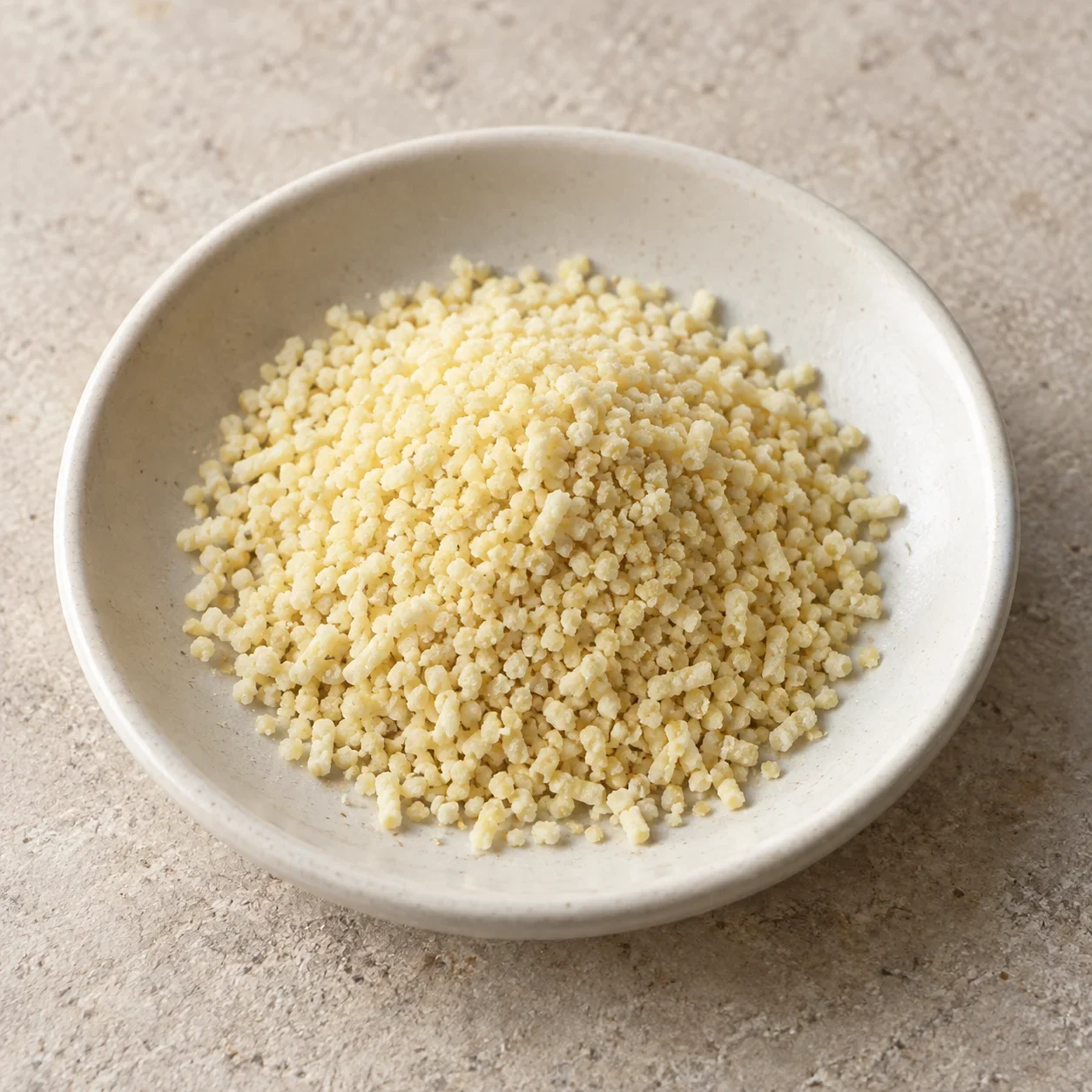
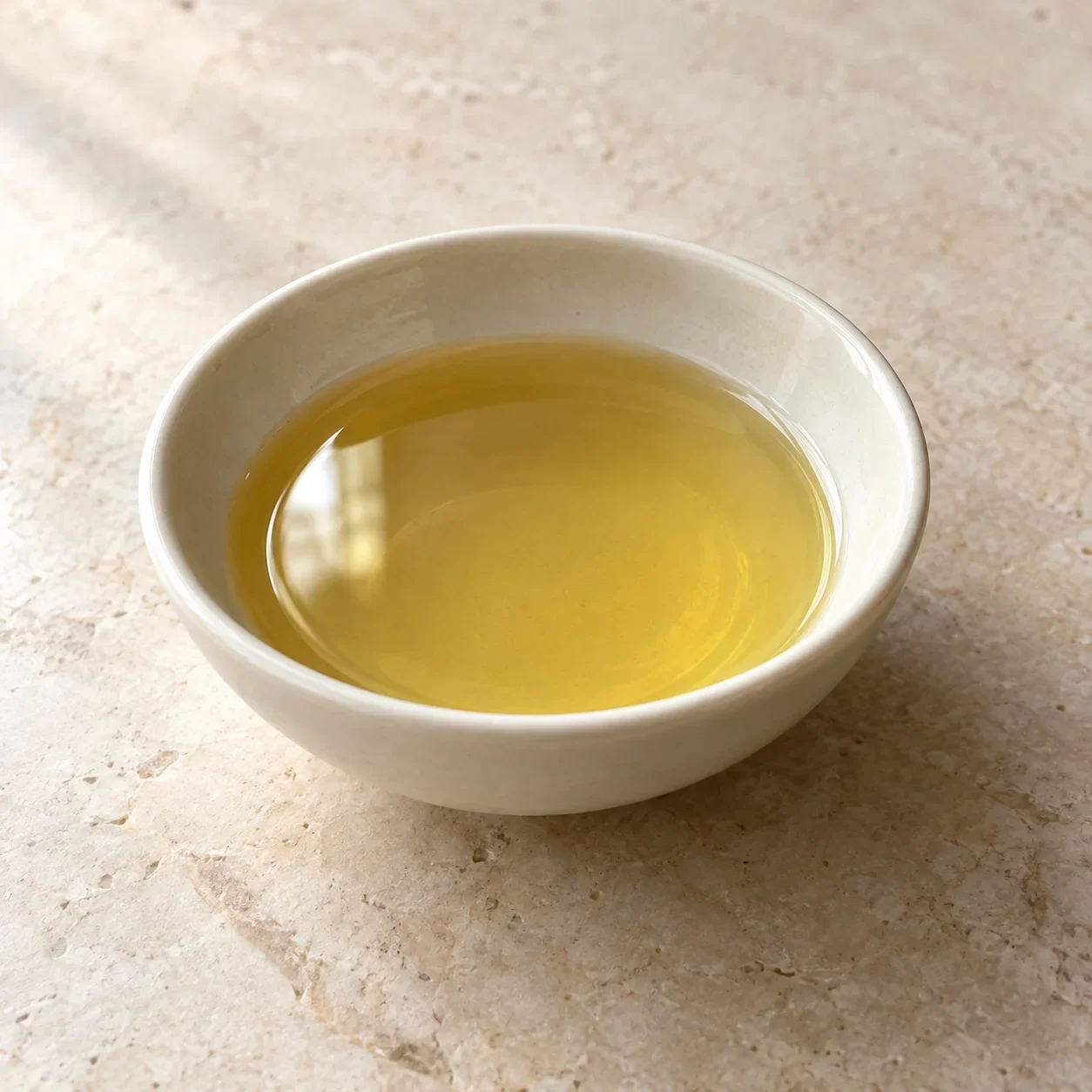
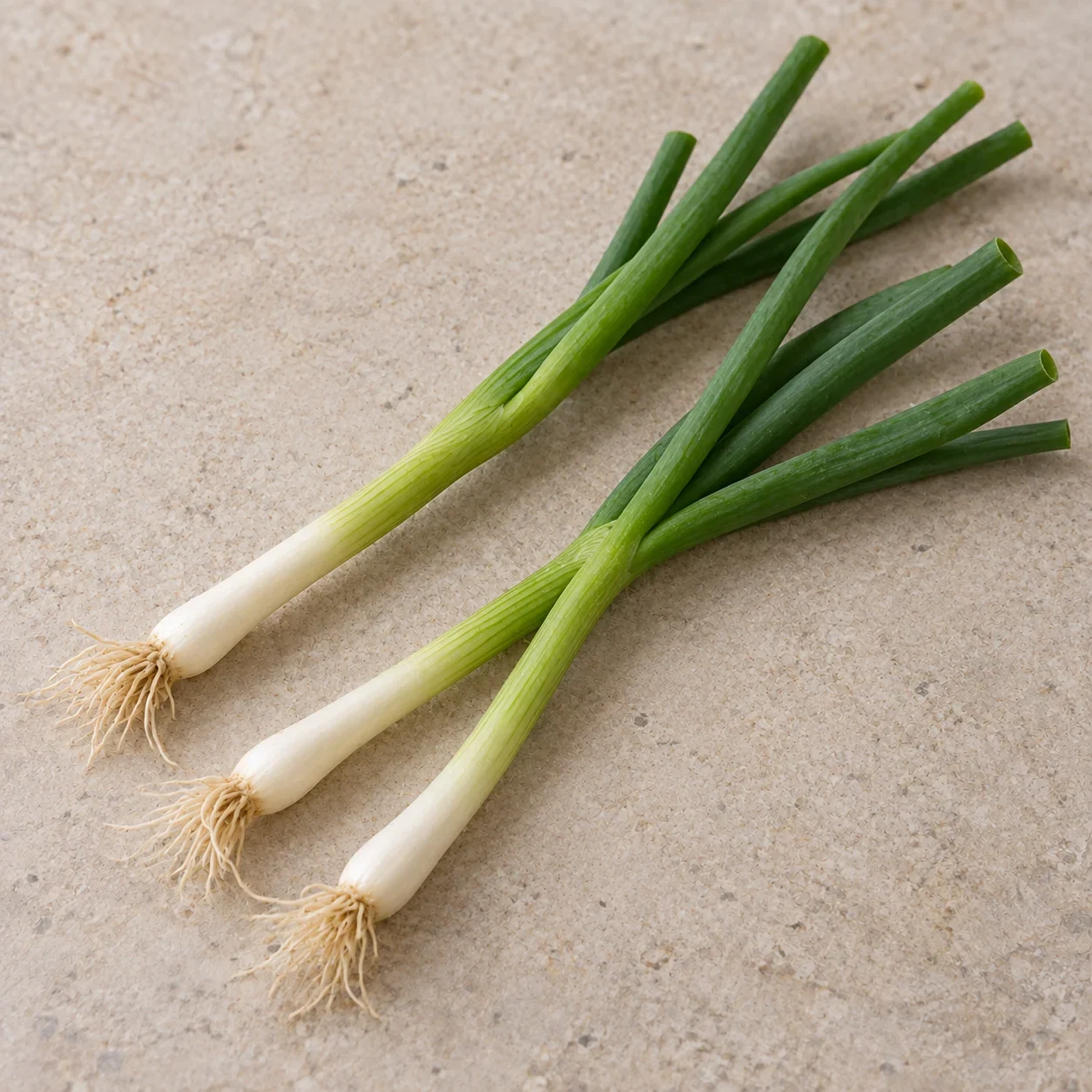
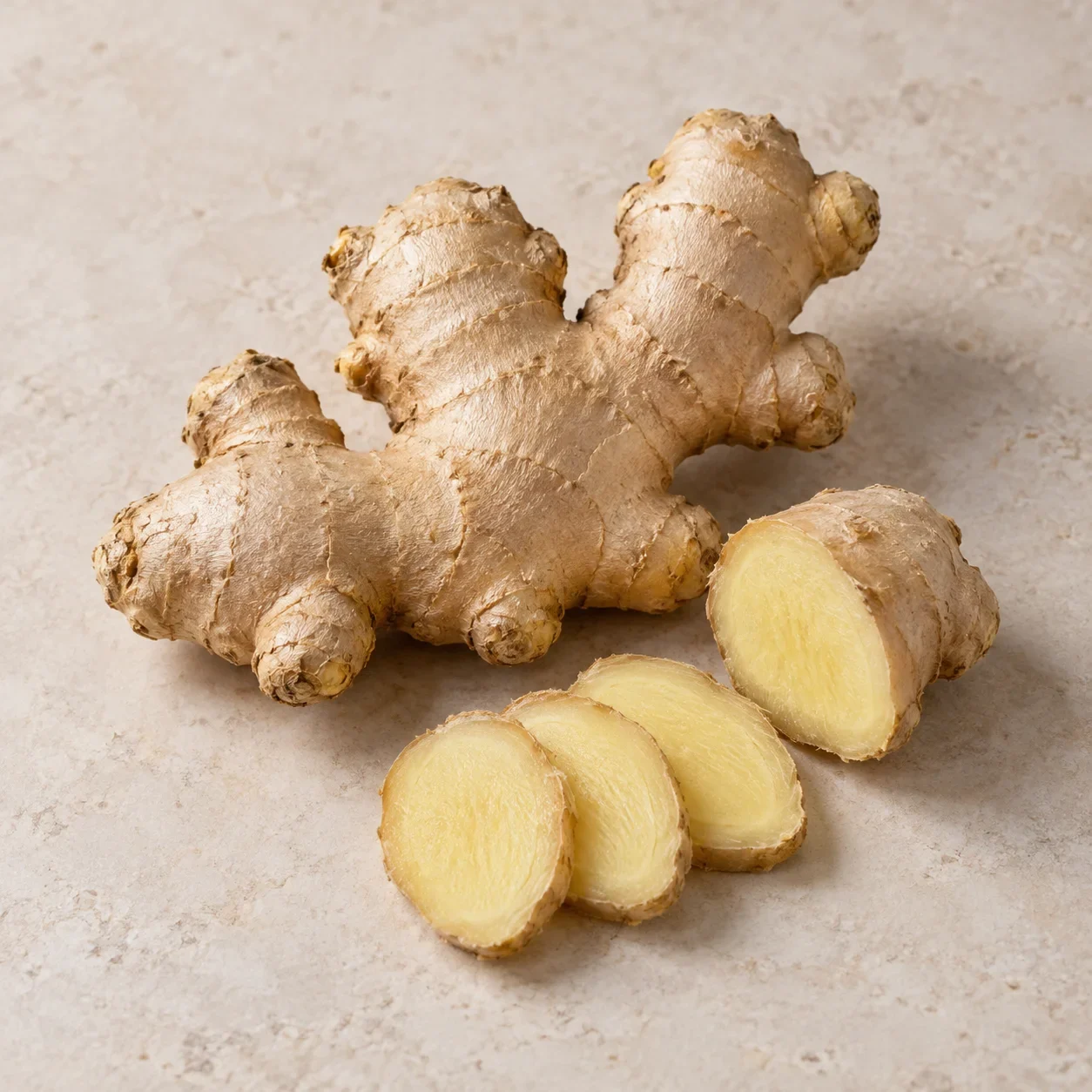
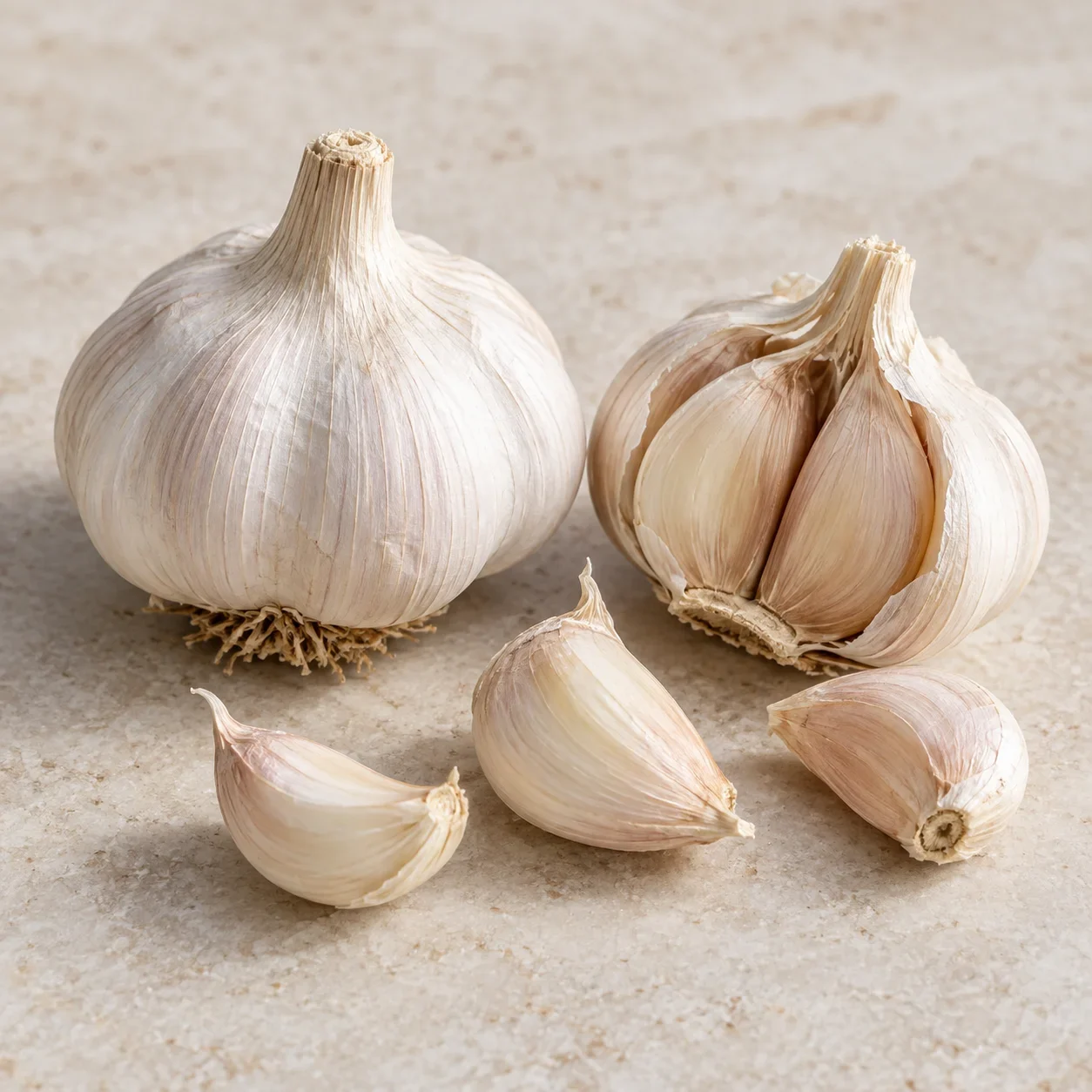
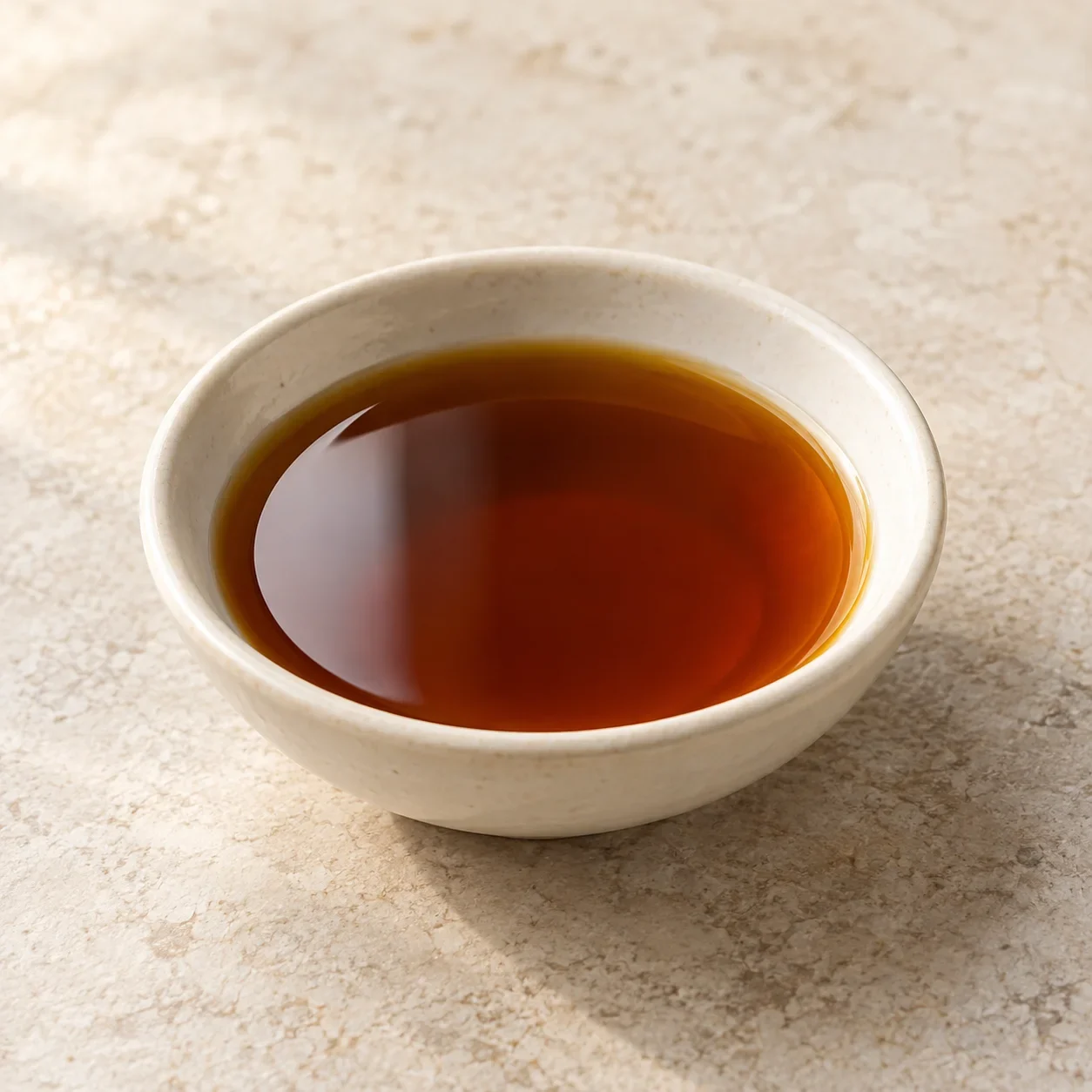
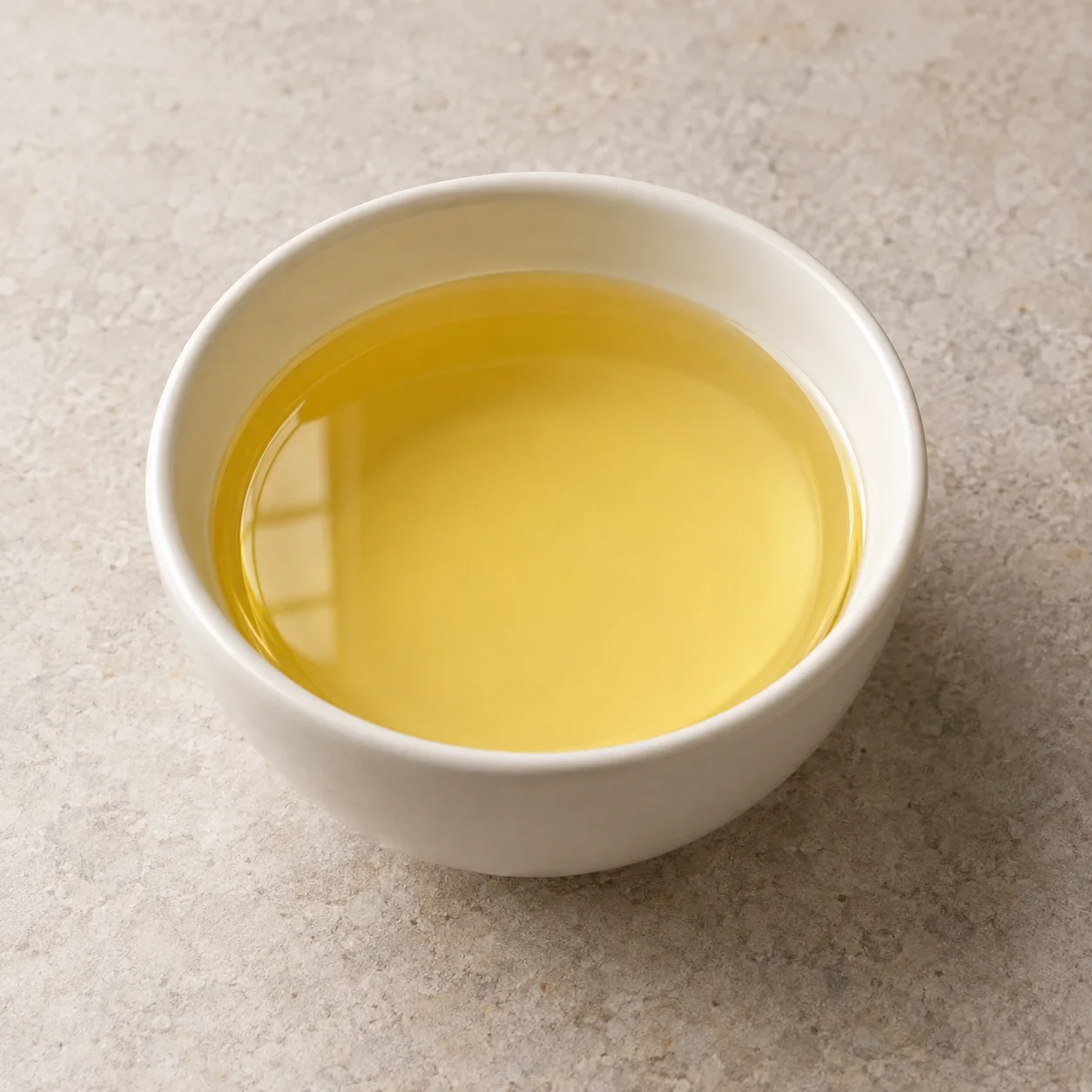
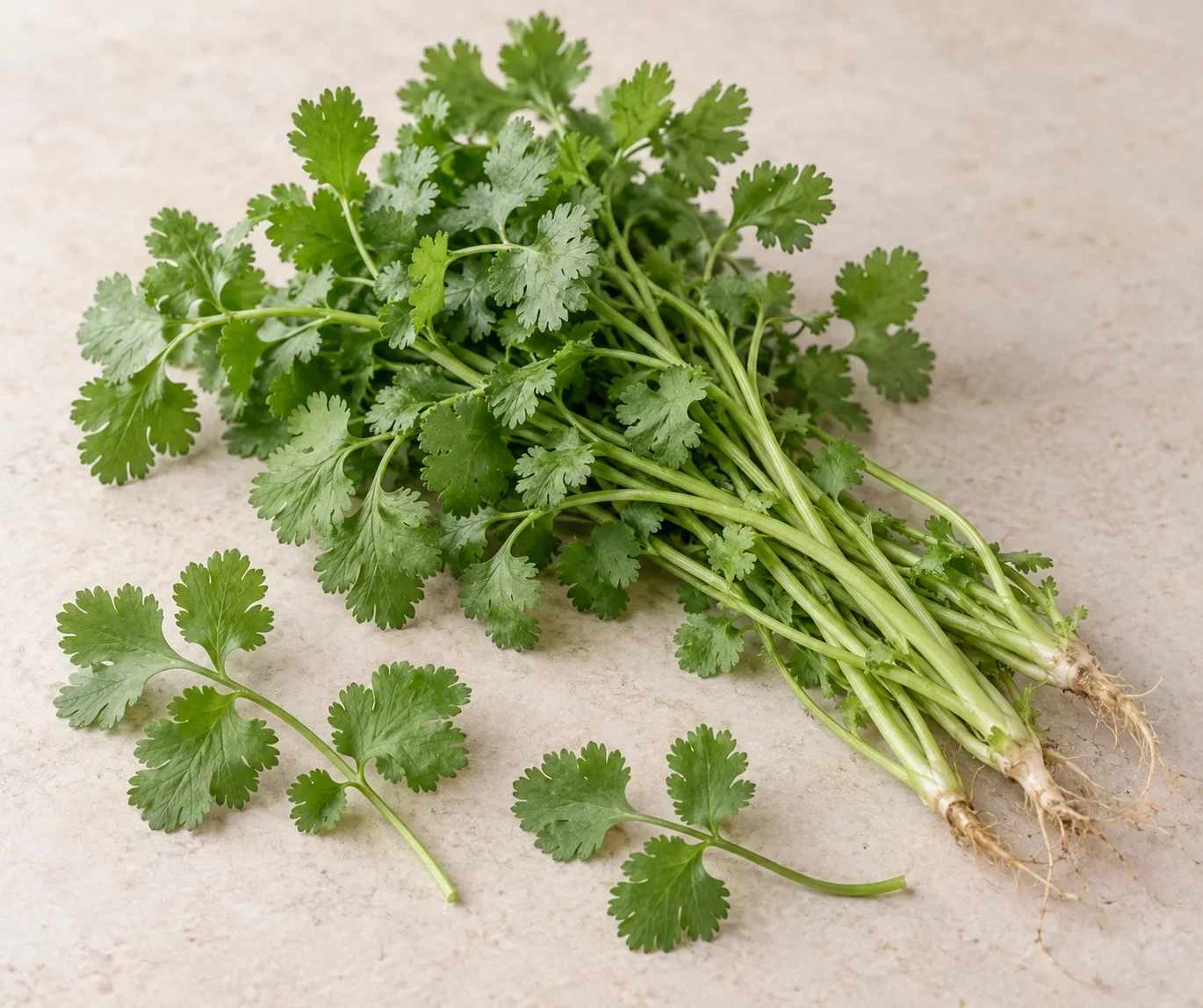
Recipes vary by restaurant.
How does it taste?
Savory
- Chili heat
- Texture
- Tender pork with a moist, coarse rice coating and soft sweet potato.
- How it’s made
- Toast rice and glutinous rice, crush coarsely, coat seasoned pork belly and steam on sweet potato in a lotus-leaf-lined vessel.
A separate savory sauce can be poured over the pork. Coarser rice is used for meat and finer rice for vegetables. Fermented-tofu liquid flavors the marinade rather than pieces of the curd.
A CONNECTION TO PLACE
Origin & regional roots
Associated with Hubei.
Ask if they have it first
请问你们有沔阳粉蒸肉吗?
Do you have this item?
A LITTLE SOMETHING TO READ
Story & history
A Pork Dish from Mianyang’s Steaming Tradition
Mianyang is the former name of today’s Xiantao in Hubei. Its three-steamed-dishes tradition includes meat, fish and vegetables. This pork dish uses coarsely crushed rice to coat the meat; vegetable versions use finer rice. In this version, lotus leaf lines the vessel and sweet potato sits beneath the pork. The separate savoury sauce is poured on after steaming.