At the table
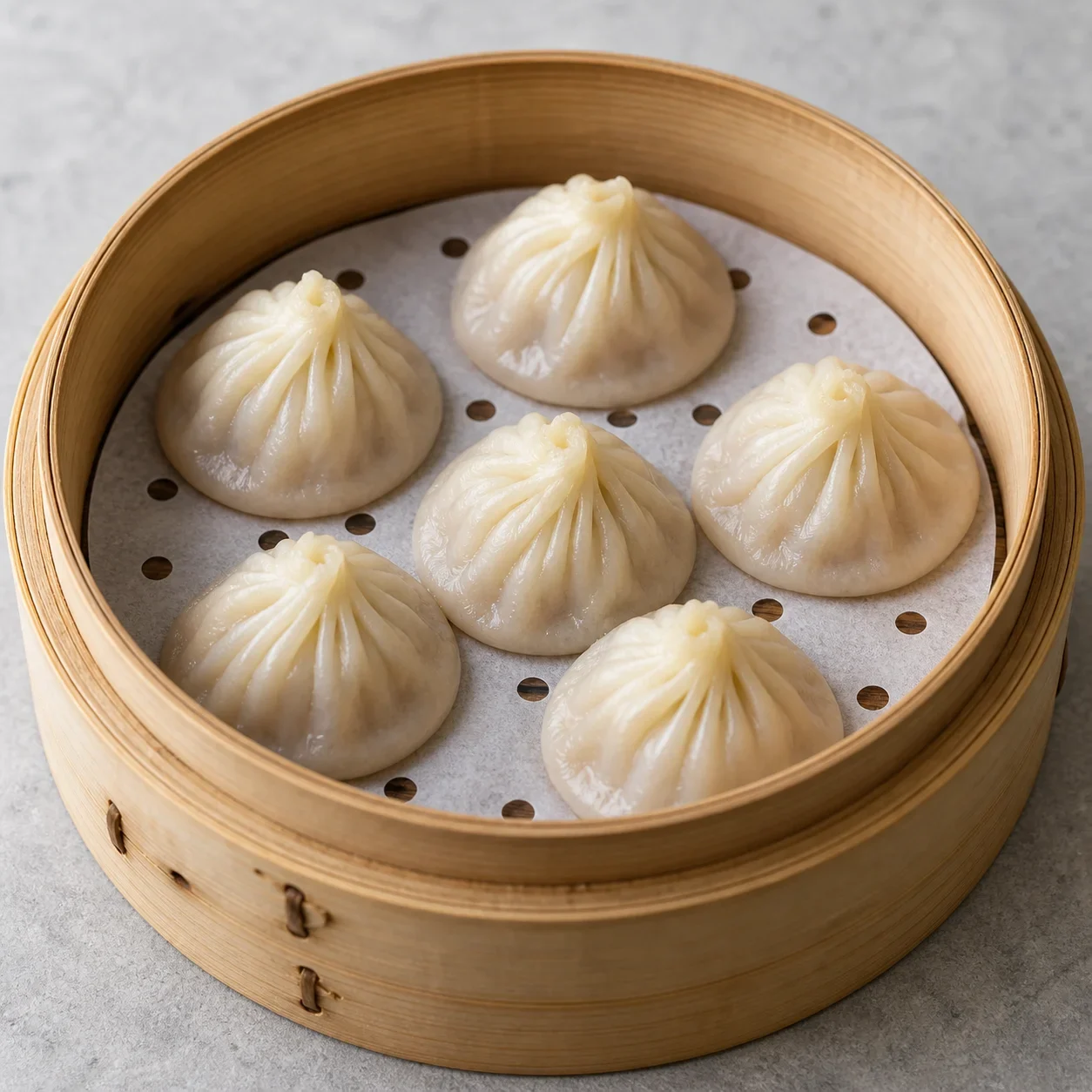
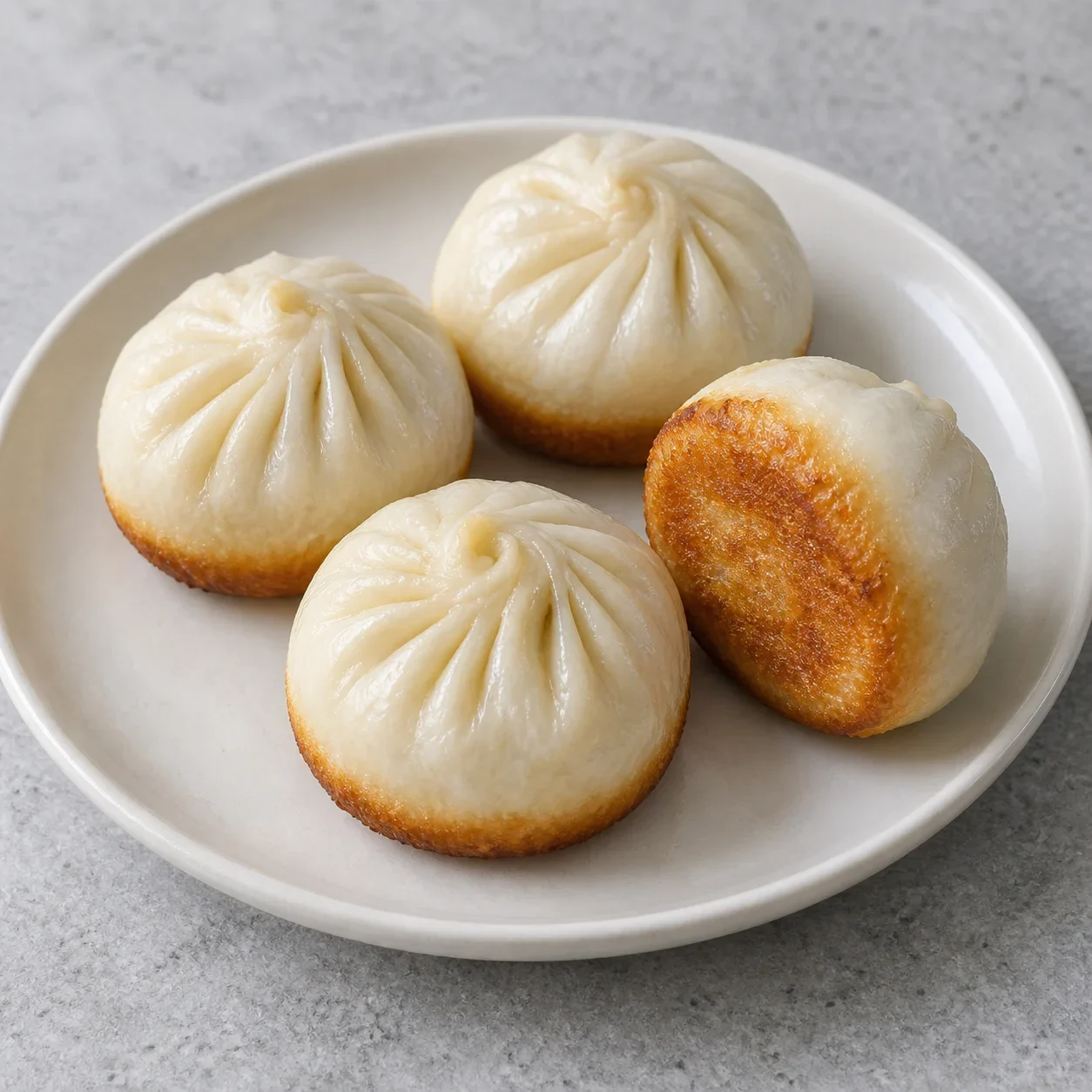
Rest a bun on a spoon and make a small opening to release steam. Let any liquid cool before sipping, then eat the filling and crisp base in small bites. Avoid biting into a whole hot bun.
Contains pork and wheat. Seasoning or toppings may contain soy, sesame and cooking wine; do not assume it is alcohol-free. The filling and juices can be very hot, and the browned base can be firm.
Dough fermentation and soup content vary. A home version uses yeast, pork, scallion-ginger water, soy sauce, cooking wine, sugar, salt and pepper; baking powder is optional. Pork-skin aspic and sesame garnish are not present in every version. A lack of added aspic does not mean there are no meat juices.
GET TO KNOW THE DISH
What goes into it?
Explore some key ingredients below. Preparations may use additional seasonings and ingredients.
Soup-filled versions add pork-skin aspic; qingshui versions omit it. Miniature versions can use wheat flour and pork belly.
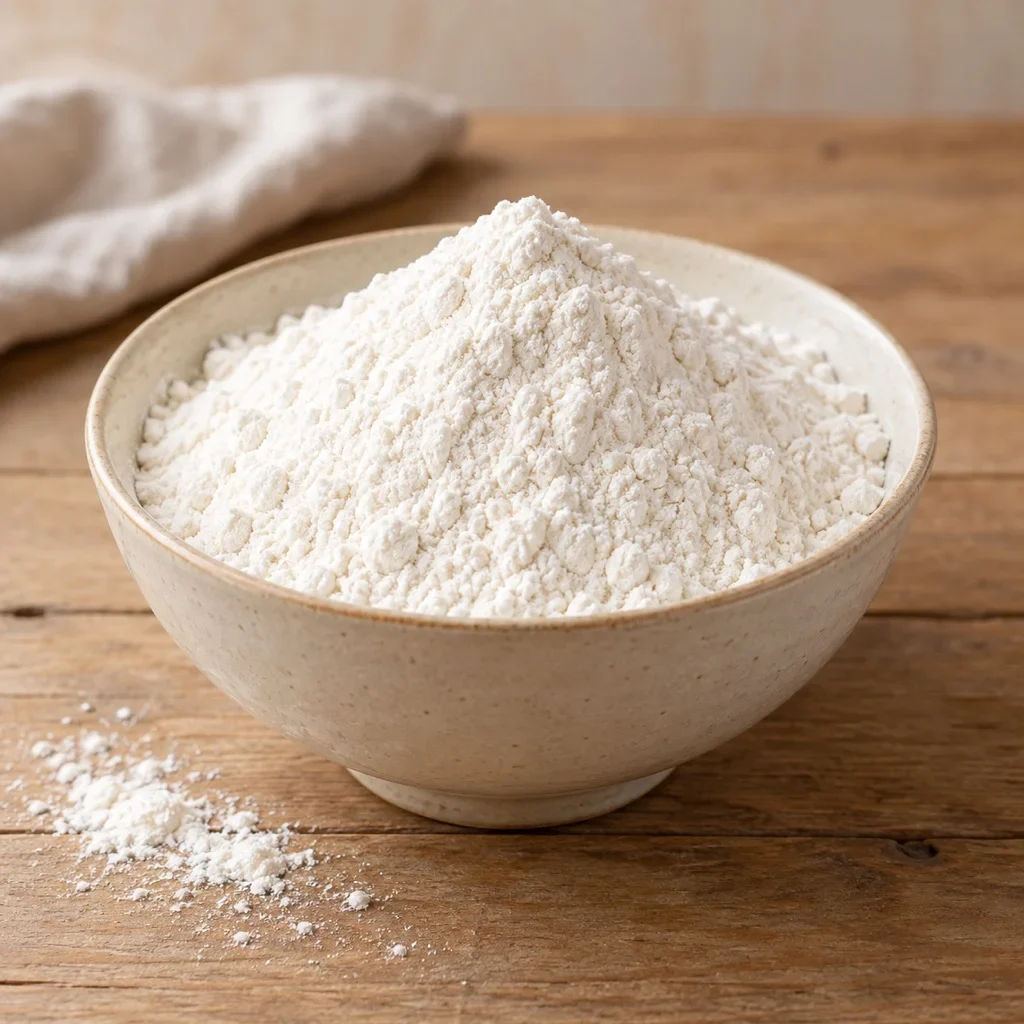
Typical ingredients
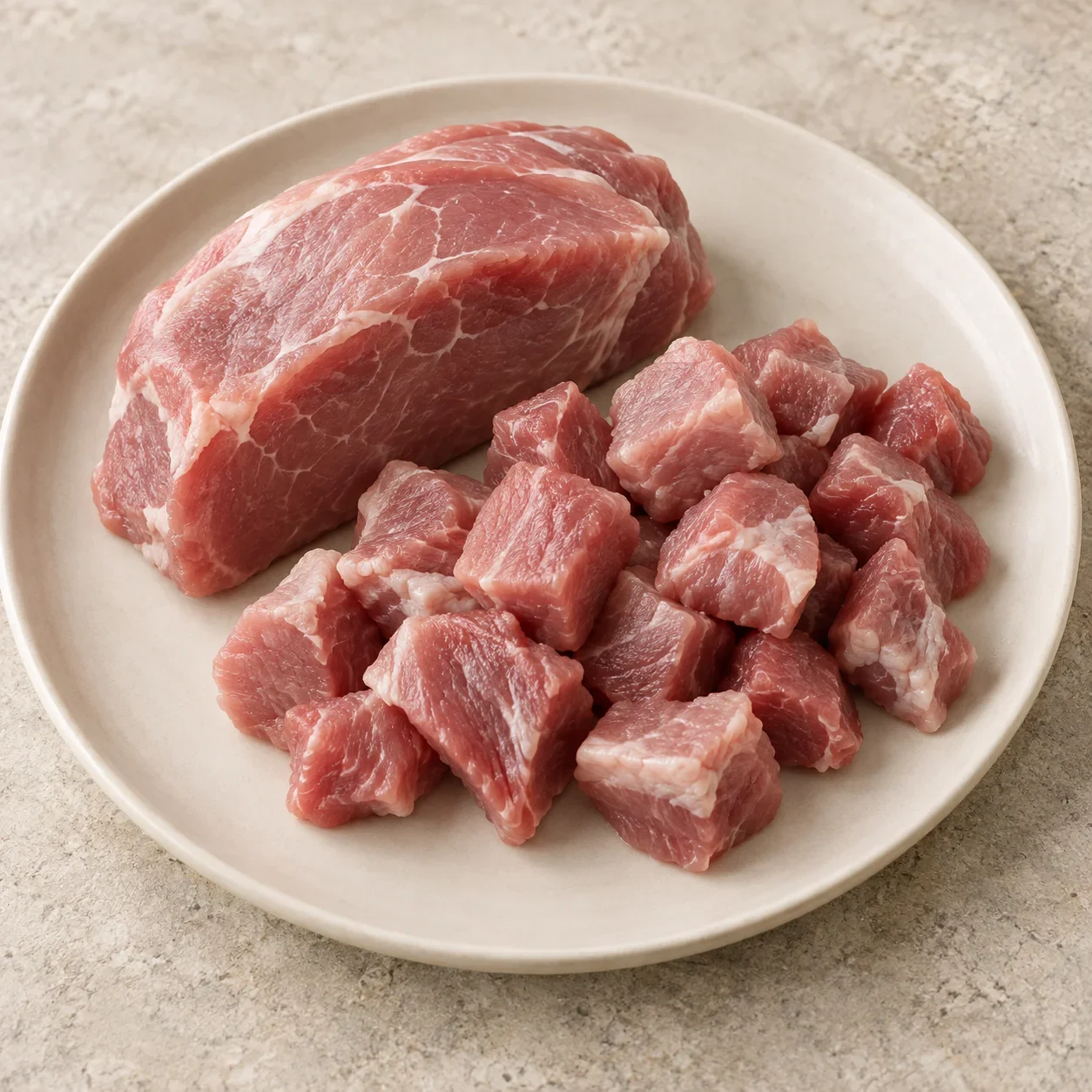
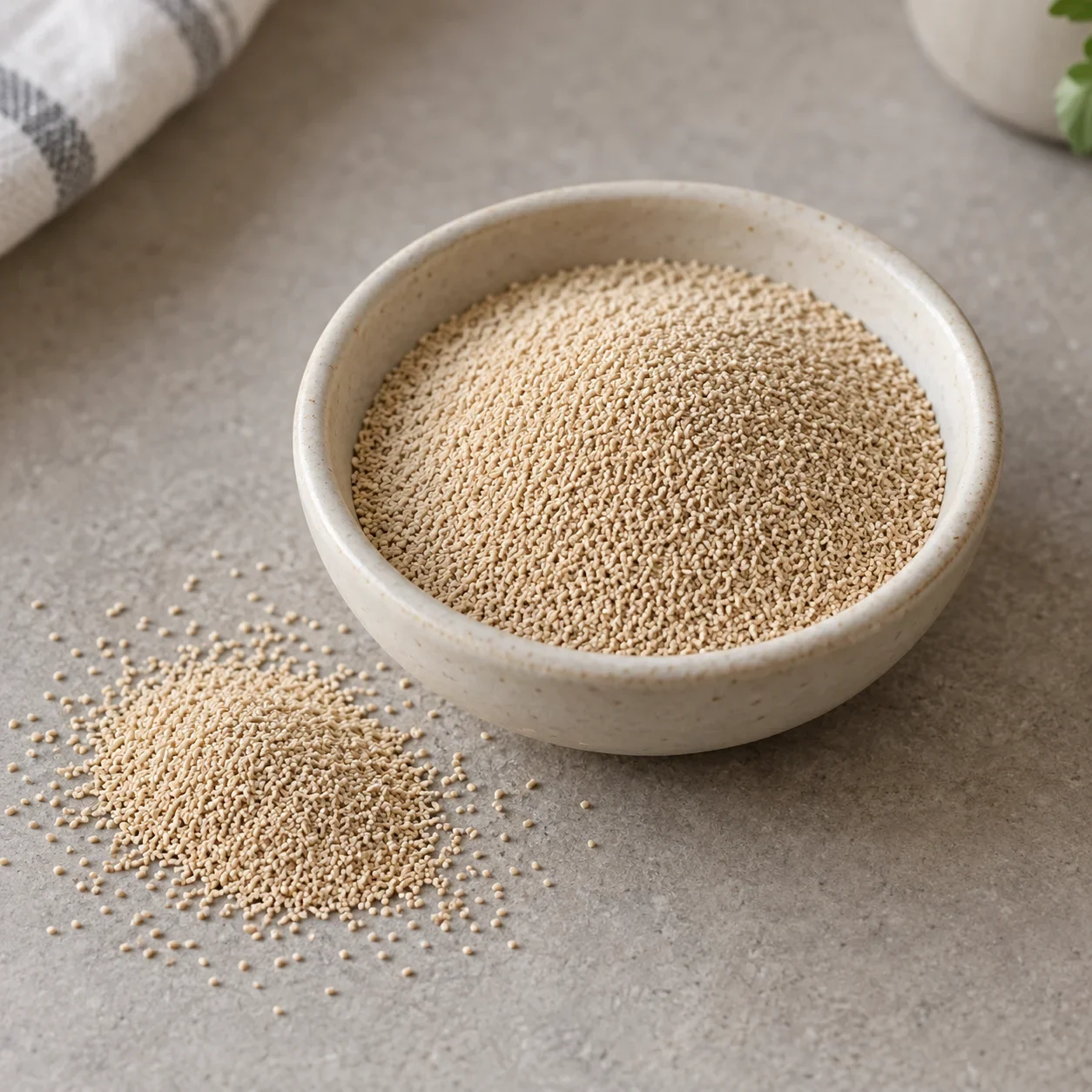
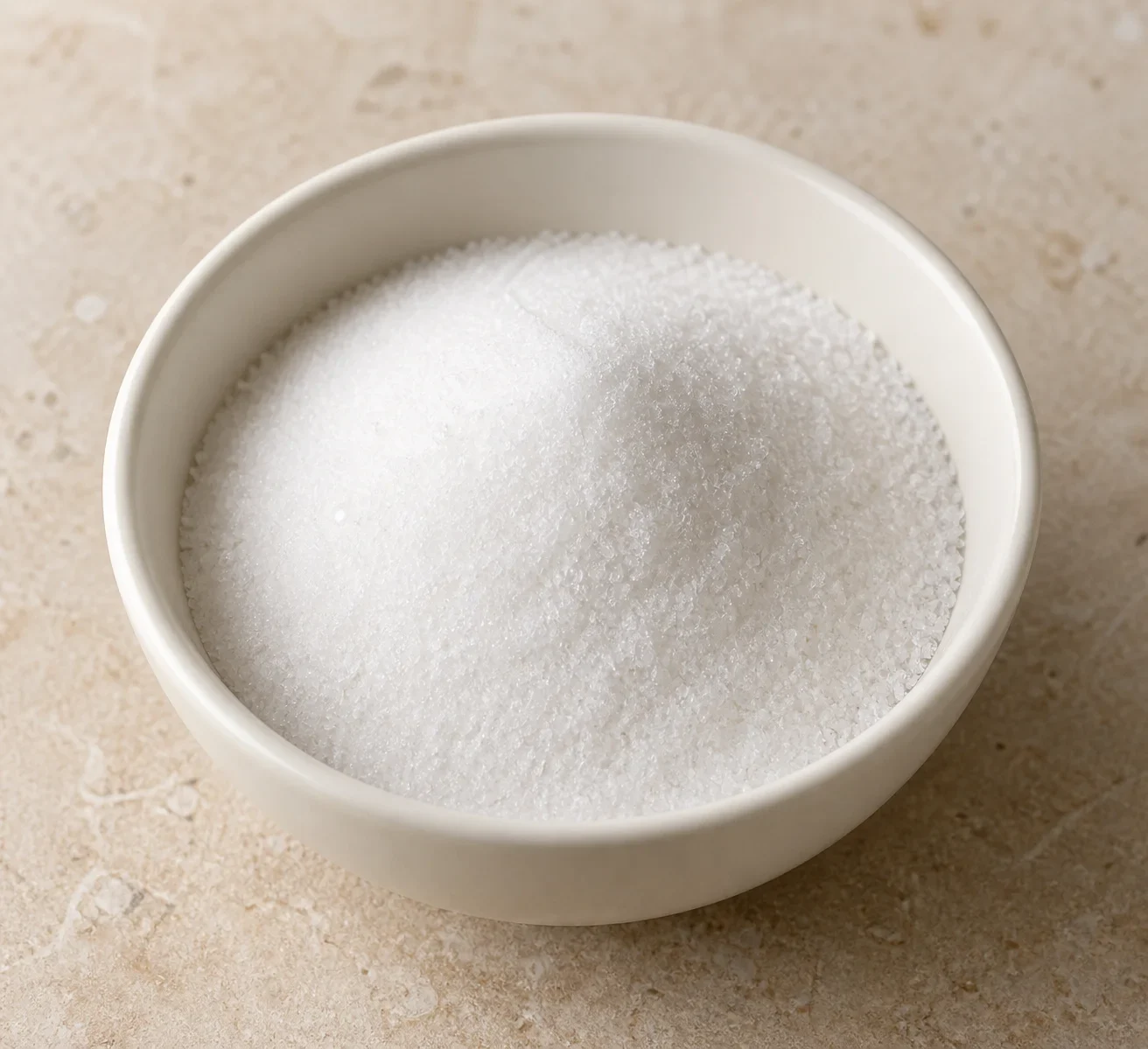
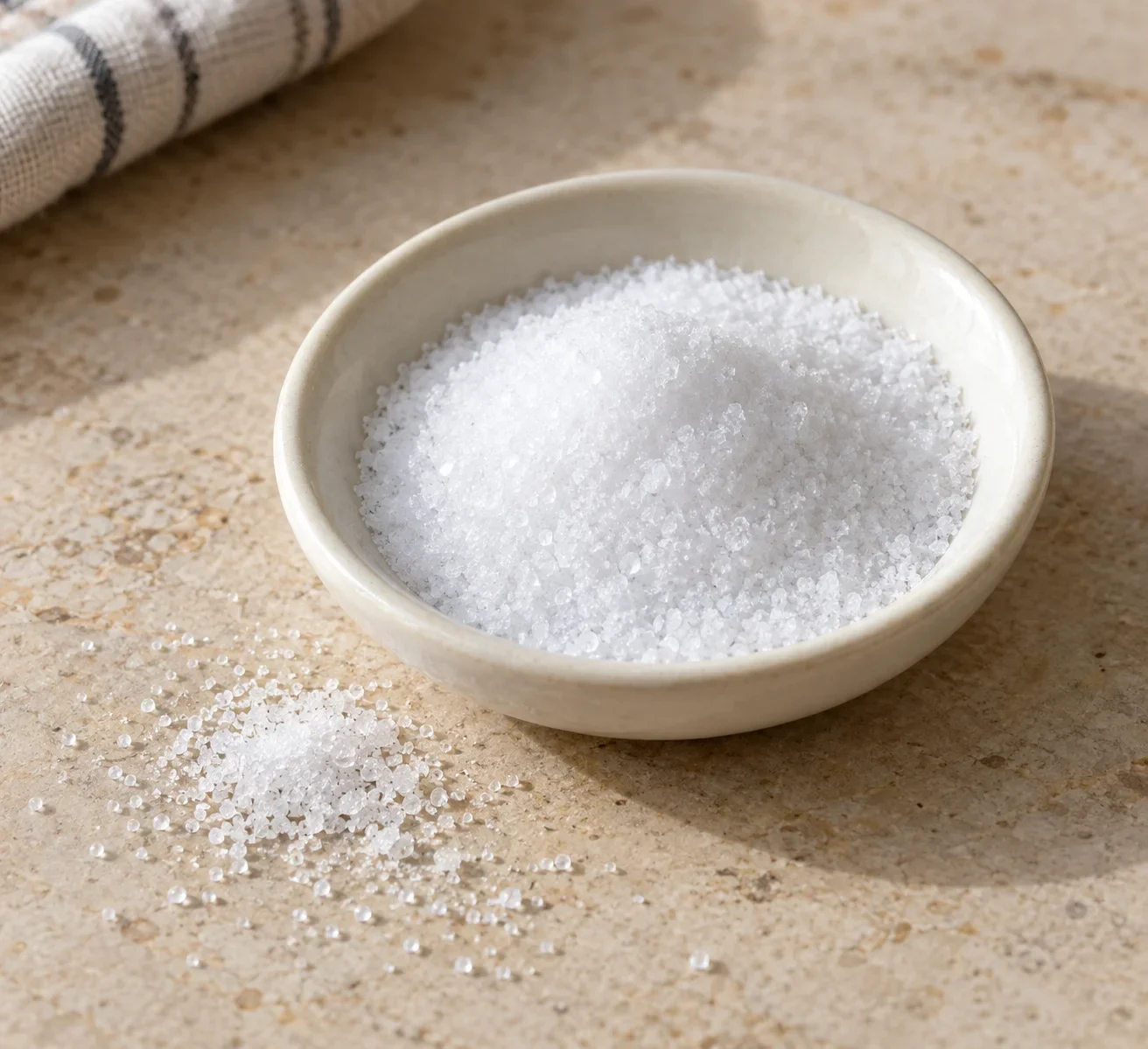
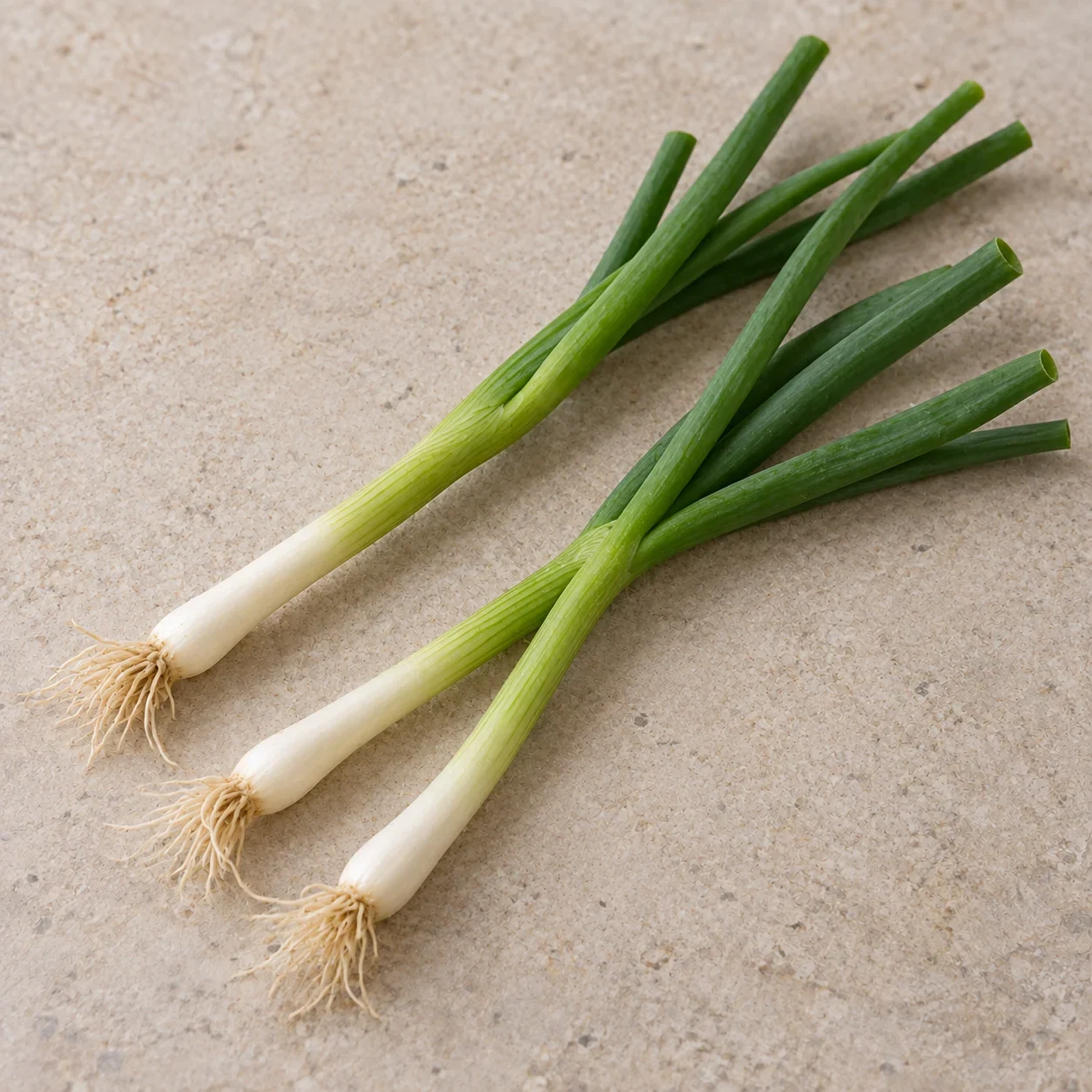
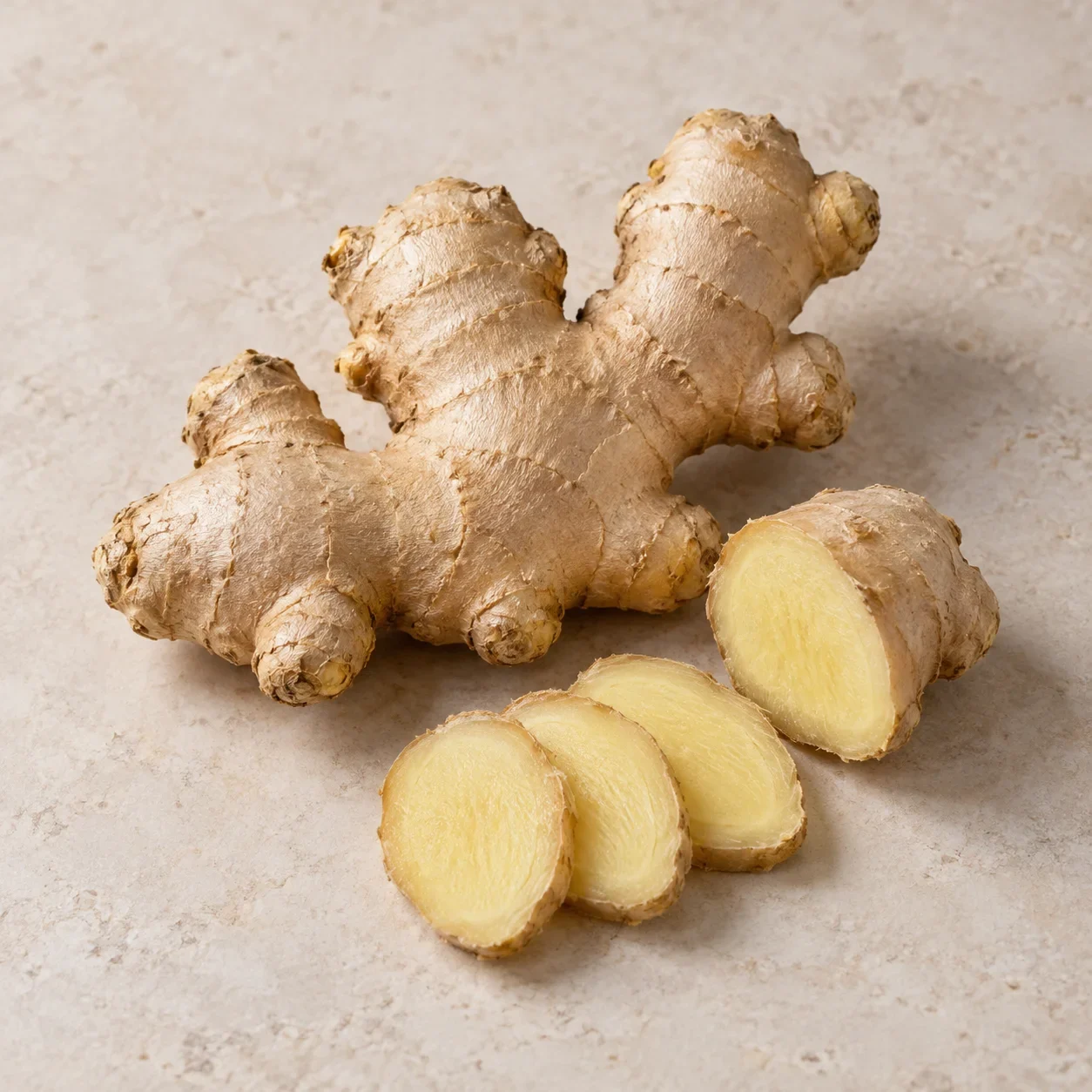
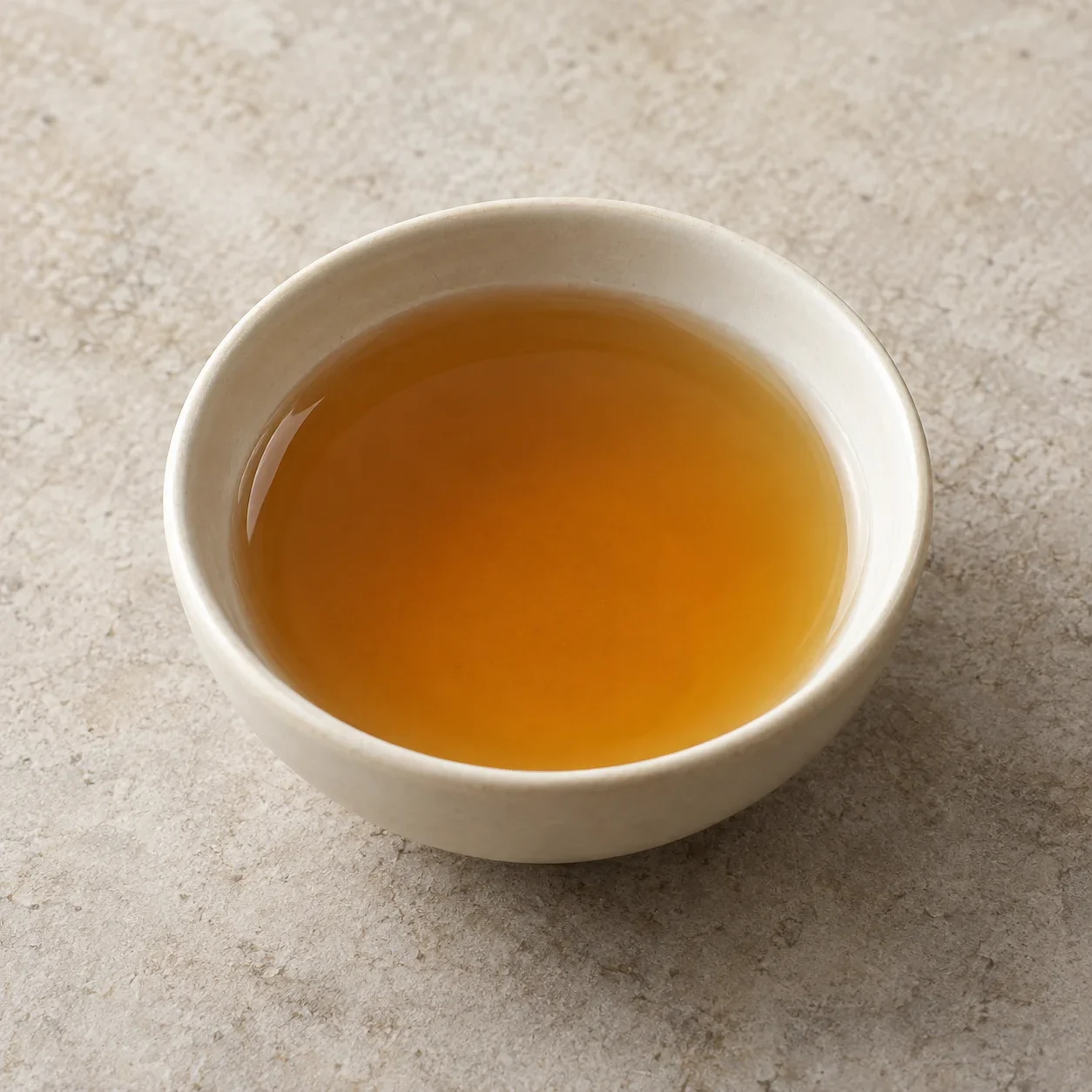
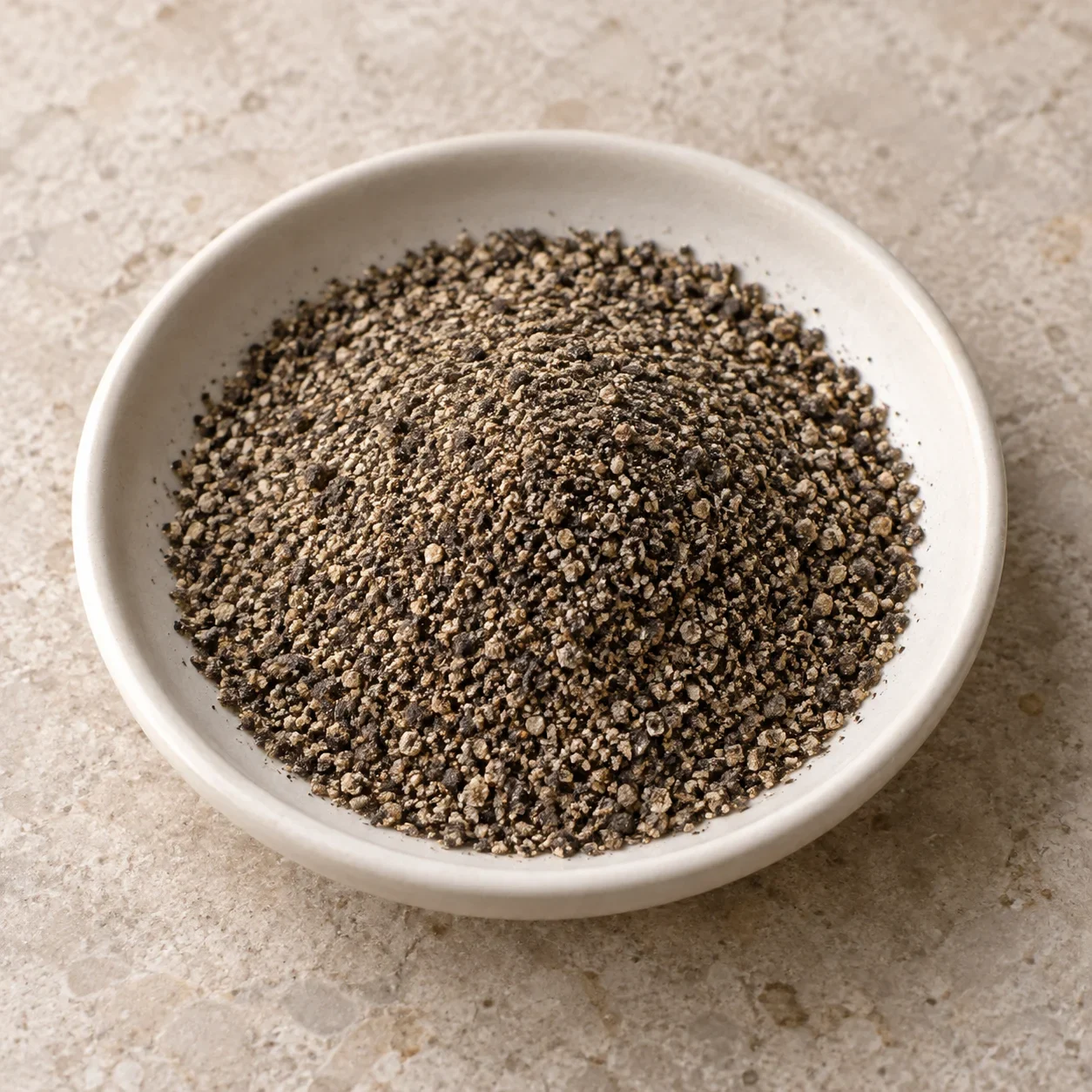
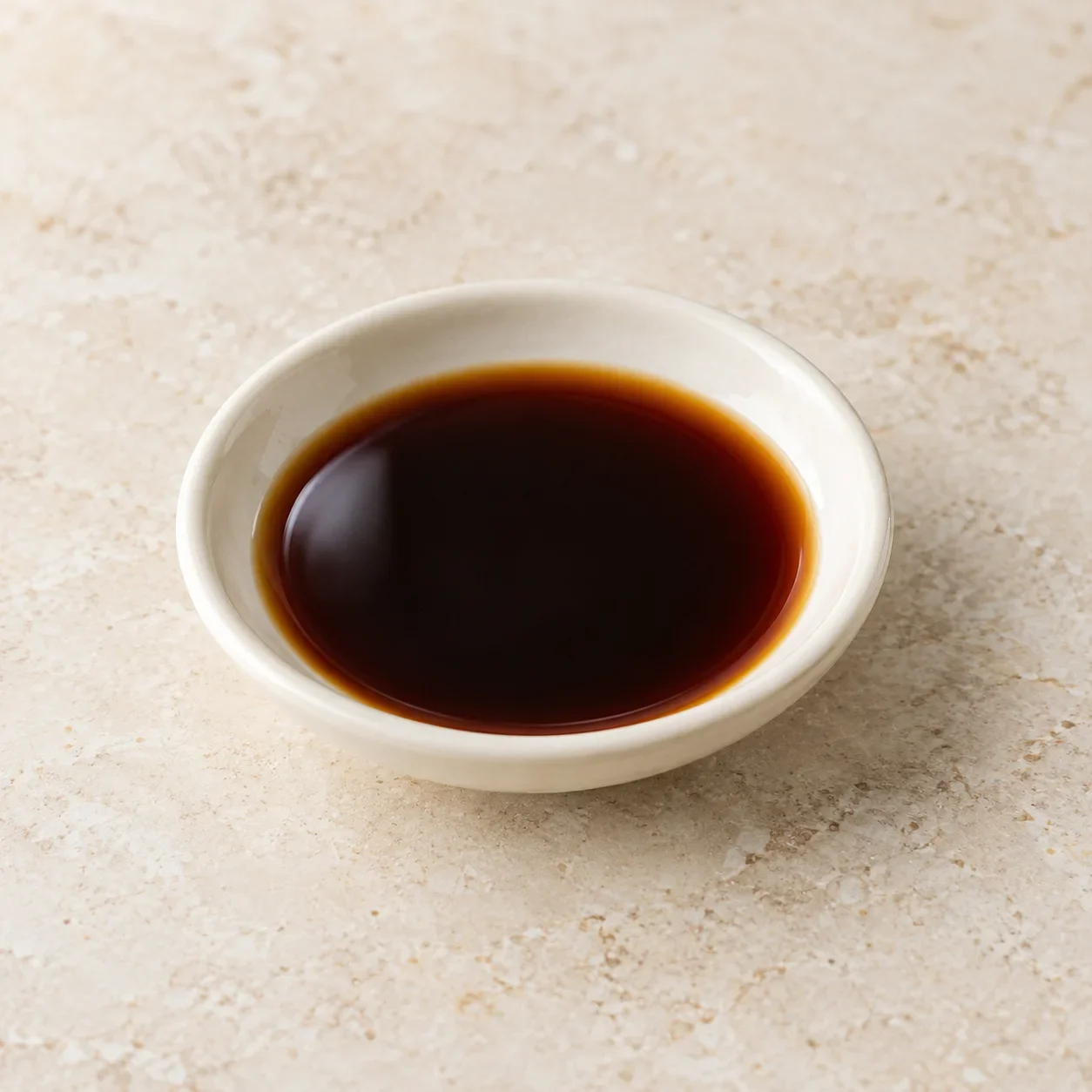
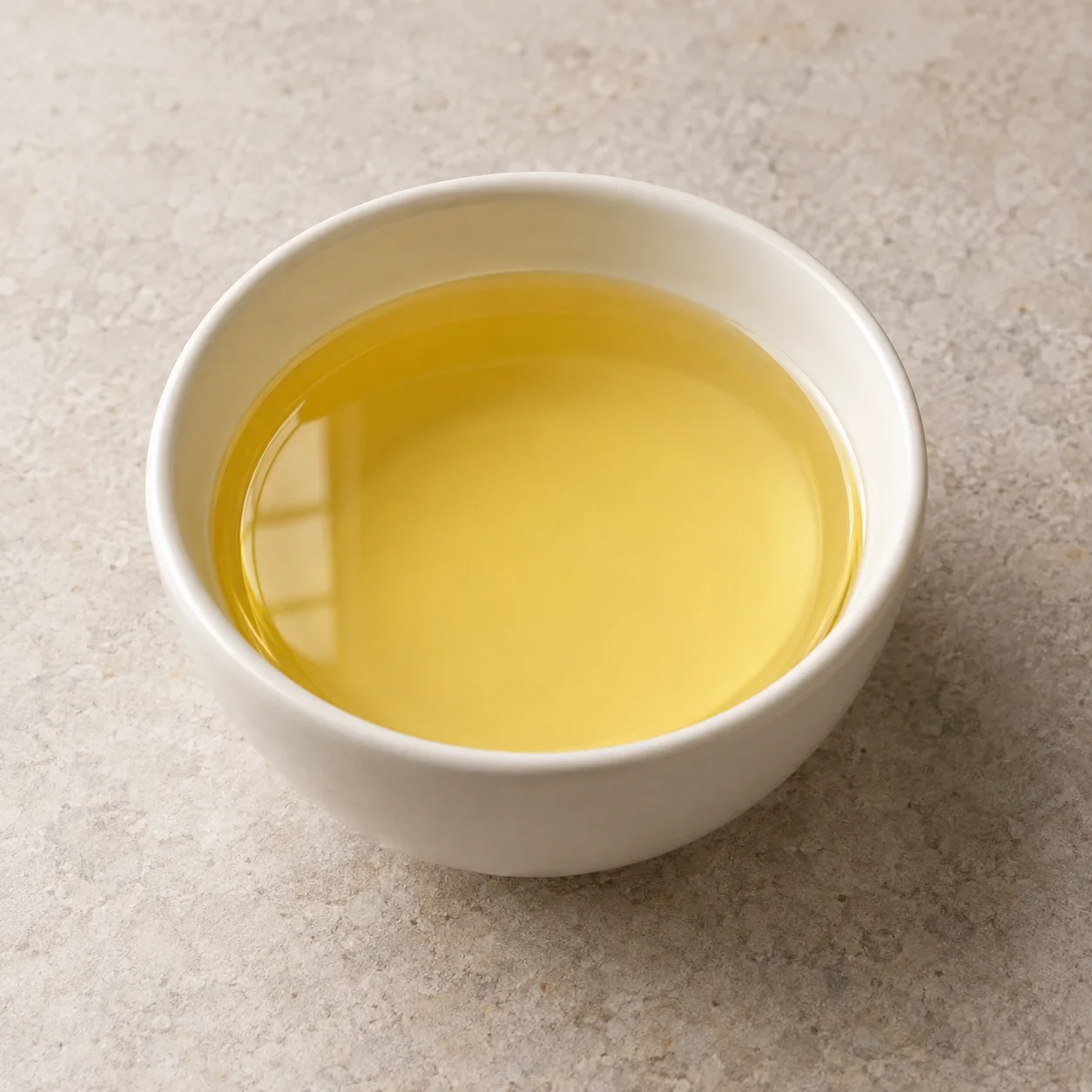
In some versions
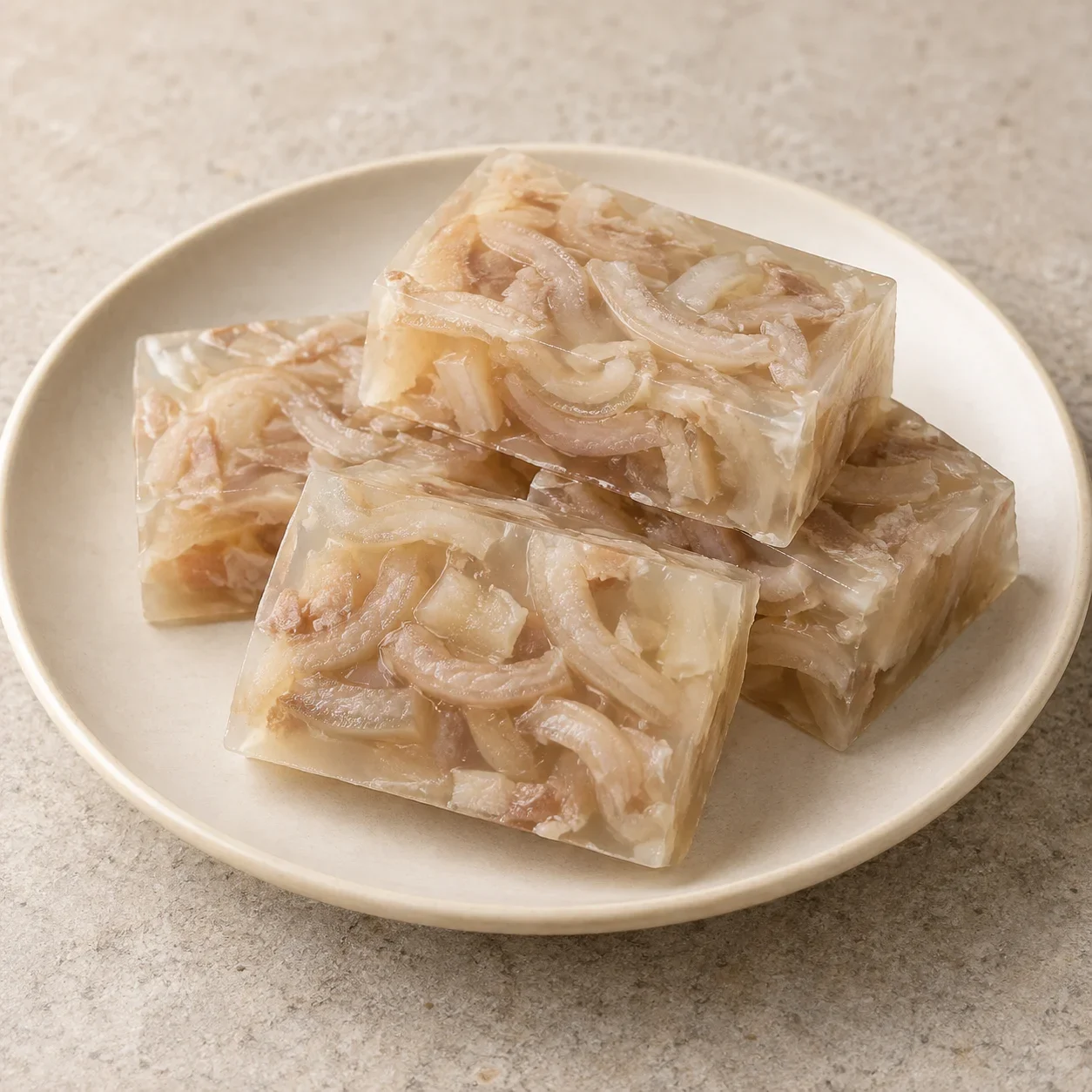
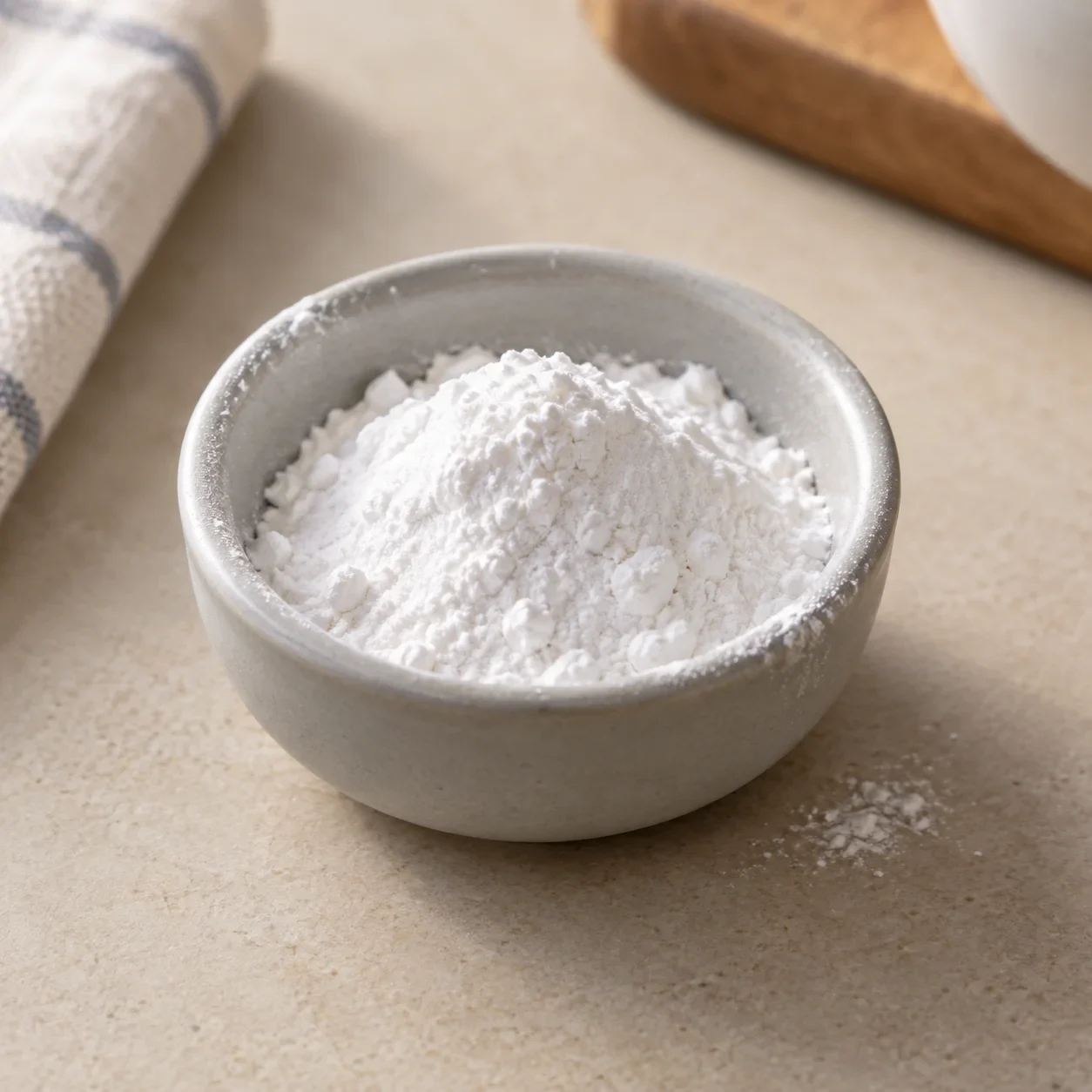
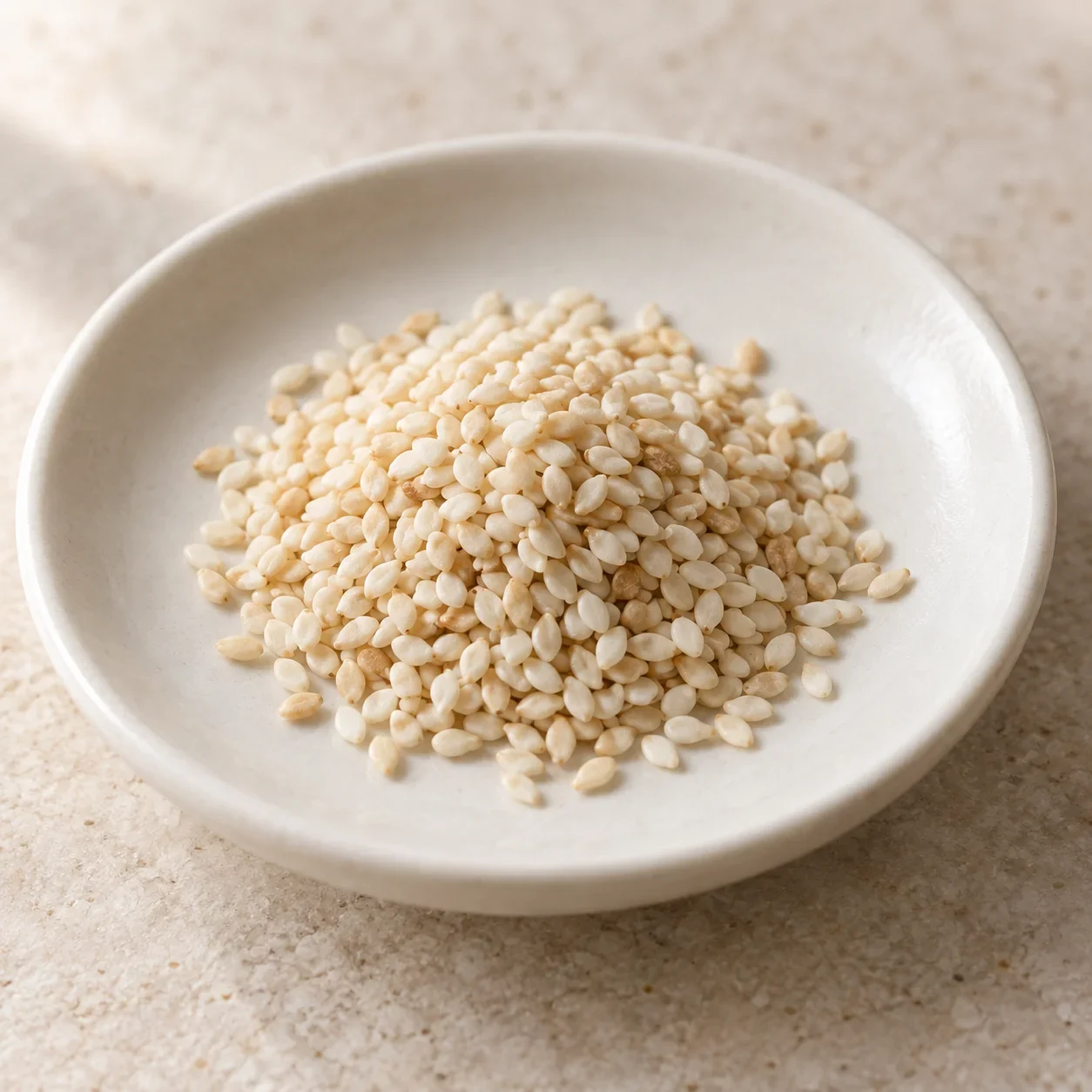
Recipes vary by restaurant.
How does it taste?
Savory pork
- Chili heat
- Texture
- Crisp base, soft dough.
- How it’s made
- Pan-fry the filled buns, adding water and covering the pan to cook them through before crisping the bases.
Soup-filled versions add pork-skin aspic; qingshui versions omit it. Miniature versions can use wheat flour and pork belly.
A CONNECTION TO PLACE
Origin & regional roots
Associated with Shanghai.
Ask if they have it first
请问你们有生煎馒头吗?
Do you have this item?
A LITTLE SOMETHING TO READ
Story & history
A filled bun with a crisp base
This account describes a tradition or story, rather than an established historical fact.
In Shanghai, the mantou in 生煎馒头 names a filled bun. Shengjian brings together a browned, crisp base and softer dough above it. Styles differ in both dough and filling: soup-filled versions use pork-skin aspic that melts during cooking, while qingshui versions omit the added aspic. The latter can still hold meat juices, so neither name tells you that the filling is cool or dry.