
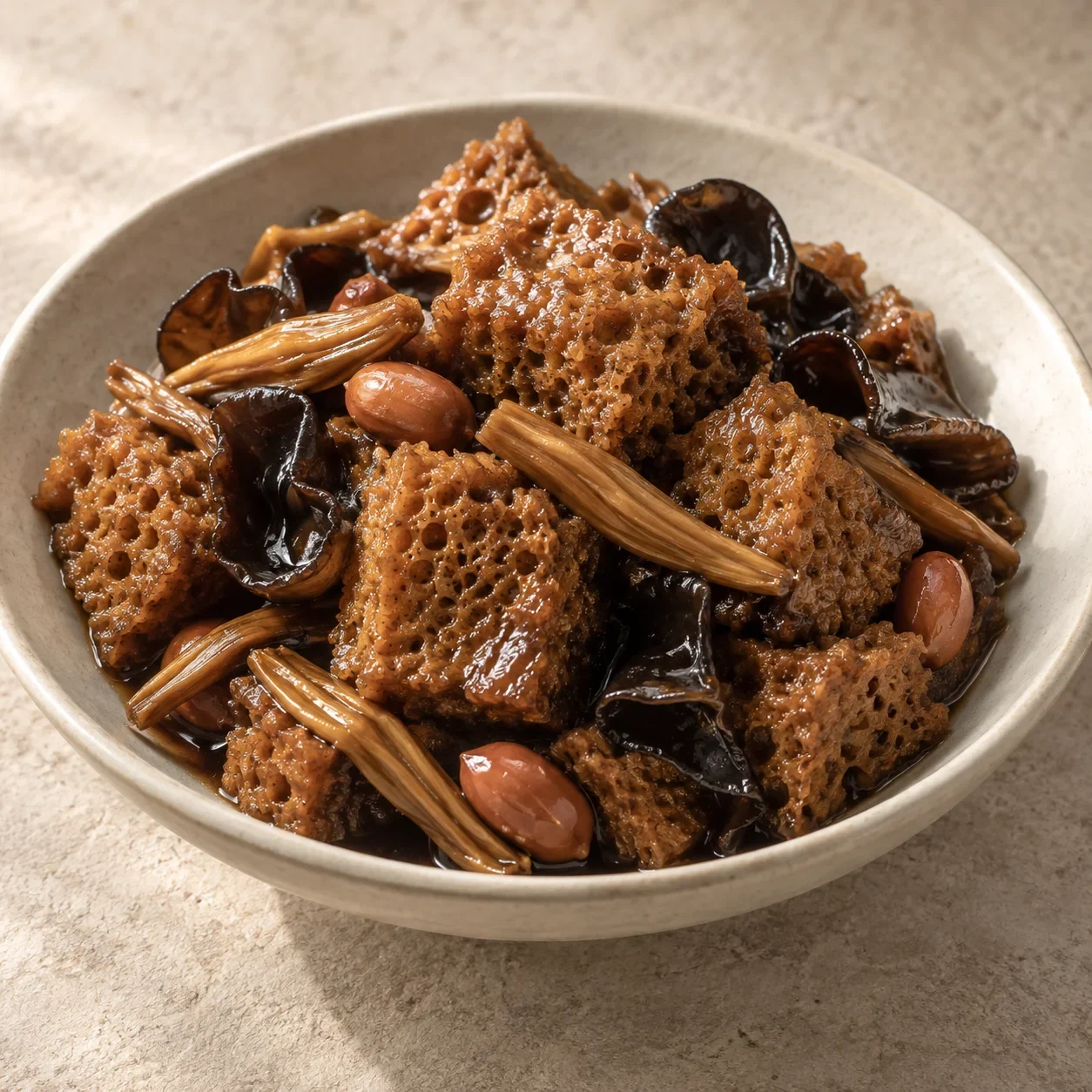
At the table
Take small pieces of gluten and mushrooms, and chew the firmer peanuts and daylily buds carefully. Let a warm serving cool before eating. The gluten holds sauce, so take it a bite at a time.
Contains wheat gluten, peanuts and soy sauce; it is not gluten-free. Cooking wine may be used. Check stock, sauces and cooking fat for allergies or dietary restrictions. Whole peanuts can be a choking hazard for young children. A warm serving may hold hot sauce.
Gluten and mushrooms can be cut into small portions; their chewiness and the peanuts need care. Do not give whole nuts to children under five.
Recipes vary. Ask the restaurant about ingredients and serving before you order.
GET TO KNOW THE DISH
What goes into it?
Explore some key ingredients below. Preparations may use additional seasonings and ingredients.
Shiitake mushrooms may join the mixture. Sweetness varies, and the dish can be served warm or cold.
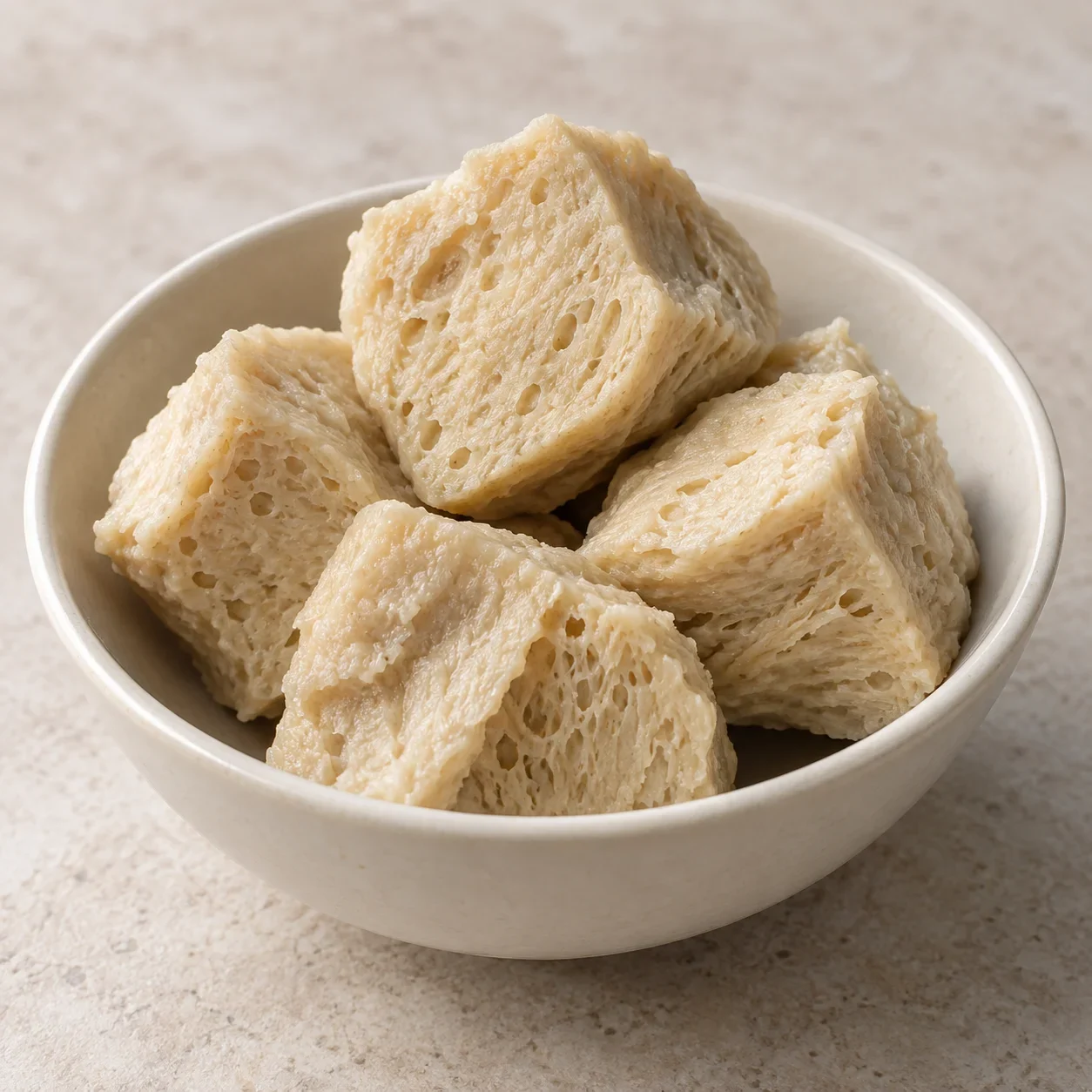
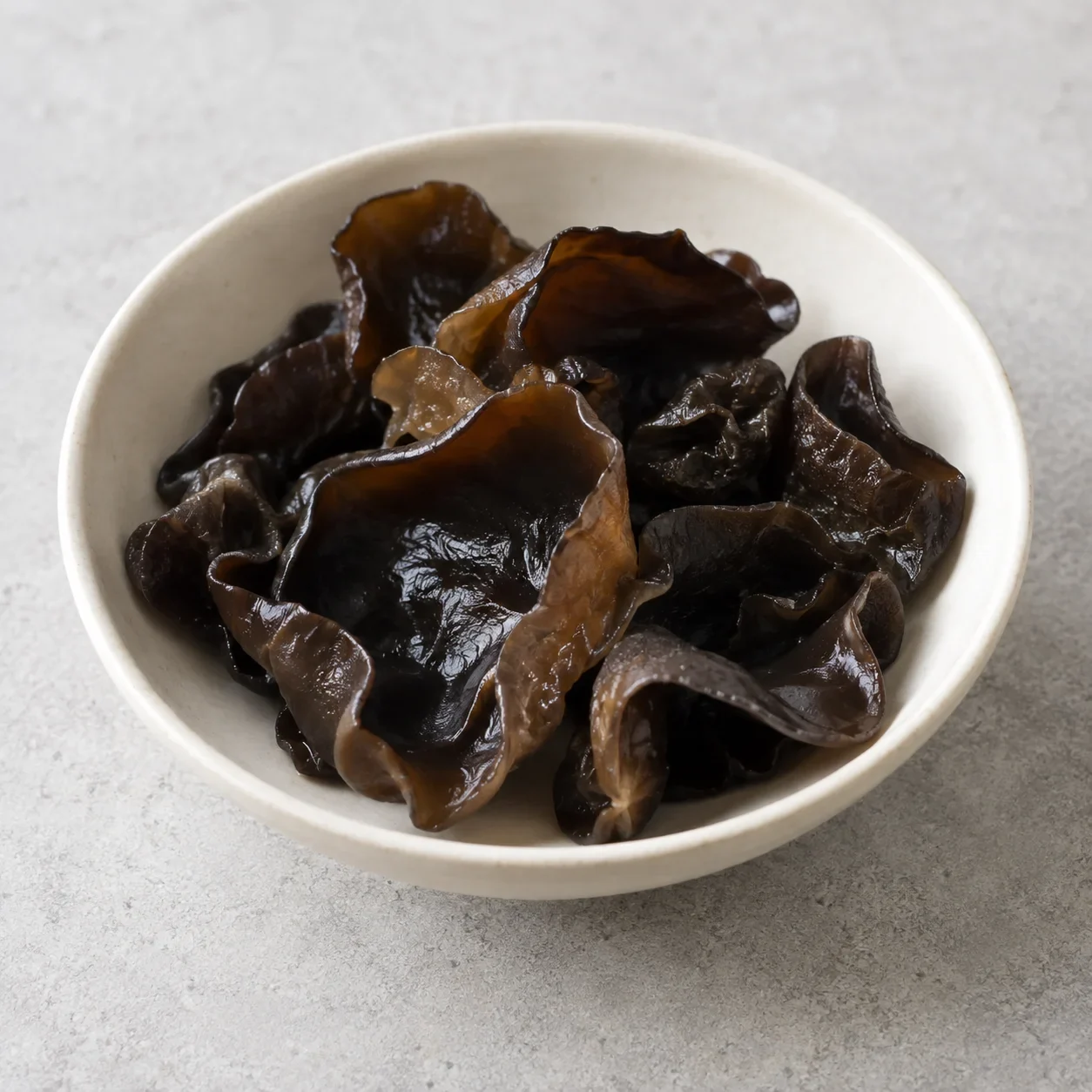
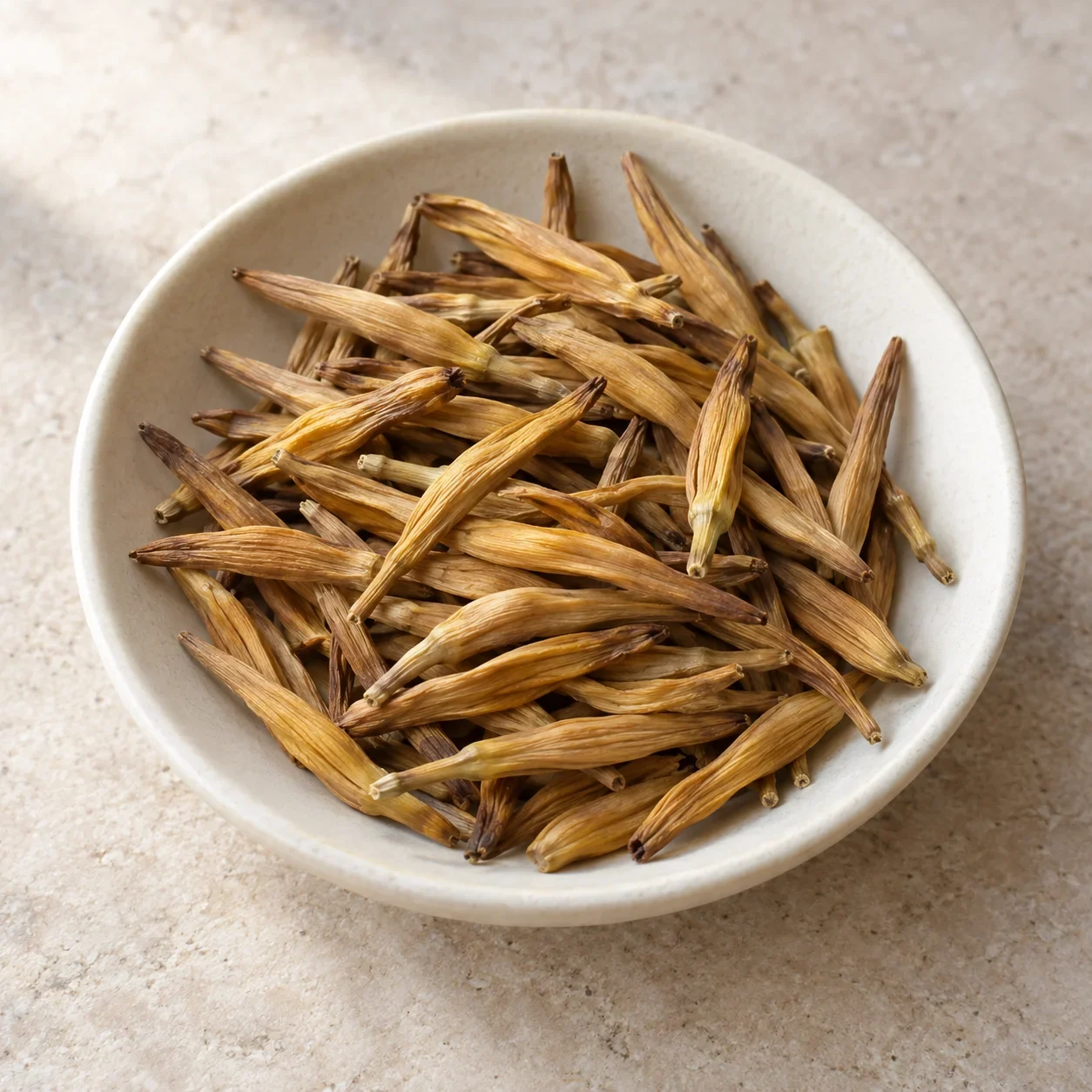
Typical ingredients
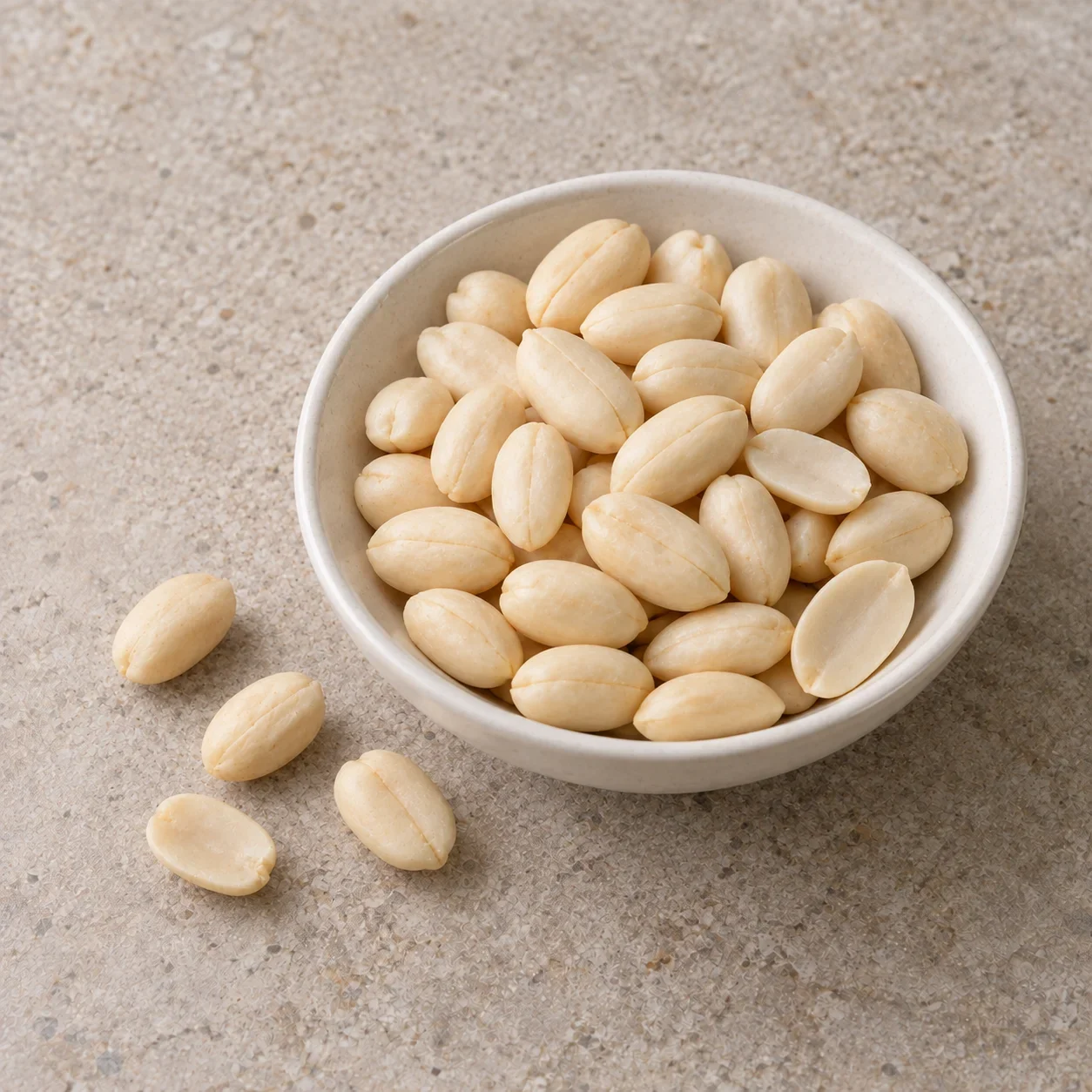



In some versions
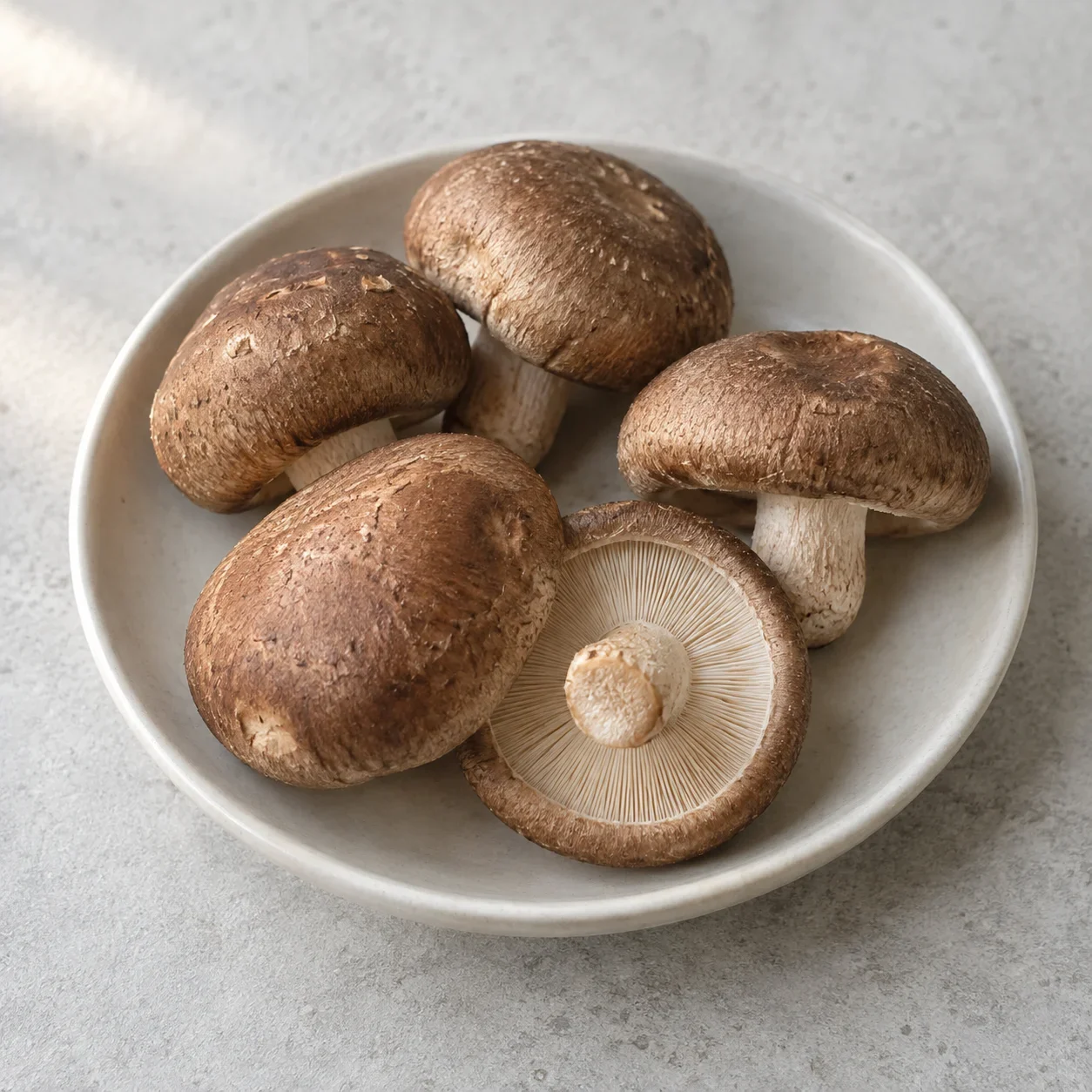
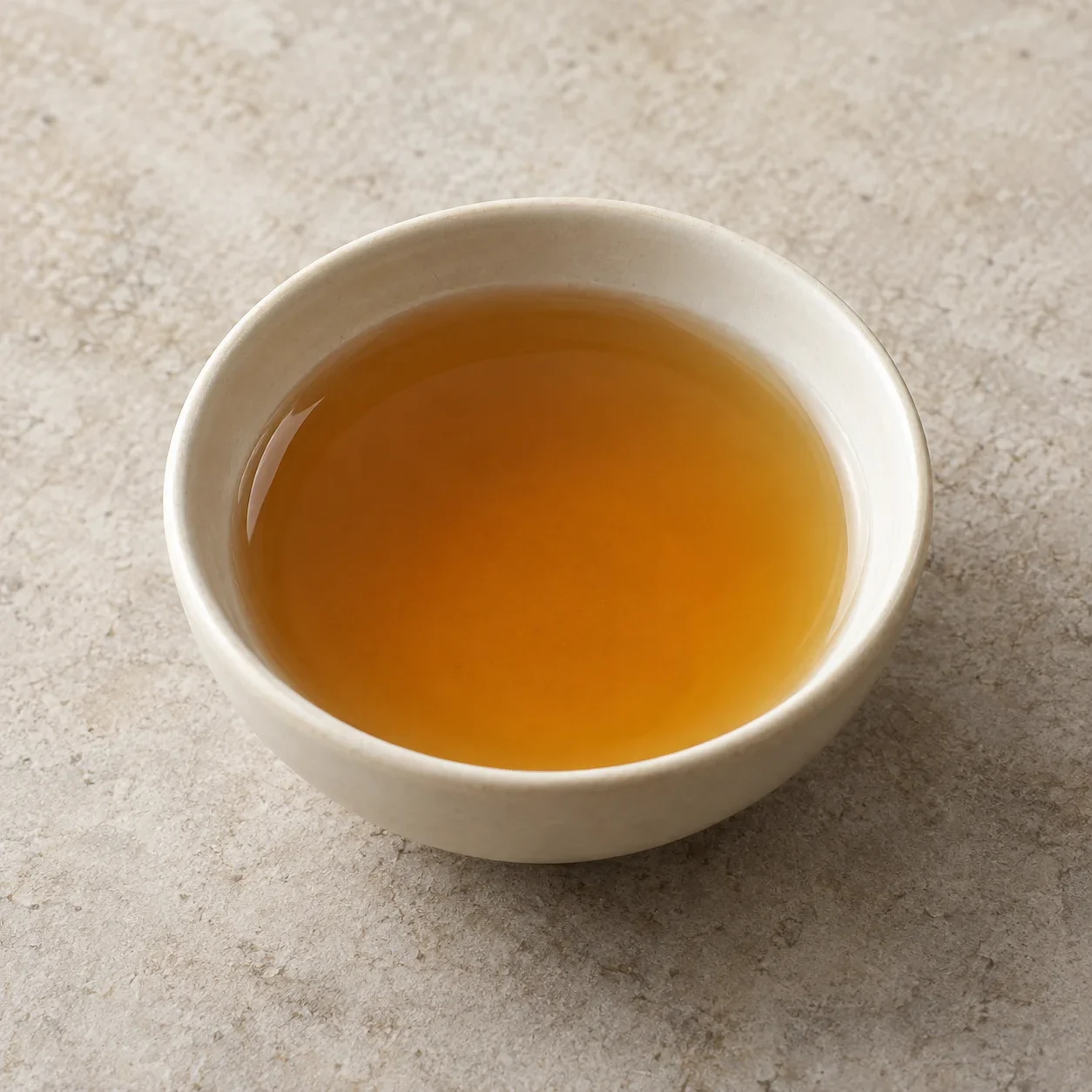
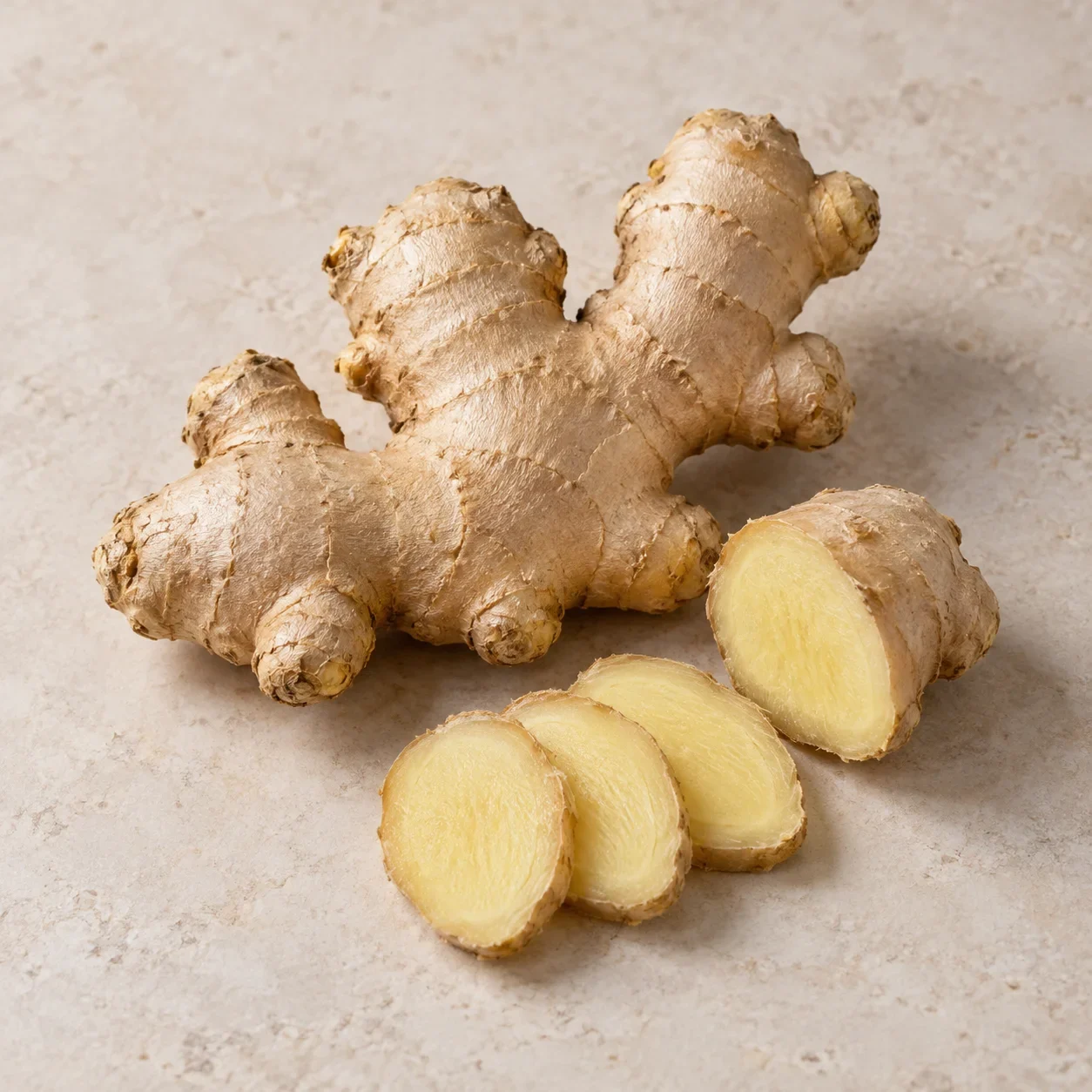
Recipes vary by restaurant.
How does it taste?
Sweet-savoury, with soy sauce and mushroom depth.
- Chili heat
- Texture
- Springy, porous gluten with firmer mushrooms and peanuts.
- How it’s made
- Rehydrate dried gluten and mushrooms. Briefly fry the gluten, then simmer with the other ingredients, soy sauce and sugar until the sauce is absorbed.
Shiitake mushrooms may join the mixture. Sweetness varies, and the dish can be served warm or cold.
A CONNECTION TO PLACE
Origin & regional roots
Associated with Shanghai.
About this regional connection
Shanghai: Associated with Shanghai cooking; no exclusive origin claim.
Ask if they have it first
请问你们有四喜烤麸吗?
Do you have this item?
A LITTLE SOMETHING TO READ
Story & history
Four joys on the Shanghai table
Sixi kaofu brings spongy wheat gluten, wood-ear fungus, dried daylily buds and peanuts into a dark sweet-savory braise. On Shanghai’s New Year table, the four ingredients are associated with wishes for happiness and good fortune. The porous gluten soaks up sauce, while the other ingredients give firmer bites. Some recipes add shiitake mushrooms. Often served as a cold starter, it can also be eaten warm, with sweetness adjusted to the cook’s preference.