
At the table
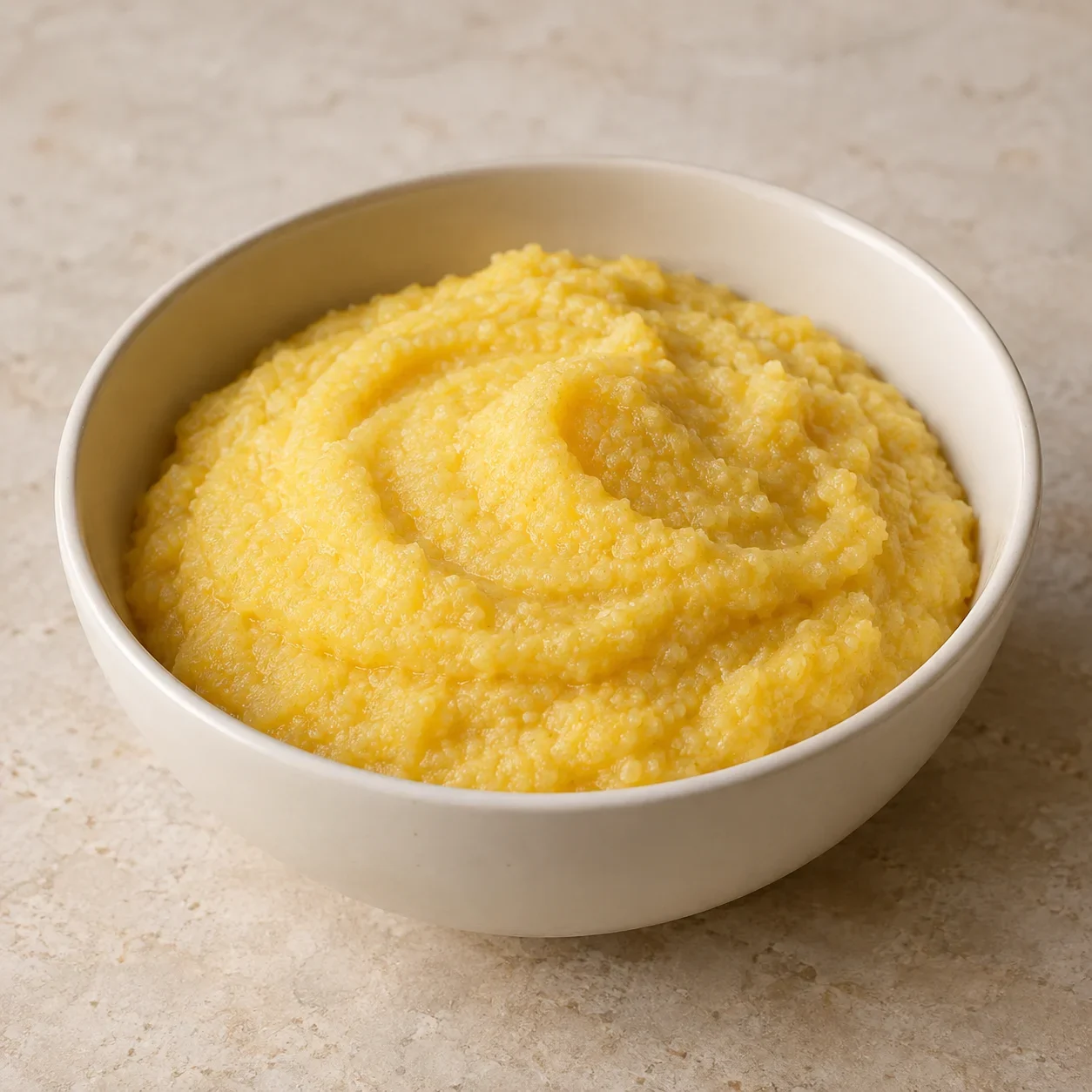
Eat the warm cornmeal with a spoon, alternating small bites with the side dishes. Let it cool before tasting.
The thick cornmeal can stay hot inside. Chili, garlic and other seasonings depend on the sides you choose.
Tianshui sanfan is paired with side dishes such as garlic-tossed pickled cabbage; winter meals may also include red or green chili, shredded potato and carrot. Ask which sides are served.
The thick warm cornmeal is mild and spoonable, making a small serving easy to share with familiar side dishes.
Recipes vary. Ask the restaurant about ingredients and serving before you order.
GET TO KNOW THE DISH
What goes into it?
Explore some key ingredients below. Preparations may use additional seasonings and ingredients.
Tianshui sanfan is paired with side dishes such as garlic-tossed pickled cabbage; winter meals may also include red or green chili, shredded potato and carrot. Ask which sides are served.
Typical ingredients
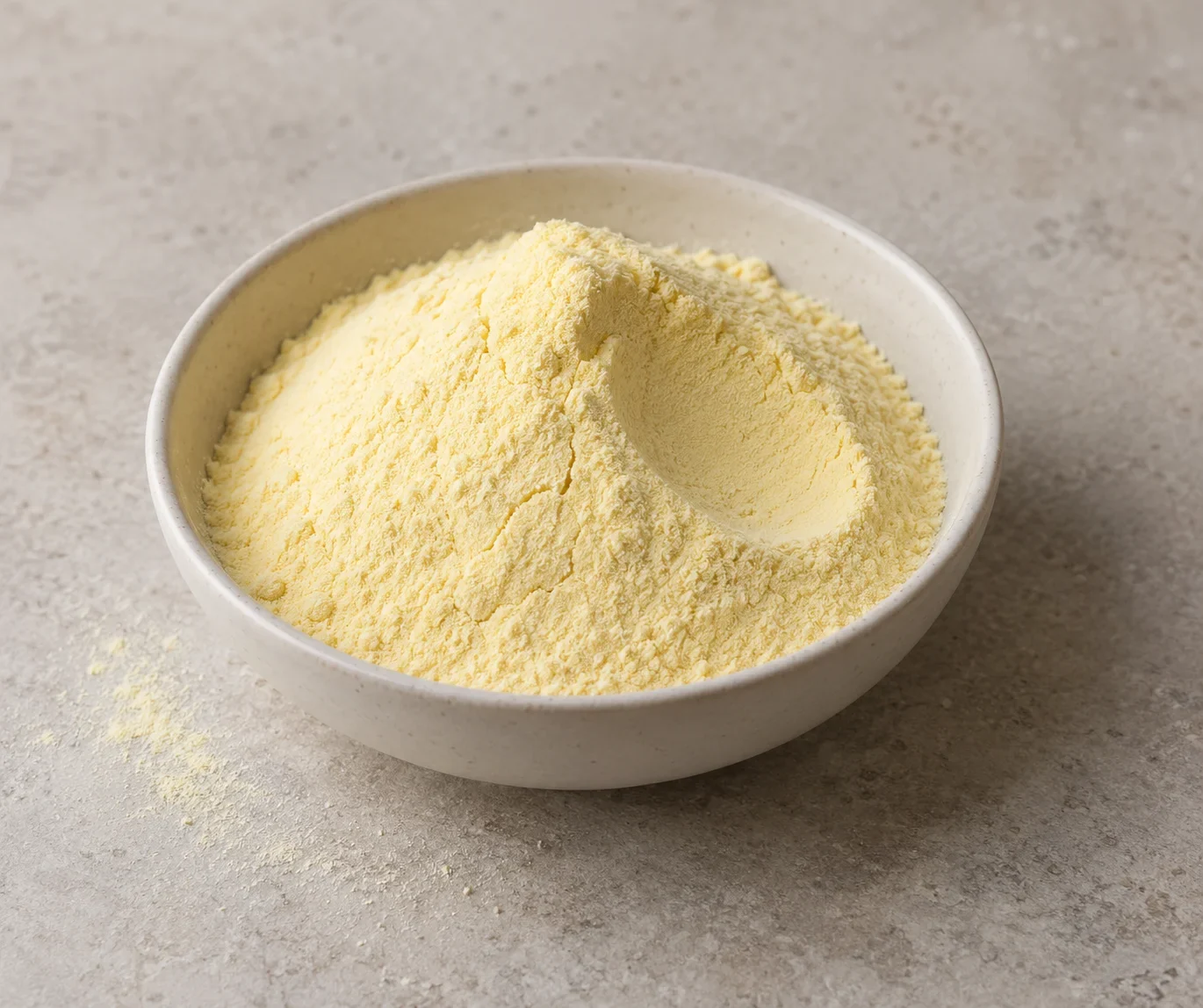
Recipes vary by restaurant.
How does it taste?
Mild corn flavor; side dishes supply seasoning.
- Chili heat
- Texture
- Thick and cohesive.
- How it’s made
- Sprinkle cornmeal into boiling water while stirring until thick.
Tianshui sanfan is paired with side dishes such as garlic-tossed pickled cabbage; winter meals may also include red or green chili, shredded potato and carrot. Ask which sides are served.
A CONNECTION TO PLACE
Origin & regional roots
Associated with Gansu.
Ask if they have it first
请问你们有天水馓饭吗?
Do you have this item?
A LITTLE SOMETHING TO READ
Story & history
Tianshui sanfan around a winter hearth
This account describes a tradition or story, rather than an established historical fact.
On snowy winter days, Tianshui families may gather around steaming sanfan with pickled greens, chilies and shredded potato. The plain cornmeal version is locally called tian, or “sweet”: here the name distinguishes the unseasoned grain from tiaohe, seasoned with fermented-vegetable liquid called jiangshui and salt, rather than describing a sugary dessert.