
At the table
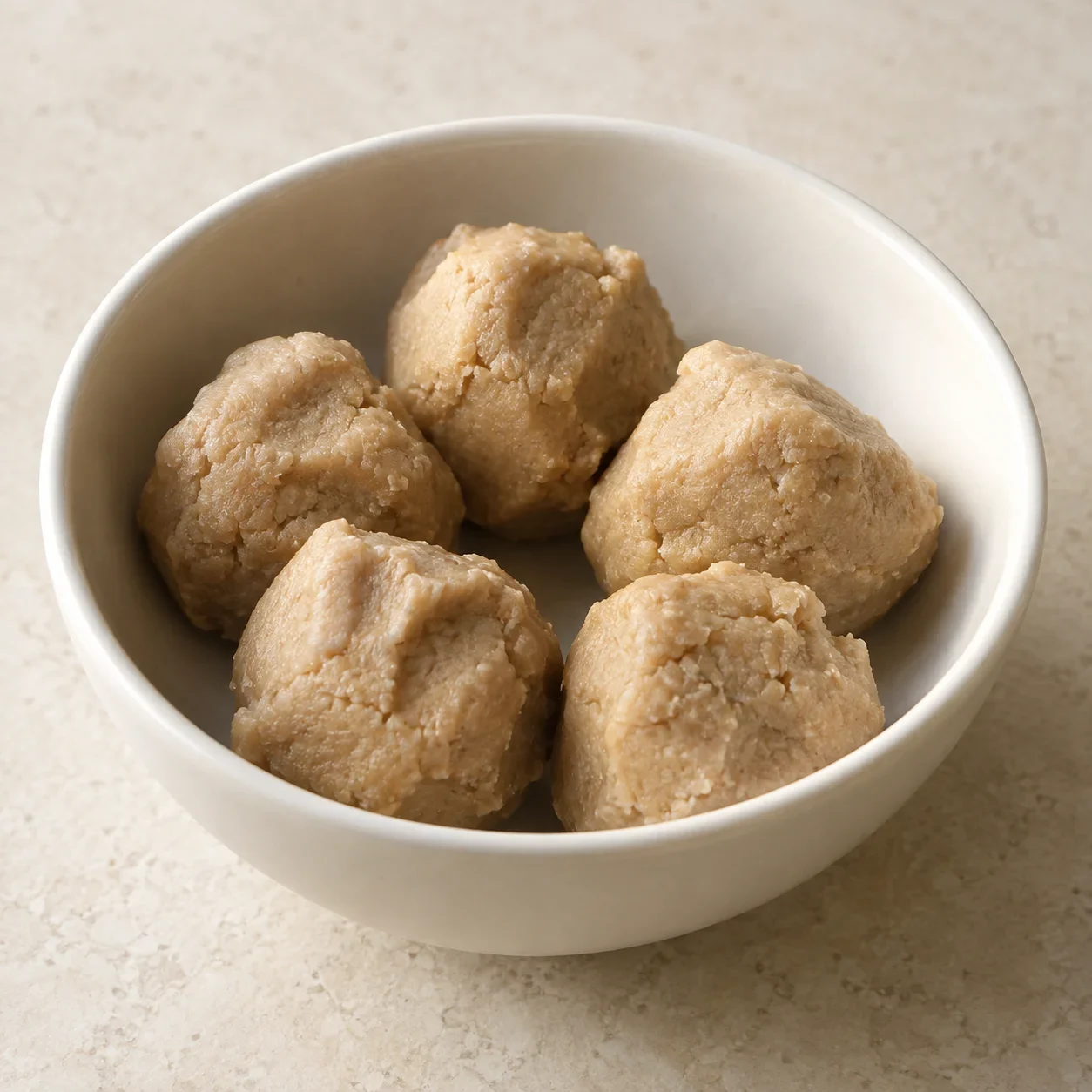
Eat the pressed pieces in small bites. If mixing your own, add the flour gradually to the butter tea and press it together with clean fingers; ask the host to show you the texture.
Contains barley, which contains gluten, and dairy butter; dried milk curds may also be added. Check the actual mixture if you avoid gluten or milk.
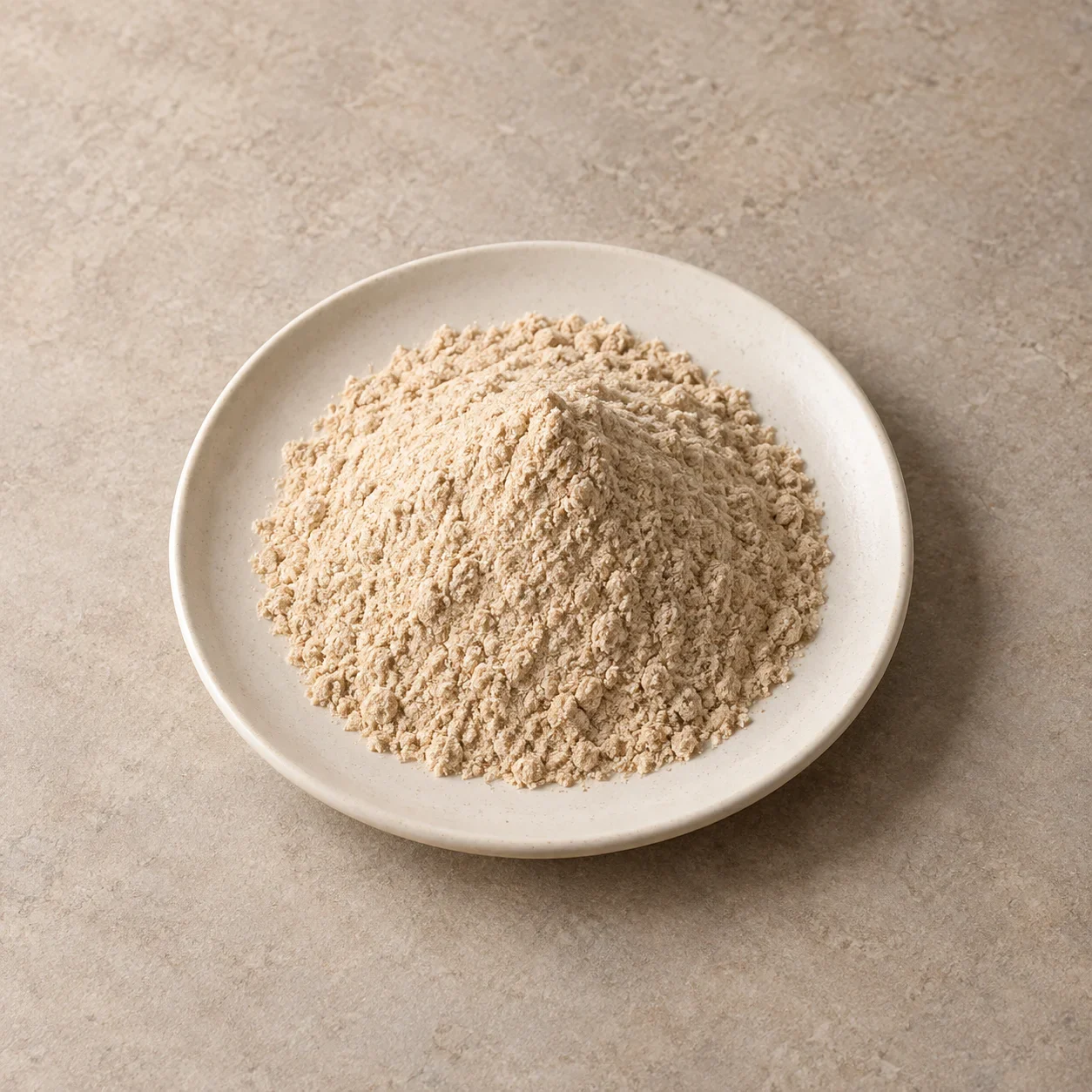
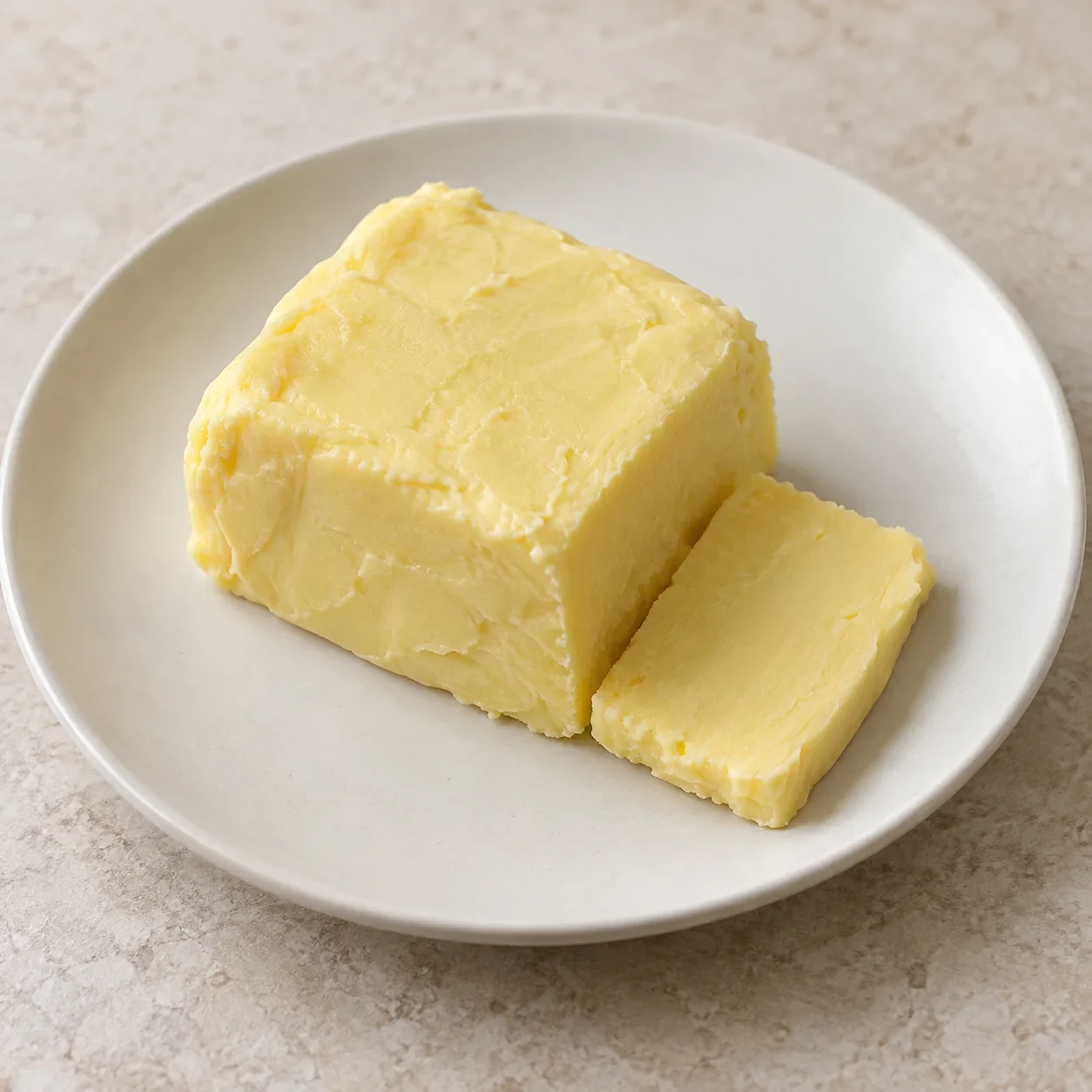
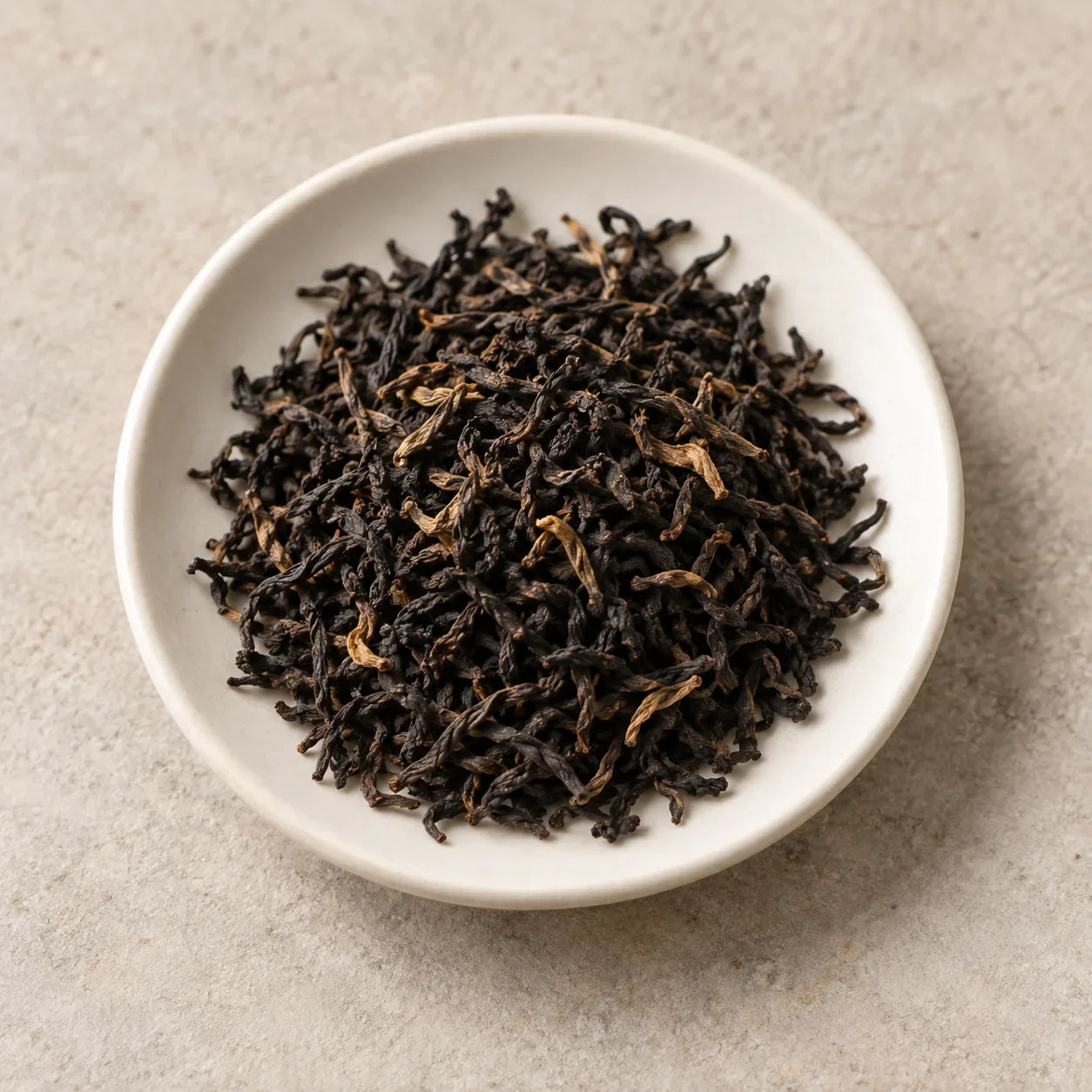
This hand-shaped version uses roasted-barley flour and salted butter tea. Sugar and finely crumbled dried milk curds are optional. Other tsampa preparations may use plain tea or be made into porridge; additions vary.
GET TO KNOW THE DISH
What goes into it?
Explore some key ingredients below. Preparations may use additional seasonings and ingredients.
Additional flavorings vary.
Typical ingredients

In some versions

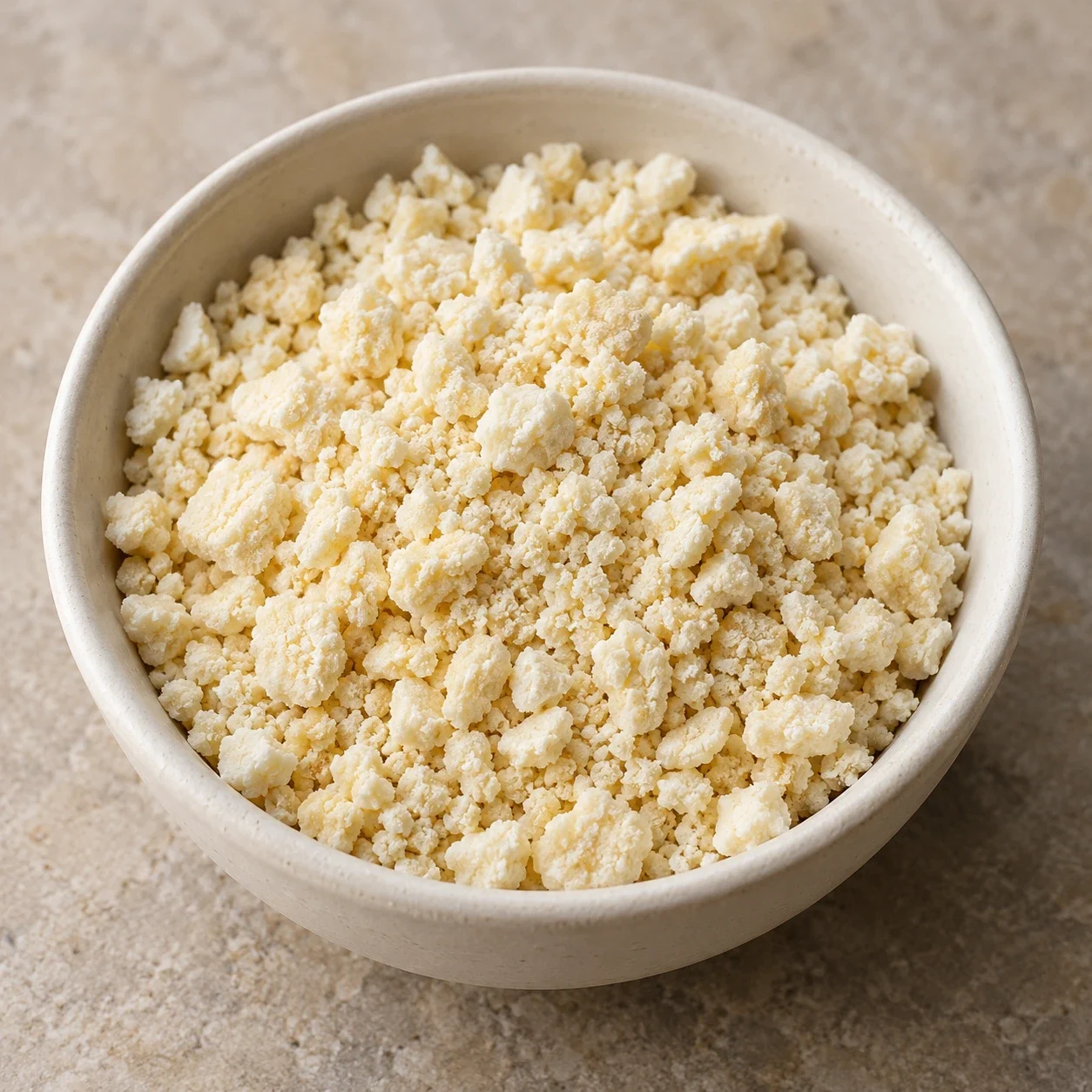
Recipes vary by restaurant.
How does it taste?
Roasted barley and salty butter tea.
- Chili heat
- Texture
- Compact hand-pressed dough.
- How it’s made
- Mix the flour with butter tea and shape.
Additional flavorings vary.
A CONNECTION TO PLACE
Origin & regional roots
Associated with Tibet. Associated with Qinghai.
About this regional connection
Qinghai: Roasted-barley tsampa is also associated with Qinghai; additions and serving forms vary.
Ask if they have it first
请问你们有糌粑吗?
Do you have this item?
A LITTLE SOMETHING TO READ
Story & history
How tsampa becomes a portable meal
This account describes a tradition or story, rather than an established historical fact.
Tsampa is flour made from roasted qingke, the highland barley grown on the Tibetan Plateau. In Shannan, this everyday staple can travel in a cloth or leather bag alongside butter, tea, salt and a bowl. Hot water helps turn that small kit into a meal. For the hand-shaped version, roasted-barley flour is mixed with butter tea and pressed into pieces. Sugar or finely crumbled dried milk curds may be added; household preferences vary.