
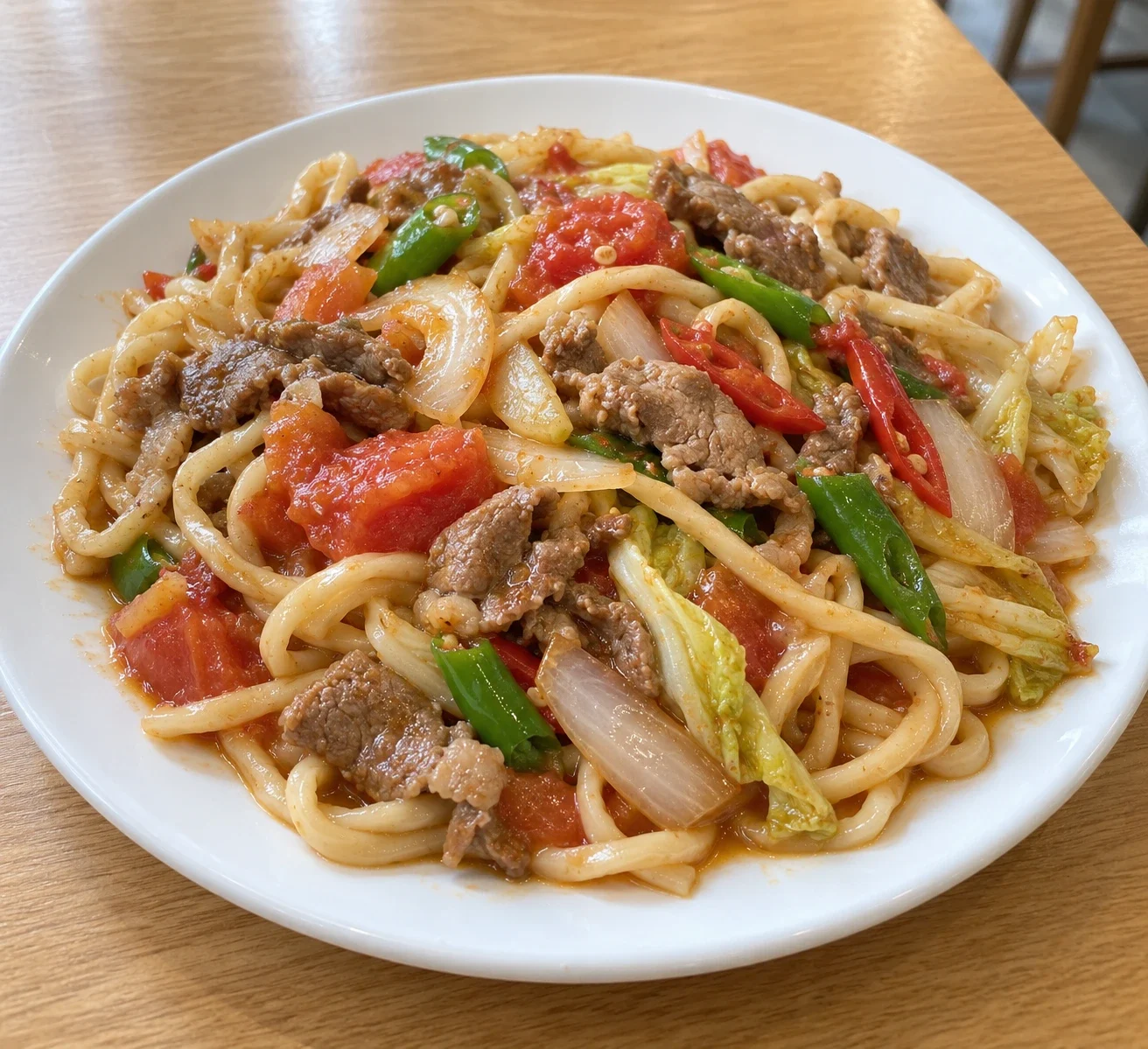
At the table
Mix the topping through the noodles before eating; this is not a soup. “拉条子拌面,少放辣椒” asks for hand-pulled mixed noodles with less chili.
Contains wheat and sheep meat. This version also uses soy sauce and oyster sauce, so soy and oyster ingredients need attention. Check the actual preparation if avoiding an ingredient; less chili is a request, not a guarantee.
GET TO KNOW THE DISH
What goes into it?
Explore some key ingredients below. Preparations may use additional seasonings and ingredients.
The featured home-style version includes soy sauce and oyster sauce; these are not universal to every shop. Meat, vegetables and chili levels vary, and other fresh noodles may replace the pulled strands.
Typical ingredients
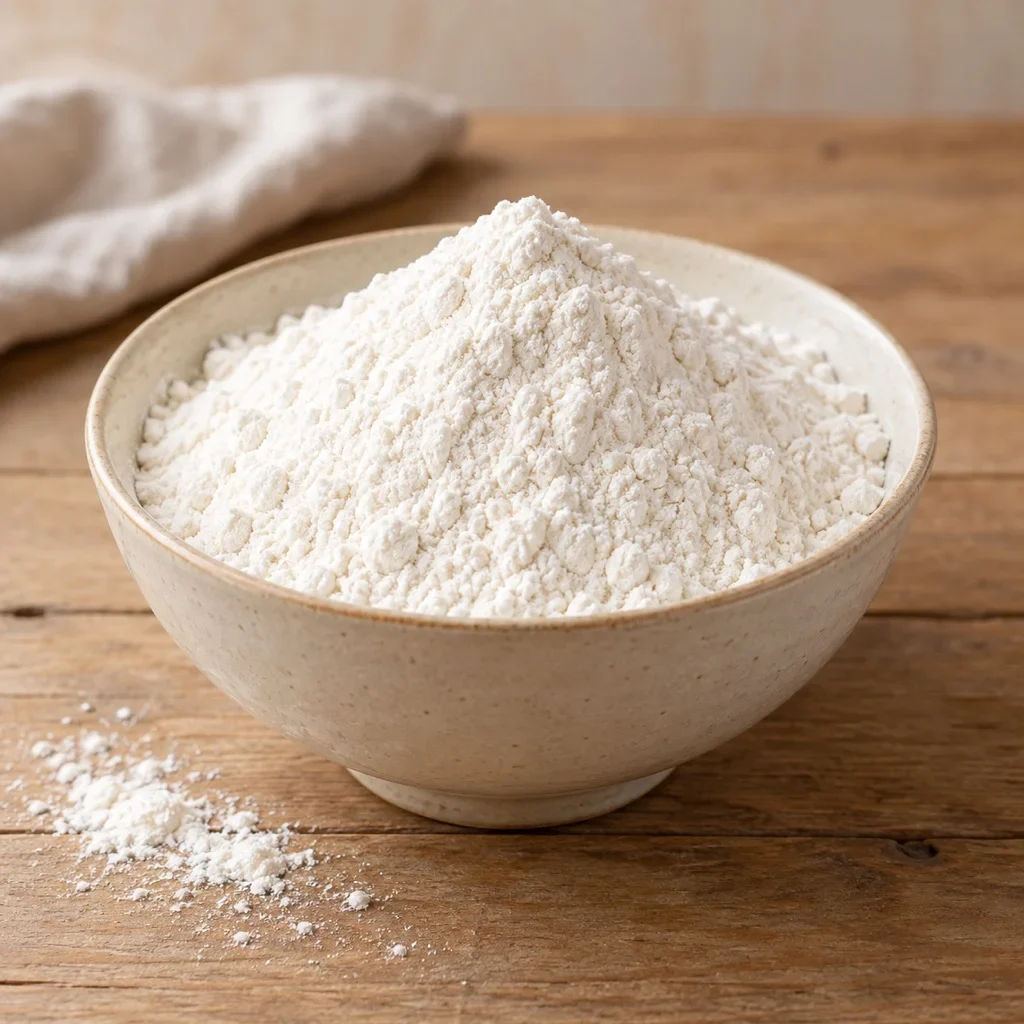
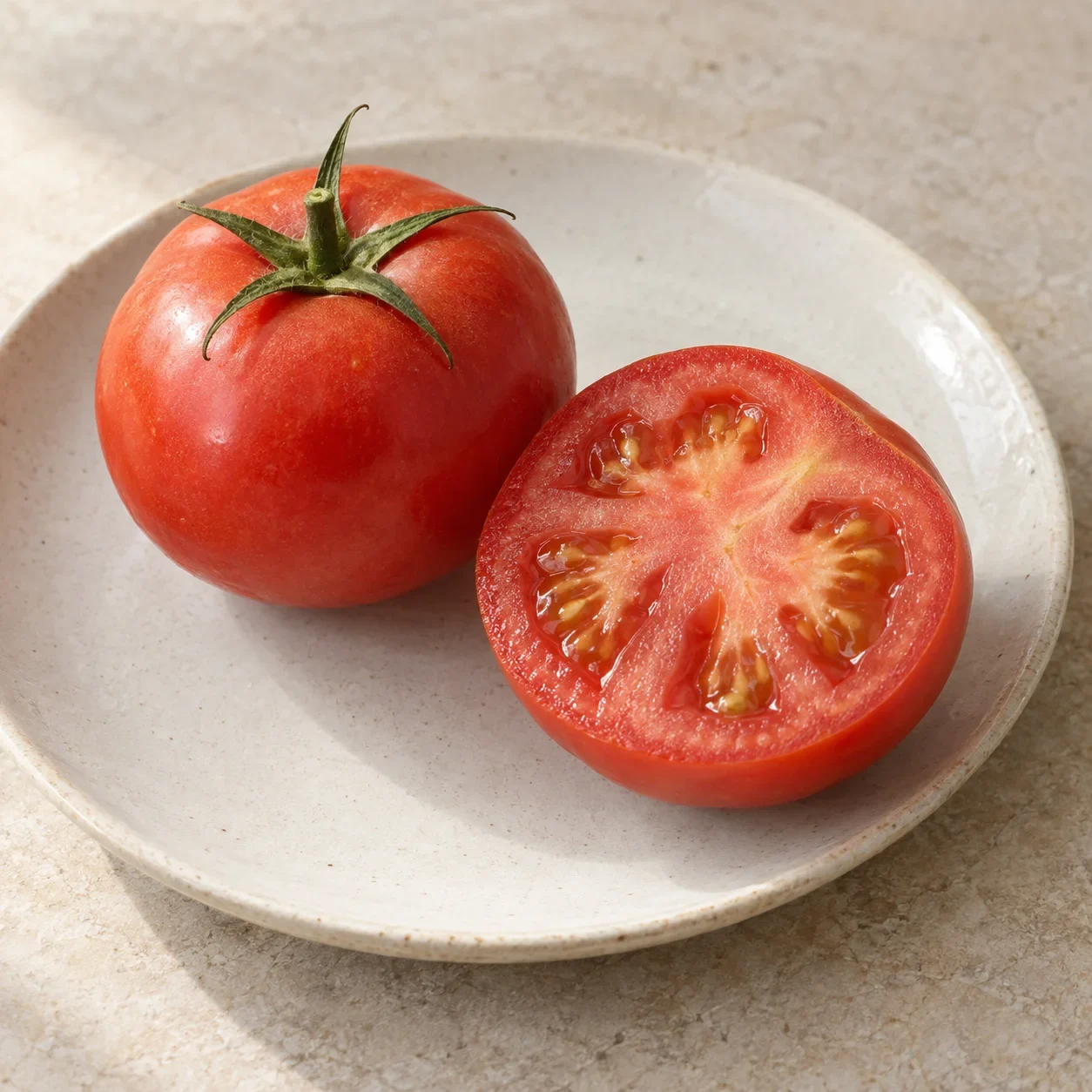
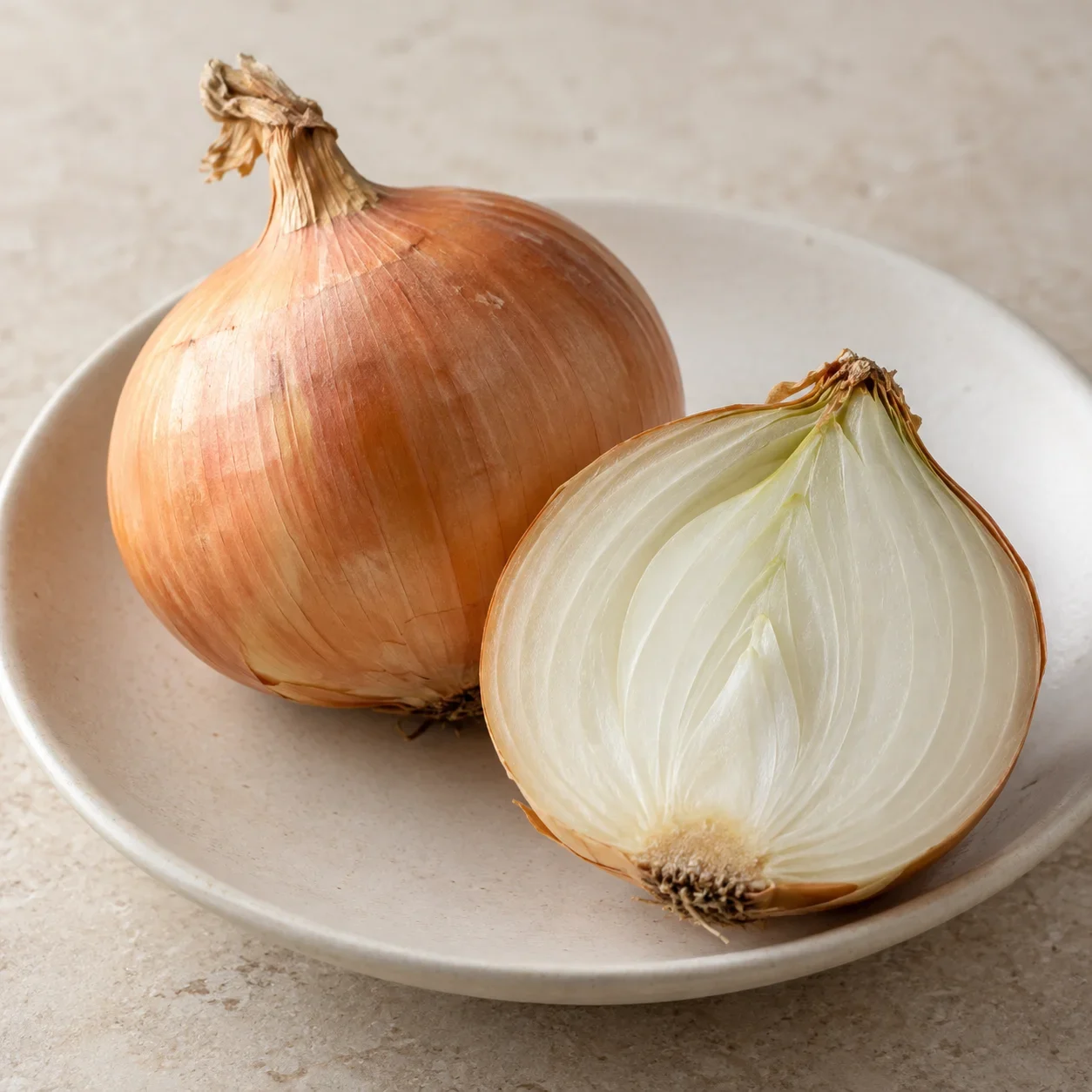
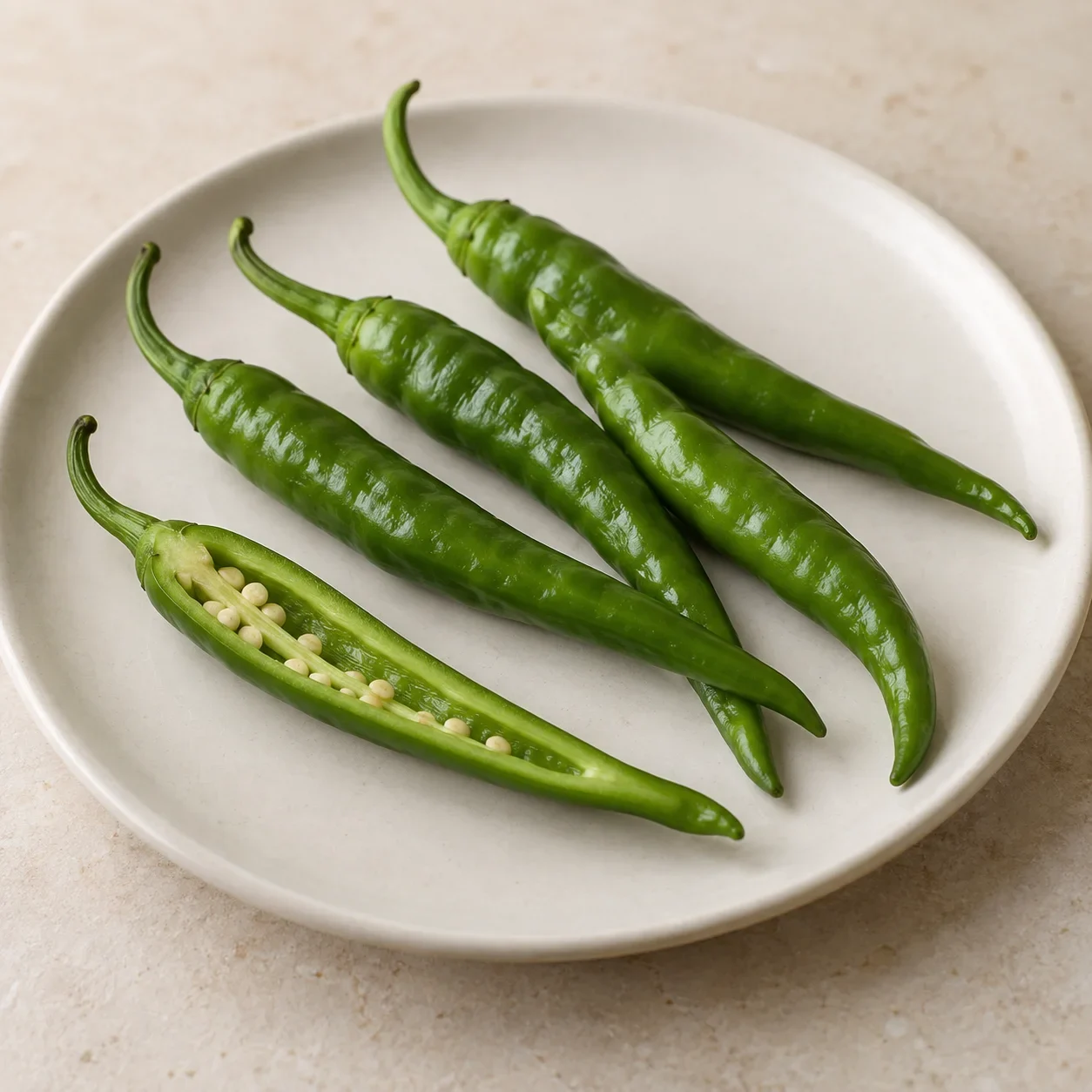
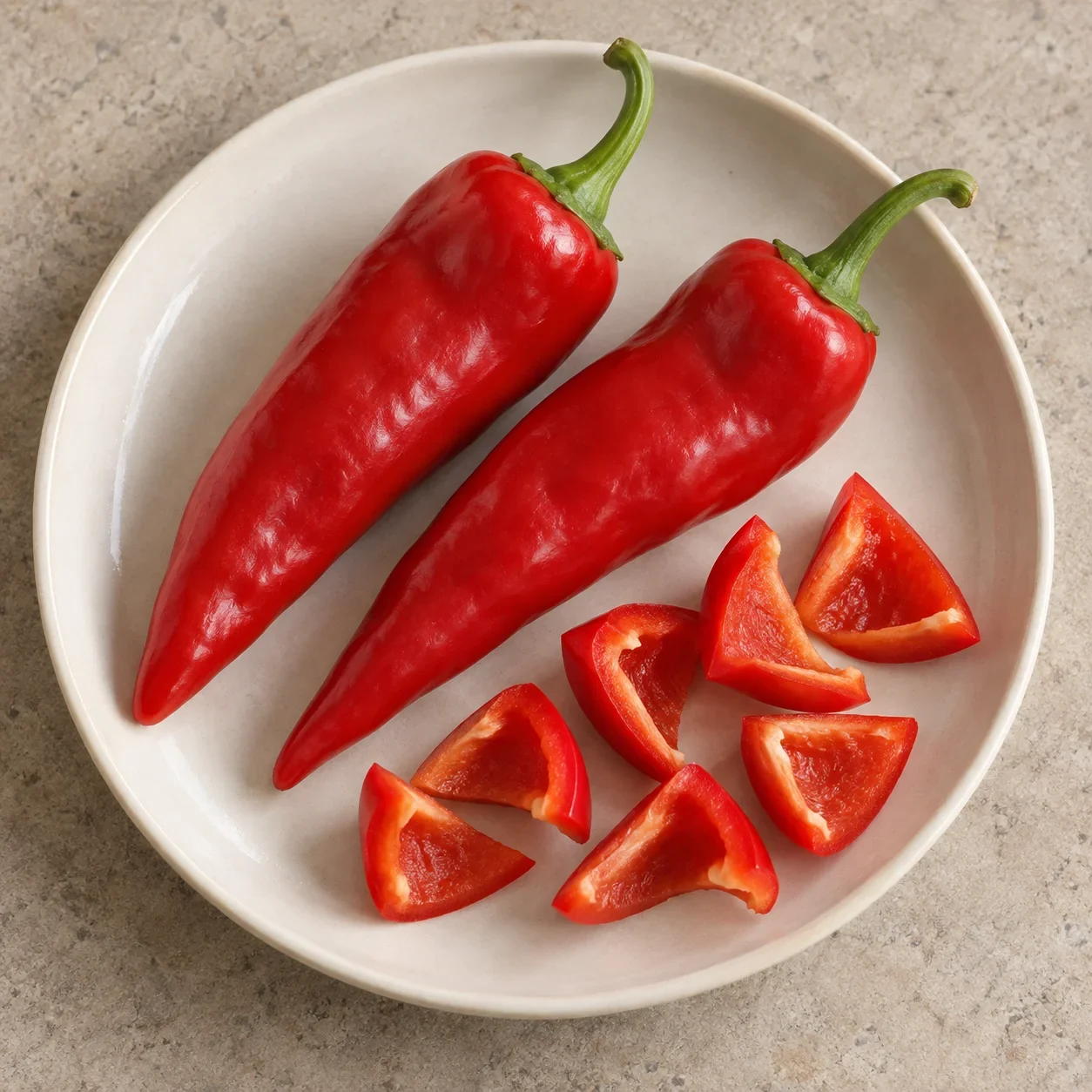
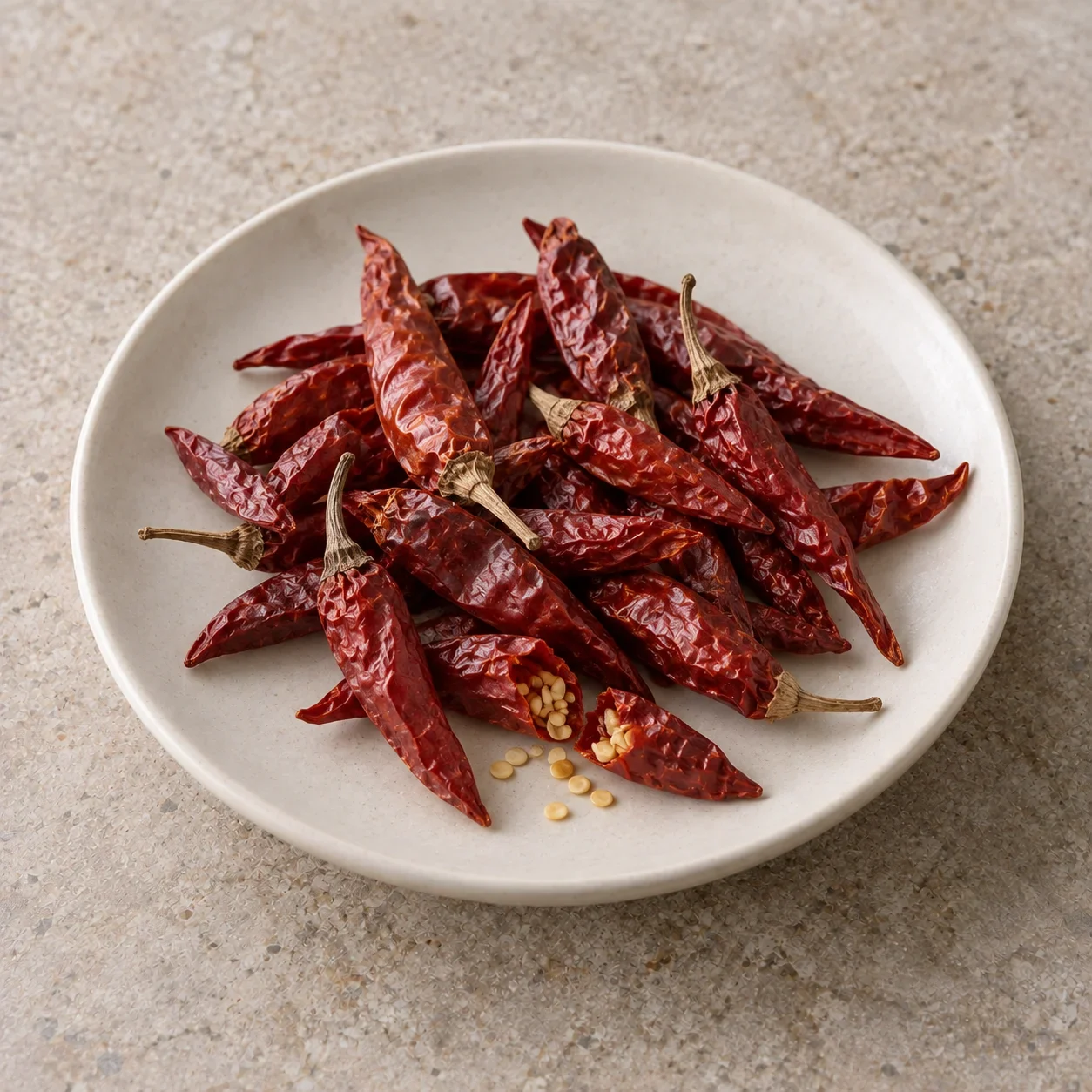
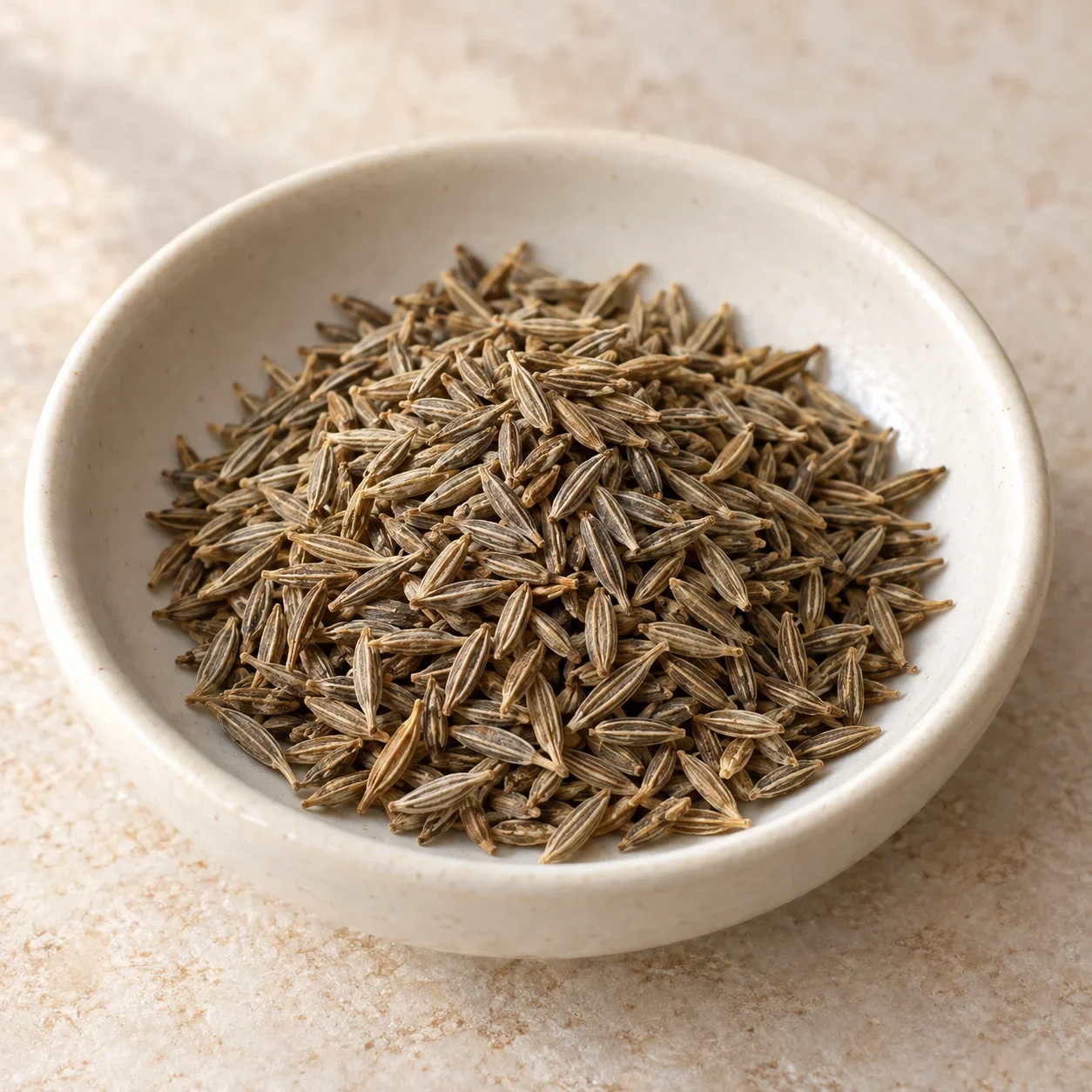
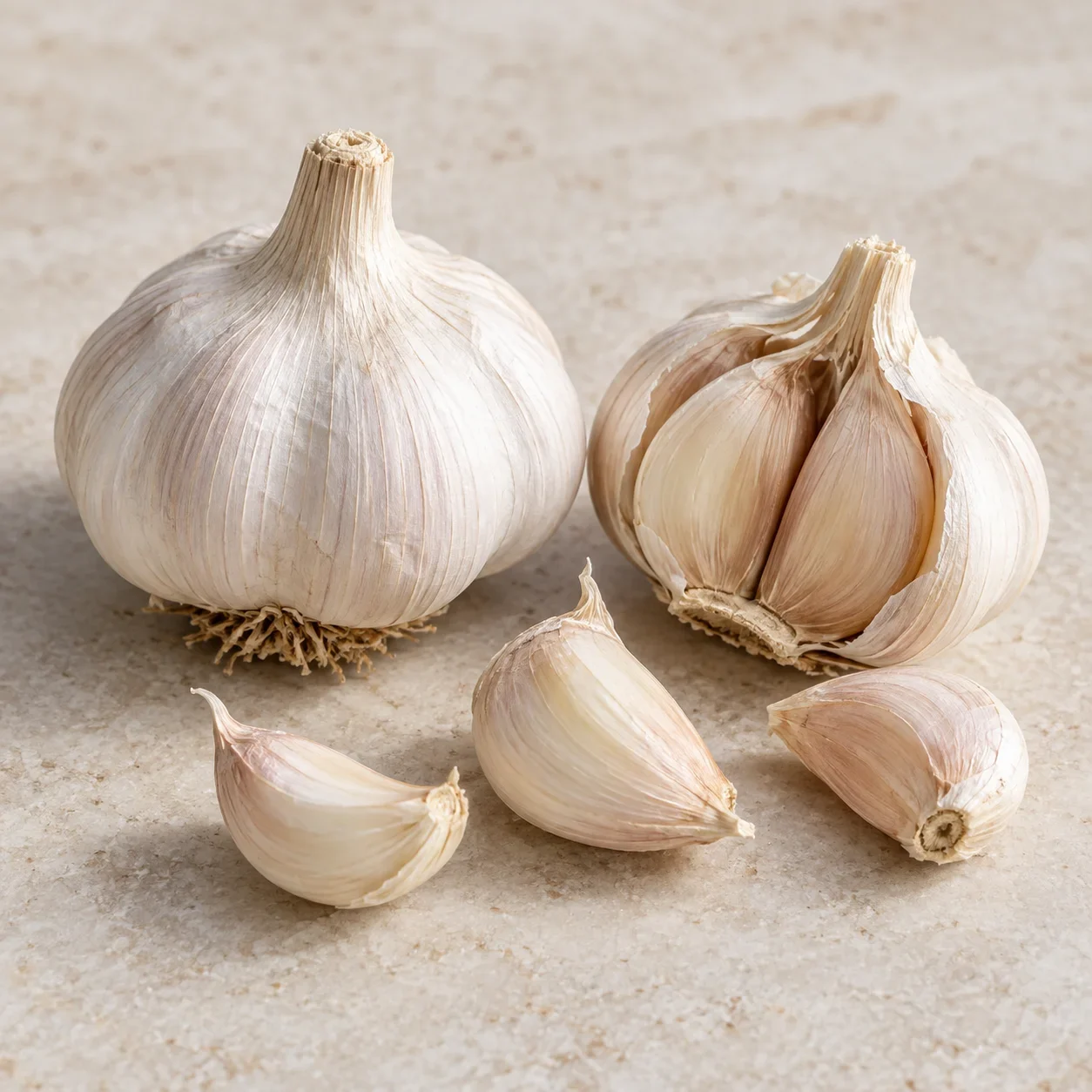
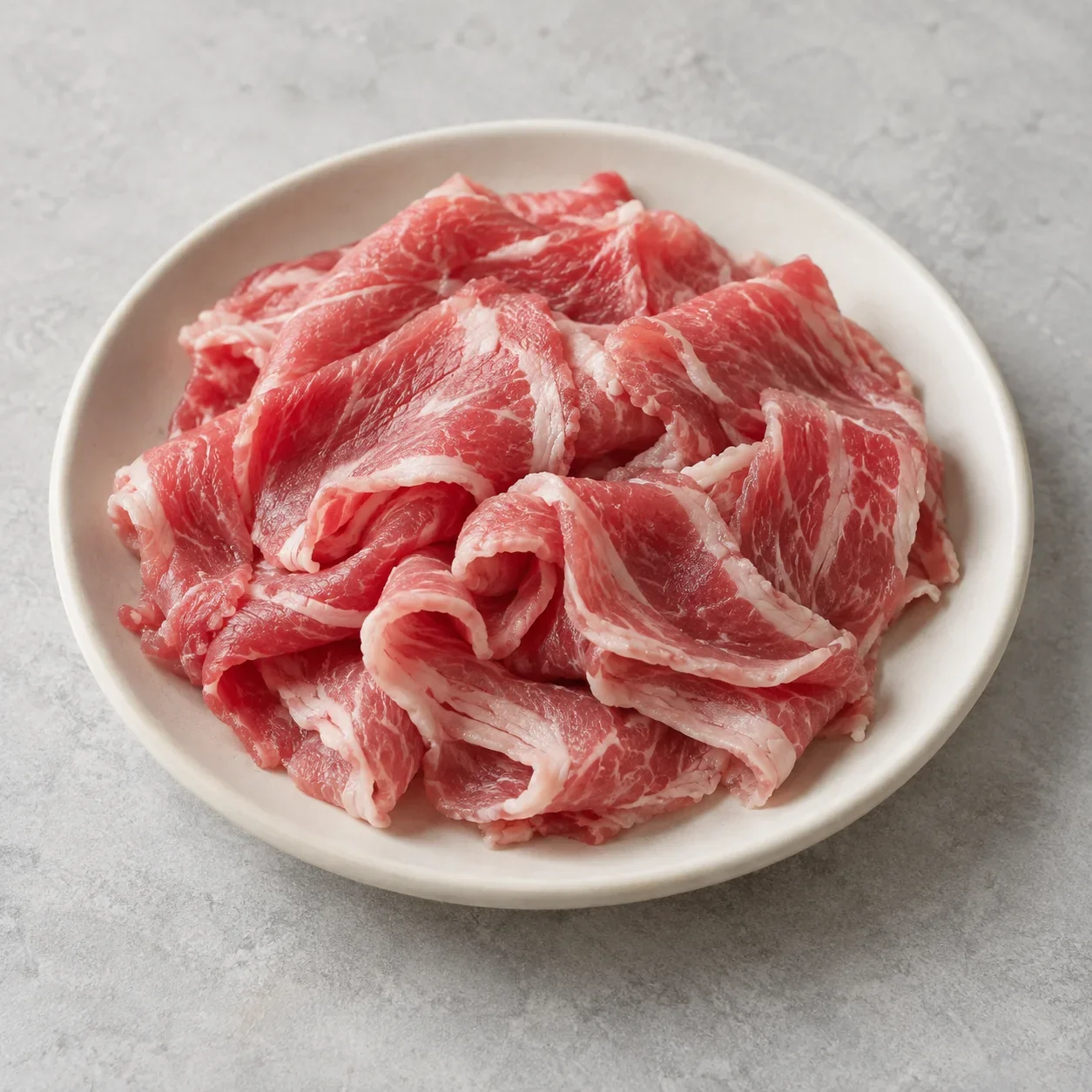
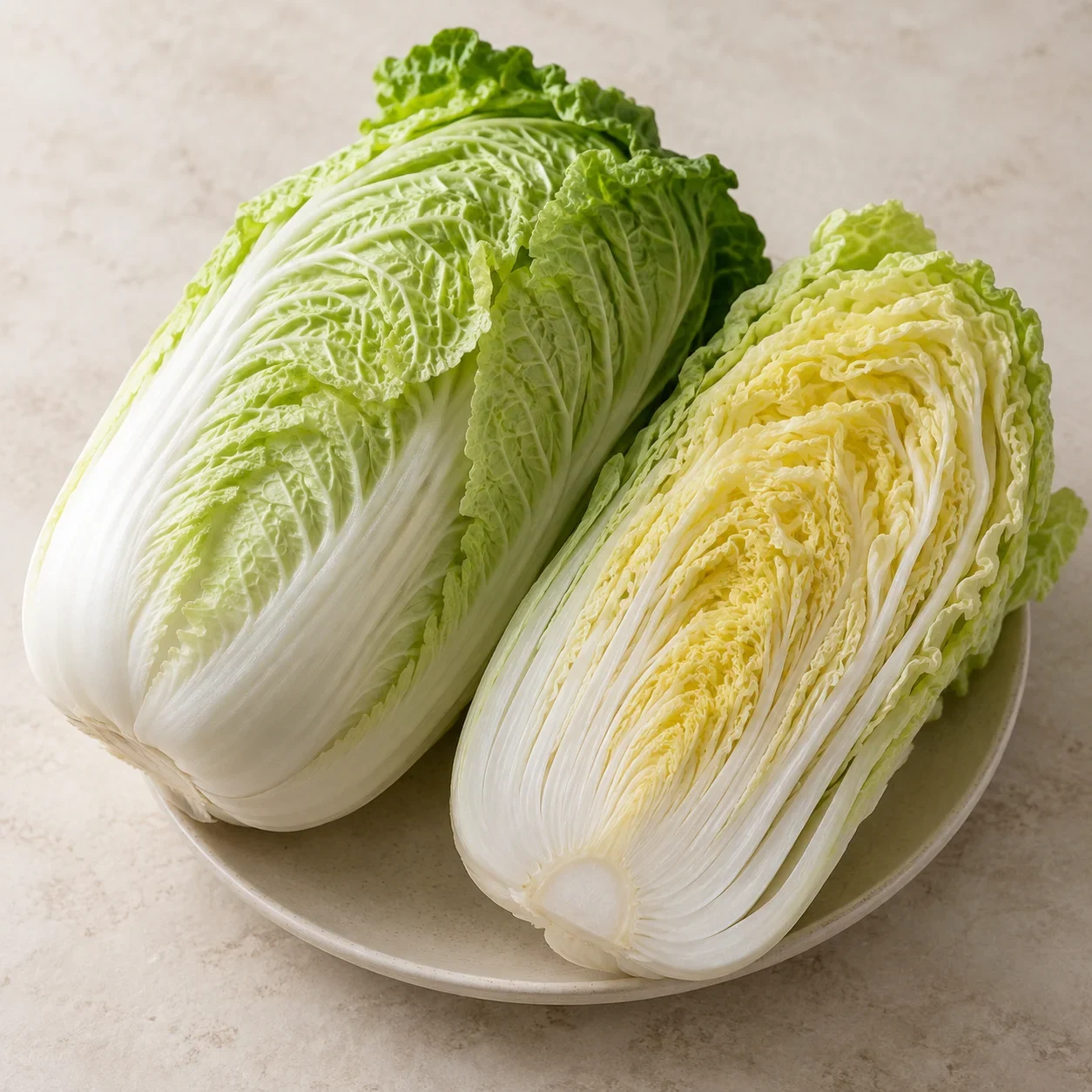
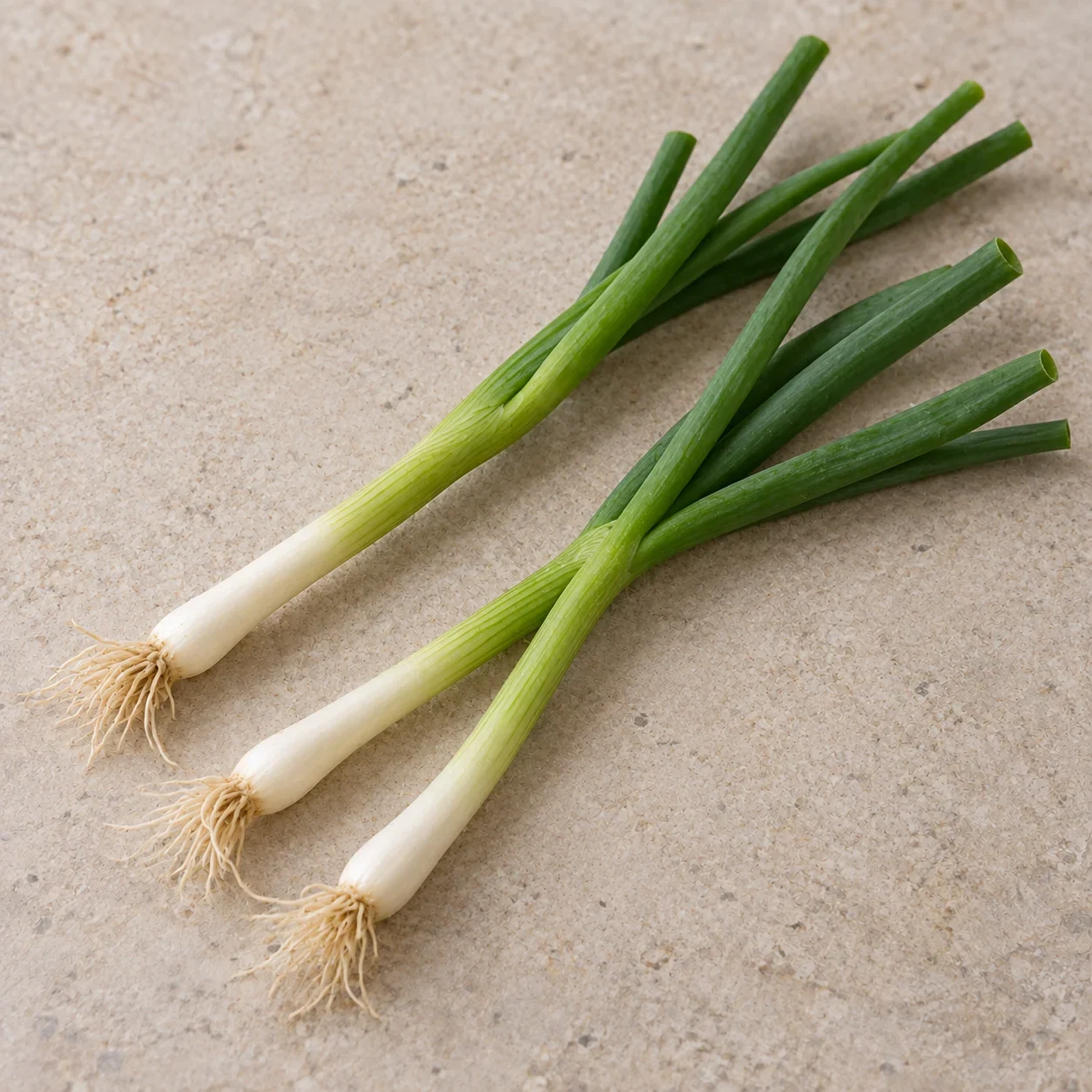
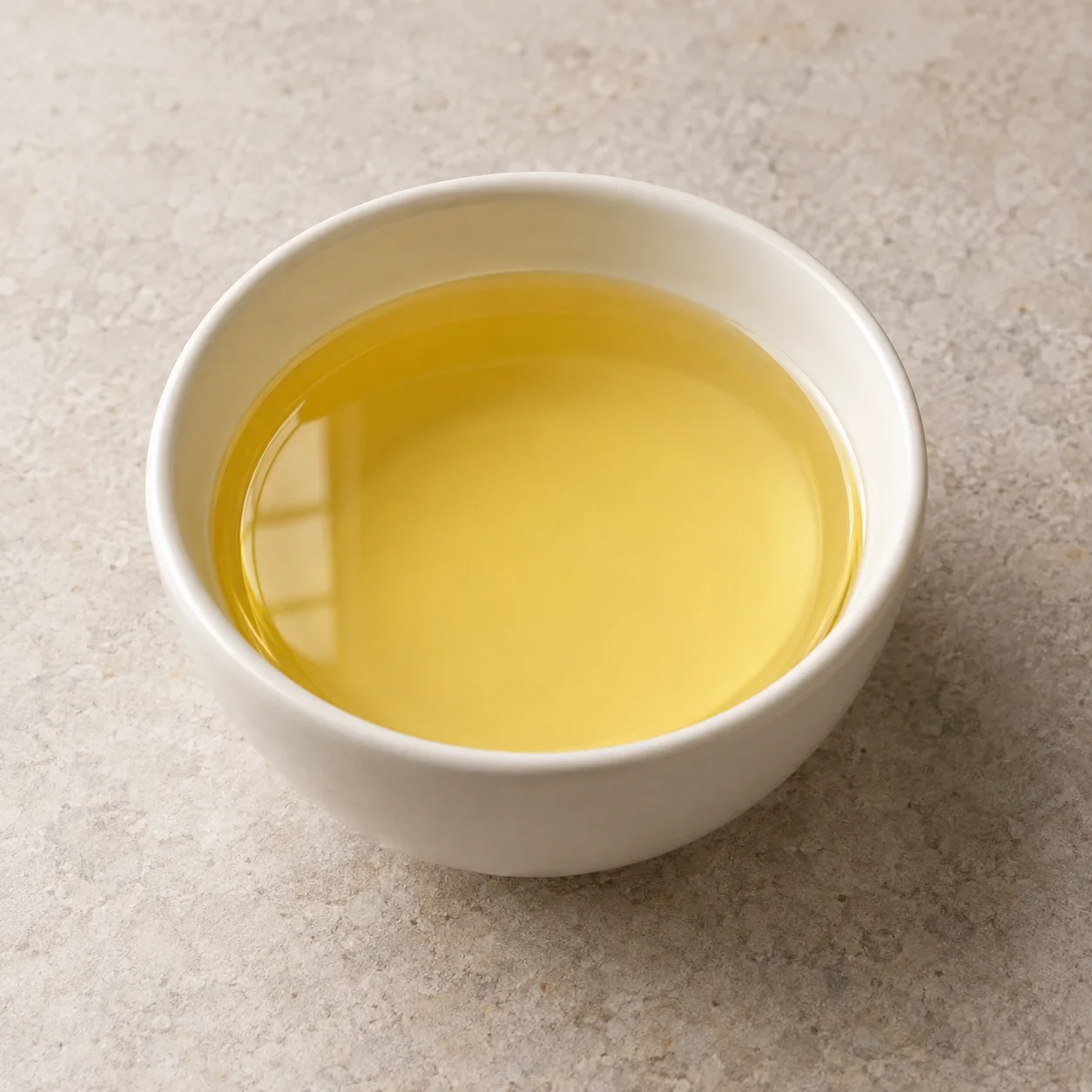

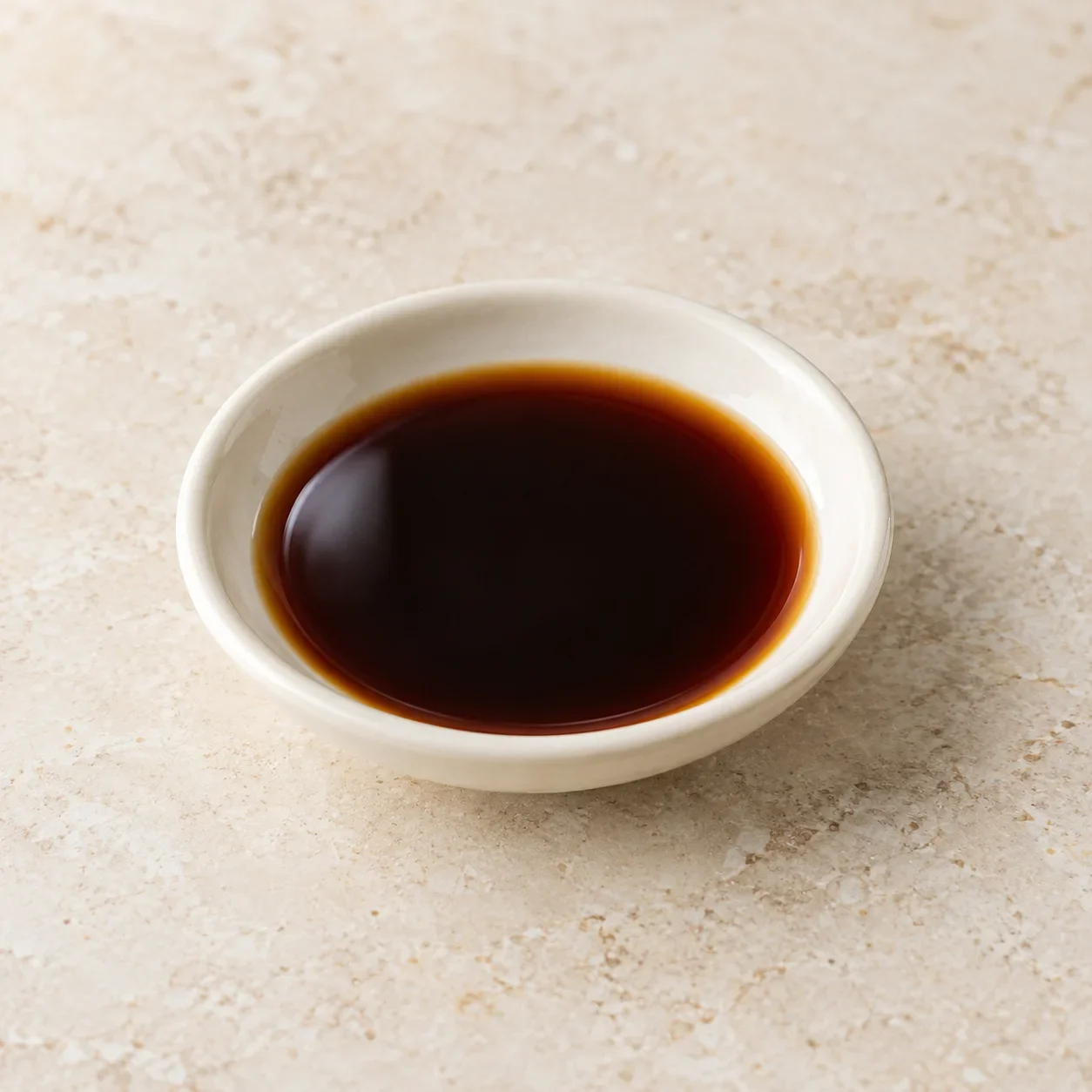
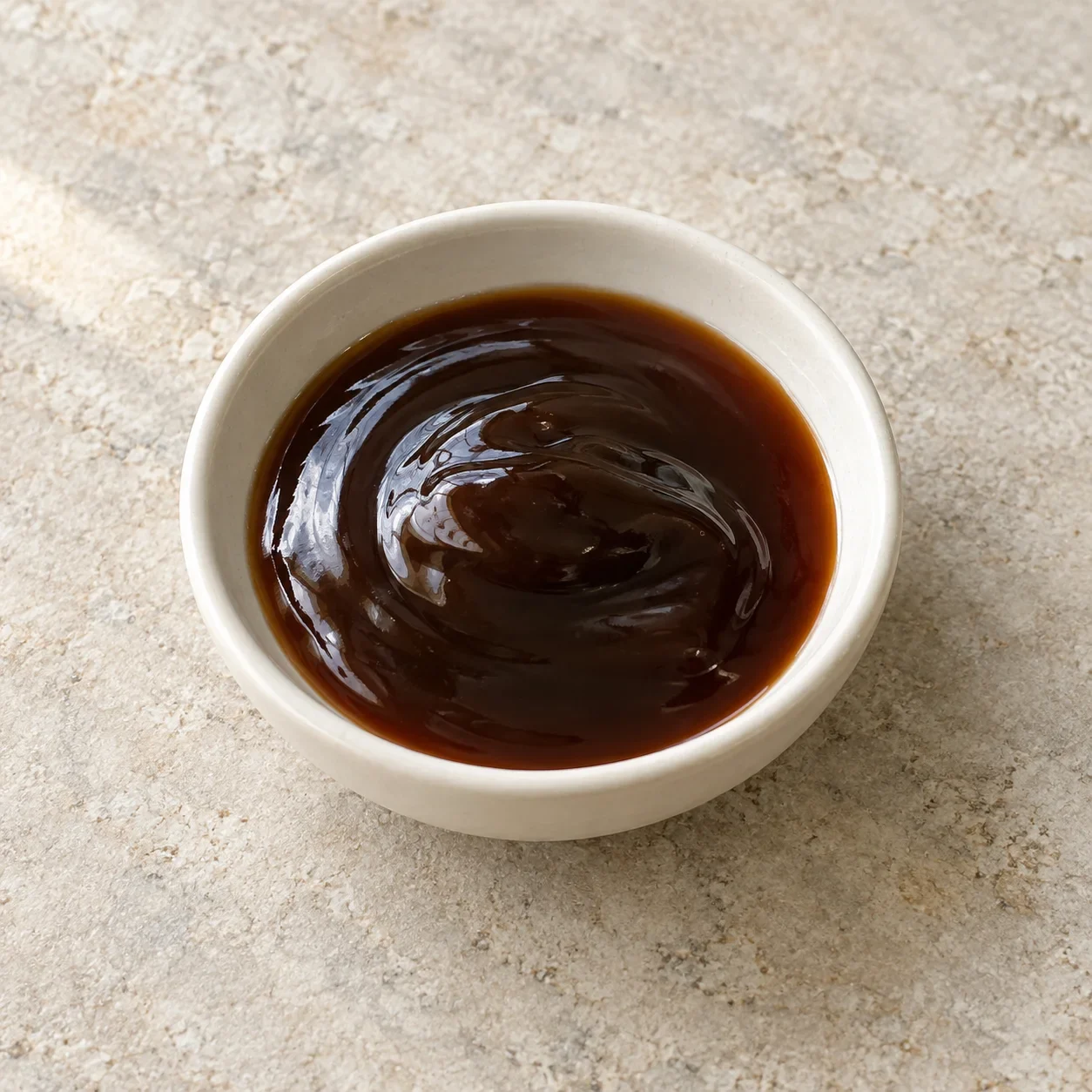
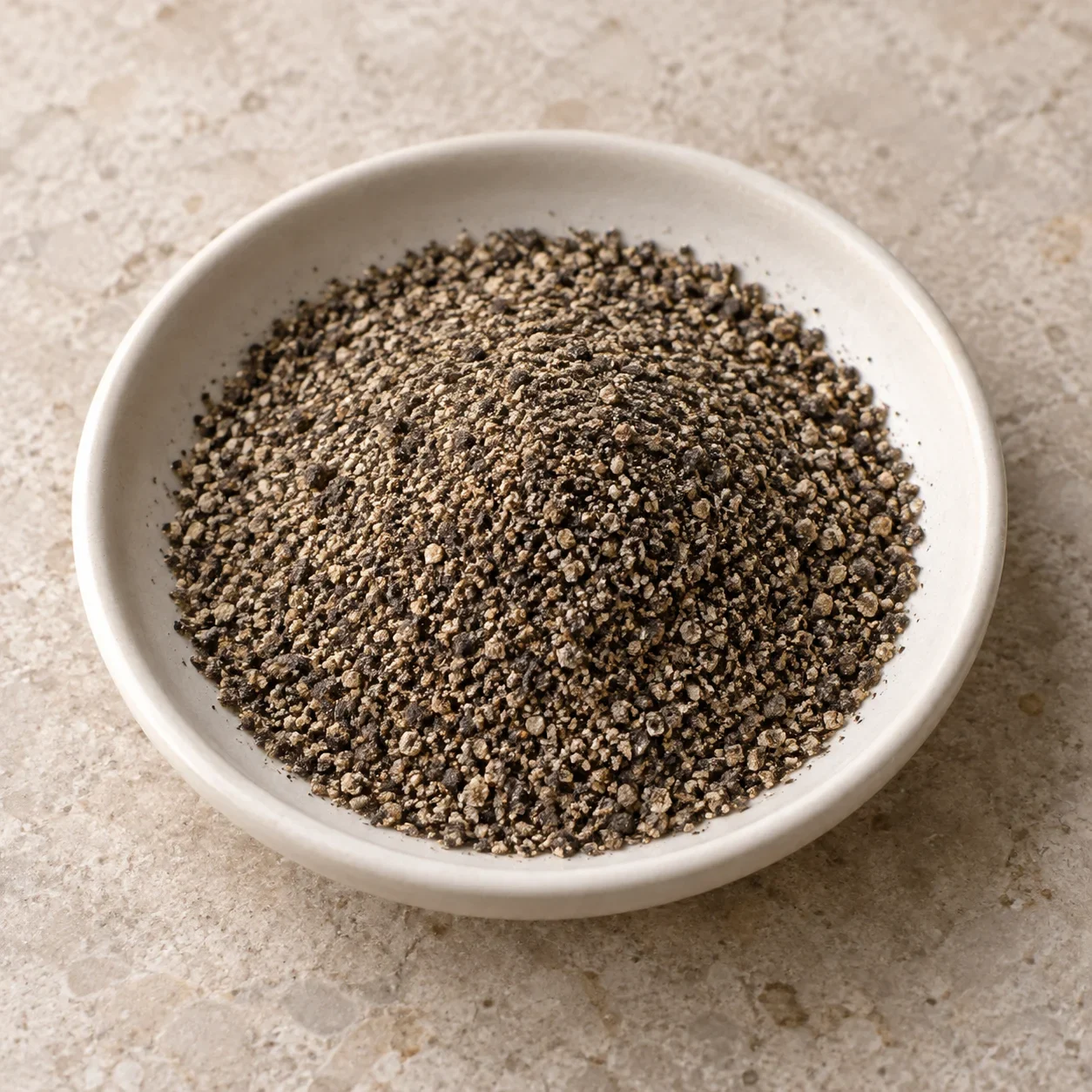
Recipes vary by restaurant.
How does it taste?
Savory, tangy tomato and chili.
- Chili heat
- Texture
- Long noodles with a chunky topping.
- How it’s made
- Boil the pulled noodles separately. Stir-fry the seasoned sheep meat and vegetables, then spoon the juicy topping over the drained noodles and mix.
The featured home-style version includes soy sauce and oyster sauce; these are not universal to every shop. Meat, vegetables and chili levels vary, and other fresh noodles may replace the pulled strands.
A CONNECTION TO PLACE
Origin & regional roots
Associated with Xinjiang.
Ask if they have it first
请问你们有新疆拌面吗?
Do you have this item?
A LITTLE SOMETHING TO READ
Story & history
Pulled noodles, then mixed
This account describes a tradition or story, rather than an established historical fact.
Latiaozi refers to the round wheat noodles, stretched from rested dough. Banmian describes mixing them with a separately cooked topping. This lets you distinguish the noodle shape from the choice of meat and vegetables, rather than expecting one fixed topping everywhere.