
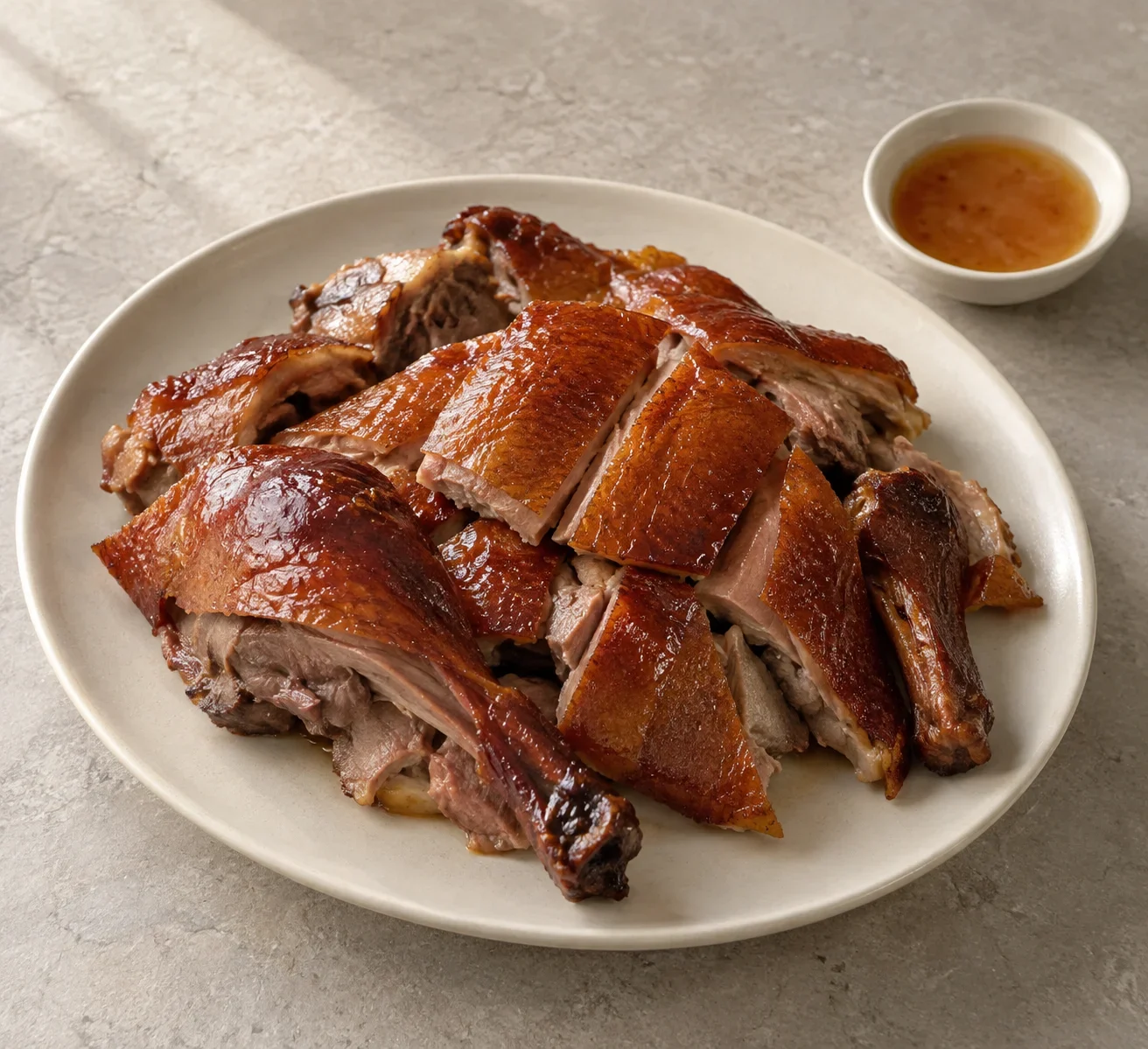
At the table
Take a piece with chopsticks or a fork, separate the meat from the bone, and try a little plum sauce with the skin and meat.
The chopped pieces contain bones and may have small bone fragments. Marinades, glazes and dipping sauces vary; check their ingredients if you have allergies.
Seasonings and roasting methods vary. Some clay-oven preparations use five-spice powder; other blends may differ.
Crisp skin and tender goose meat make a flavorful shared dish; a deboned, cooled portion is easy to divide.
Recipes vary. Ask the restaurant about ingredients and serving before you order.
GET TO KNOW THE DISH
What goes into it?
Explore some key ingredients below. Preparations may use additional seasonings and ingredients.
Seasonings and roasting methods vary. Some clay-oven preparations use five-spice powder; other blends may differ.
Typical ingredients
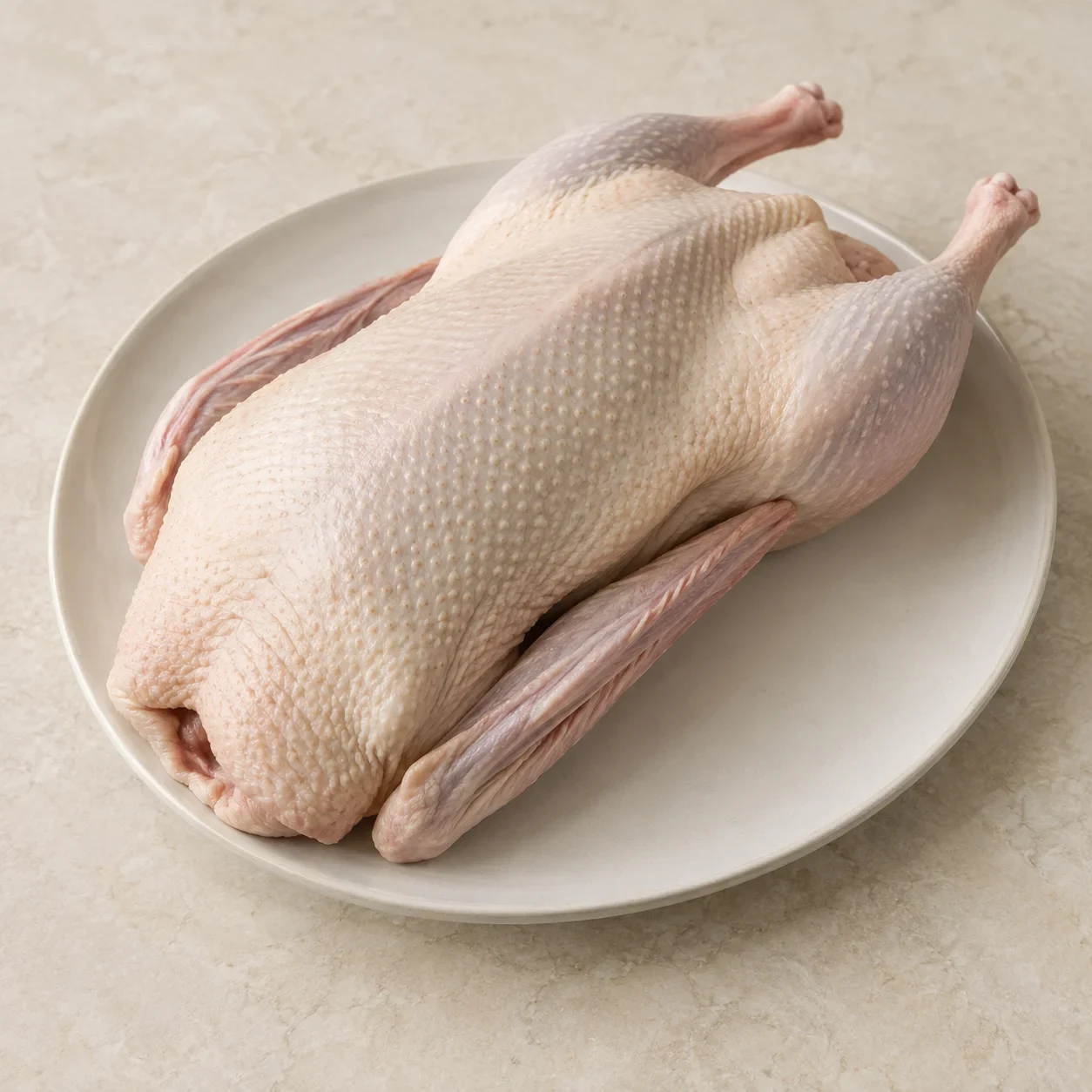
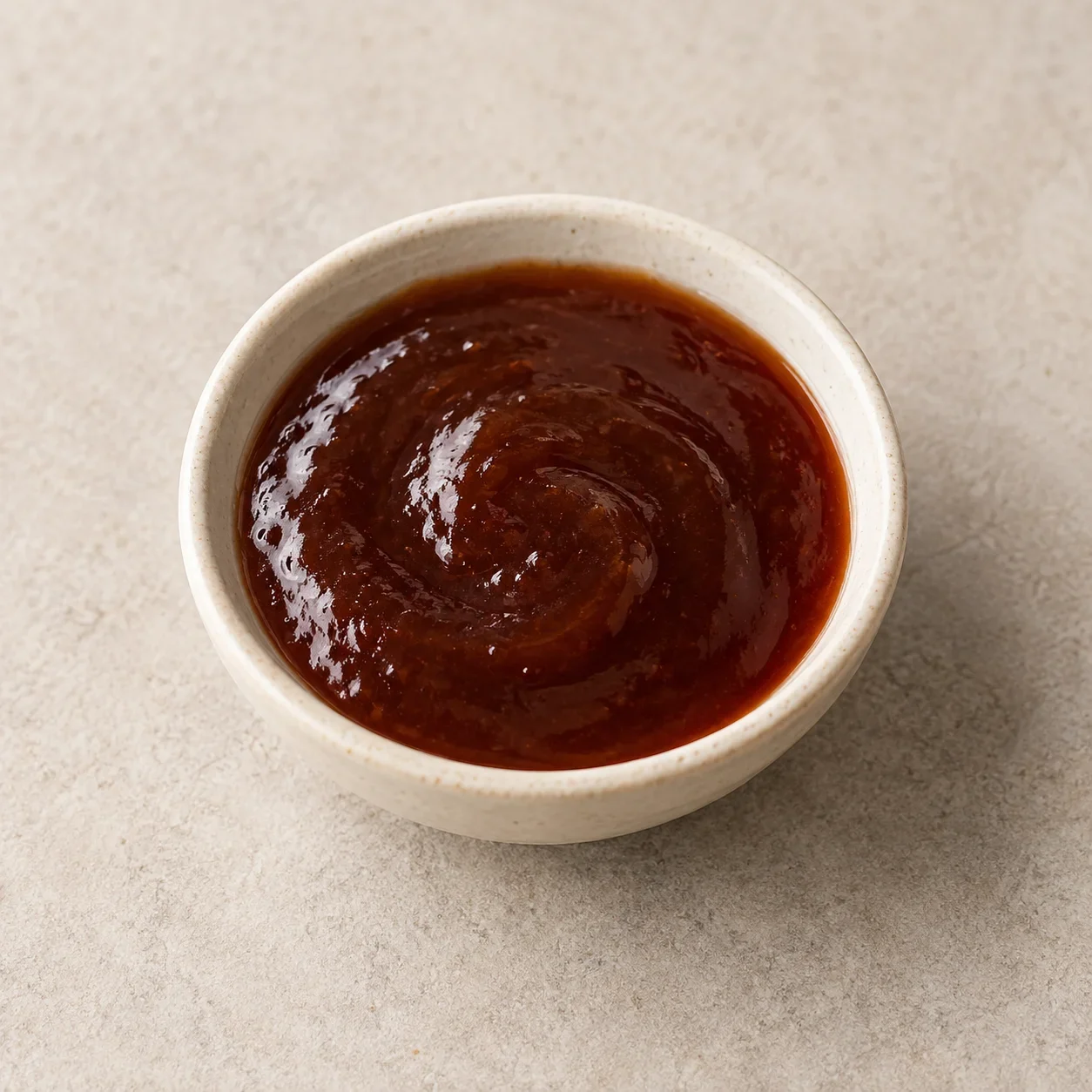

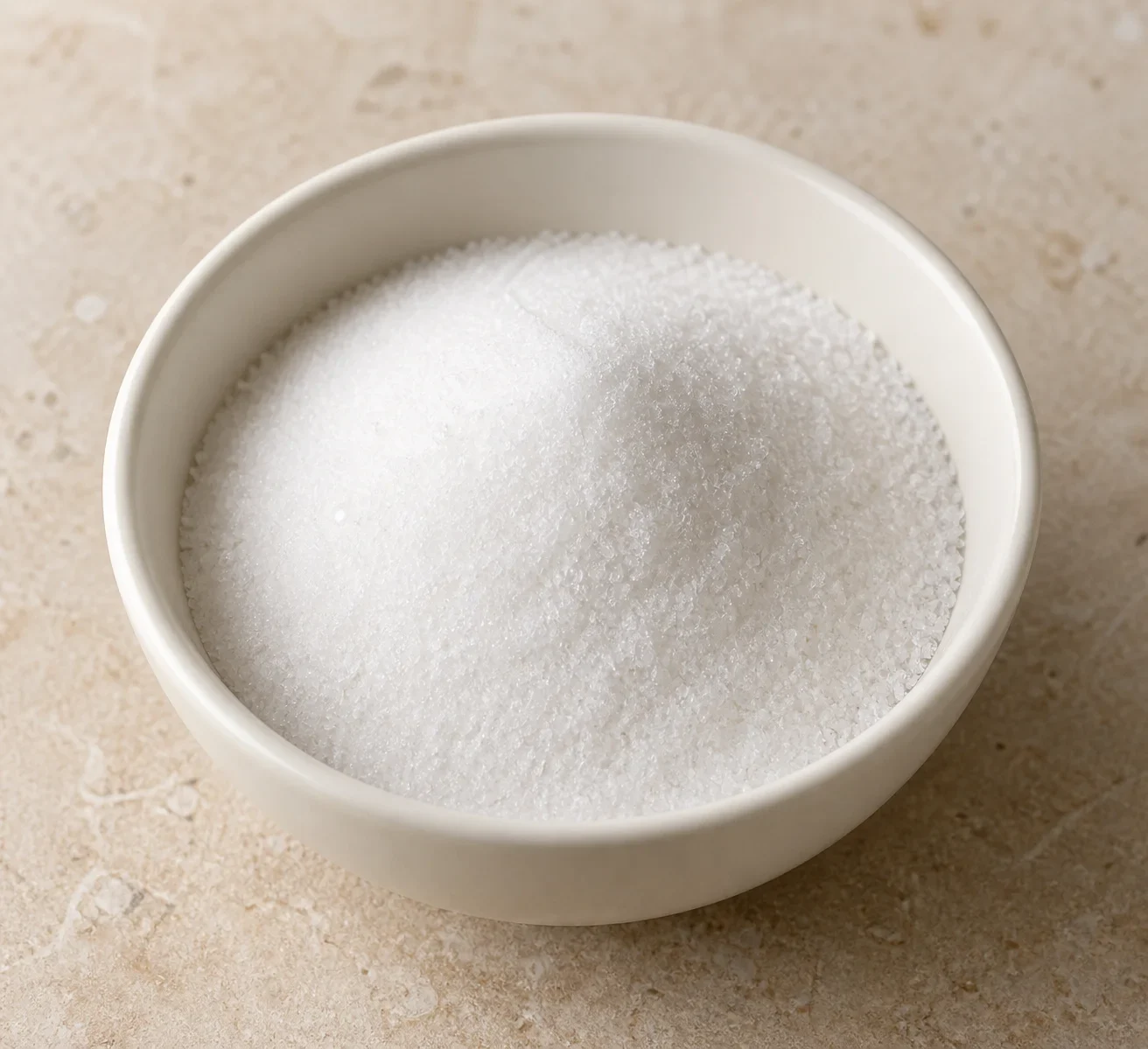
In some versions
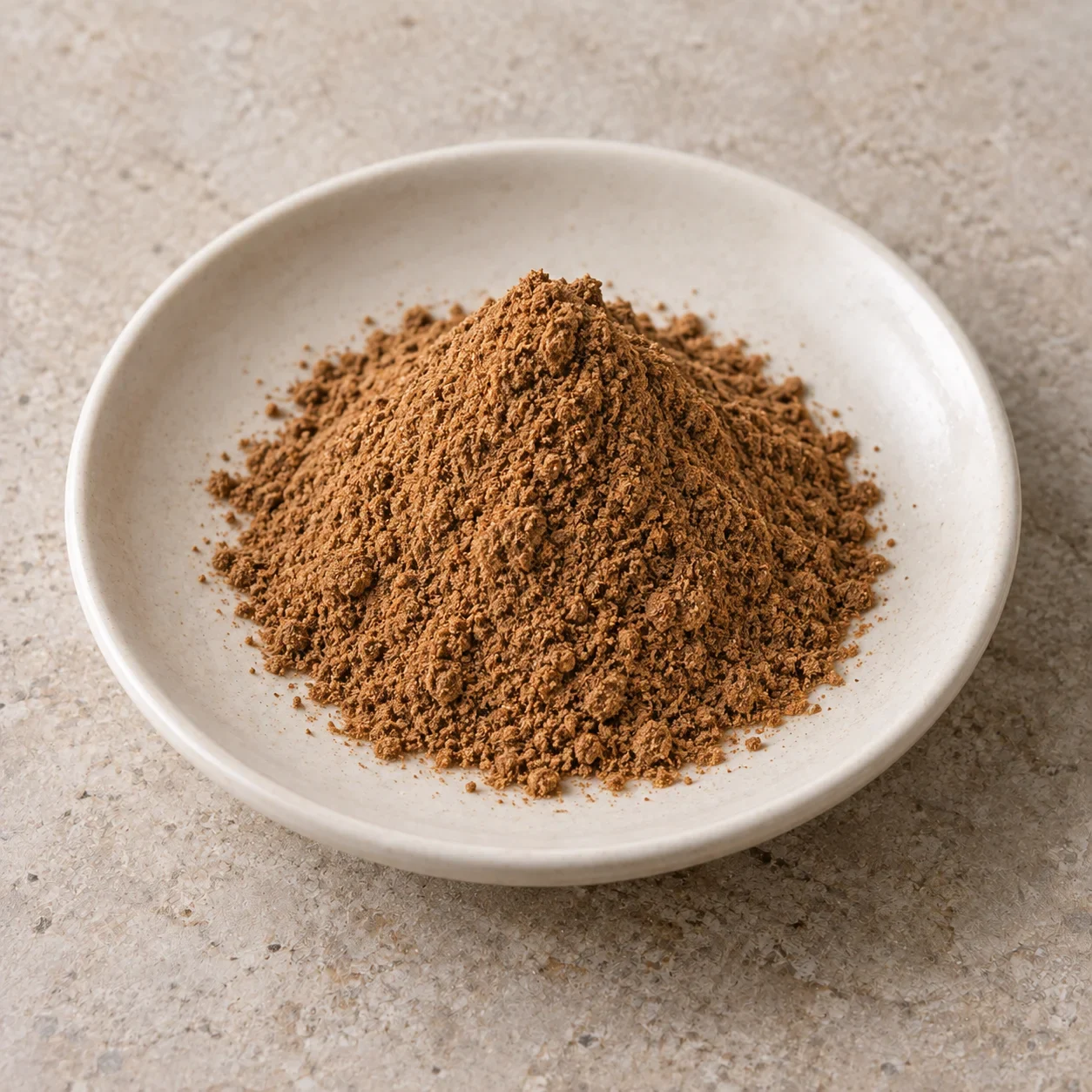
Recipes vary by restaurant.
How does it taste?
Rich roast flavor.
- Chili heat
- Texture
- Crisp skin; tender meat.
- How it’s made
- Prepare and dry skin; roast.
Seasonings and roasting methods vary. Some clay-oven preparations use five-spice powder; other blends may differ.
A CONNECTION TO PLACE
Origin & regional roots
Associated with Hong Kong. Associated with Guangdong.
About this regional connection
Guangdong: Regional association, without a claim of exclusive origin or local availability.
Ask if they have it first
请问你们有脆皮烧鹅吗?
Do you have this item?
A LITTLE SOMETHING TO READ
Story & history
Pit-fired roast goose from Guangzhou’s Shenjing Village
At Shenjing Village in Guangzhou, one local roast-goose style is cooked in an earthen jar buried in a deep, dry pit. Cooks heat the jar with fruitwood such as lychee; after the direct fire is removed, they hang the seasoned goose inside and seal the pit so retained heat finishes the roast. It is one regional technique, not the method or origin of every Cantonese roast goose.