
At the table
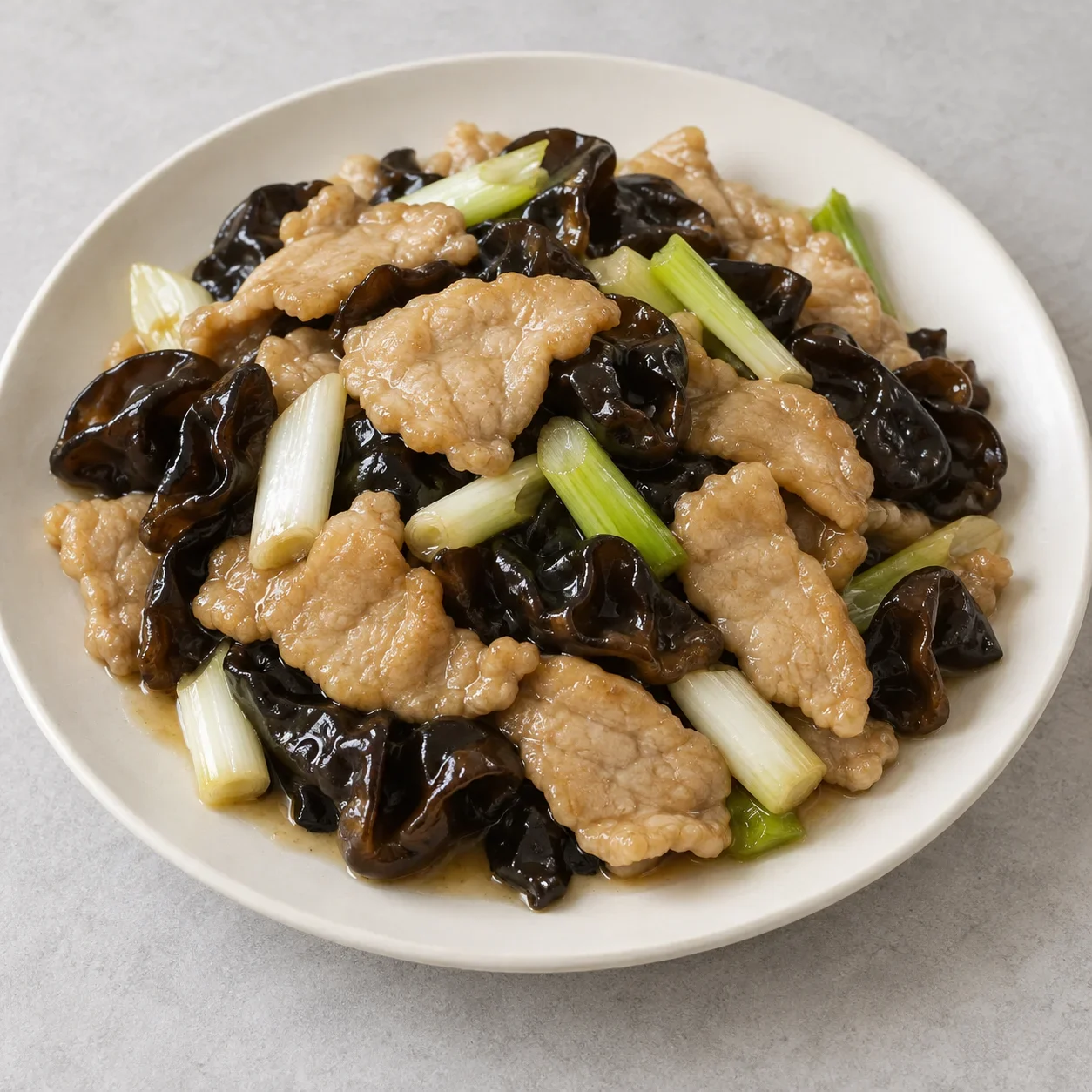
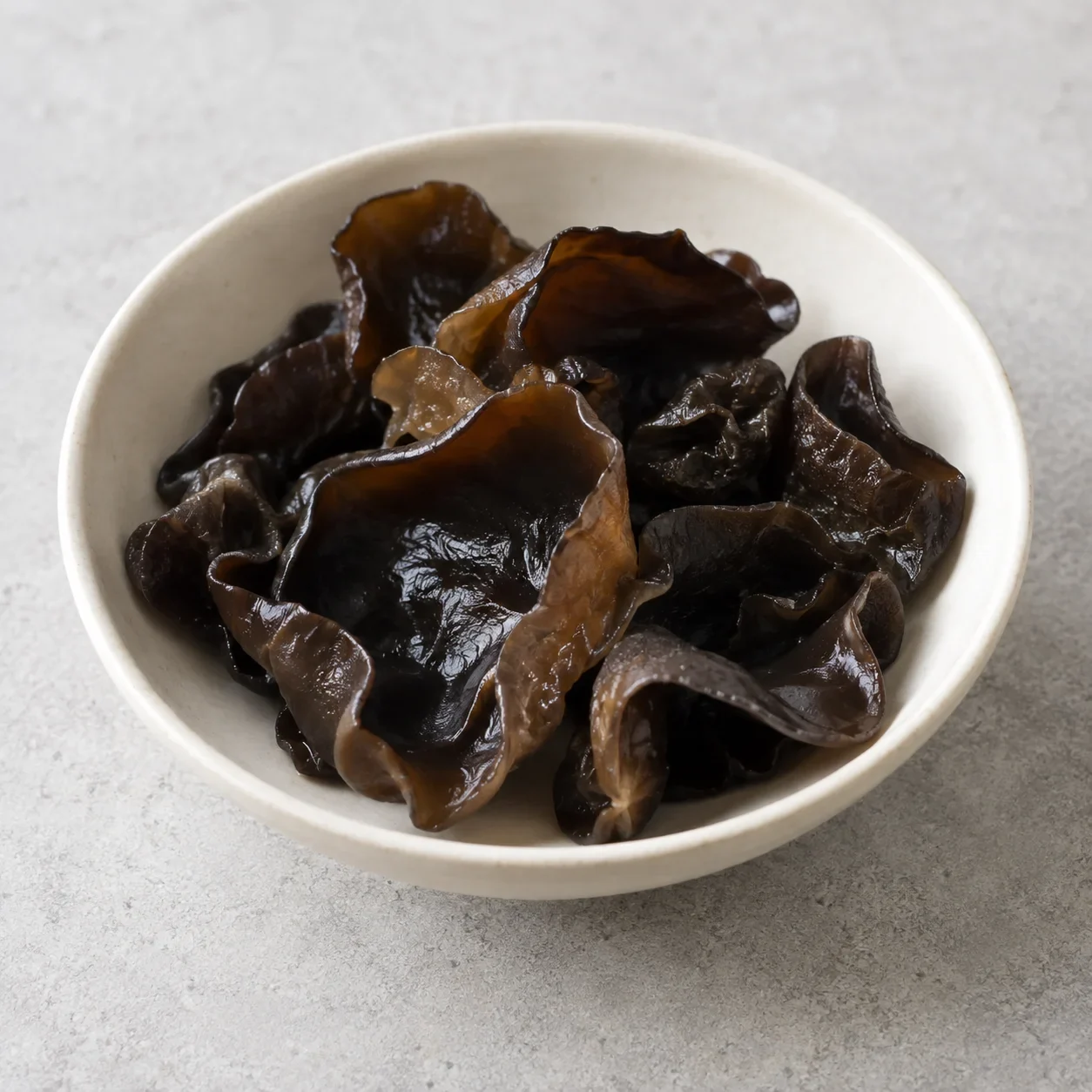
Use chopsticks or a fork to take small portions of pork and vegetables. Let hot pieces and sauce cool, and chew the springy wood-ear fungus well. Taste the sauce before adding extra seasoning.
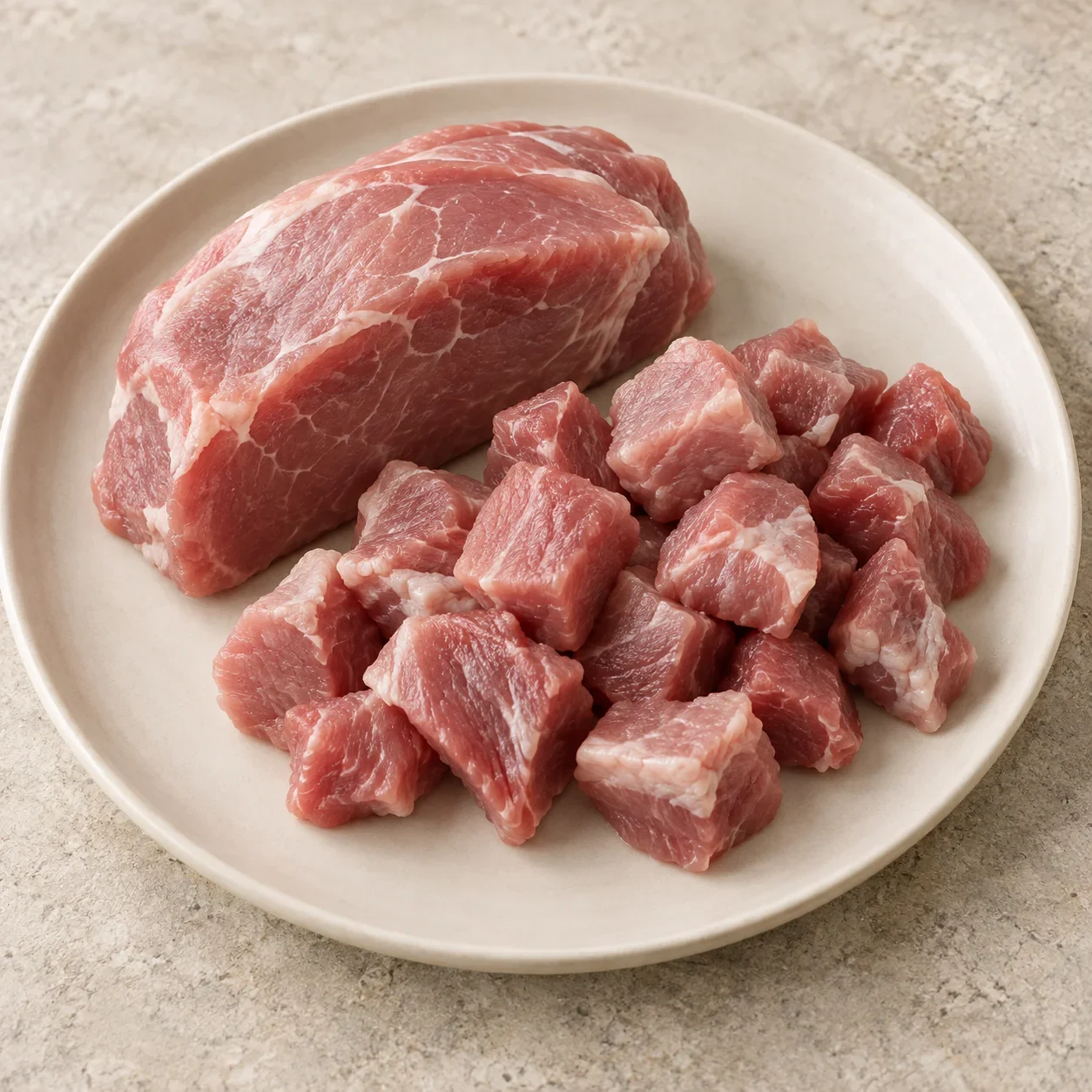
Contains pork. Check the starch, coating and full sauce for allergies or dietary restrictions; some versions use egg white, soy sauce, sesame oil and cooking wine. The food may be hot, and wood-ear fungus can be springy; take manageable bites and chew well.
GET TO KNOW THE DISH
What goes into it?
Explore some key ingredients below. Preparations may use additional seasonings and ingredients.
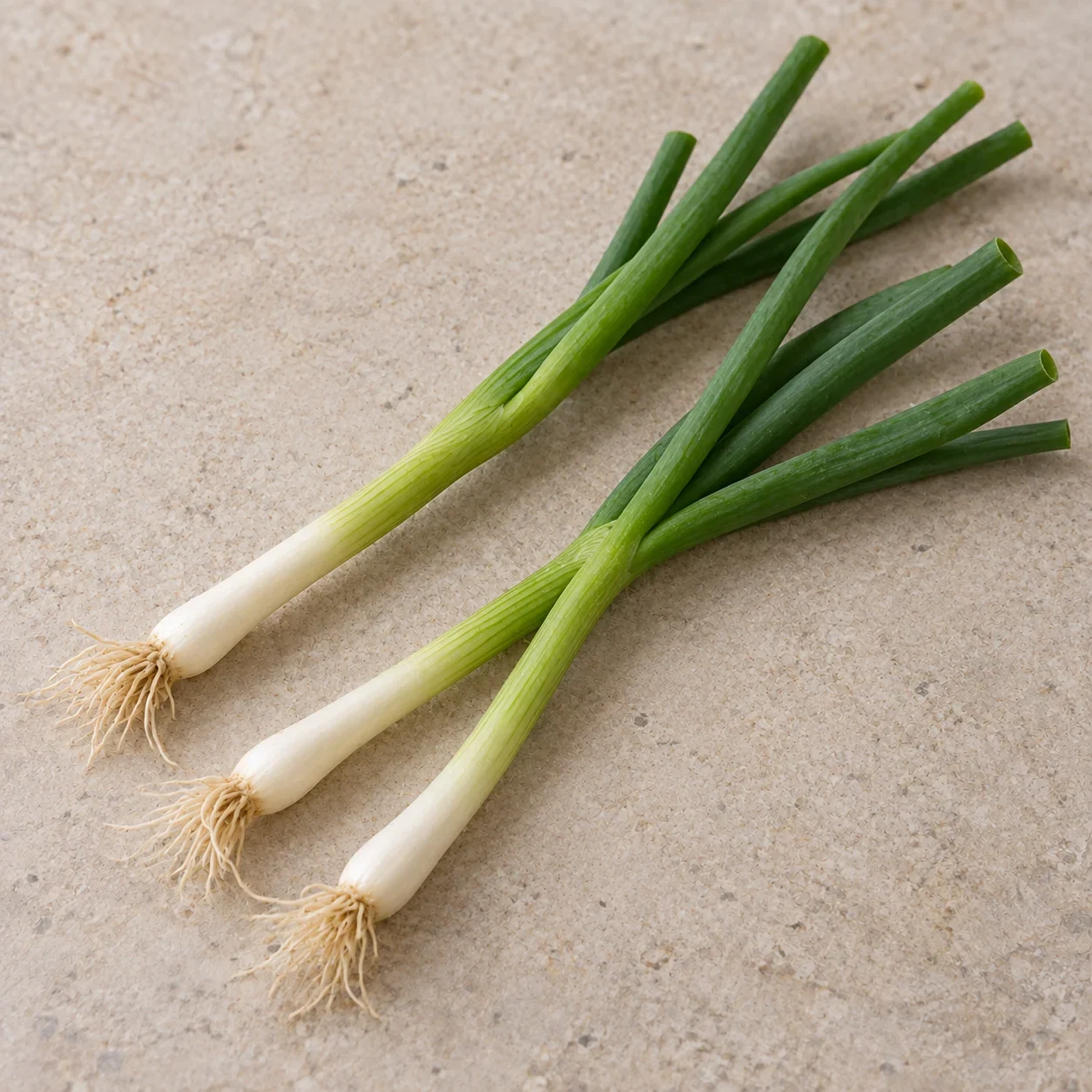
Datong versions use scallion and wood ear; garlic scapes and vinegar can also be added.
Typical ingredients
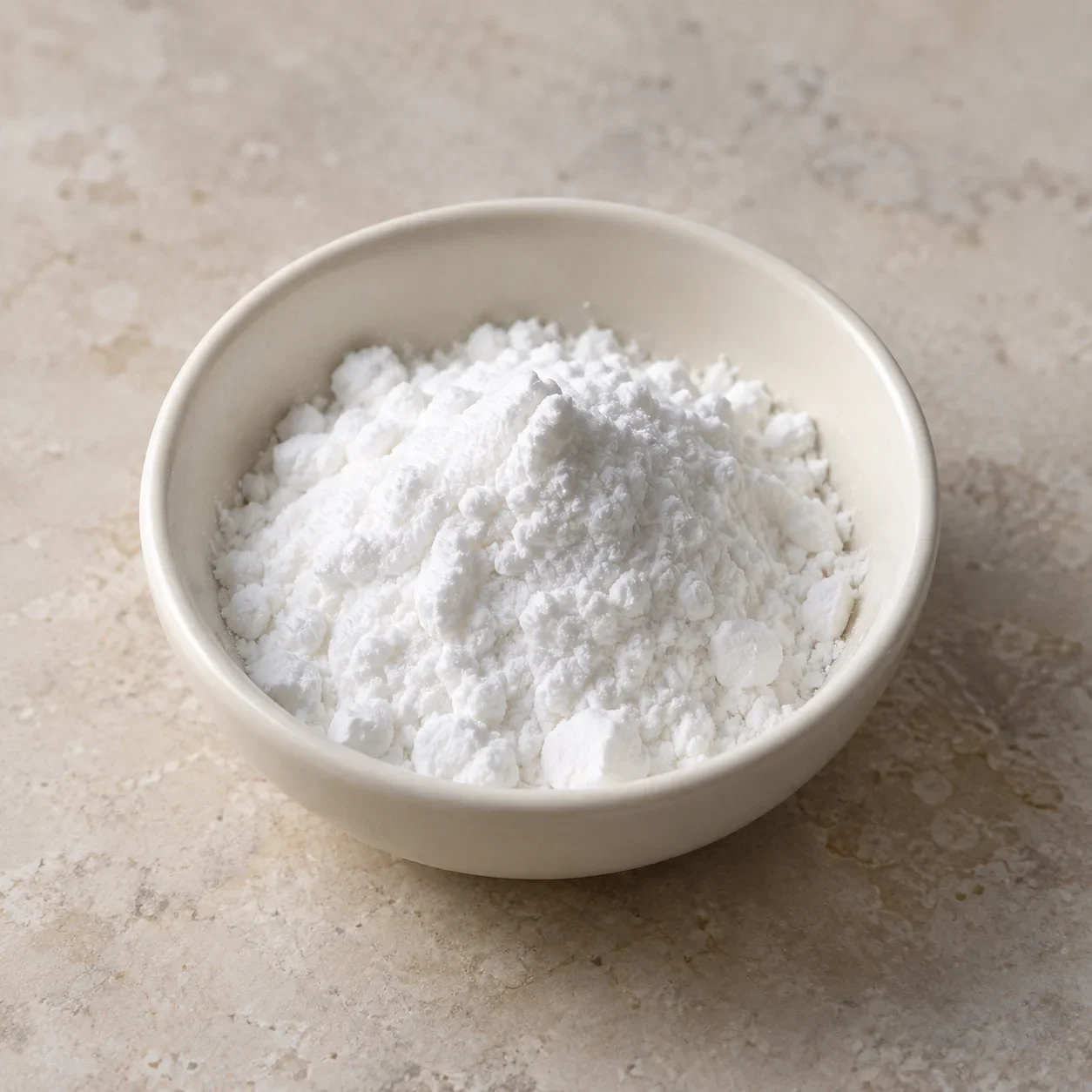
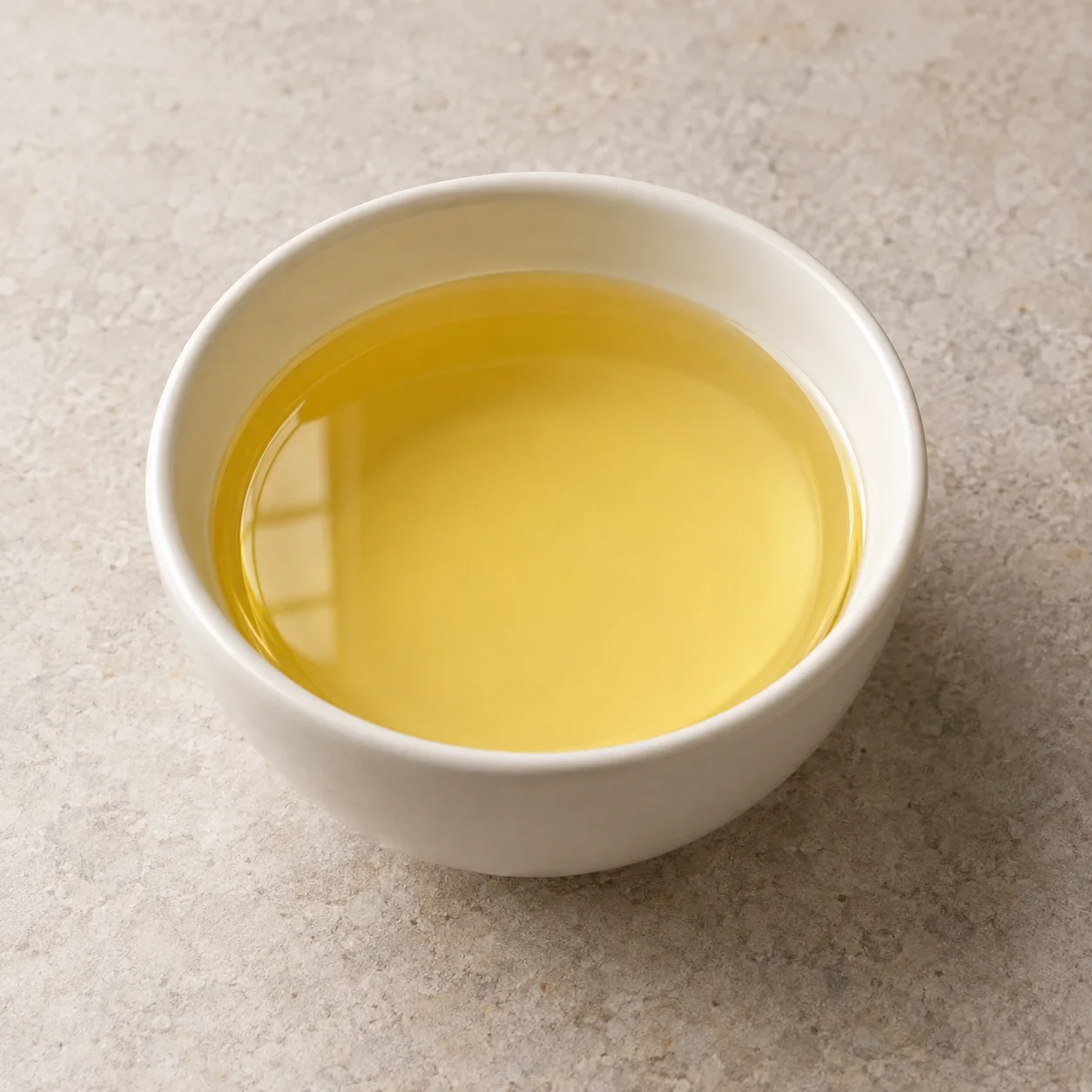
In some versions
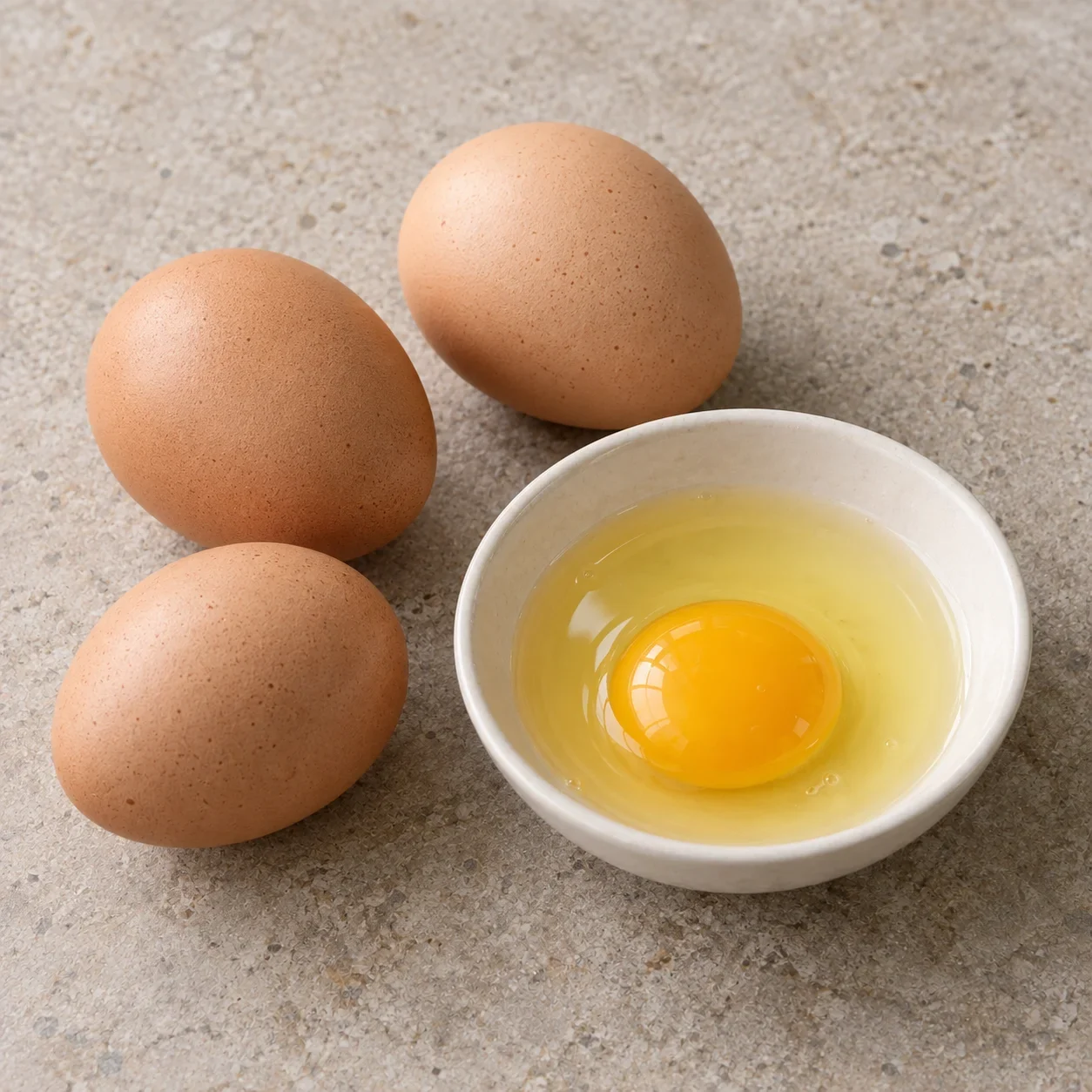
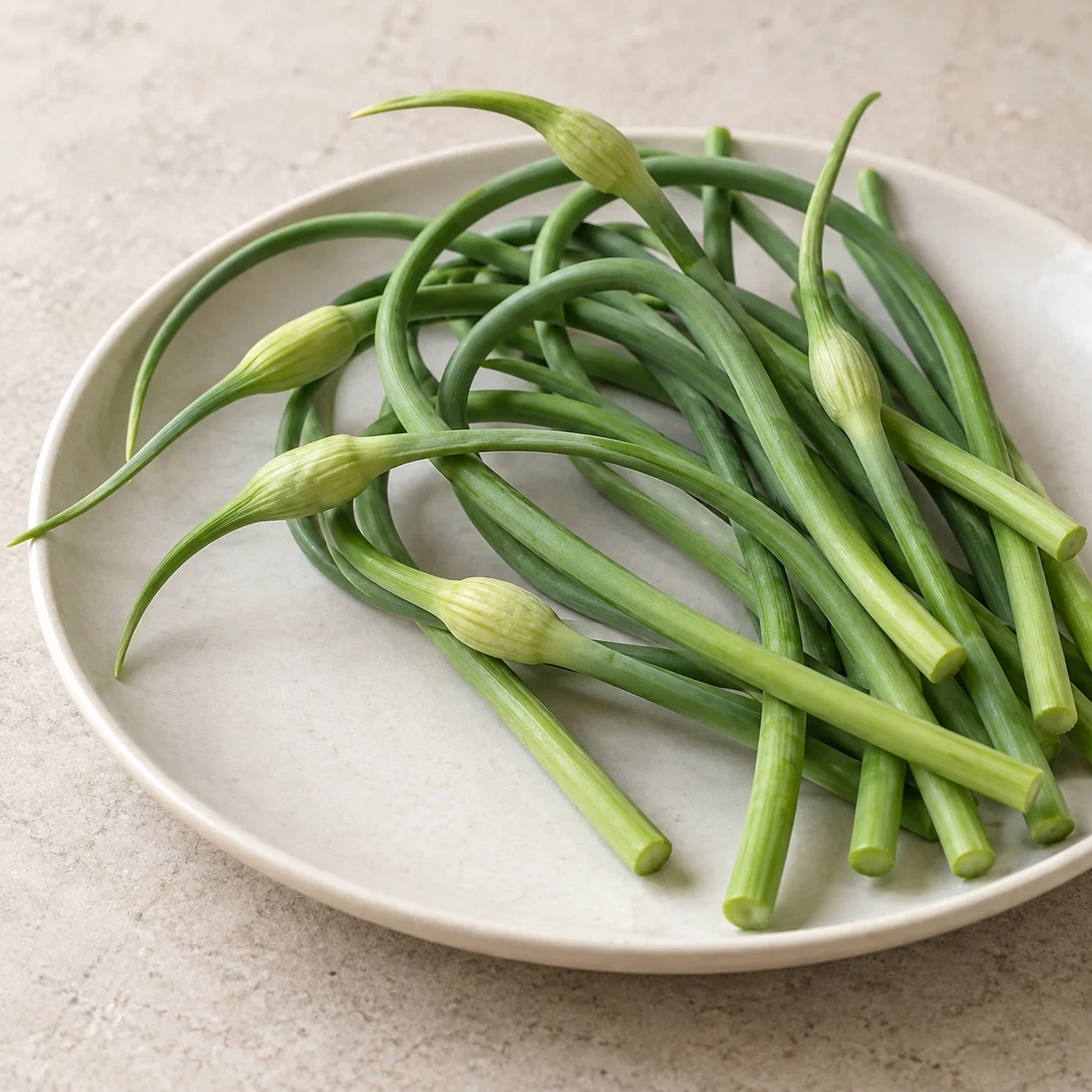
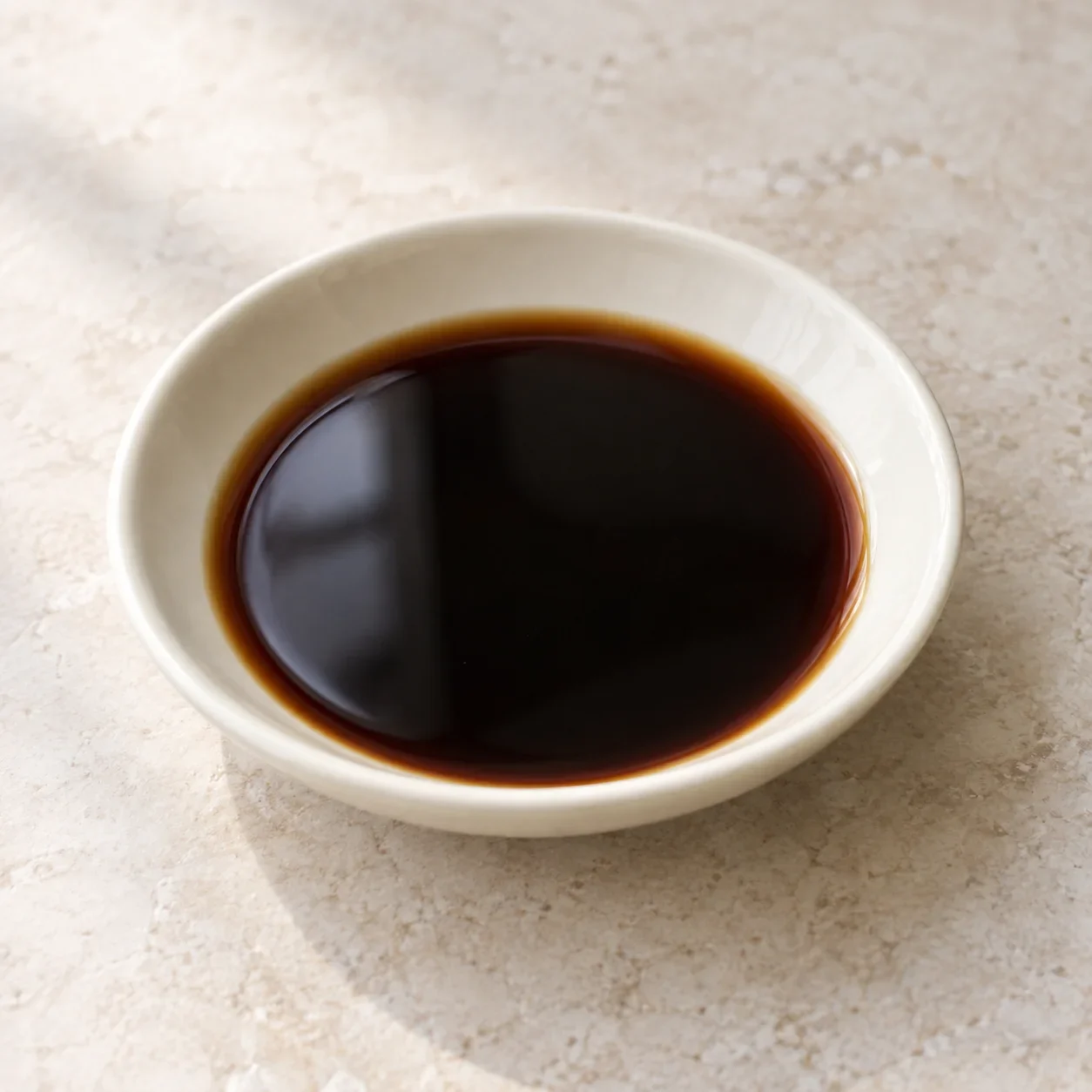
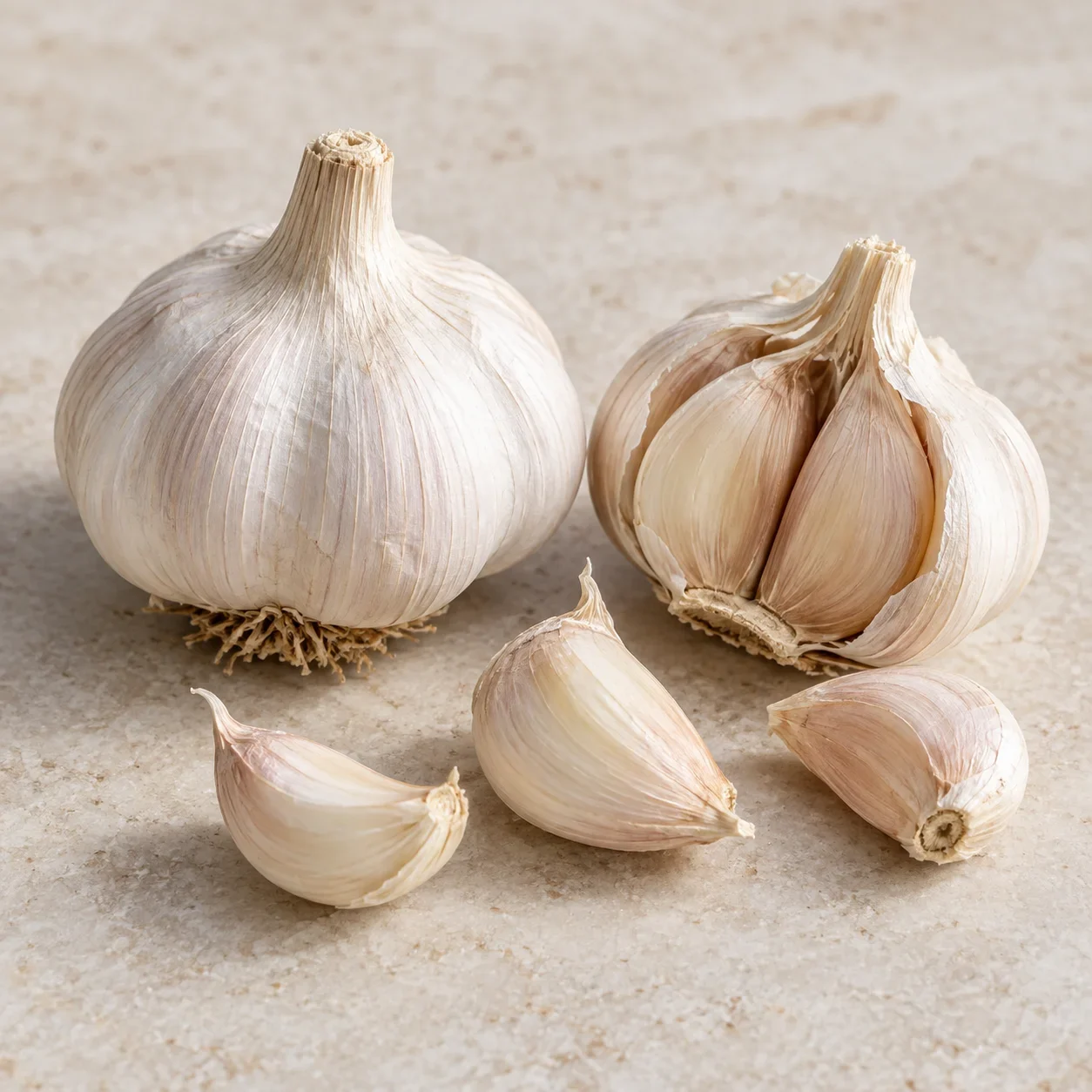
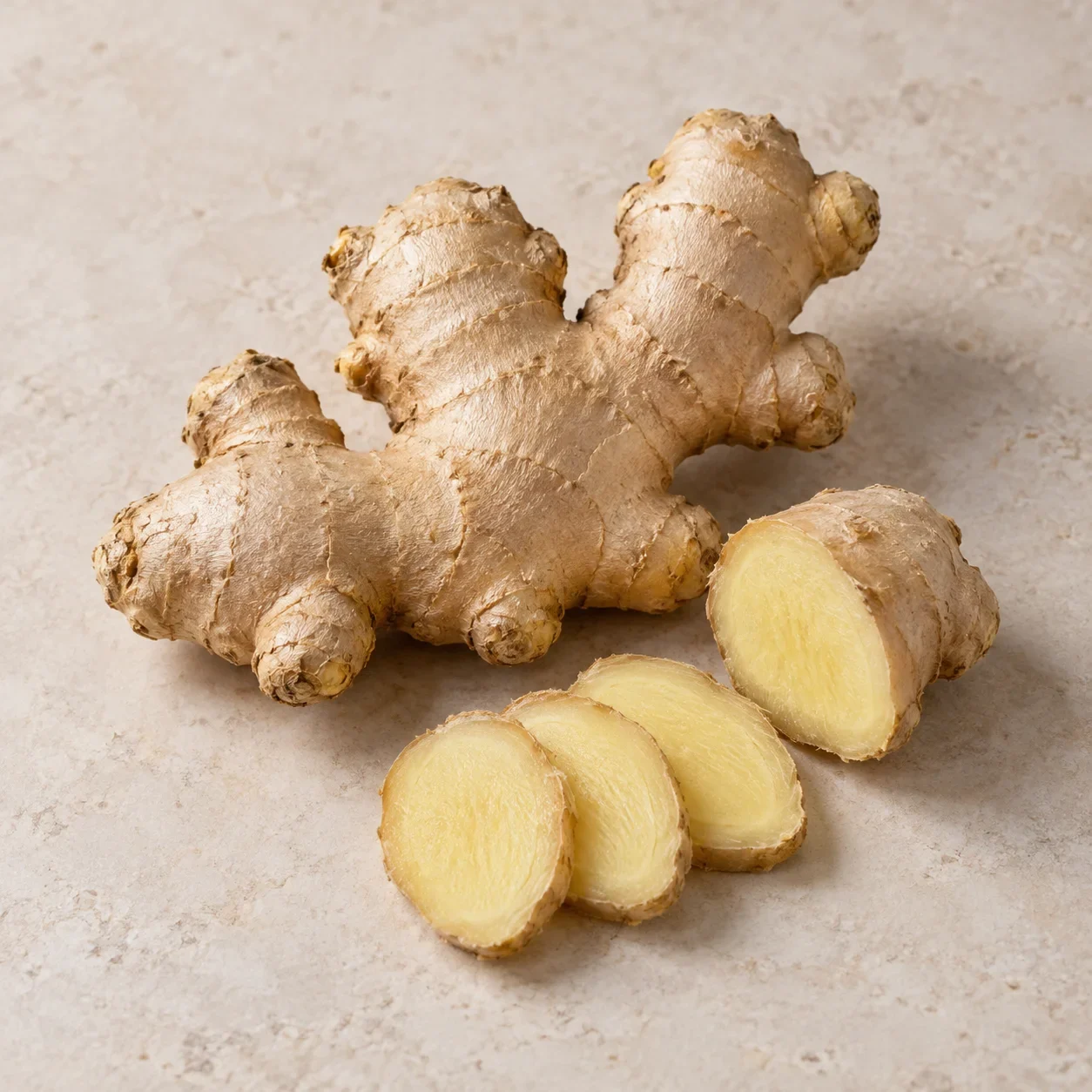
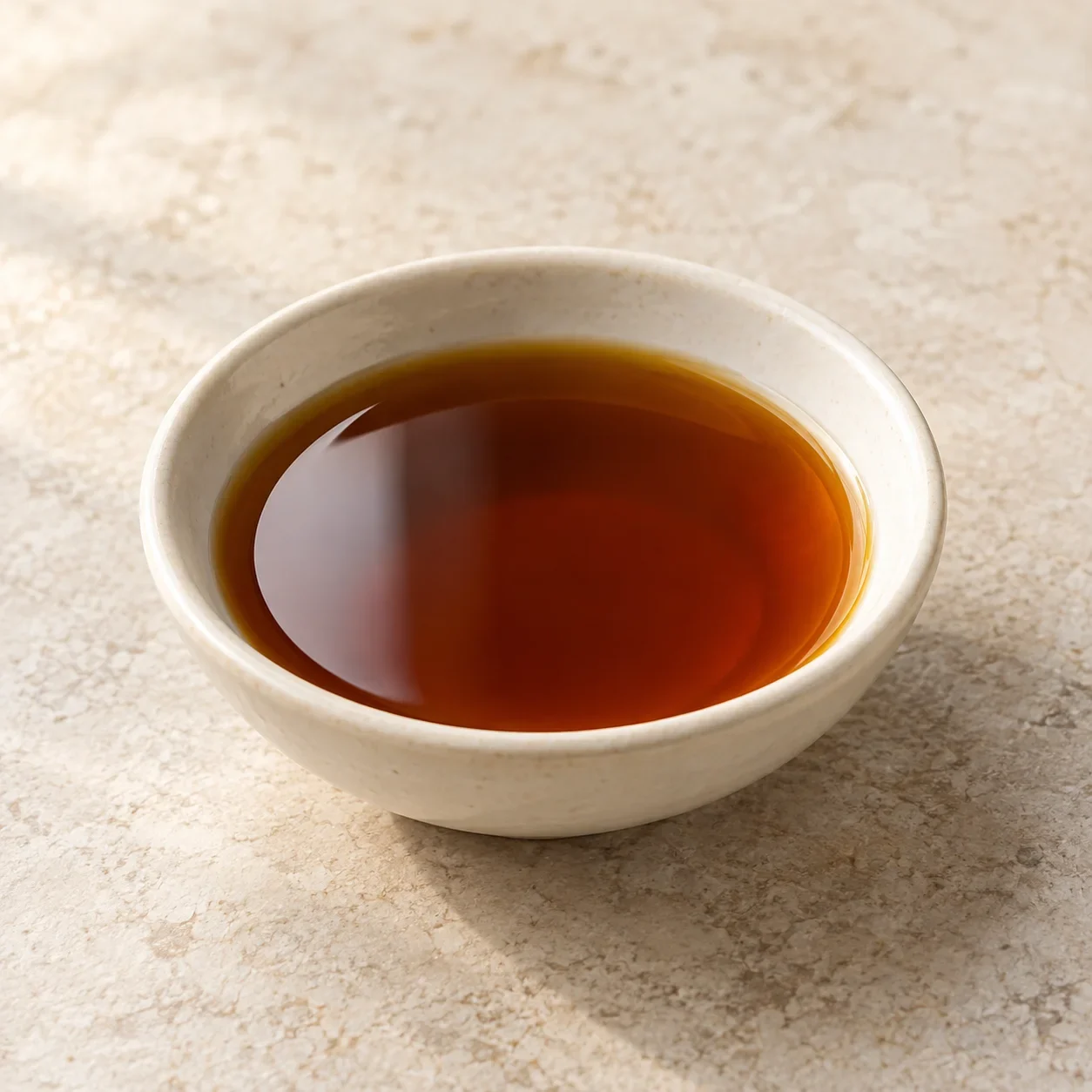
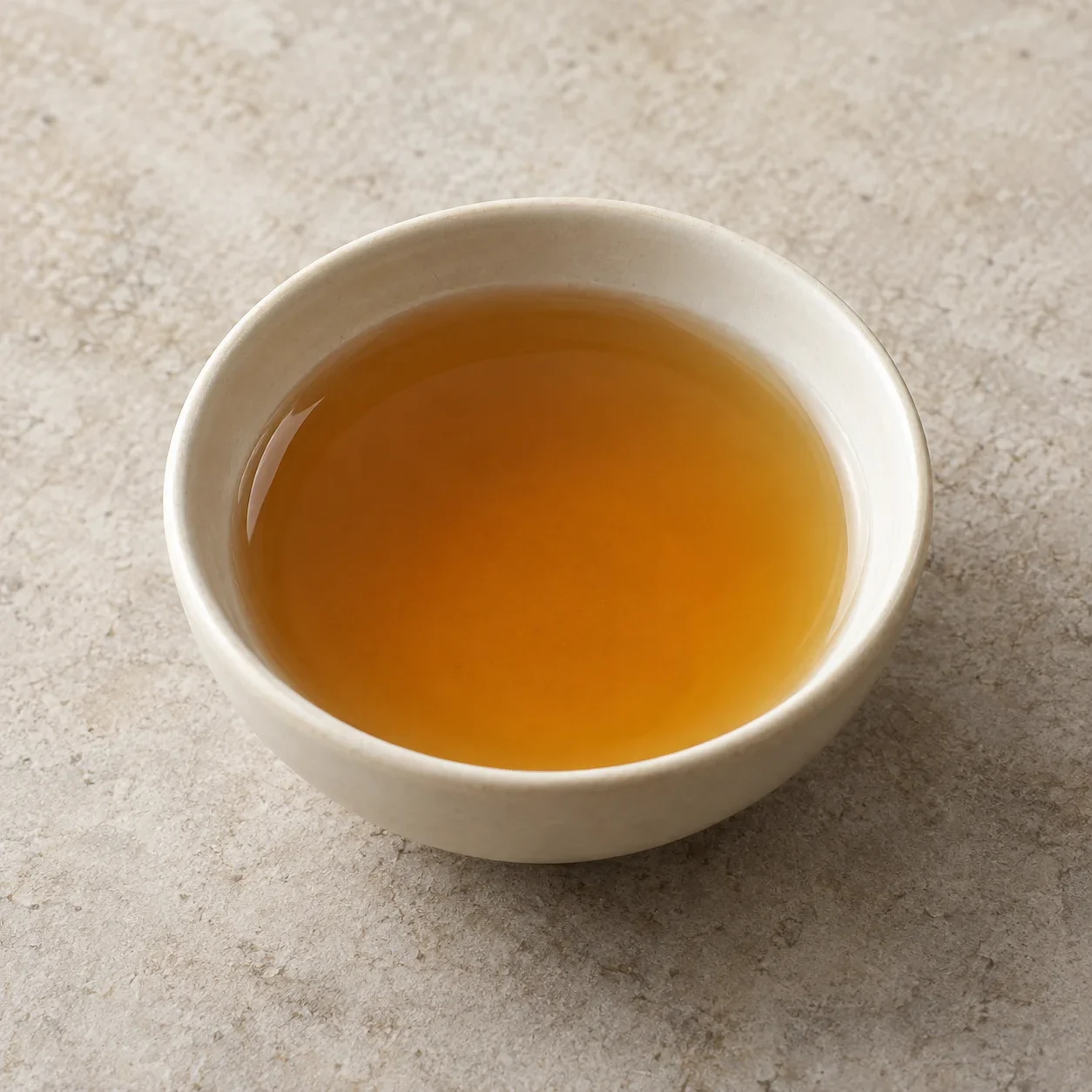
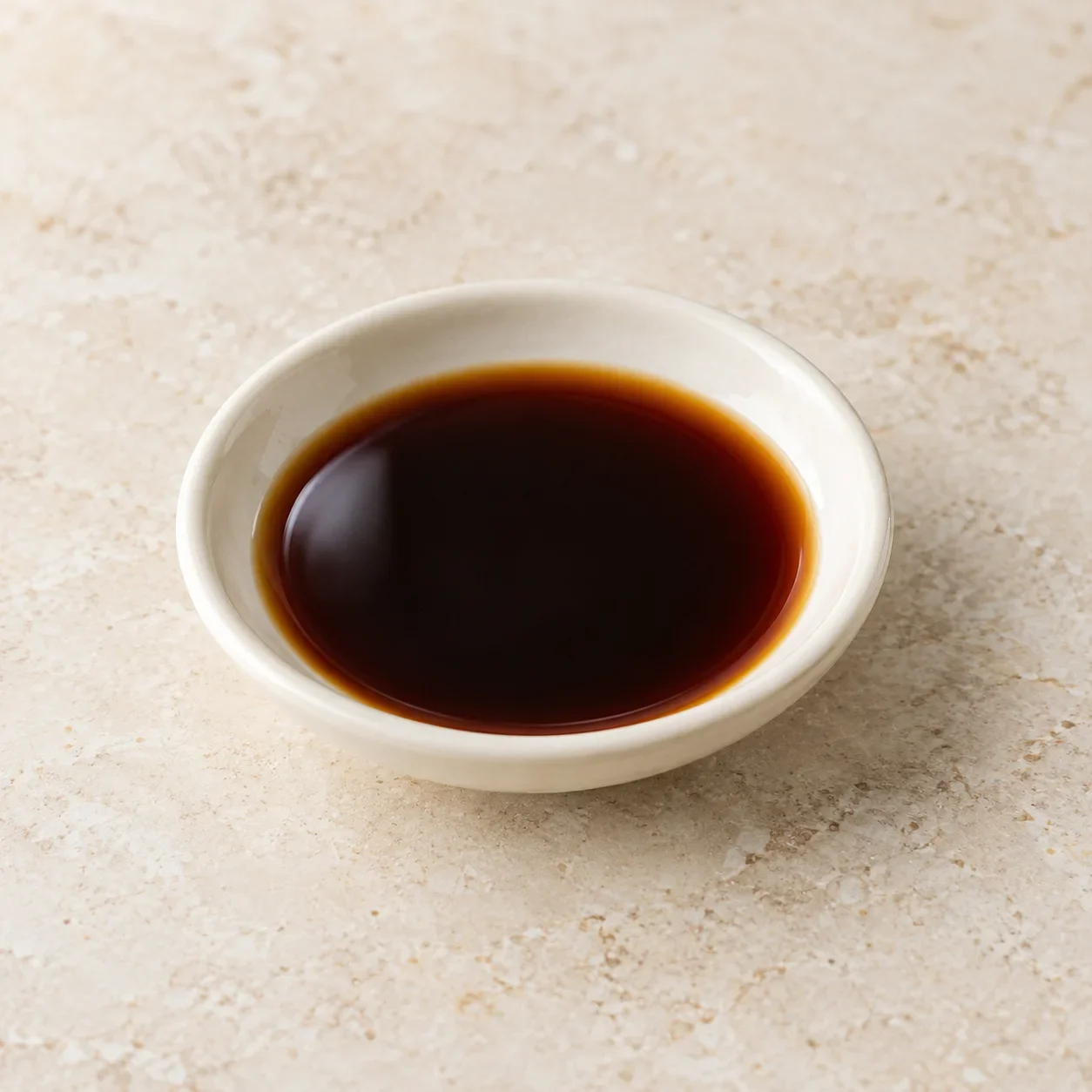

Recipes vary by restaurant.
How does it taste?
Savory
- Chili heat
- Texture
- Soft, tender pork with lightly thickened sauce.
- How it’s made
- Coat sliced pork, pass through oil and stir-fry.
Datong versions use scallion and wood ear; garlic scapes and vinegar can also be added.
A CONNECTION TO PLACE
Origin & regional roots
Associated with Shanxi.
Ask if they have it first
请问你们有过油肉吗?
Do you have this item?
A LITTLE SOMETHING TO READ
Story & history
Pork passes through oil, then returns to the wok
Guoyourou takes its name from passing coated pork slices through oil before returning them to the wok. In Datong it belongs to the traditional banquet dishes known as the Eight Big Dishes. Wood-ear fungus and scallion accompany the soft, tender pork in a small amount of lightly thickened sauce. A home-style variation uses garlic scapes and vinegar, giving a sharper finish. The name describes a technique; the accompaniments can change from one preparation to another.