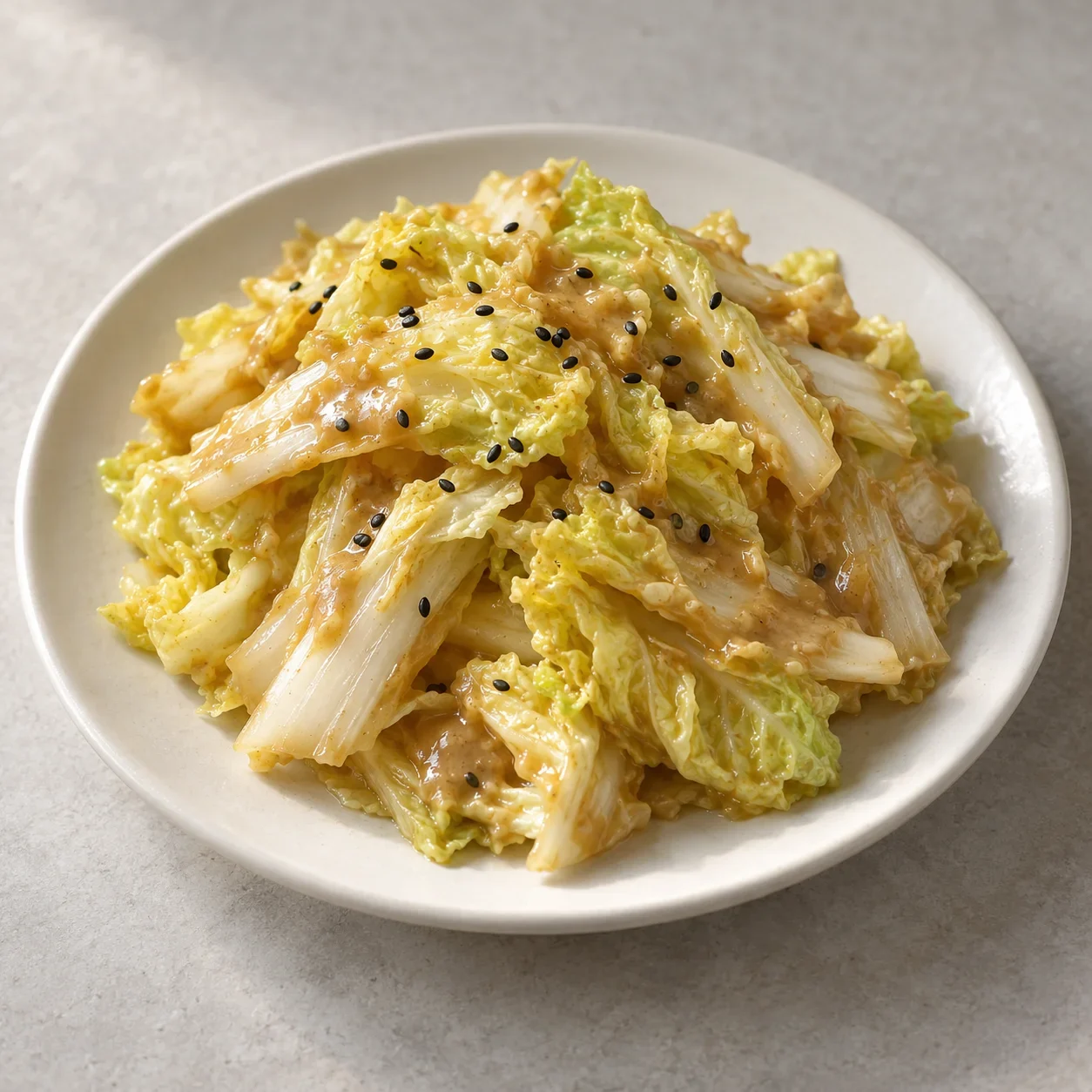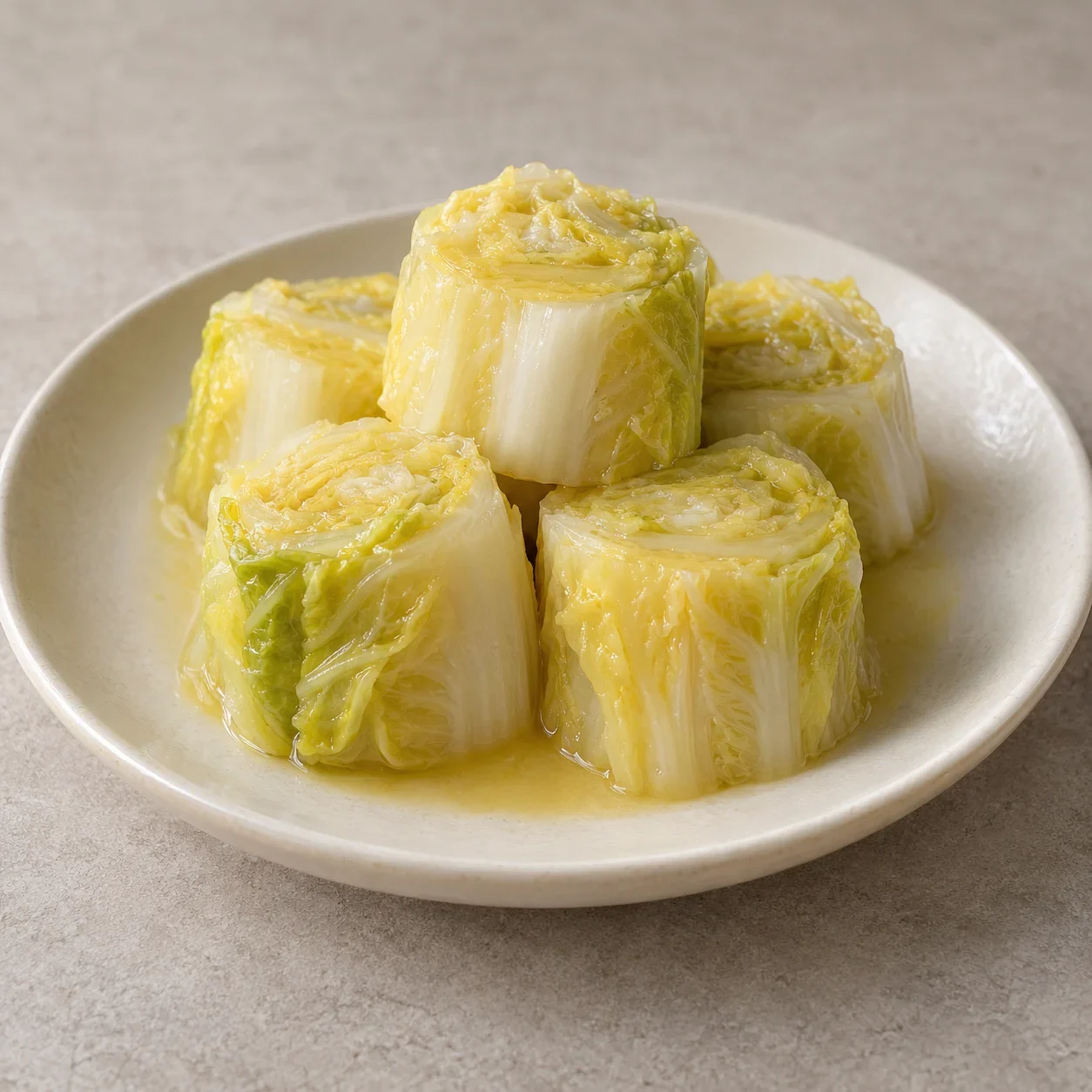
At the table
Take small pieces with chopsticks as a cold side dish.
Mustard can feel sharply pungent even without chili. Start with a small taste.
Mustard strength and vinegar type vary; the usual cabbage-and-mustard preparation has no chili.
Crisp cabbage and a sharp mustard-vinegar flavor make this a strongly seasoned side; offer only a small taste if the child already enjoys pungent foods.
Recipes vary. Ask the restaurant about ingredients and serving before you order.
GET TO KNOW THE DISH
What goes into it?
Explore some key ingredients below. Preparations may use additional seasonings and ingredients.
Some versions mix mustard powder into a sauce. The type of vinegar and the resting method vary.
Typical ingredients
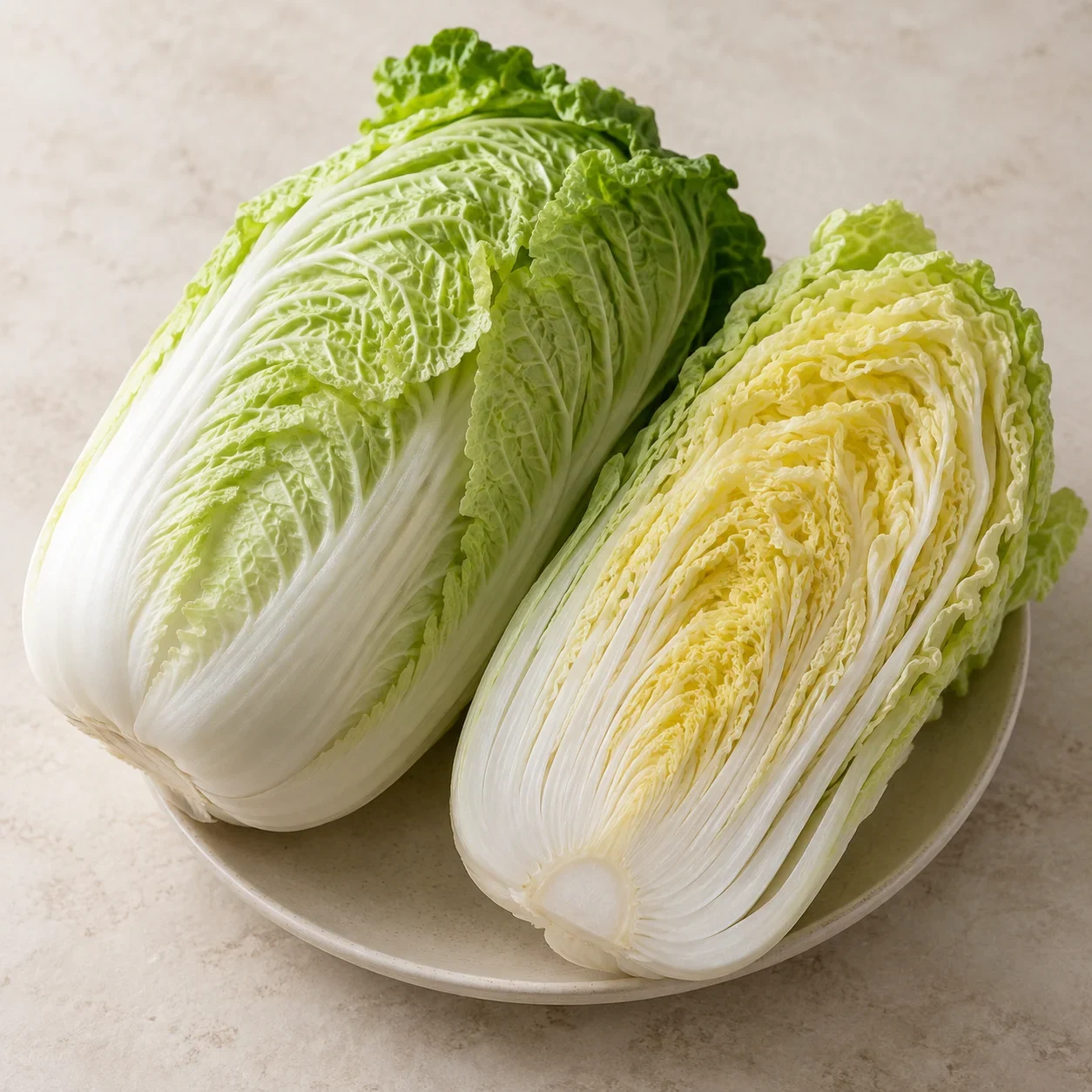

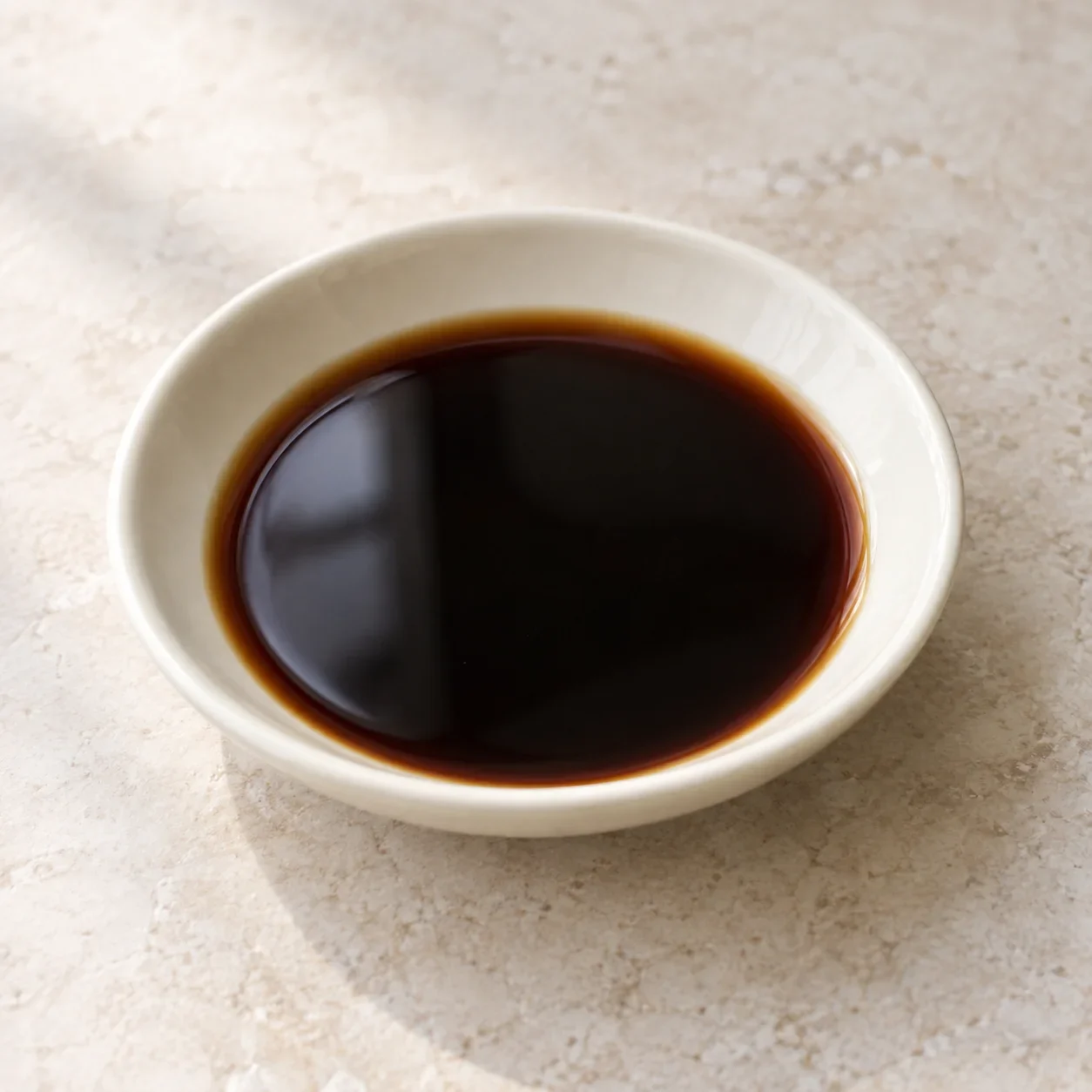
In some versions
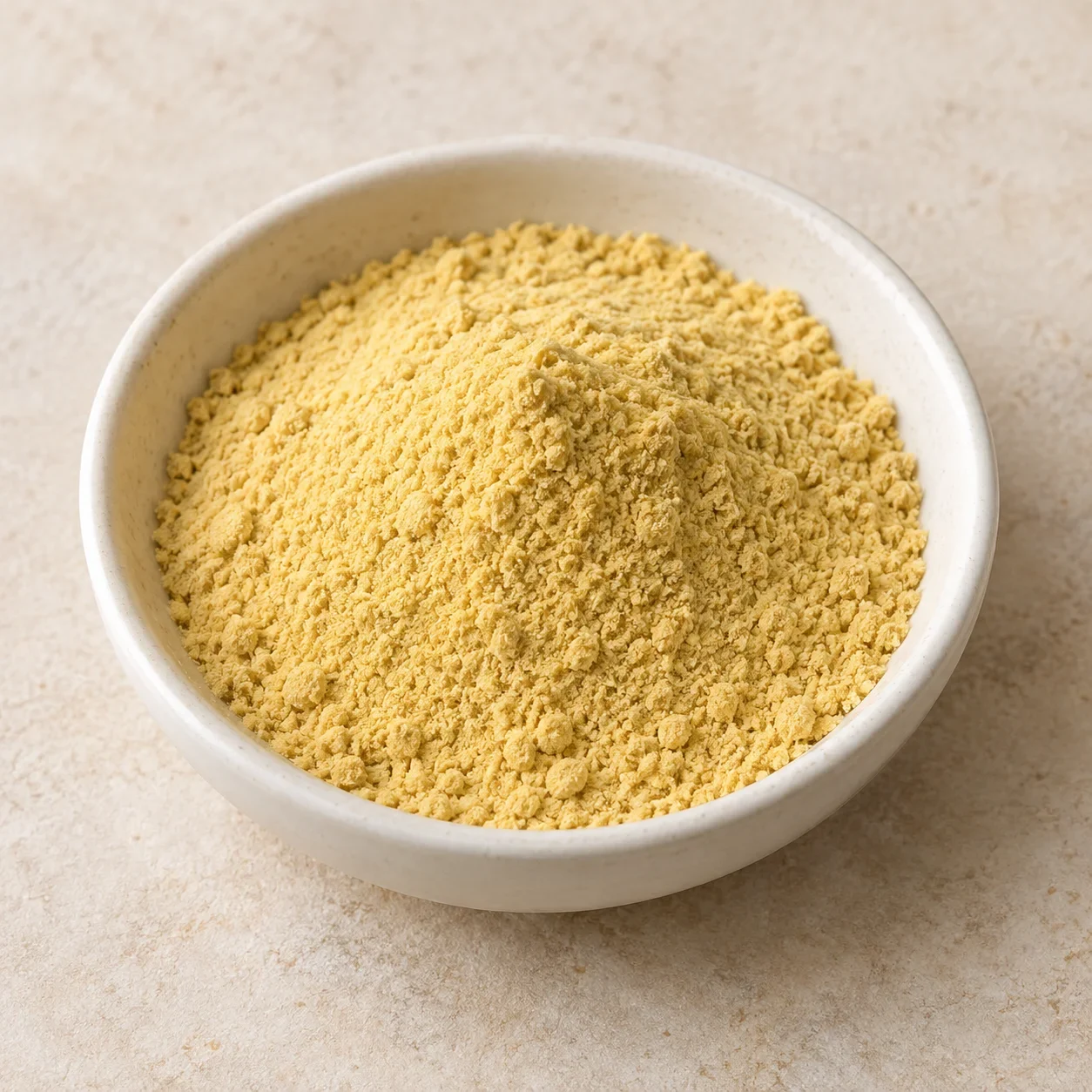
Recipes vary by restaurant.
How does it taste?
Mustard gives it a pungent taste, balanced by sweetness and rice-vinegar tang; recipes vary.
- Chili heat
- Texture
- The cabbage stays crisp in this preparation.
- How it’s made
- Blanch Chinese cabbage, dress it with mustard, vinegar and sugar, and let the flavors develop before serving.
Some versions mix mustard powder into a sauce. The type of vinegar and the resting method vary.
A CONNECTION TO PLACE
Origin & regional roots
Associated with Beijing.
About this regional connection
Beijing: The Shijingshan district-government report calls it an Old Beijing snack and a familiar local household dish; not an exclusive-origin claim.
Ask if they have it first
请问你们有芥末墩吗?
Do you have this item?
A LITTLE SOMETHING TO READ
Story & history
A sharp cabbage side on a Beijing New Year’s table
Jiemo dun, a mustard-dressed Chinese cabbage side, often appeared with fish and meat on old Beijing’s New Year’s Eve table. Some Beijing households made it in winter around the New Year, when its sharp mustard could refresh the palate after a rich holiday spread.