At the table
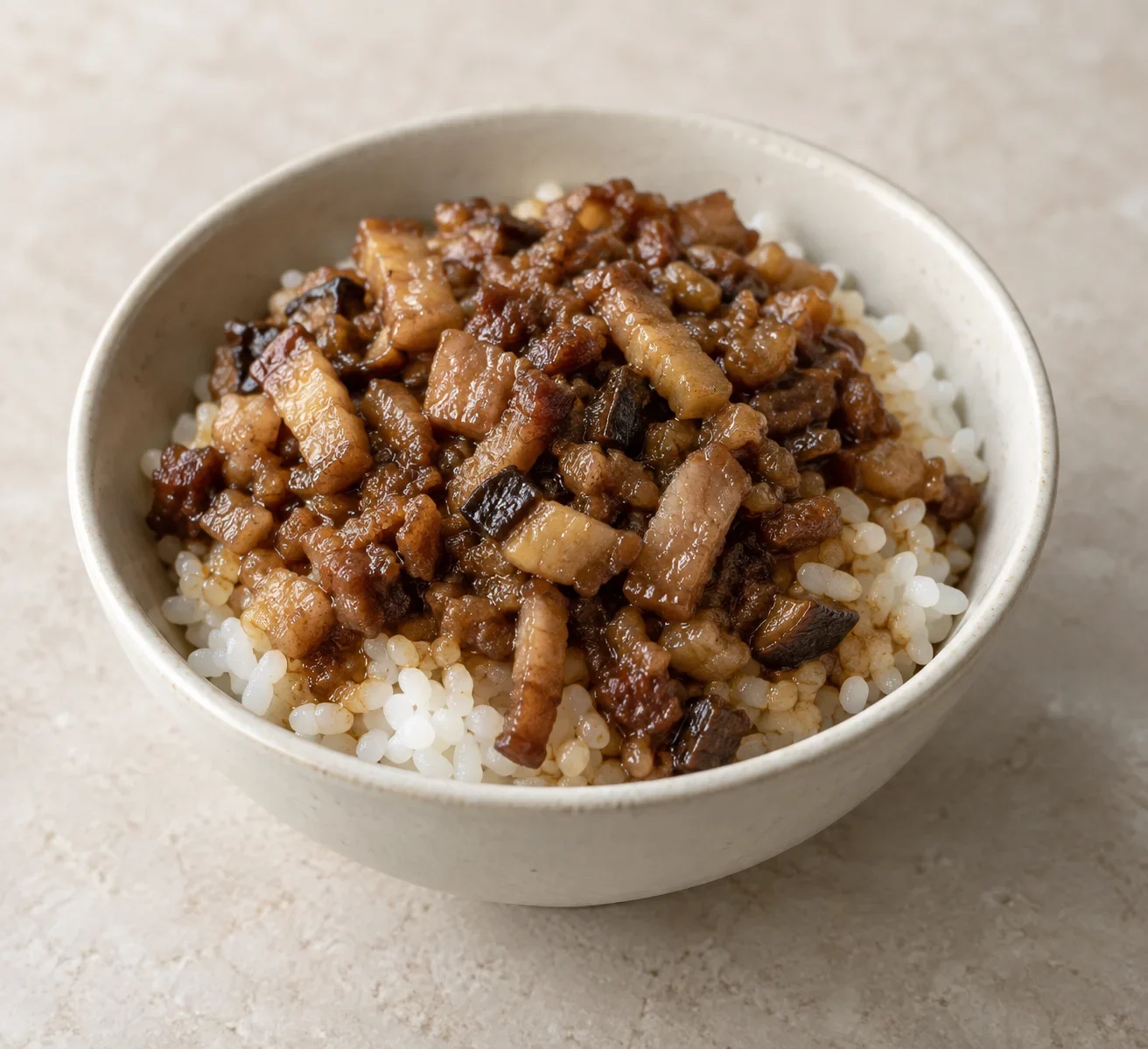
Spoon the braised pork and sauce into the rice, then eat them together. Regional names can refer to minced pork or a pork-belly slice; check the topping when ordering.
Contains pork. Soy sauce may contain wheat, and braising seasonings can include cooking wine; boiled egg is an optional addition. Check the recipe if you avoid these ingredients.
GET TO KNOW THE DISH
What goes into it?
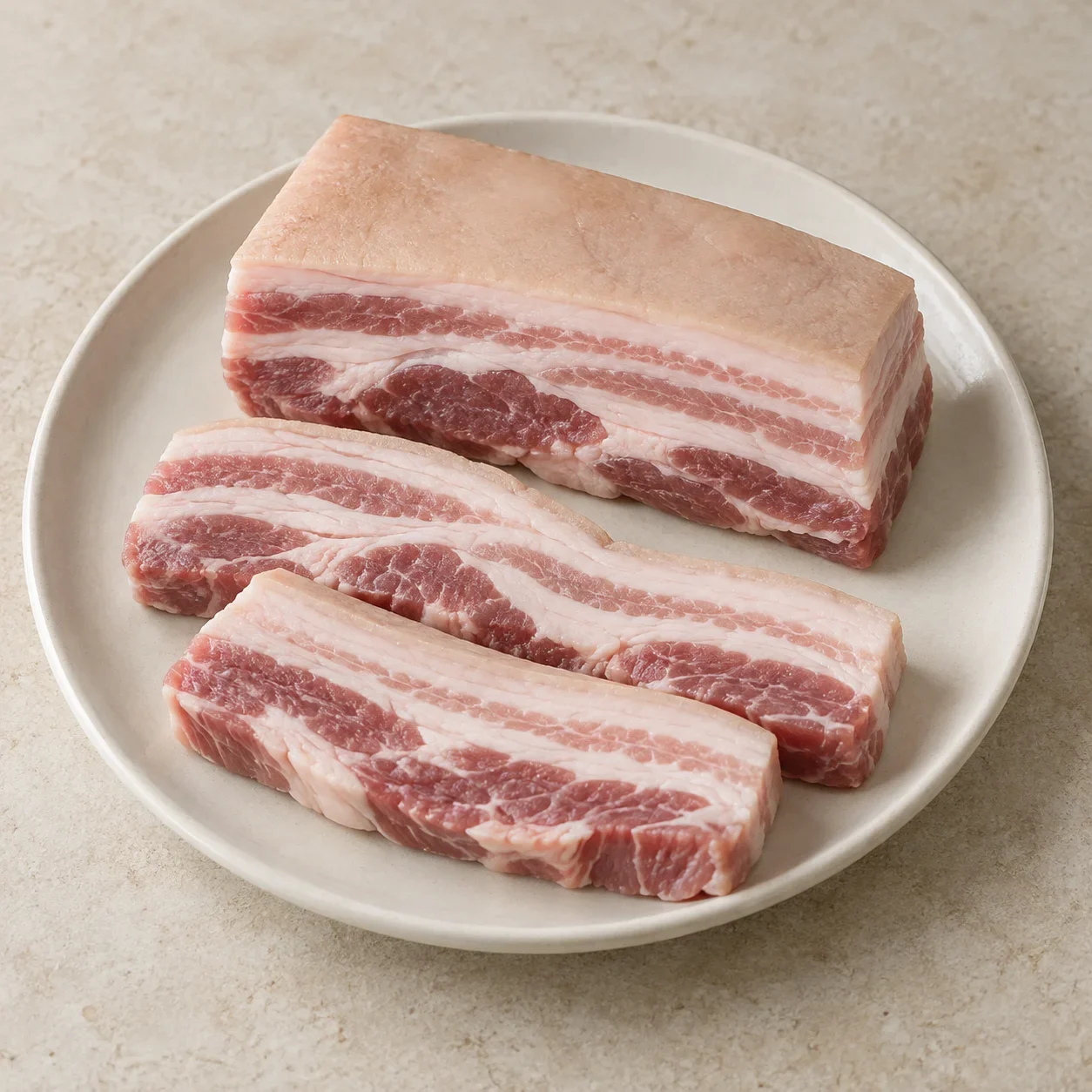
Explore some key ingredients below. Preparations may use additional seasonings and ingredients.
Fresh or dried shiitake can be used, with boiled eggs as an optional addition.
Typical ingredients
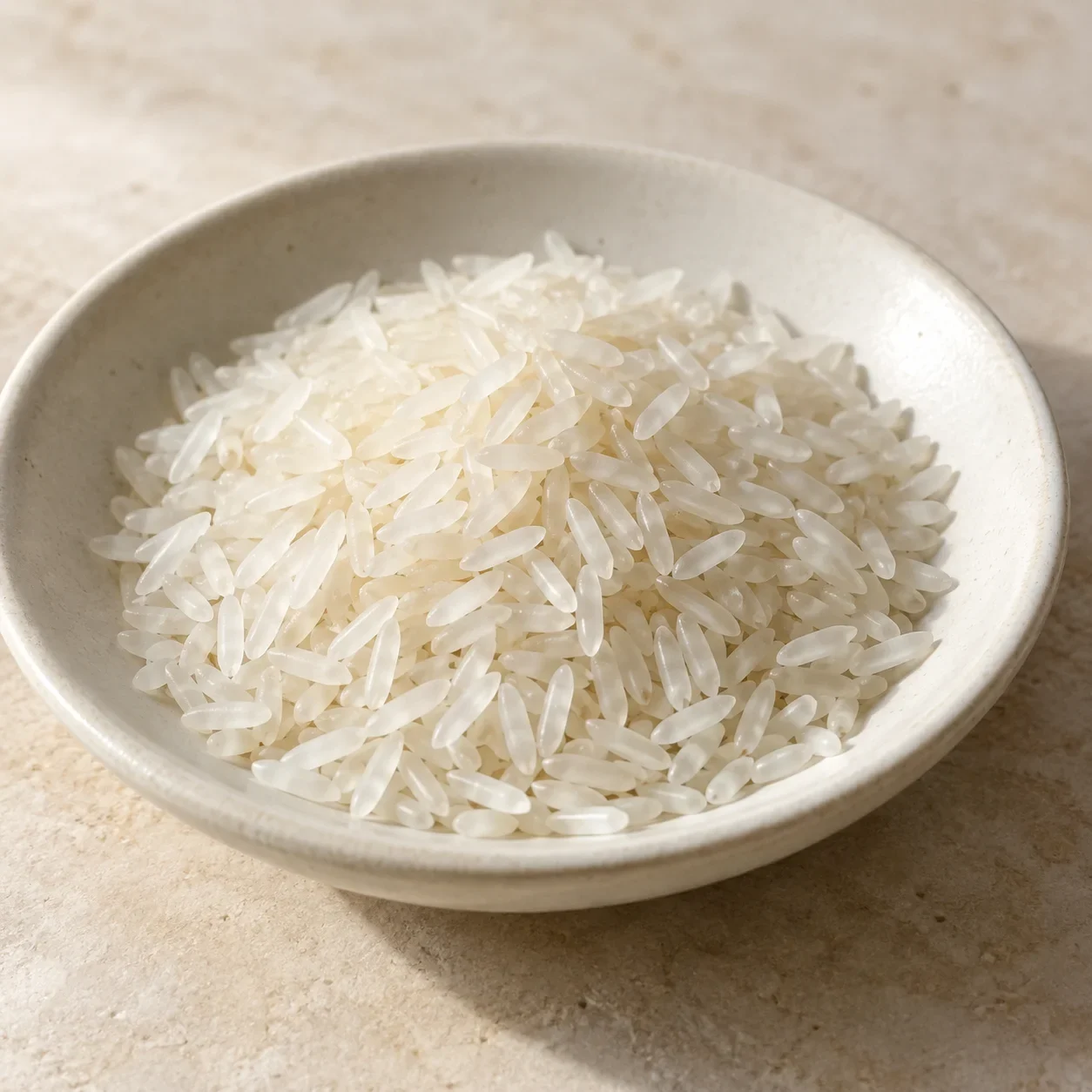
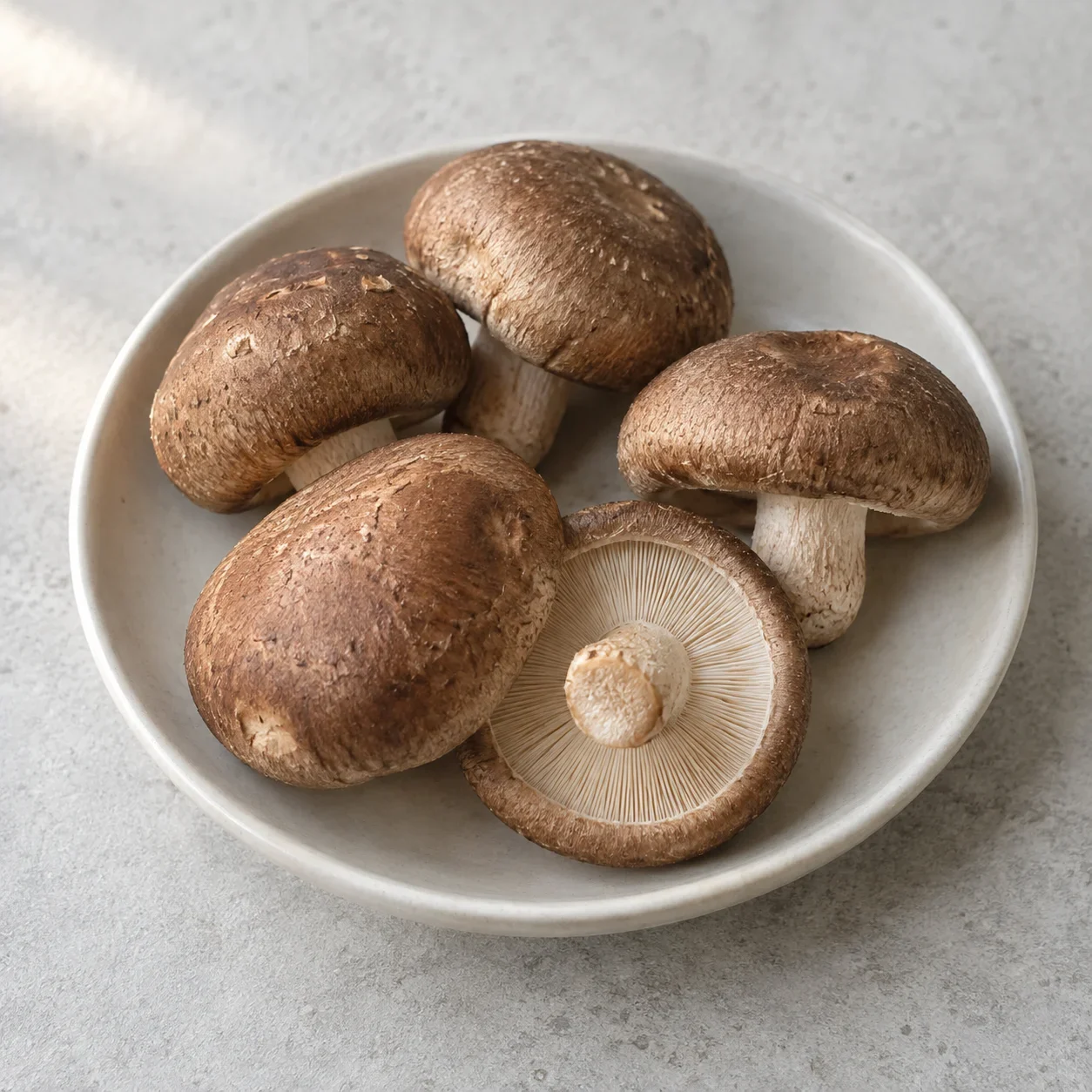


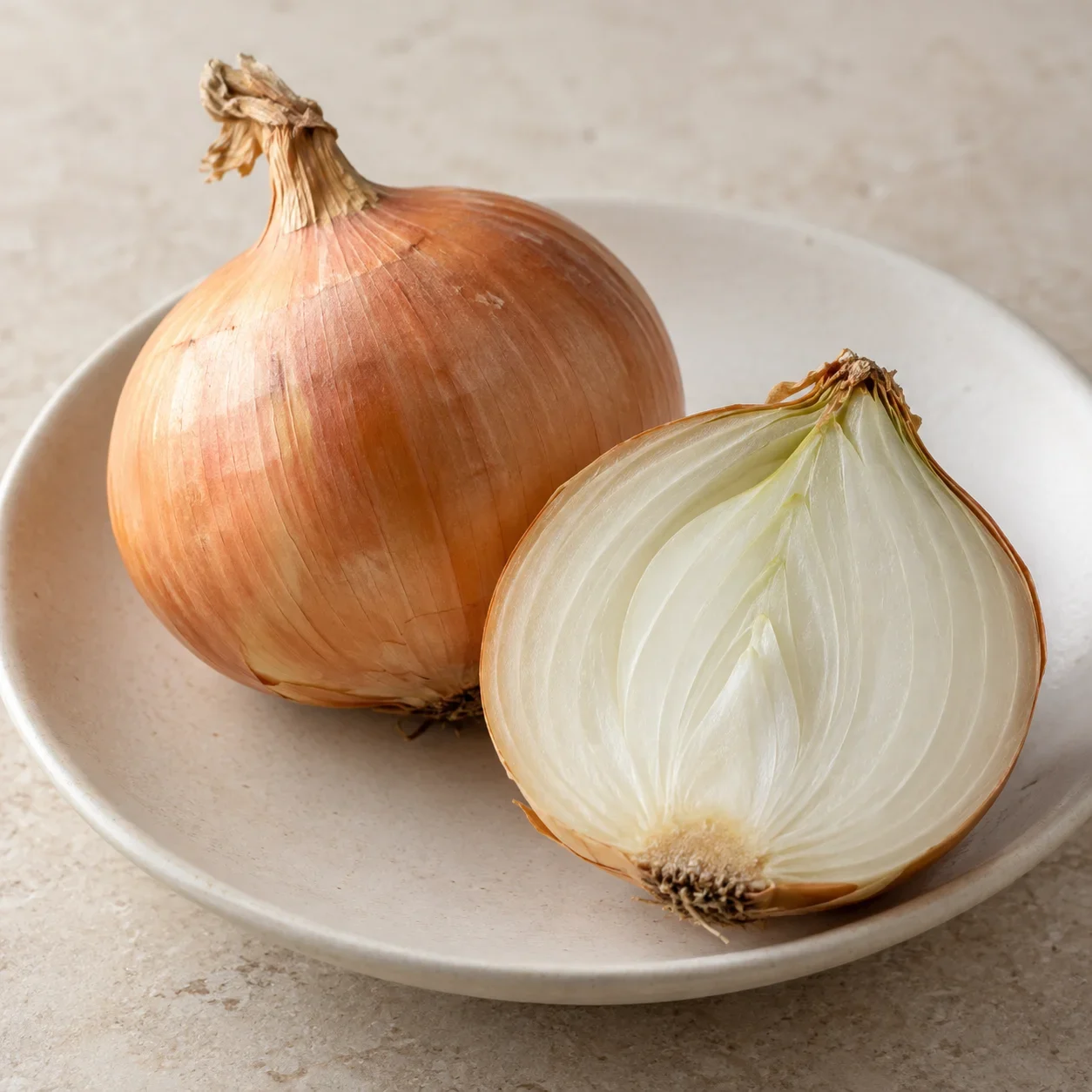
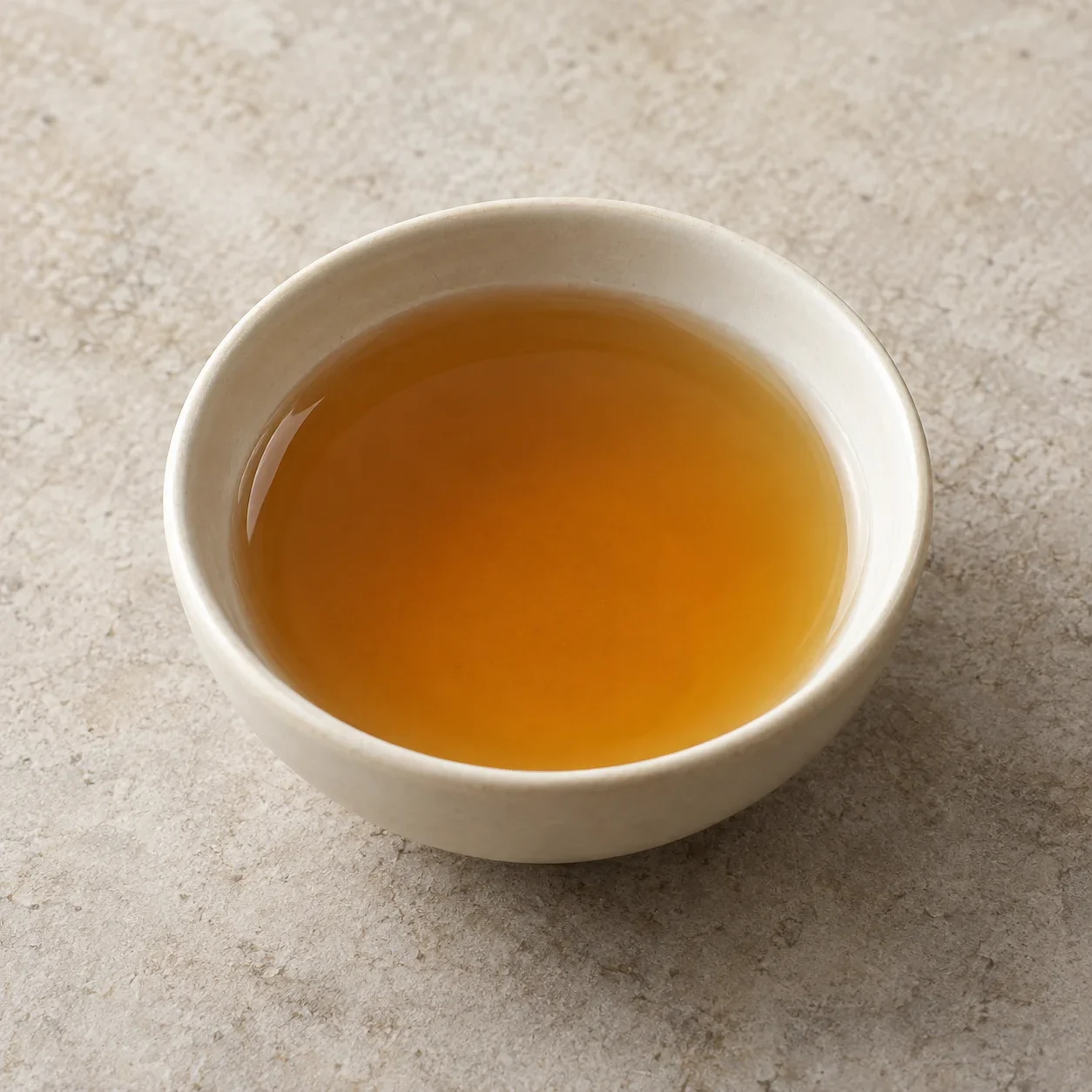
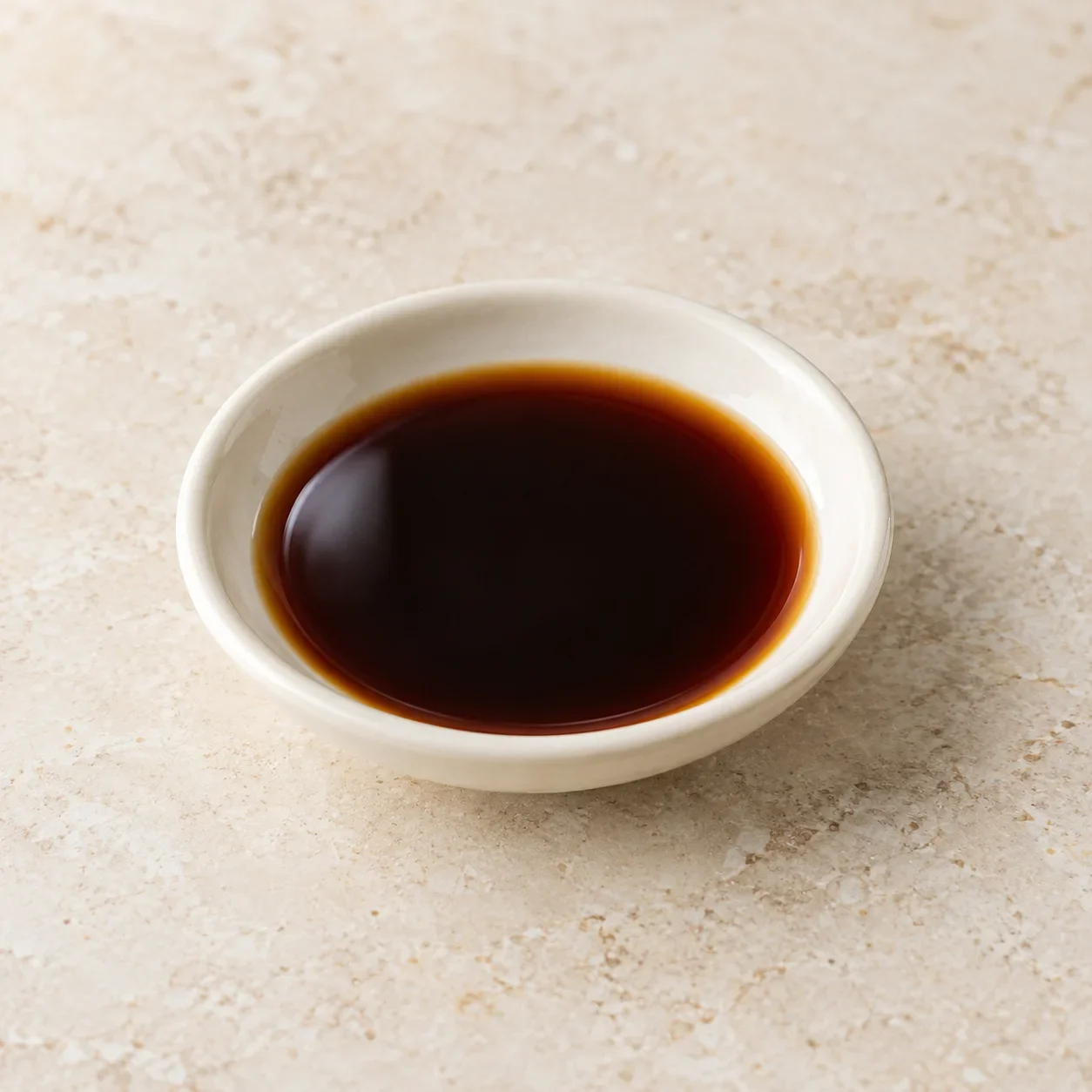
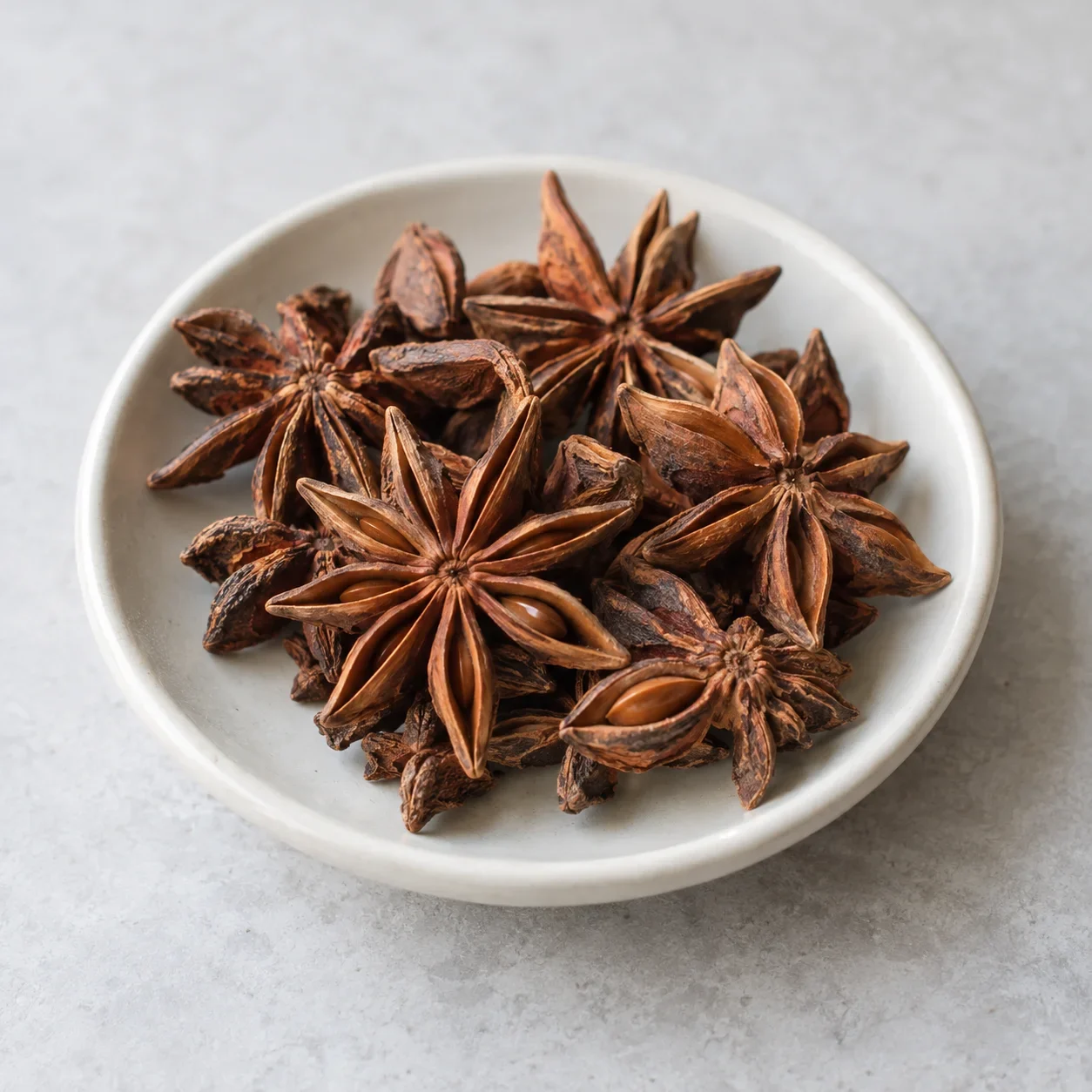
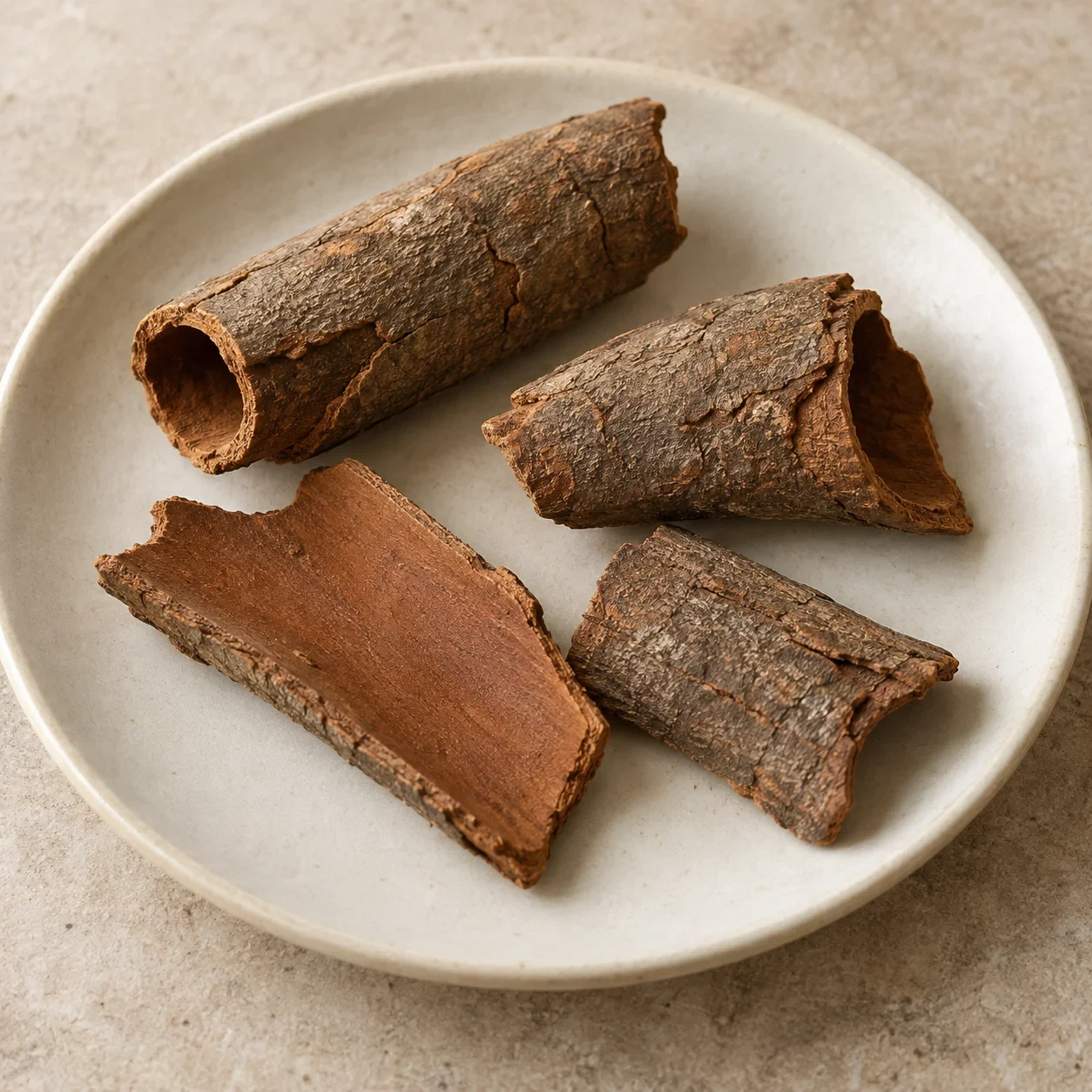
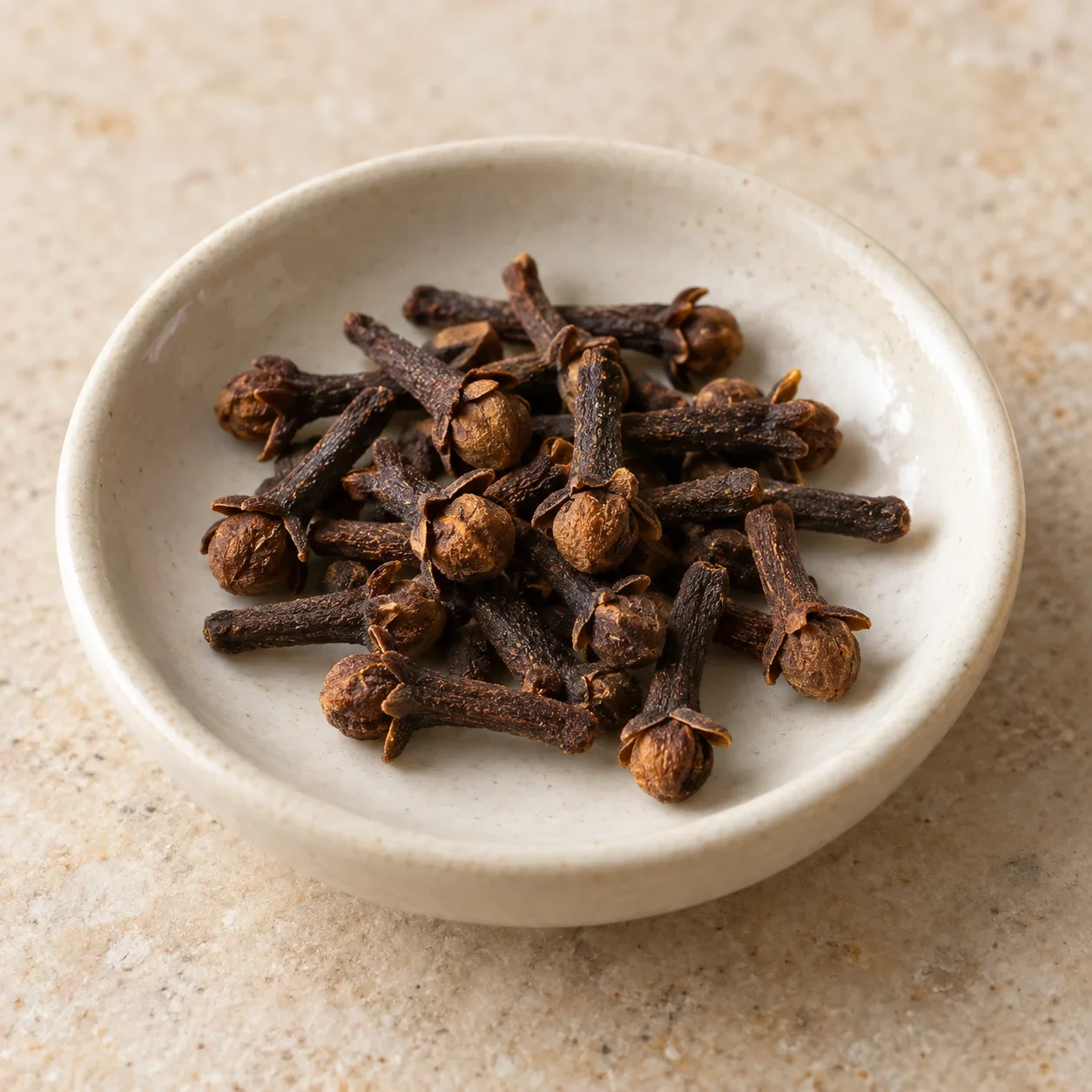
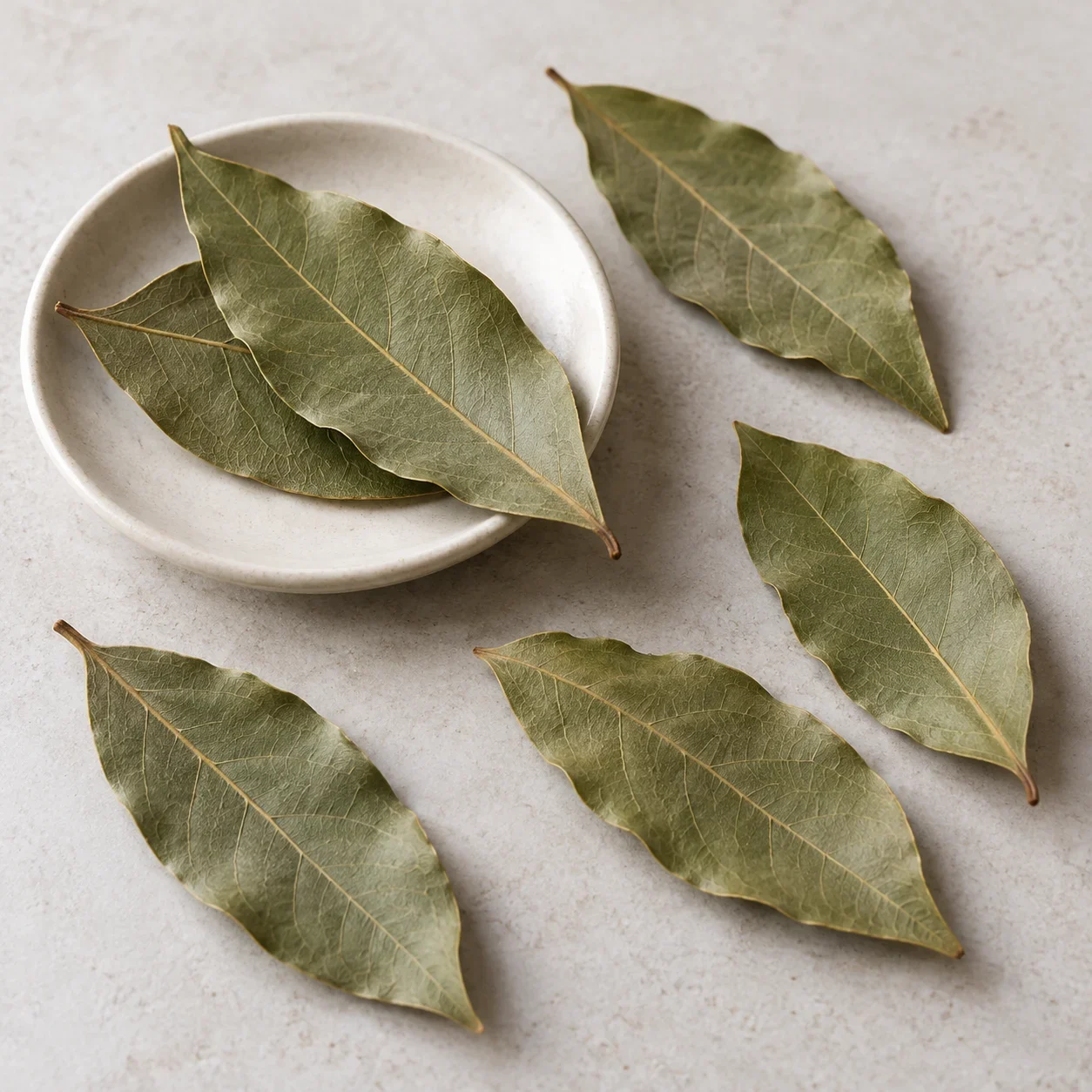
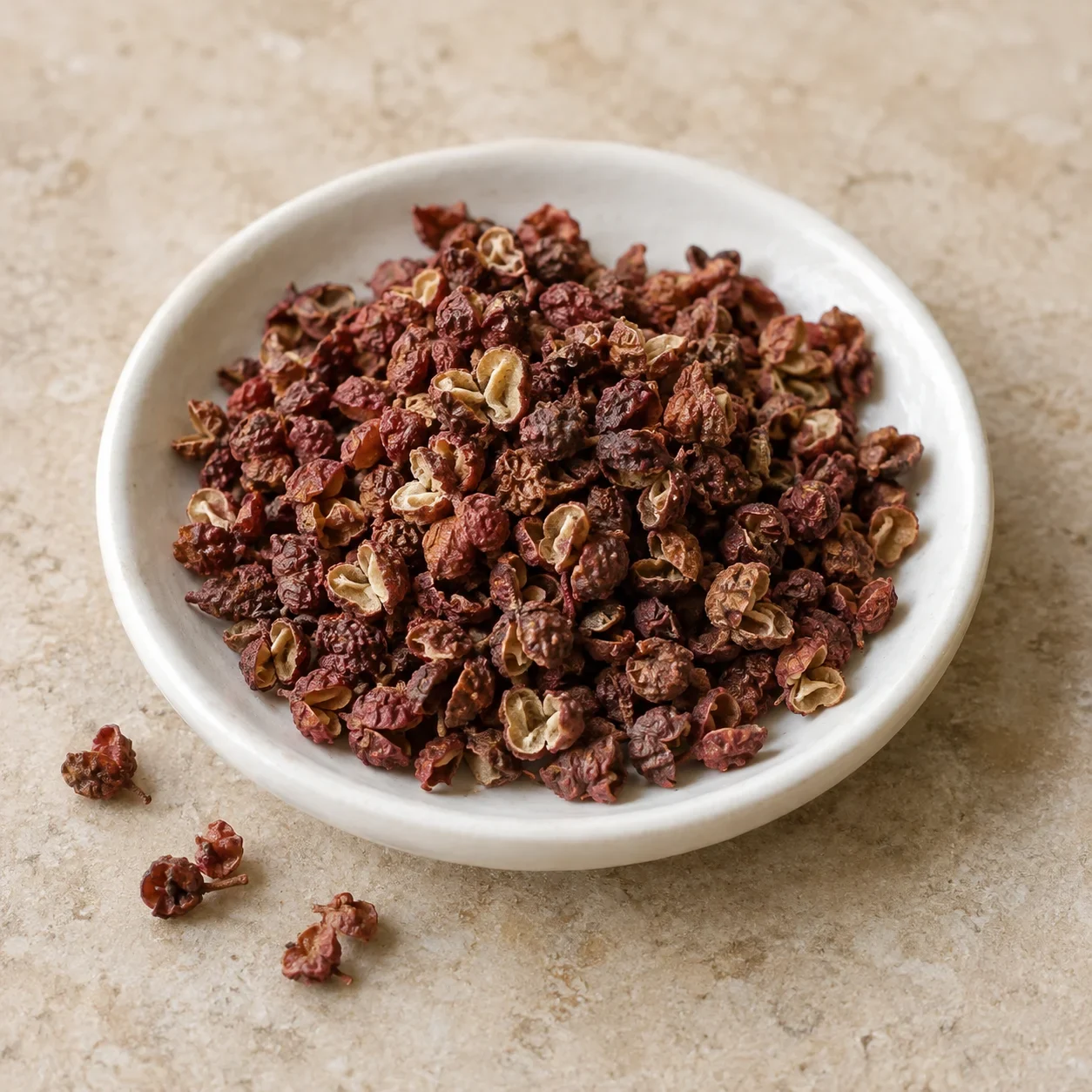
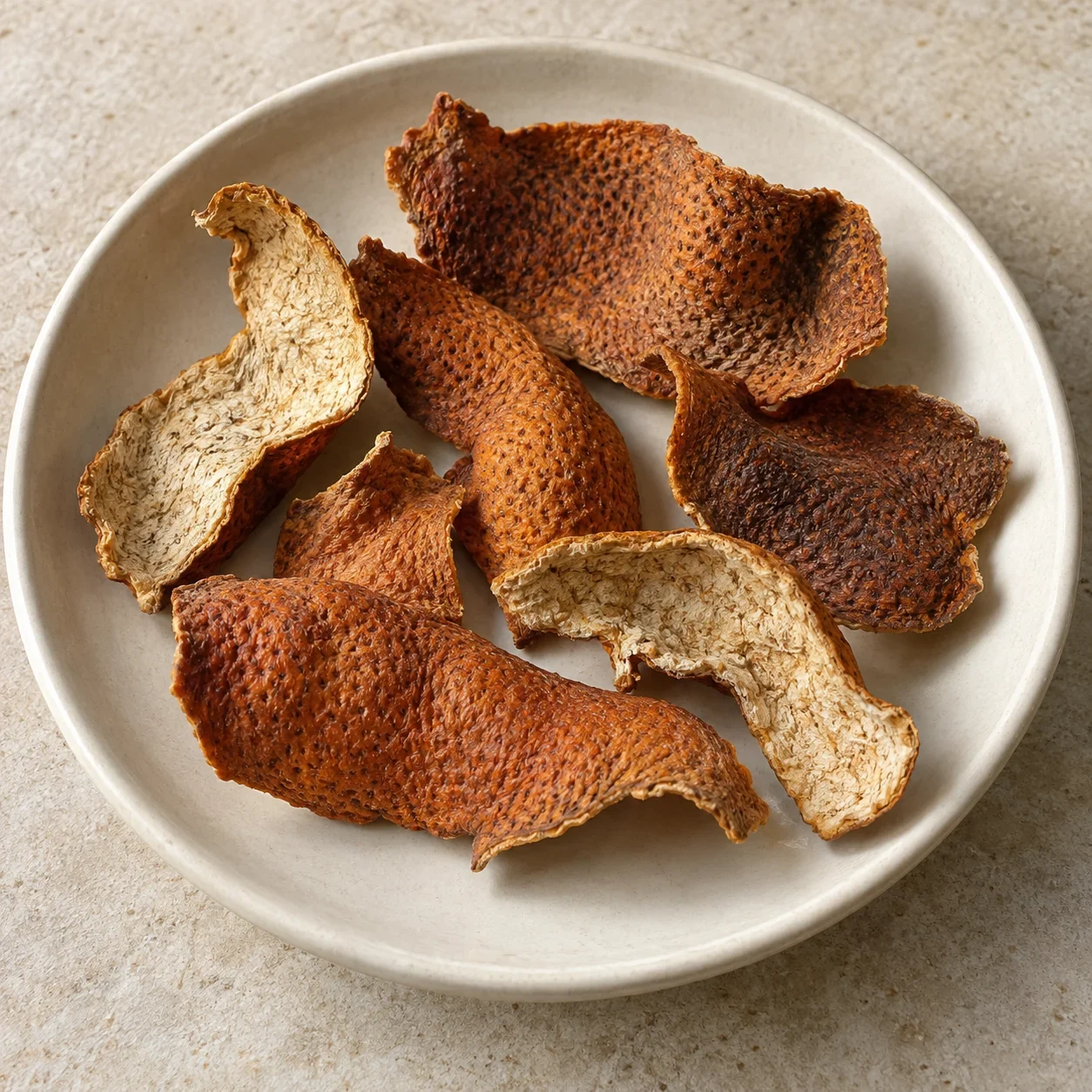
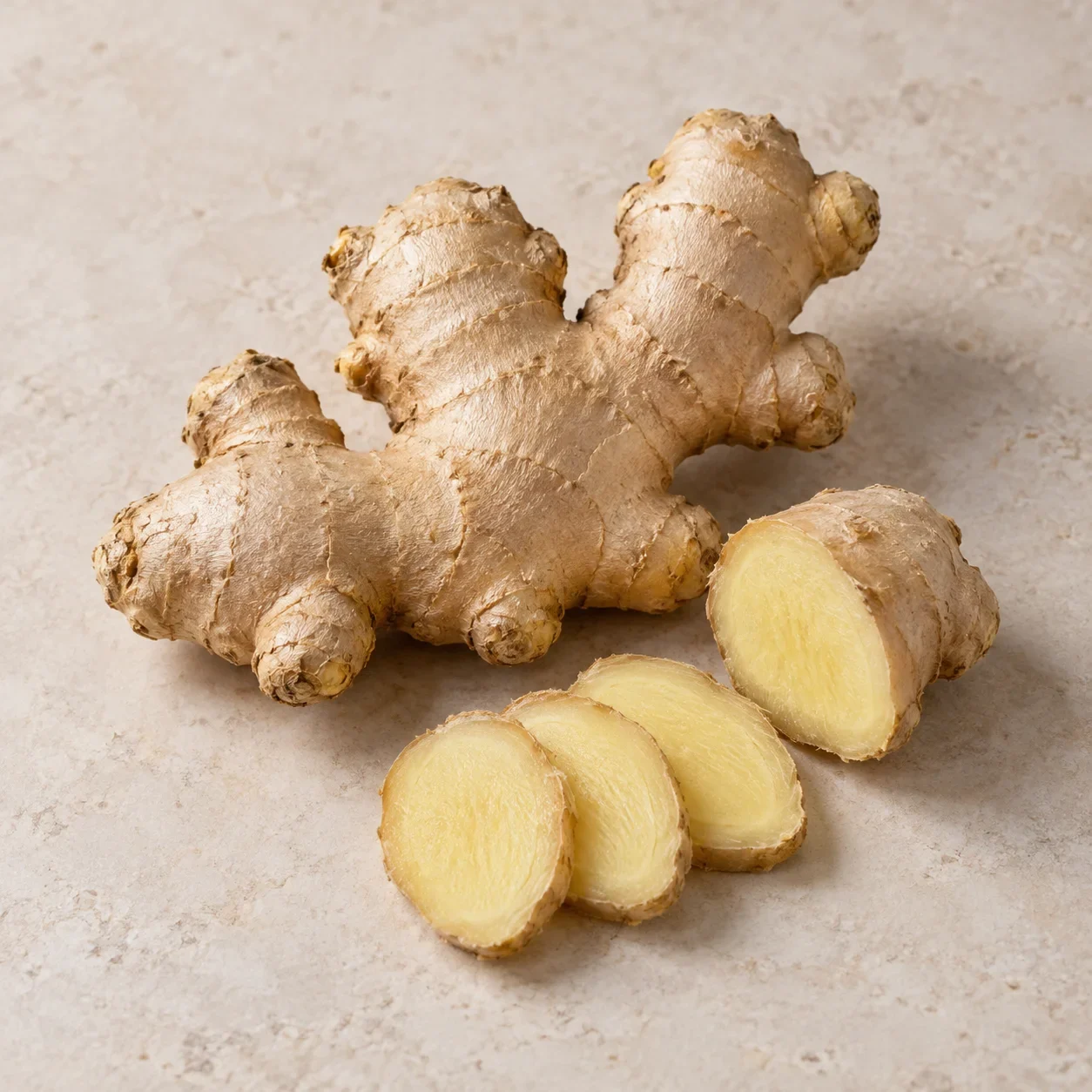
In some versions


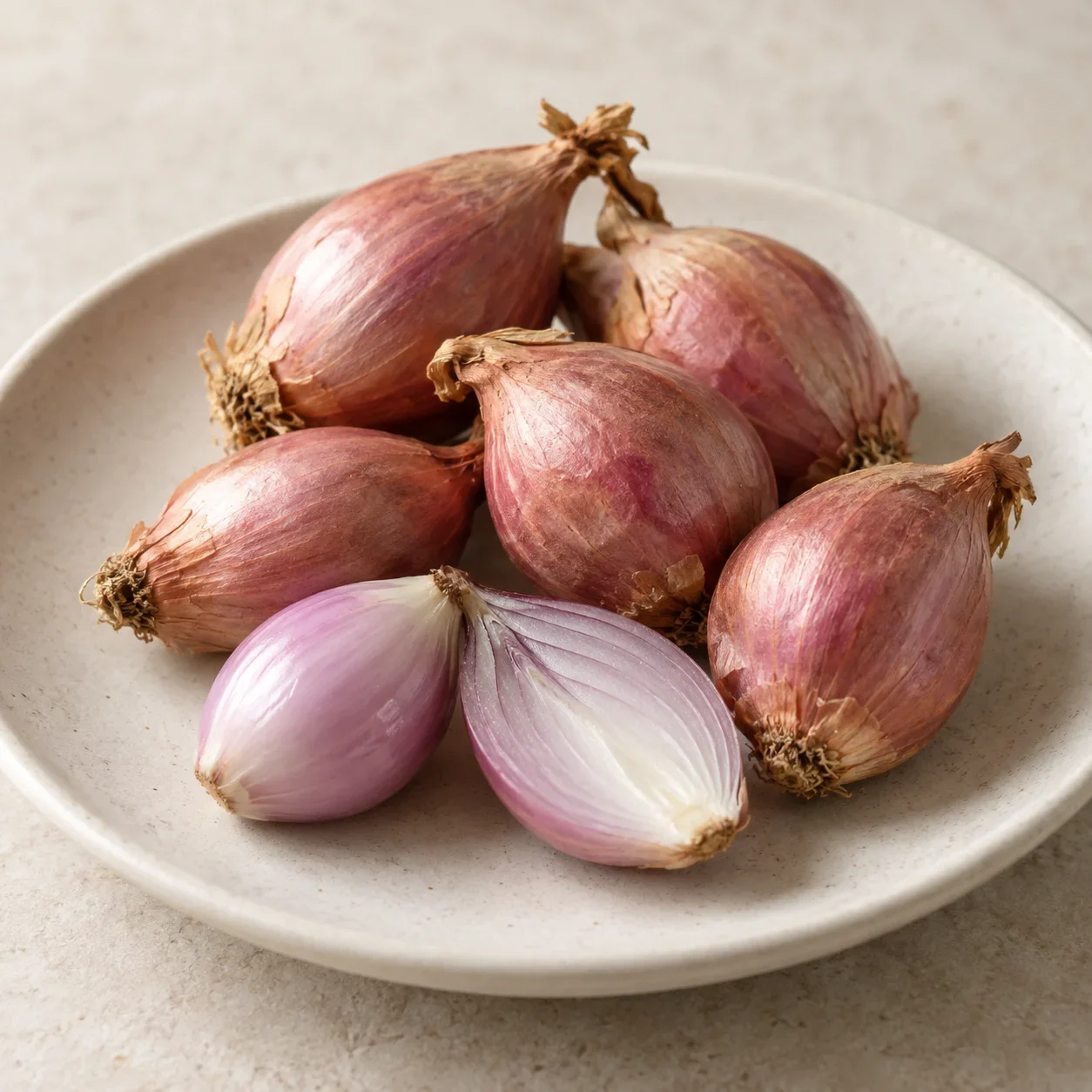
Recipes vary by restaurant.
How does it taste?
Savory, with soy and warm spices.
- Chili heat
- Texture
- Soft pork and sauced rice.
- How it’s made
- Braise chopped pork; reduce its sauce before serving over rice.
Fresh or dried shiitake can be used, with boiled eggs as an optional addition.
A CONNECTION TO PLACE
Origin & regional roots
Associated with Taiwan.
About this regional connection
Taiwan: A Taiwanese specialty.
Ask if they have it first
请问你们有滷肉飯吗?
Do you have this item?
A LITTLE SOMETHING TO READ
Story & history
In Taiwan, “lu rou fan” can mean different rice bowls
In Taiwan, lu rou fan does not always point to the same bowl. In north and central Taiwan it usually means rice topped with minced pork braised with shallot, soy and spices; farther south, that minced-pork bowl is commonly called rouzao fan. In southern usage, lu rou fan can instead mean rice with a slice of braised pork belly, a bowl often called khang rou fan in the north and center. The regional name can help you know whether to expect minced pork or a pork-belly slice.