
At the table
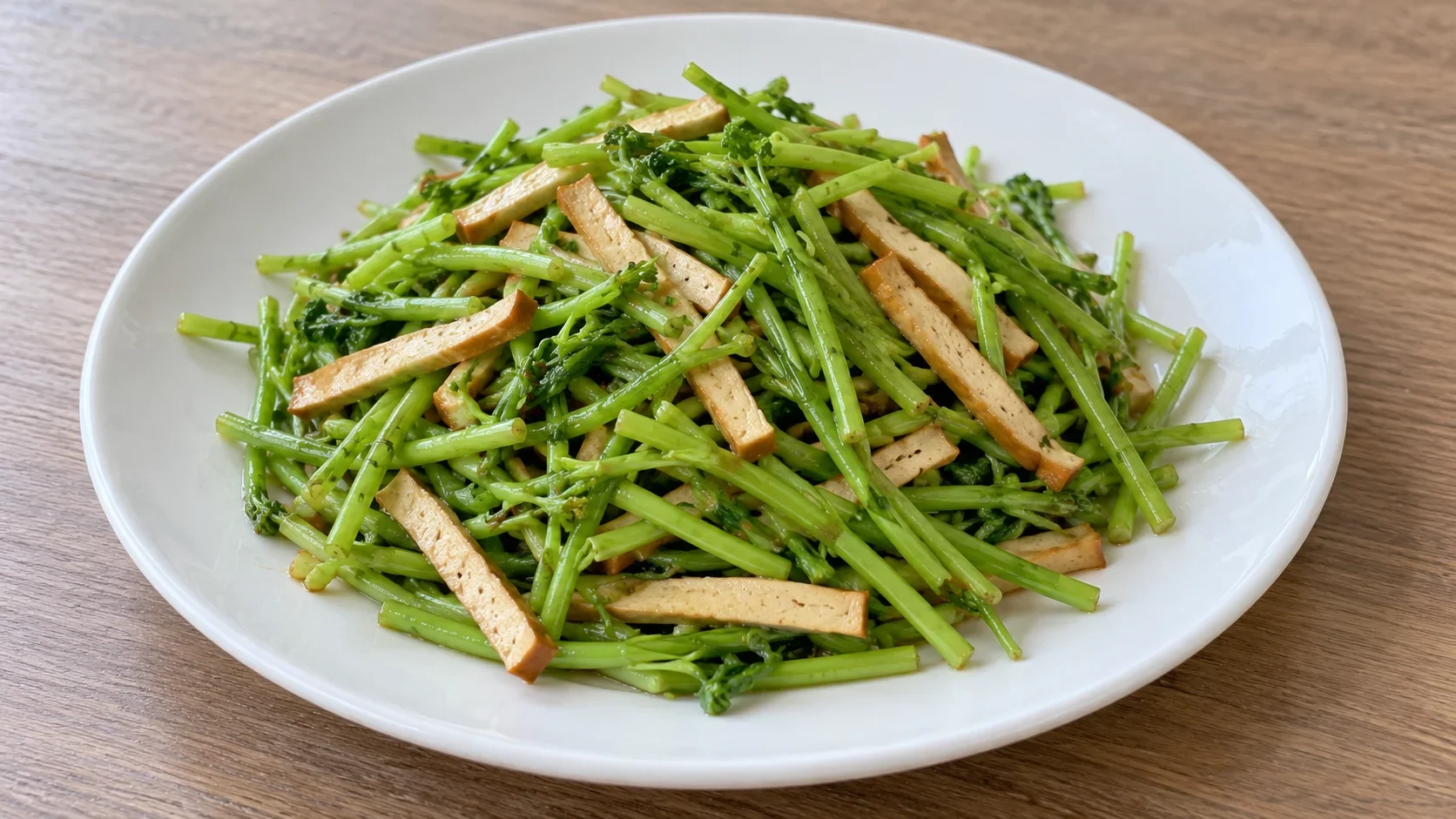
Eat the cooked stems and tofu together, in small bites, often with rice. The tender stems should still have a little crunch.
Dried tofu contains soy. Soy sauce and seasoned tofu may have other ingredients; recipes can add meat or chili. Check the actual sauce, cooking fat and seasonings for your dietary needs.
The crisp-tender greens and firm tofu strips are served in small pieces and are easy to share with rice; offer a small portion at a comfortable temperature.
Recipes vary. Ask the restaurant about ingredients and serving before you order.
GET TO KNOW THE DISH
What goes into it?
Explore some key ingredients below. Preparations may use additional seasonings and ingredients.
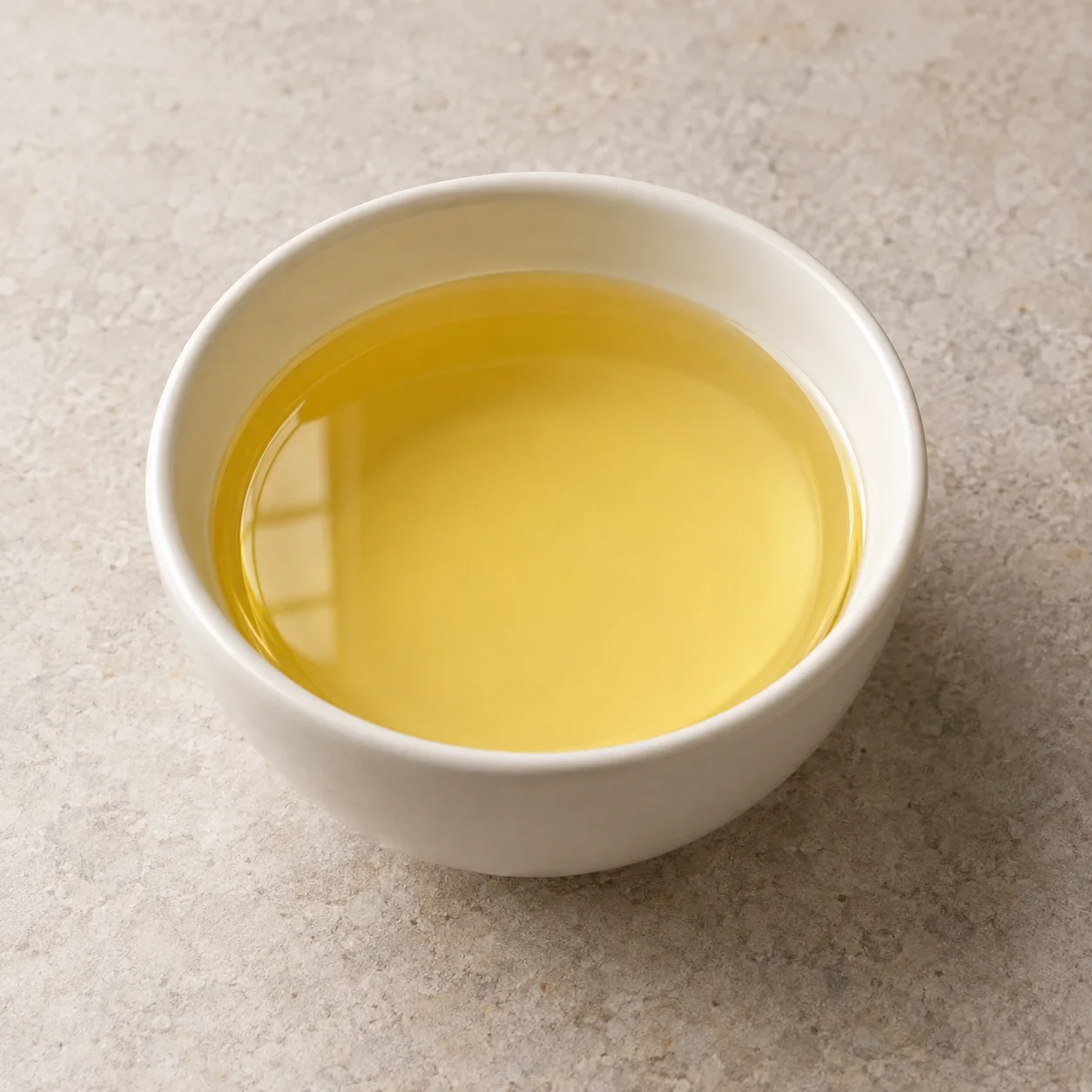
A simple version uses oil and salt; others add aromatics or soy sauce. Some home versions add meat or chili, so the dish name alone does not establish a vegetarian recipe or a fixed heat level.
Typical ingredients

In some versions
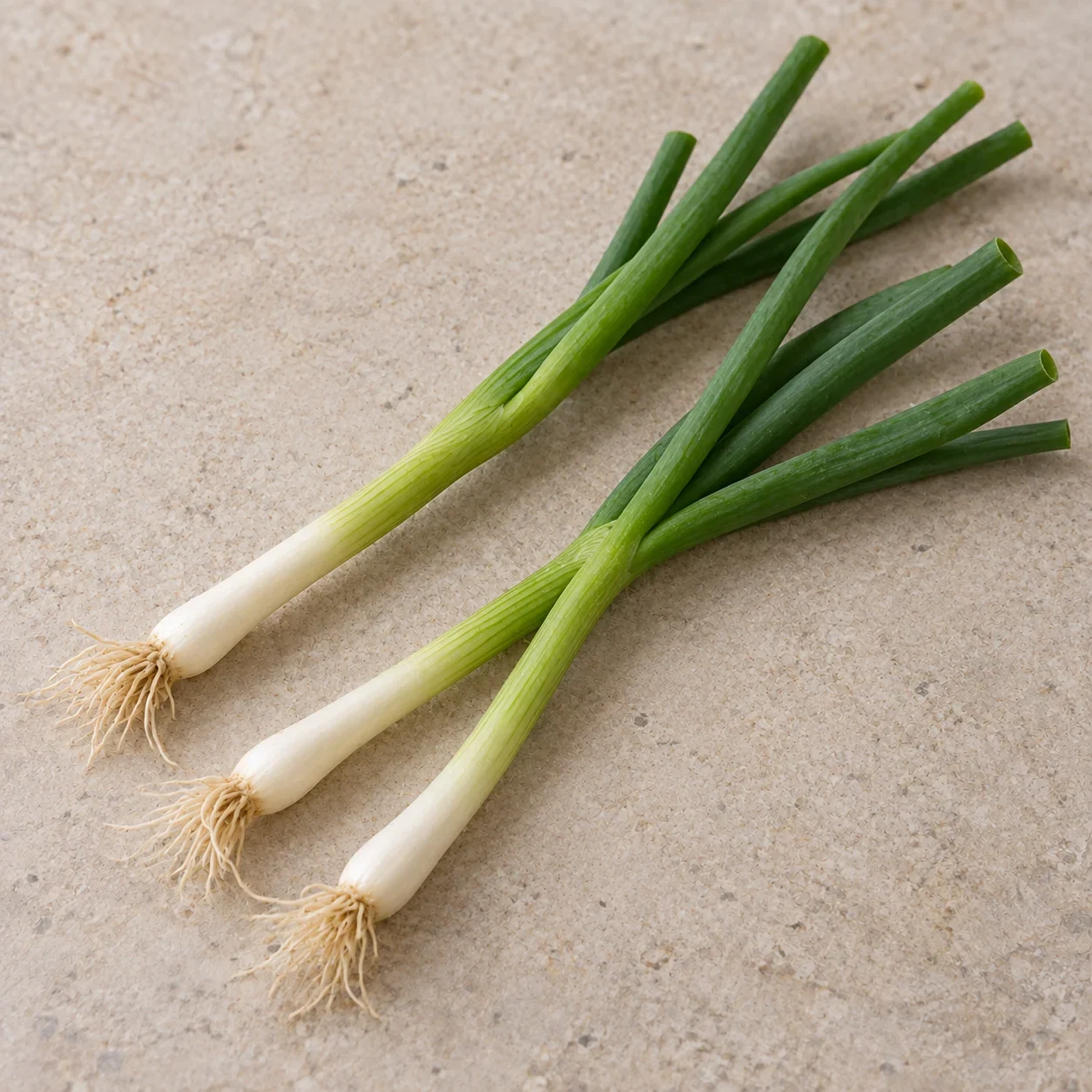
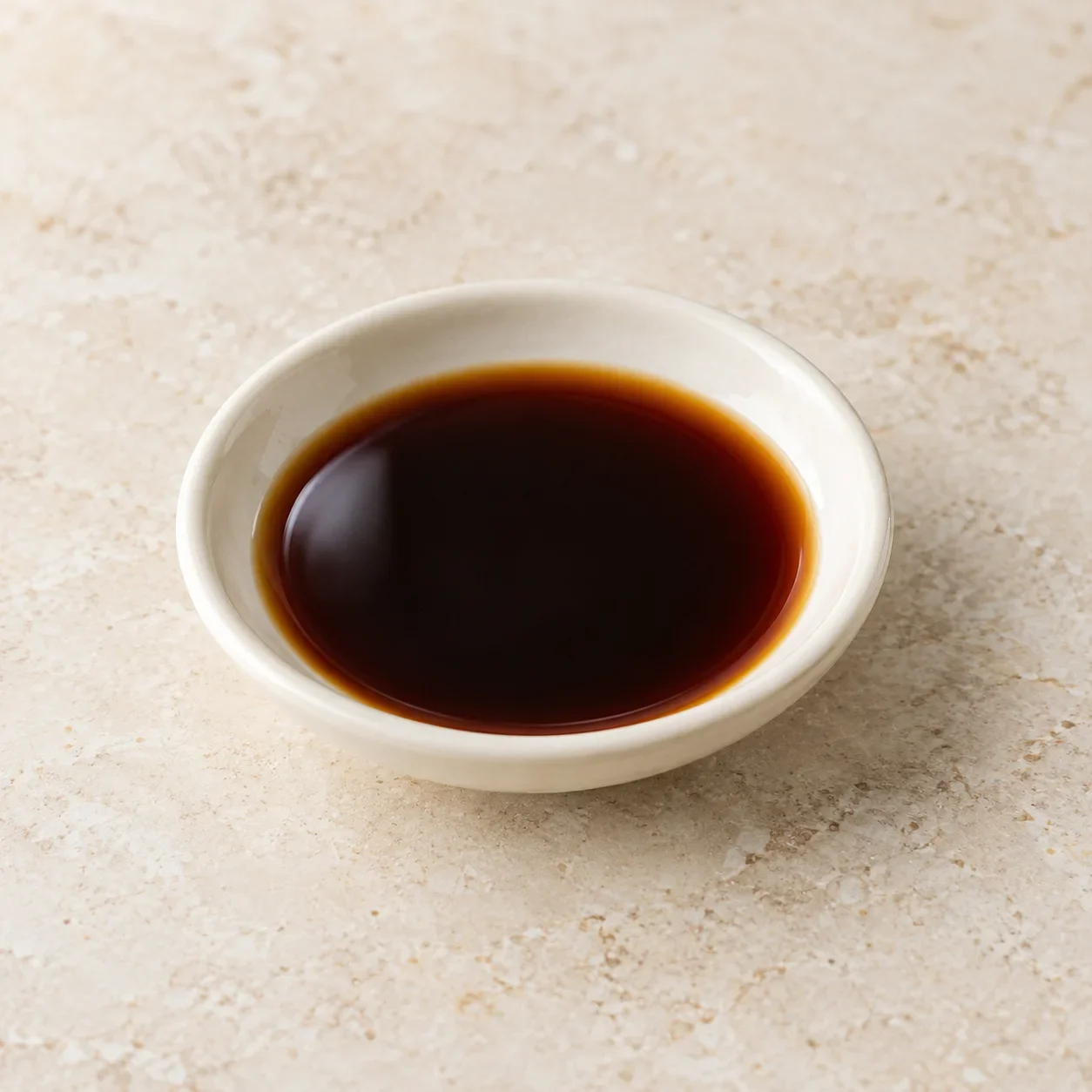
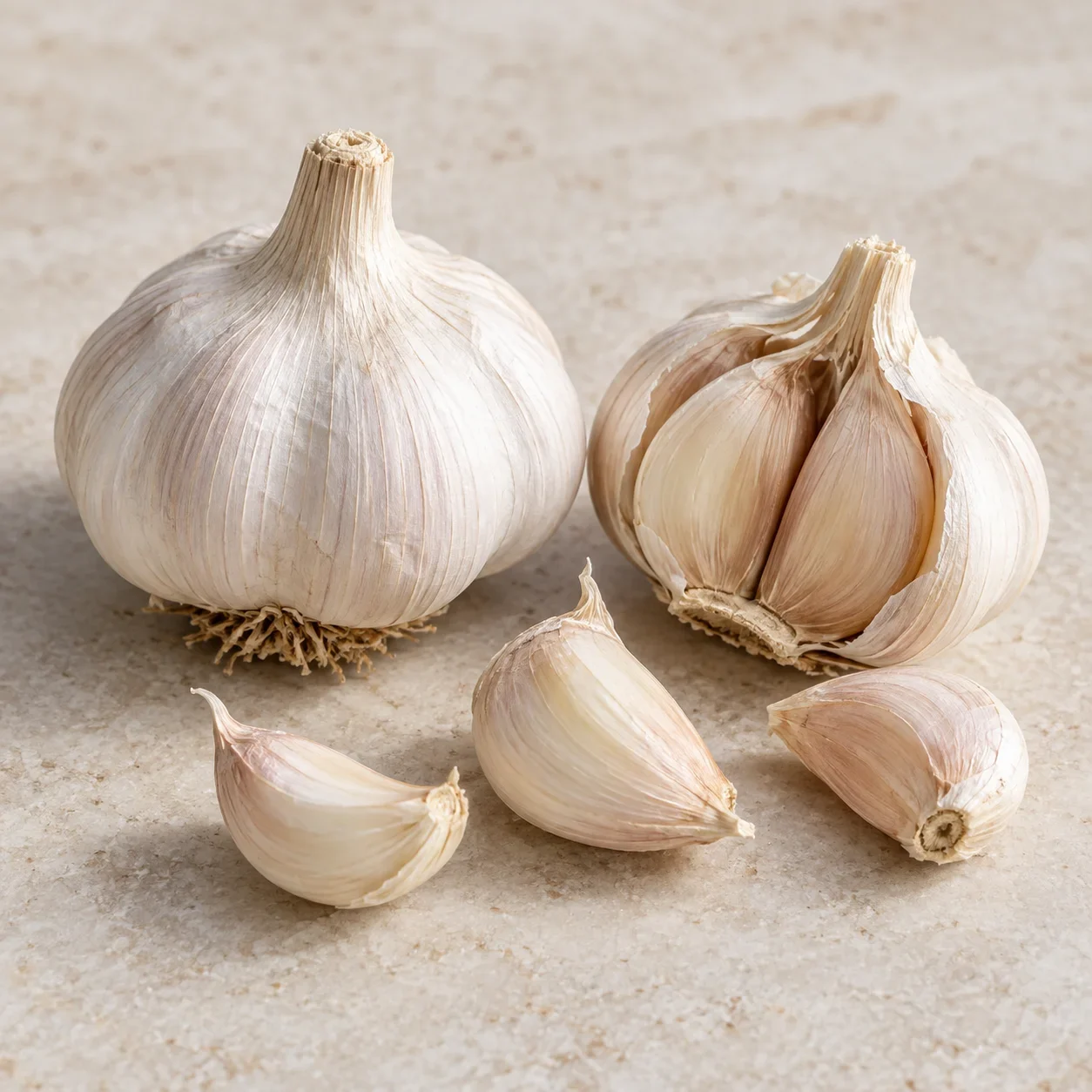
Recipes vary by restaurant.
How does it taste?
Fresh herbal-green aroma with mild bean savor; lightly salted, usually not chili-hot.
- Chili heat
- Texture
- Crisp-tender mugwort tips against chewy-firm dried-tofu strips.
- How it’s made
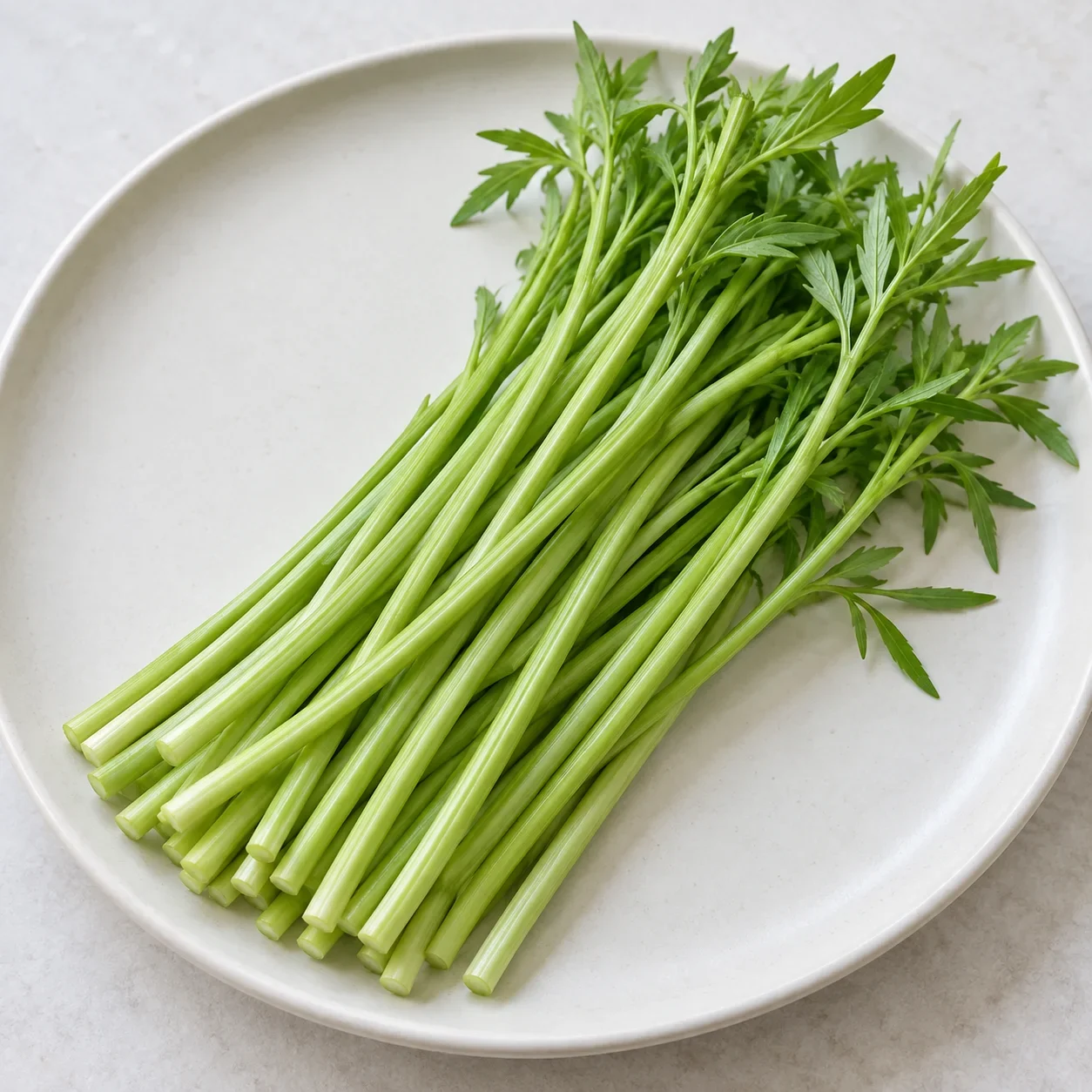
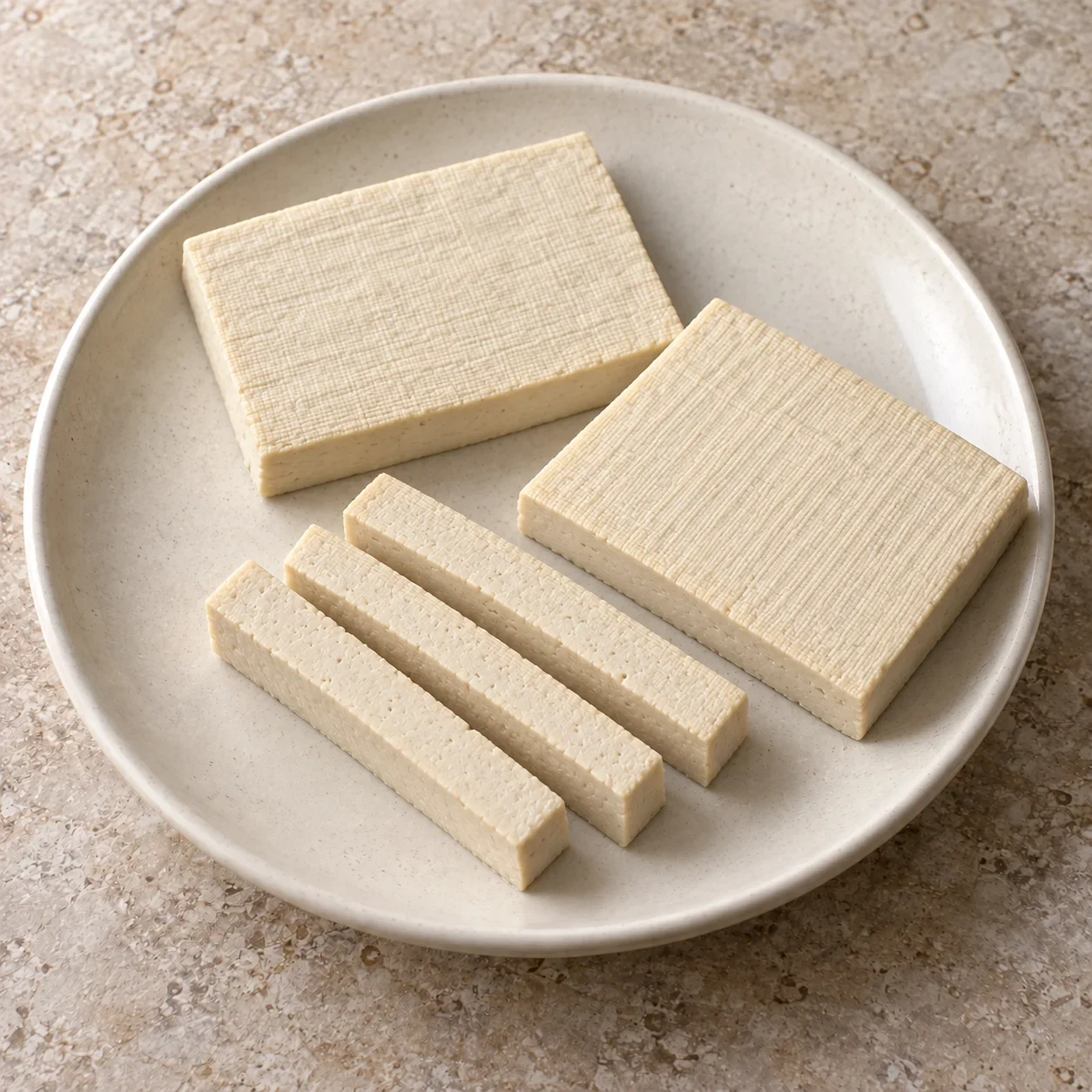
- Remove the leaves and tough parts of the luhao stems, cut the tender stems into short segments, and slice dried tofu into strips. Stir-fry briefly in oil and season with salt. Scallion, garlic and a little light soy sauce are optional; serve while the stems remain crisp and tender.
A simple version uses oil and salt; others add aromatics or soy sauce. Some home versions add meat or chili, so the dish name alone does not establish a vegetarian recipe or a fixed heat level.
A CONNECTION TO PLACE
Origin & regional roots
Associated with Jiangsu.
About this regional connection
Jiangsu: Associated with Nanjing spring home and restaurant cooking; luhao grows elsewhere—not an exclusive-origin monopoly.
Ask if they have it first
请问你们有芦蒿炒香干吗?
Do you have this item?
A LITTLE SOMETHING TO READ
Story & history
The tender stems on Nanjing’s spring table
Luhao is part of Nanjing’s fondness for spring greens. Baguazhou, an island in the Yangtze, is particularly associated with its cultivation. At home, careful trimming leaves only tender stem segments, which are quickly stir-fried with dried tofu. The appeal is the contrast of crisp stems and firm tofu, with light seasoning that lets the plant’s distinctive aroma come through. This simple plate is a familiar way to welcome the season.