
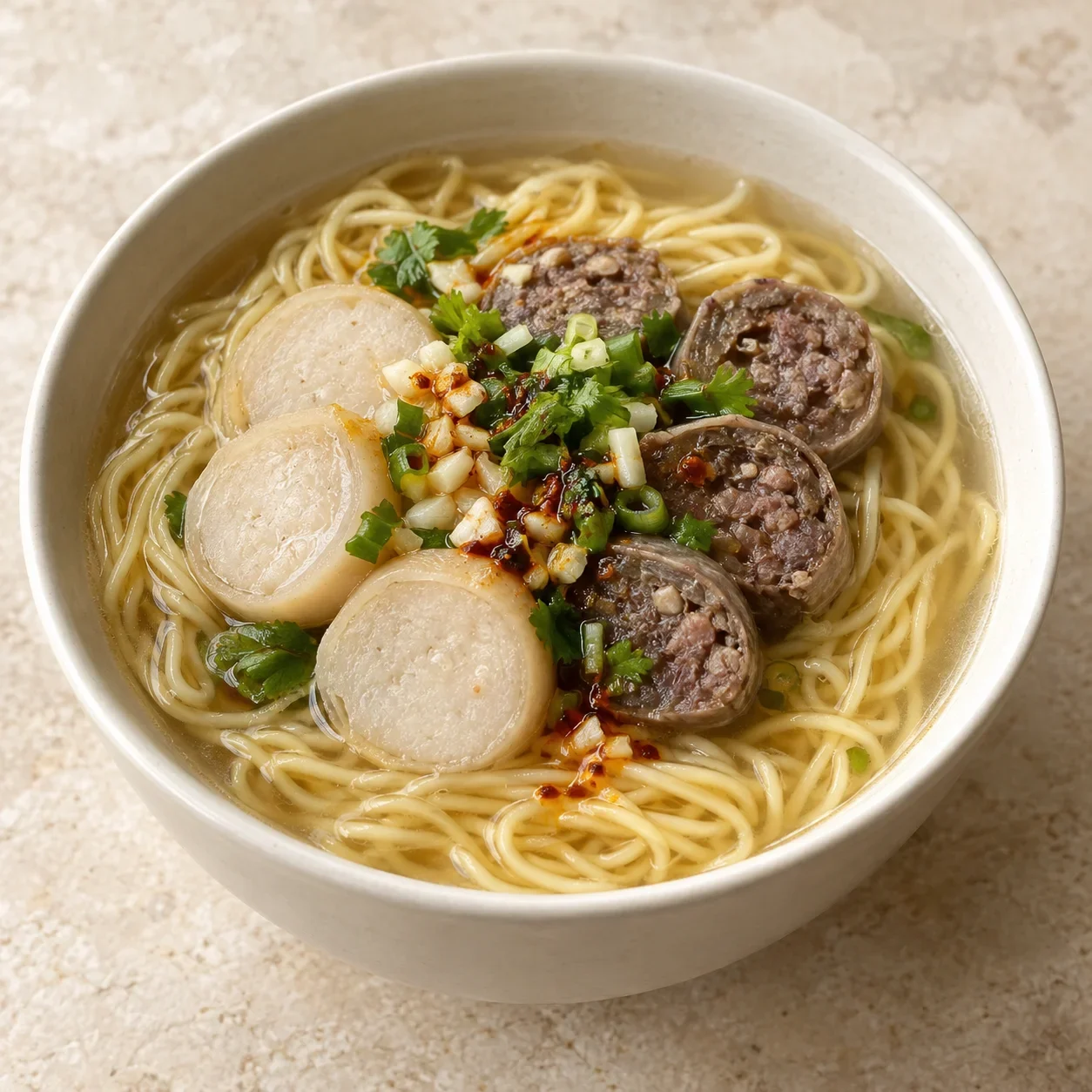
At the table
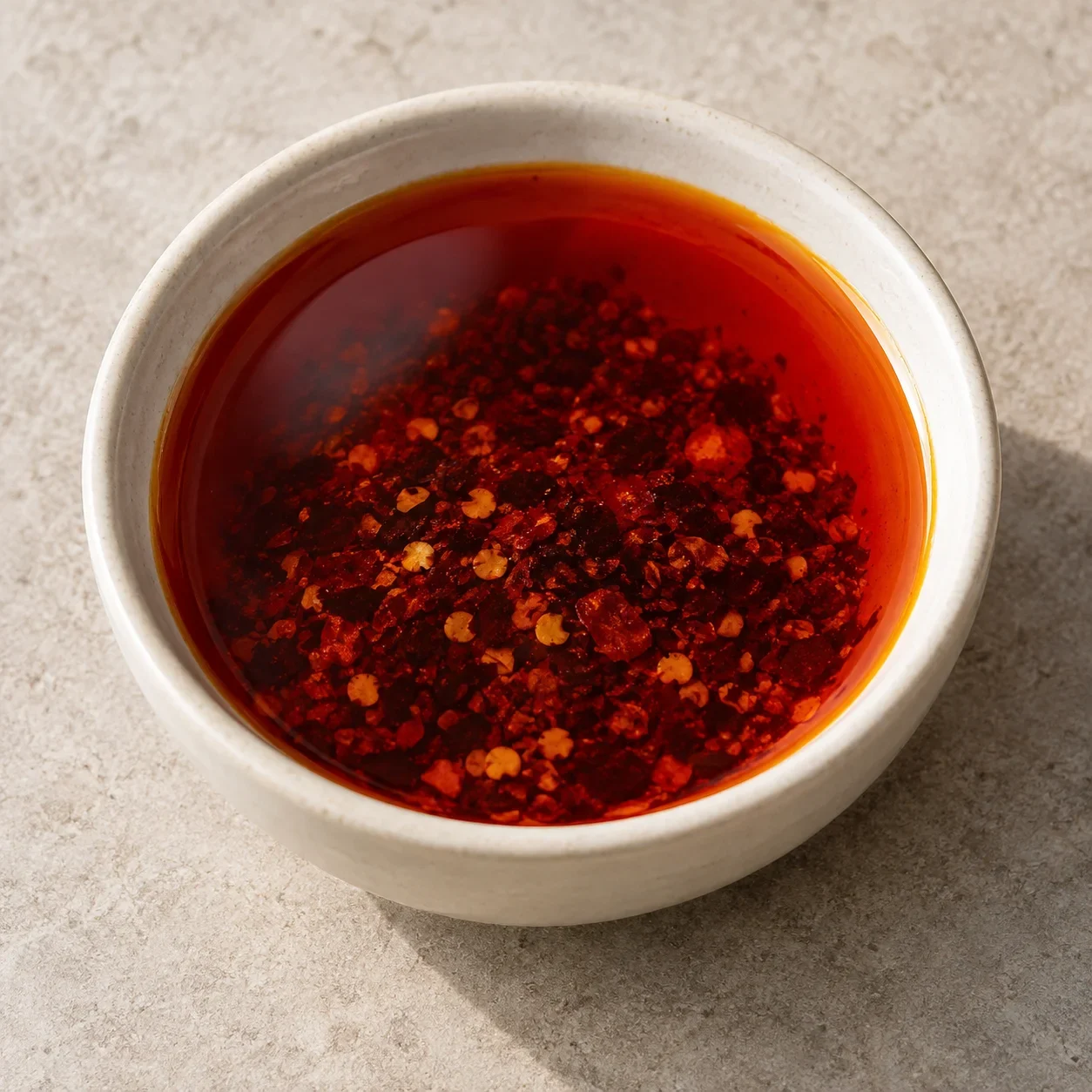
Try a small piece of each filling before mixing the bowl. Eat the noodles with chopsticks and sip the broth with a spoon; add garlic, vinegar or chili oil to taste.
Contains sheep intestine, meat and lung, with animal-bone broth. This version also contains wheat and egg. It is not vegetarian. Fillings can be firm or chewy; it is not a general recommendation for young children.
The chili rating is 0 before optional chili oil. Noodles, fillings and seasonings vary by preparation; ask which fillings are used.
GET TO KNOW THE DISH
What goes into it?
Explore some key ingredients below. Preparations may use additional seasonings and ingredients.
Some noodles incorporate ground peas. A different preparation puts pea powder in an intestine filling and makes the noodles with flour, egg and alkaline water.
Typical ingredients
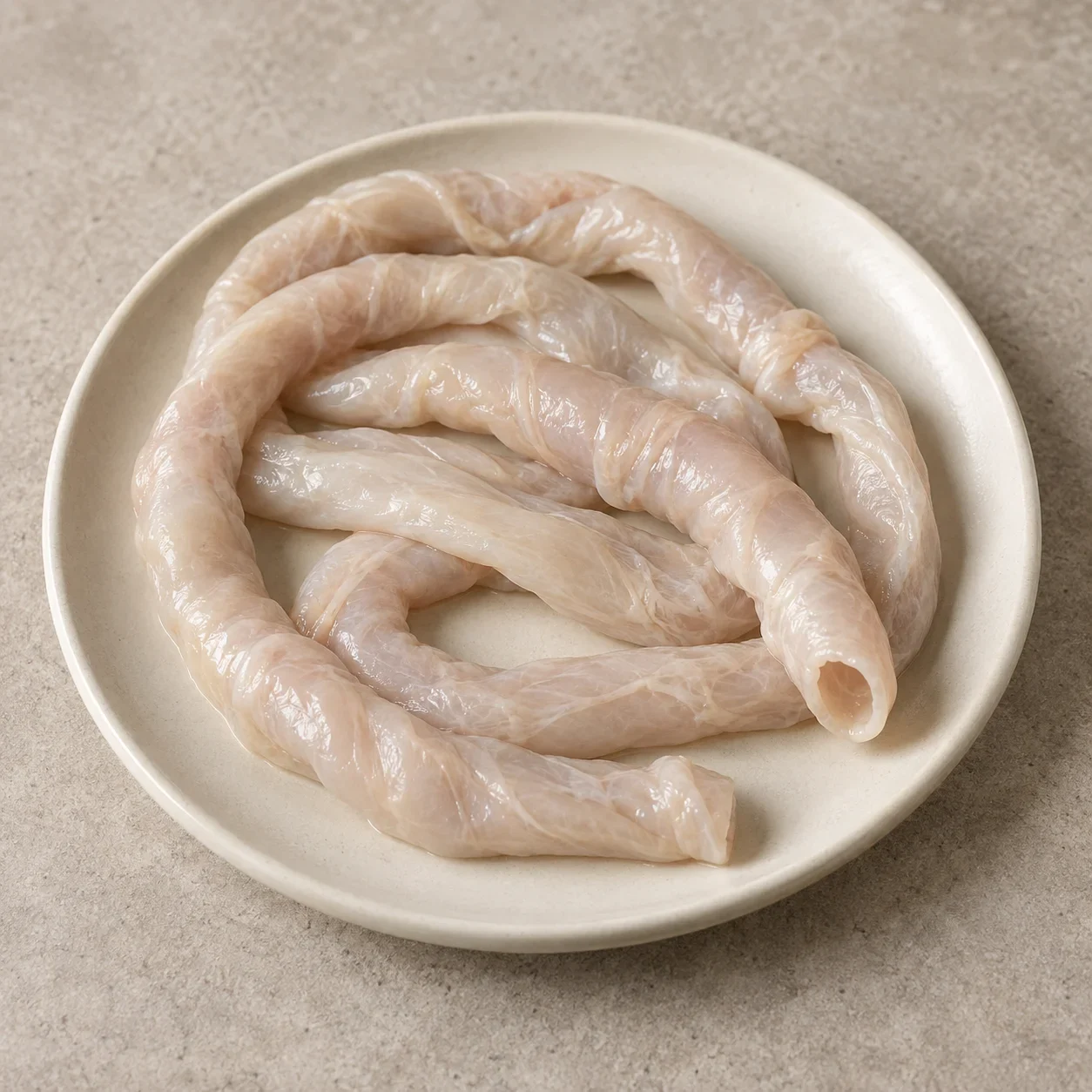
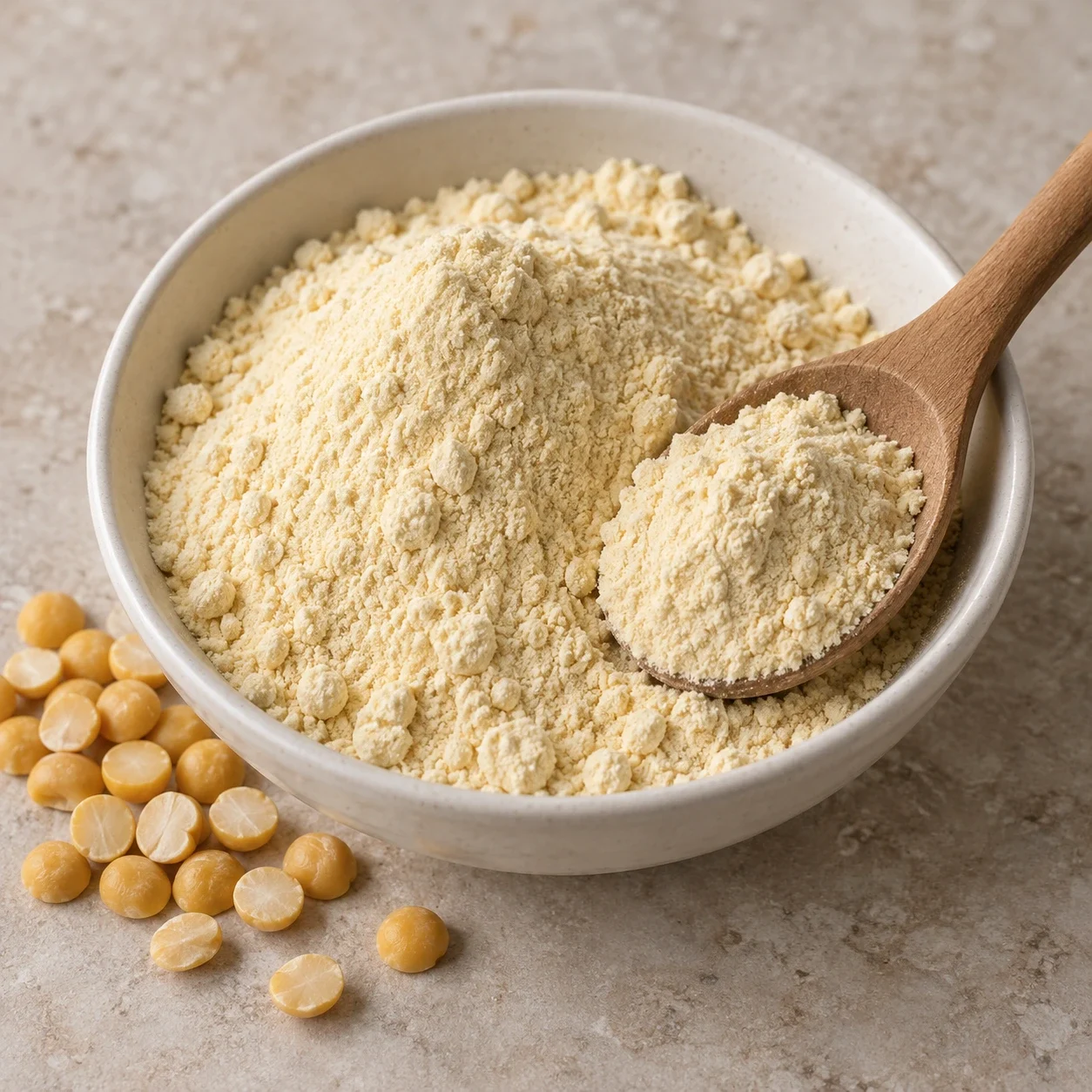
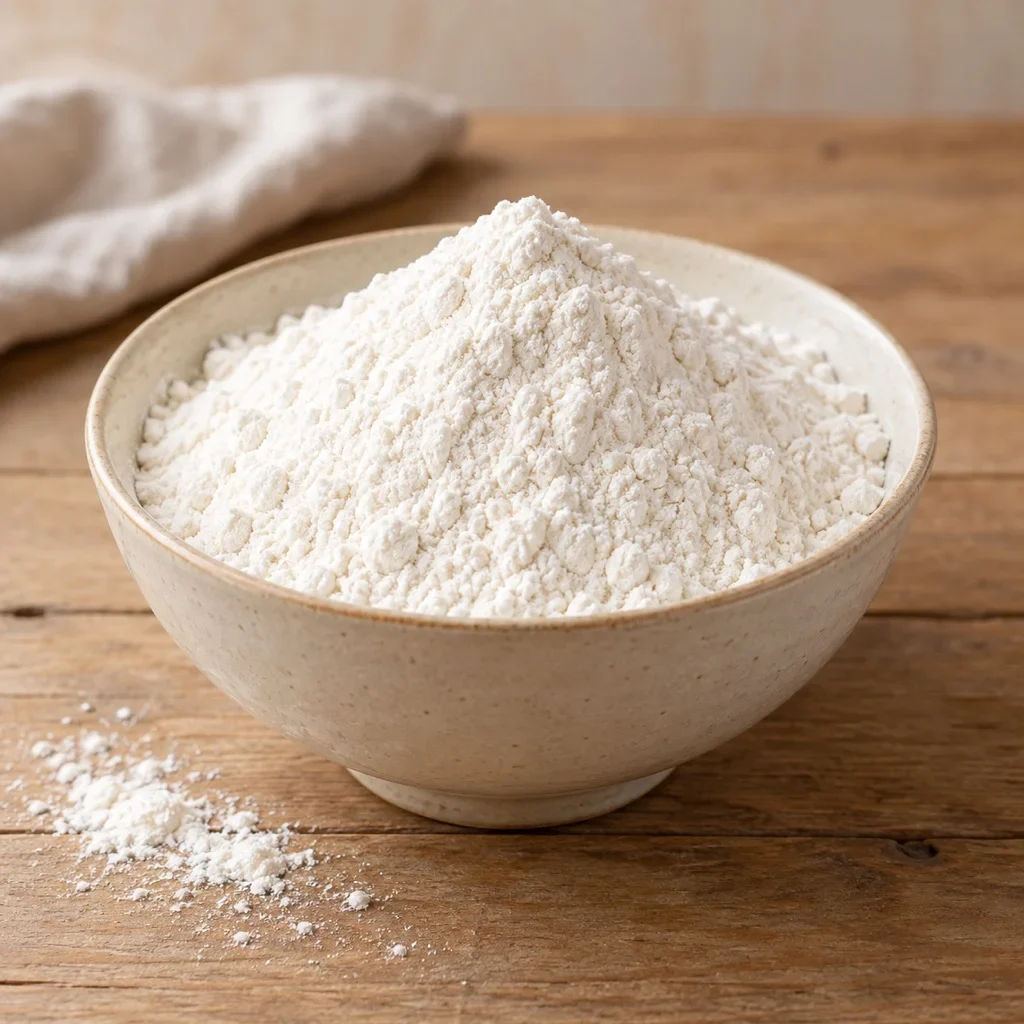
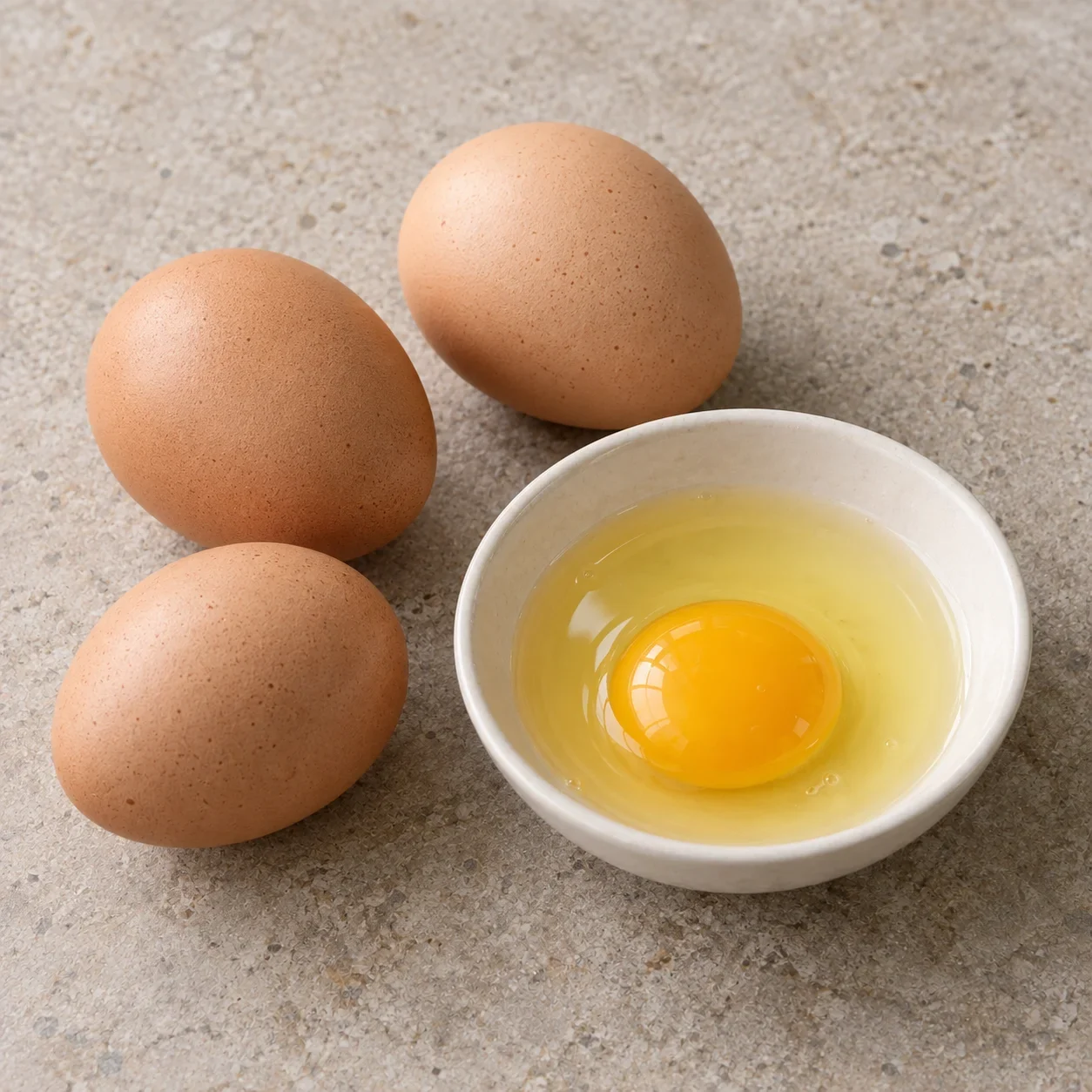

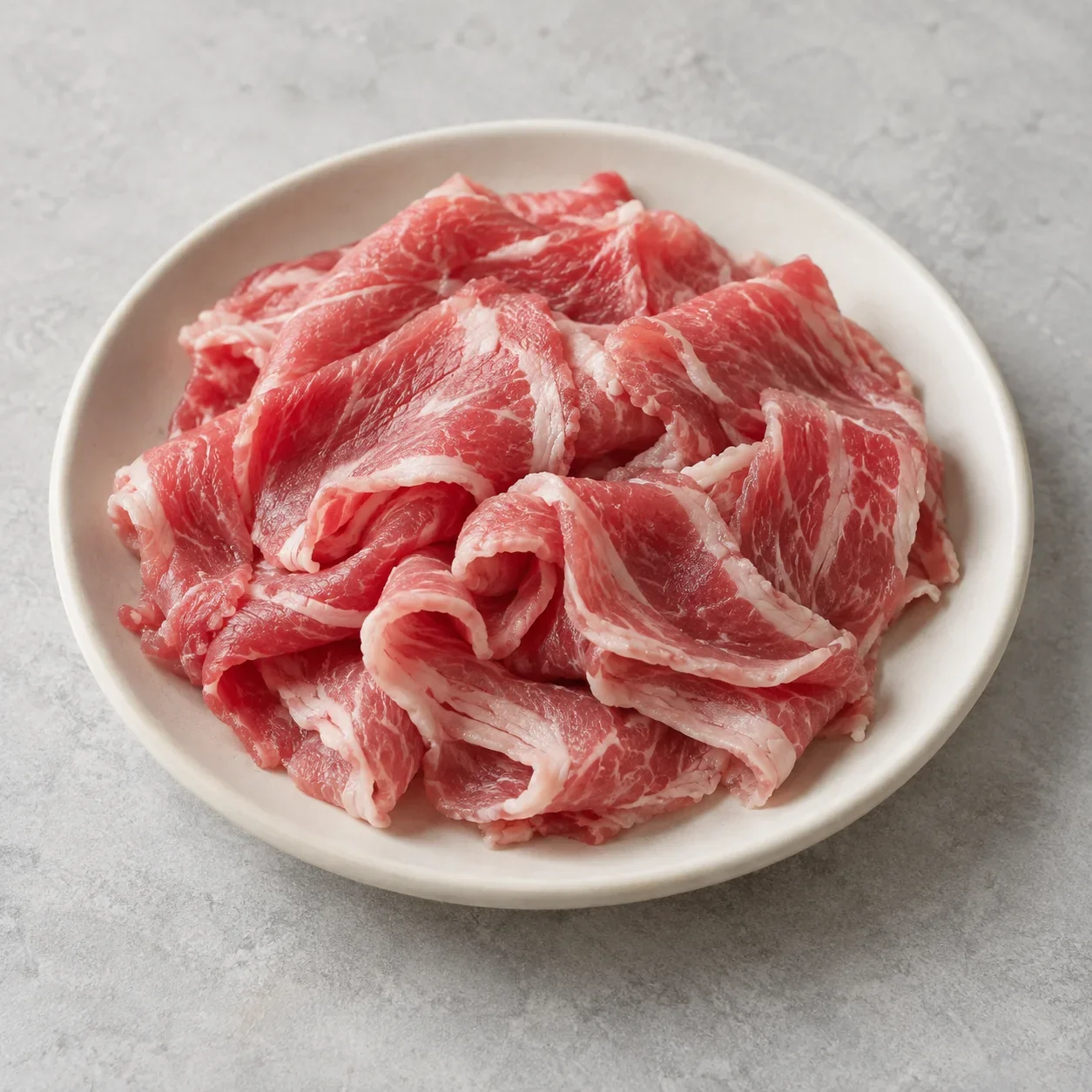
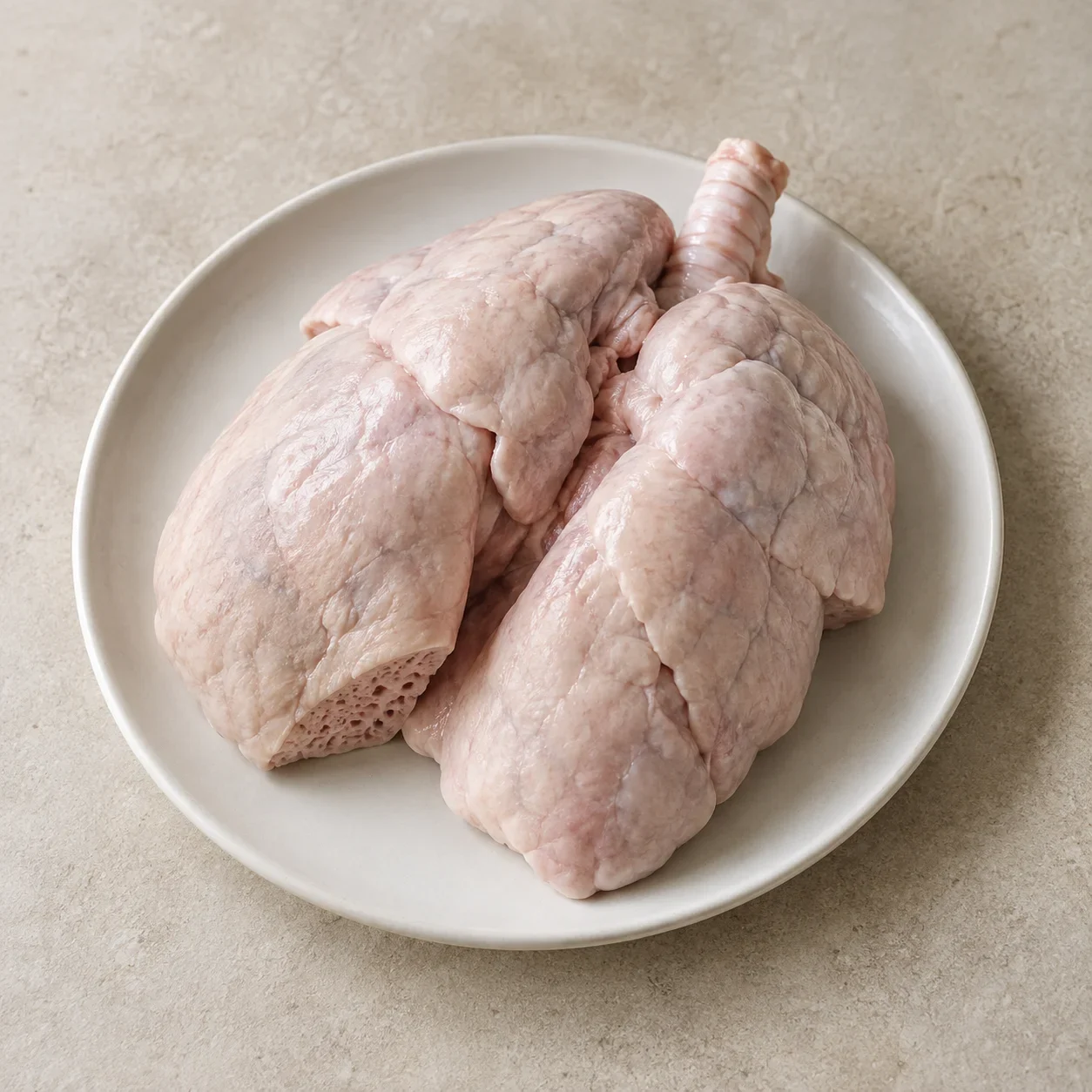
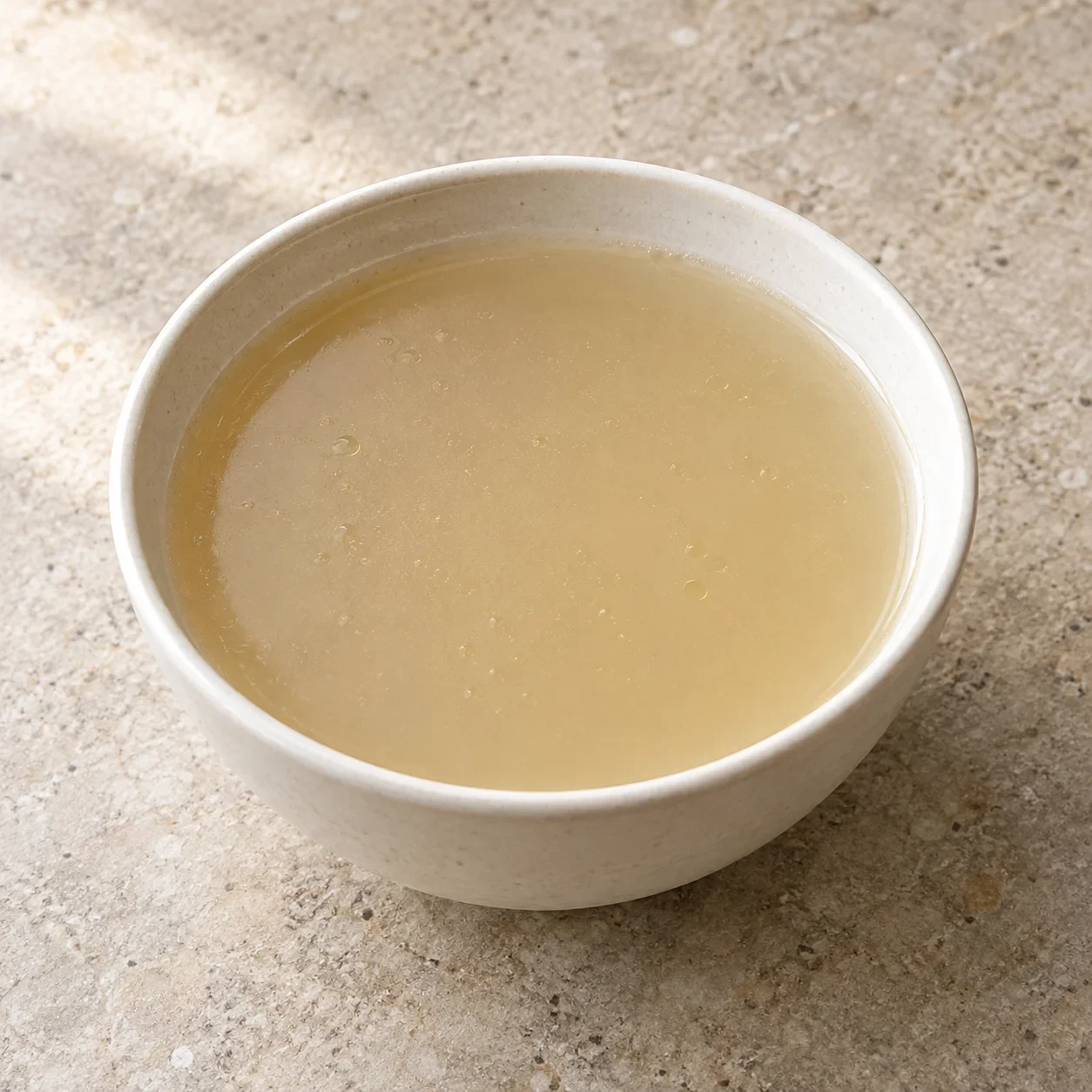
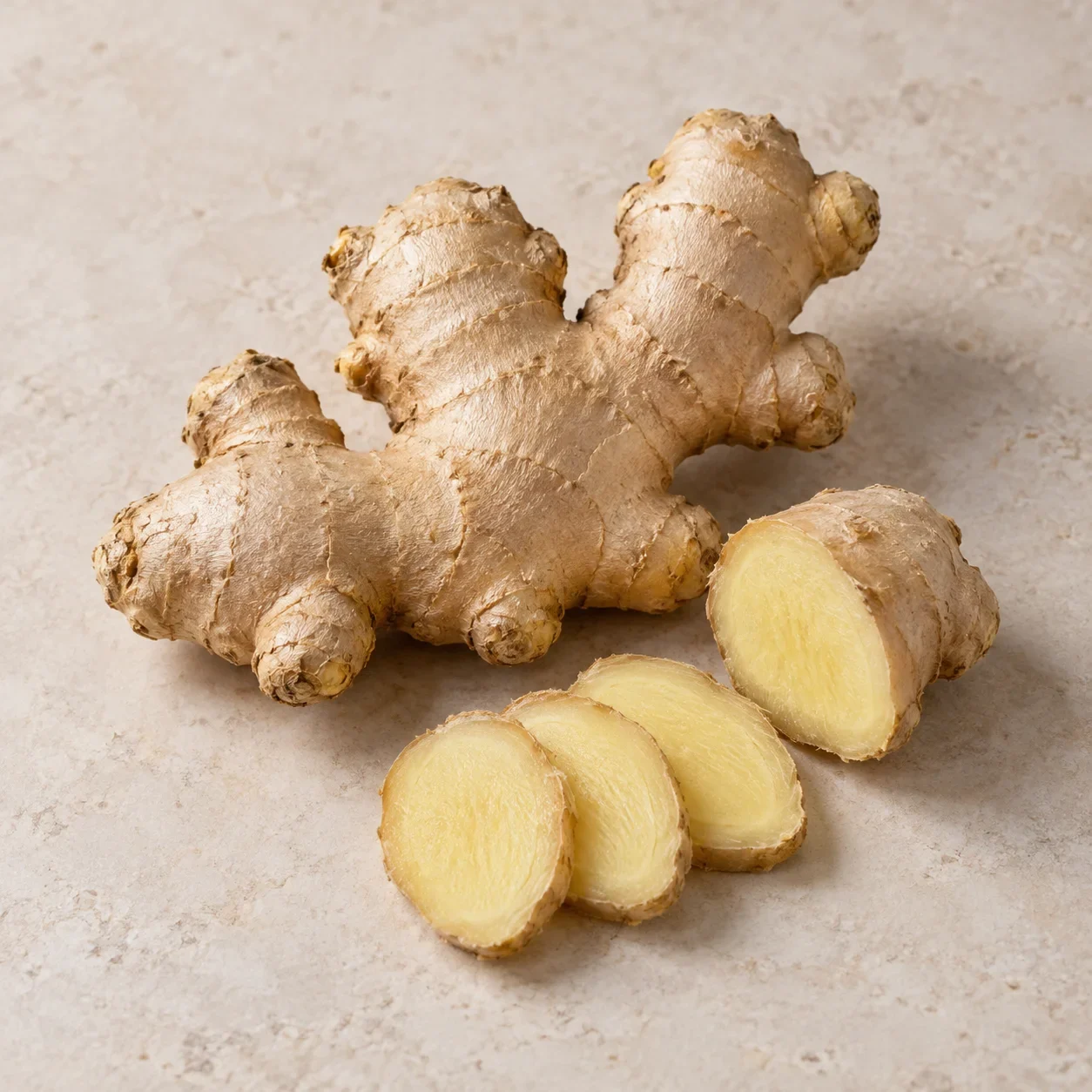
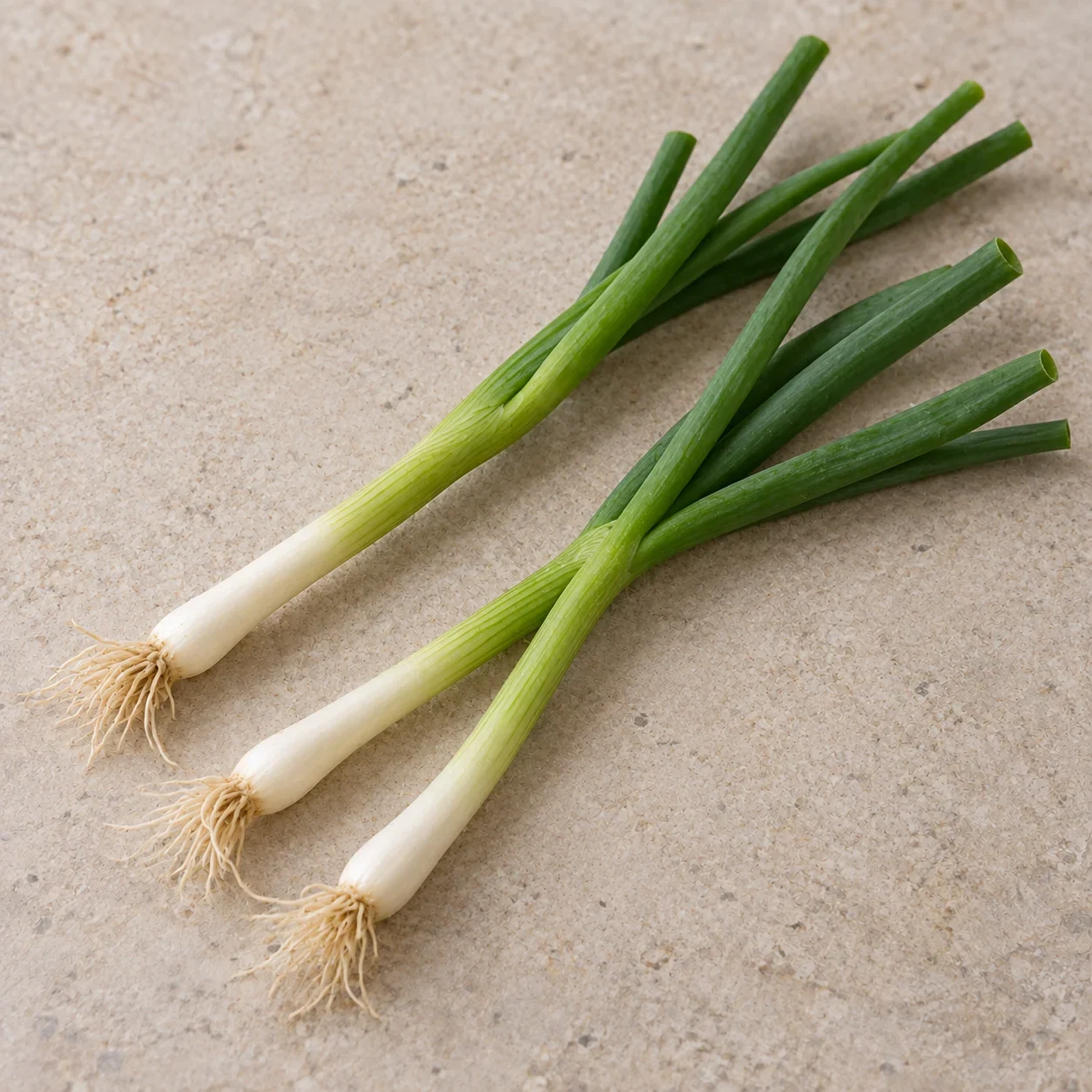
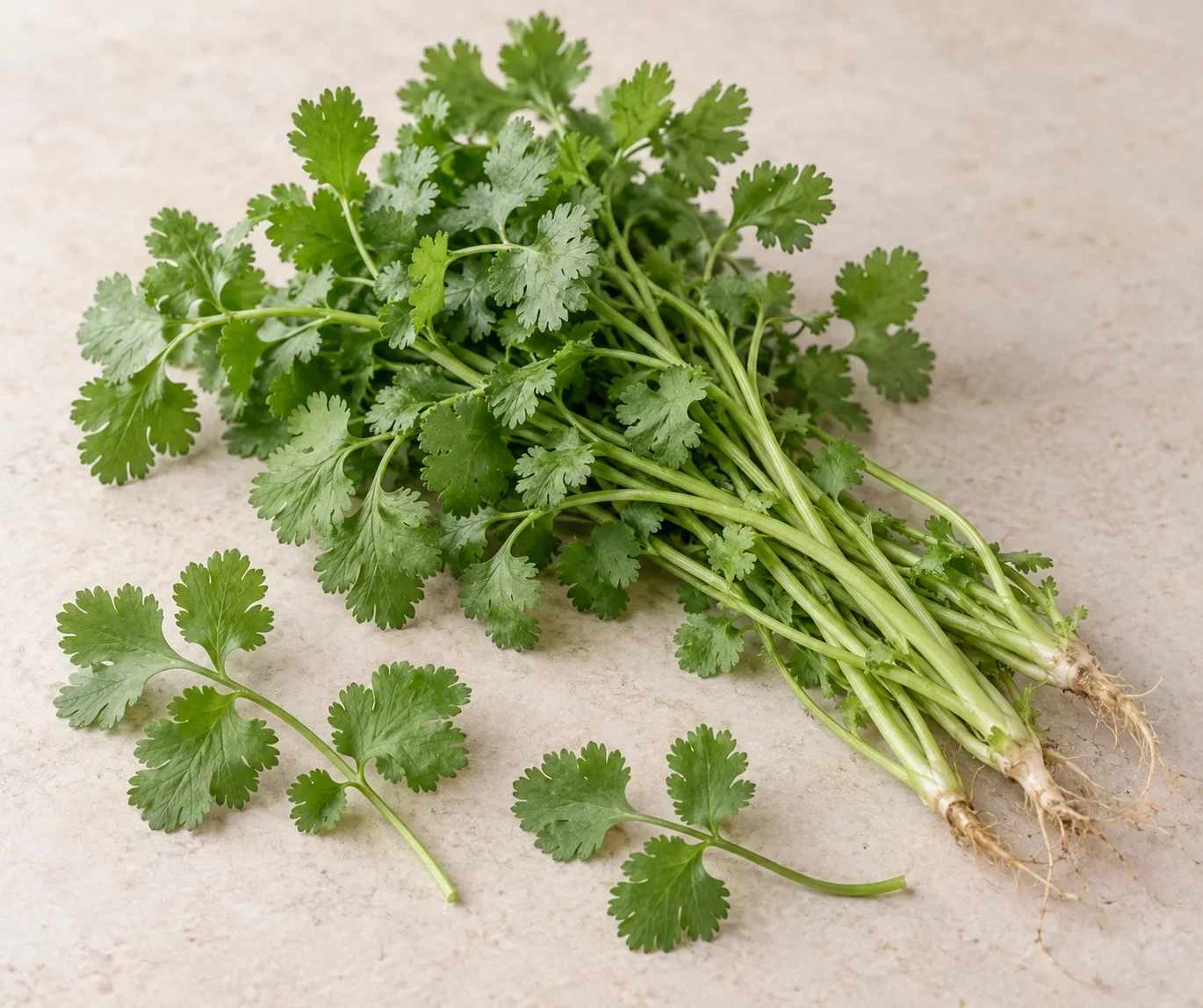

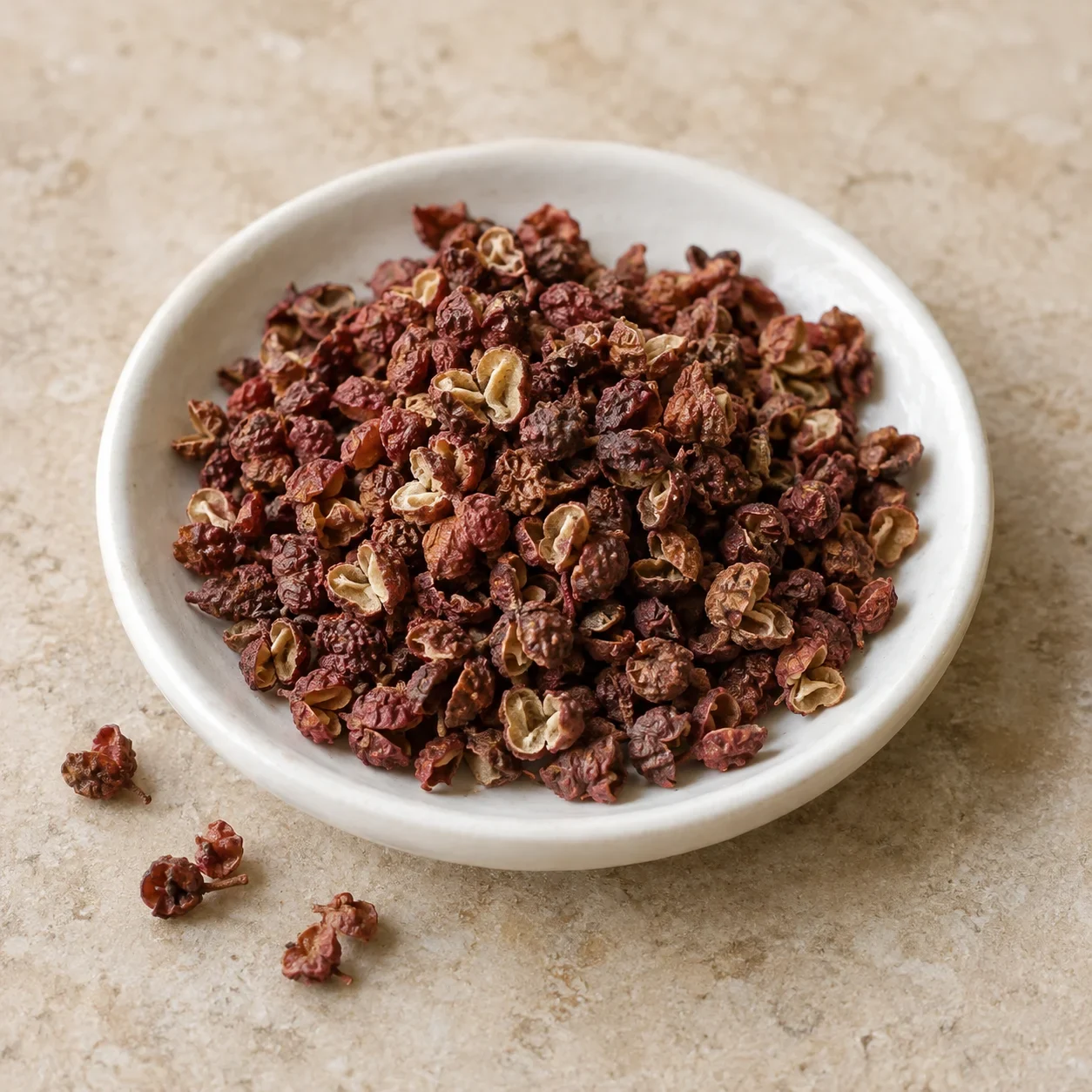
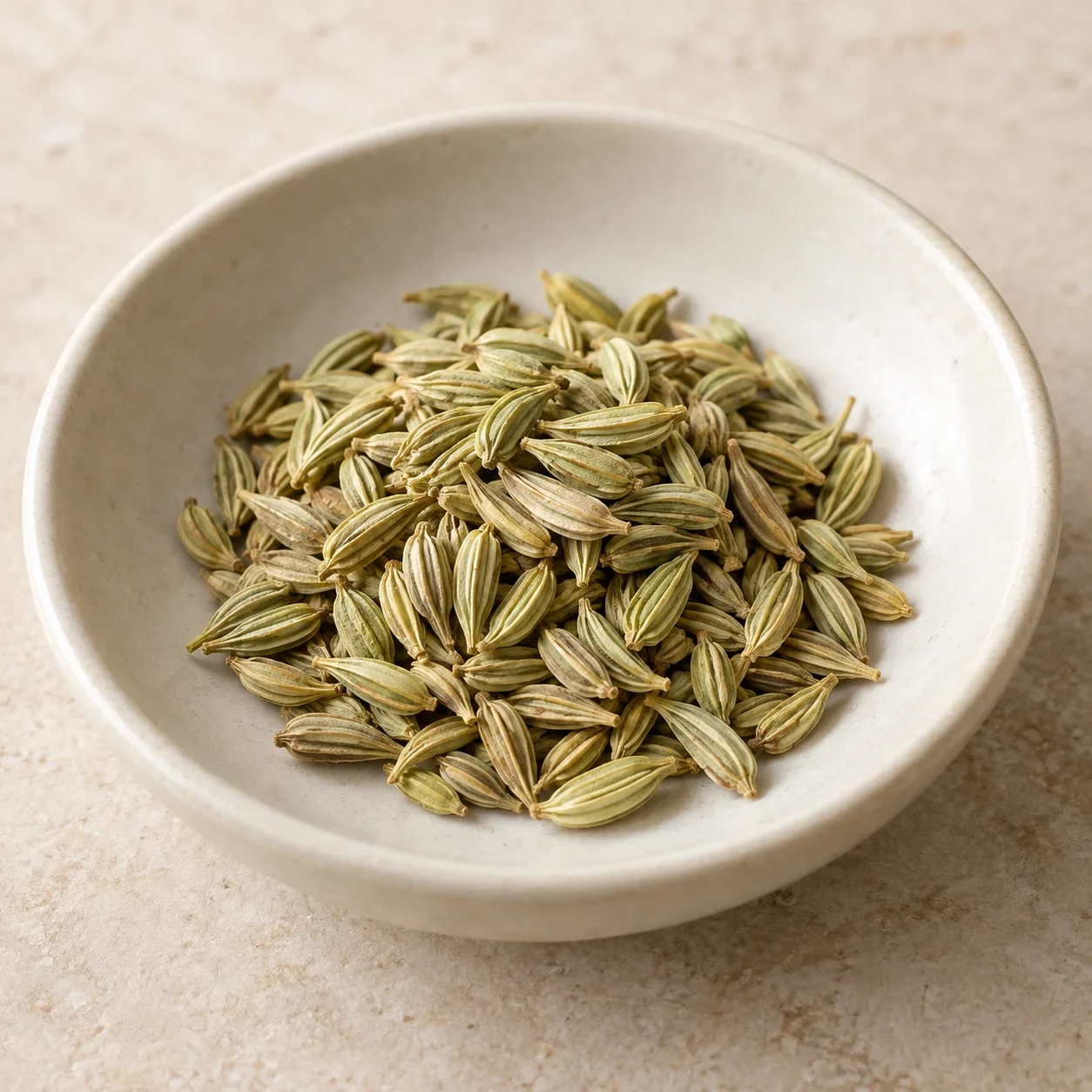
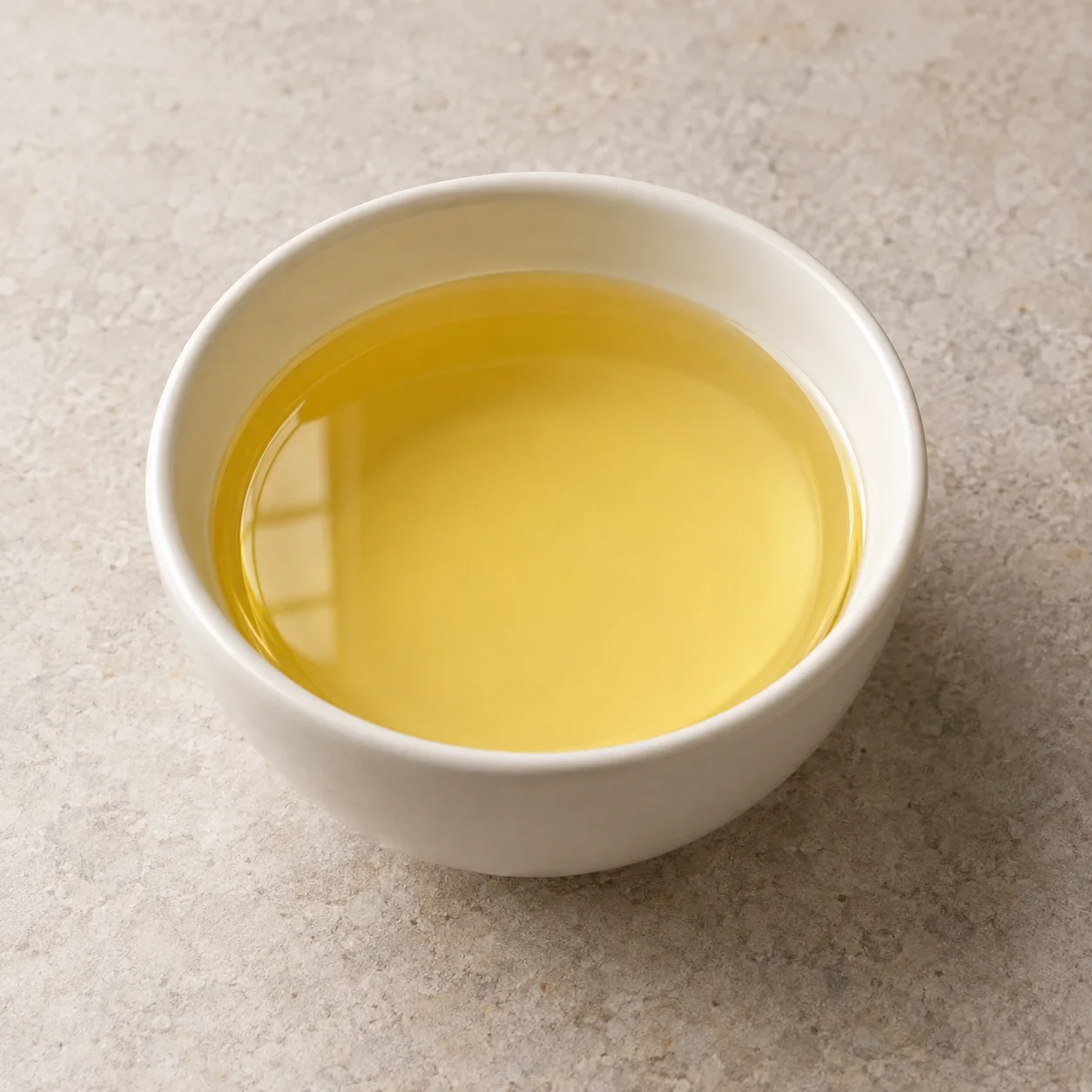
In some versions
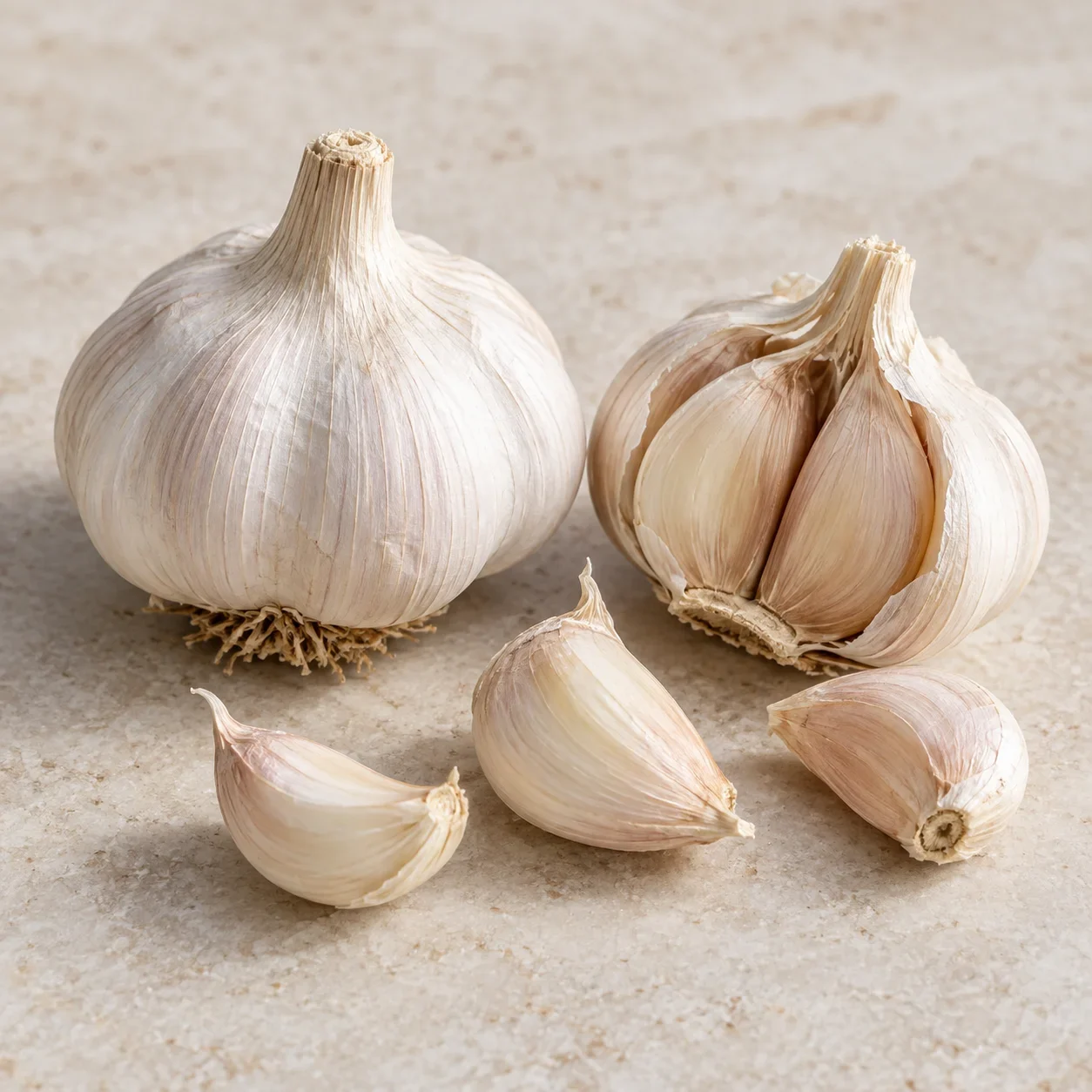
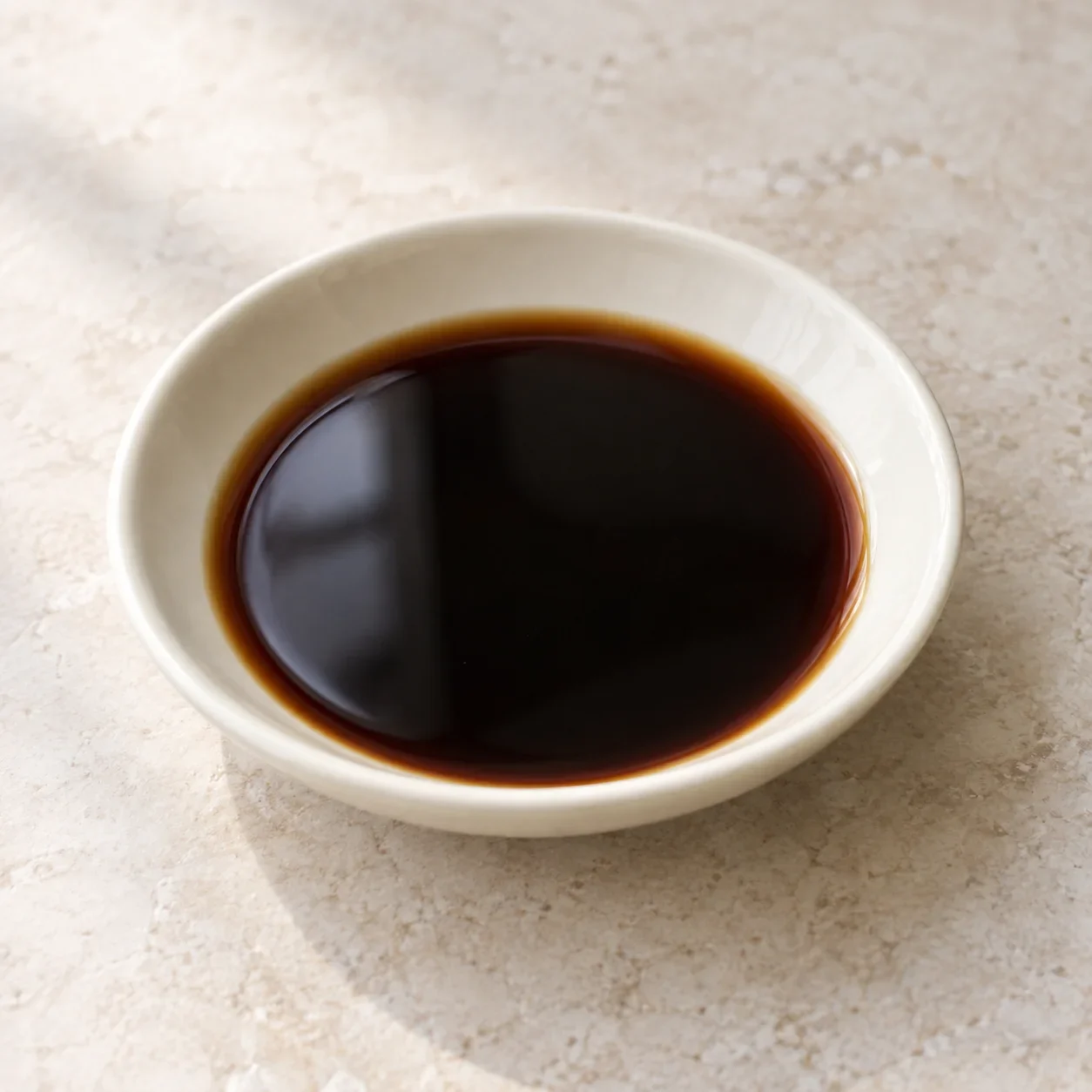
Recipes vary by restaurant.
How does it taste?
Seasoned noodles with chili added to taste.
- Chili heat
- Texture
- Noodle texture depends on rolling, cutting and boiling.
- How it’s made
- Roll and cut the noodle dough, boil it and serve with prepared intestine.
Some noodles incorporate ground peas. A different preparation puts pea powder in an intestine filling and makes the noodles with flour, egg and alkaline water.
A CONNECTION TO PLACE
Origin & regional roots
Associated with Qinghai.
Ask if they have it first
请问你们有羊肠面吗?
Do you have this item?
A LITTLE SOMETHING TO READ
Story & history
Two kinds of stuffed intestine
This account describes a tradition or story, rather than an established historical fact.
Yangchang mian pairs noodles with stuffed sheep intestine. In this home-style version, pale slices contain pea-flour paste, while darker slices contain sheep meat and lung. They share a bowl with wheat-and-egg noodles and bone broth. Other Xining preparations put ground peas in the noodles instead: the name does not describe one fixed recipe.