At the table
Break off small pieces or bite into a cut block. It is normally eaten after the syrup has set.
Contains wheat and egg; dairy, sesame or nuts may also be present. Check the actual ingredients if needed.
Syrups and toppings vary. Honey, cream, sesame, raisins, seeds or hawthorn-cake pieces may be added.
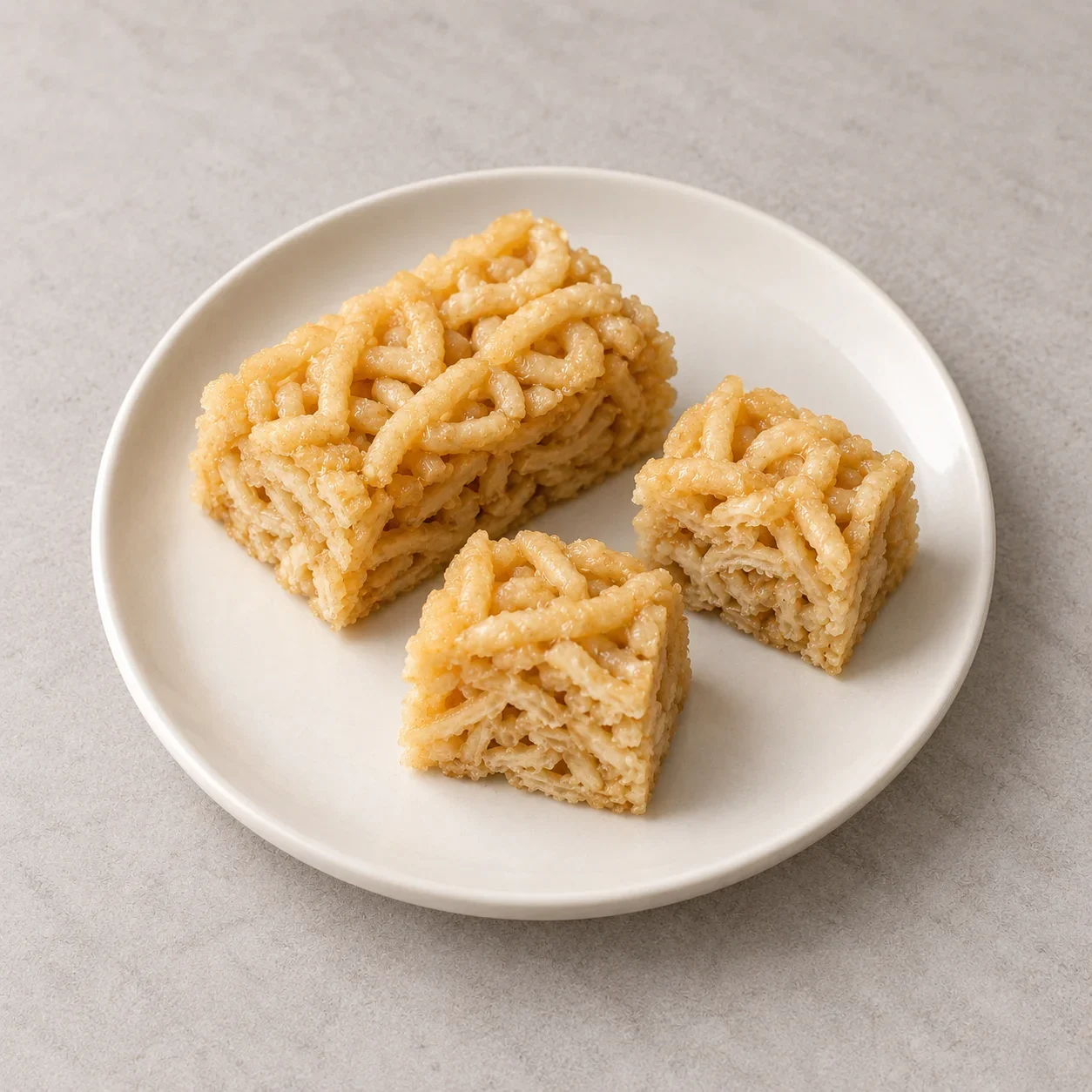
Soft yet crisp fried dough strands bound with sweet syrup can be shared in small pieces; the syrup makes them sticky, so offer a small portion and let it cool.
Recipes vary. Ask the restaurant about ingredients and serving before you order.
GET TO KNOW THE DISH
What goes into it?
Explore some key ingredients below. Preparations may use additional seasonings and ingredients.
Syrups and toppings vary. Honey, cream, sesame, raisins, seeds or hawthorn-cake pieces may be added.
Typical ingredients
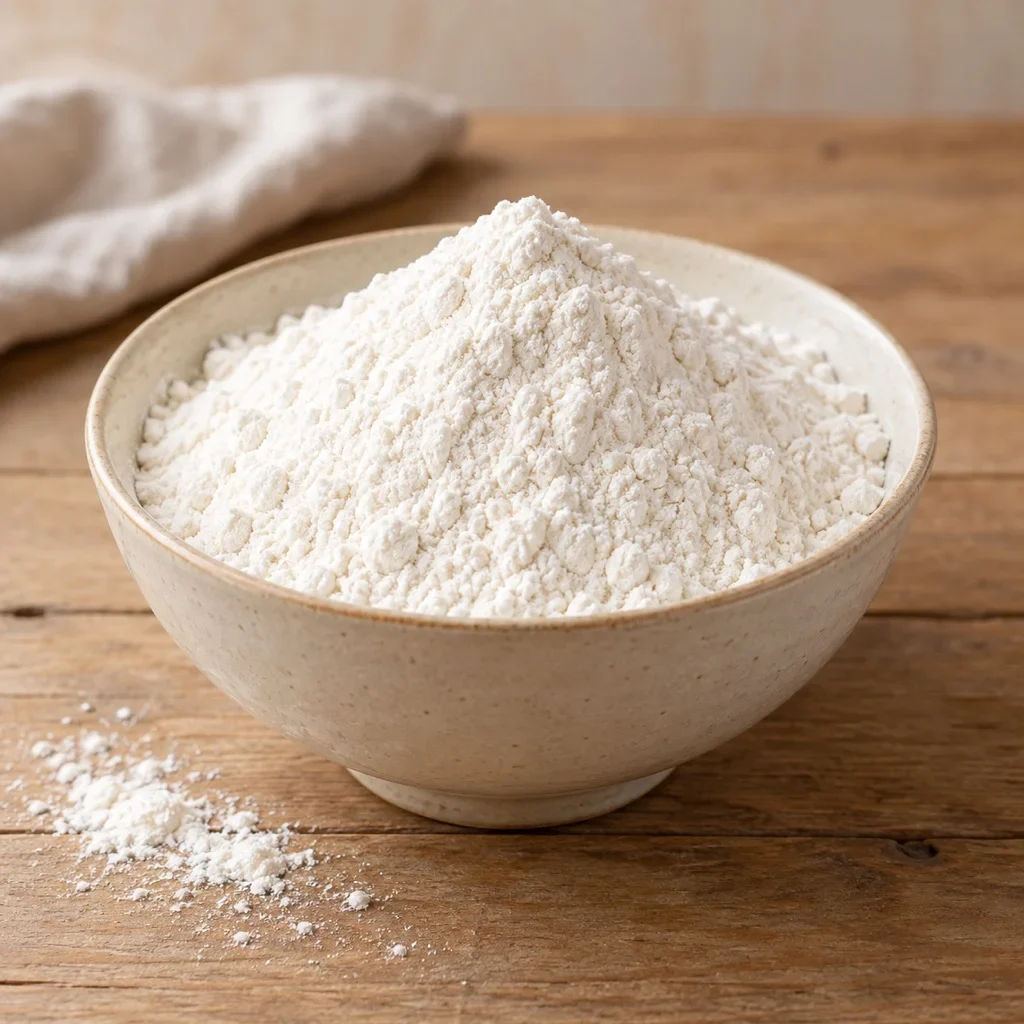
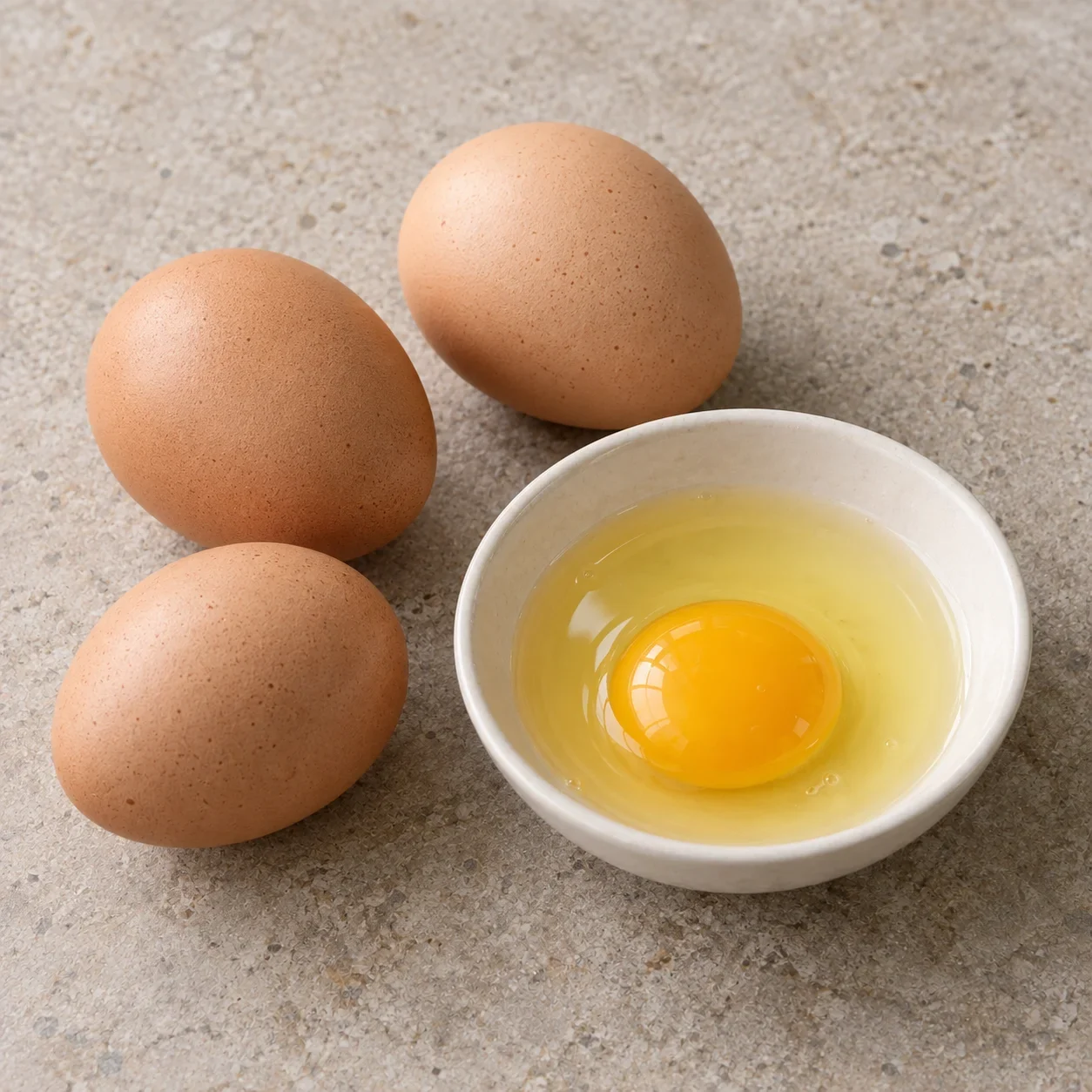

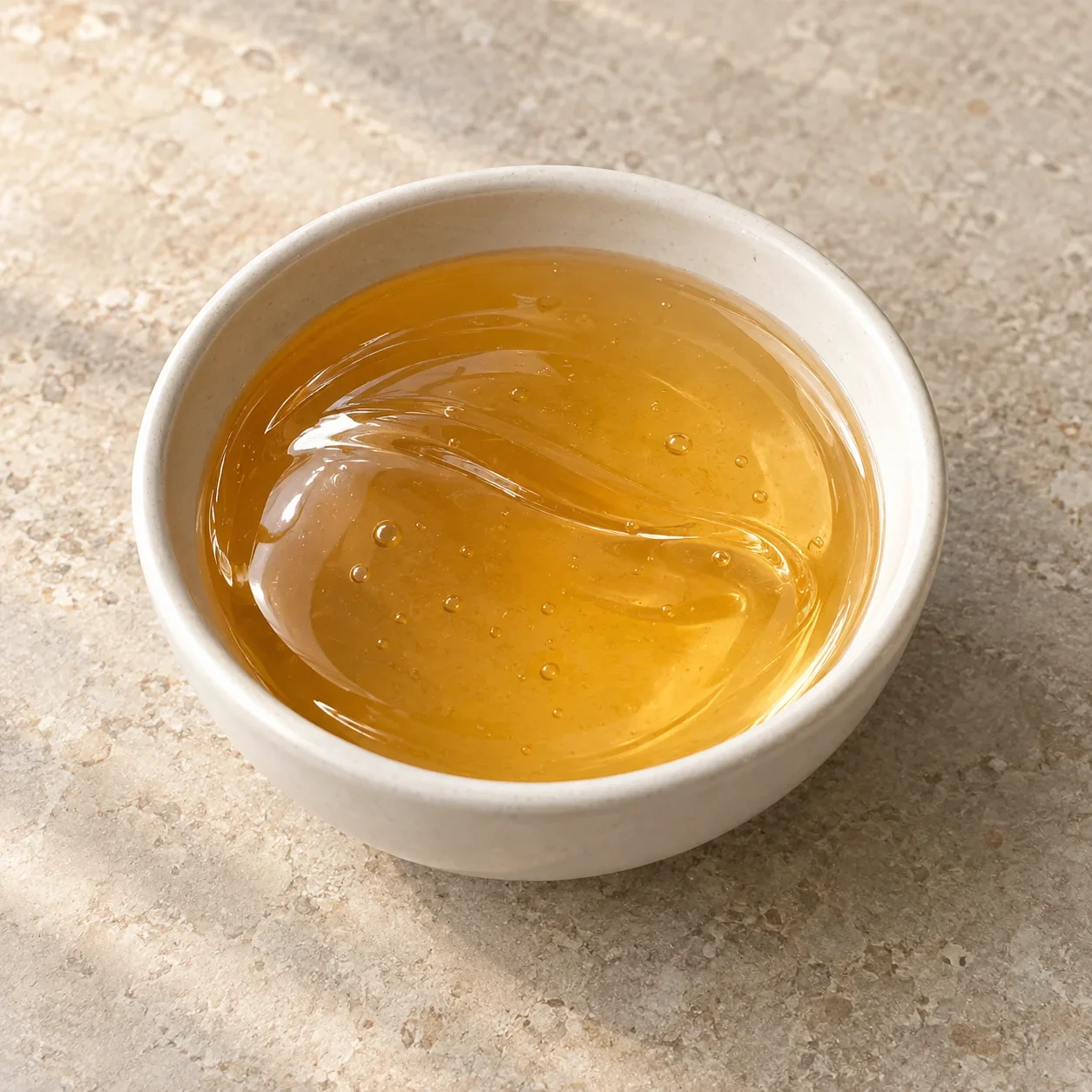

In some versions
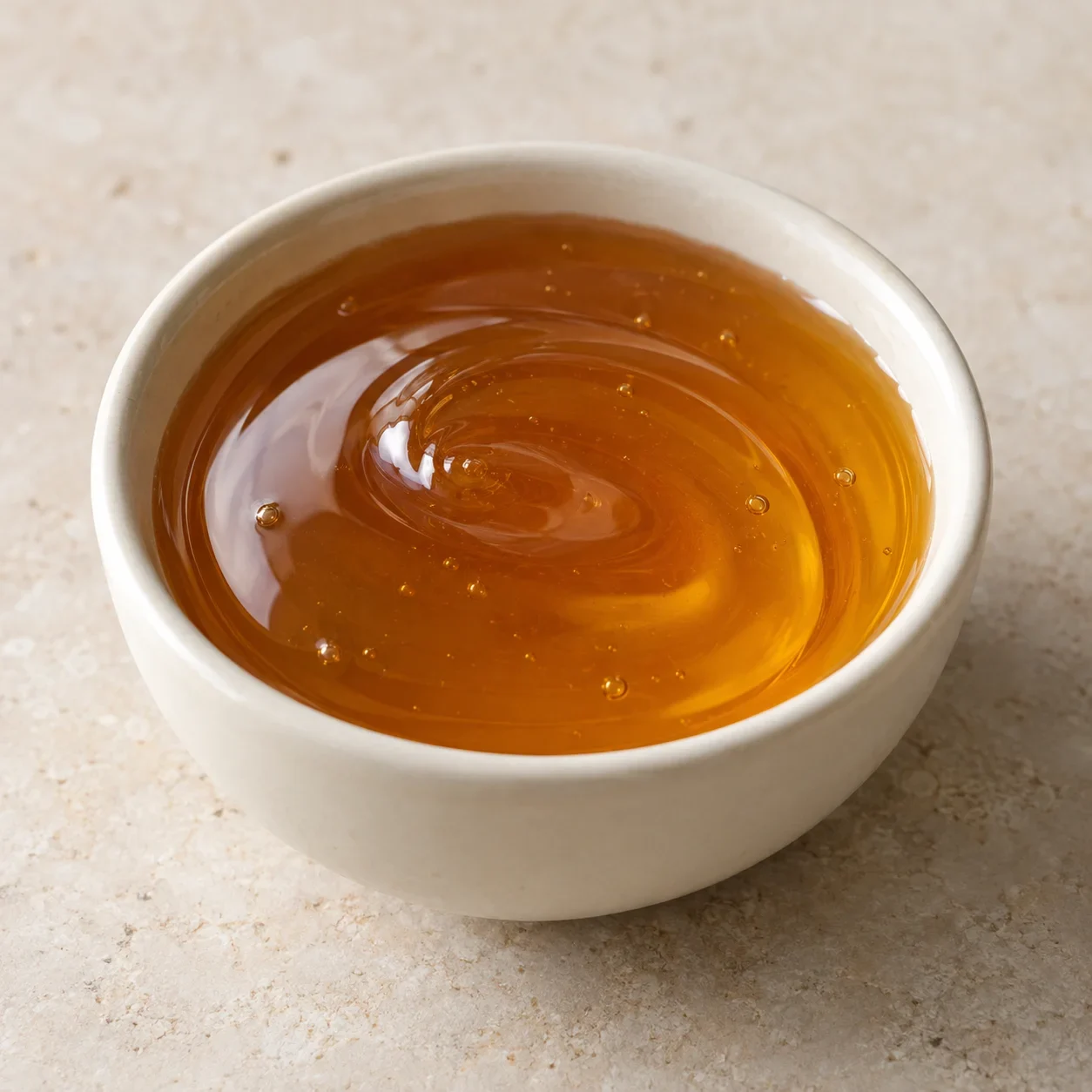
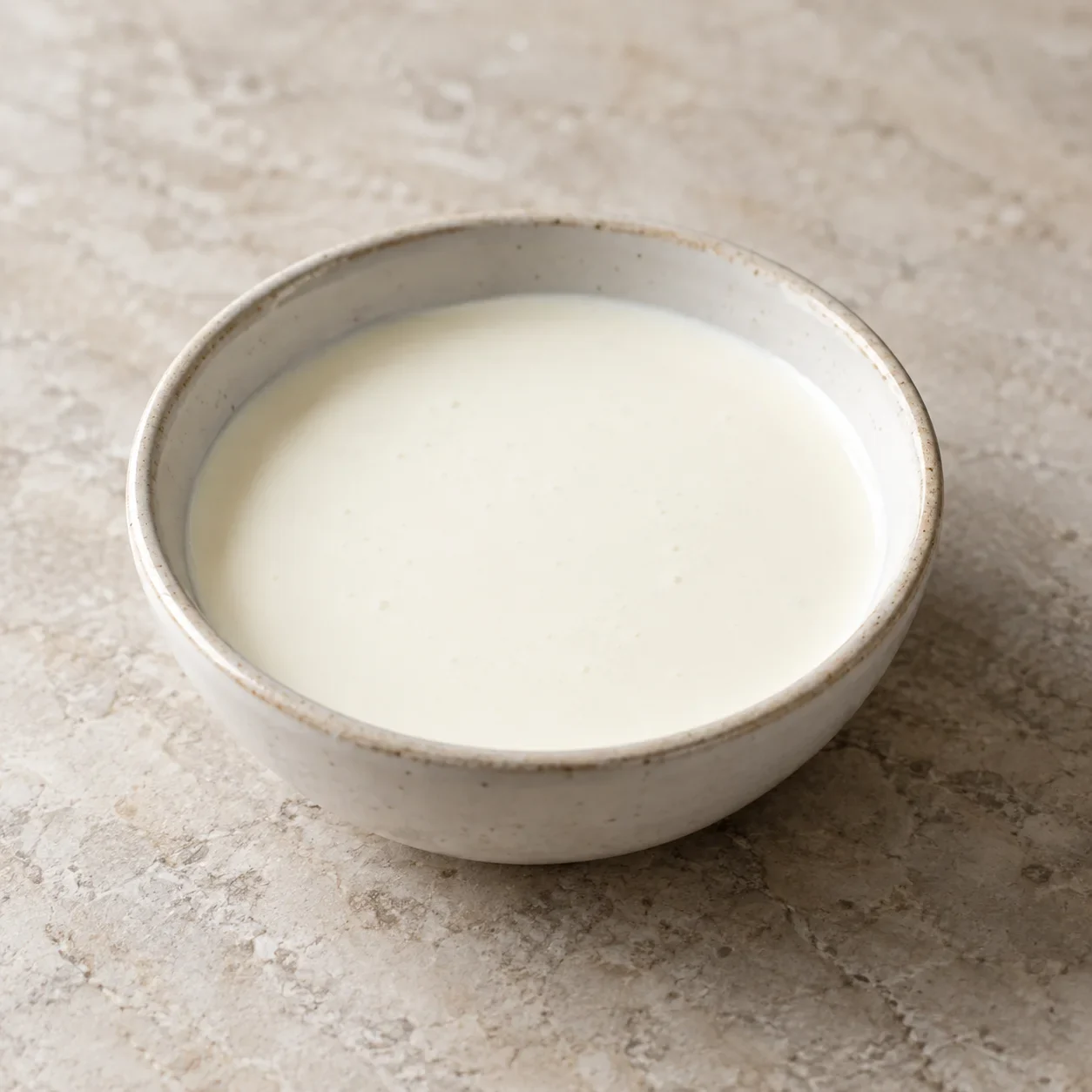
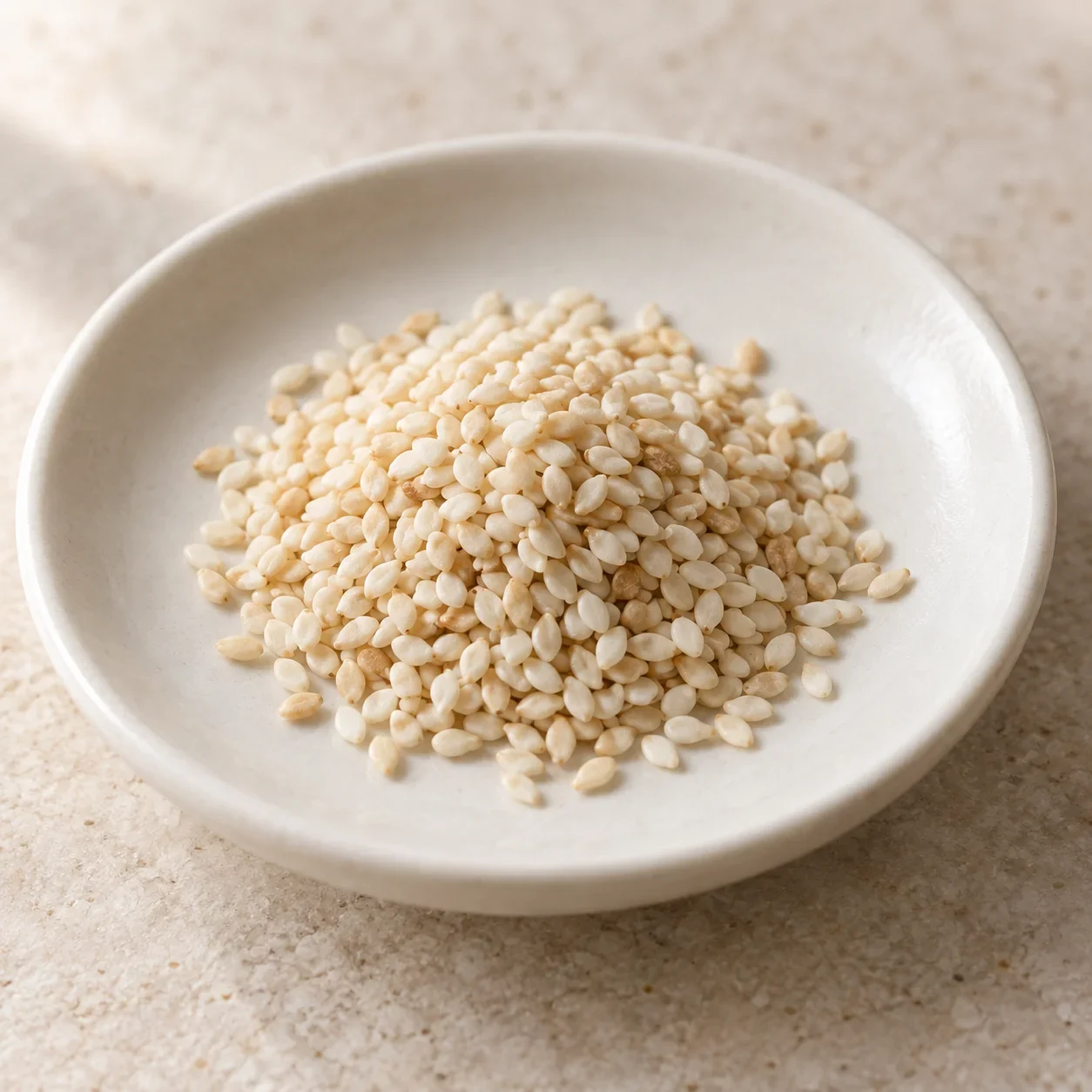
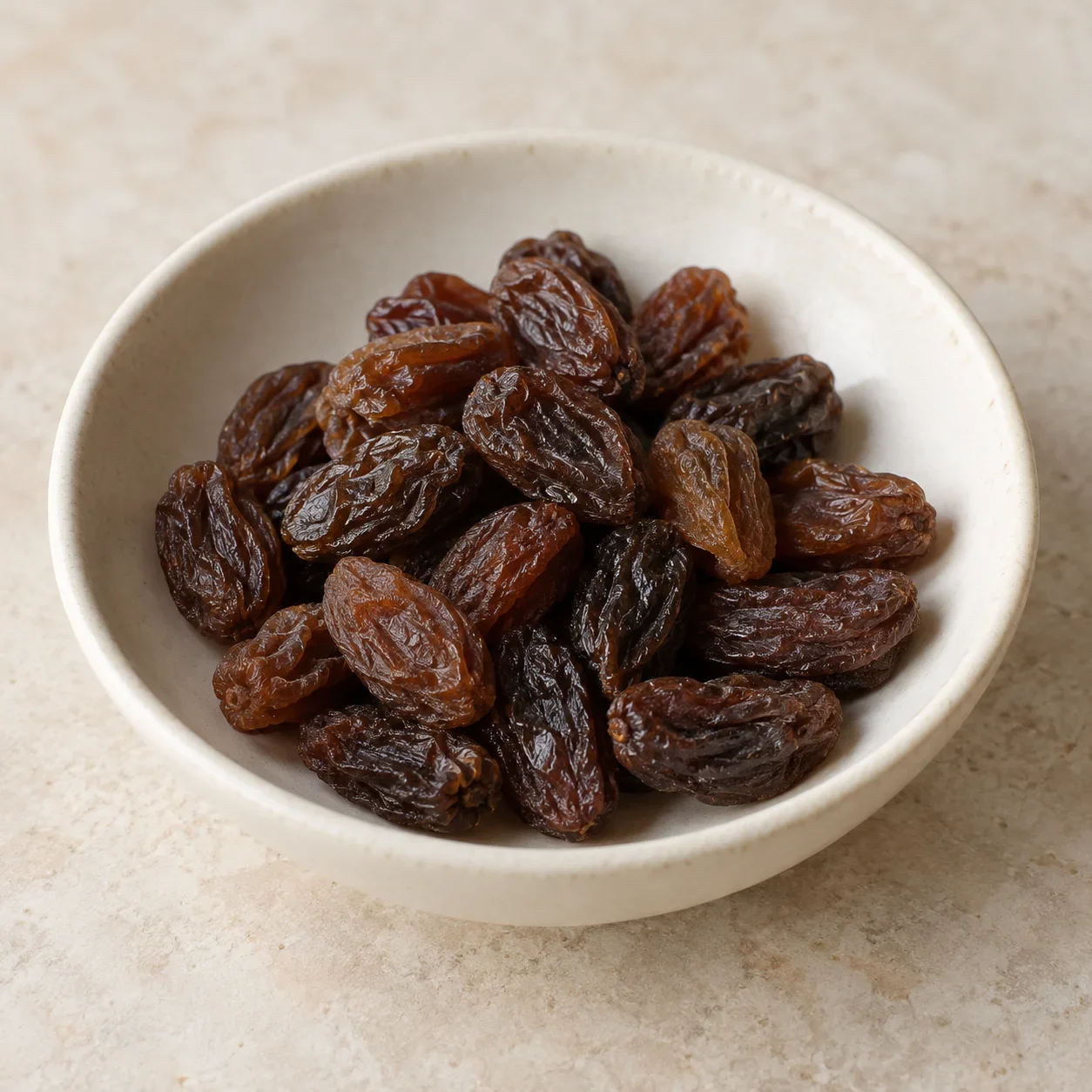
Recipes vary by restaurant.
How does it taste?
Sweet and egg-rich; some versions have honey or osmanthus notes.
- Chili heat
- Texture
- Light, crumbly and soft, with a sticky syrup coating.
- How it’s made
- Make egg-and-wheat dough into strands, fry them, coat with syrup, press into a slab and cut into blocks after setting.
Syrups and toppings vary. Honey, cream, sesame, raisins, seeds or hawthorn-cake pieces may be added.
A CONNECTION TO PLACE
Origin & regional roots
Associated with Beijing.
About this regional connection
Beijing: Beijing tourism publications document Saqima among Beijing cakes and sweets. The item is also described as Manchu and widespread; Beijing is not claimed as exclusive origin.
Ask if they have it first
请问你们有萨其马吗?
Do you have this item?
A LITTLE SOMETHING TO READ
Story & history
Saqima in Beijing’s Manchu pastry tradition
Saqima appears among Manchu traditional pastries in accounts of Qing-era banner food around Beijing. It belongs to a broader household food repertoire in the capital’s banner communities, where cuisines met and mixed.