
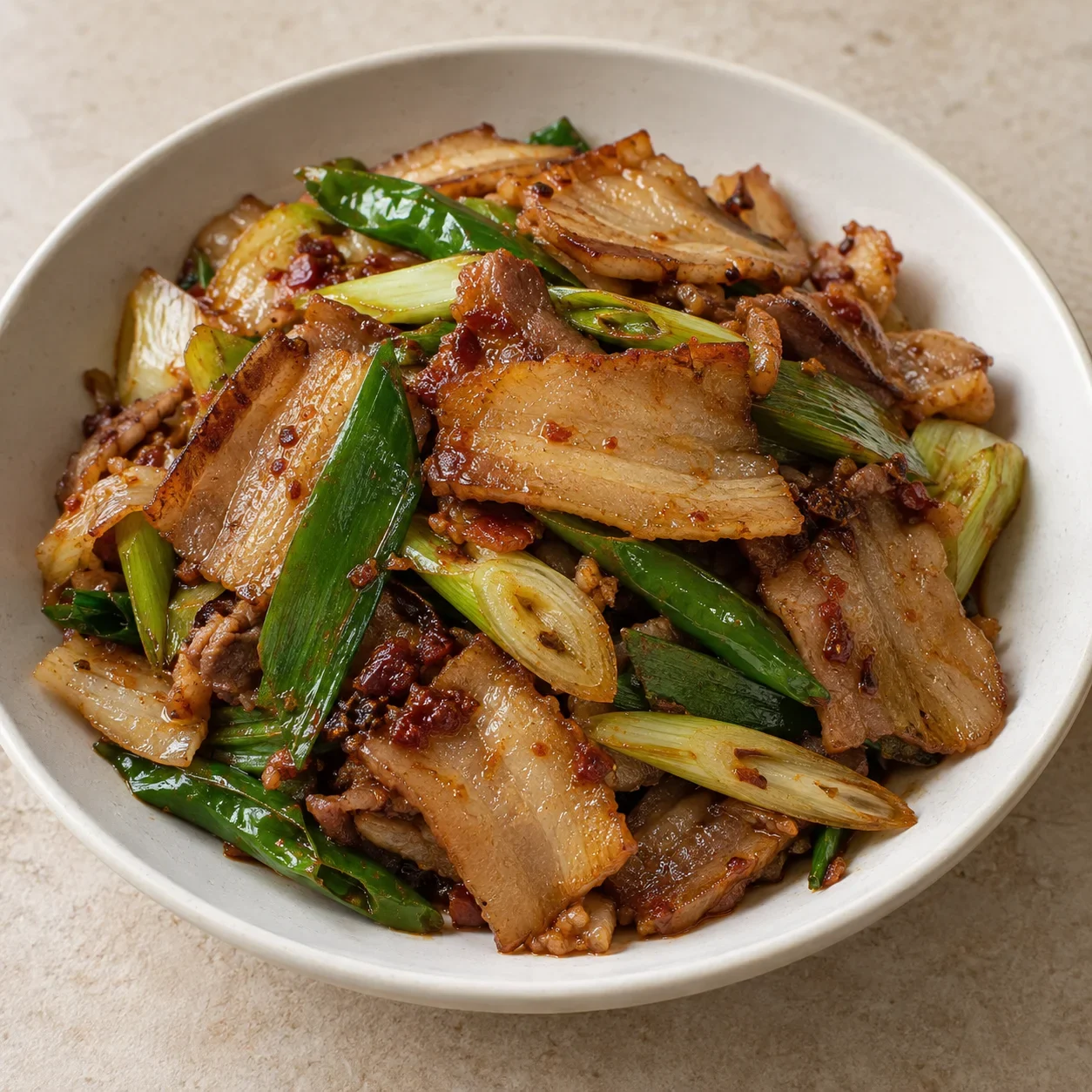
At the table
Serve small portions of the pork and vegetables with rice. Try a small portion first; add more sauce only if the heat suits you.
Contains pork and chili broad-bean paste. Recipes vary; confirm the actual ingredients if you have dietary restrictions.
GET TO KNOW THE DISH
What goes into it?
Explore some key ingredients below. Preparations may use additional seasonings and ingredients.
Leeks and long green chilies can accompany the pork. Vegetable choices and the balance of lean meat and fat differ; the dish is not simply reheated leftover pork.
Typical ingredients
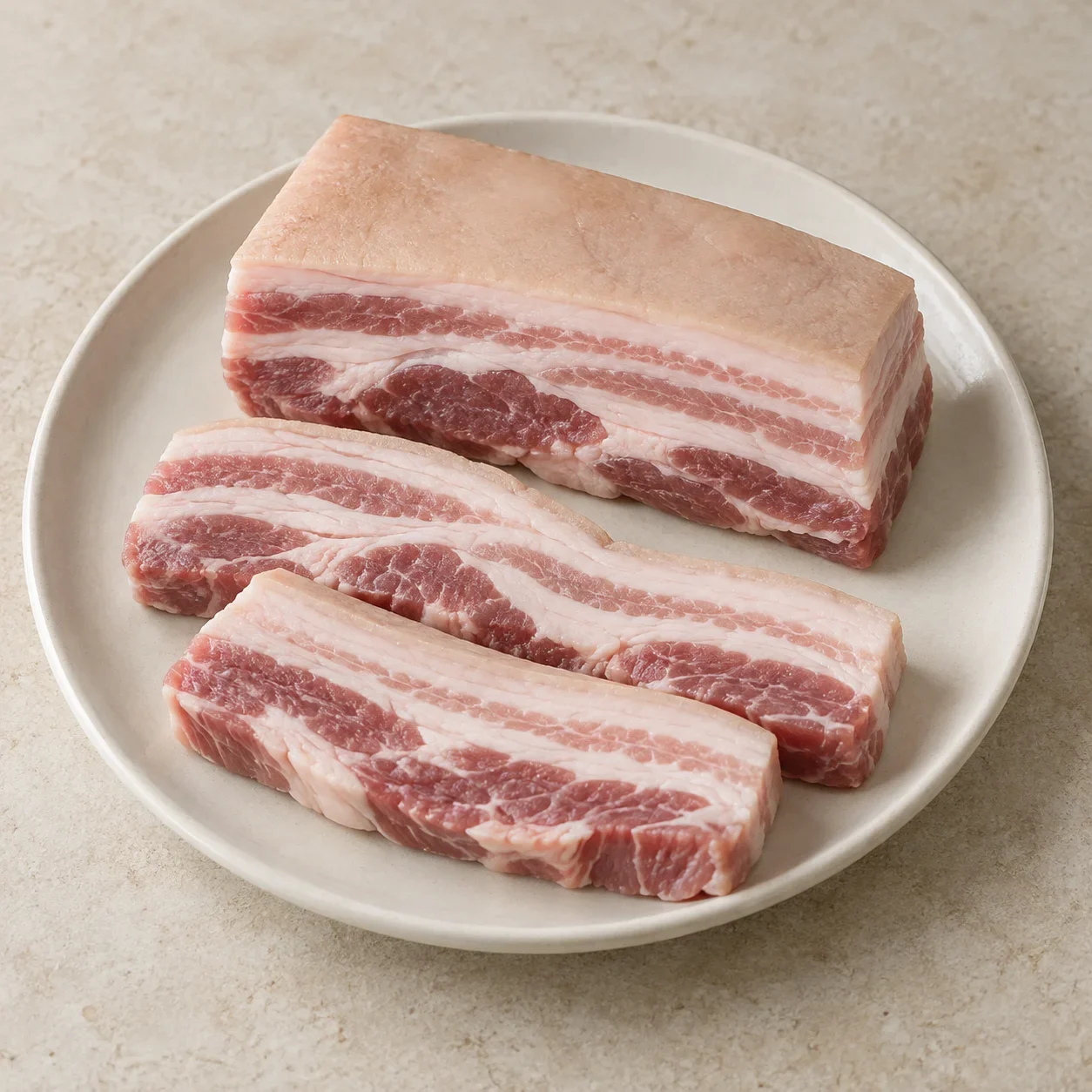
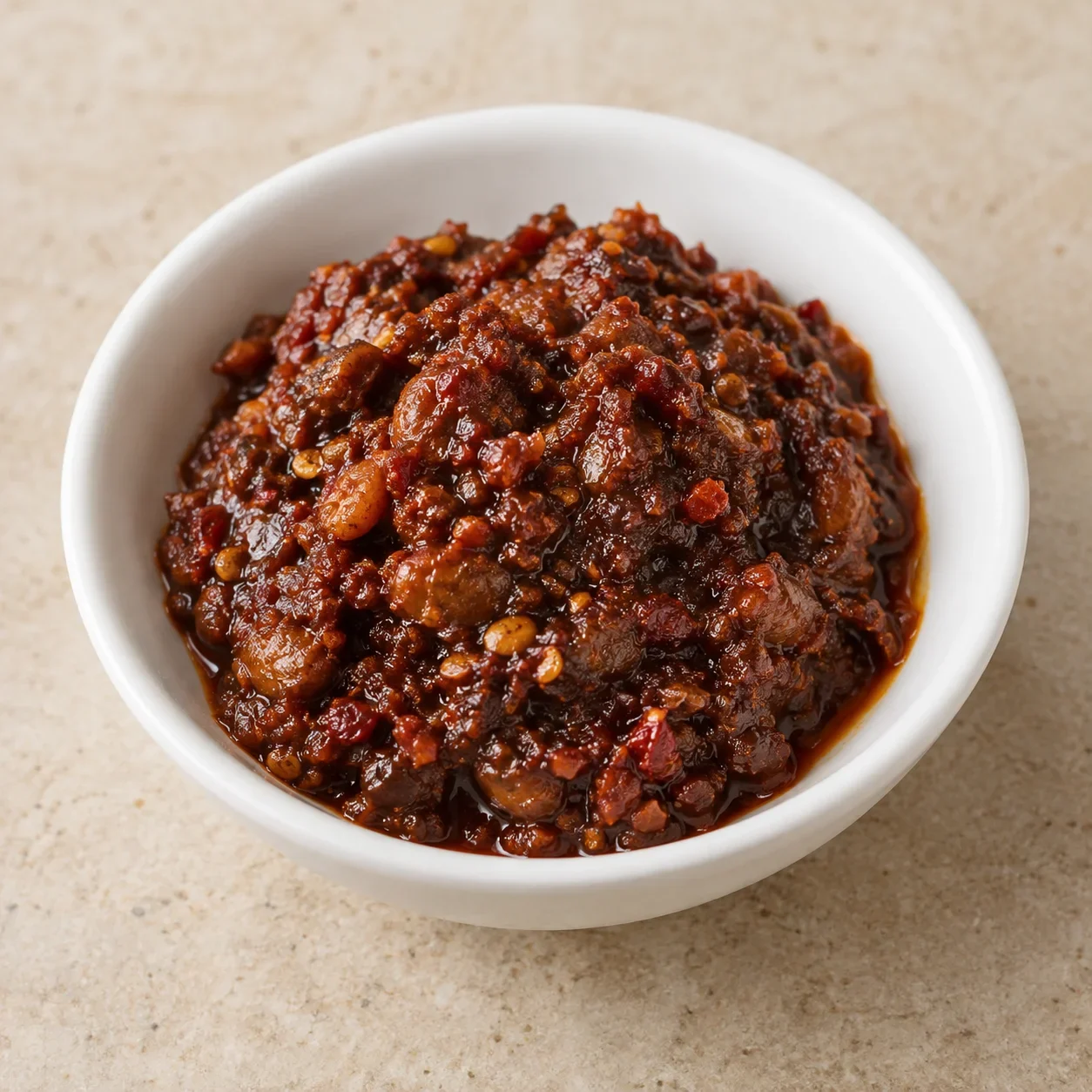
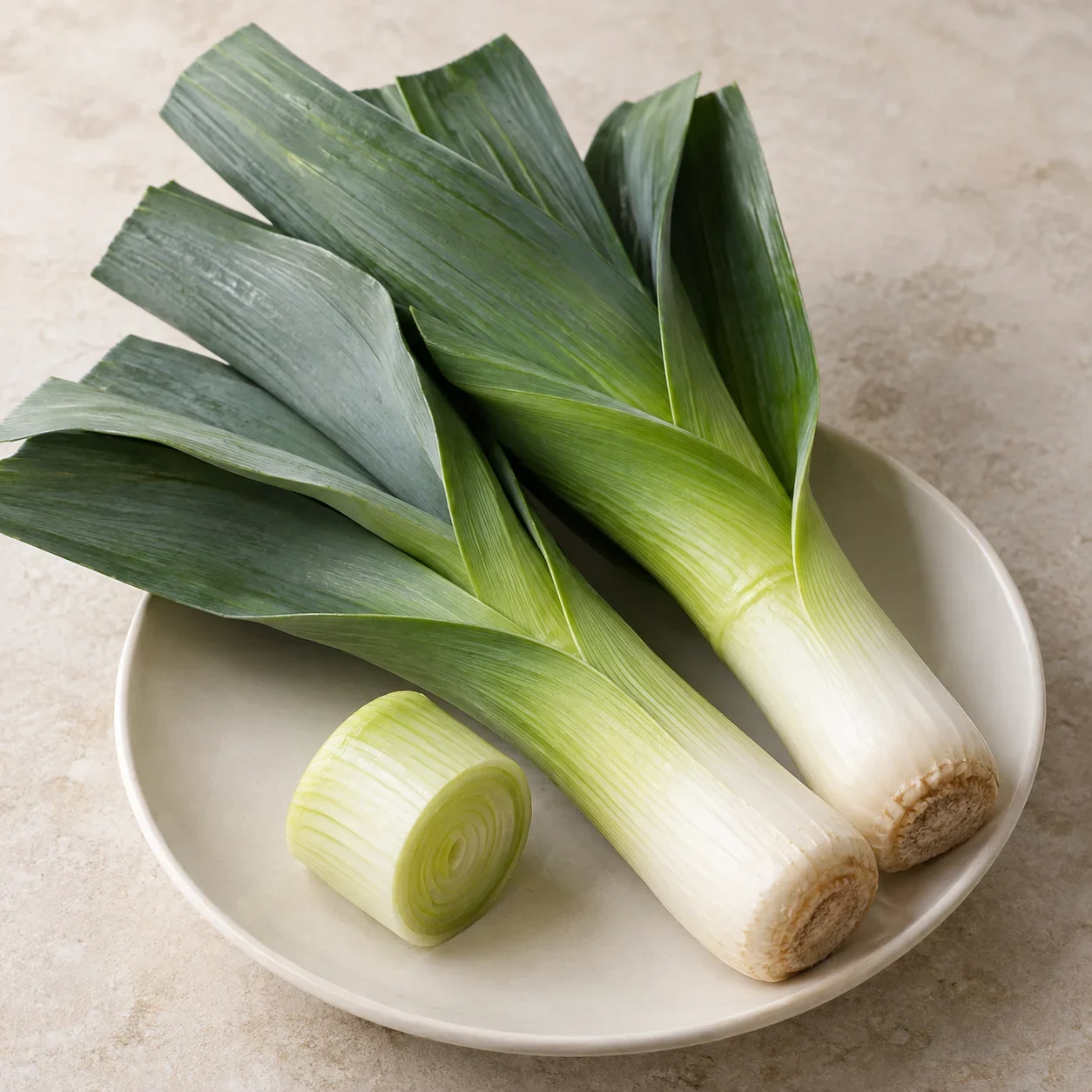
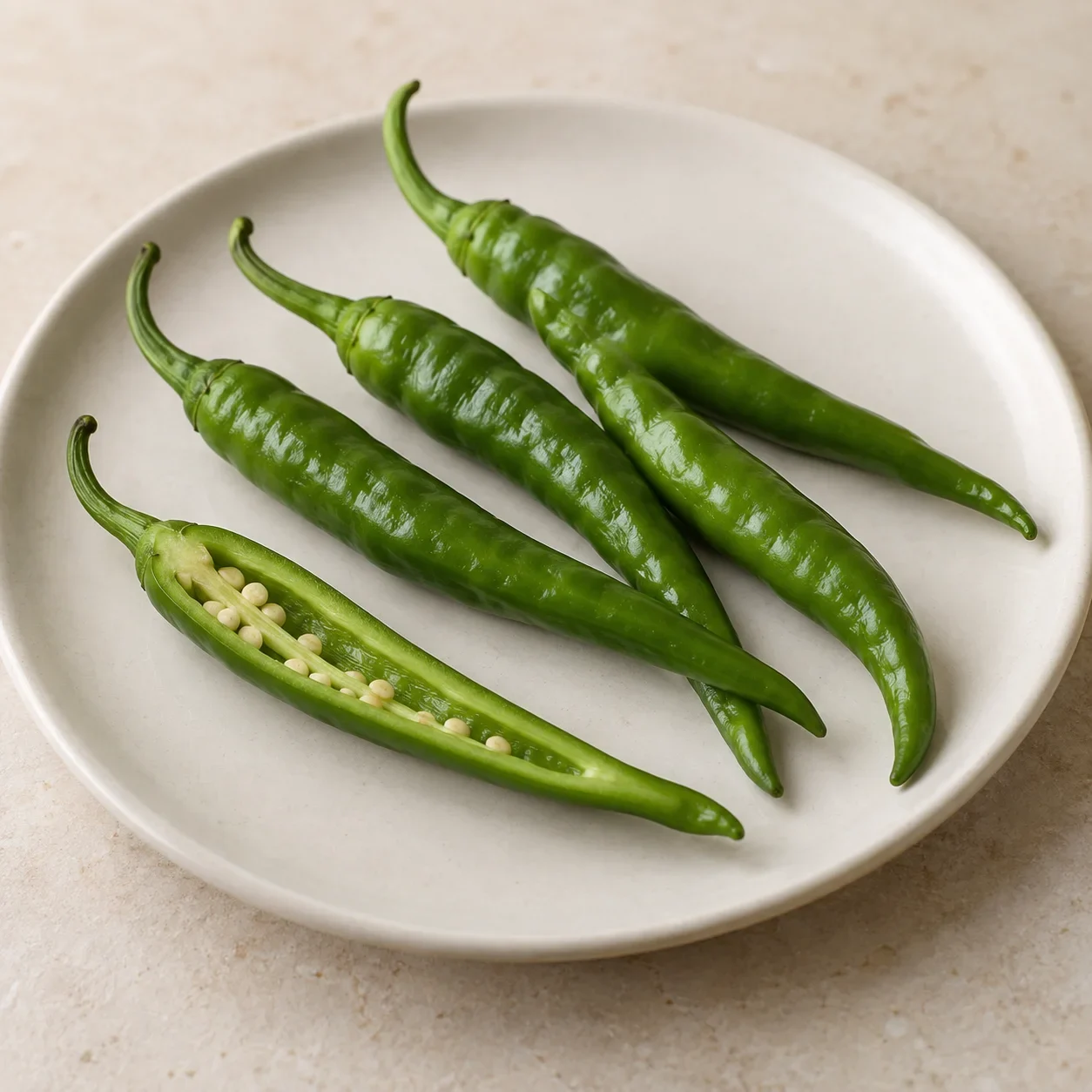
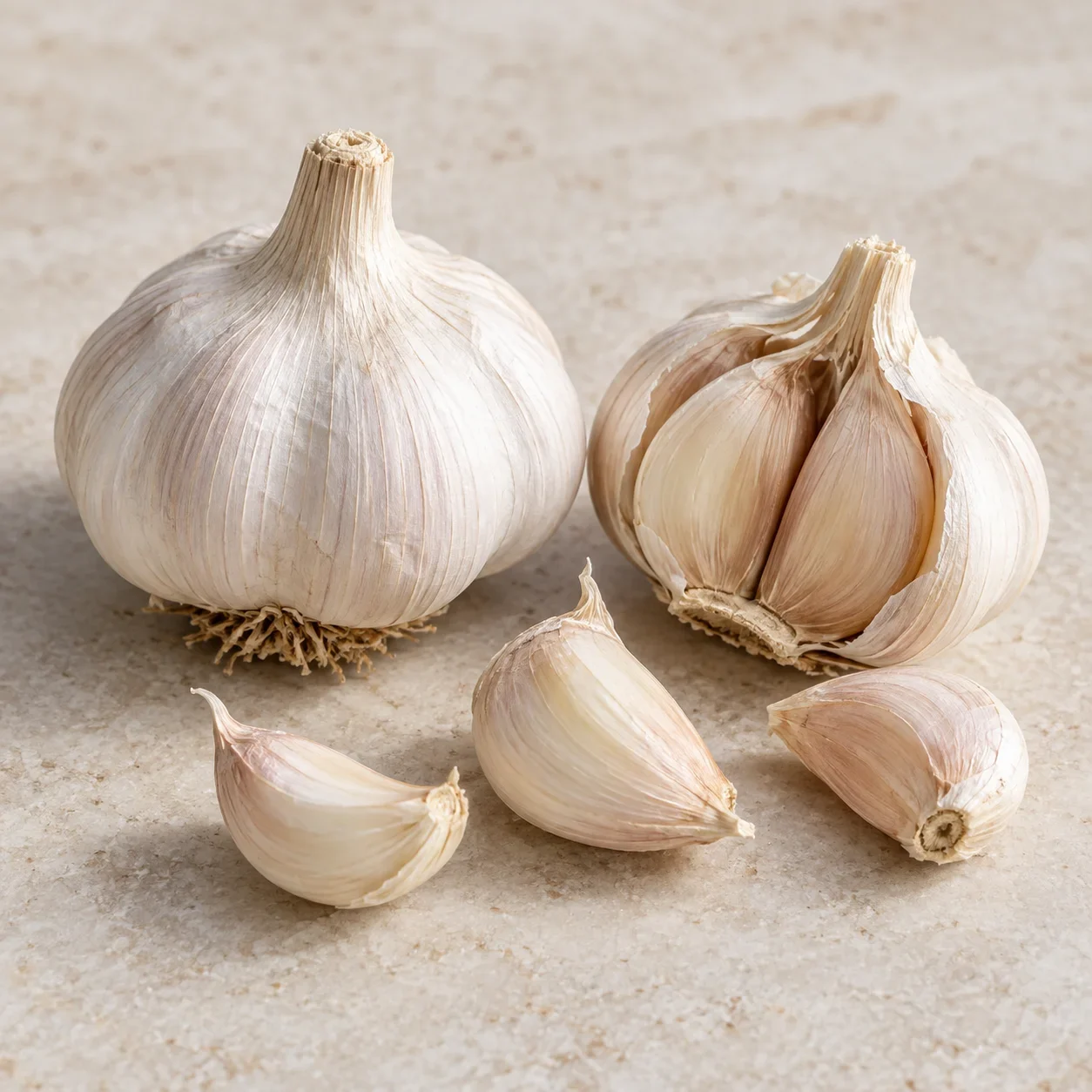
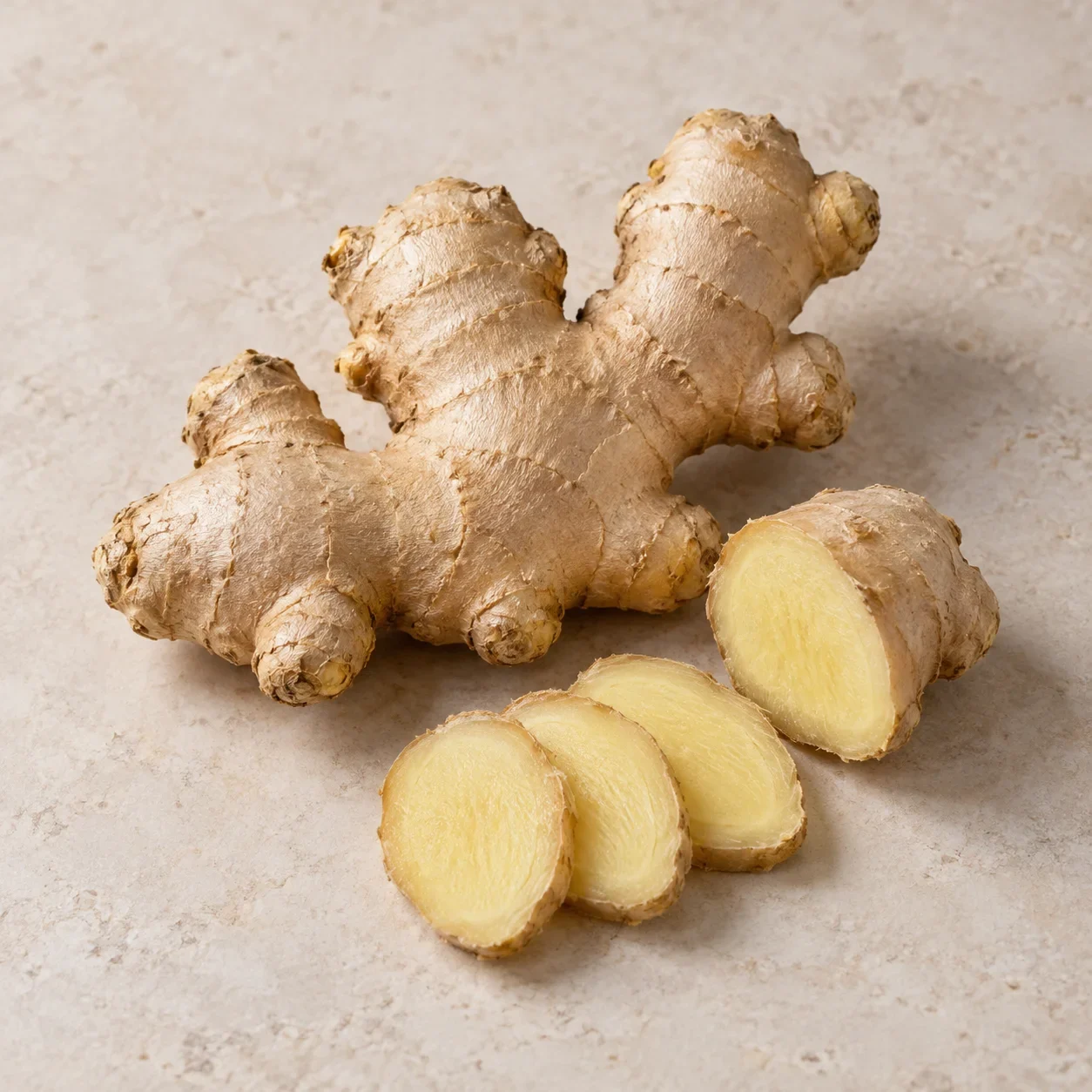
Recipes vary by restaurant.
How does it taste?
Salty and savory with fermented-bean depth and chili heat.
- Chili heat
- Texture
- Tender fatty slices with seared edges; vegetables retain some bite.
- How it’s made
- Simmer a whole piece of pork, cool and slice it, then stir-fry with seasonings.
Leeks and long green chilies can accompany the pork. Vegetable choices and the balance of lean meat and fat differ; the dish is not simply reheated leftover pork.
A CONNECTION TO PLACE
Origin & regional roots
Associated with Sichuan.
About this regional connection
Sichuan: Part of the Sichuan cooking repertoire.
Ask if they have it first
请问你们有回锅肉吗?
Do you have this item?
A LITTLE SOMETHING TO READ
Story & history
Pork that returns to the wok, in a Sichuan story
This account describes a tradition or story, rather than an established historical fact.
One Sichuan telling sets twice-cooked pork in the late Qing: a Chengdu scholar returning home for ancestor rites is said to have boiled pork for the offering, then sliced and stir-fried it with green garlic and seasonings afterward. Stories about the dish’s beginnings vary, so this is local lore, not a proven origin. The name huiguo describes the second trip to the wok, a two-stage preparation that became one of Sichuan’s best-known home-style dishes.