
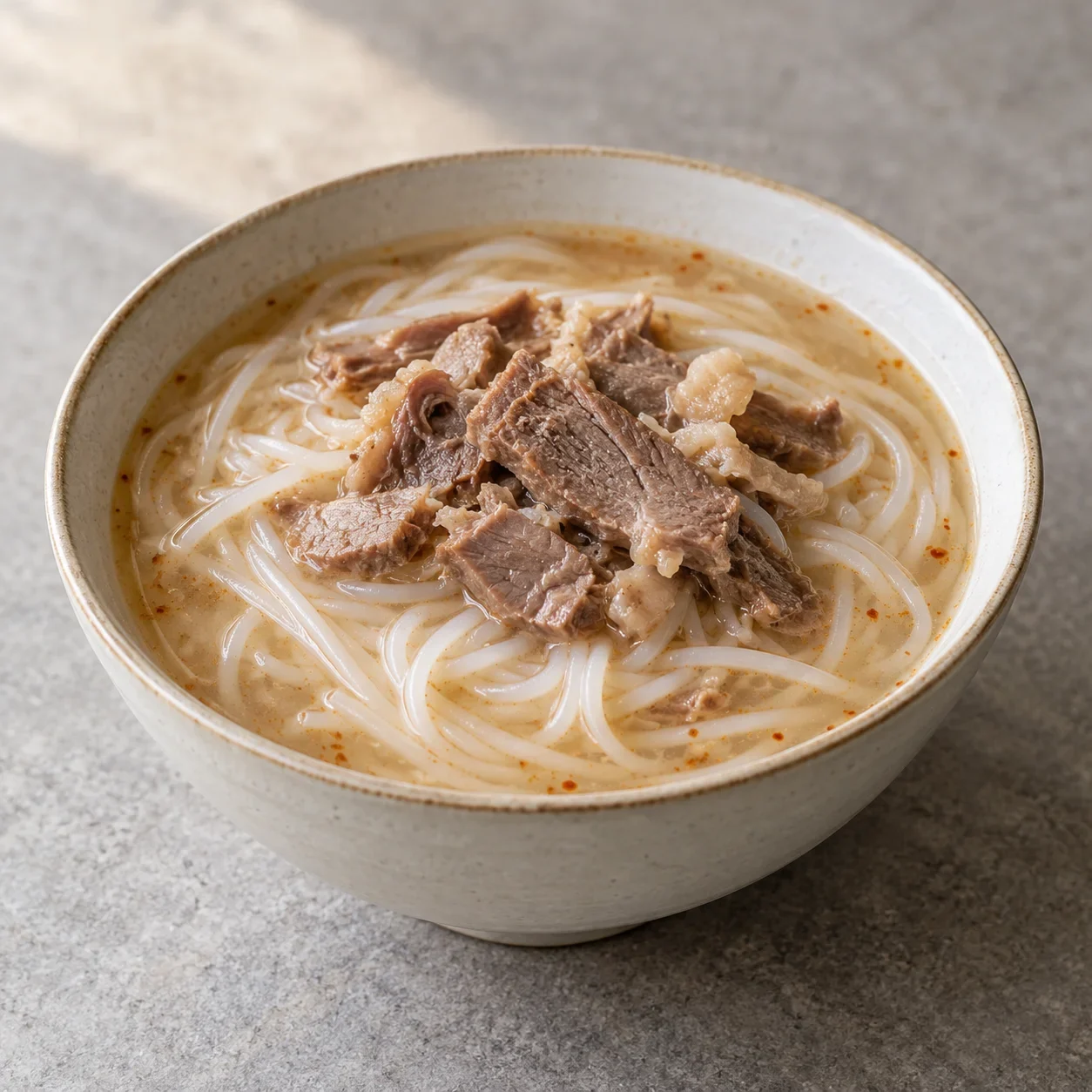
At the table
Mix the meat topping through the noodles. Use chopsticks for small mouthfuls and a spoon for broth.
Watch for bones in the meat and let hot broth cool. Bean paste may contain soy or wheat; ask about seasoning if you have allergies.
Chili, meat cuts and noodle shape vary. Some meat pieces contain bone; ask for less chili if preferred.
GET TO KNOW THE DISH
What goes into it?
Explore some key ingredients below. Preparations may use additional seasonings and ingredients.
Chili, meat cuts and noodle shape vary. Some meat pieces contain bone; ask for less chili if preferred.
Typical ingredients
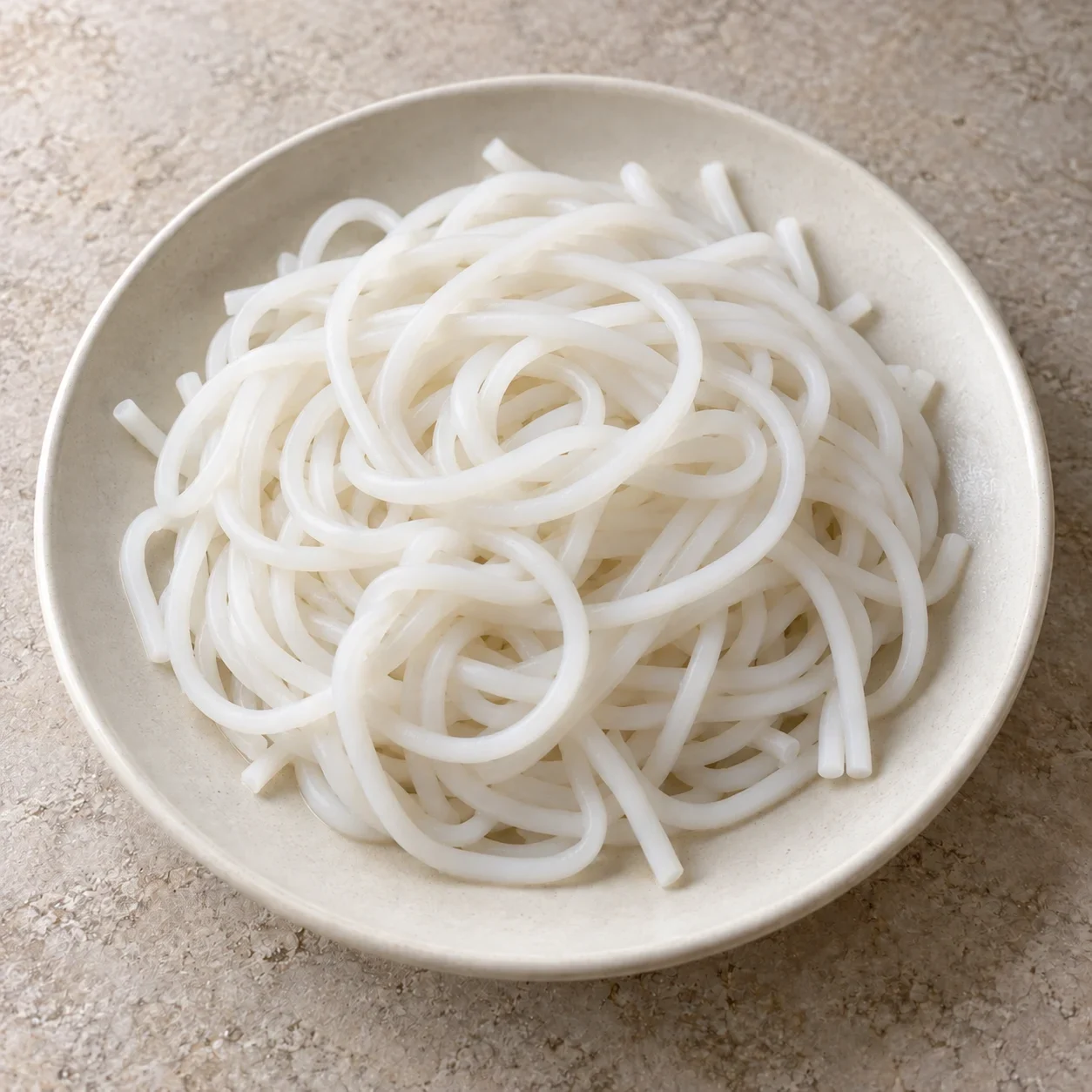
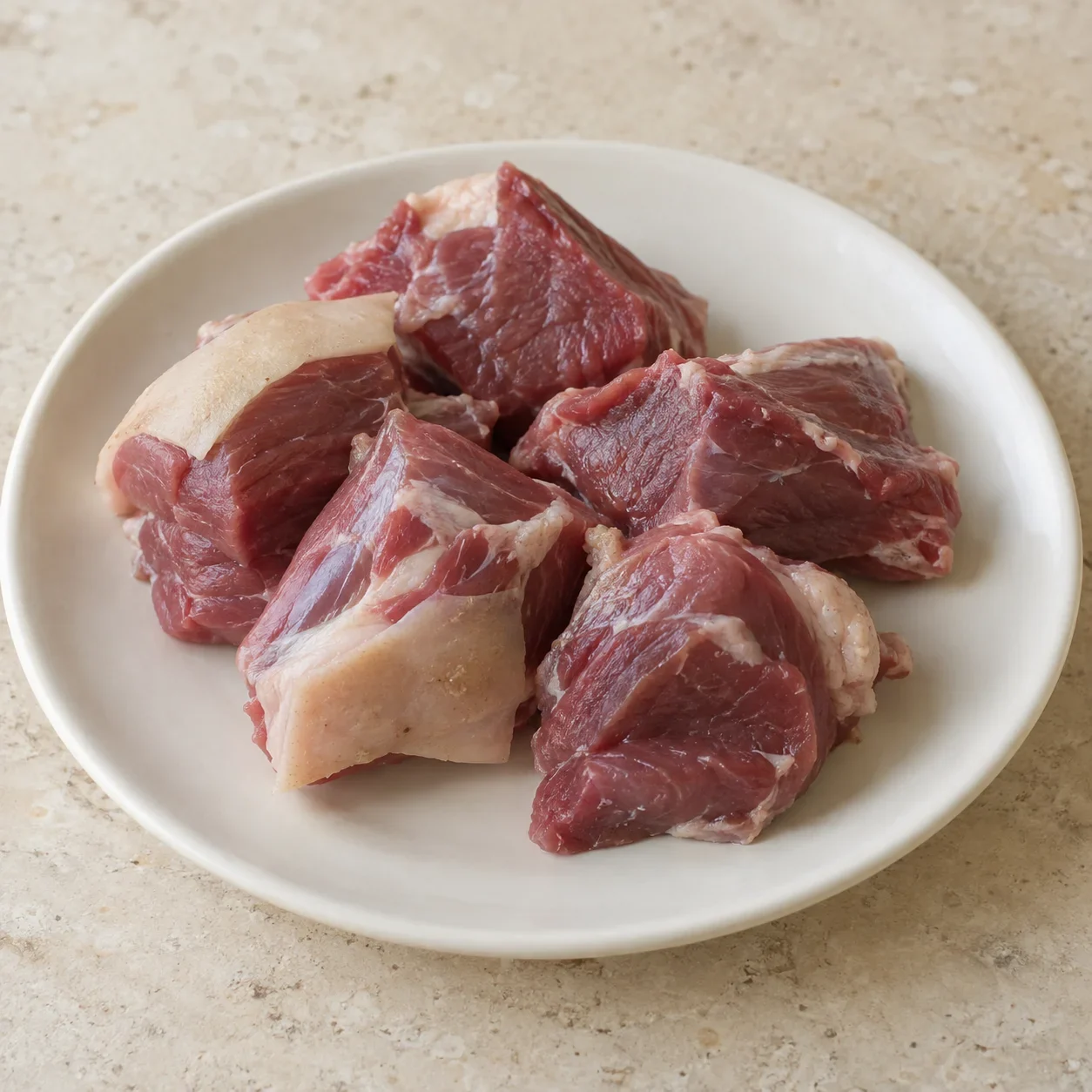
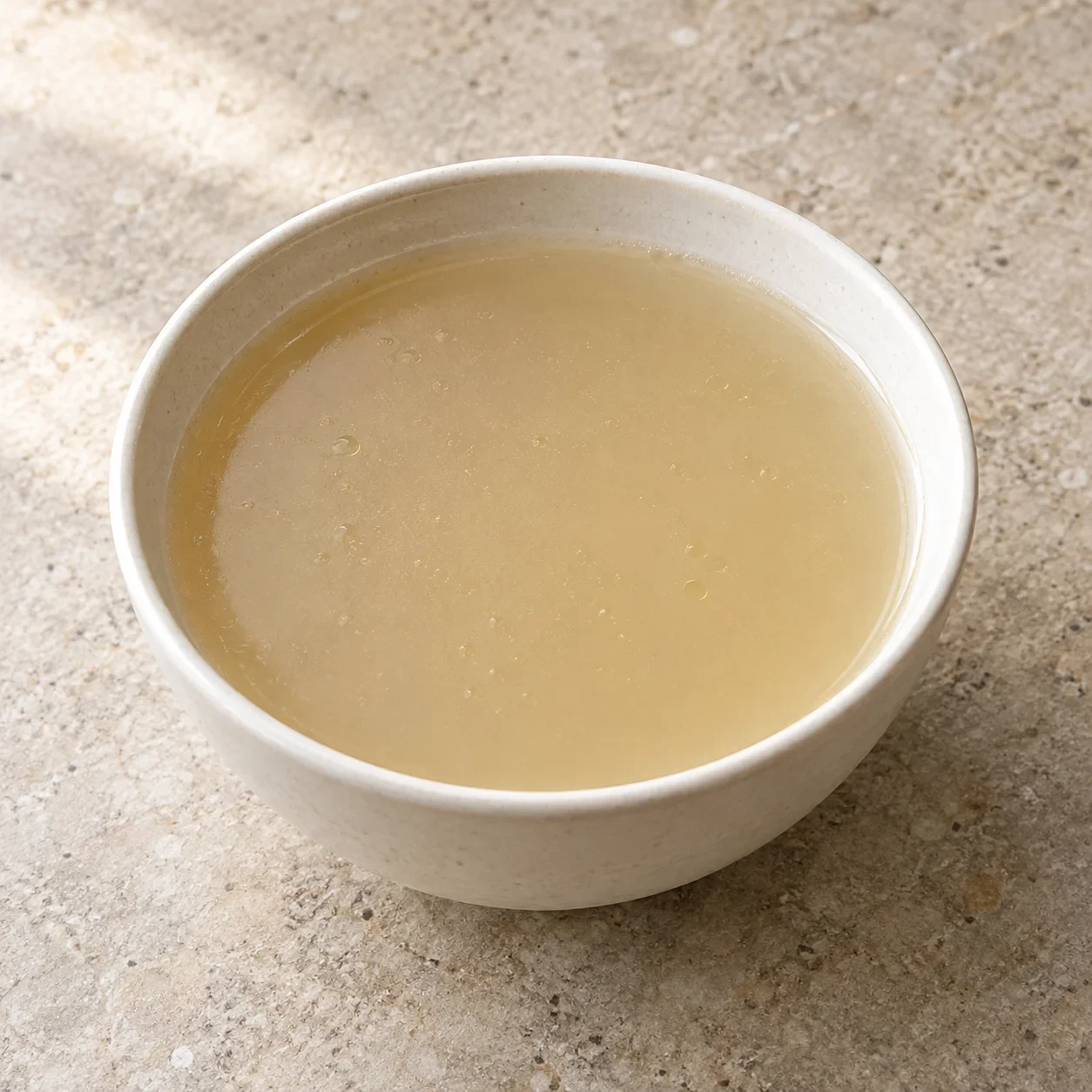
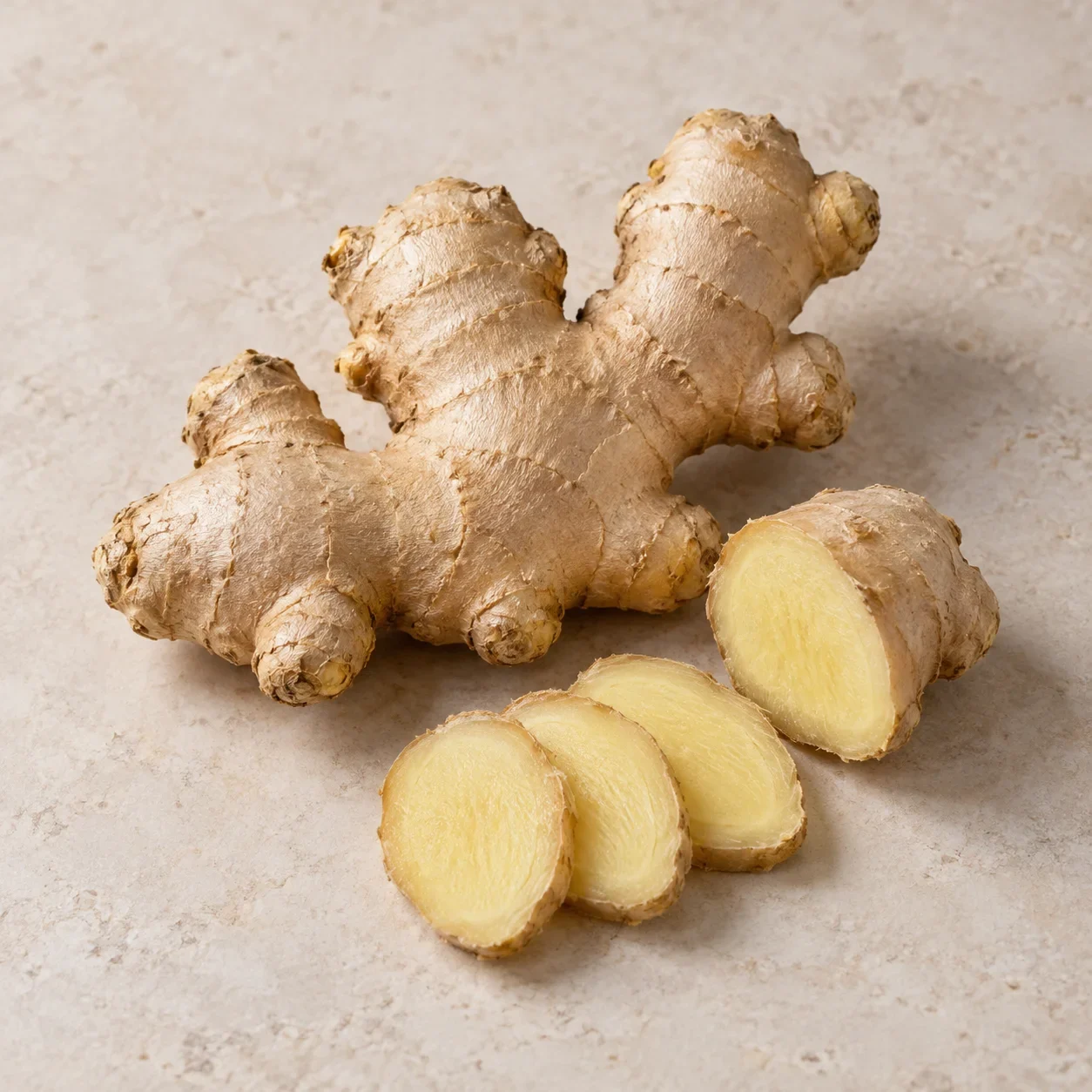
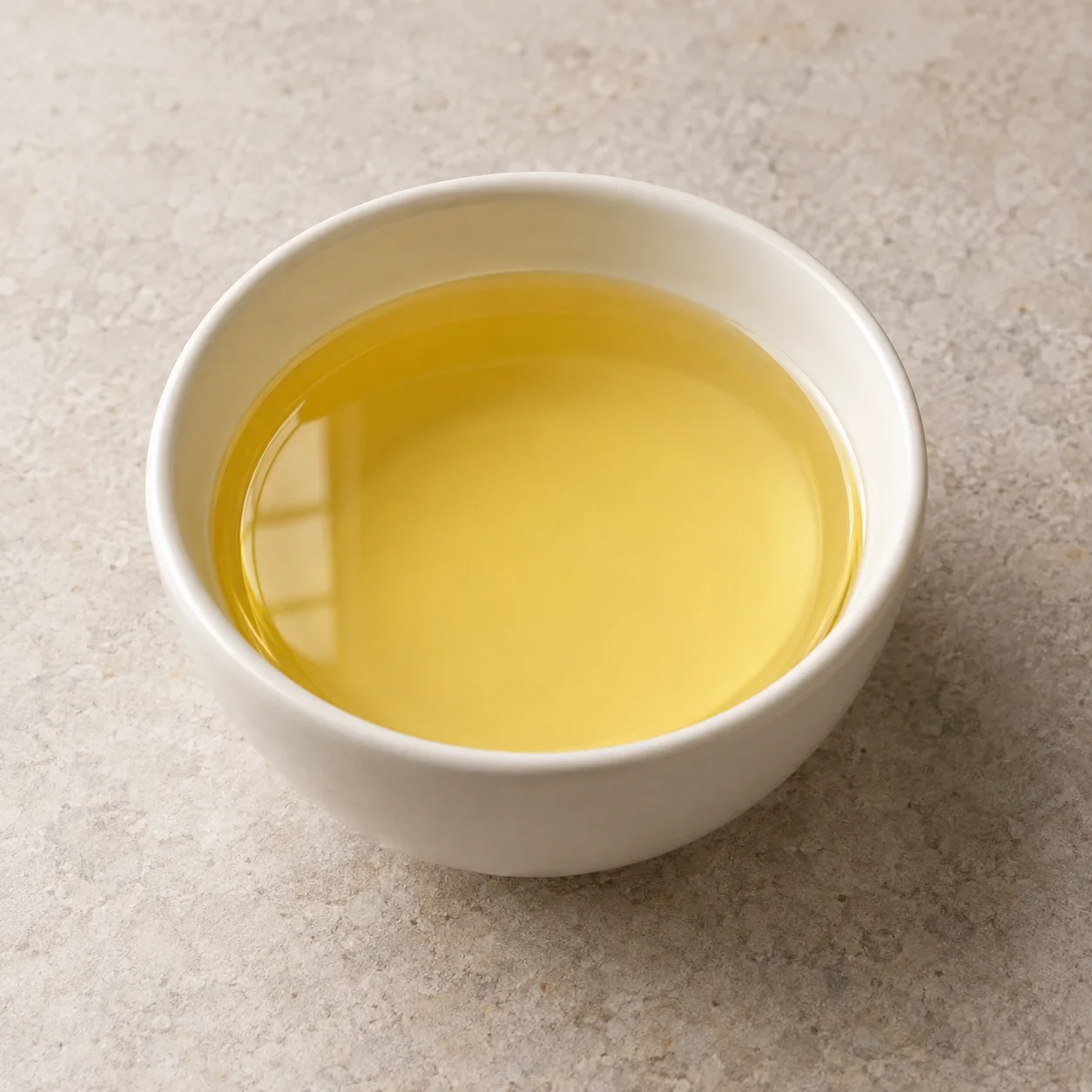

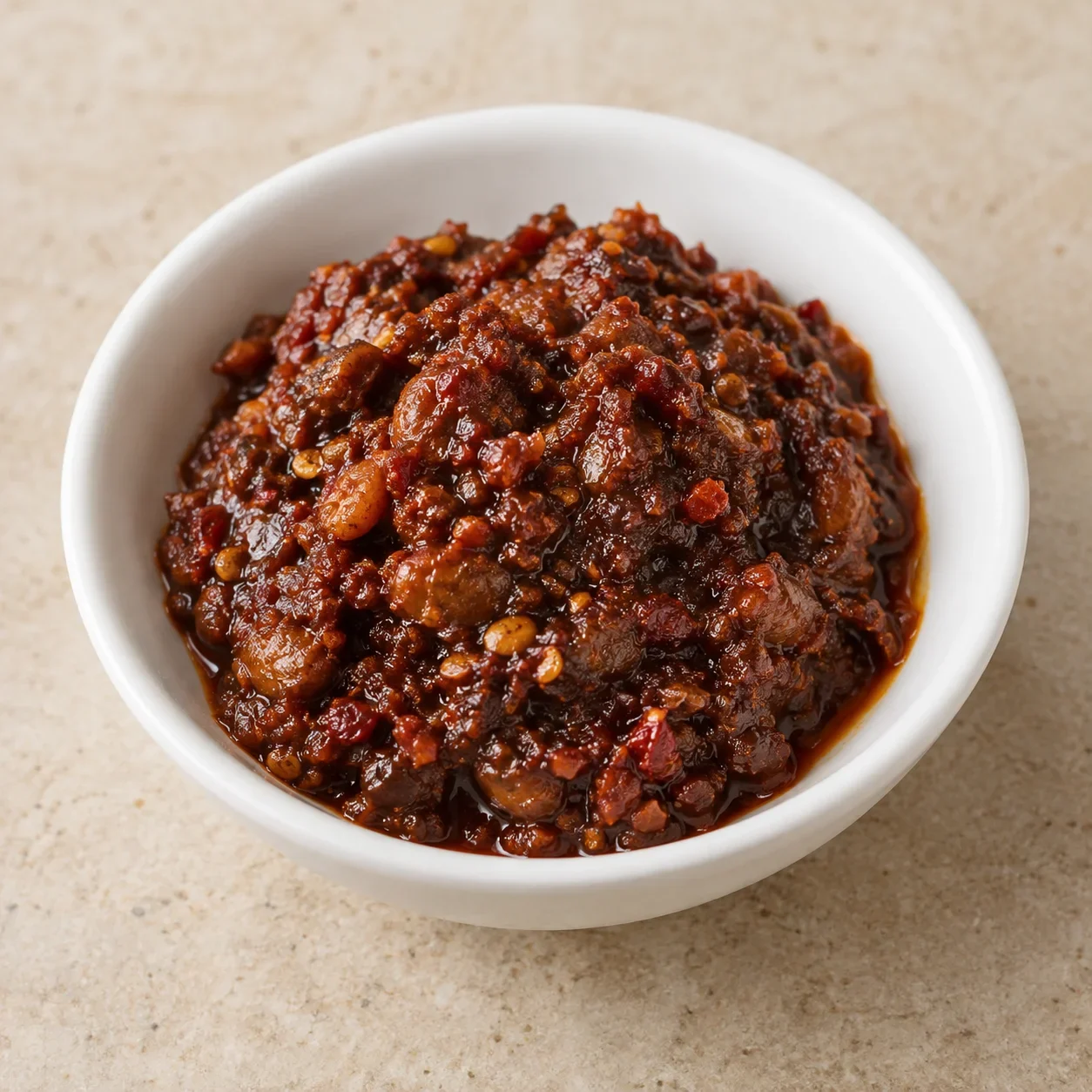
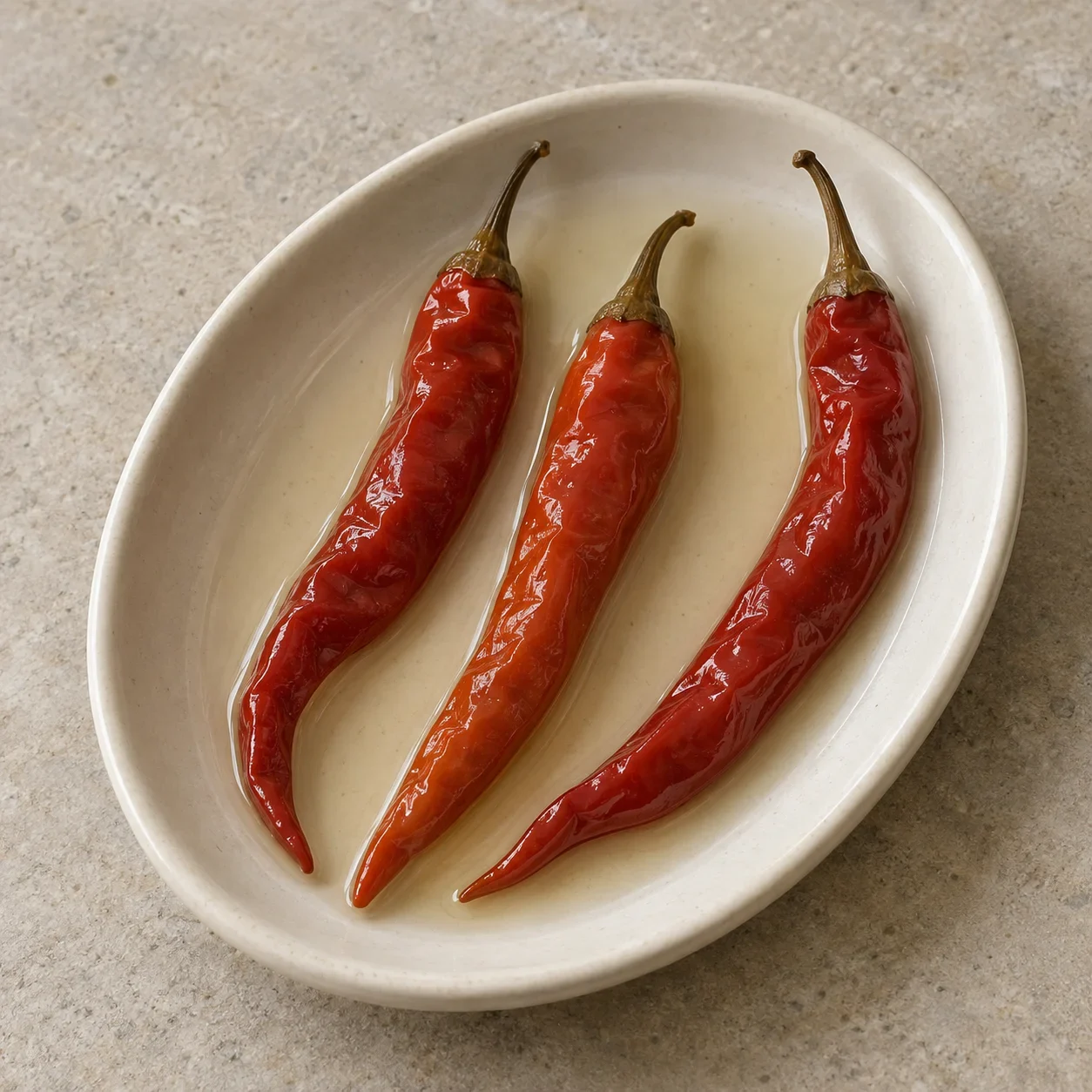
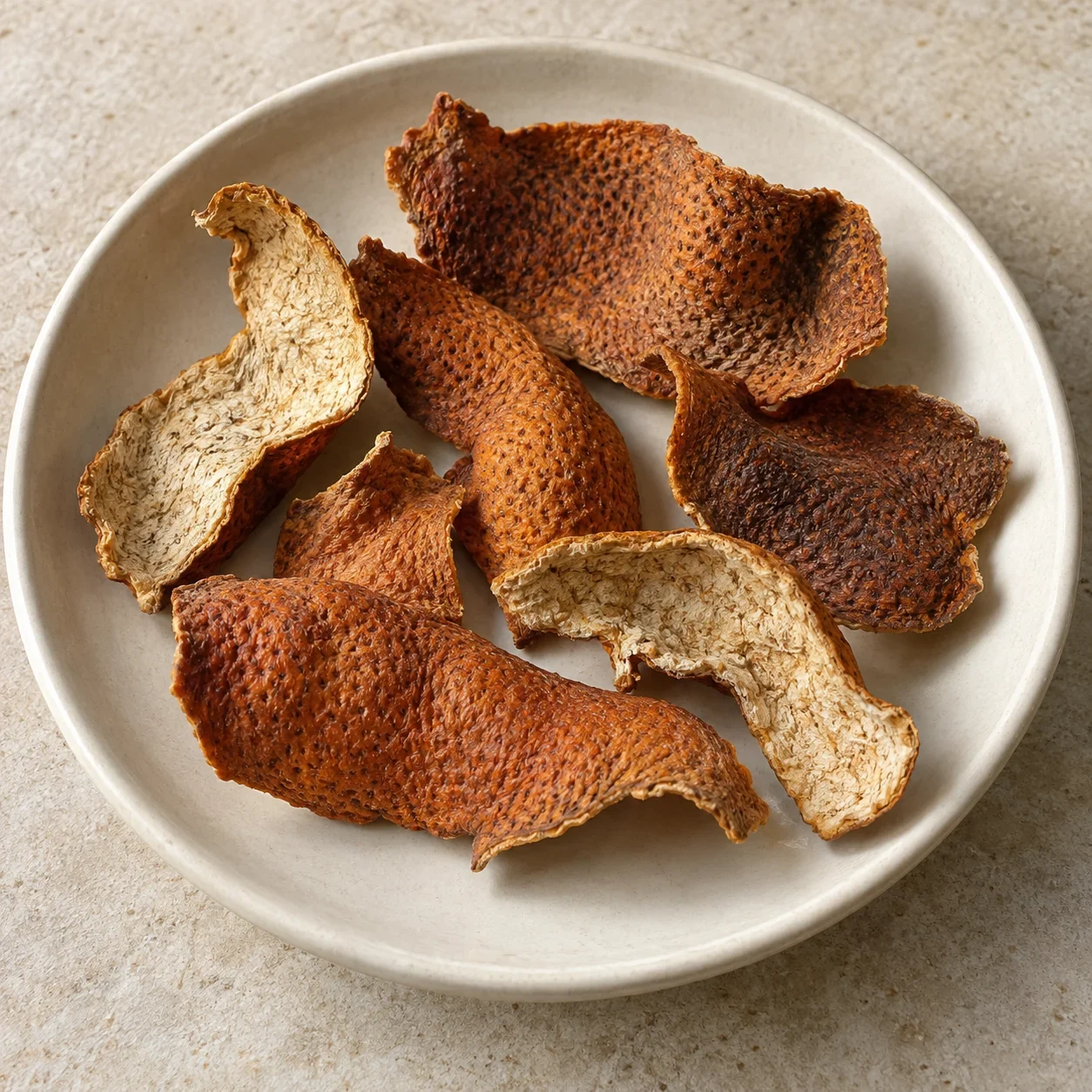
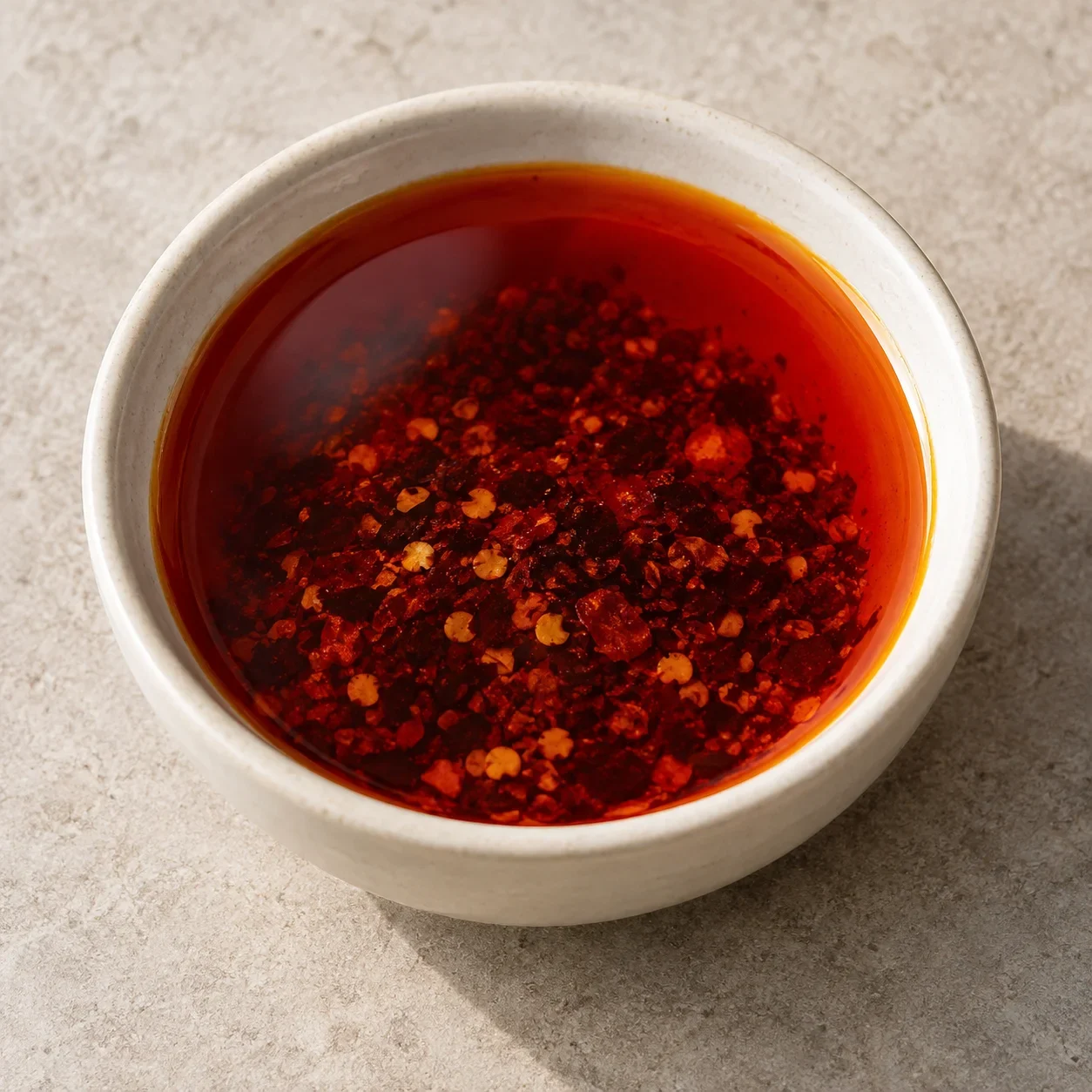
Recipes vary by restaurant.
How does it taste?
Savory meat and broth, with mild chili warmth; extra chili oil makes it hotter.
- Chili heat
- Texture
- Smooth rice noodles and tender meat; noodle width and firmness vary.
- How it’s made
- The goat topping is cooked with aromatics and broth, then served over blanched rice noodles in slowly simmered bone stock.
Chili, meat cuts and noodle shape vary. Some meat pieces contain bone; ask for less chili if preferred.
A CONNECTION TO PLACE
Origin & regional roots
Associated with Chongqing.
About this regional connection
Chongqing: The official Chongqing food table associates this named candidate with Hechuan District, and local Hechuan media/government sources describe the corresponding regional noodle style; this does not imply exclusive origin or current availability.
Ask if they have it first
请问你们有合川羊肉粉吗?
Do you have this item?
A LITTLE SOMETHING TO READ
Story & history
Hechuan goat rice noodles, the first bowl after a journey home
This account describes a tradition or story, rather than an established historical fact.
Hechuan goat rice noodles pair soft, traditionally made rice noodles with a topping of local goat cooked in its broth and a stock slowly simmered from goat bones and head. Noodles, meat and soup each bring a layer of savory freshness. Local tradition traces the dish’s arrival from northern Sichuan along the Jialing River during the Qing, before Hechuan cooks adapted it to local ingredients and tastes. Many people remember it as the first bowl after returning home from a trip.