
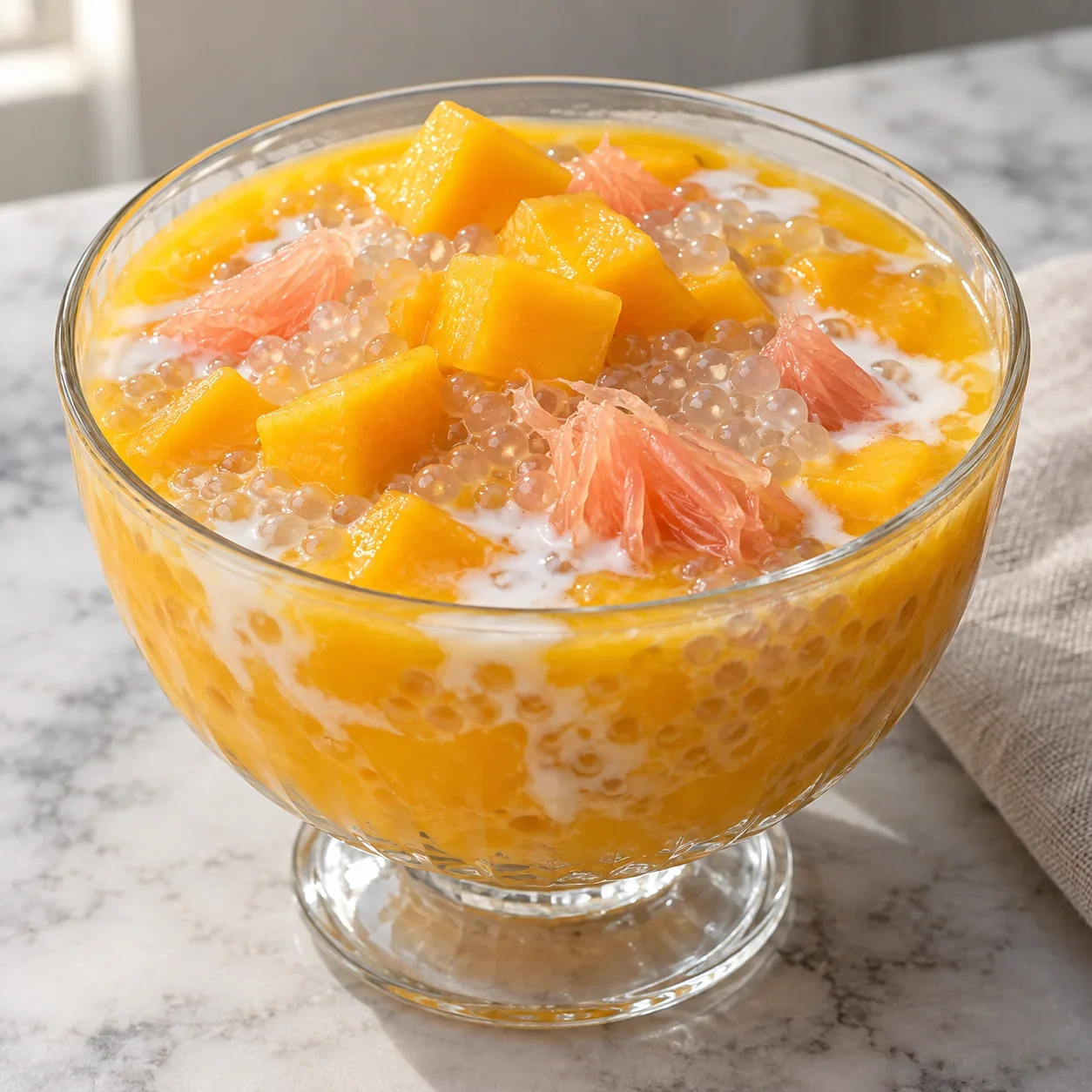
The creamy mango mixture is sweet and spoonable; offer a small chilled portion and check the slippery sago pearls and dairy variation.
Recipes vary. Ask the restaurant about ingredients and serving before you order.
GET TO KNOW THE DISH
What goes into it?
Explore some key ingredients below. Preparations may use additional seasonings and ingredients.
Citrus varieties and sweetness vary. Some versions add evaporated milk, fresh milk, cream or a cultured milk drink.
Typical ingredients
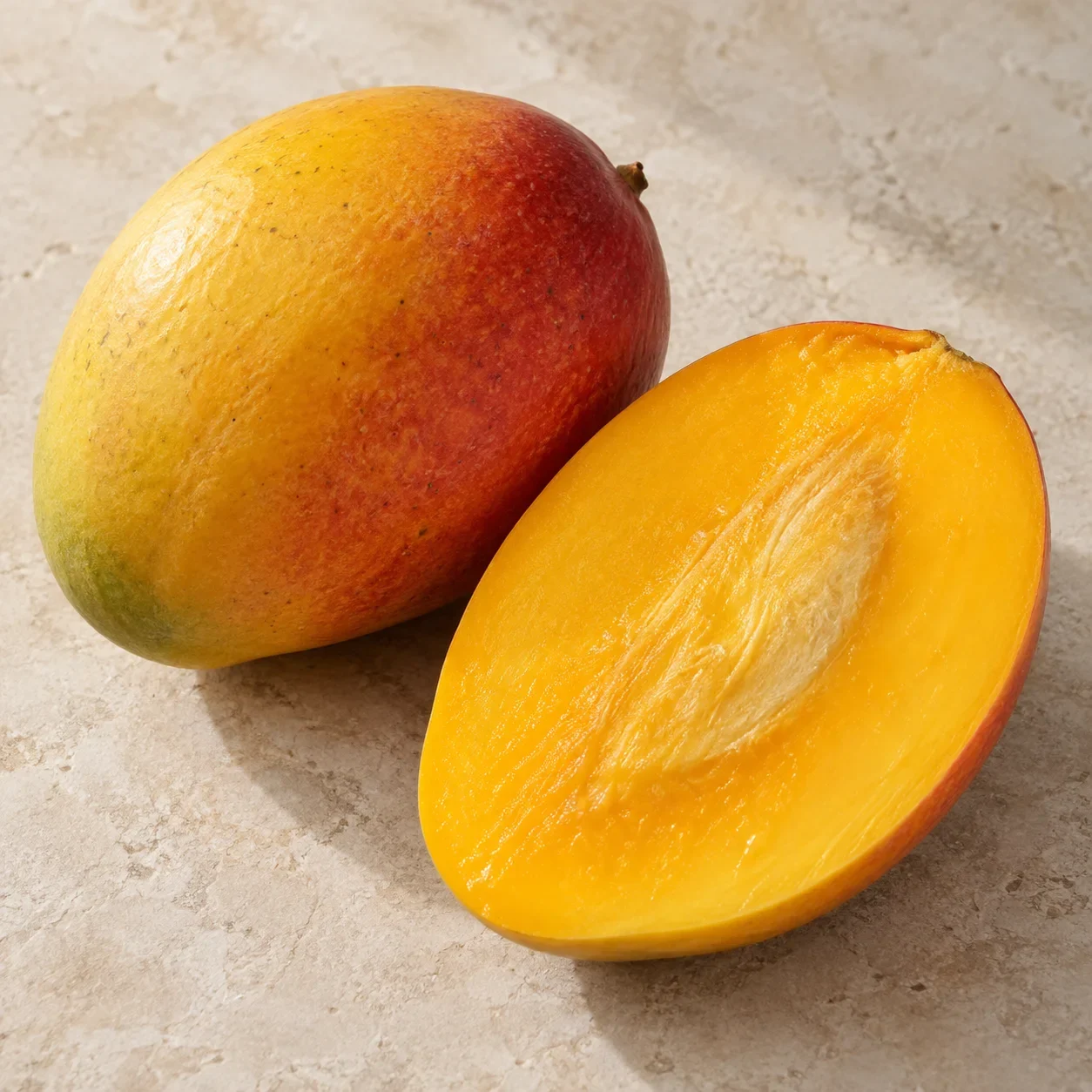
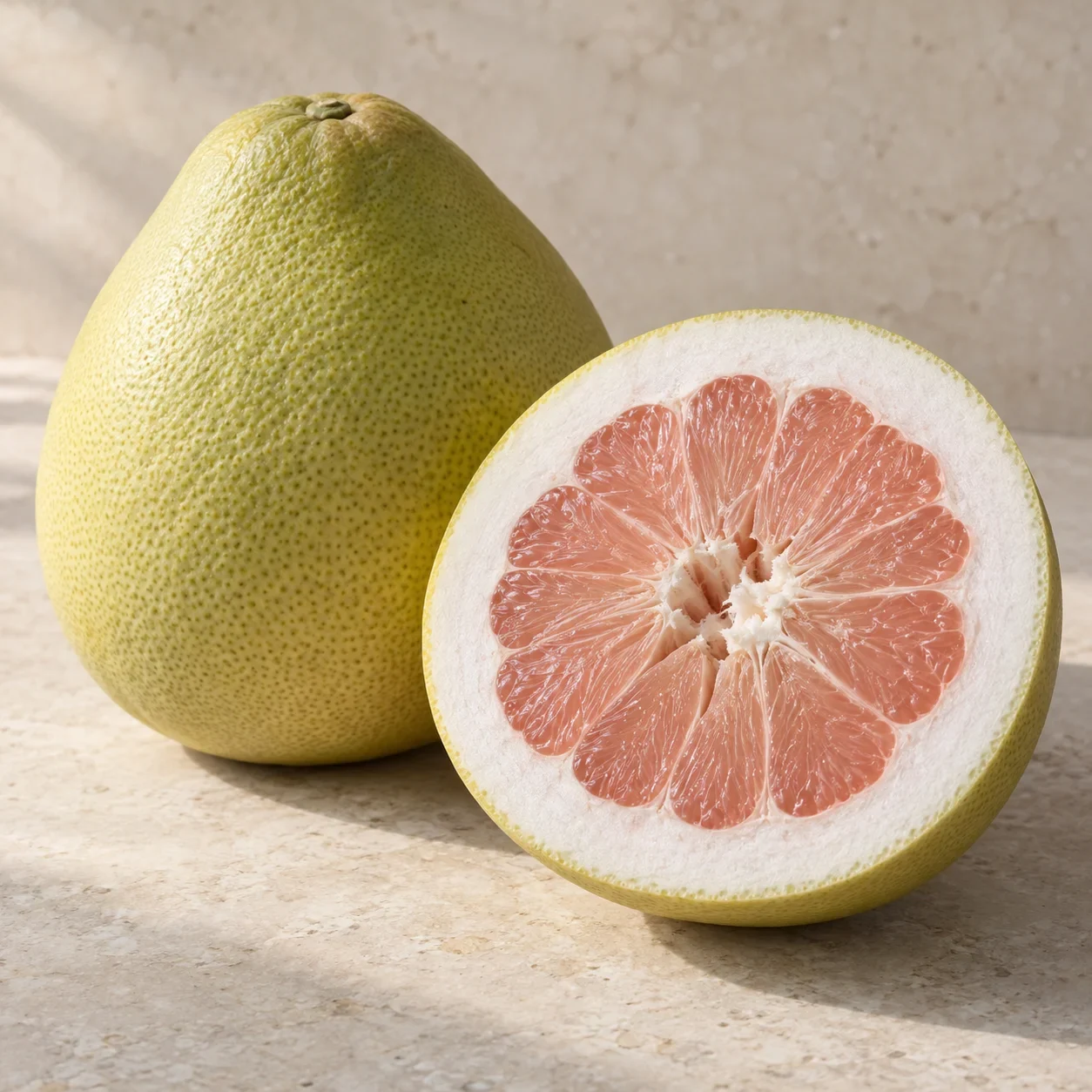
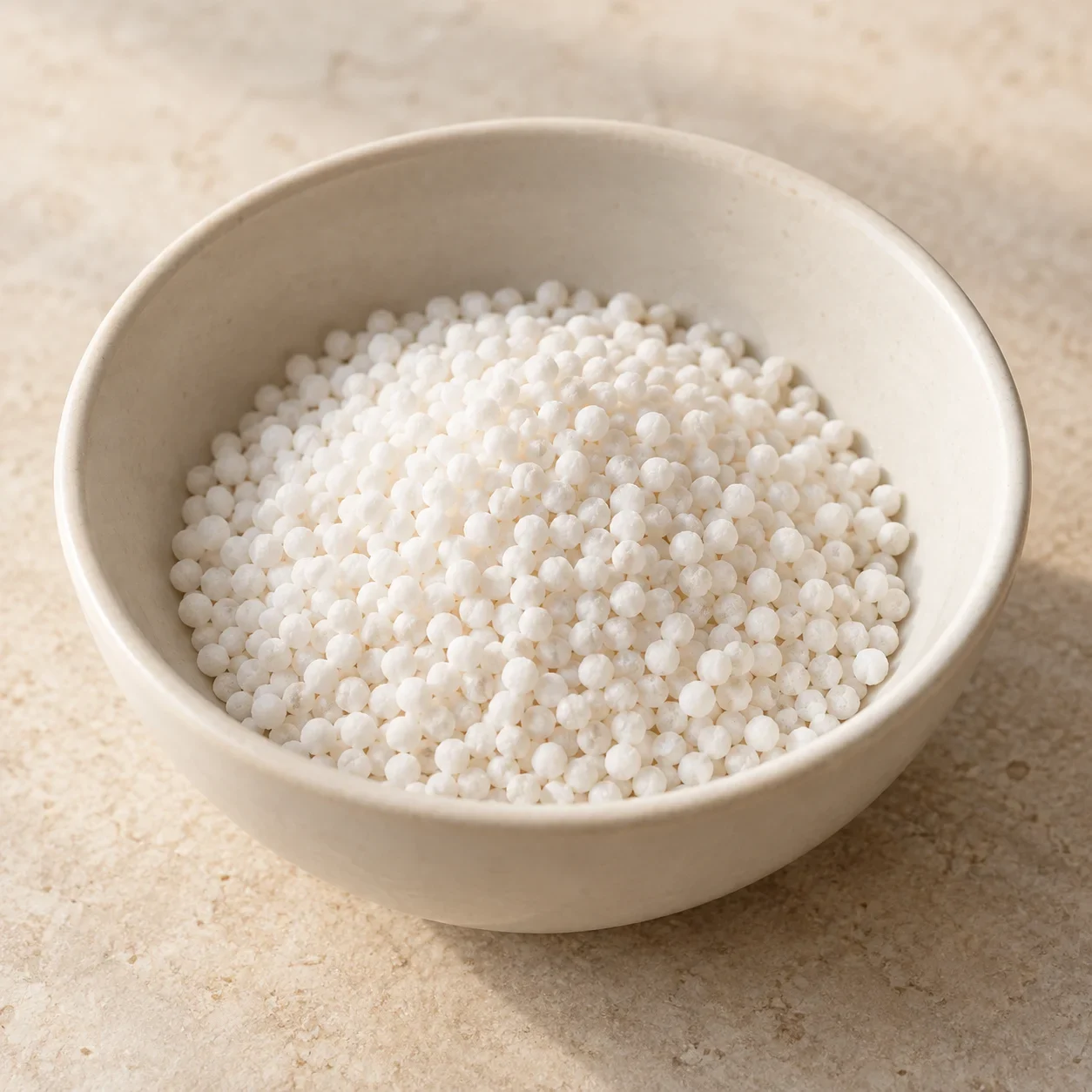
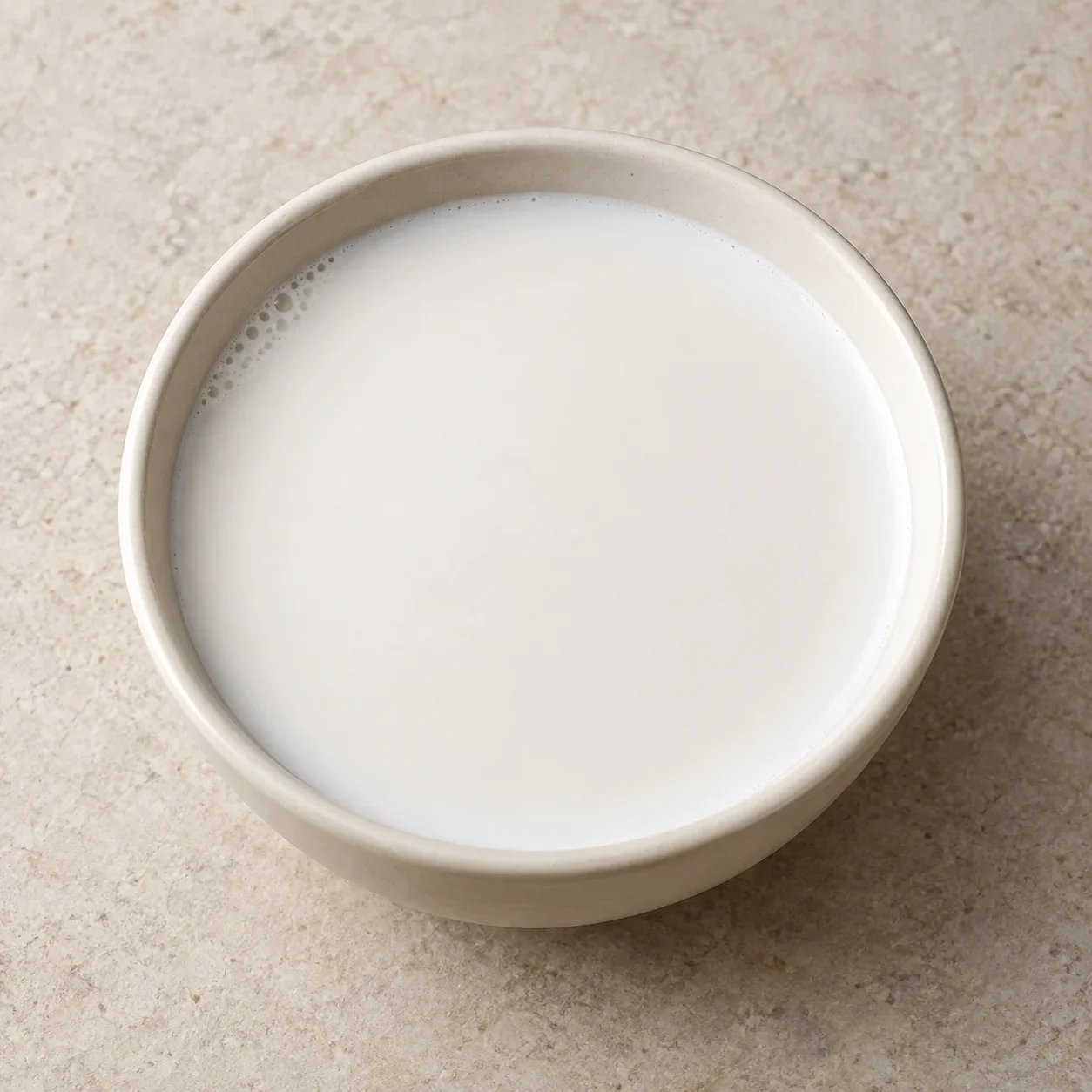
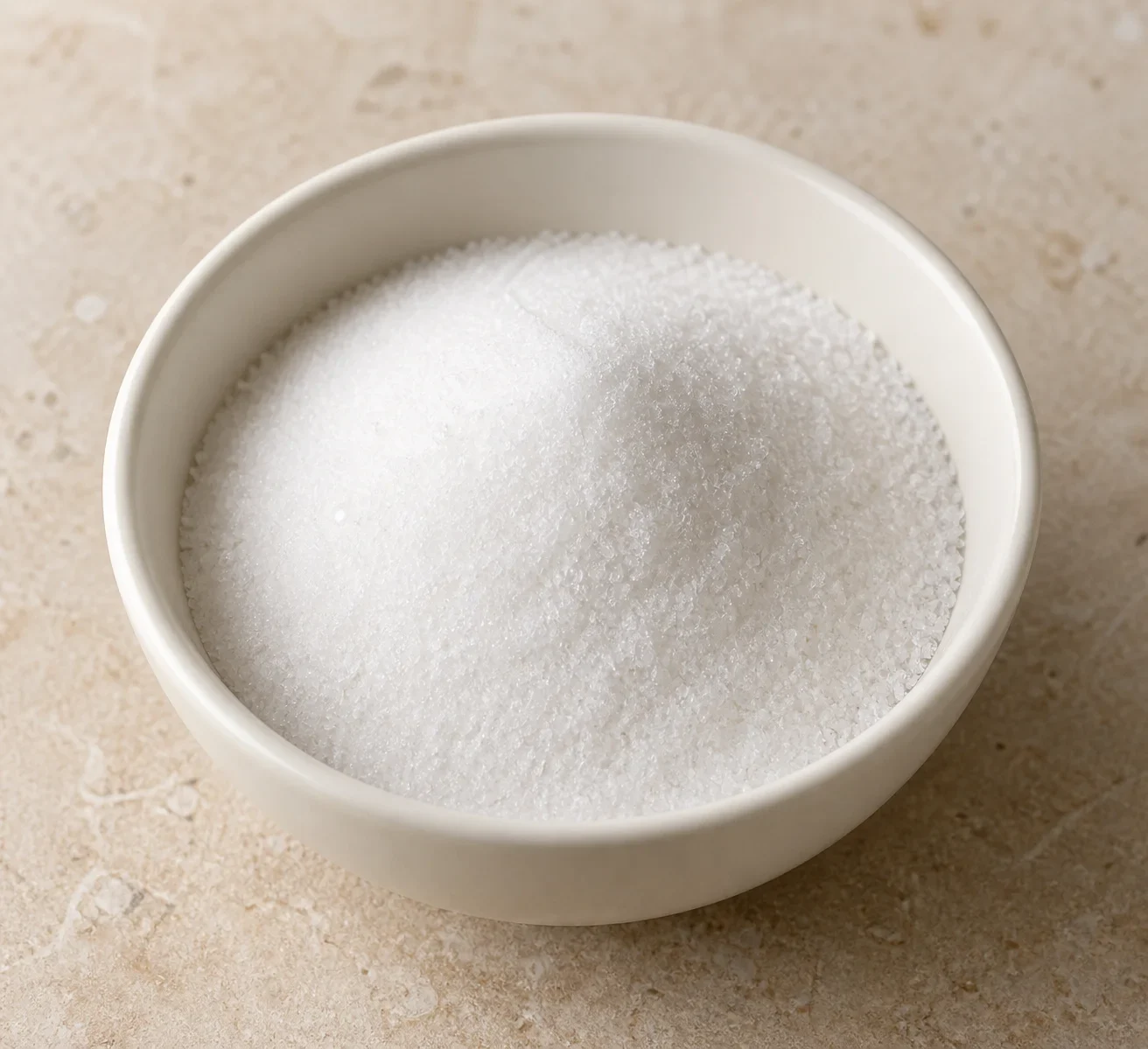
In some versions
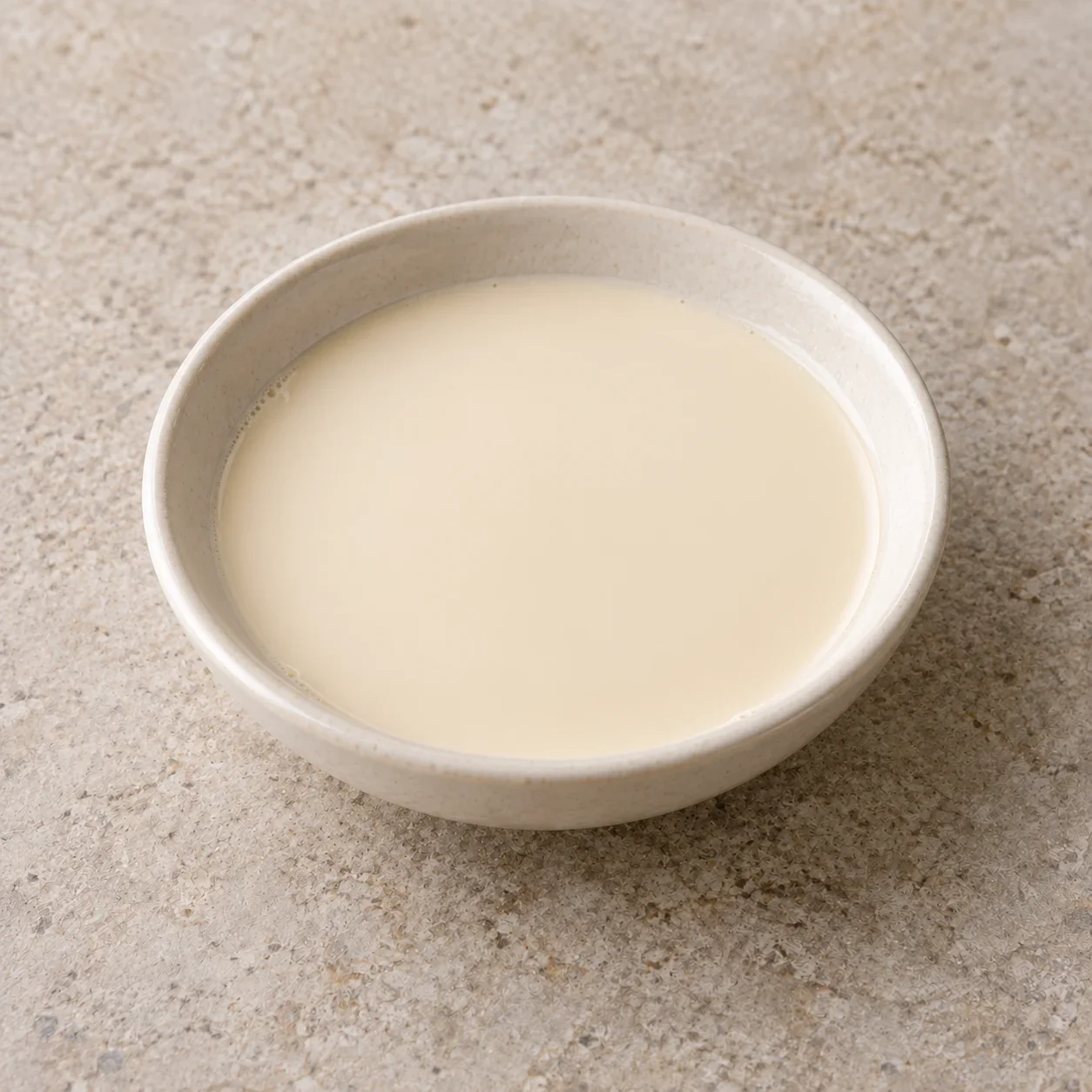
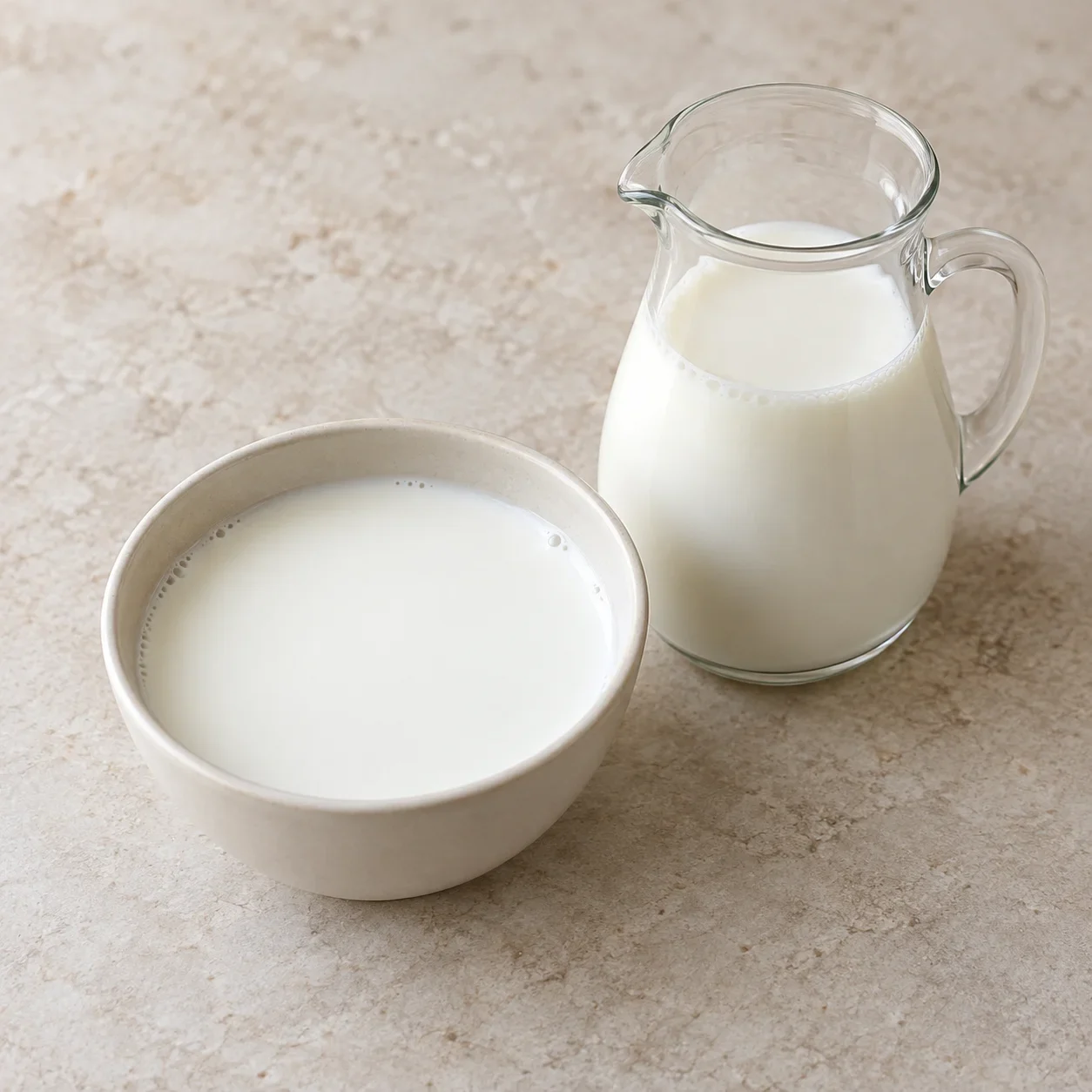
Recipes vary by restaurant.
How does it taste?
Sweet mango and coconut with tart or gently bitter citrus notes.
- Chili heat
- Texture
- Creamy fruit purée, juicy citrus pulp and small, slippery pearls.
- How it’s made
- Cook and cool the sago separately, then mix it with mango, pomelo, coconut milk and sweetener and chill.
Citrus varieties and sweetness vary. Some versions add evaporated milk, fresh milk, cream or a cultured milk drink.
A CONNECTION TO PLACE
Origin & regional roots
Associated with Macau. Associated with Hong Kong. Associated with Guangdong.
About this regional connection
Guangdong: Guangdong/Cantonese association, not an exclusive origin claim.
Ask if they have it first
请问你们有杨枝甘露吗?
Do you have this item?
A LITTLE SOMETHING TO READ
Story & history
Yangzhi Ganlu: a poetic name and two beginnings
Yangzhi Ganlu’s beginnings are often linked to Lei Garden’s Singapore kitchen in the 1980s. One story describes a chilled dessert adapted to the tropical climate; another describes adding citrus left after Lunar New Year lo hei, a festive raw-fish toss. The exact debut year remains disputed. Its poetic name evokes Guanyin sprinkling sweet dew with a willow branch, an image from Journey to the West.