
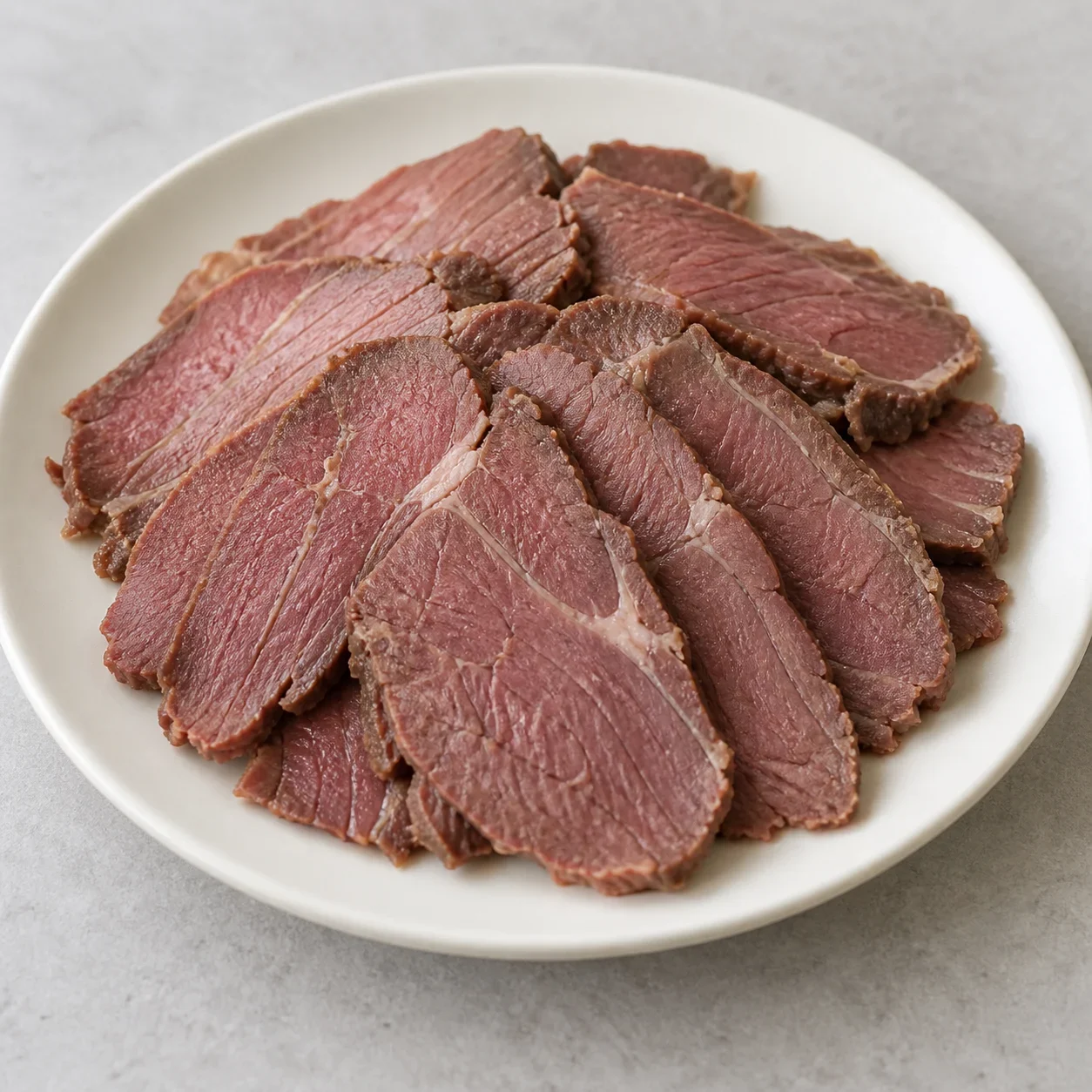
At the table
Separate a slice with chopsticks or a fork and take small bites, chewing any firmer seams carefully. For a packaged product, check whether it is ready to eat and follow the label’s storage and serving instructions.
This is salt-cured beef with beef fat. Check the full ingredient label if you have allergies, dietary restrictions or avoid curing additives. Follow the selected product’s use-by date and storage instructions. Take manageable bites; tenderness and connective tissue vary.
GET TO KNOW THE DISH
What goes into it?
Explore some key ingredients below. Preparations may use additional seasonings and ingredients.
Modern curing can include curing agents.
Typical ingredients
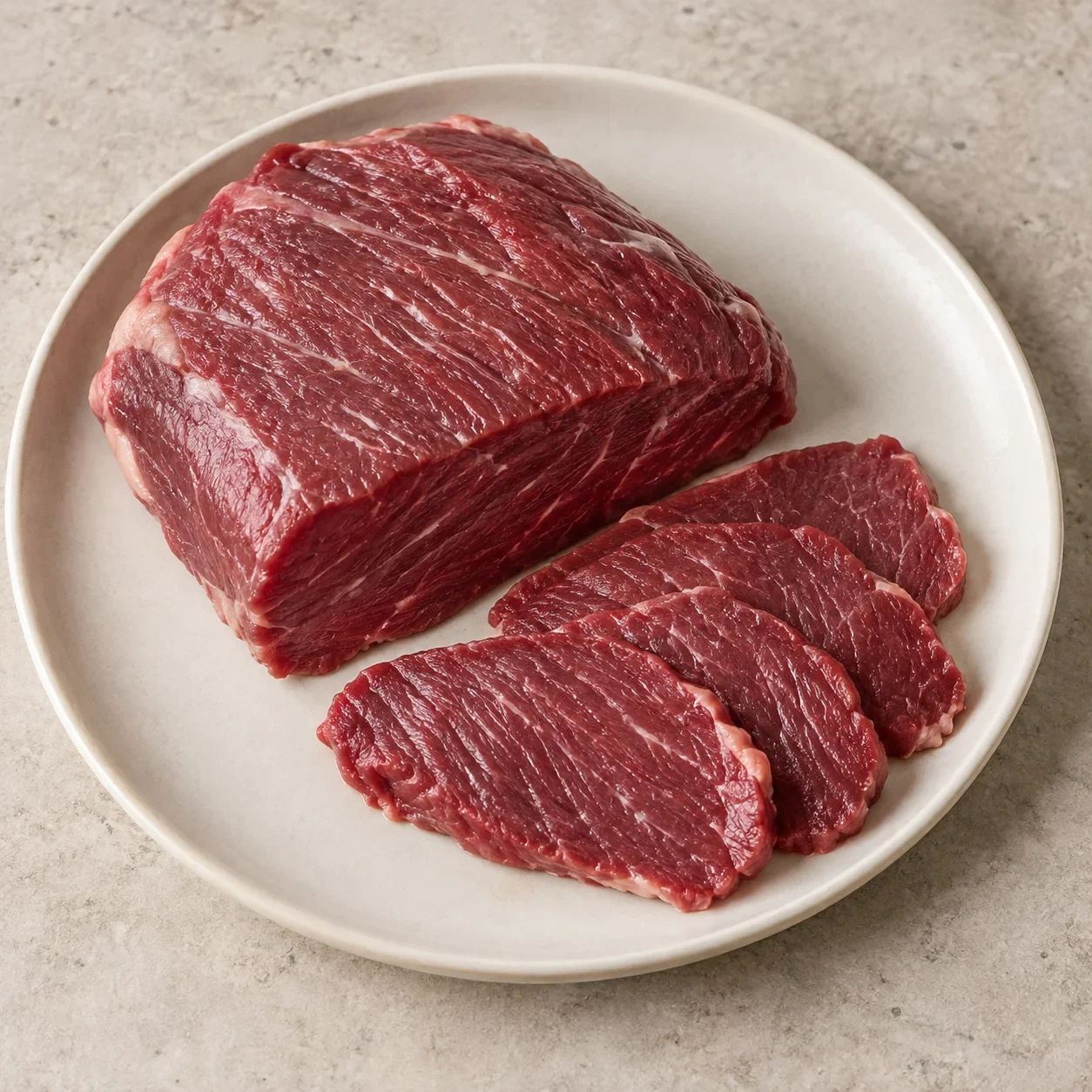
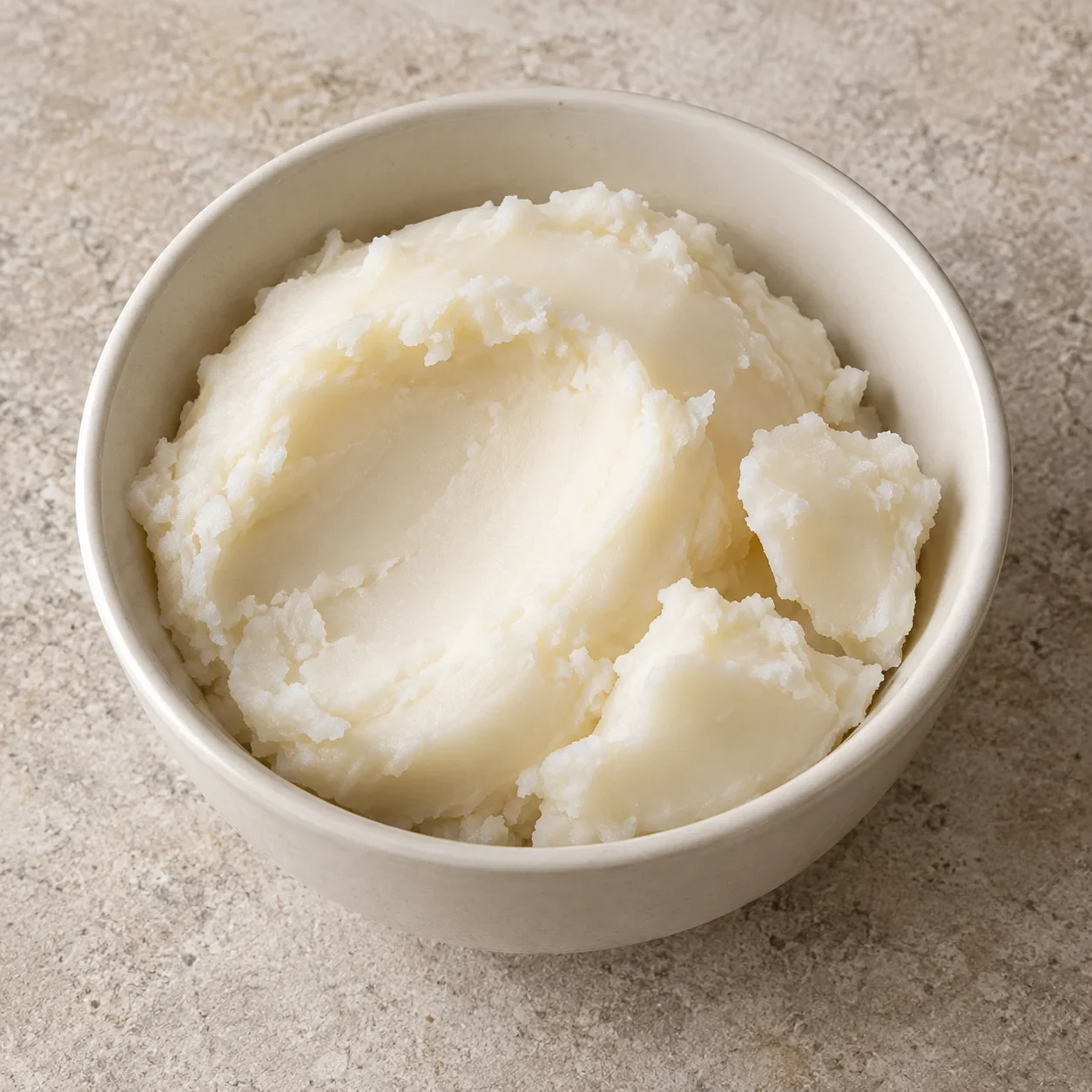

Recipes vary by restaurant.
How does it taste?
Savory
- Chili heat
- Texture
- Tender slices.
- How it’s made
- Cure, simmer under a layer of beef fat, cool and slice.
Modern curing can include curing agents.
A CONNECTION TO PLACE
Origin & regional roots
Associated with Shanxi.
Ask if they have it first
请问你们有平遥牛肉吗?
Do you have this item?
A LITTLE SOMETHING TO READ
Story & history
Cured first, sliced for the table
The work behind Pingyao beef begins before the meat reaches the cooking pot. A traditional preparation salt-cures large pieces, then cooks them in broth under a layer of beef fat, moving from boiling to gentler heat. The cooked meat is cooled and trimmed before serving. In the sliced dish, that sequence leaves tender meat with visible muscle grain. Modern curing formulas can differ, so check the selected product rather than assuming every maker uses the same ingredients.