
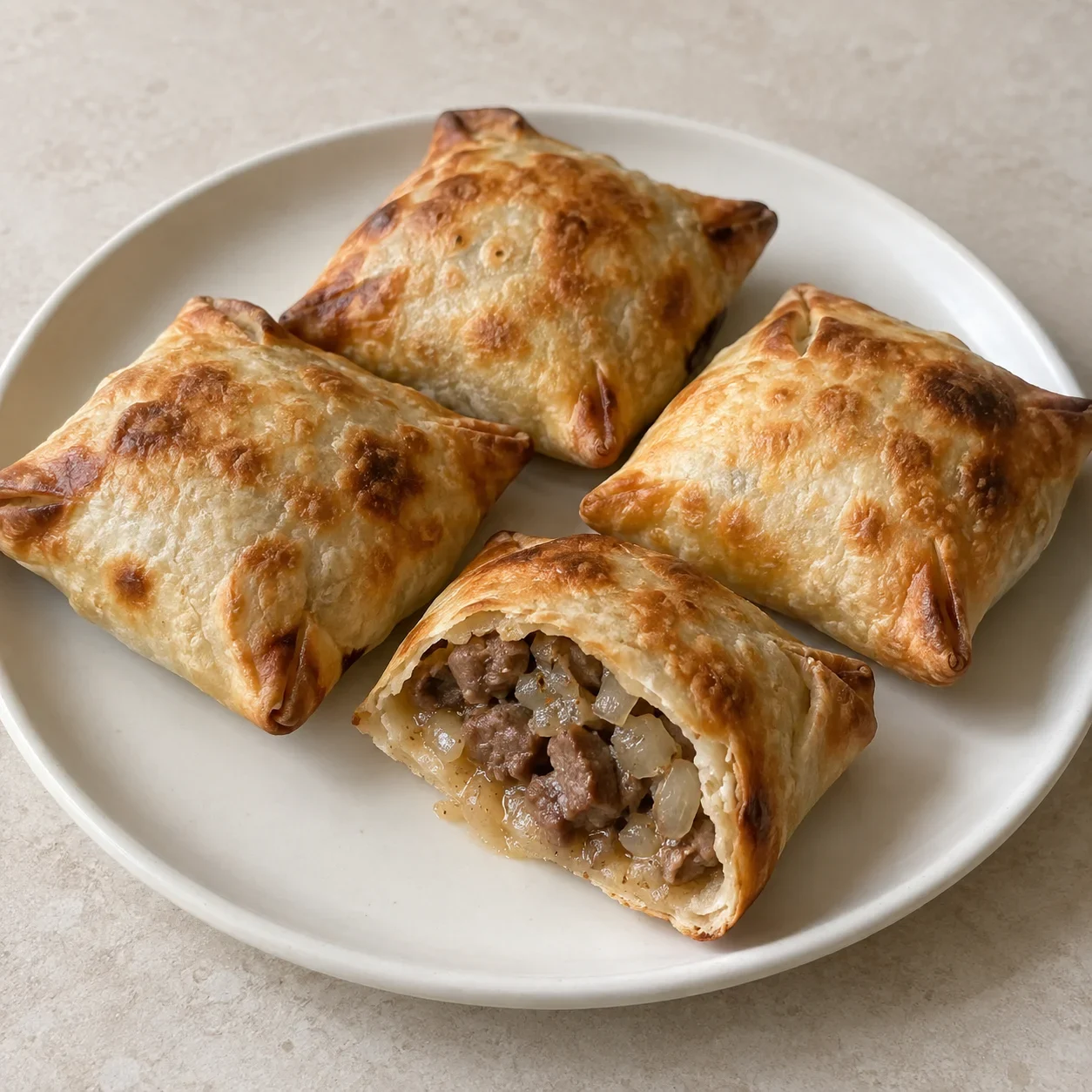
At the table
Let a fresh bun cool a little, then bite or open it carefully: the meat juices inside can be hotter than the crisp shell. It can be eaten on its own or with milk tea.
The named version contains wheat and sheep meat. A tofu or vegetable filling is a different version and does not by itself confirm the dough or fat is vegetarian. Ask about the filling and seasonings if you avoid particular ingredients.
Sheep meat, onion and cumin are wrapped in thin wheat dough and baked in a nang oven. Salt seasons the filling; pepper or coriander may also be used. Some southern Xinjiang versions replace the meat filling with tofu or vegetables; sizes and seasoning blends vary.
GET TO KNOW THE DISH
What goes into it?
Explore some key ingredients below. Preparations may use additional seasonings and ingredients.
Some southern Xinjiang versions use tofu and vegetable fillings.
Typical ingredients
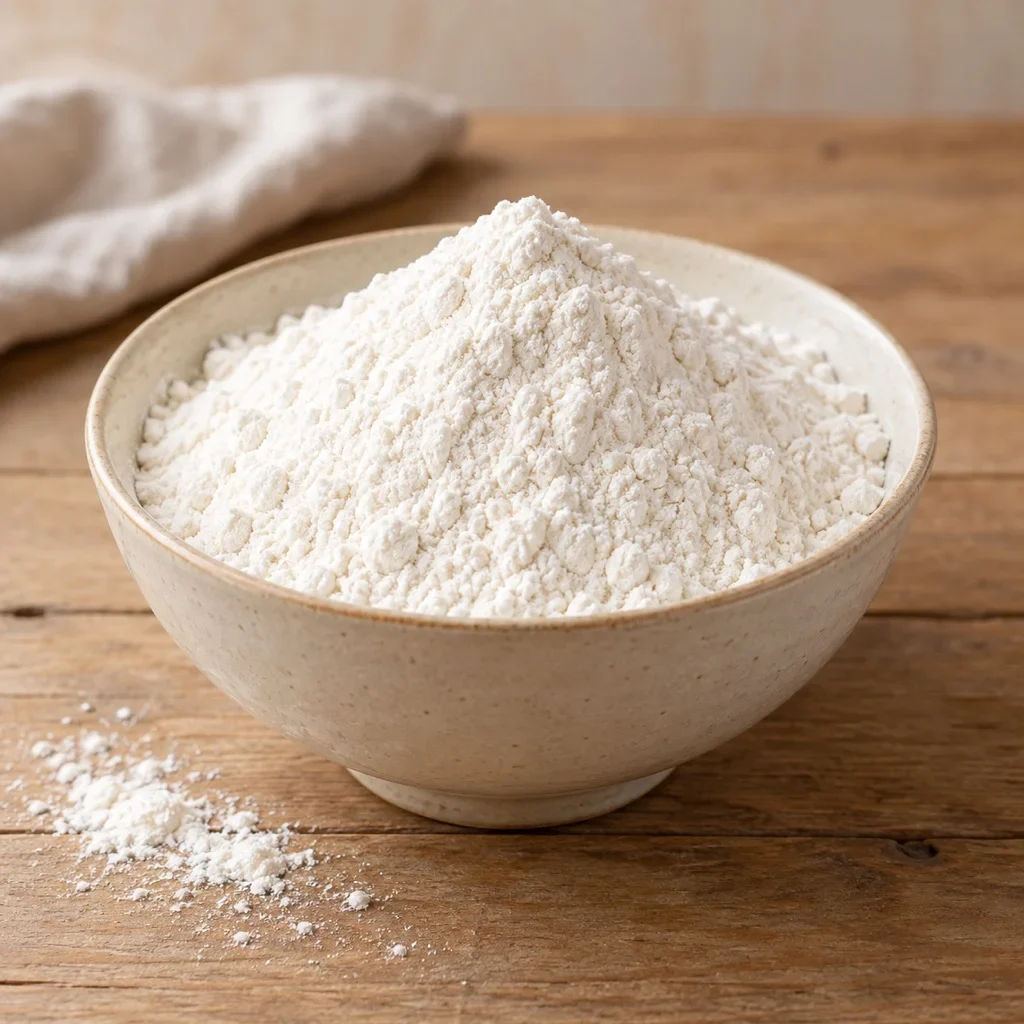
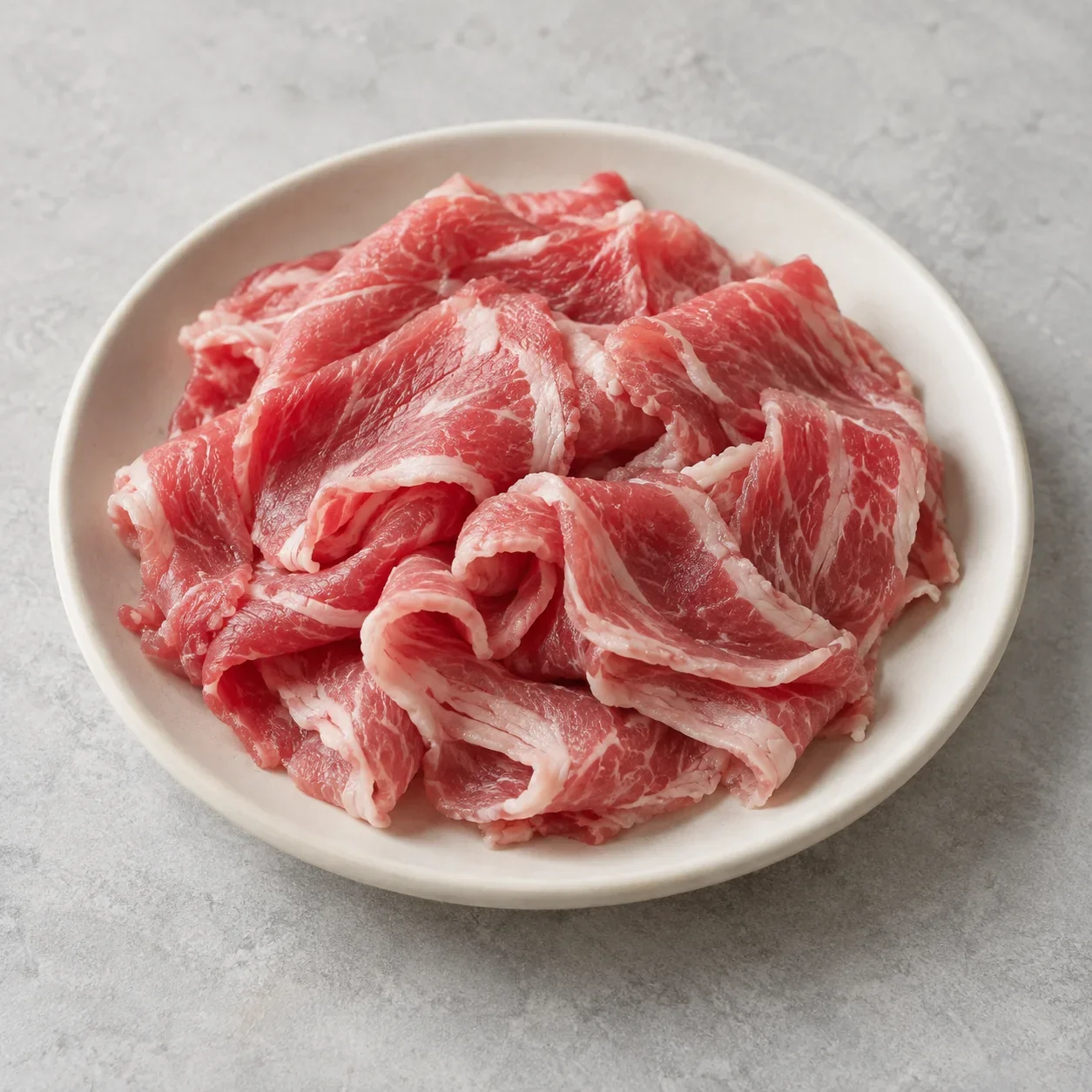
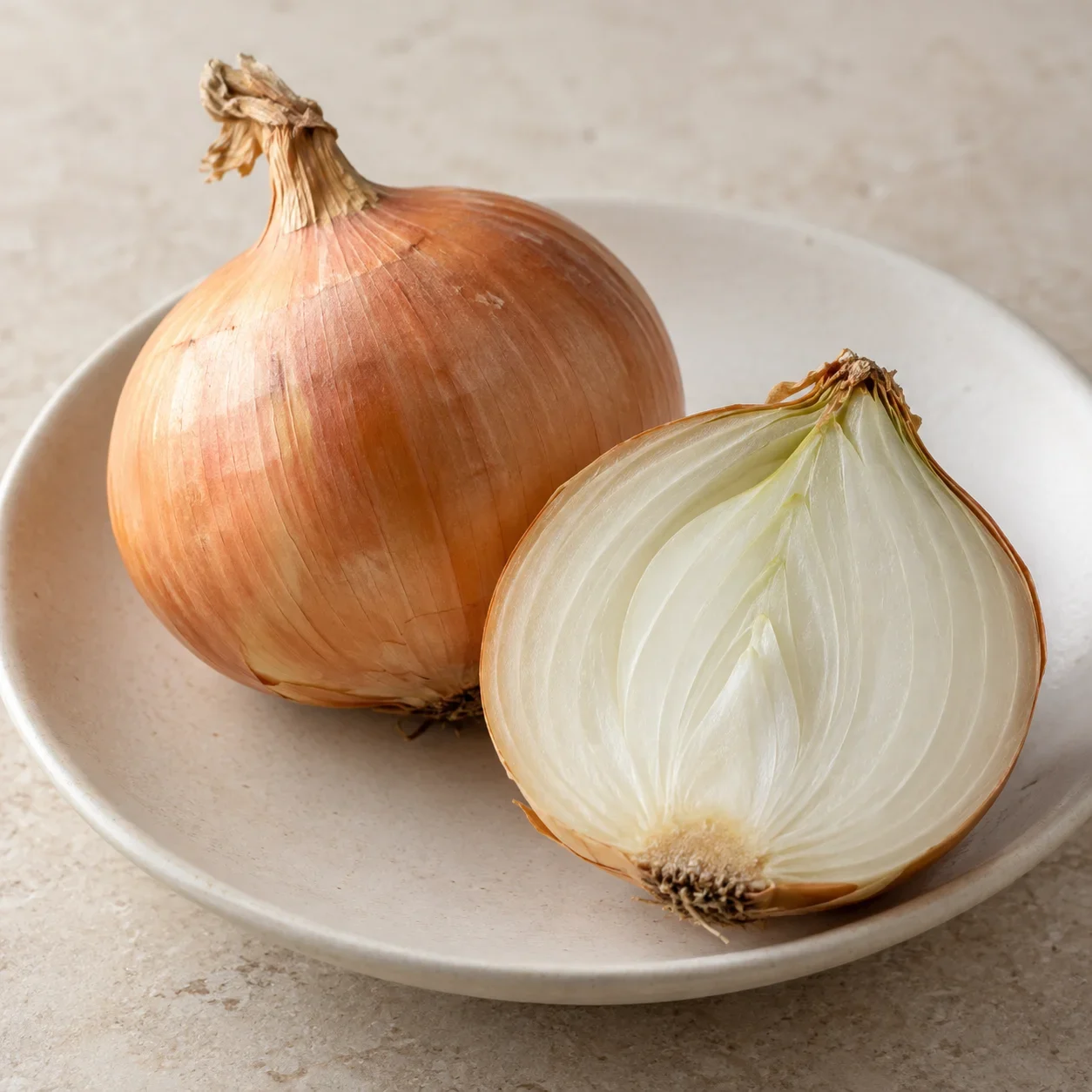
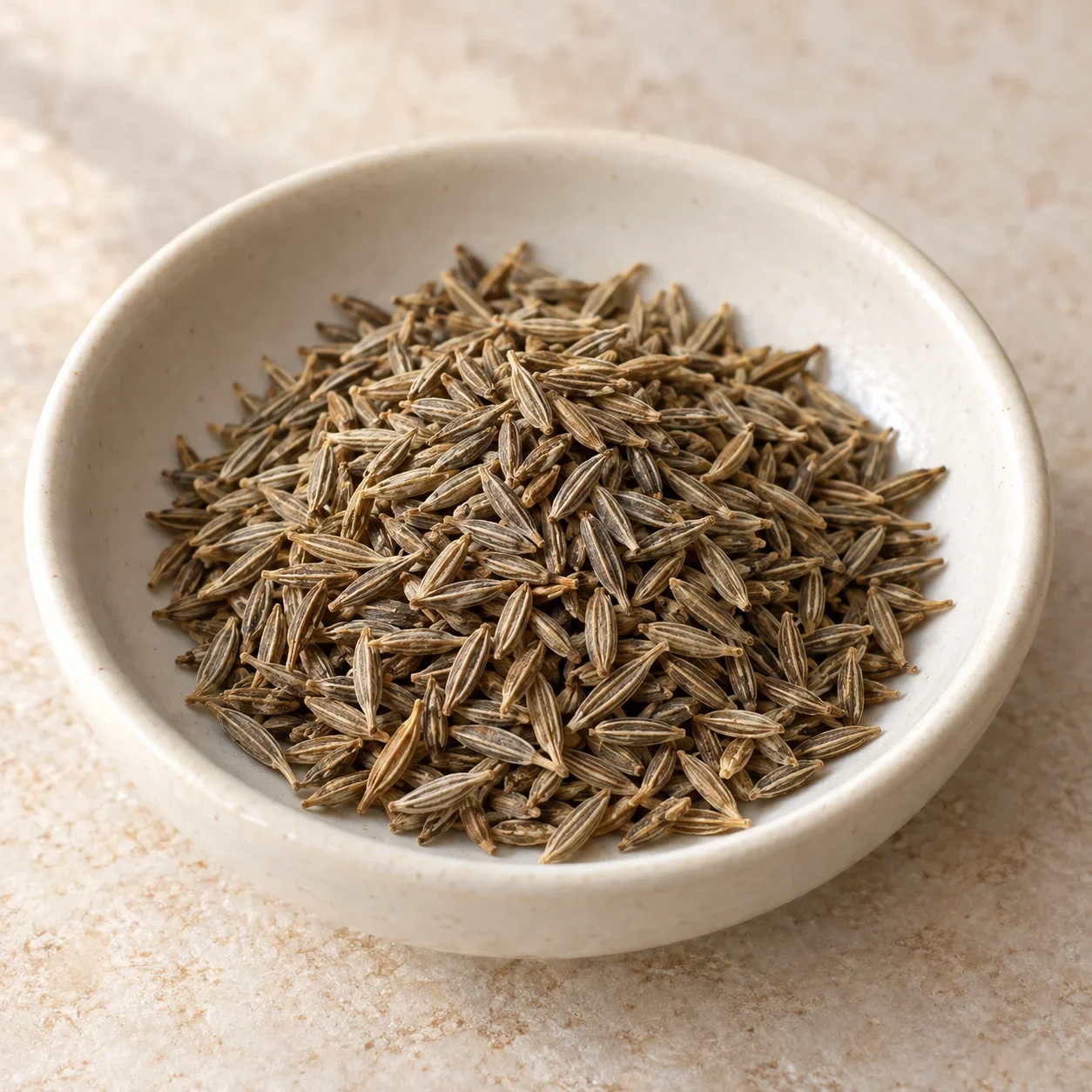

In some versions
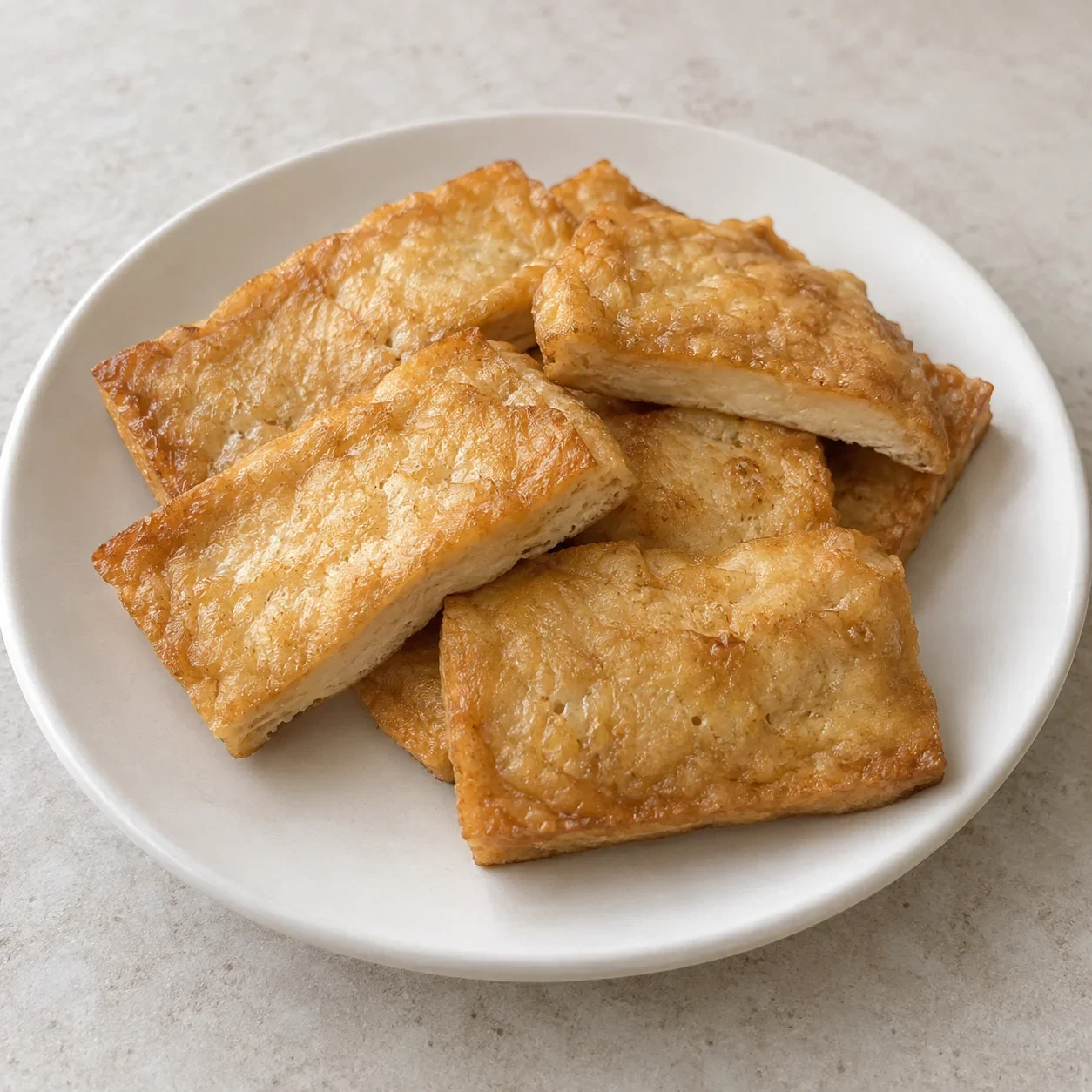
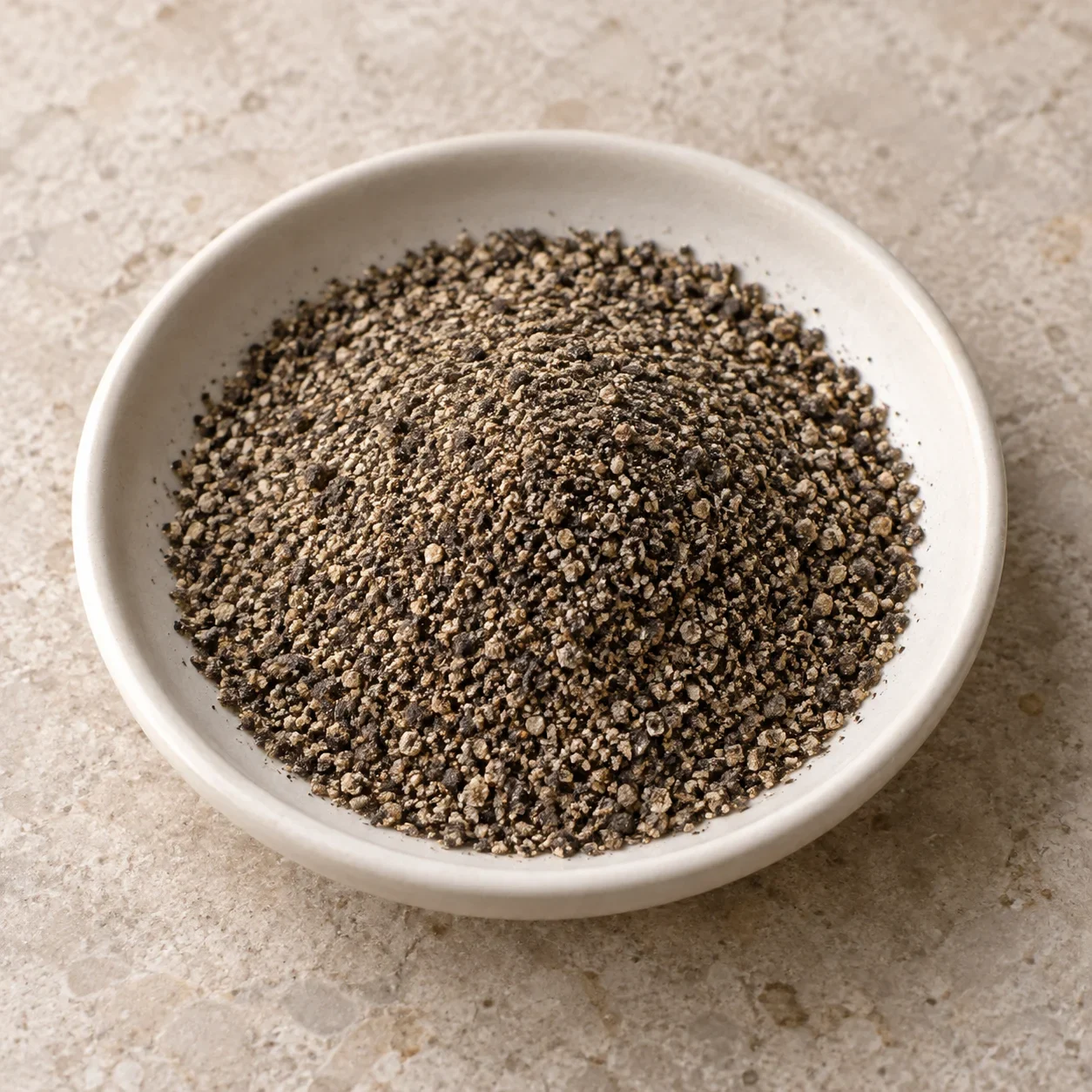
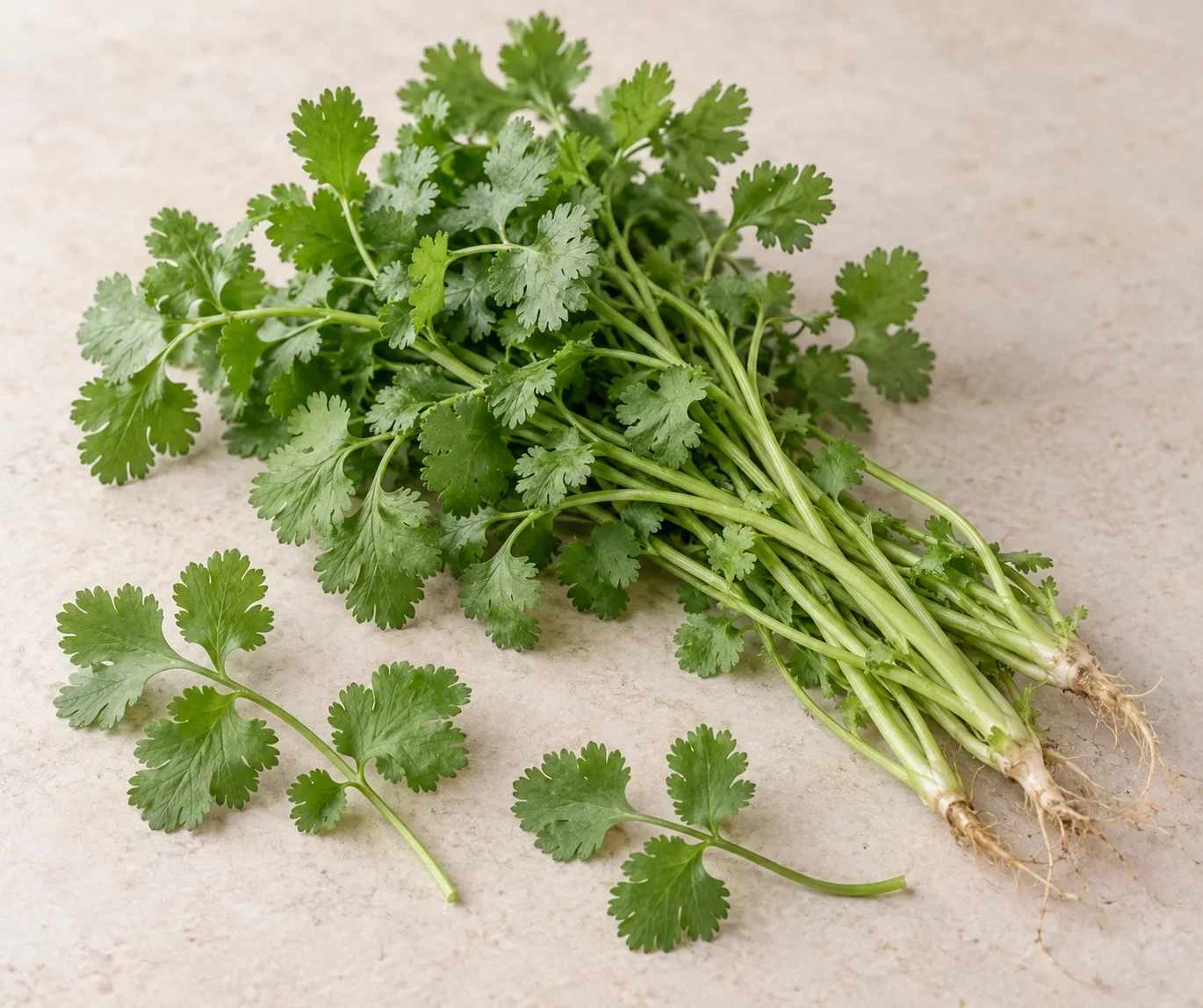
Recipes vary by restaurant.
How does it taste?
Savory meat, sweet onion and cumin.
- Chili heat
- Texture
- Crisp golden shell and juicy filling.
- How it’s made
- Roll dough thinly, enclose the filling and bake in a nang oven.
Some southern Xinjiang versions use tofu and vegetable fillings.
A CONNECTION TO PLACE
Origin & regional roots
Associated with Xinjiang.
Ask if they have it first
请问你们有烤包子吗?
Do you have this item?
A LITTLE SOMETHING TO READ
Story & history
Baked on the oven wall, eaten for breakfast
Xinjiang baked buns get their crisp shell from a nang oven: thin dough is wrapped around the filling and pressed against the hot inner wall to bake. Sheep meat, onion and cumin give a familiar savory filling. They are also a breakfast food; in parts of Hotan, people pair them with milk tea. Sizes and fillings differ across Xinjiang, so a small folded parcel and a larger bun can belong to the same food tradition.