At the table
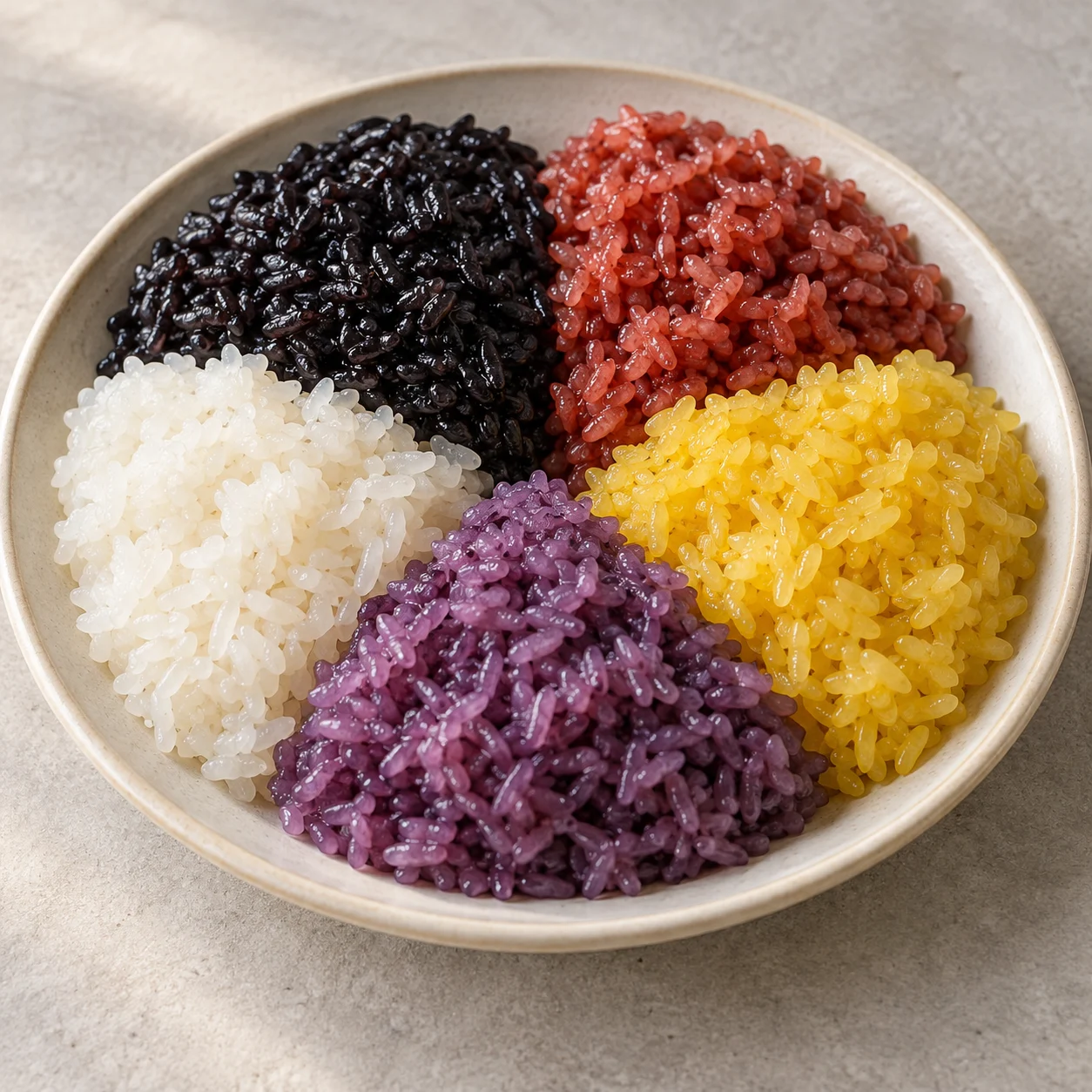
Eat small forkfuls or spoonfuls; the colors can be tasted separately or mixed.
The plain recipe is plant-based. Ask about lard, honey and other toppings before treating a serving as vegan.
Coloring plants vary locally; sugar and savory accompaniments are optional.
GET TO KNOW THE DISH
What goes into it?
Explore some key ingredients below. Preparations may use additional seasonings and ingredients.
Coloring plants vary locally; sugar and savory accompaniments are optional.
Typical ingredients
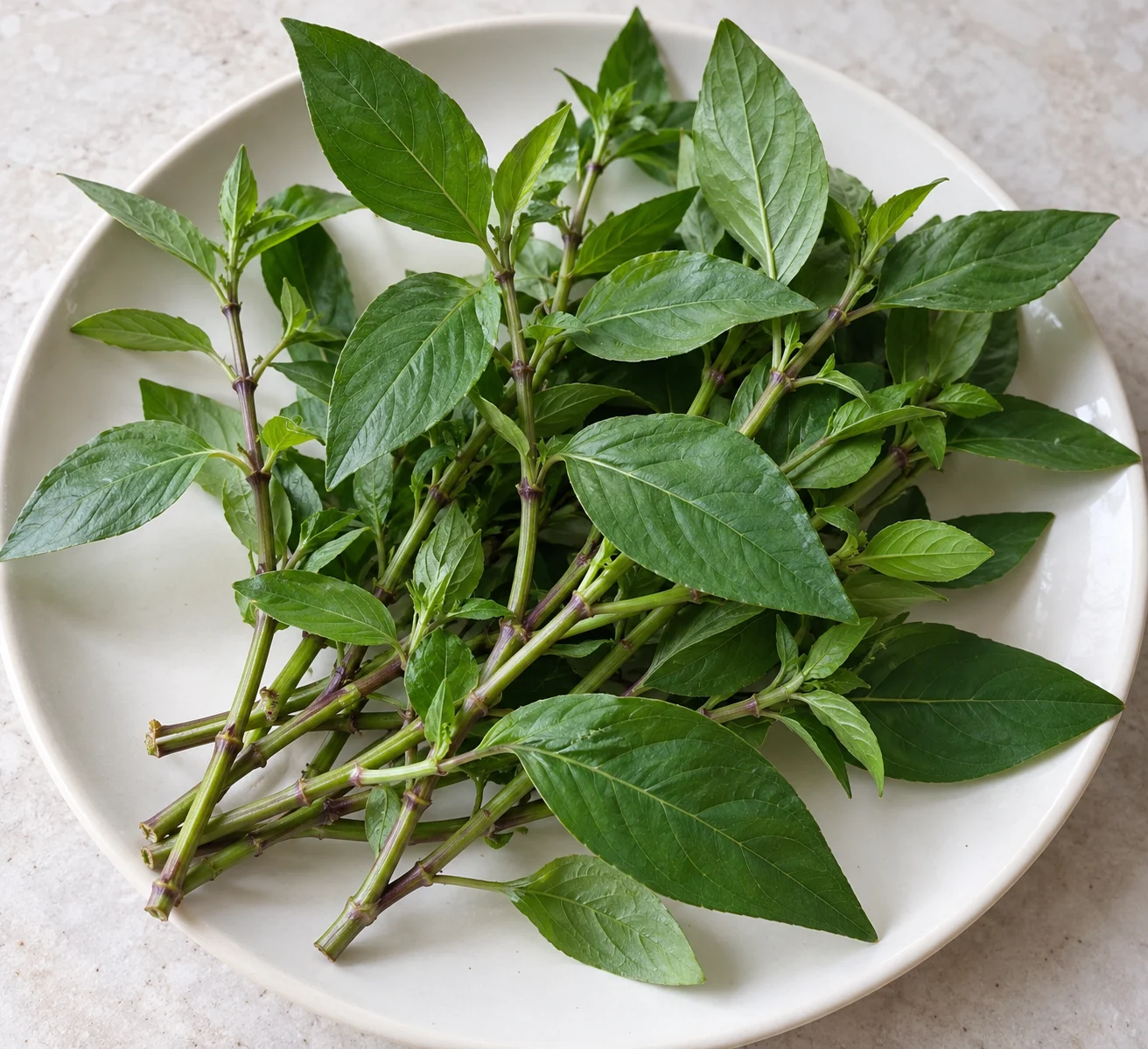
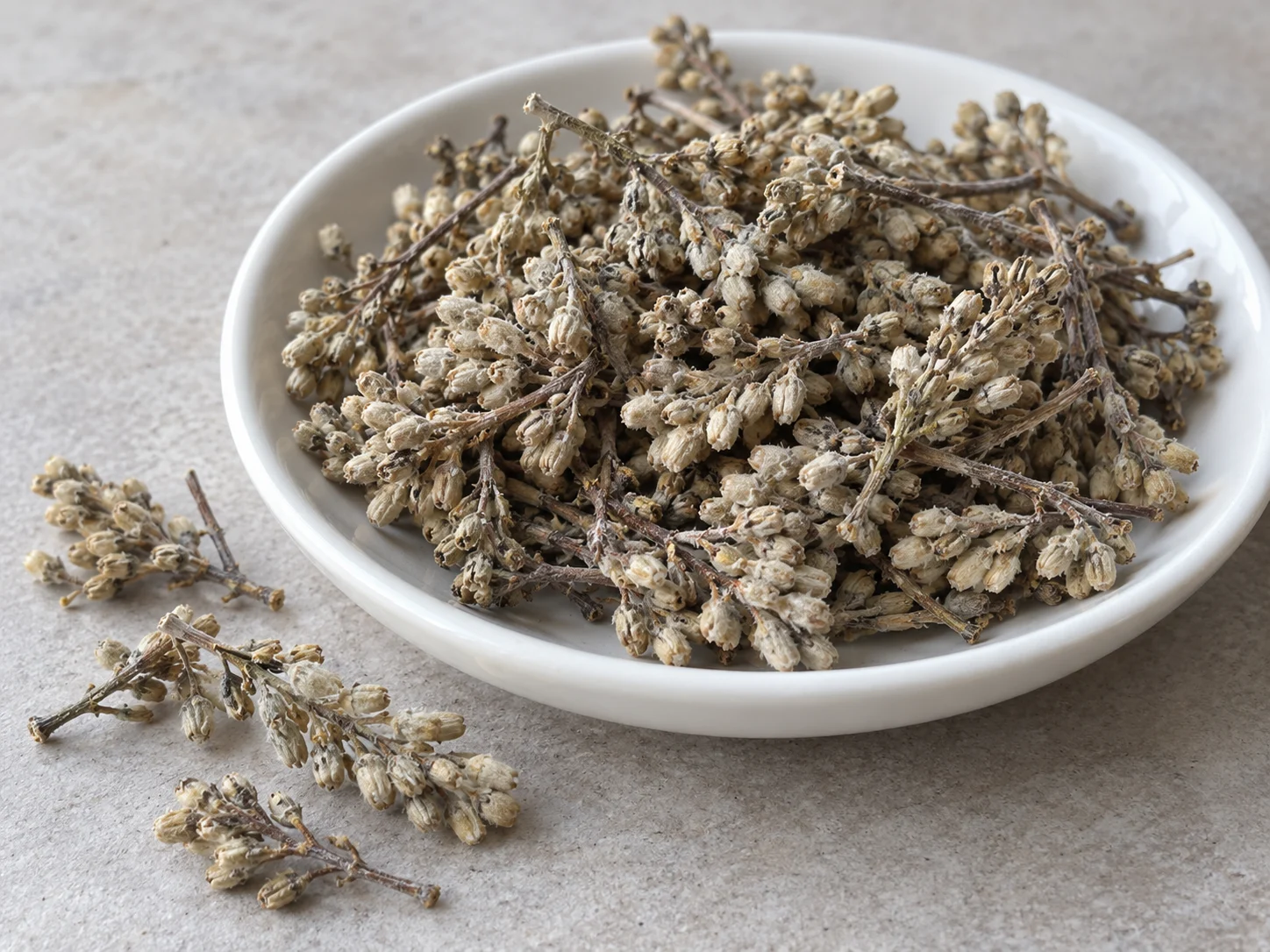
In some versions

Recipes vary by restaurant.
How does it taste?
Mild rice sweetness and herbal aroma.
- Chili heat
- Texture
- Soft, sticky grains that remain visible.
- How it’s made
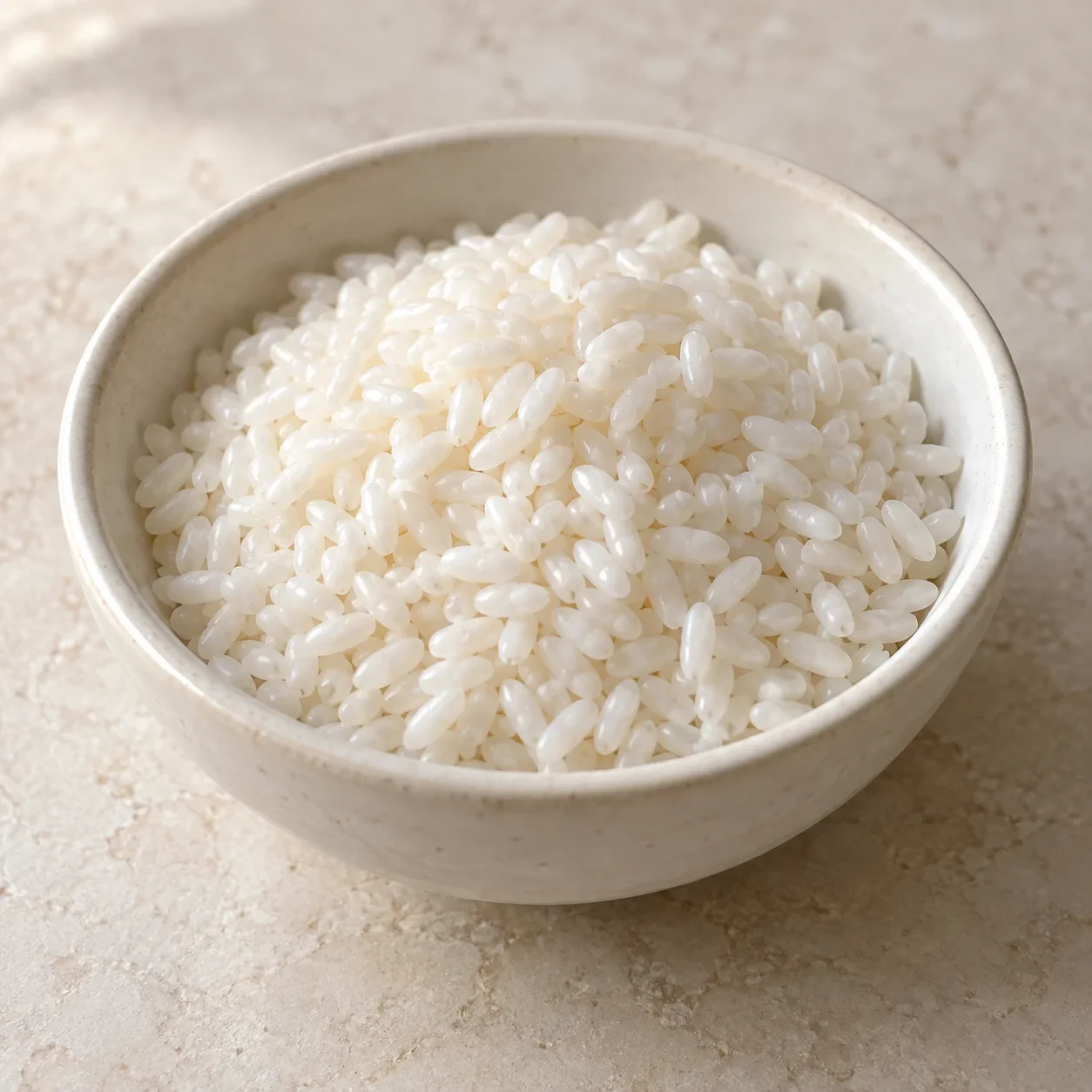
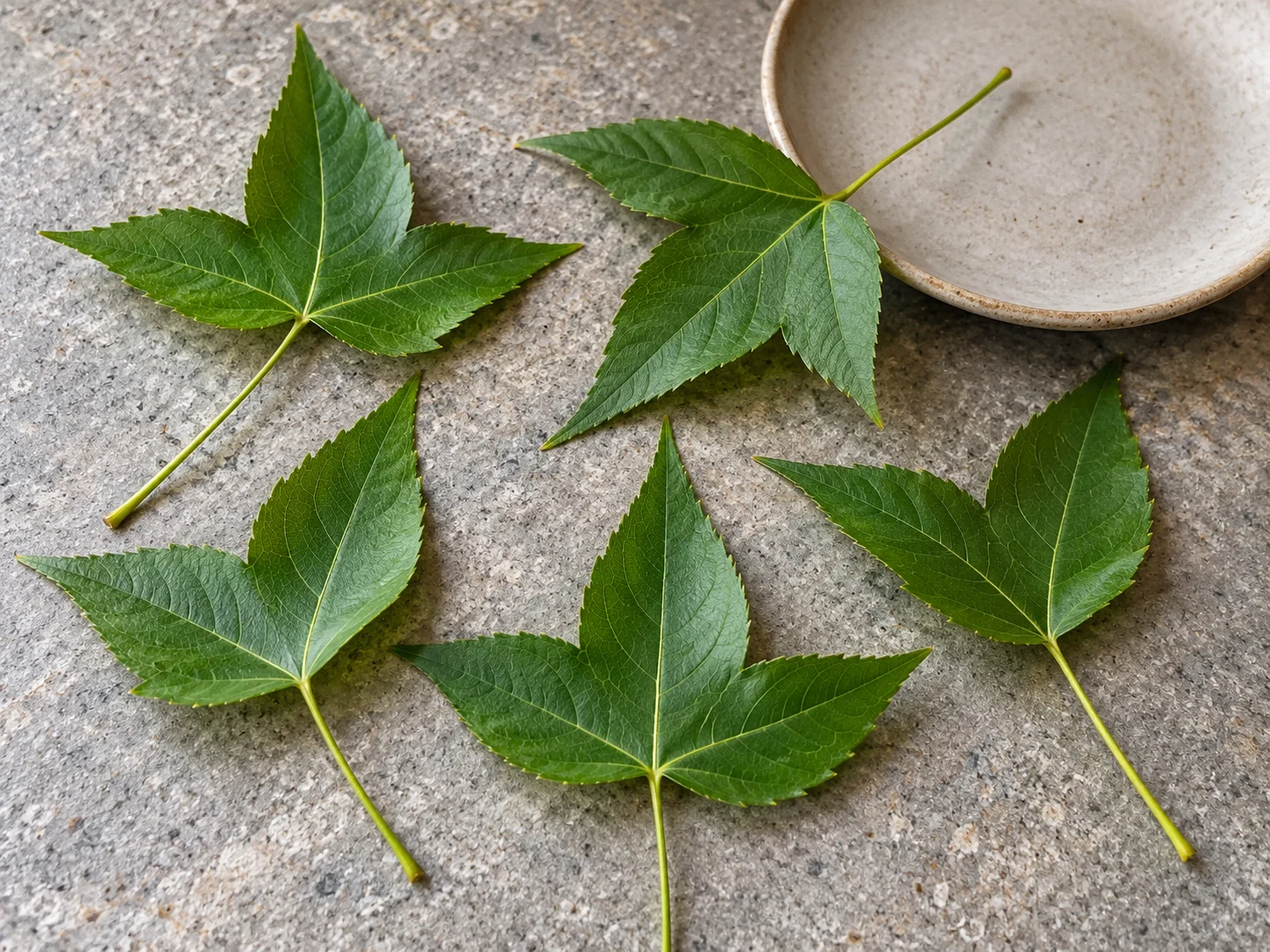
- Soak rice separately in filtered sweetgum-leaf, red-and-purple coloring-herb and buddleja-flower extracts; leave one portion white and steam.
Coloring plants vary locally; sugar and savory accompaniments are optional.
A CONNECTION TO PLACE
Origin & regional roots
Its origins are linked to Guangxi.
About this regional connection
Guangxi: Zhuang communities in Guangxi. The 2010 provincial listing is for the craft. A documented maker works in Wuming, Nanning.
Ask if they have it first
请问你们有壮族五色糯米饭吗?
Do you have this item?
A LITTLE SOMETHING TO READ
Story & history
Zhuang five-color sticky rice
This account describes a tradition or story, rather than an established historical fact.
In Guangxi Zhuang communities, five-color rice is associated with the third day of the third lunar month and family celebrations.