
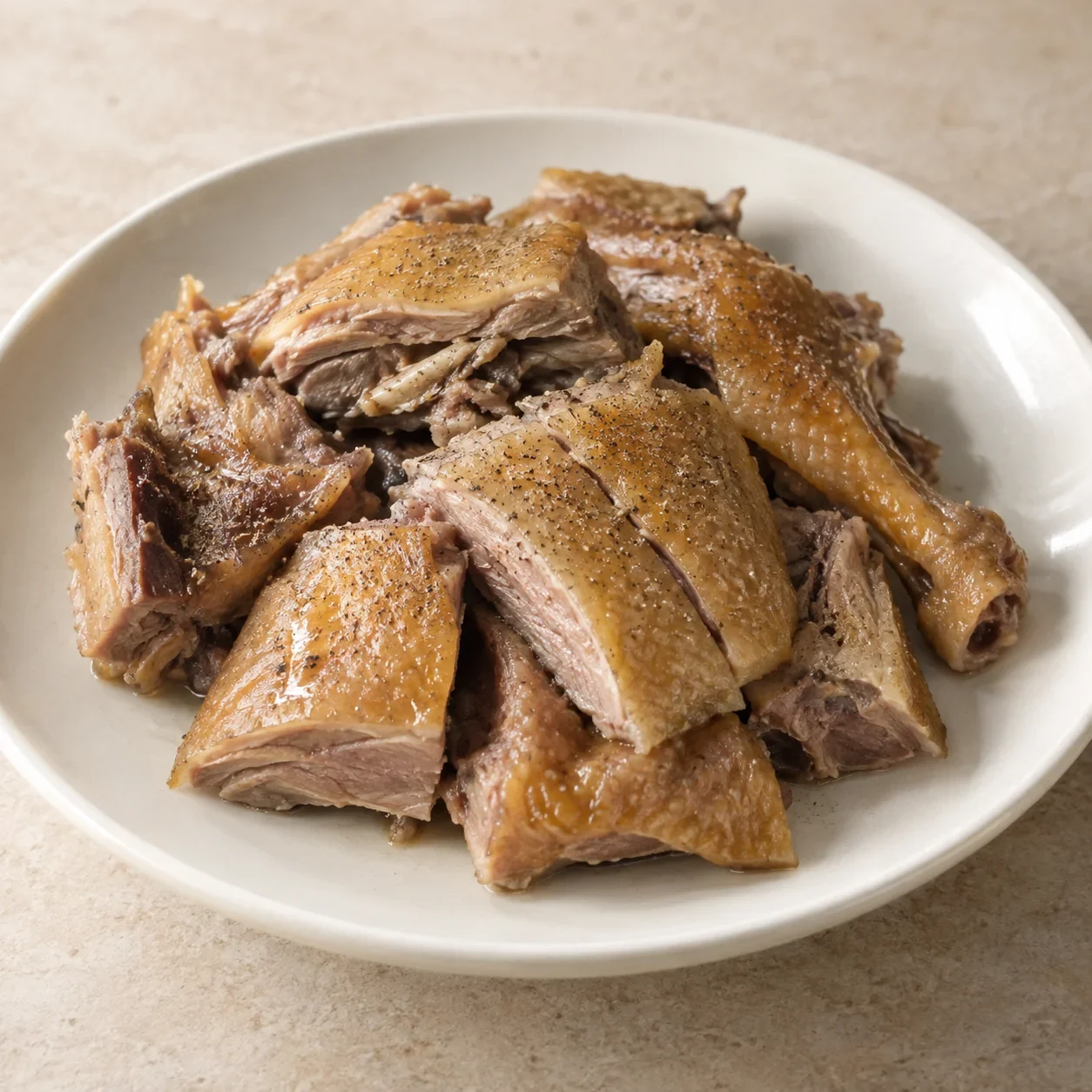
At the table
Eat the cooked duck in small pieces, separating meat from bones with chopsticks. It can accompany rice or other shared dishes.
Pieces usually include bones. Sesame oil is a common finishing ingredient; ask about the seasoning if you avoid sesame.
This version is smoky and salty rather than chili-hot. Spice blends and extra sauces vary; packaged duck may need cooking, so follow its label.
GET TO KNOW THE DISH
What goes into it?
Explore some key ingredients below. Preparations may use additional seasonings and ingredients.
Curing mixtures and smoking treatments vary.
Typical ingredients
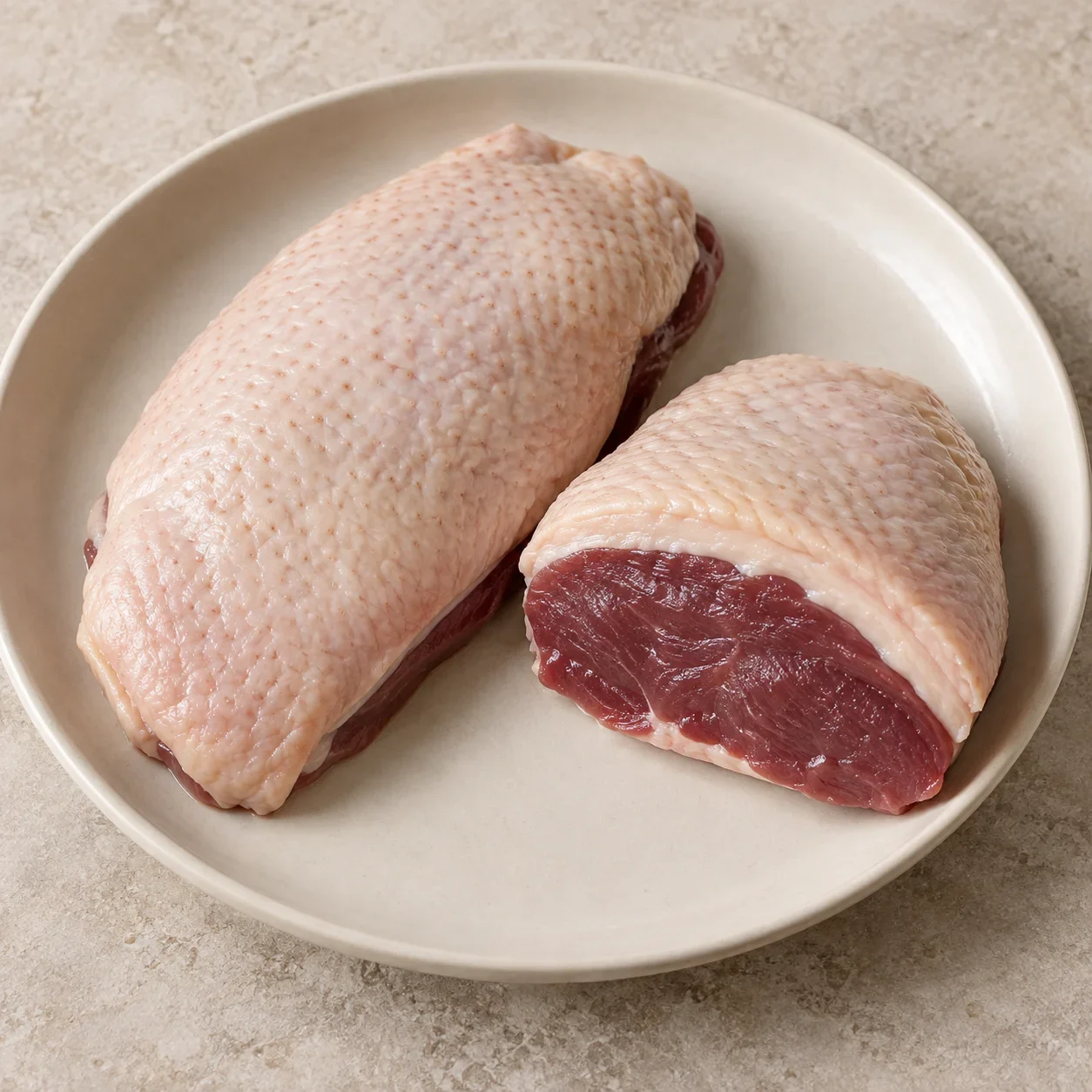
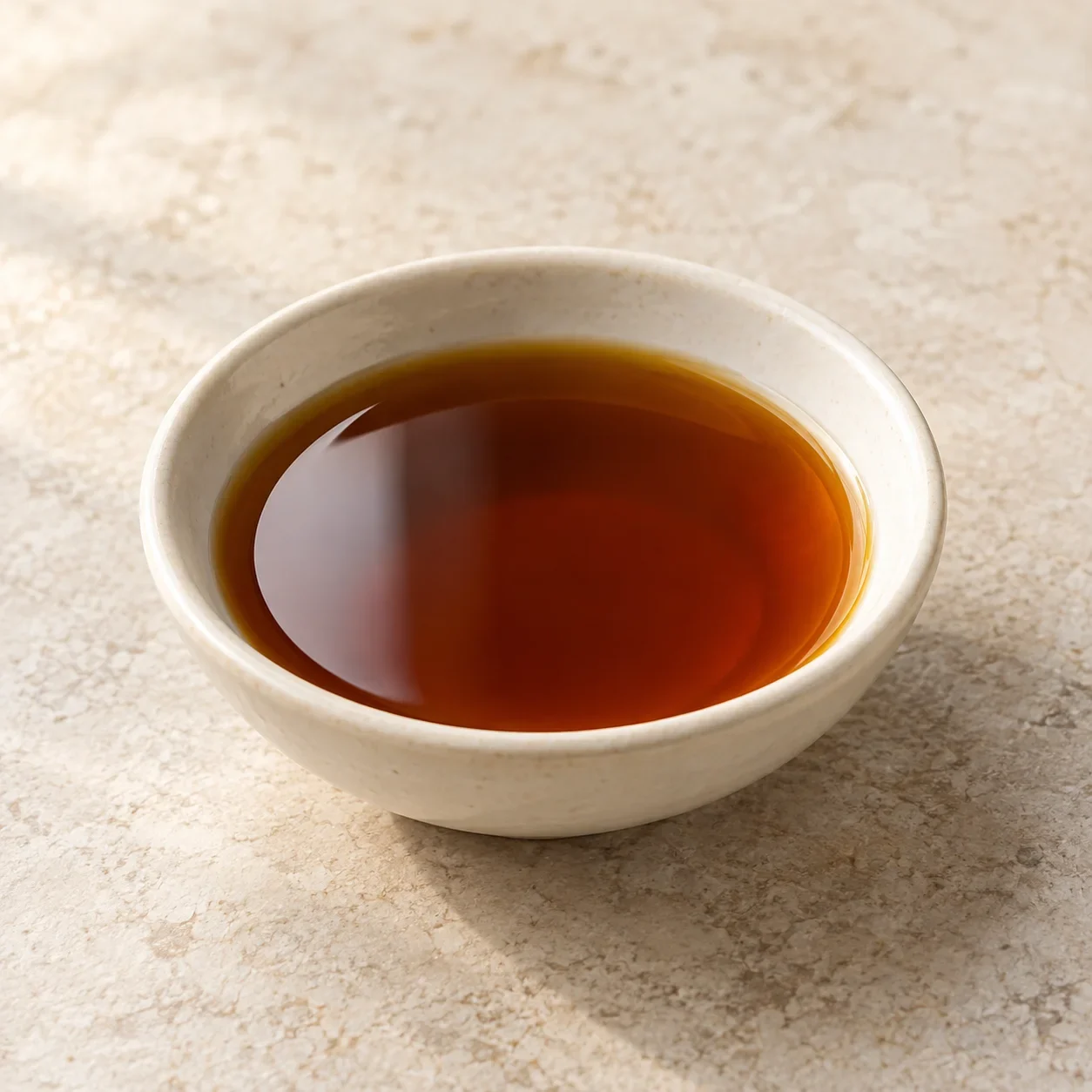
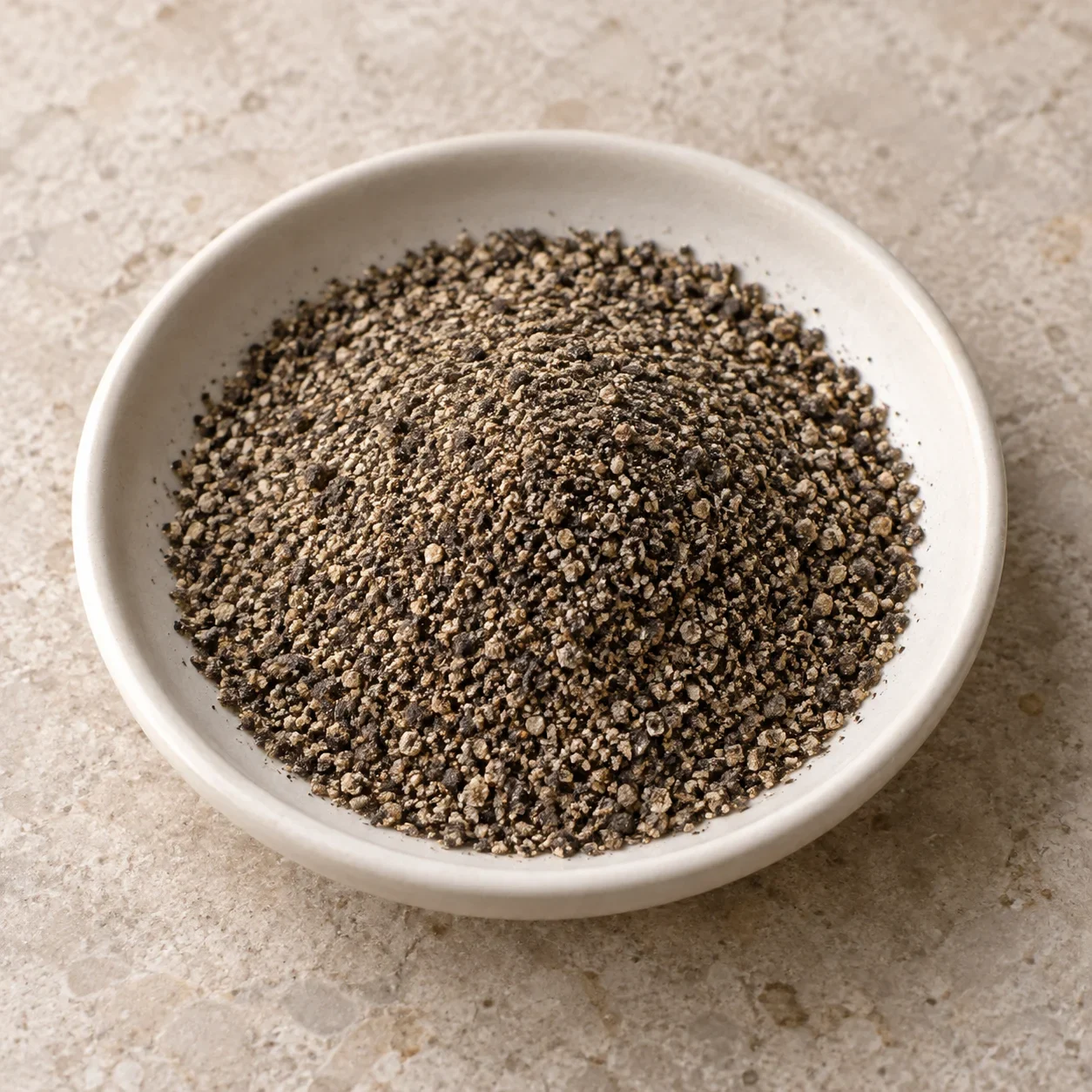
Recipes vary by restaurant.
How does it taste?
Salty and smoky.
- Chili heat
- Texture
- Tender duck meat.
- How it’s made
- Cure and smoke the duck; steam, chop and add sesame oil and pepper.
Curing mixtures and smoking treatments vary.
A CONNECTION TO PLACE
Origin & regional roots
Associated with Chongqing.
Ask if they have it first
请问你们有白市驿板鸭吗?
Do you have this item?
A LITTLE SOMETHING TO READ
Story & history
Smoked duck on the Chengdu–Chongqing post road
Baishiyi stood on the old Chengdu–Chongqing post road, where traders stopped for smoked duck with a drink and carried it home to relatives. A 1937 Ba County gazetteer looked back about four decades and listed Baishiyi smoked duck among local handcraft trades; a 1935 agricultural survey already described sales beyond Sichuan. When the local airport opened in 1941, the duck traveled farther, including to Hong Kong, Kowloon and overseas. This is why the name carries a route as well as a recipe: a smoked local specialty was made for travelers to eat, gift and take away. Its traditional making technique entered Chongqing’s municipal intangible cultural heritage list in 2011.