At the table
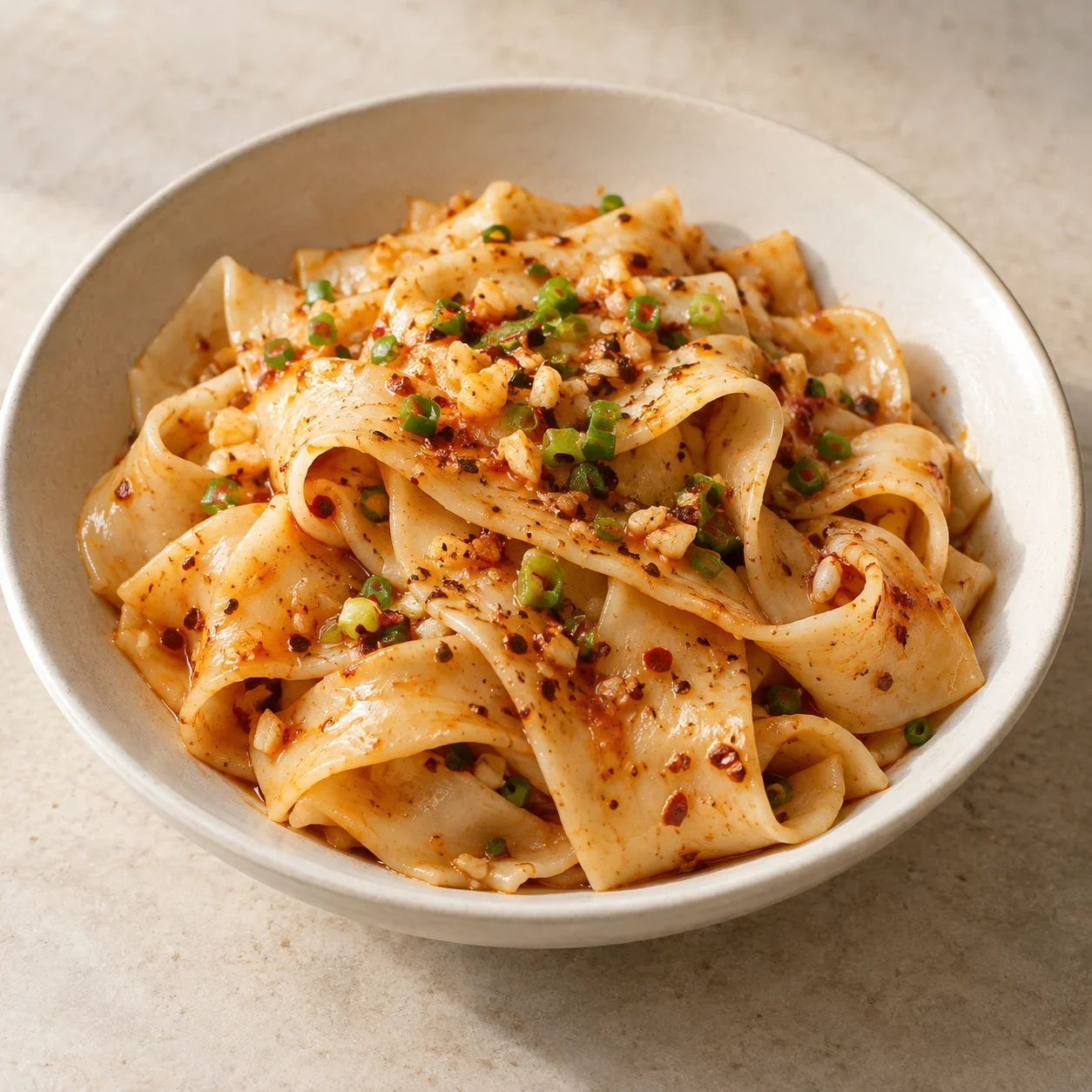
Mix the wide noodles with the oil and seasonings before eating. Lift a manageable portion and let it cool. Ask for less chili if needed; long, chewy ribbons can be cut into smaller pieces.
Contains wheat and soy sauce. Chili can be strong and Sichuan pepper adds a tingling sensation. Confirm cooking oil, sauces and extra toppings for allergies or dietary restrictions.
GET TO KNOW THE DISH
What goes into it?
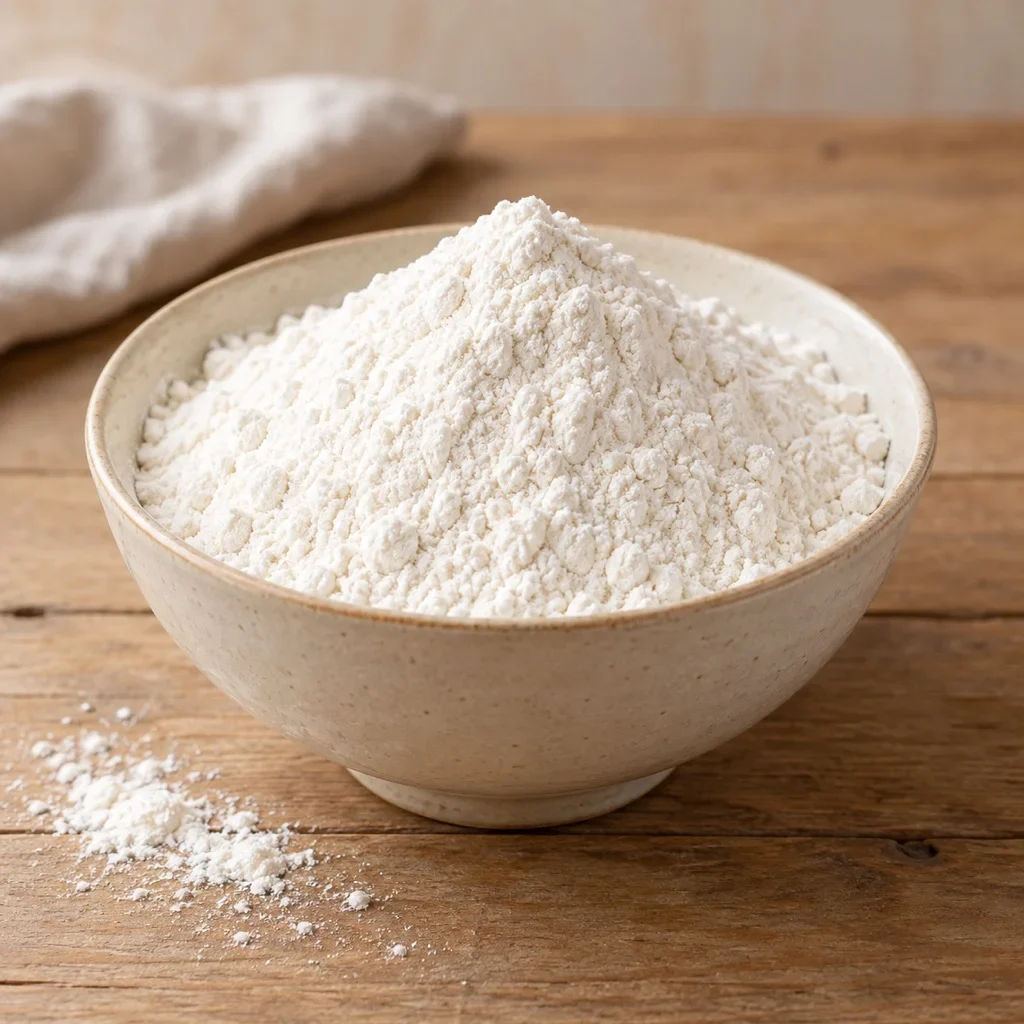
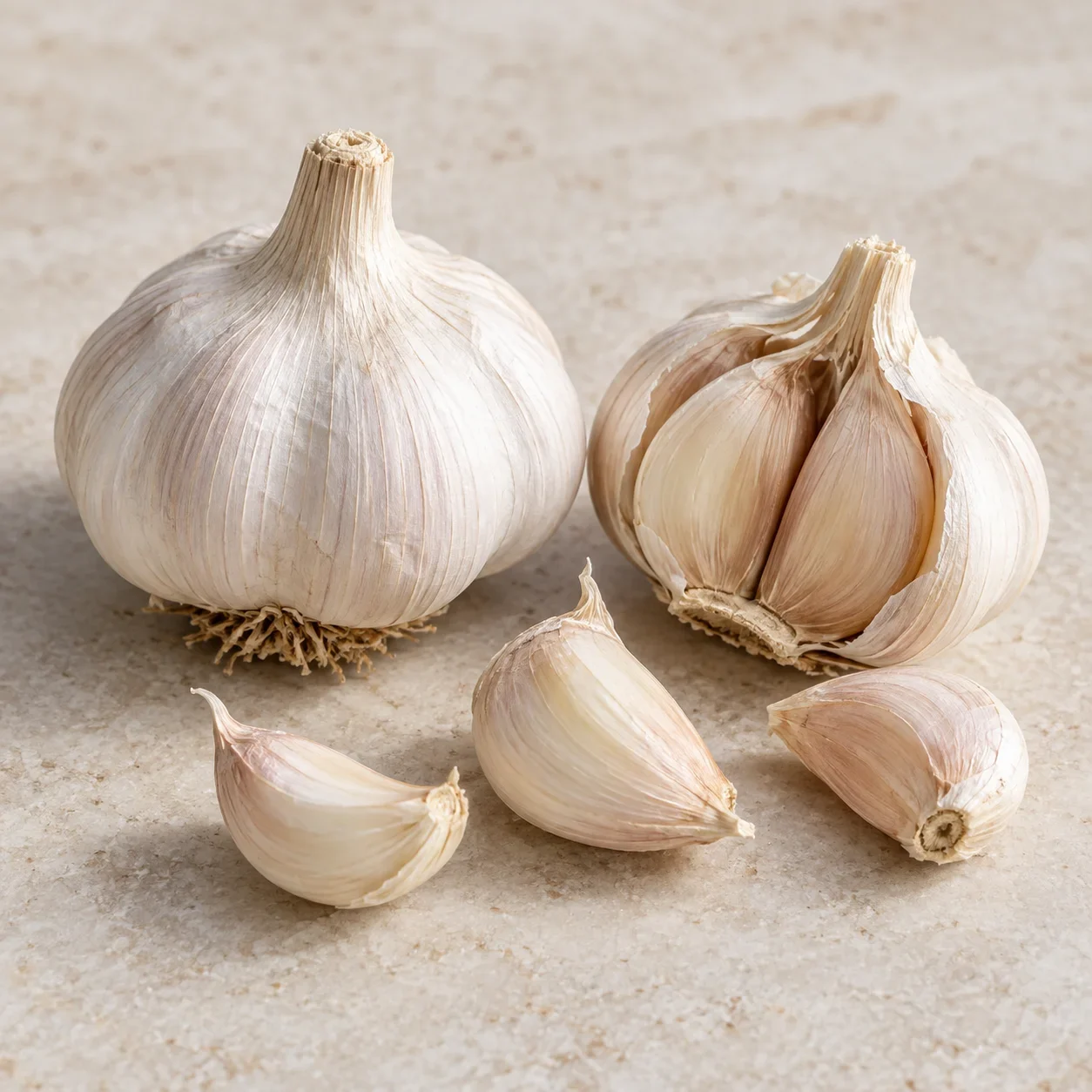
Explore some key ingredients below. Preparations may use additional seasonings and ingredients.
Noodle thickness varies with hand pulling; leafy greens are an optional accompaniment.
Typical ingredients
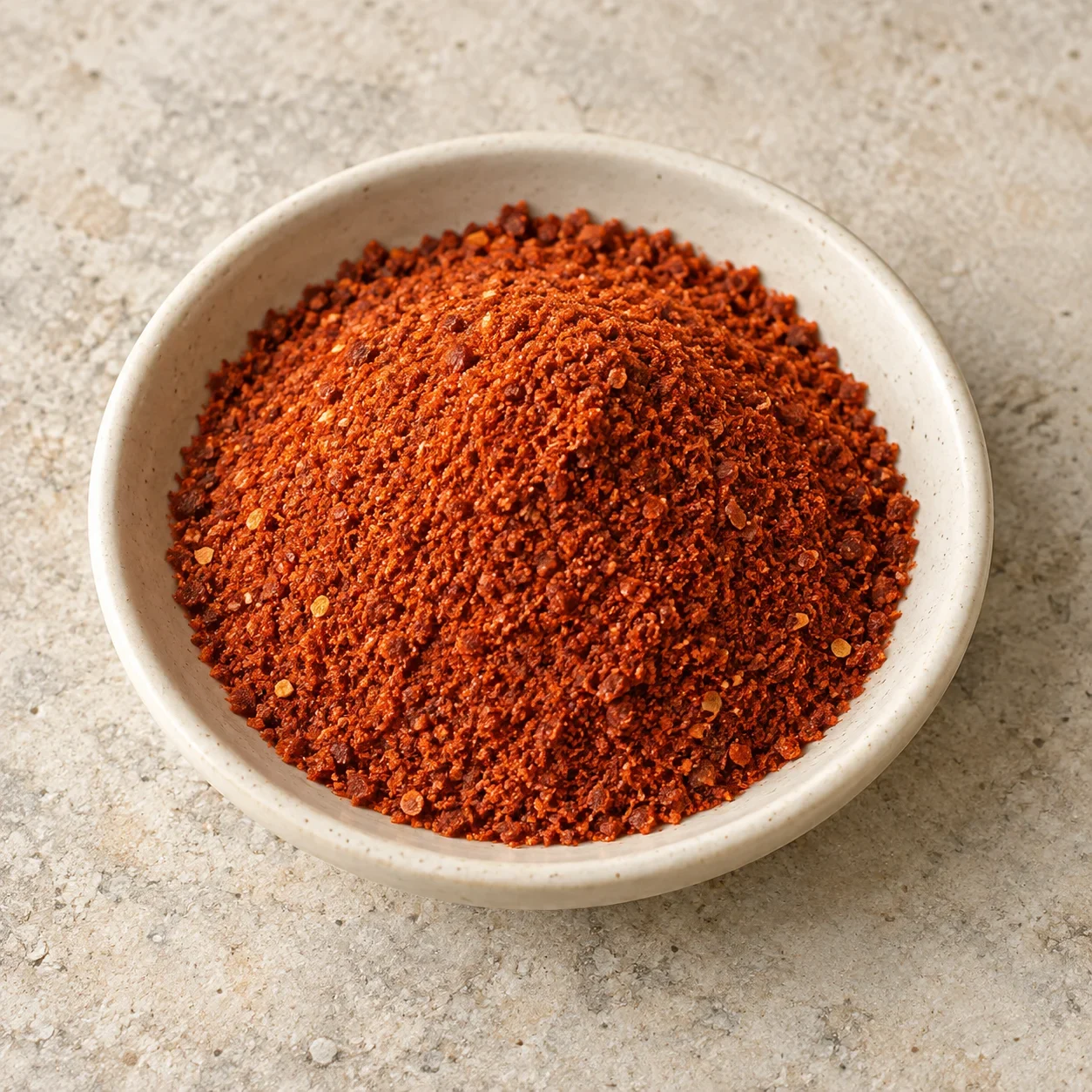
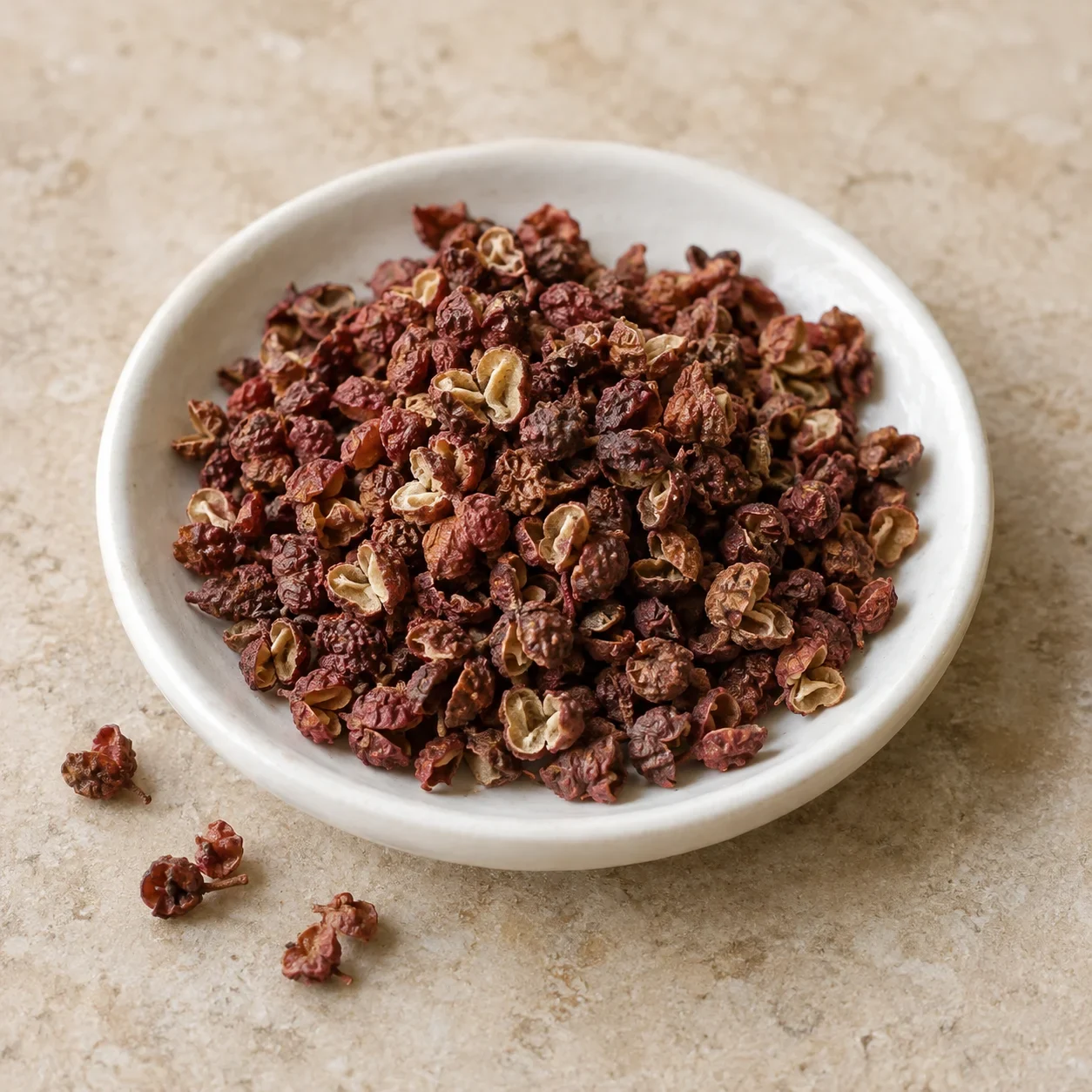
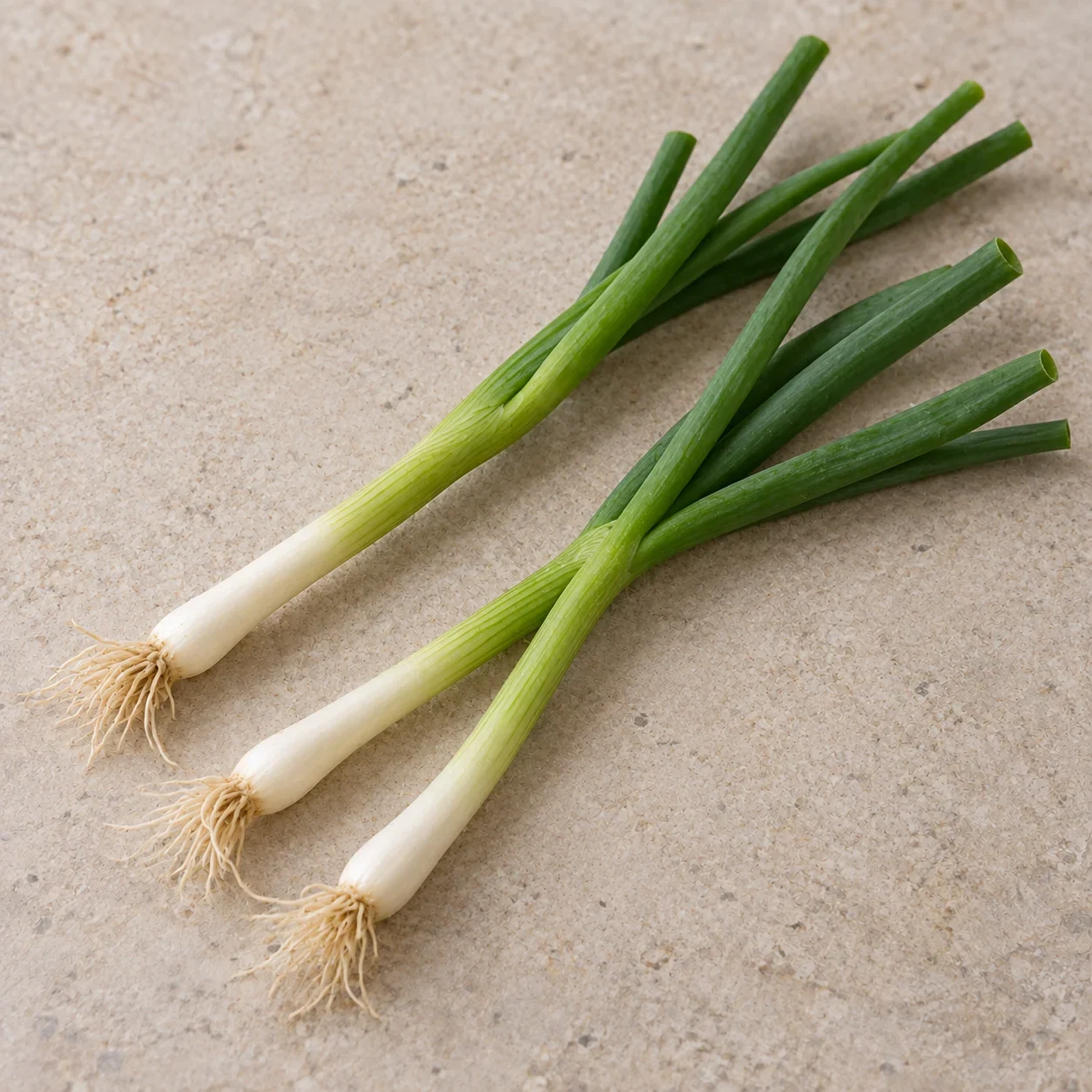
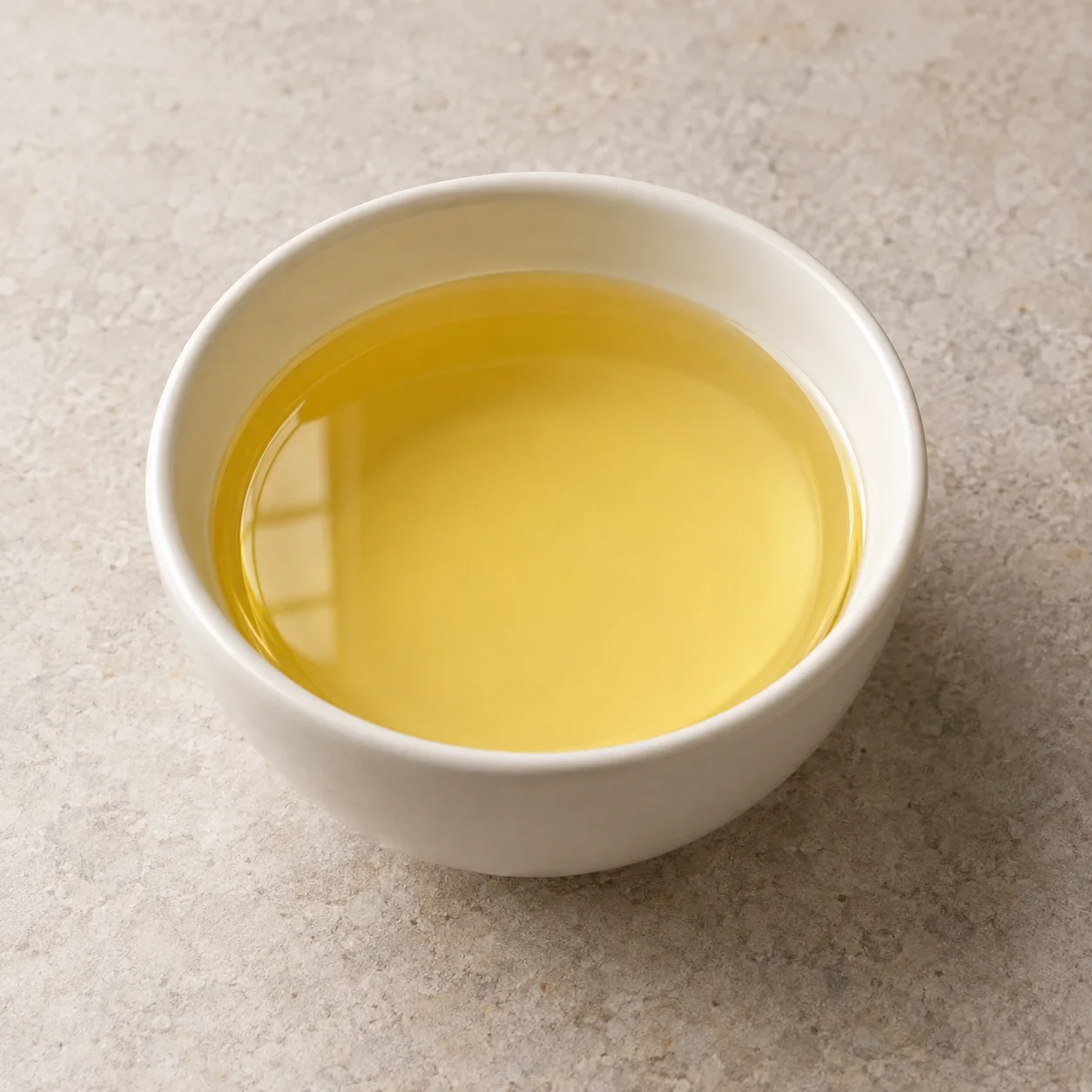
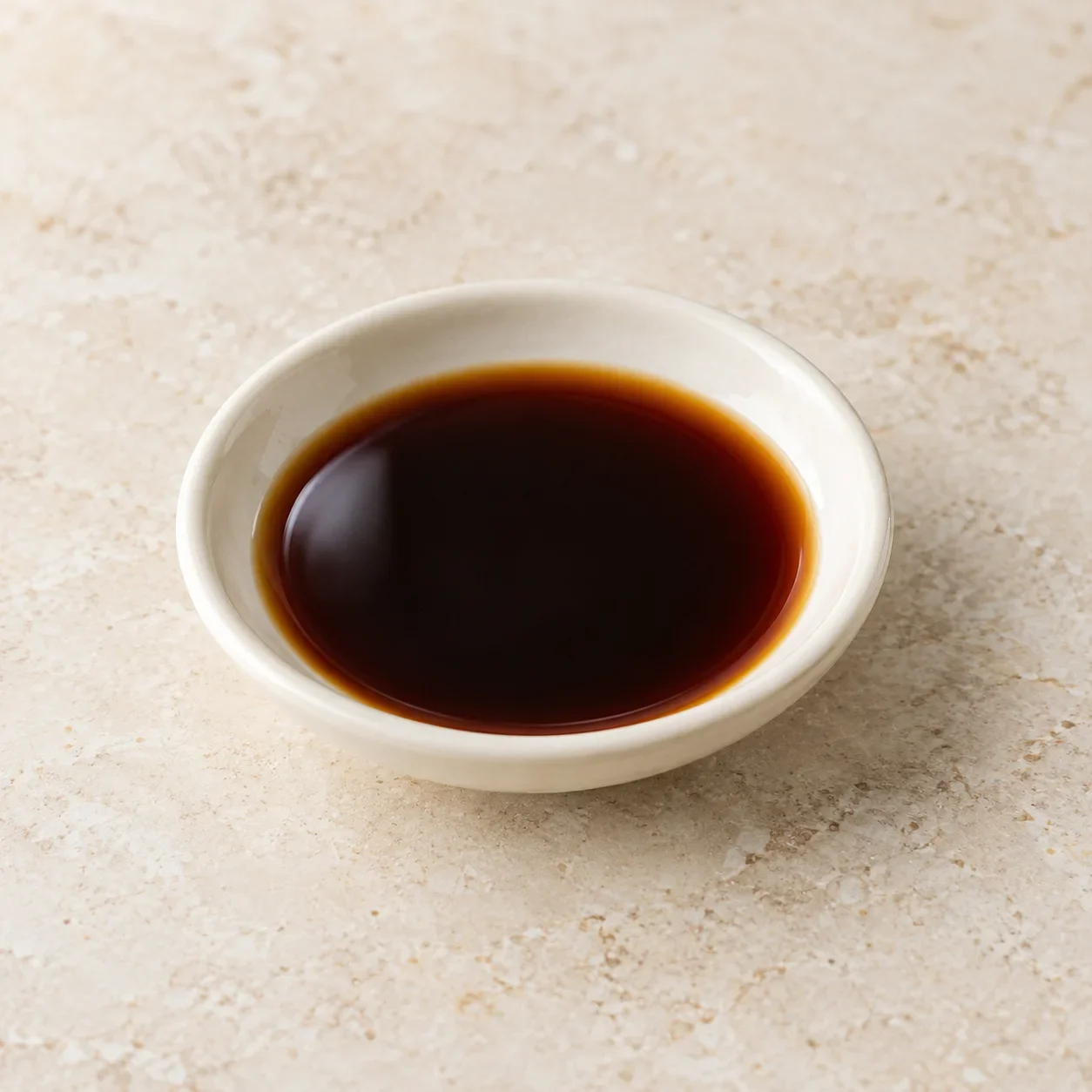
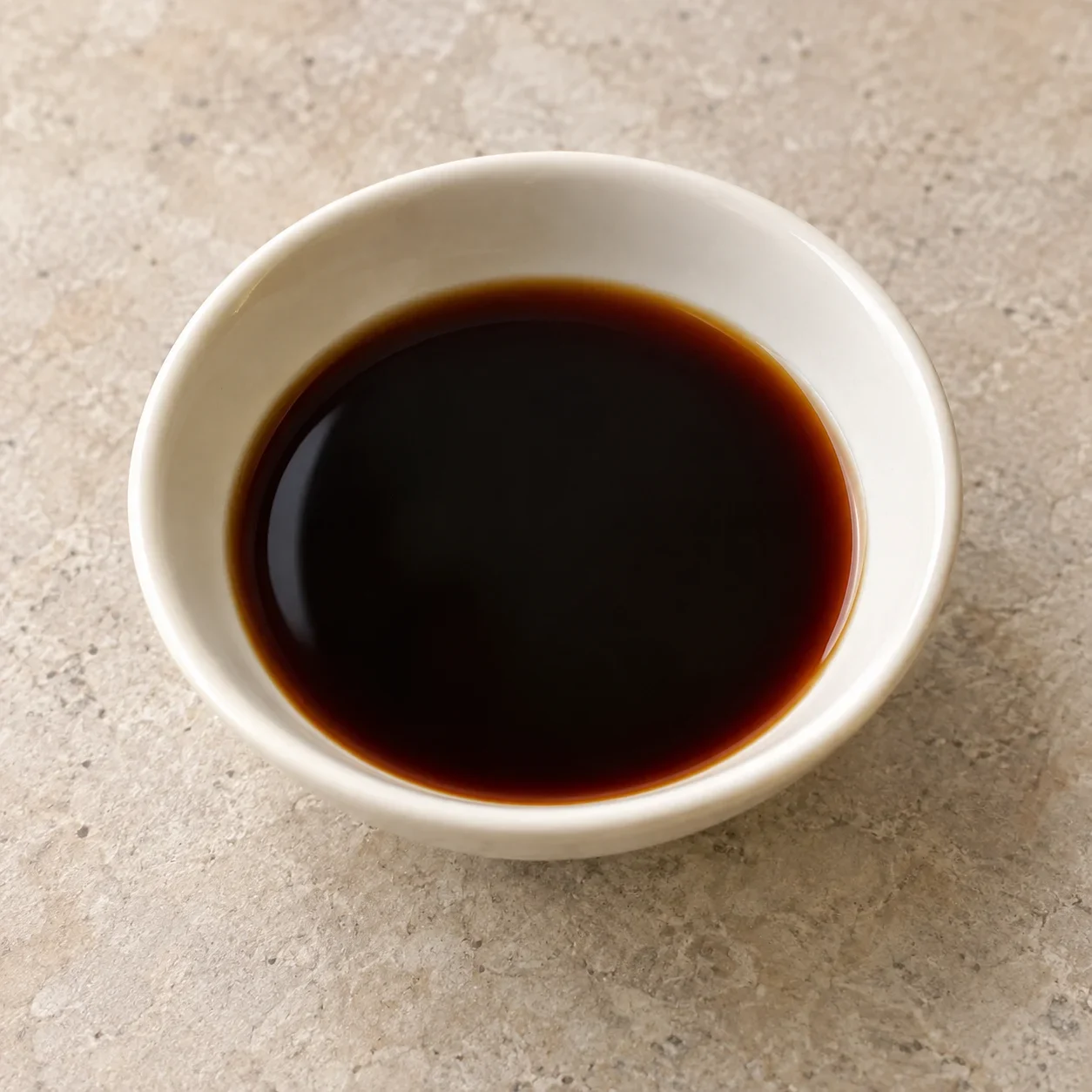

In some versions
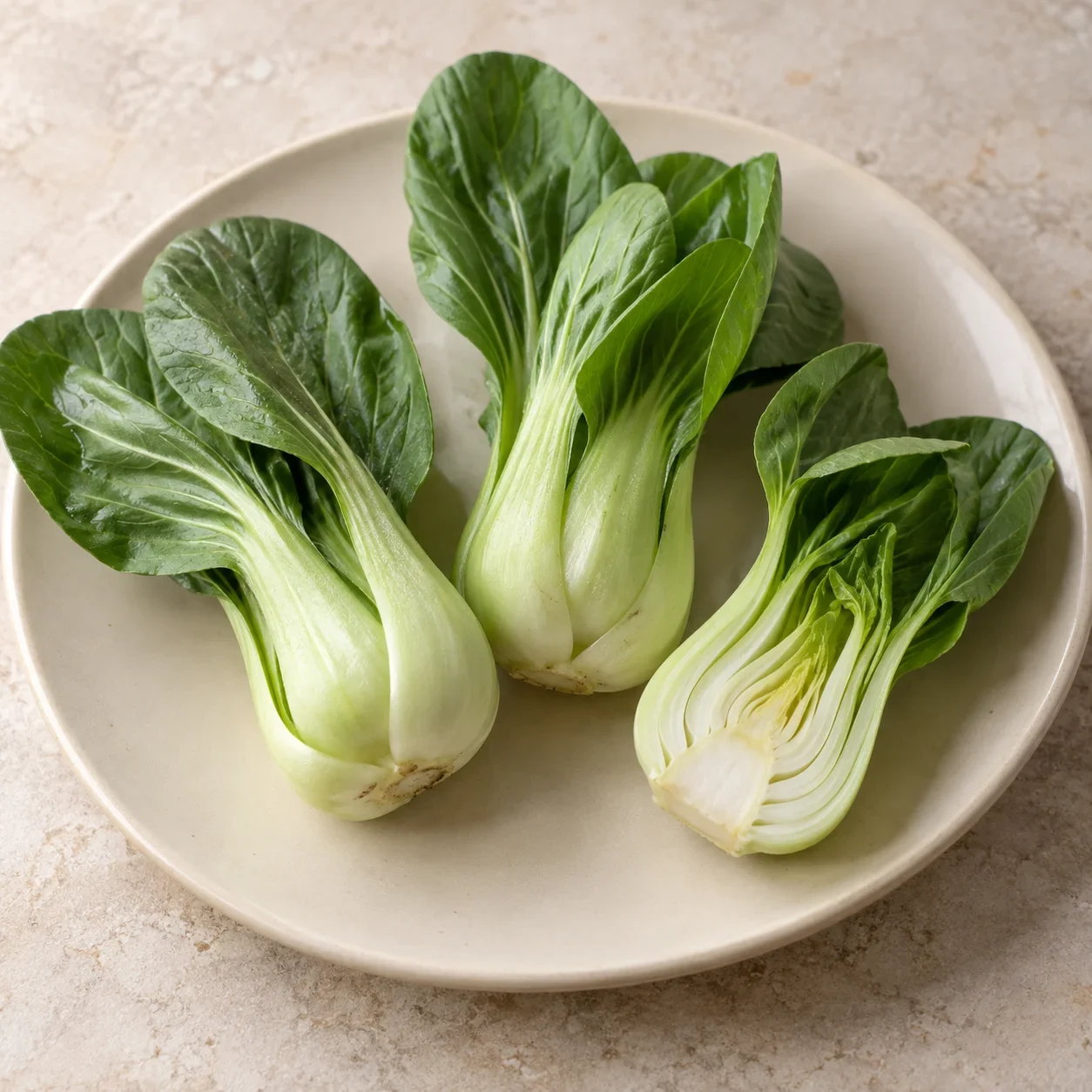
Recipes vary by restaurant.
How does it taste?
Chili, garlic and a tang of vinegar.
- Chili heat
- Texture
- Thick, broad and chewy.
- How it’s made
- Rest wheat dough, stretch it into ribbons, boil and finish with hot oil over the seasonings.
Noodle thickness varies with hand pulling; leafy greens are an optional accompaniment.
A CONNECTION TO PLACE
Origin & regional roots
Associated with Shaanxi.
Ask if they have it first
请问你们有biángbiáng面吗?
Do you have this item?
A LITTLE SOMETHING TO READ
Story & history
A noodle name remembered in rhyme
Broad, belt-like biangbiang noodles belong to the food culture of Shaanxi’s Guanzhong region. In Xianyang, a spoken rhyme helps people remember the many parts of the unusual character “biang”, ending with the image of a little cart going around the city. The noodle’s name thus carries a piece of local oral culture alongside the craft of stretching wheat dough into wide ribbons.