
At the table
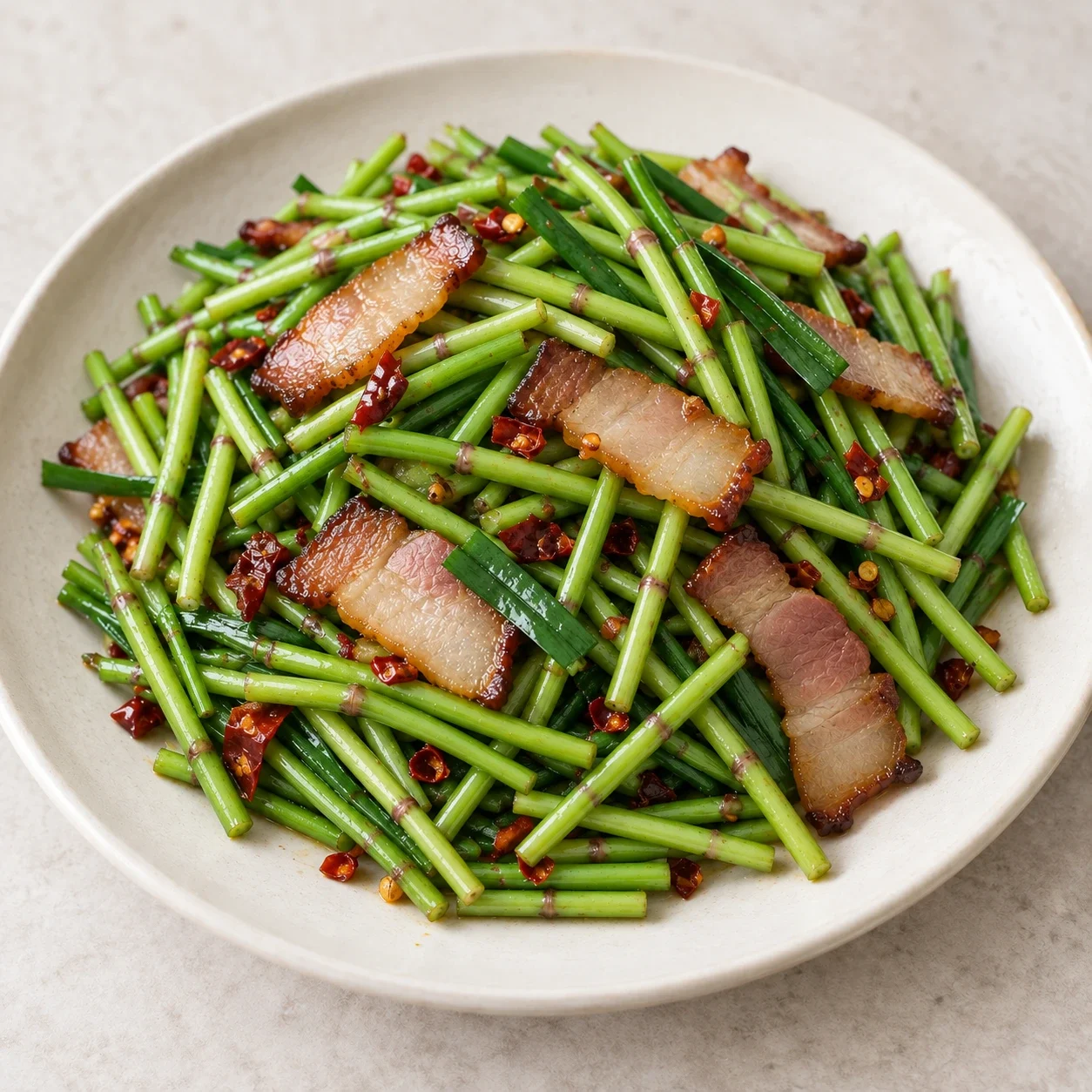
Eat small bites of the cooked stems and cured pork together, often with rice. Ask about the amount of chili if you prefer a milder dish.
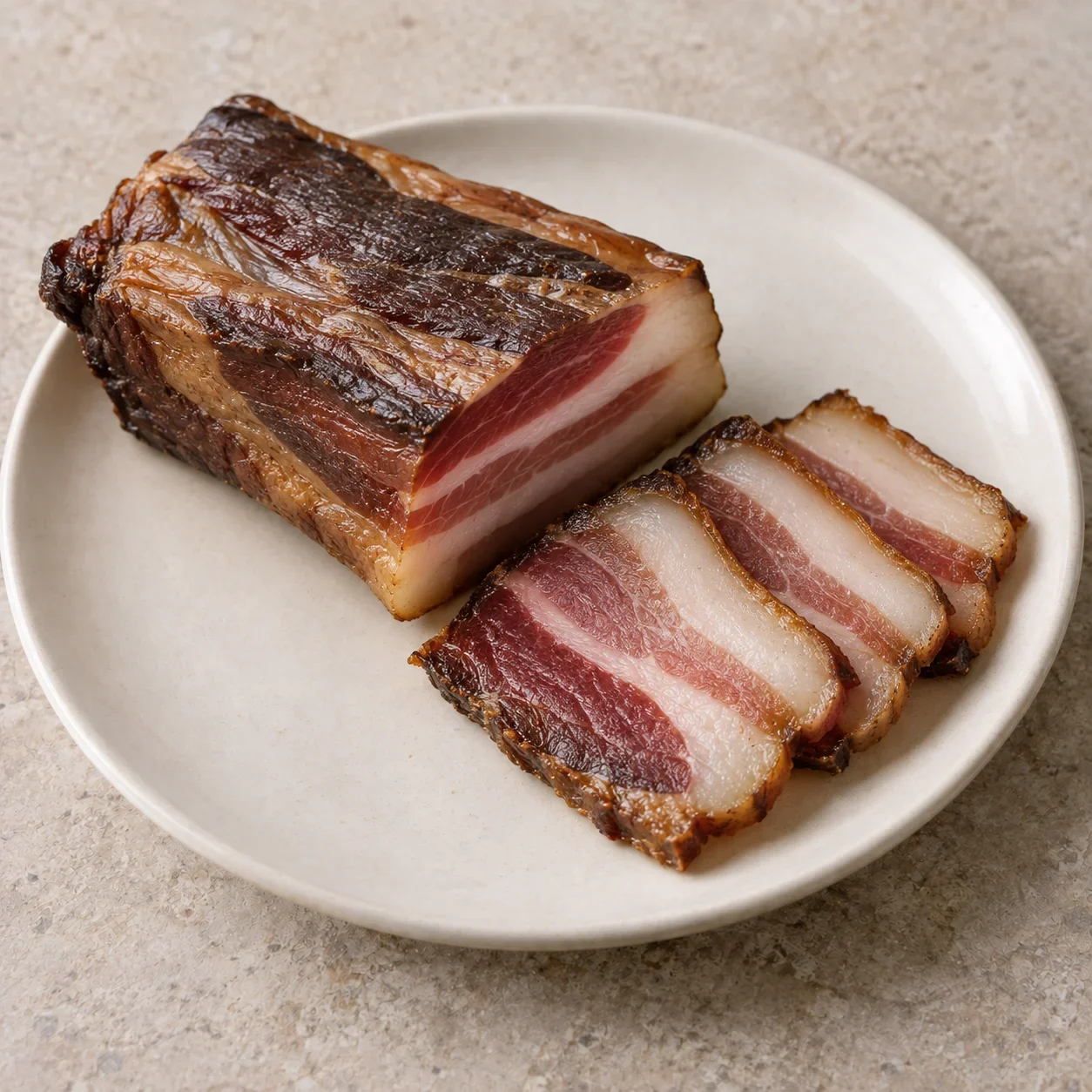
Contains cured pork and may use lard, so it is not vegetarian or vegan. Cured meat is salty and chili levels vary. Ask about added sauces and seasonings if you have dietary restrictions.
GET TO KNOW THE DISH
What goes into it?
Explore some key ingredients below. Preparations may use additional seasonings and ingredients.
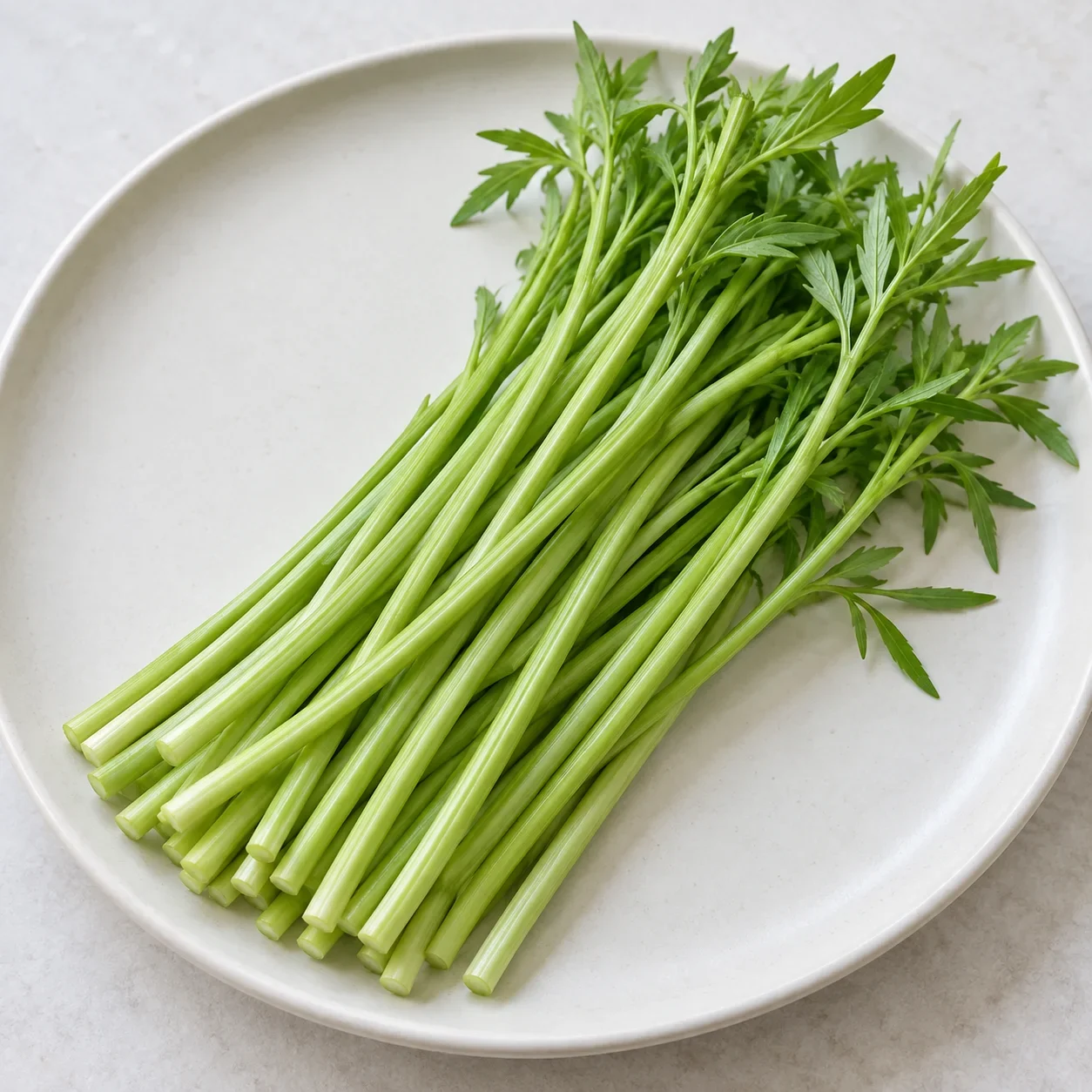
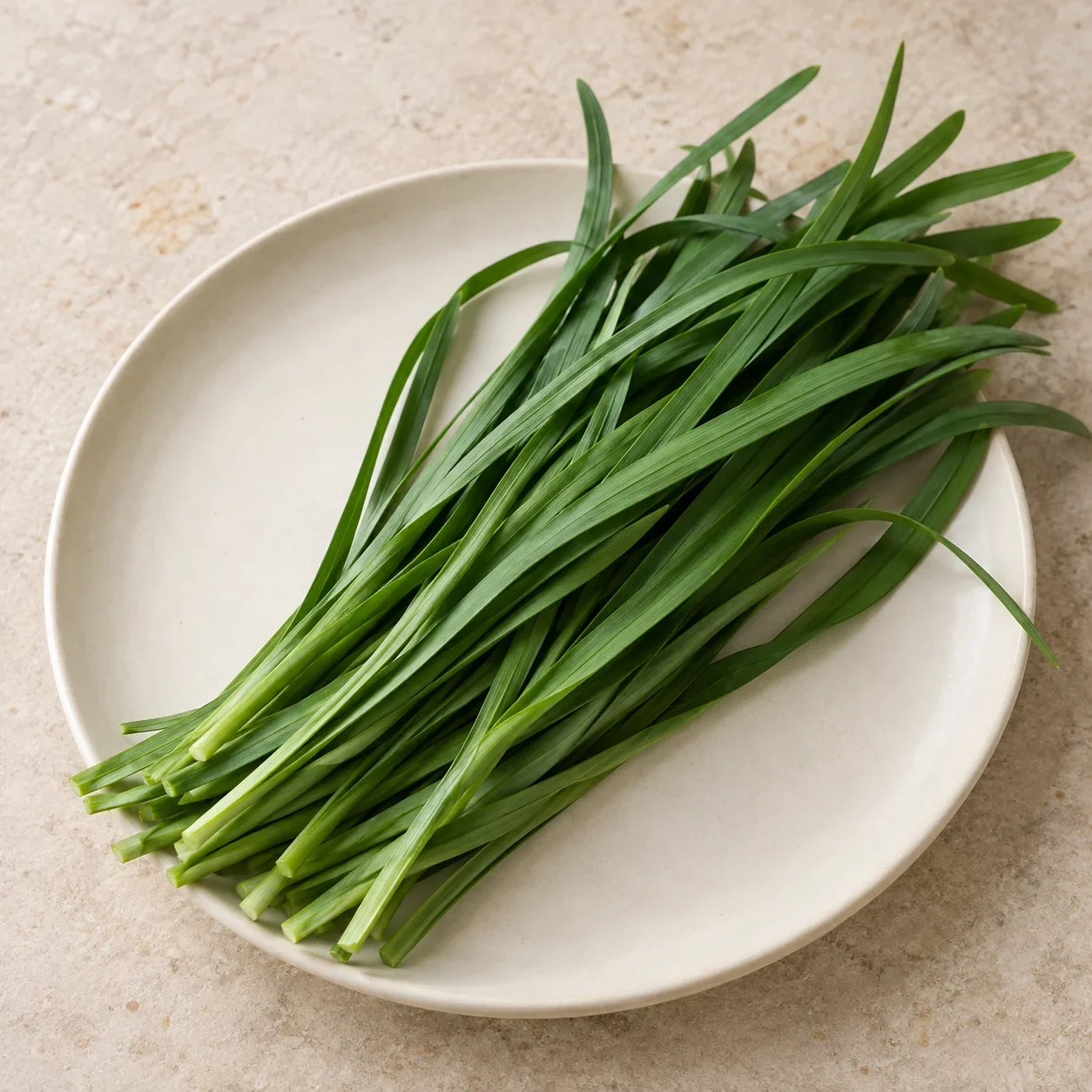
Aromatics and cooking fat vary. Some versions use Chinese chives and lard, while others add scallion or garlic. Chili may be fresh or dried, and its amount changes the heat.
Typical ingredients

In some versions
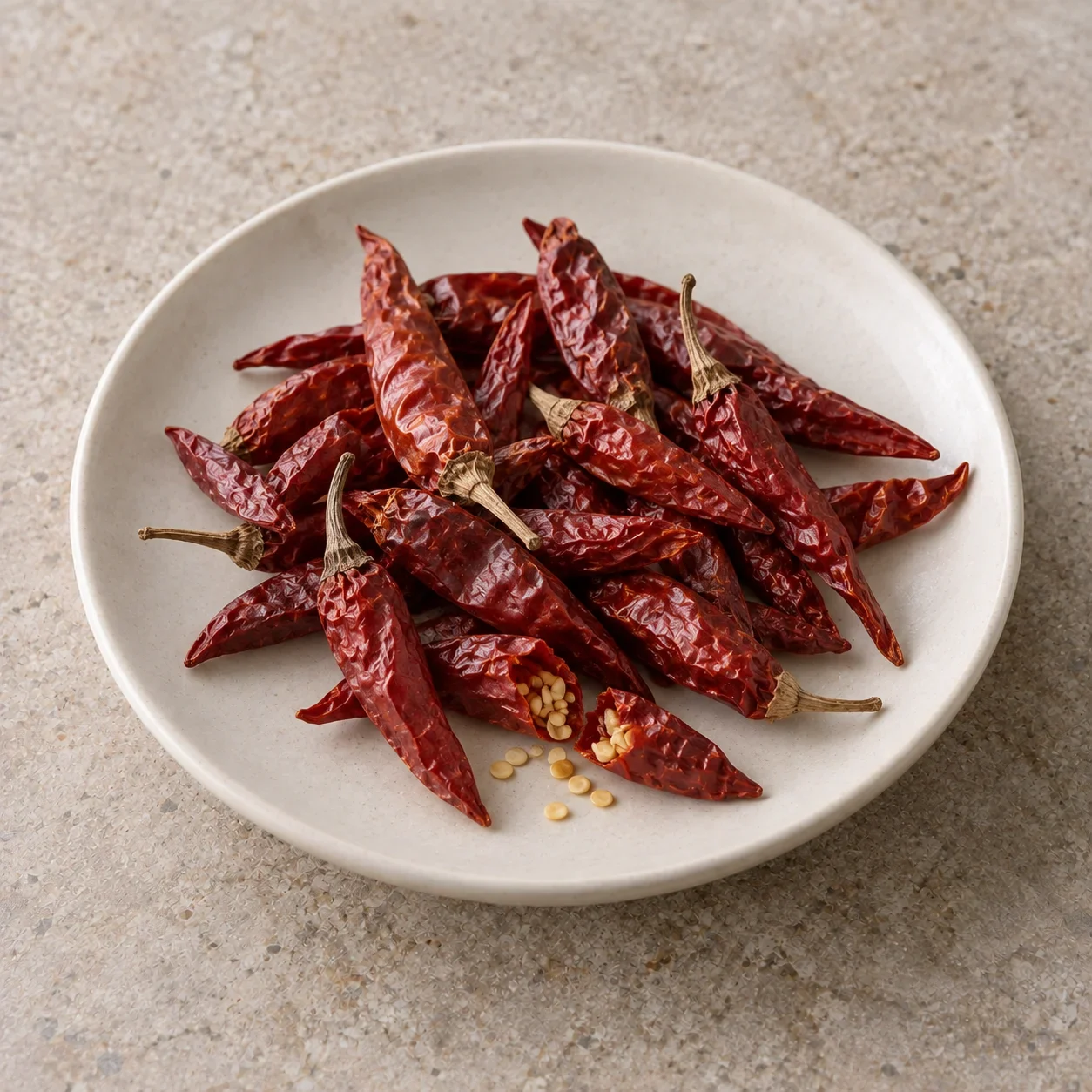
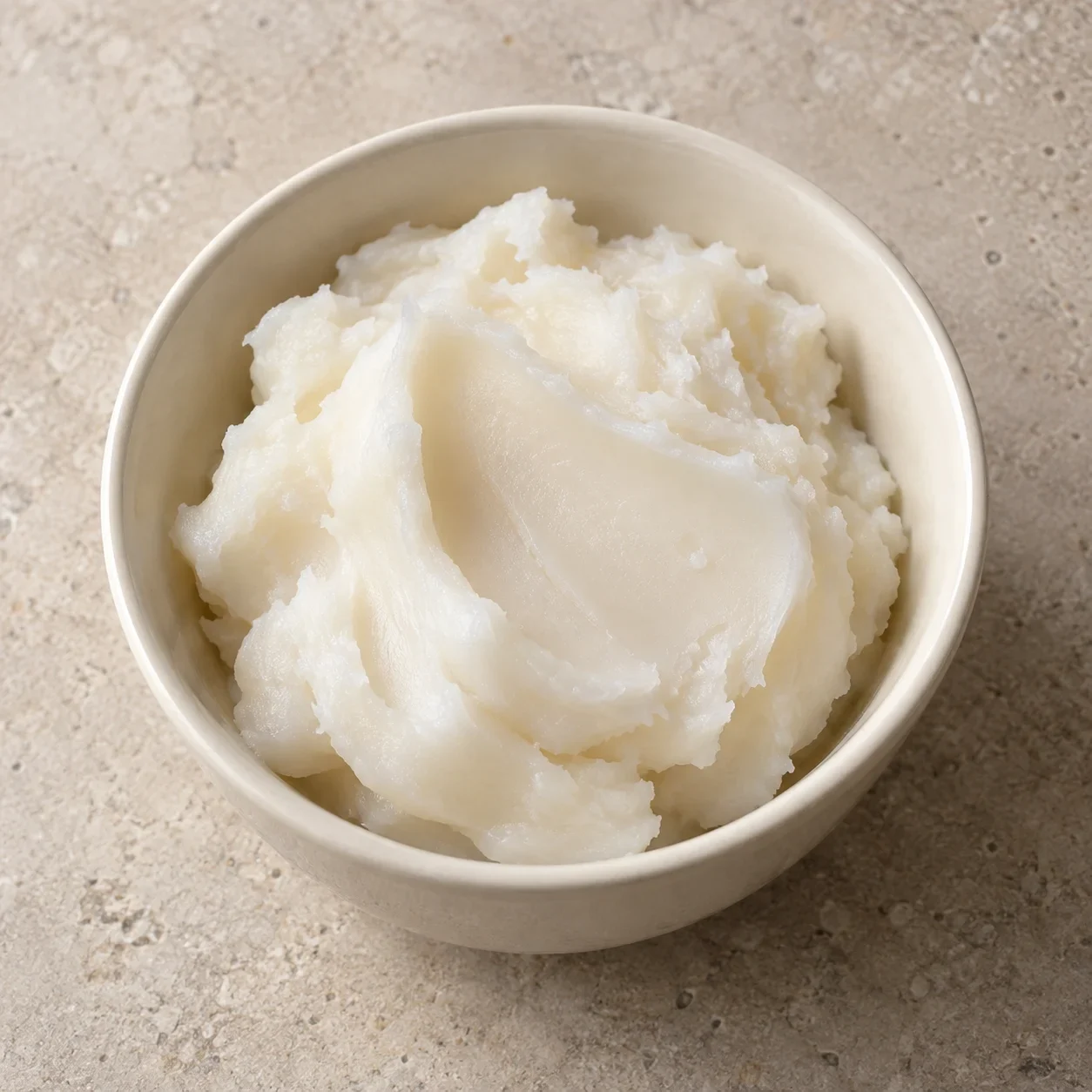
Recipes vary by restaurant.
How does it taste?
Salty and aromatic
- Chili heat
- Texture
- Crisp-tender stems with firmer cured-pork slices and softened fat.
- How it’s made
- Trim the lihao to tender stems and cut into short segments. Prepare the cured pork as needed, then slice and cook it before stir-frying with the stems. One version uses lard, Chinese chives and chili; adjust salt to the cured meat.
Aromatics and cooking fat vary. Some versions use Chinese chives and lard, while others add scallion or garlic. Chili may be fresh or dried, and its amount changes the heat.
A CONNECTION TO PLACE
Origin & regional roots
Associated with Jiangxi.
Ask if they have it first
请问你们有藜蒿炒腊肉吗?
Do you have this item?
A LITTLE SOMETHING TO READ
Story & history
Spring stems meet cured pork in Jiangxi
Around Poyang Lake, lihao is closely associated with the taste of spring. Its tender, aromatic stems become a familiar Jiangxi stir-fry when paired with cured pork. The contrast is part of the appeal: crisp green stems alongside salty meat and softened fat. This local favorite also belongs to a wider tradition of cooking similar lake-grown greens with cured meat in neighboring regions; it is not confined to one lakeshore.