
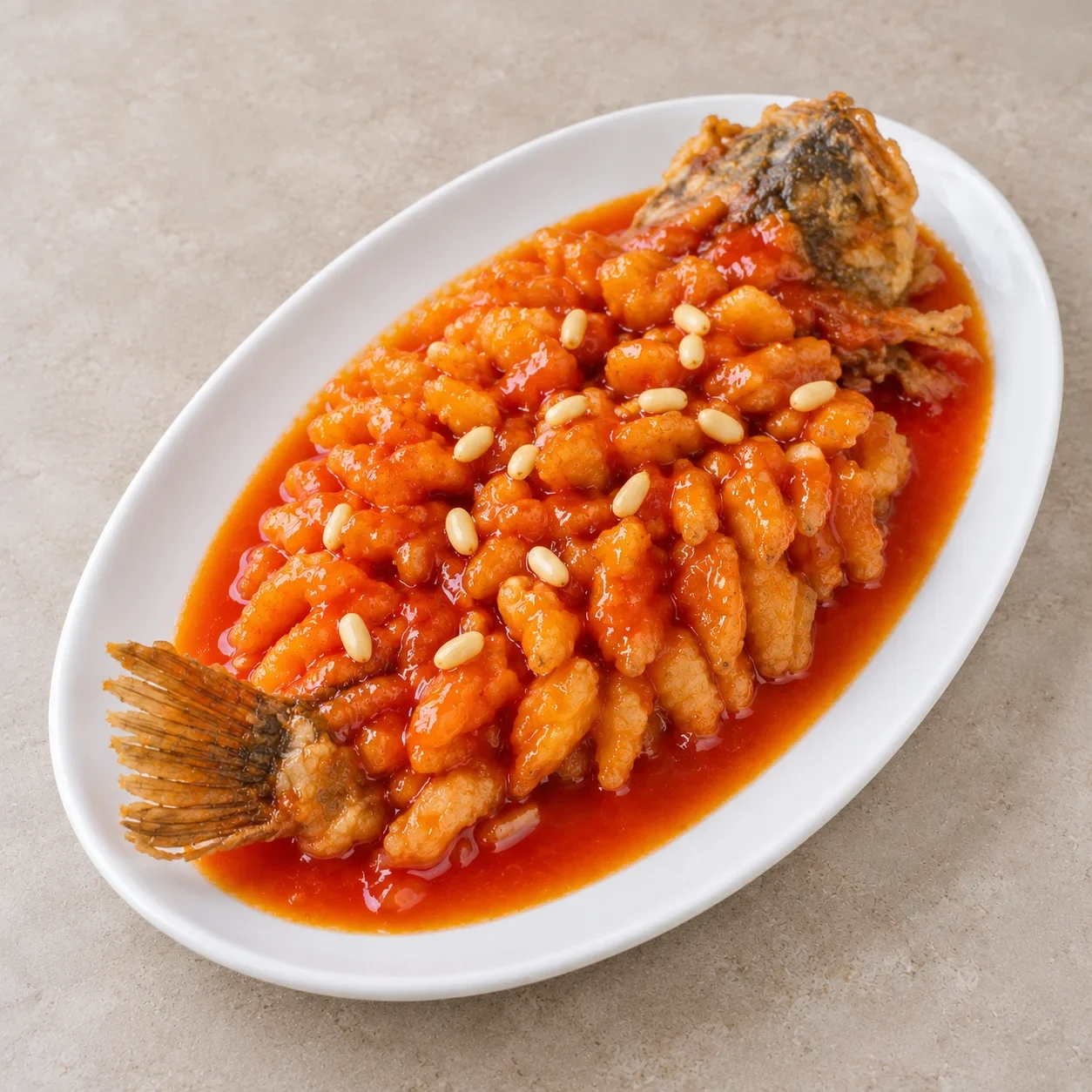
At the table
Take small pieces of fish from the scored flesh and check for bones, especially near the head and tail. Let the hot sauce cool before eating.
This dish contains fish. Most of the backbone is removed during preparation, but bones can remain. Garnishes may include pine nuts; check the actual ingredients for your dietary needs.
Tender fish under a crisp coating with sweet-sour sauce can be shared in a small portion. The described method removes most of the backbone but leaves a short section near the tail, so check carefully for small bones and let the sauce cool before serving.
Recipes vary. Ask the restaurant about ingredients and serving before you order.
GET TO KNOW THE DISH
What goes into it?
Explore some key ingredients below. Preparations may use additional seasonings and ingredients.
Pine nuts, fruit pieces and clear stock can also be added.
Typical ingredients
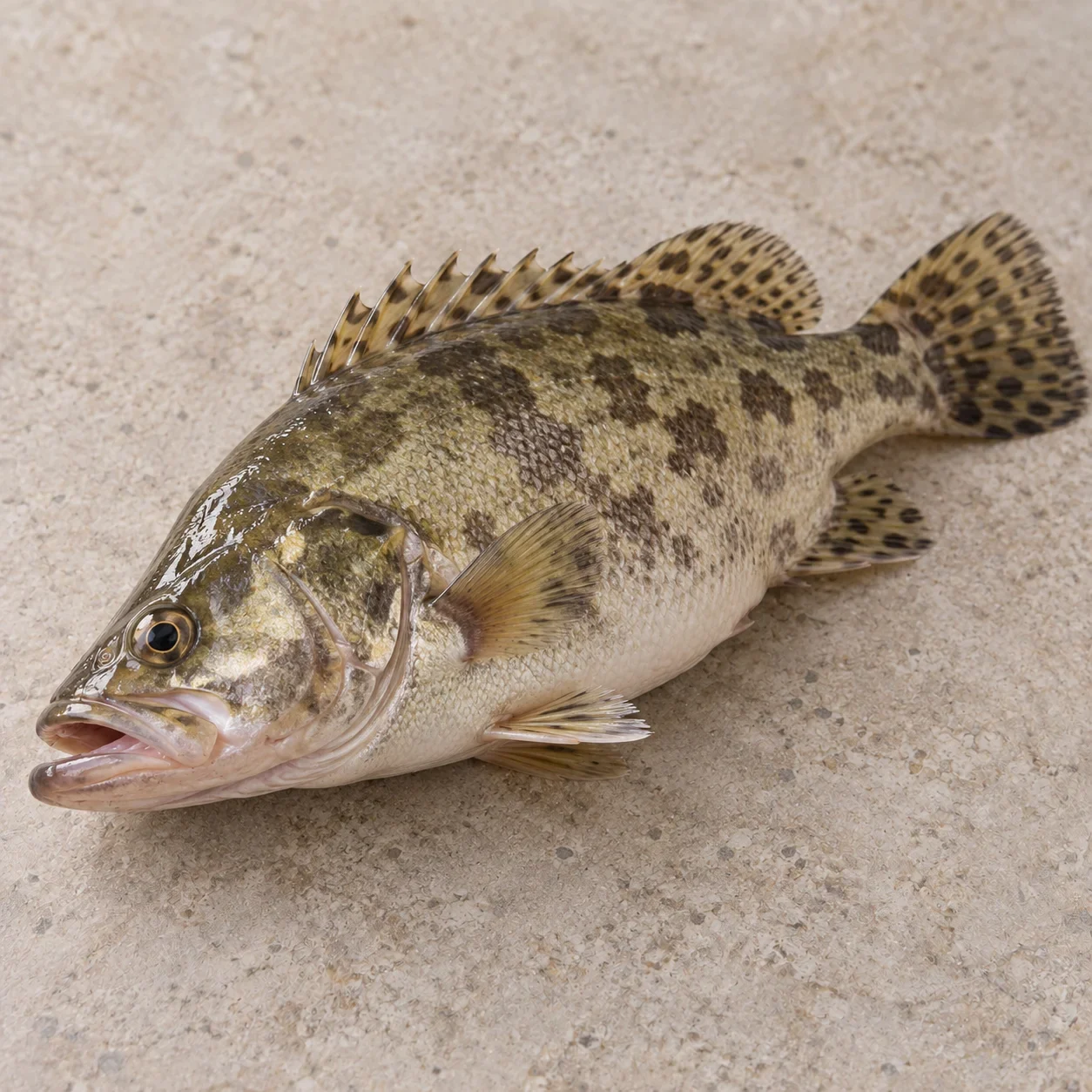
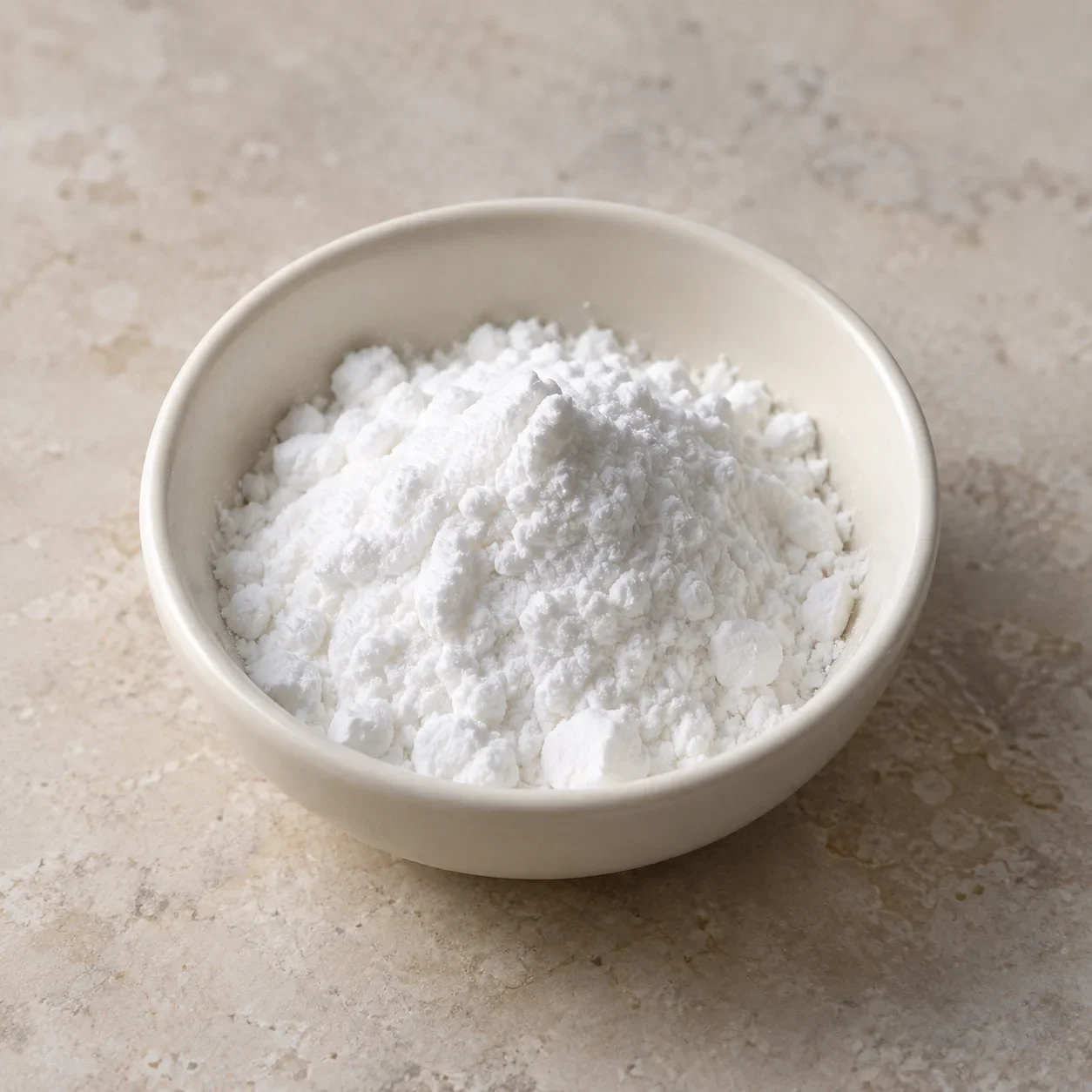


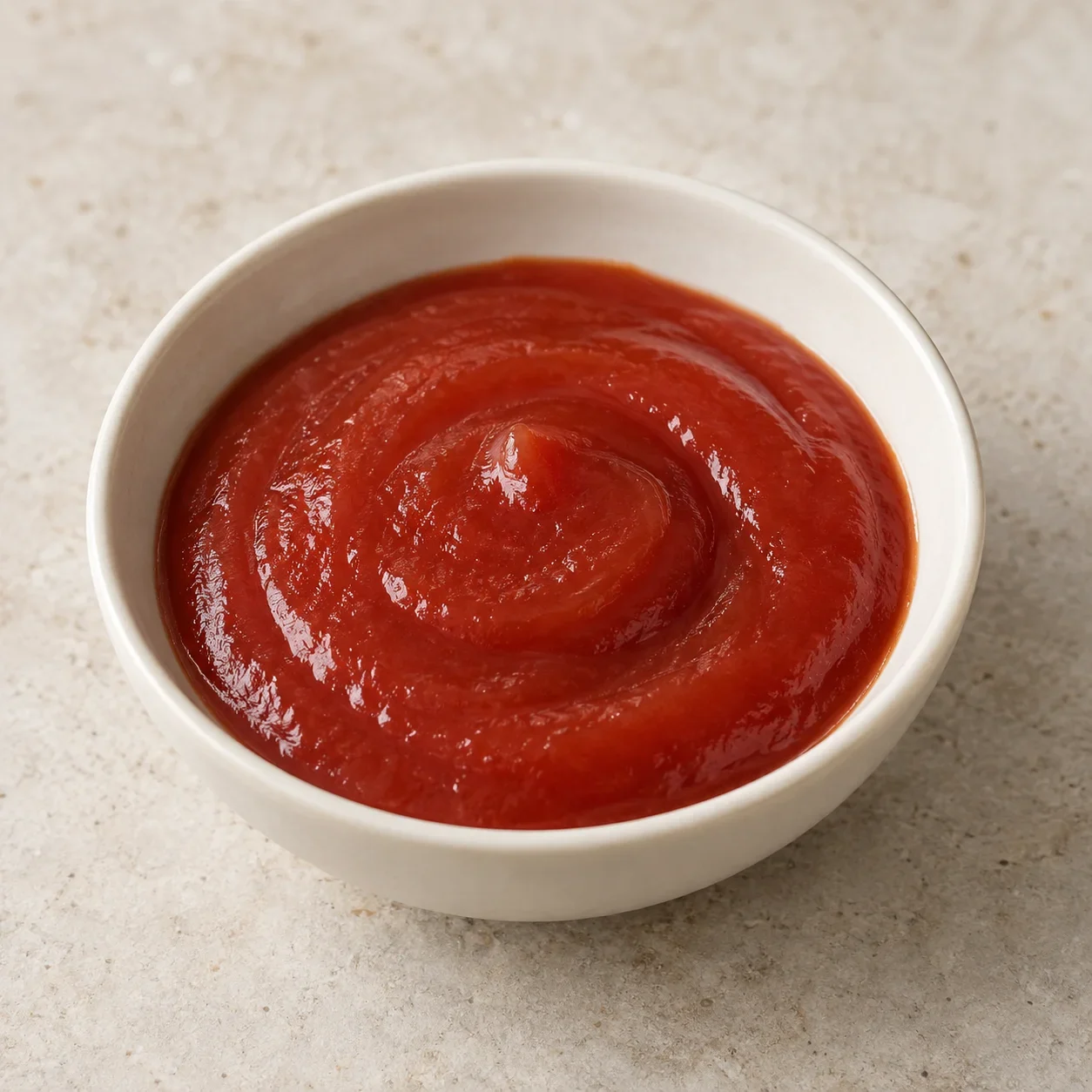
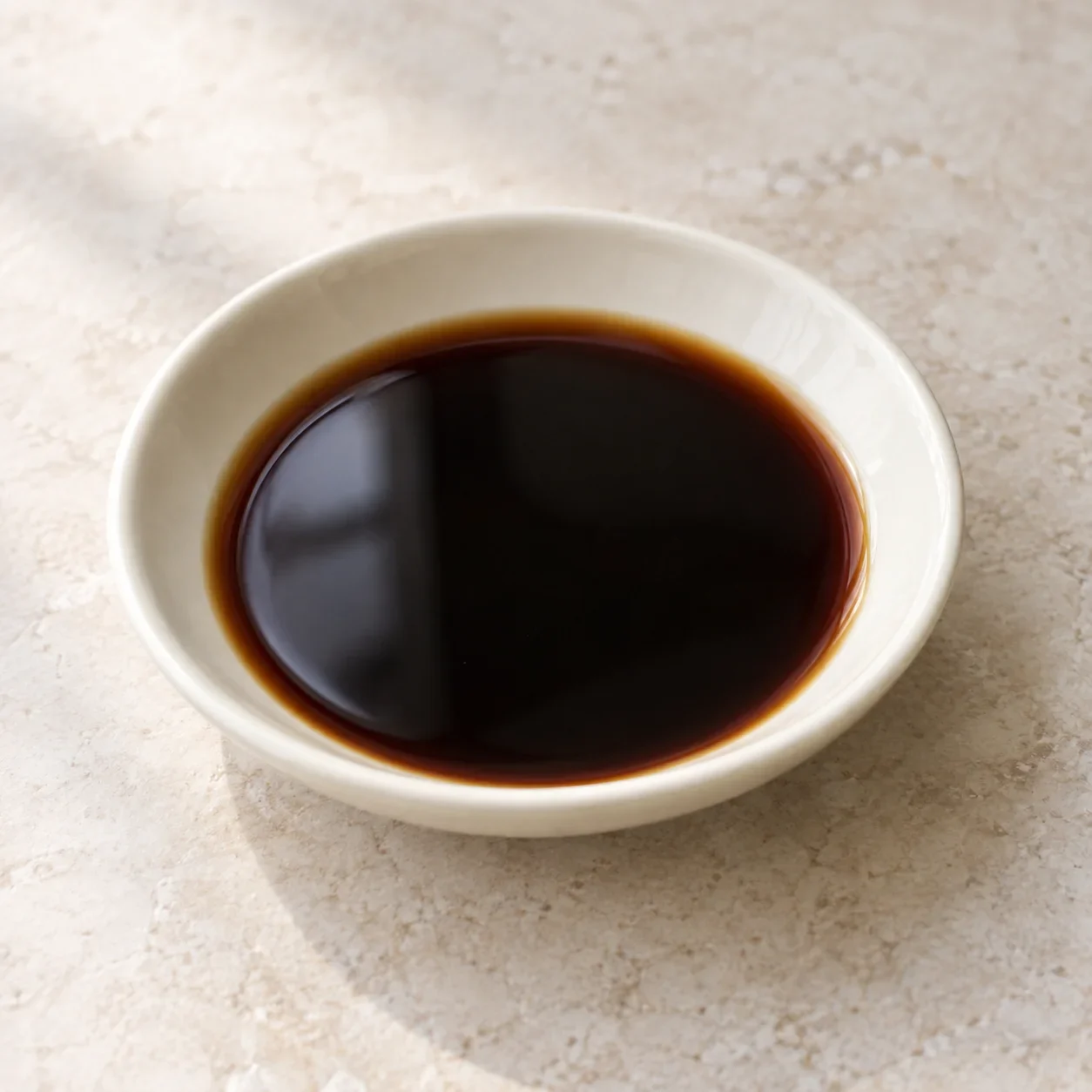
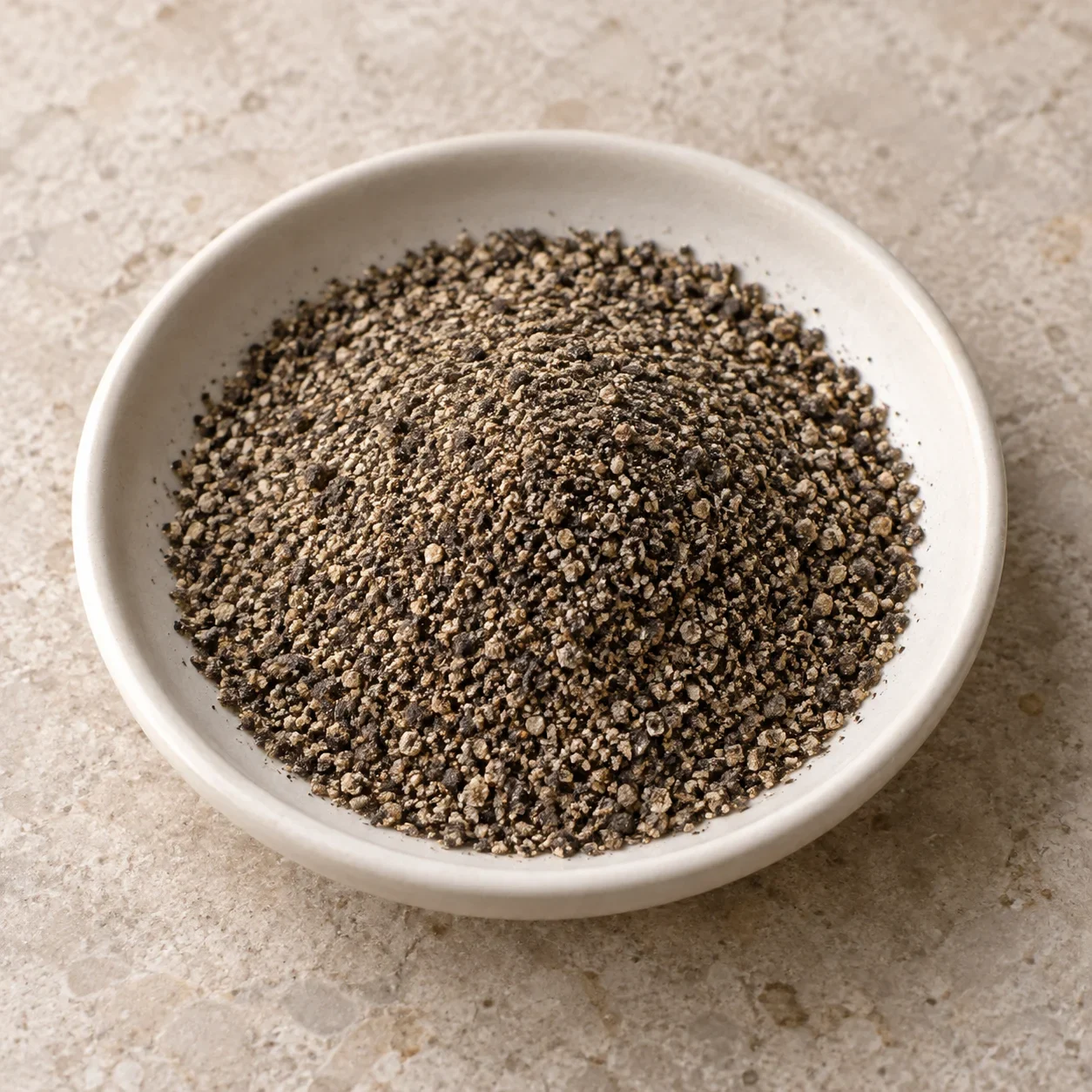
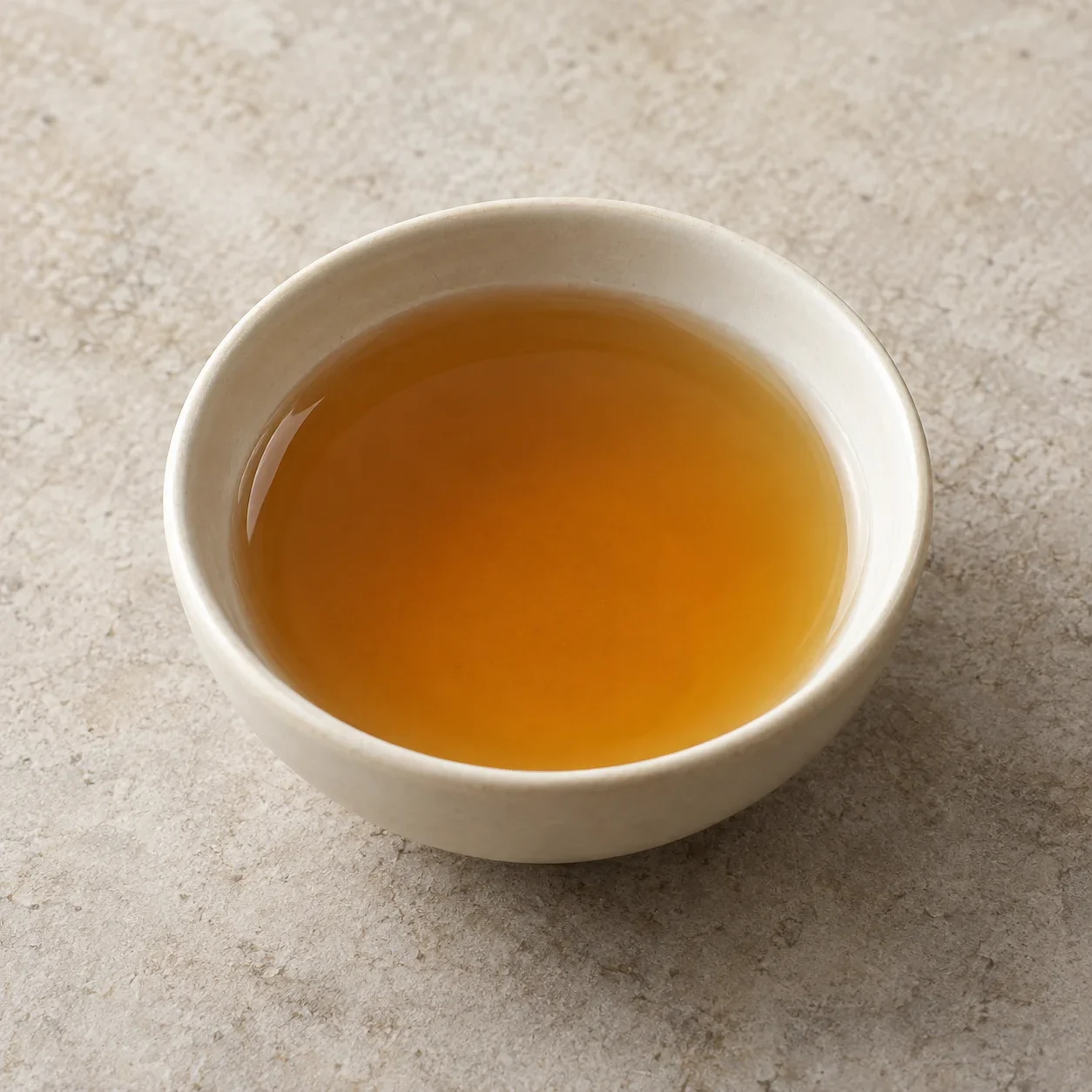

In some versions
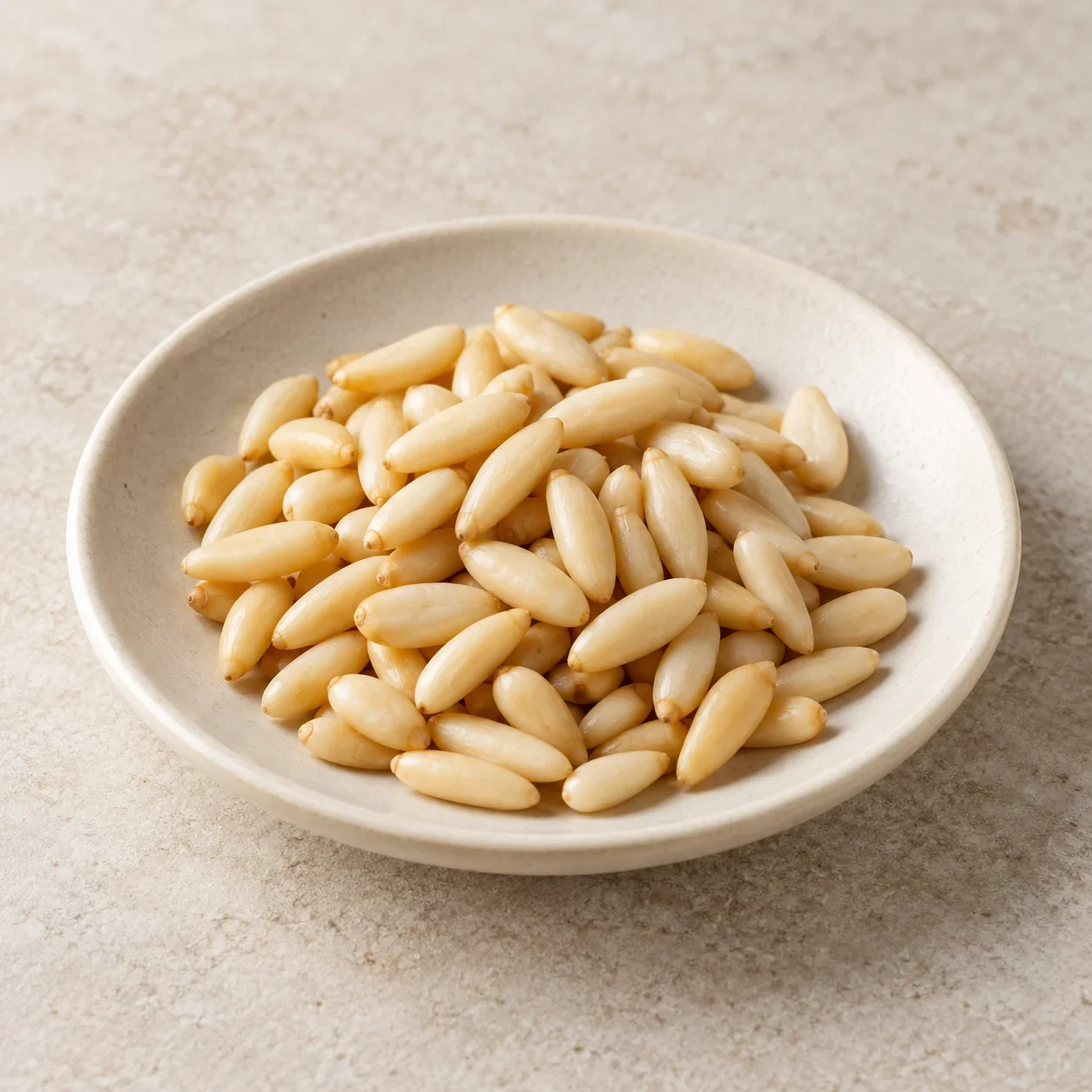
Recipes vary by restaurant.
How does it taste?
Sweet and sour
- Chili heat
- Texture
- Crisp surface, tender fish.
- How it’s made
- Score, starch-coat and fry fish; spoon over thickened sauce.
Pine nuts, fruit pieces and clear stock can also be added.
A CONNECTION TO PLACE
Origin & regional roots
Associated with Jiangsu.
Ask if they have it first
请问你们有松鼠鳜鱼吗?
Do you have this item?
A LITTLE SOMETHING TO READ
Story & history
Suzhou’s squirrel-shaped fish and its imperial legend
Squirrel-shaped mandarin fish is a Suzhou specialty associated with Songhelou. Deep cuts in the flesh open into crisp tufts when fried; the raised head and tail give the dish its squirrel-like shape. Hot sauce poured over the fish can make a sizzling sound likened to a squirrel’s squeak. A local legend says cooks at Songhelou shaped a carp this way for the Qianlong Emperor, who had asked to eat a fish kept as an offering. This is folklore, rather than a verified account of the dish’s invention.