
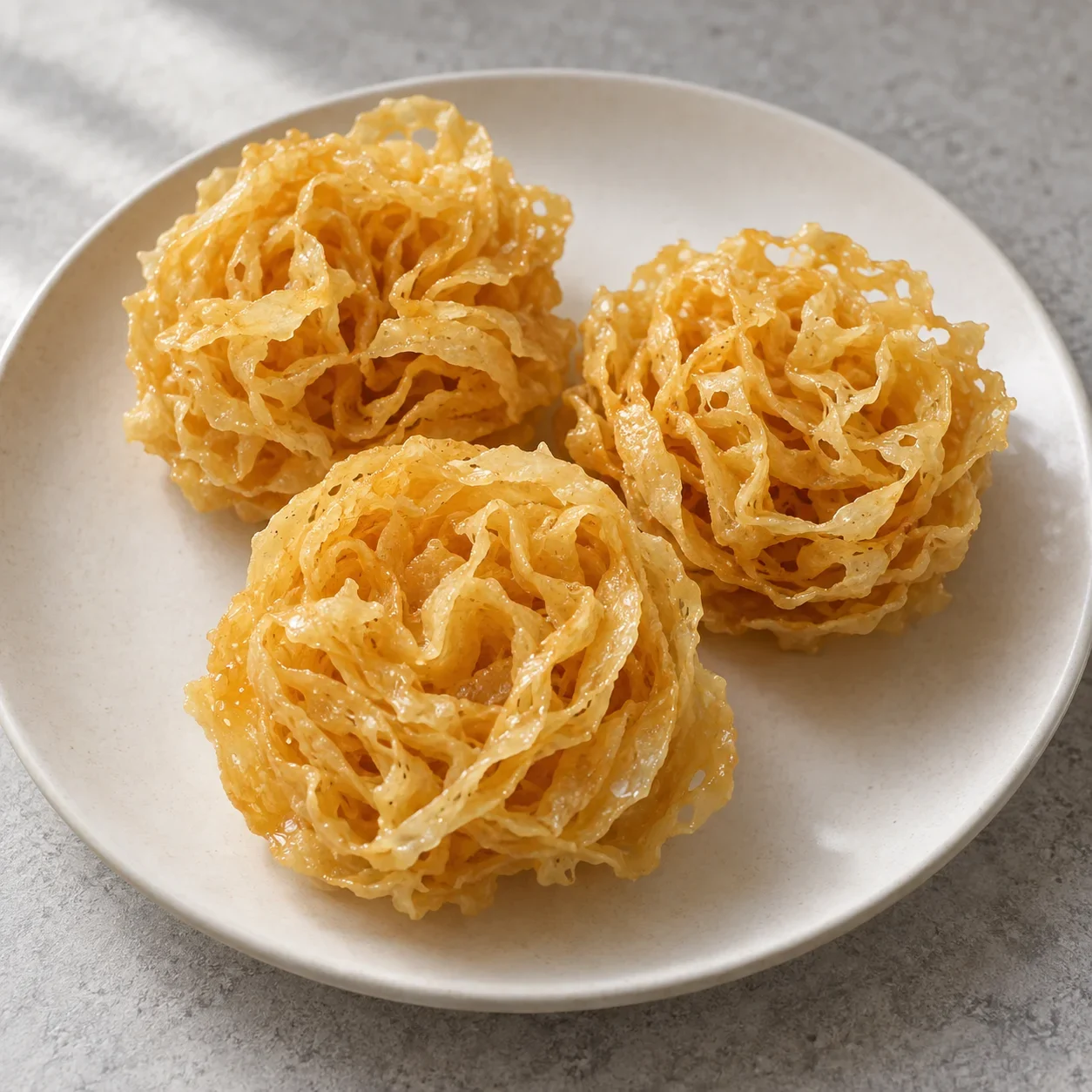
Thin, crisp pastry layers are easy to break into small portions, and the honey-sweet floral flavor can be shared as a small snack; let it cool and offer a small piece because crisp crumbs may scatter.
Recipes vary. Ask the restaurant about ingredients and serving before you order.
GET TO KNOW THE DISH
What goes into it?
Explore some key ingredients below. Preparations may use additional seasonings and ingredients.
A version of this pastry combines wheat flour, sesame oil, honey, sugar and osmanthus.
Typical ingredients
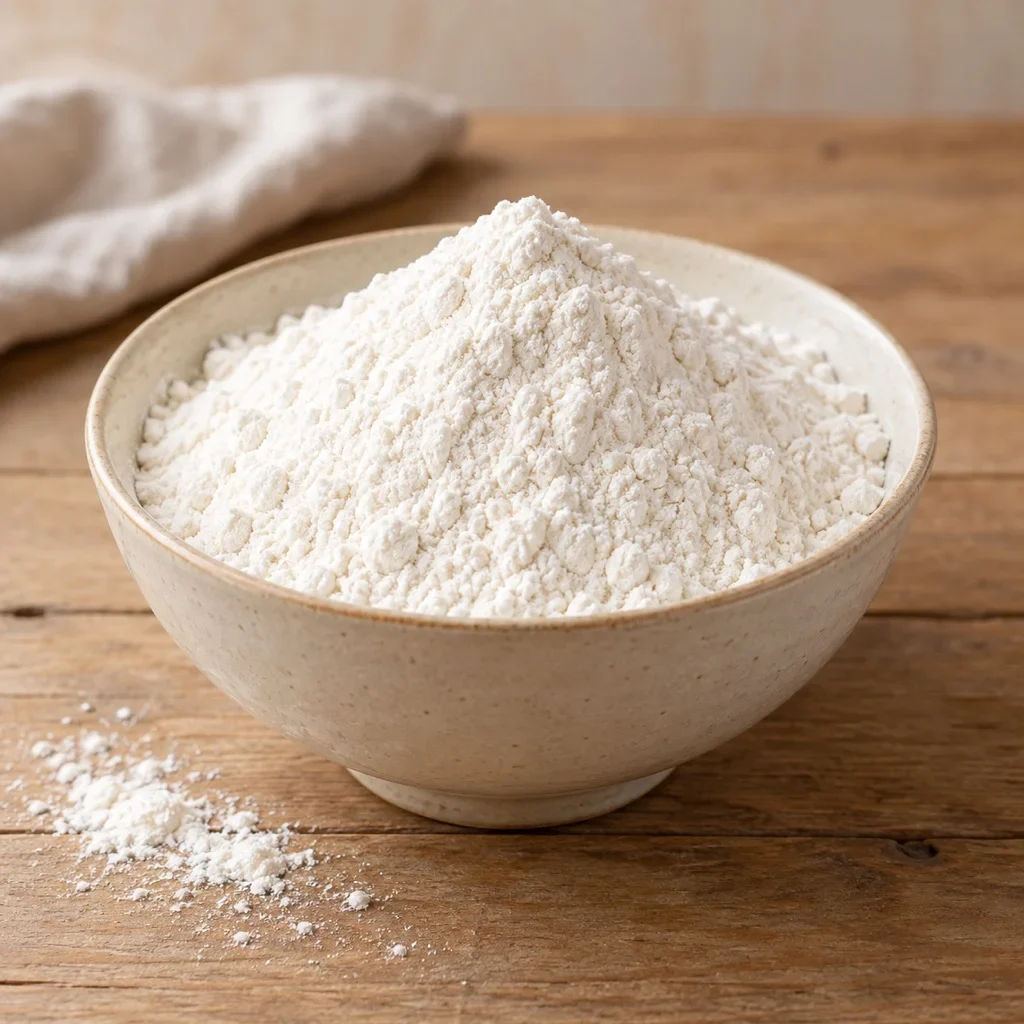
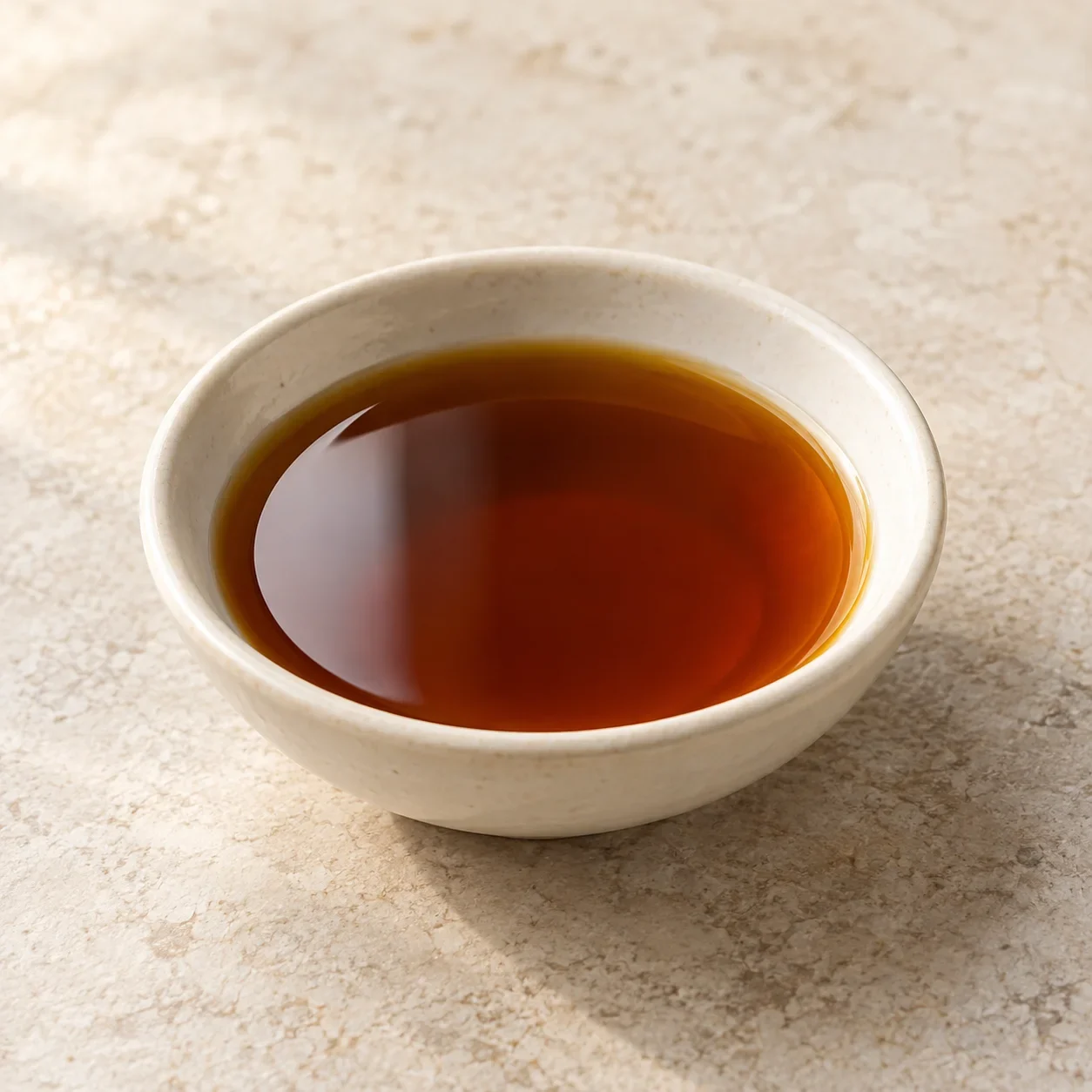
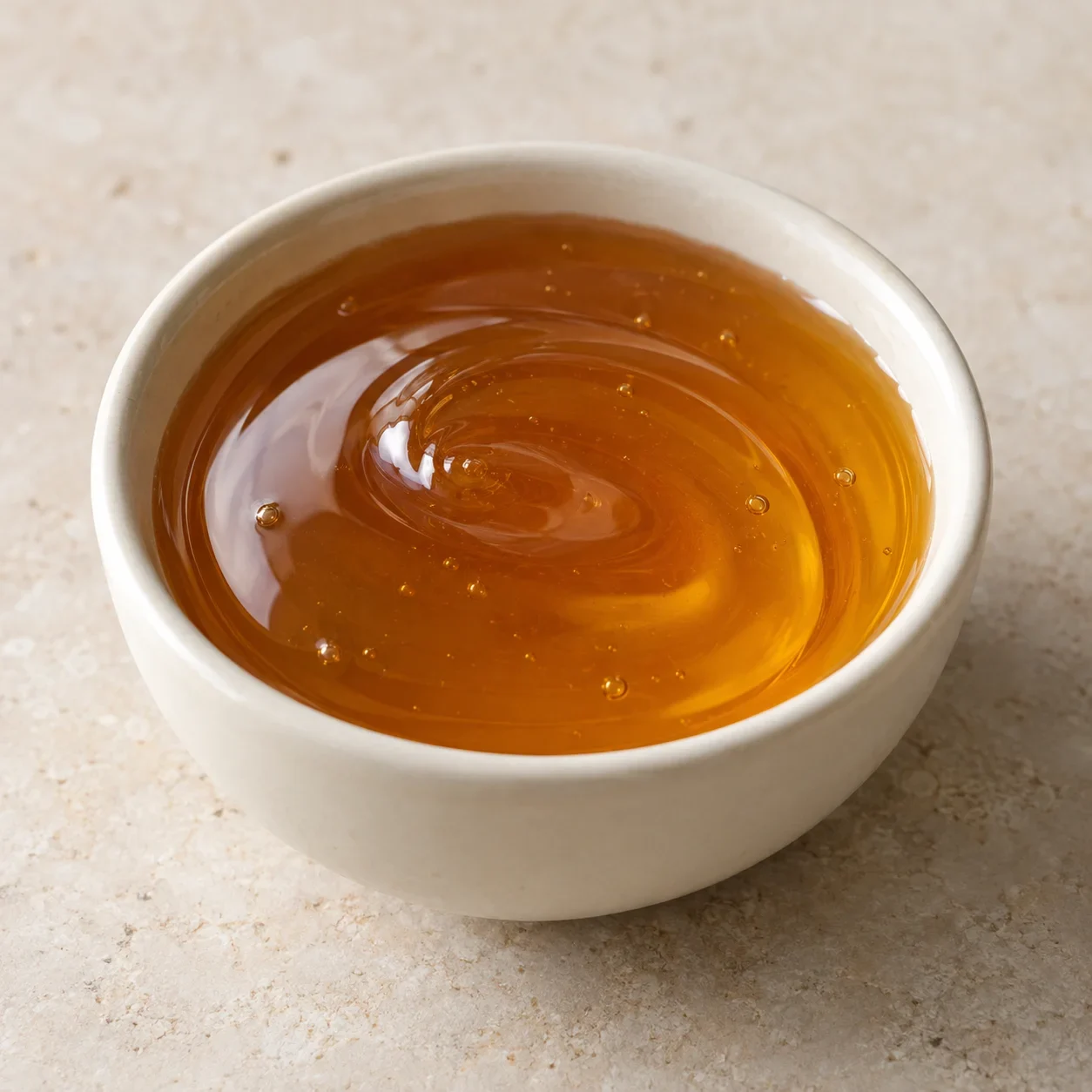
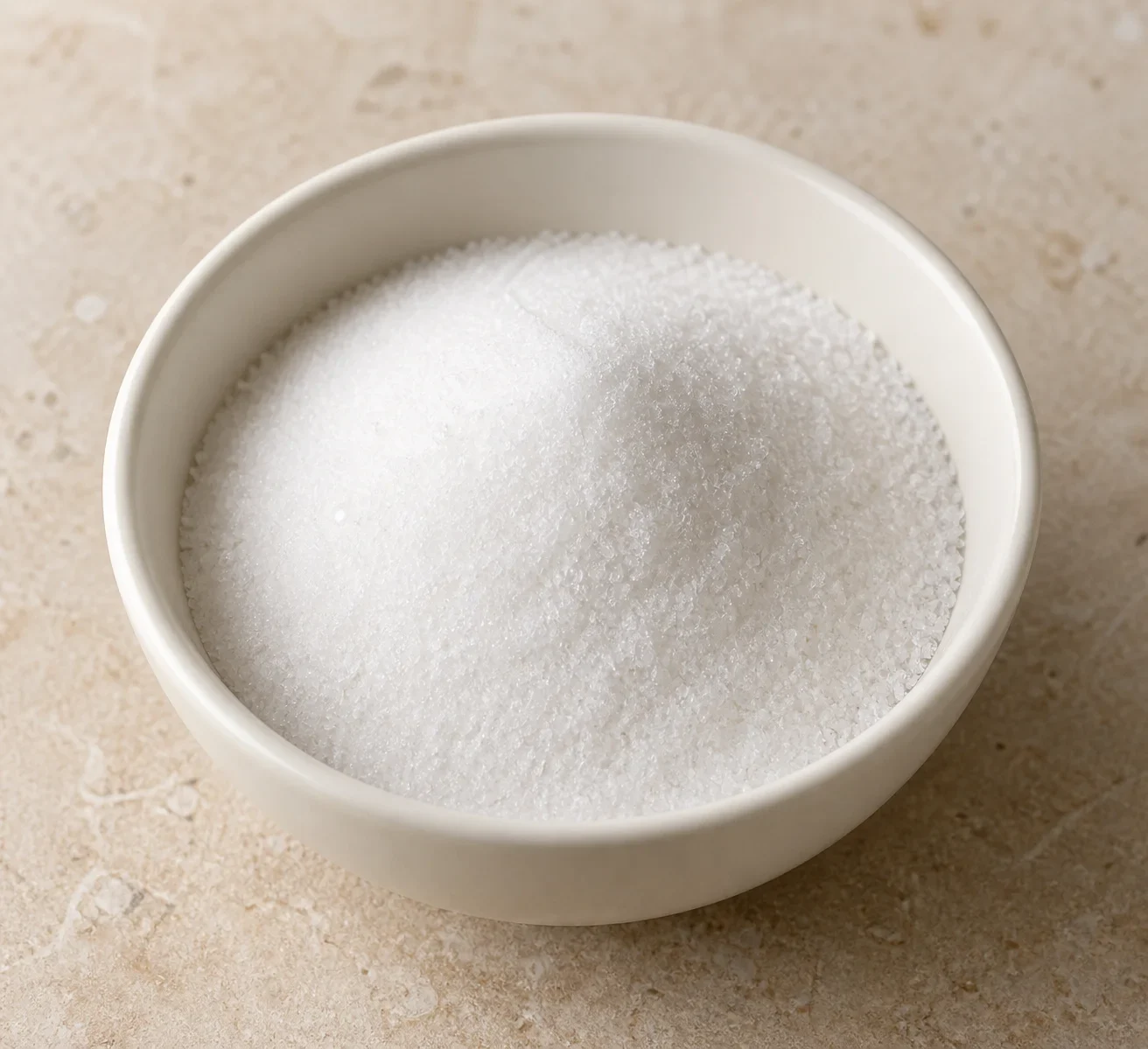
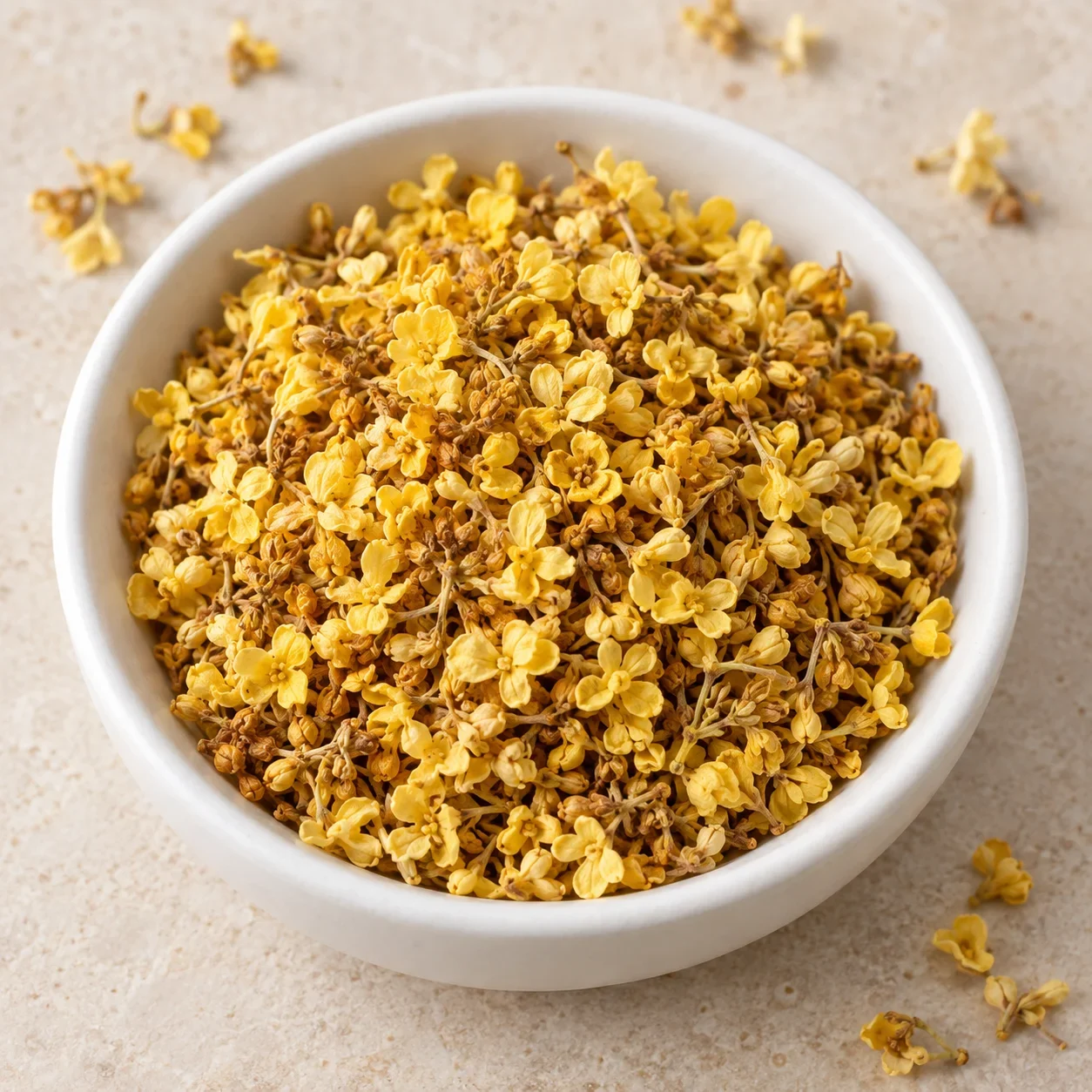
Recipes vary by restaurant.
How does it taste?
Honey-sweet and floral
- Chili heat
- Texture
- Thin, crisp layers.
- How it’s made
- Roll and shape the dough, fry and pour over syrup.
A version of this pastry combines wheat flour, sesame oil, honey, sugar and osmanthus.
A CONNECTION TO PLACE
Origin & regional roots
Associated with Hebei.
Ask if they have it first
请问你们有唐山蜂蜜麻糖吗?
Do you have this item?
A LITTLE SOMETHING TO READ
Story & history
Tangshan Honey Ma Tang: Village Craft and City Shops
Two local craft histories sit behind Tangshan honey ma tang. In Fengrun’s Qishuzhuang, local accounts trace the technique to the Ming dynasty and credit the Guangshenghao tradition with carrying it on. In urban Tangshan, Xinxin opened a shop in 1931 and developed a honey-glazed version from paicha, a festive fried pastry. Together, village craft and city shop culture shaped the flower-like sweet. Its making technique is recognized as Hebei provincial intangible cultural heritage.