
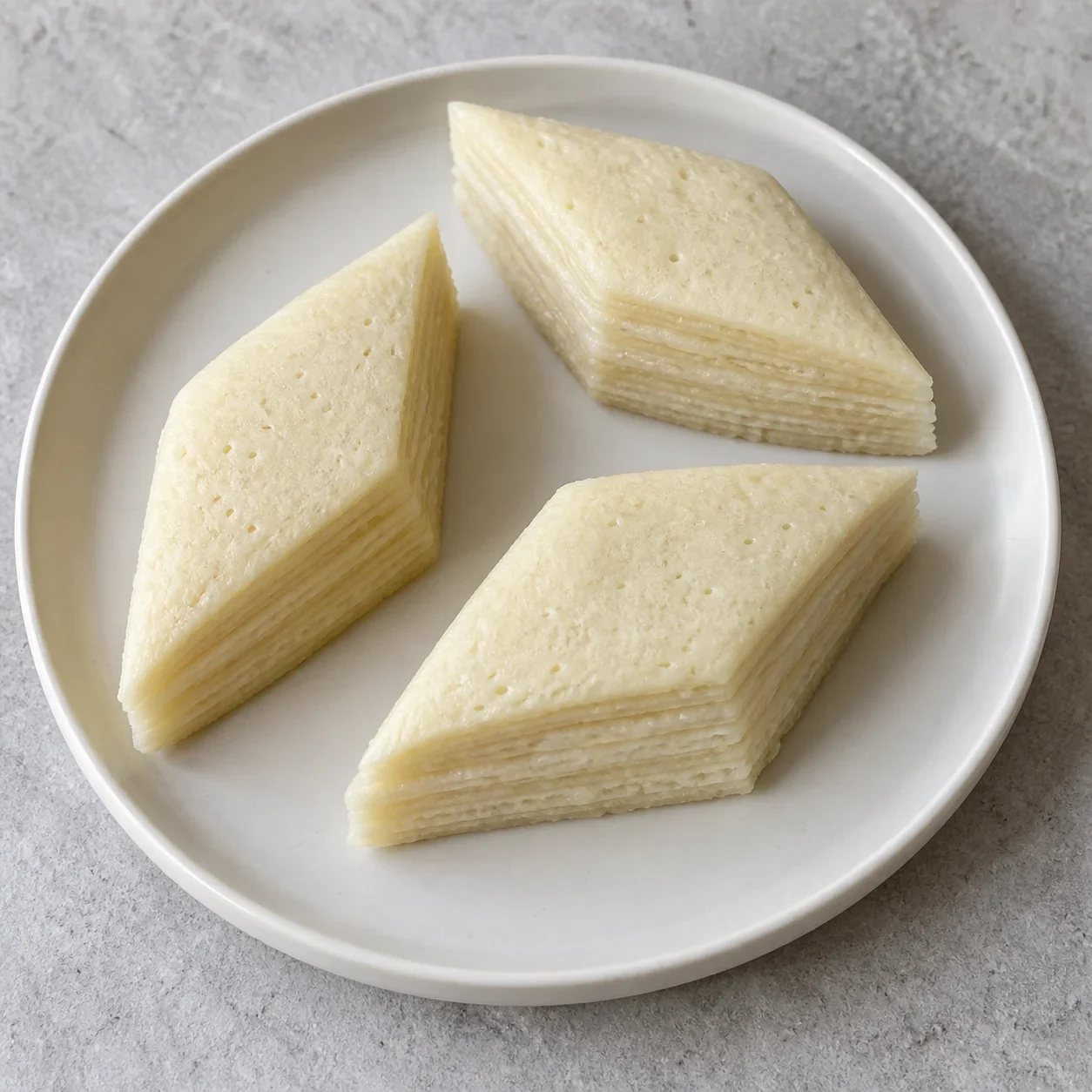
At the table
Lift a small piece with chopsticks or cut it into smaller portions. Let a freshly steamed or reheated piece cool before eating.
The cake contains wheat and pork fat, including lard and pork leaf fat in this version. Toppings and recipes vary; confirm ingredients and cooking fats for your dietary needs.
The soft cake can be cut into small portions and allowed to cool. It contains wheat and pork fat; check the recipe and toppings for your child’s dietary needs.
Recipes vary. Ask the restaurant about ingredients and serving before you order.
GET TO KNOW THE DISH
What goes into it?
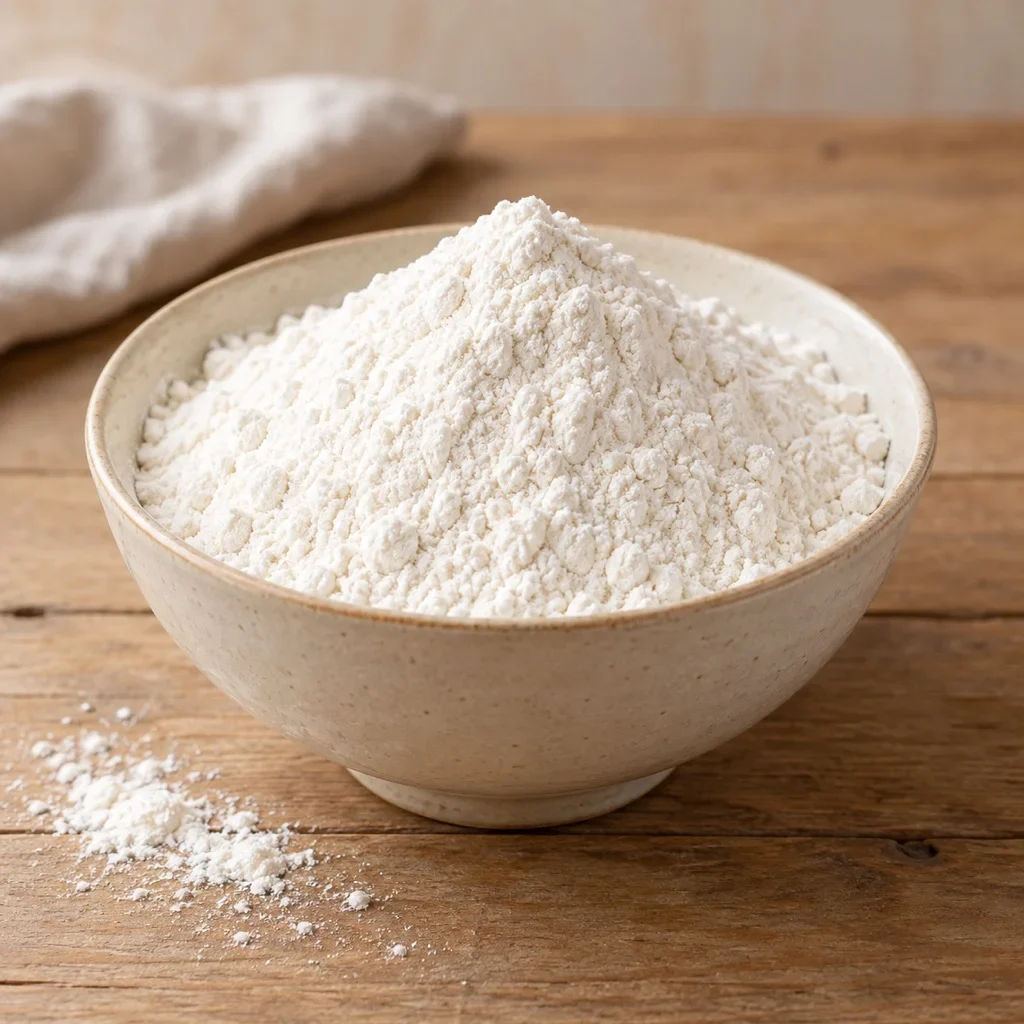
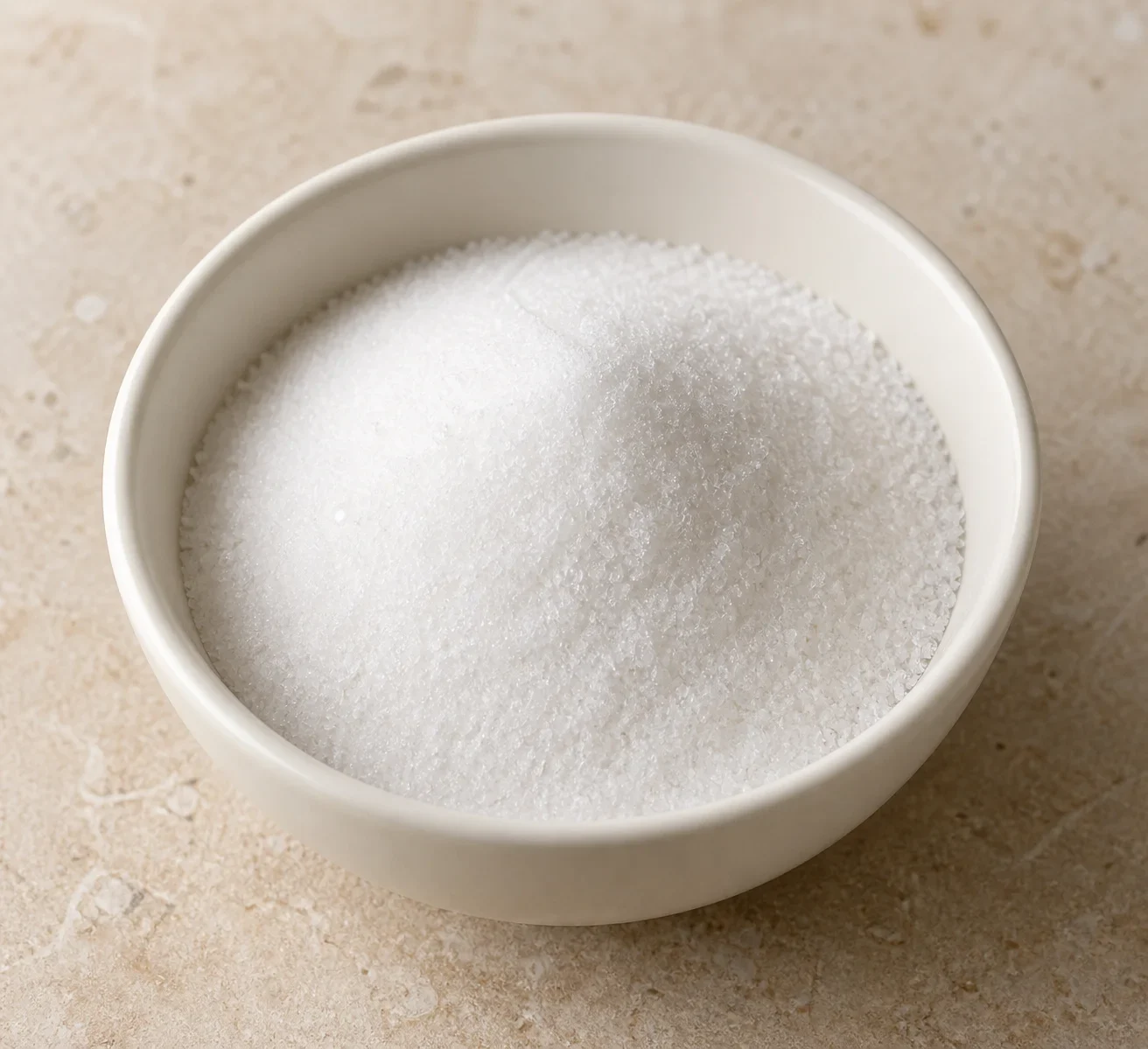
Explore some key ingredients below. Preparations may use additional seasonings and ingredients.
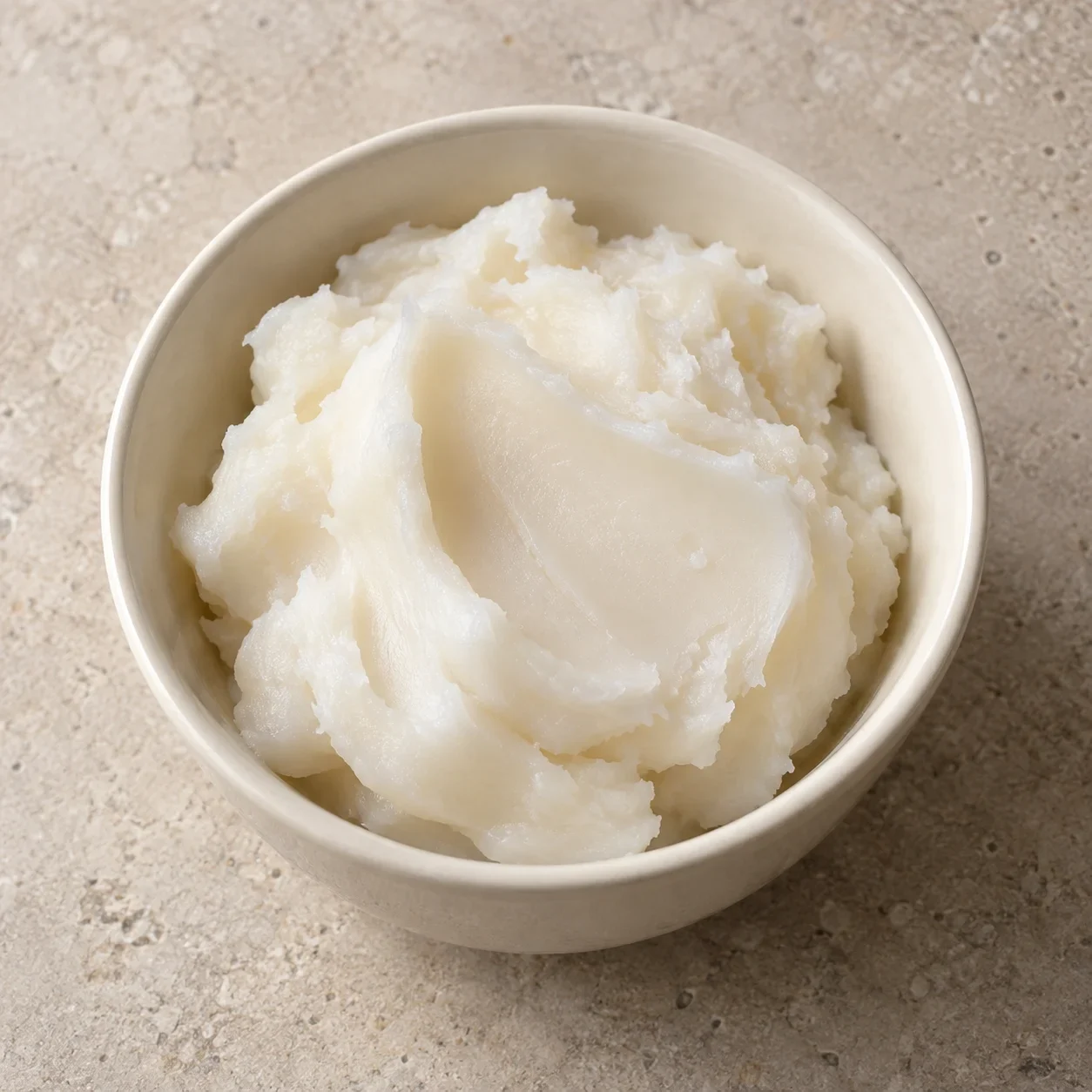
Melted lard and diced, sugar-cured pork leaf fat are used together between the dough layers. Decorative candied strips are optional.
Typical ingredients
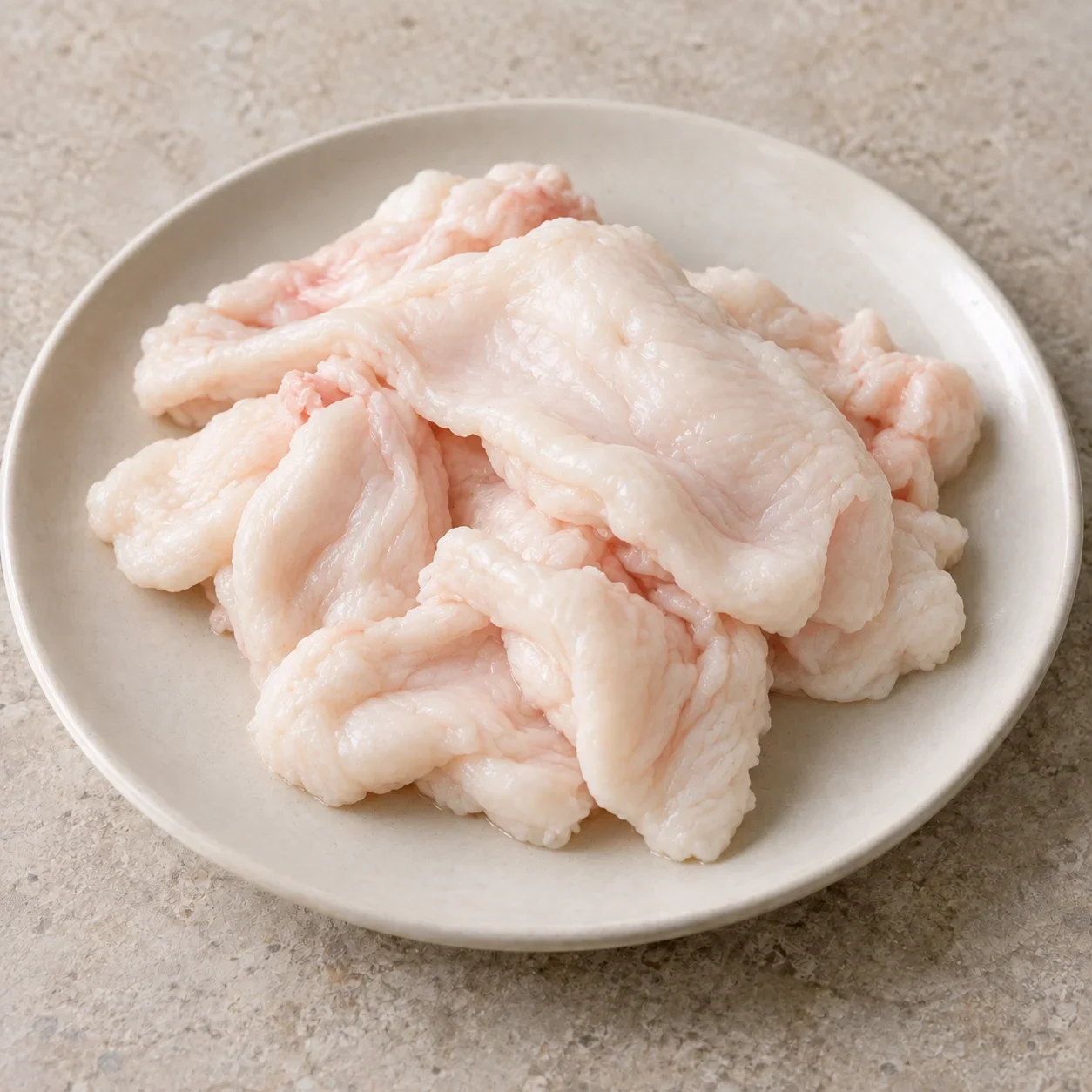
In some versions
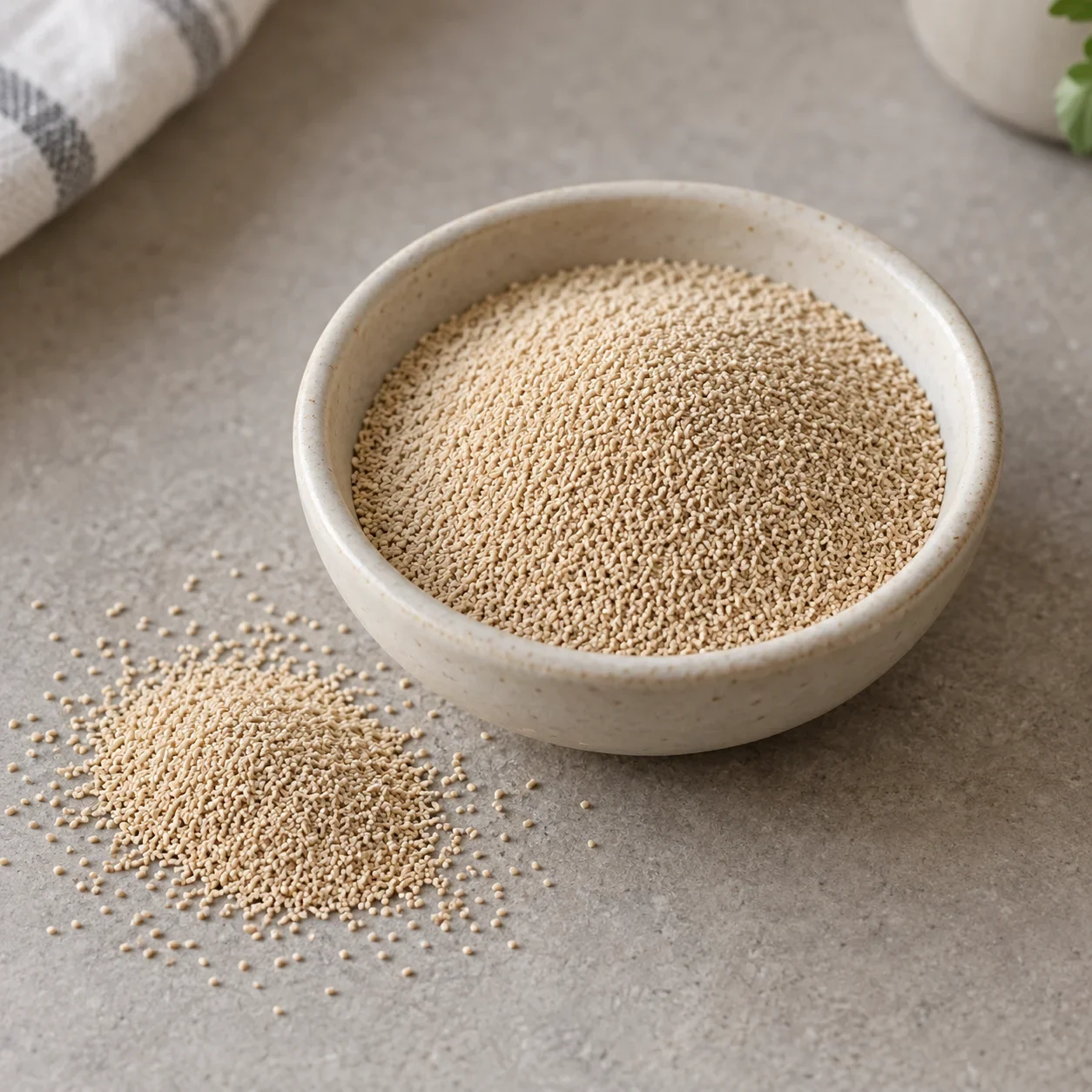
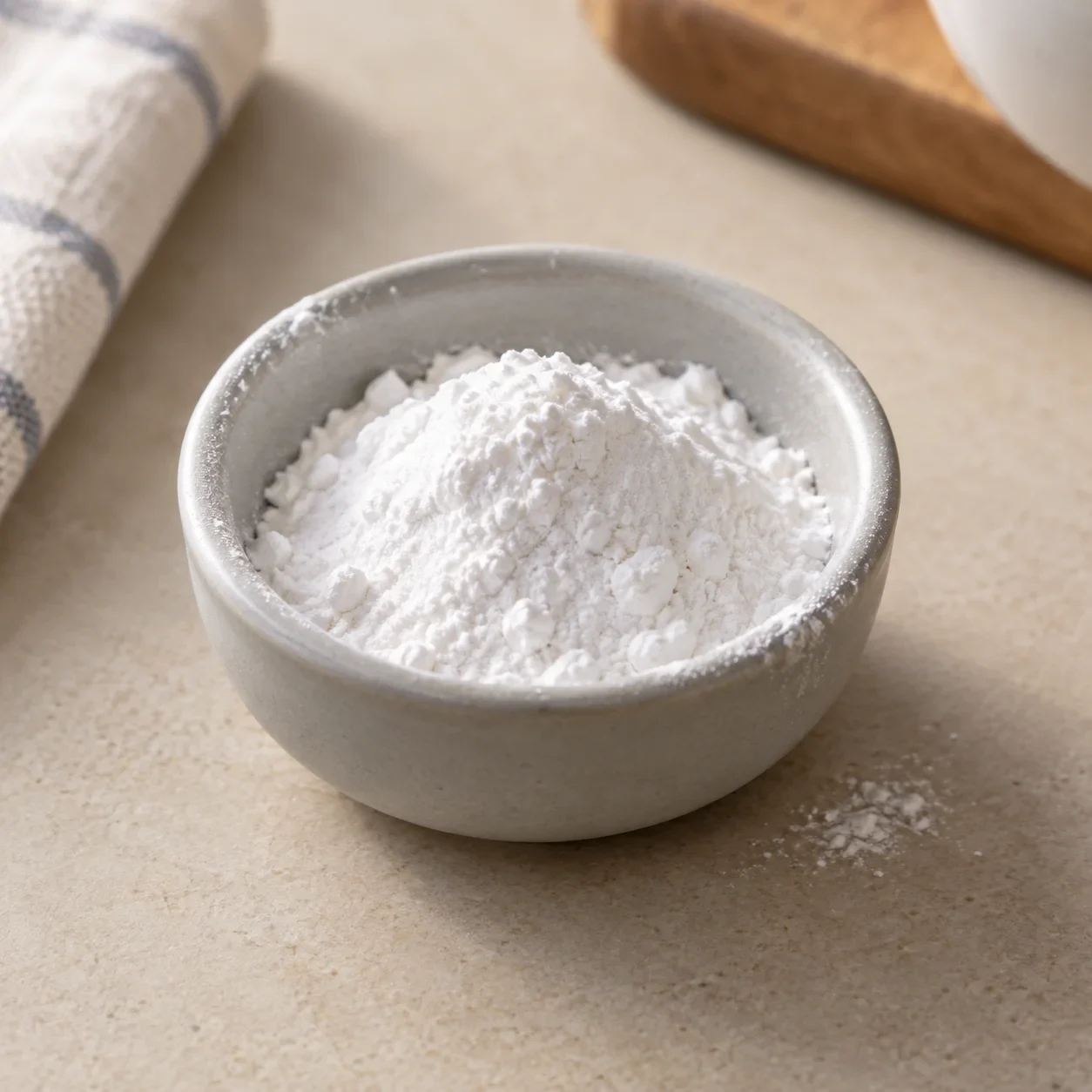
Recipes vary by restaurant.
How does it taste?
Sweet, with the mellow richness of pork fat.
- Chili heat
- Texture
- Soft, moist and pliable, with distinct thin layers.
- How it’s made
- Layer fermented dough with melted lard, sugar and sugar-cured pork leaf-fat dice, then steam and slice.
Melted lard and diced, sugar-cured pork leaf fat are used together between the dough layers. Decorative candied strips are optional.
A CONNECTION TO PLACE
Origin & regional roots
Associated with Jiangsu.
Ask if they have it first
请问你们有扬州千层油糕吗?
Do you have this item?
A LITTLE SOMETHING TO READ
Story & history
A layered pastry for Yangzhou’s tea table
At Yangzhou’s Fuchun tea house, thousand-layer oil cake and jade shaomai form a celebrated pastry pair. Thin dough is folded with sugar and pork fat to create the cake’s fine layers. Steamed and cut into diamond pieces, it is soft enough to bend when lifted with chopsticks and is traditionally enjoyed with tea.