
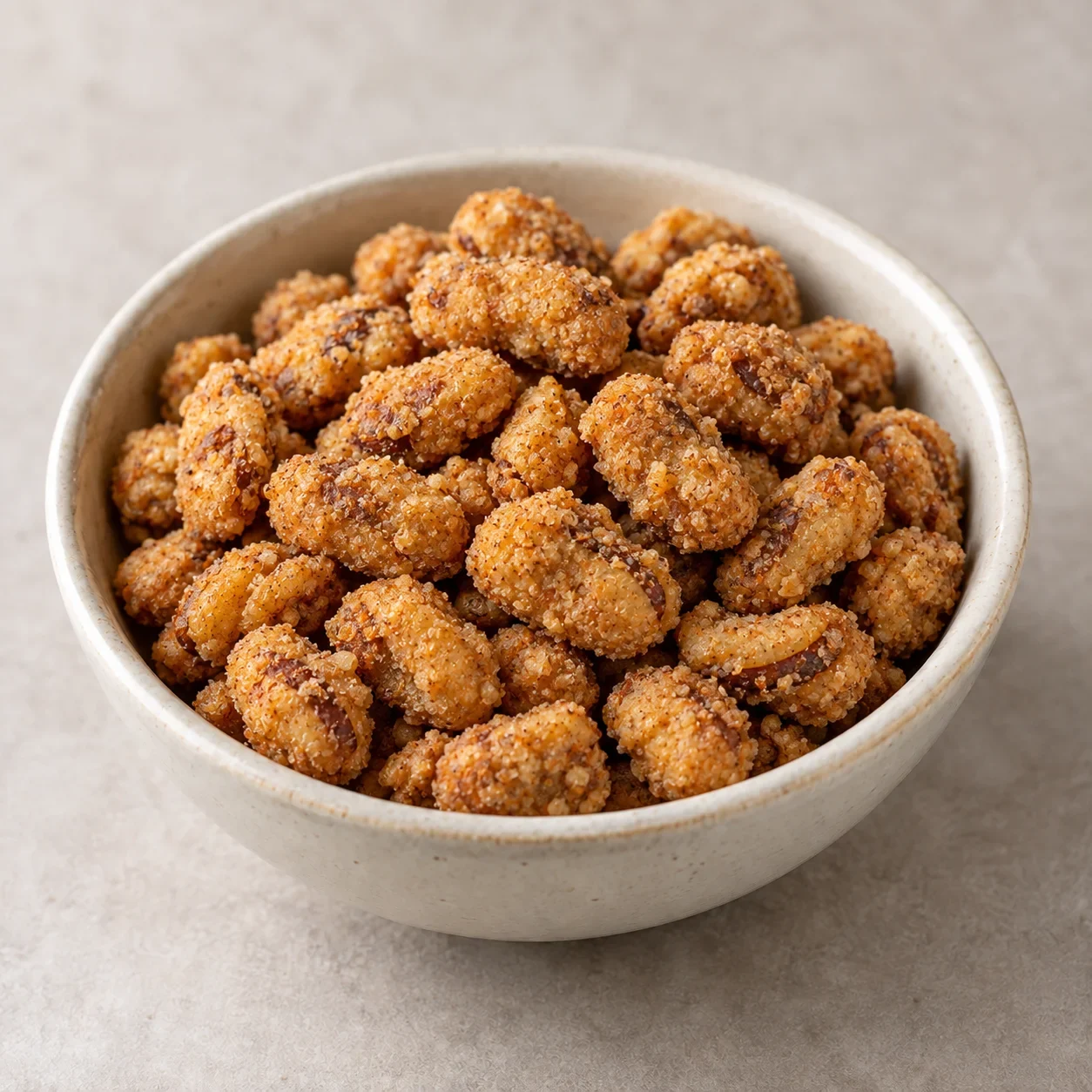
At the table
Eat a few at a time as a ready-to-eat snack; no peeling is normally needed.
Contains broad beans: avoid if you have G6PD deficiency. Sesame may also be present.
Sweetness, chili heat, sesame and other seasonings vary by maker. Some versions include a sweet sauce; check the package ingredients.
GET TO KNOW THE DISH
What goes into it?
Explore some key ingredients below. Preparations may use additional seasonings and ingredients.
Sweetness, chili heat, sesame and other seasonings vary by maker. Some versions include a sweet sauce; check the package ingredients.
Typical ingredients
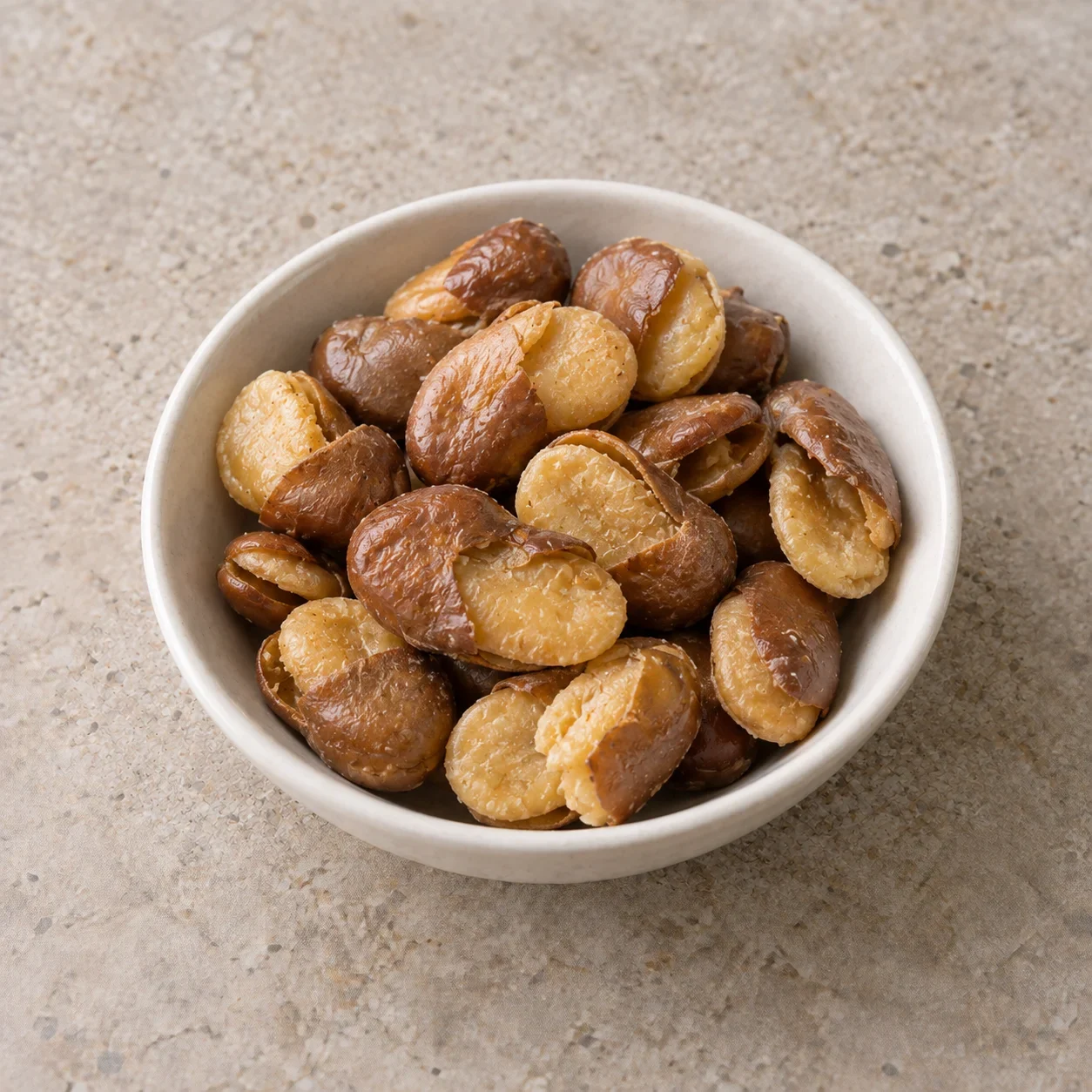
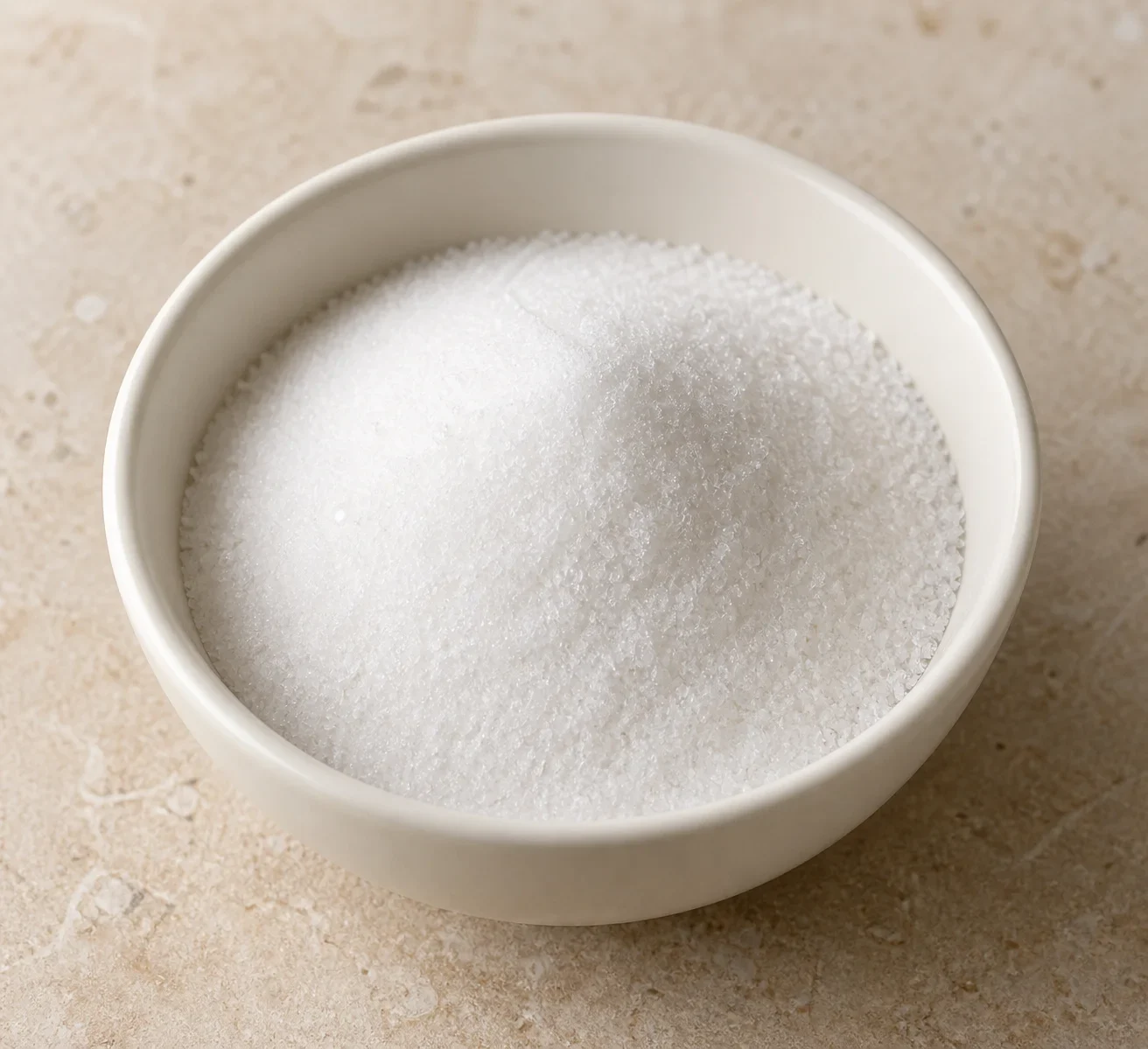
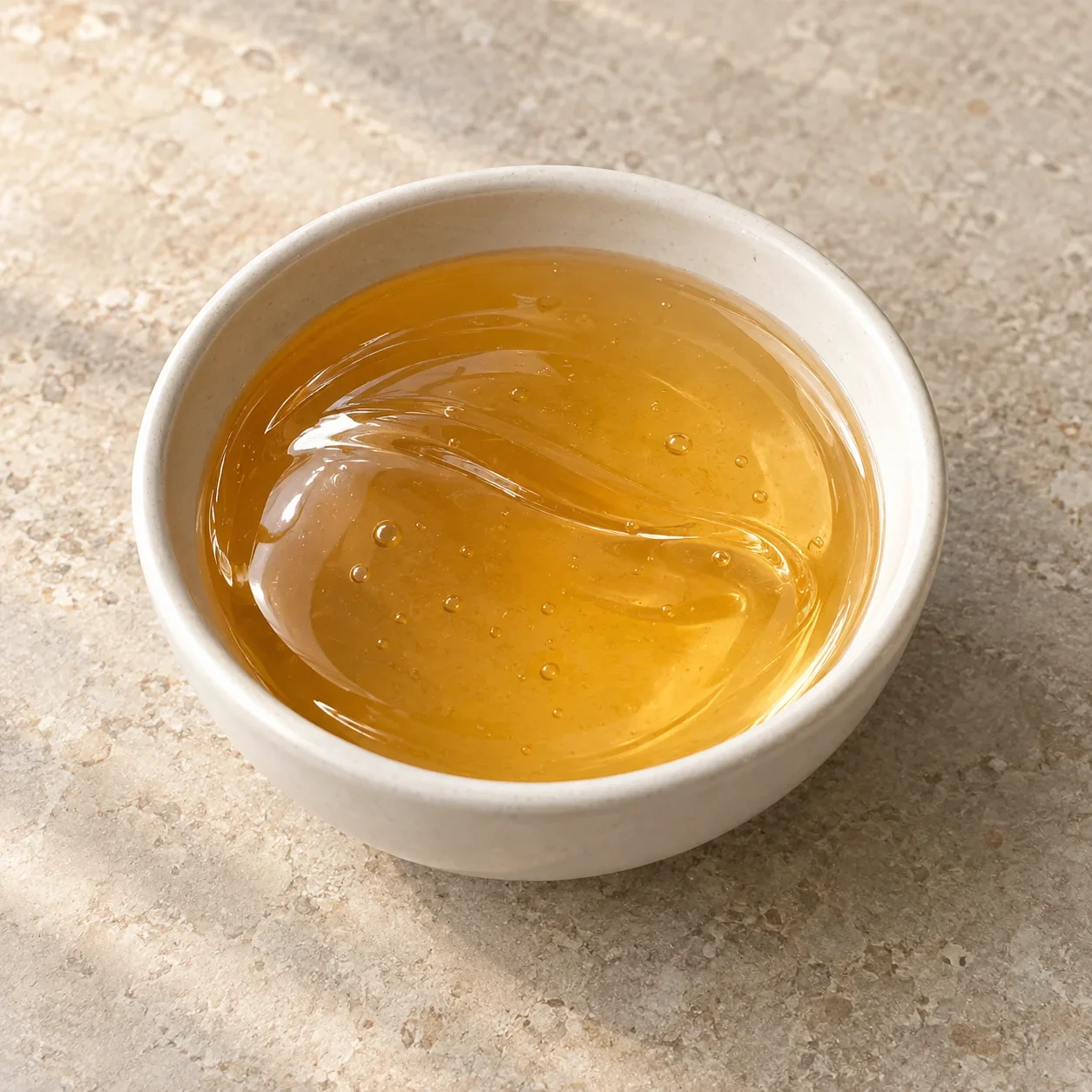
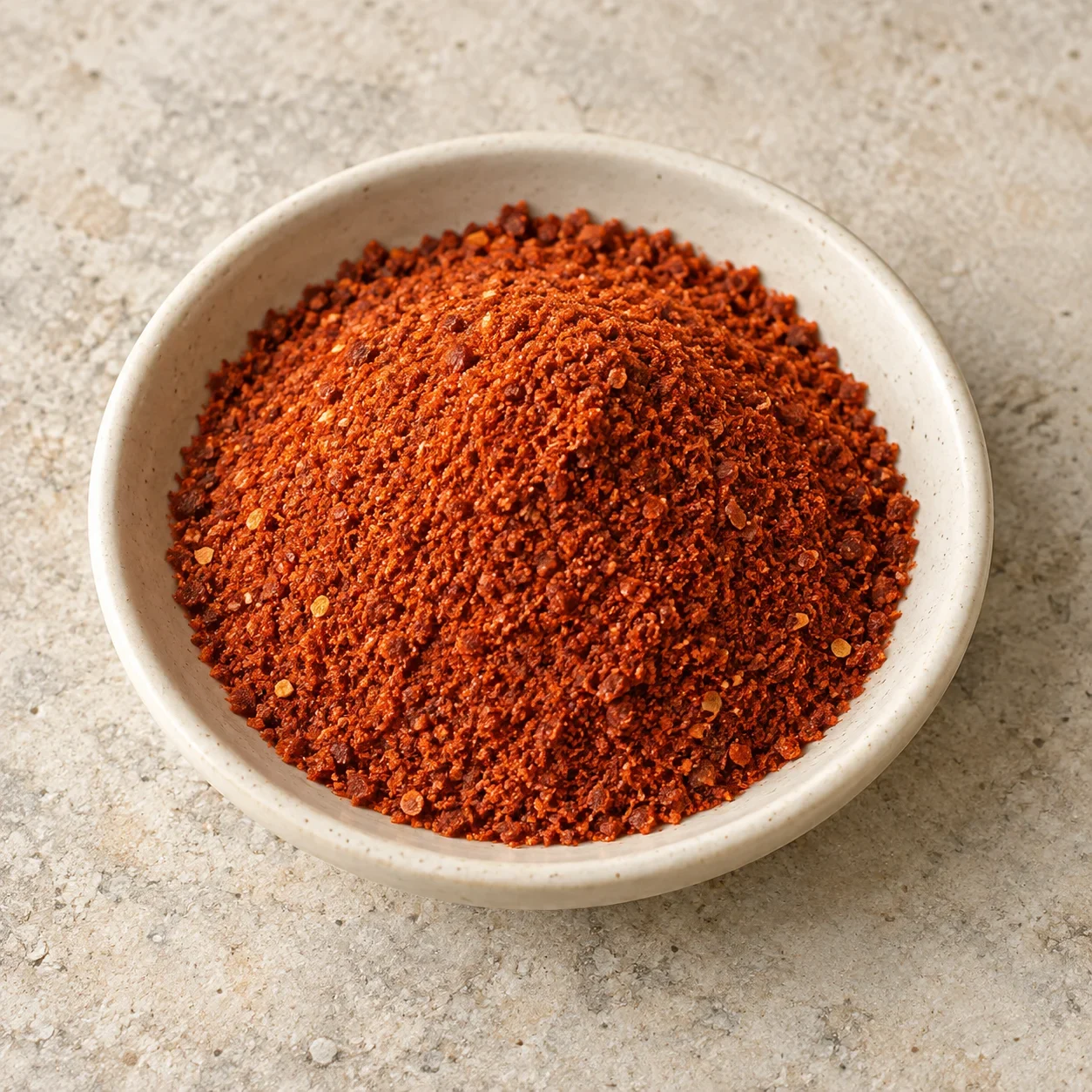
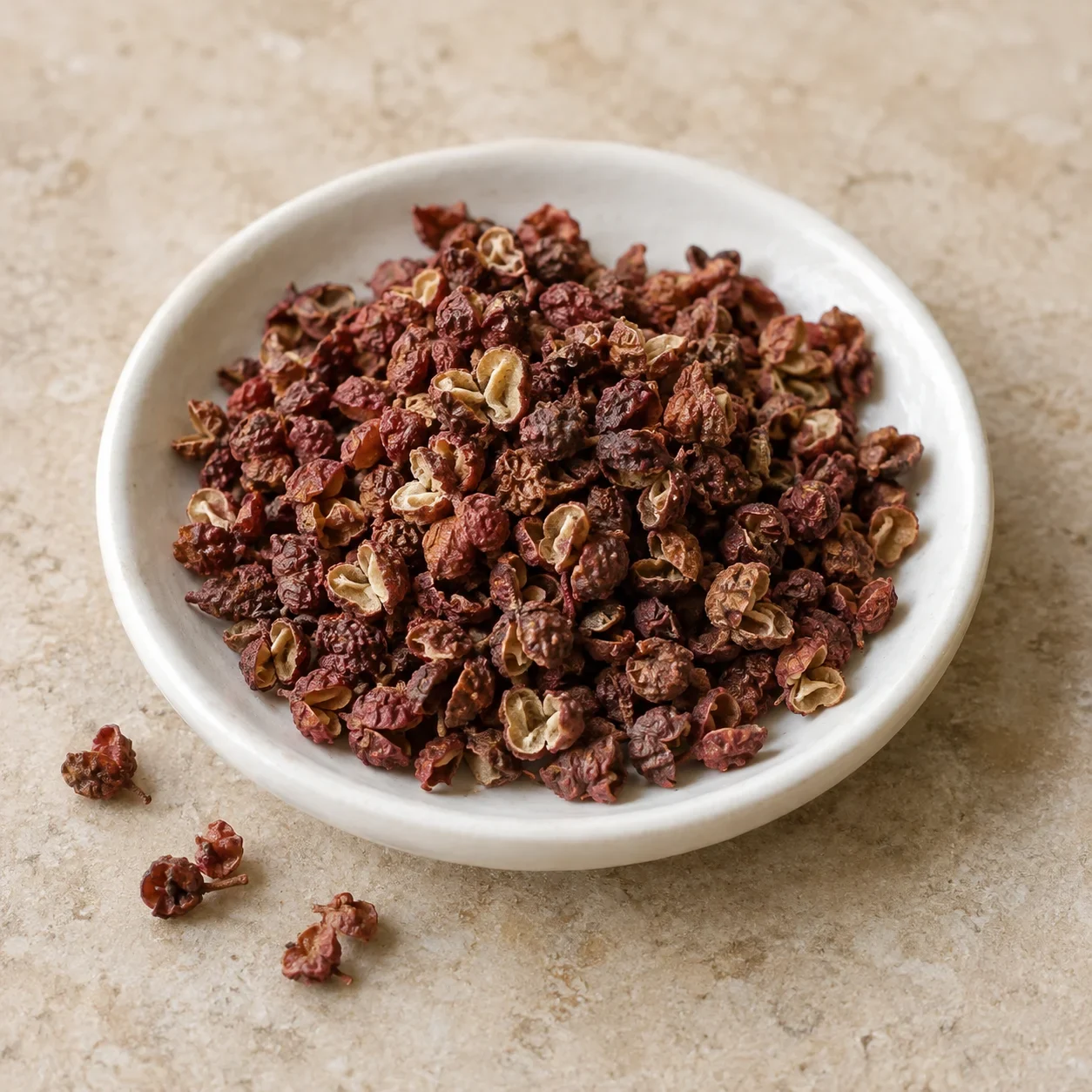

In some versions
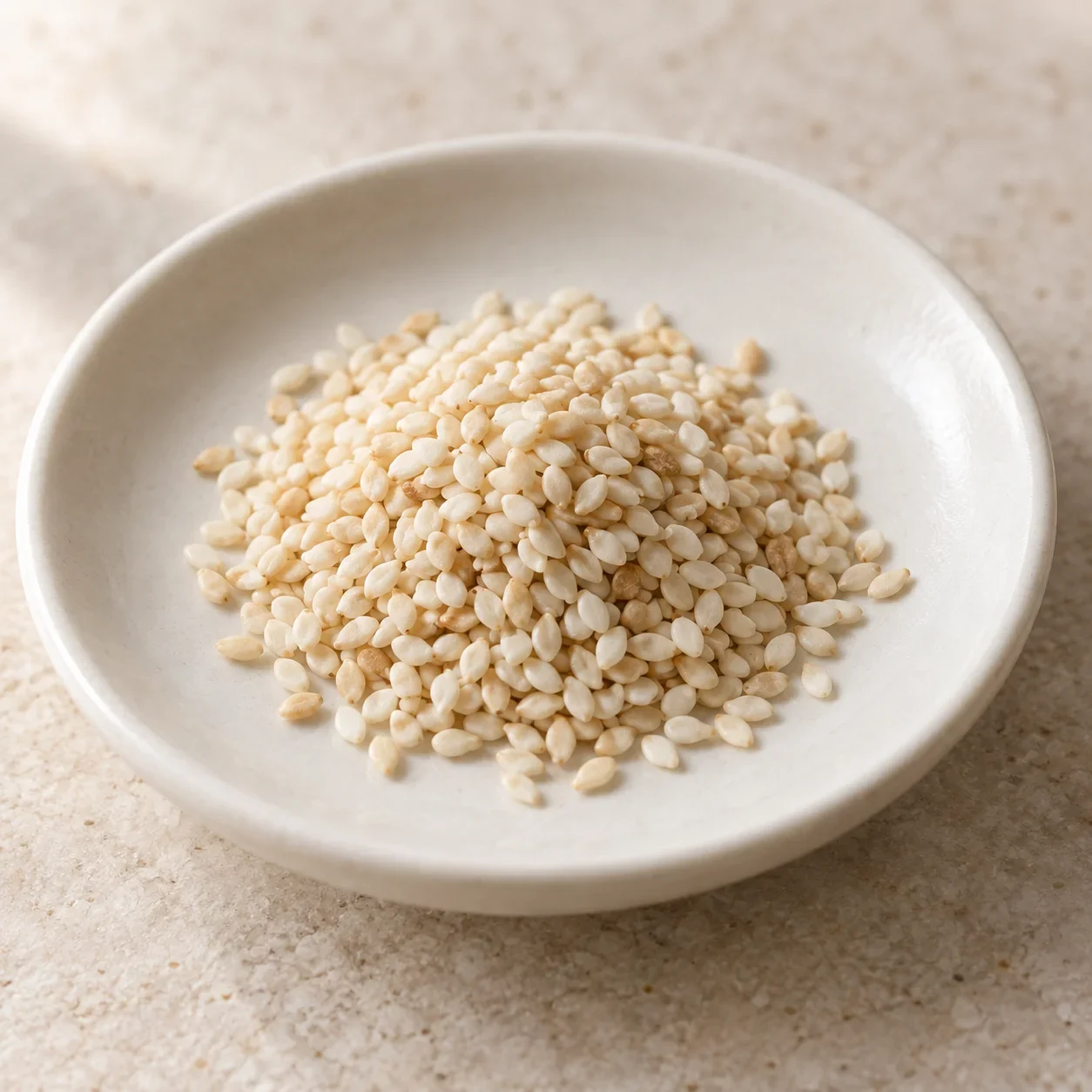
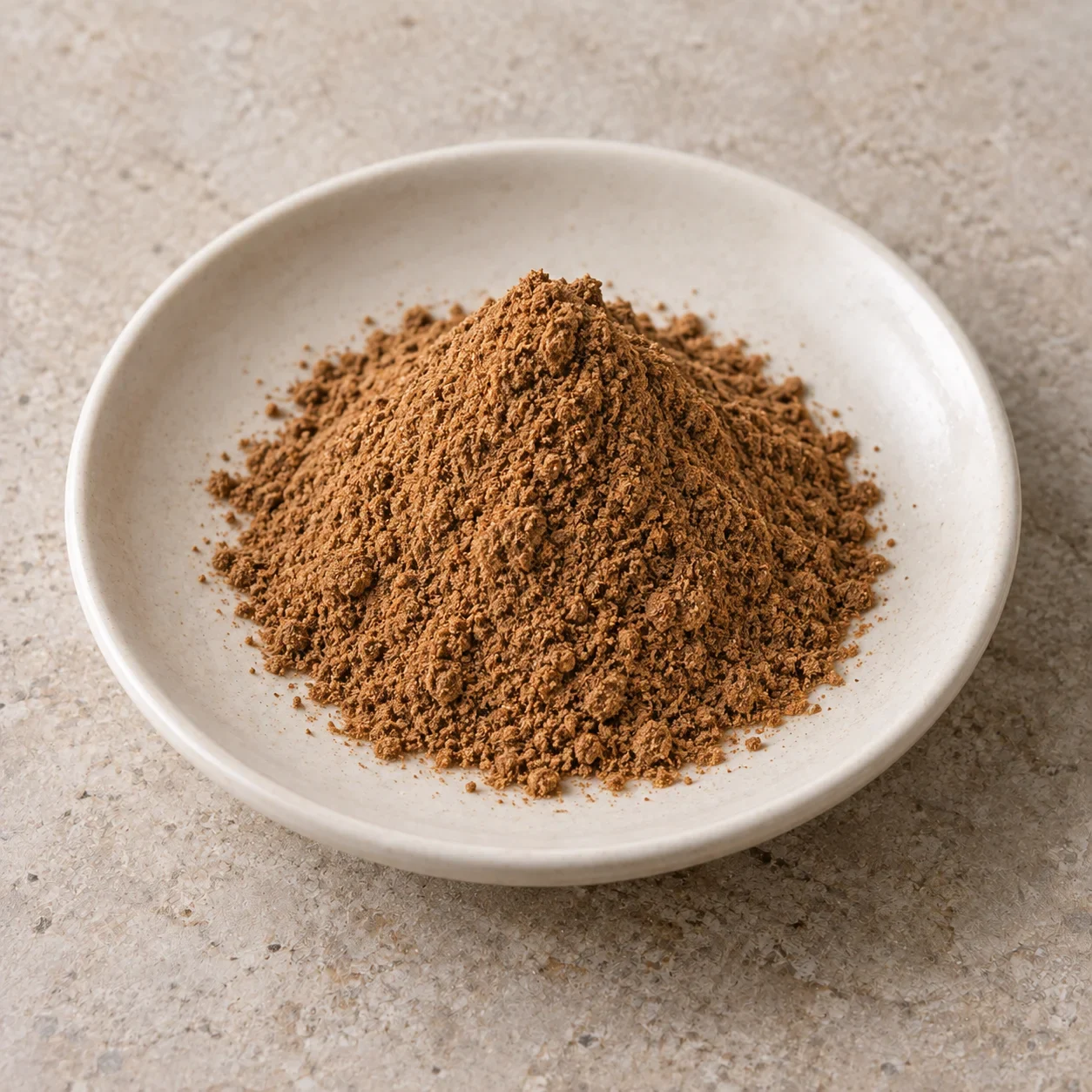
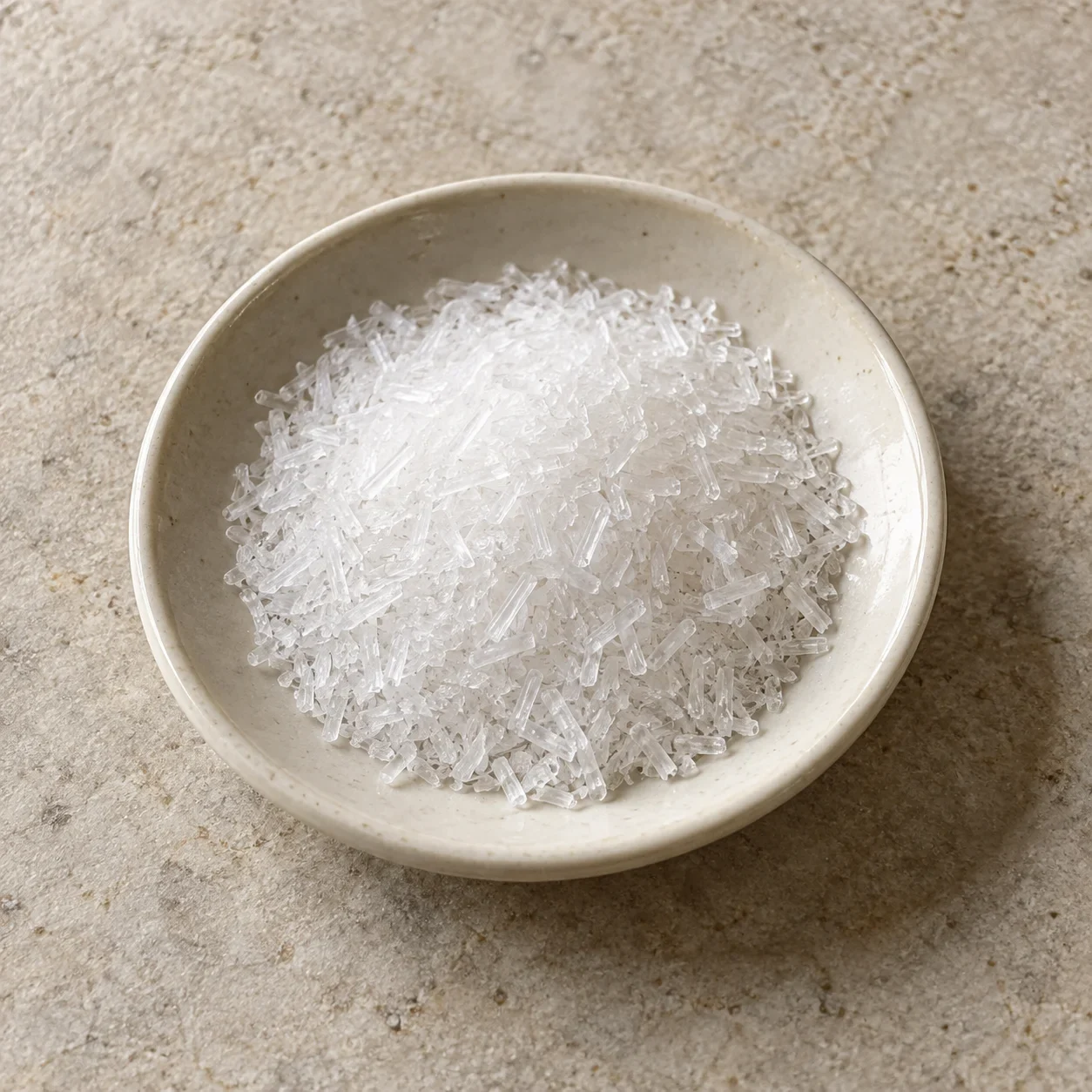
Recipes vary by restaurant.
How does it taste?
Sweet and salty, with chili heat and tingling Sichuan pepper.
- Chili heat
- Texture
- Crisp beans with a rough, crunchy coating.
- How it’s made
- Soaked broad beans are fried, mixed with spices and coated in cooked sugar syrup, then cooled.
Sweetness, chili heat, sesame and other seasonings vary by maker. Some versions include a sweet sauce; check the package ingredients.
A CONNECTION TO PLACE
Origin & regional roots
Associated with Chongqing.
About this regional connection
Chongqing: Associated with Chongqing, including the Beibei guaiwei broad-bean tradition; no exclusive-origin or current vendor claim.
Ask if they have it first
请问你们有怪味胡豆吗?
Do you have this item?
A LITTLE SOMETHING TO READ
Story & history
Why Chongqing guaiwei beans taste deliberately unusual
Chongqing guaiwei broad beans are a dry snack with a crisp, seasoned coating of sweet, salty, numbing and spicy notes. Guaiwei literally means “strange flavor,” but here it describes a deliberate blend, not a stale or spoiled taste. Beibei’s early version was known as ai dao hudou; in the 1950s the local Diehua (Butterfly) brand formally adopted the guaiwei name as its beans entered wider production. The snack is also eaten with tea or drinks. Its name makes more sense once you taste how several contrasting notes are meant to arrive together.