
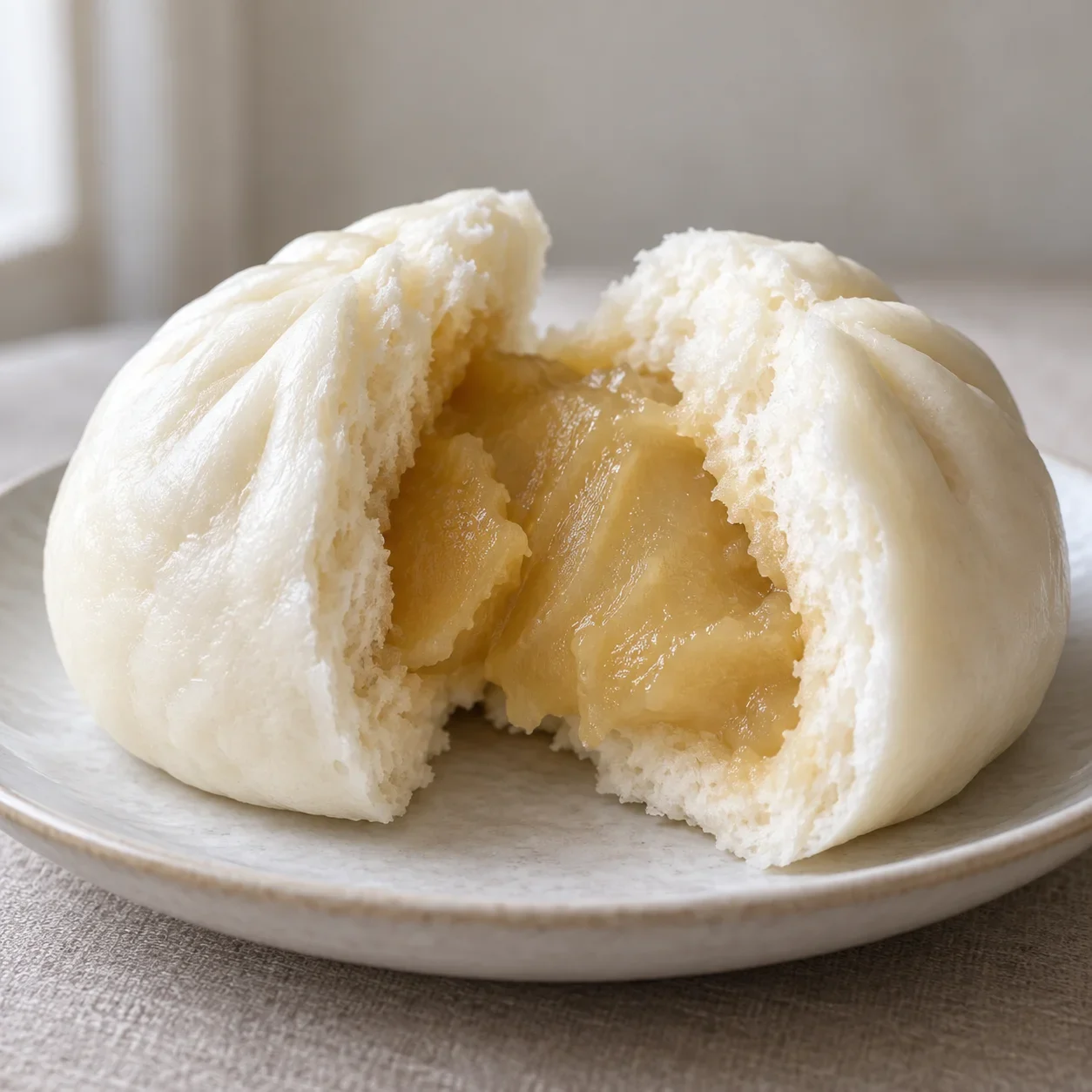
The fluffy bun and smooth lotus filling are easy to share in a small piece; let it cool before serving.
Recipes vary. Ask the restaurant about ingredients and serving before you order.
GET TO KNOW THE DISH
What goes into it?
Explore some key ingredients below. Preparations may use additional seasonings and ingredients.
Buns can be round or shaped into peaches. Lard may be used in the dough or lotus filling; vegetable shortening is an alternative. Some doughs also contain milk powder.
Typical ingredients
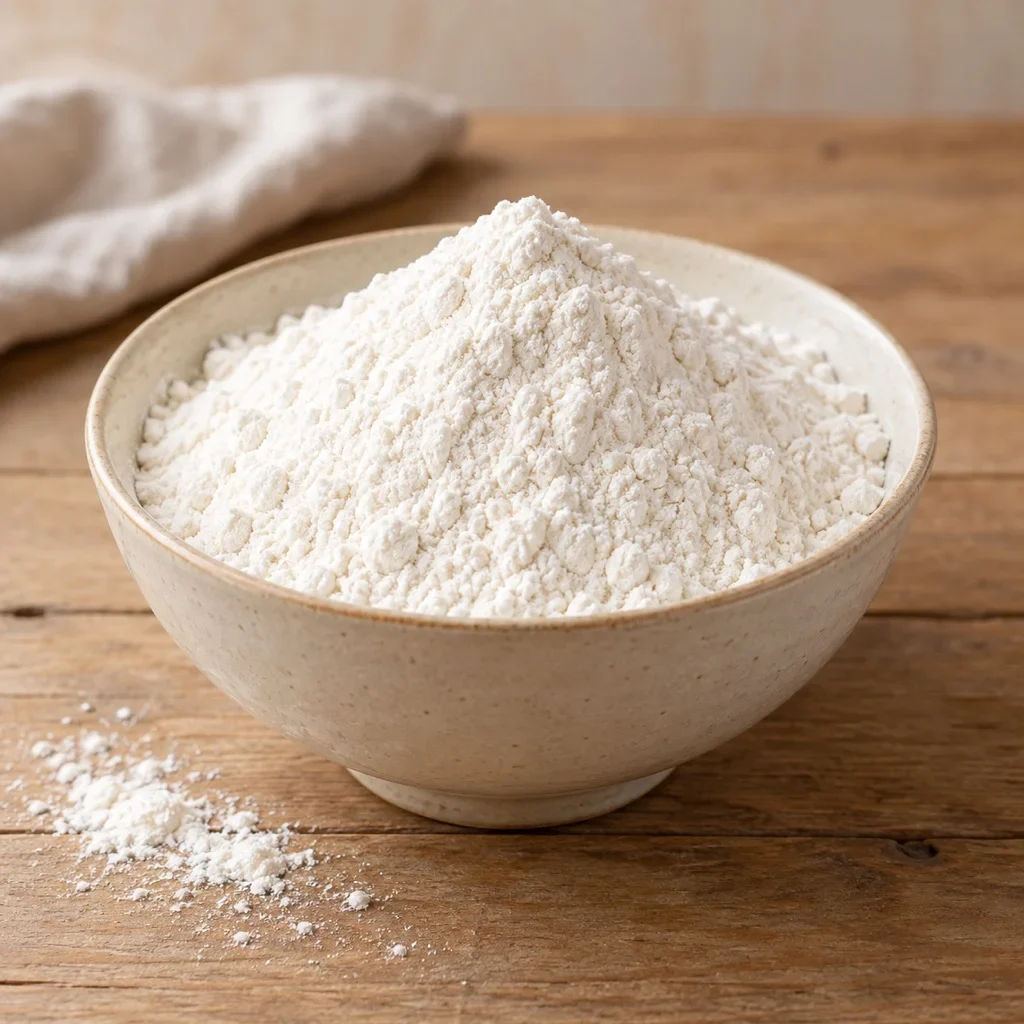
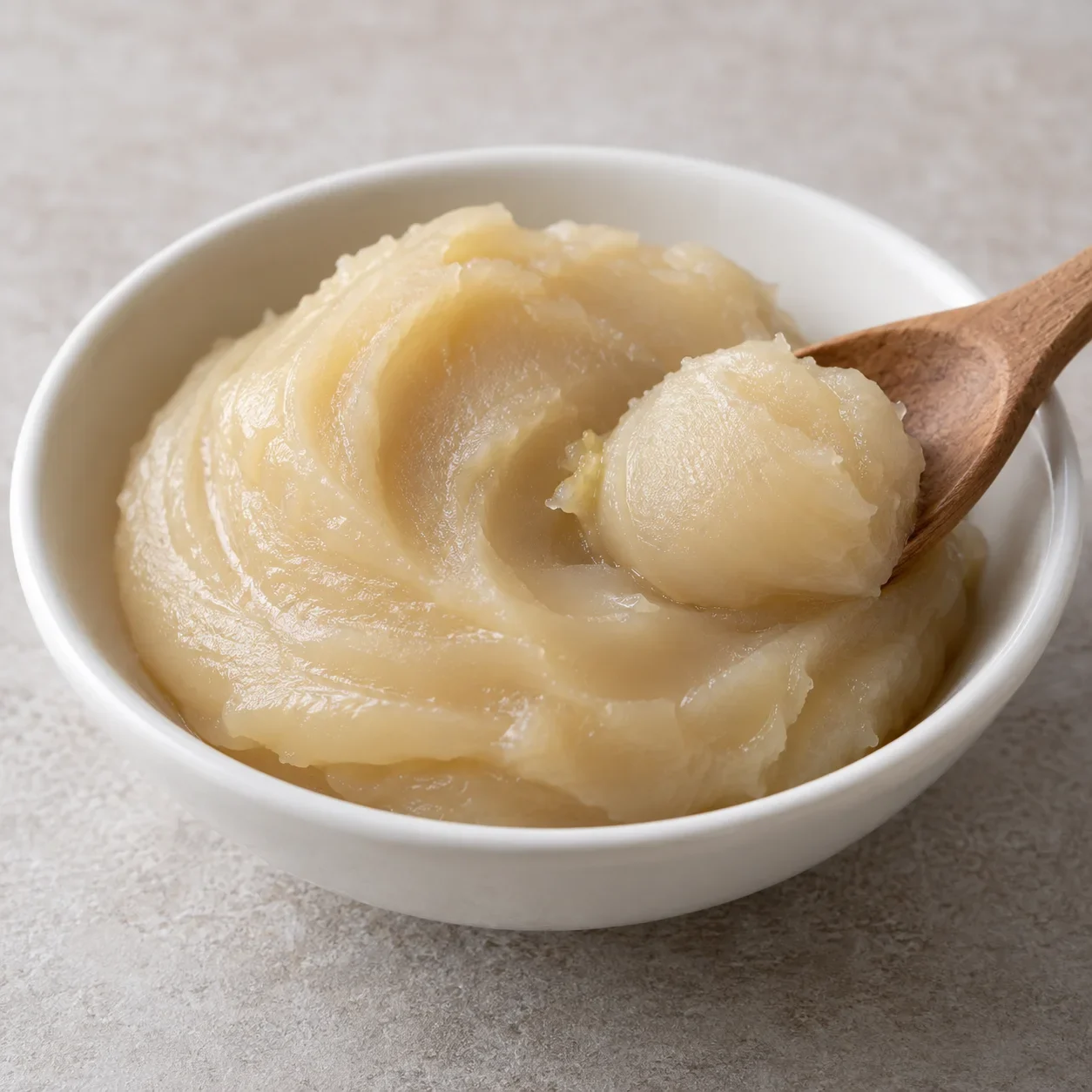
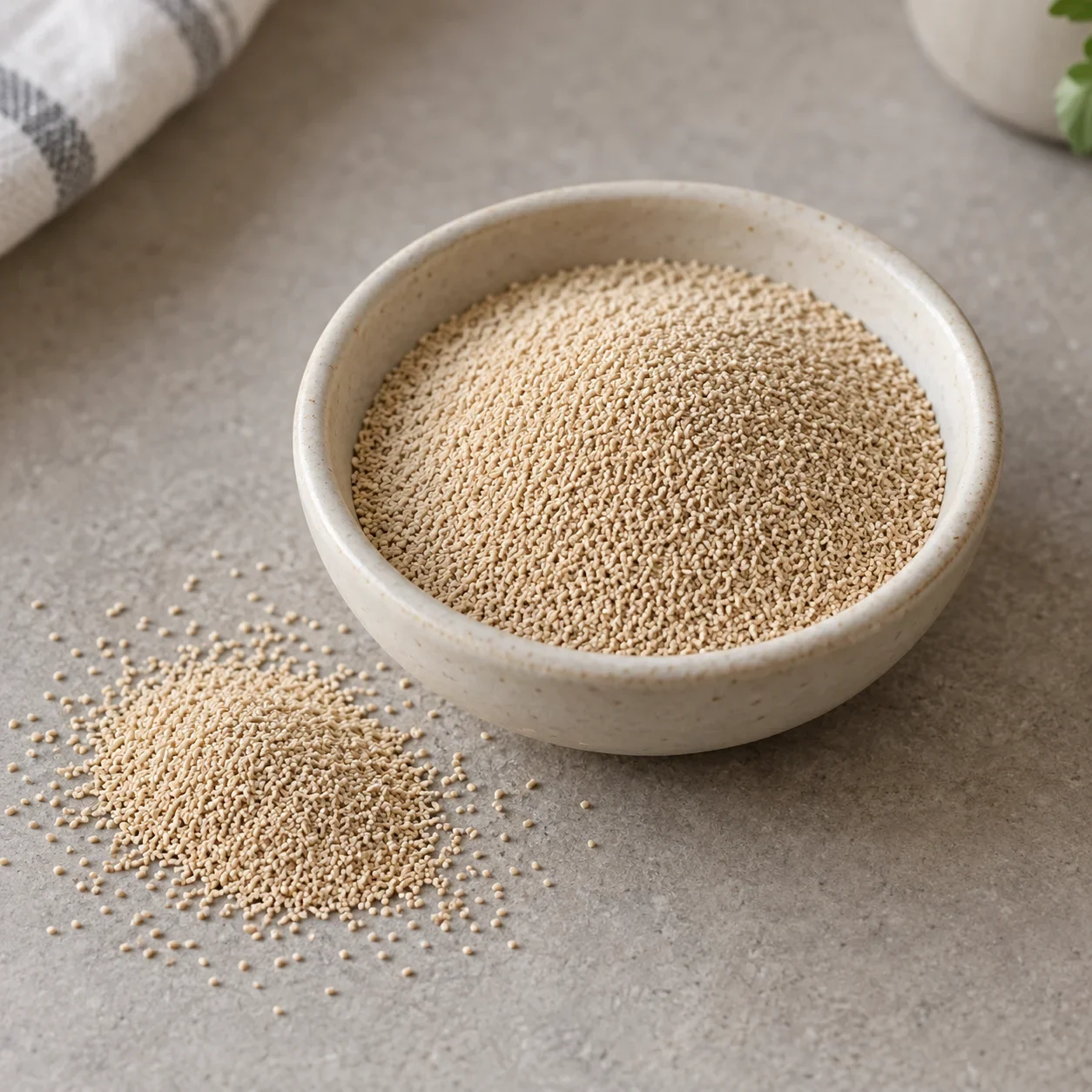

In some versions
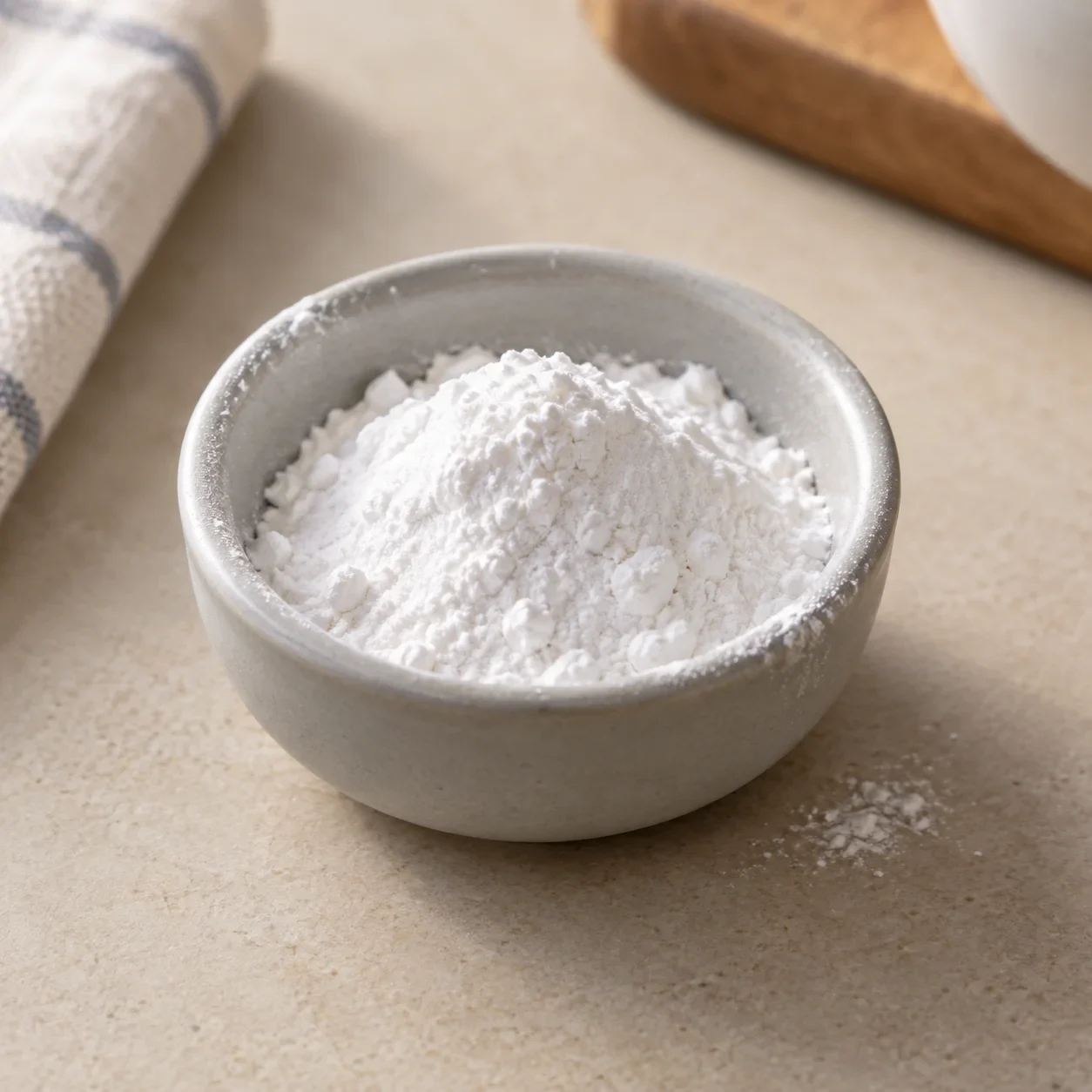
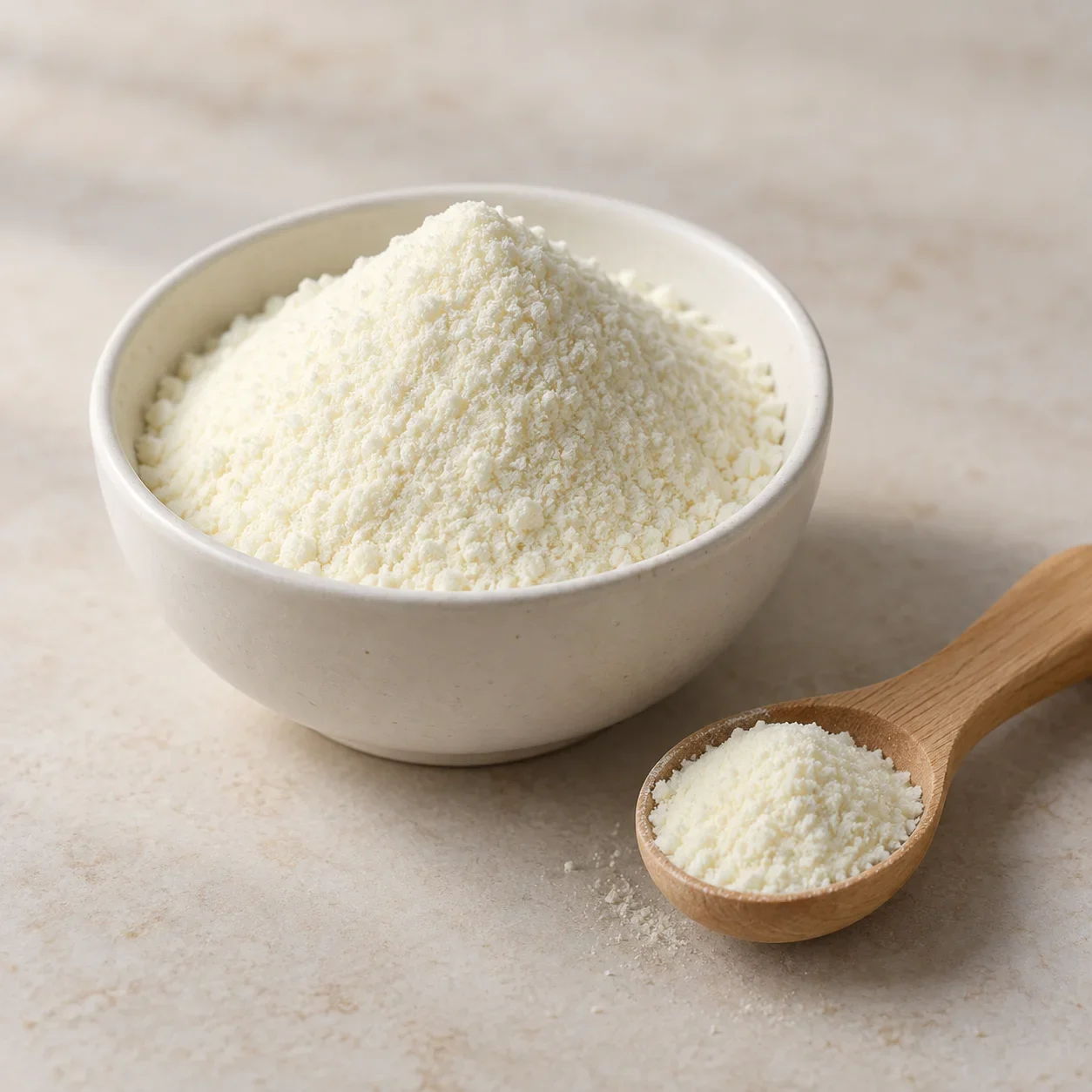
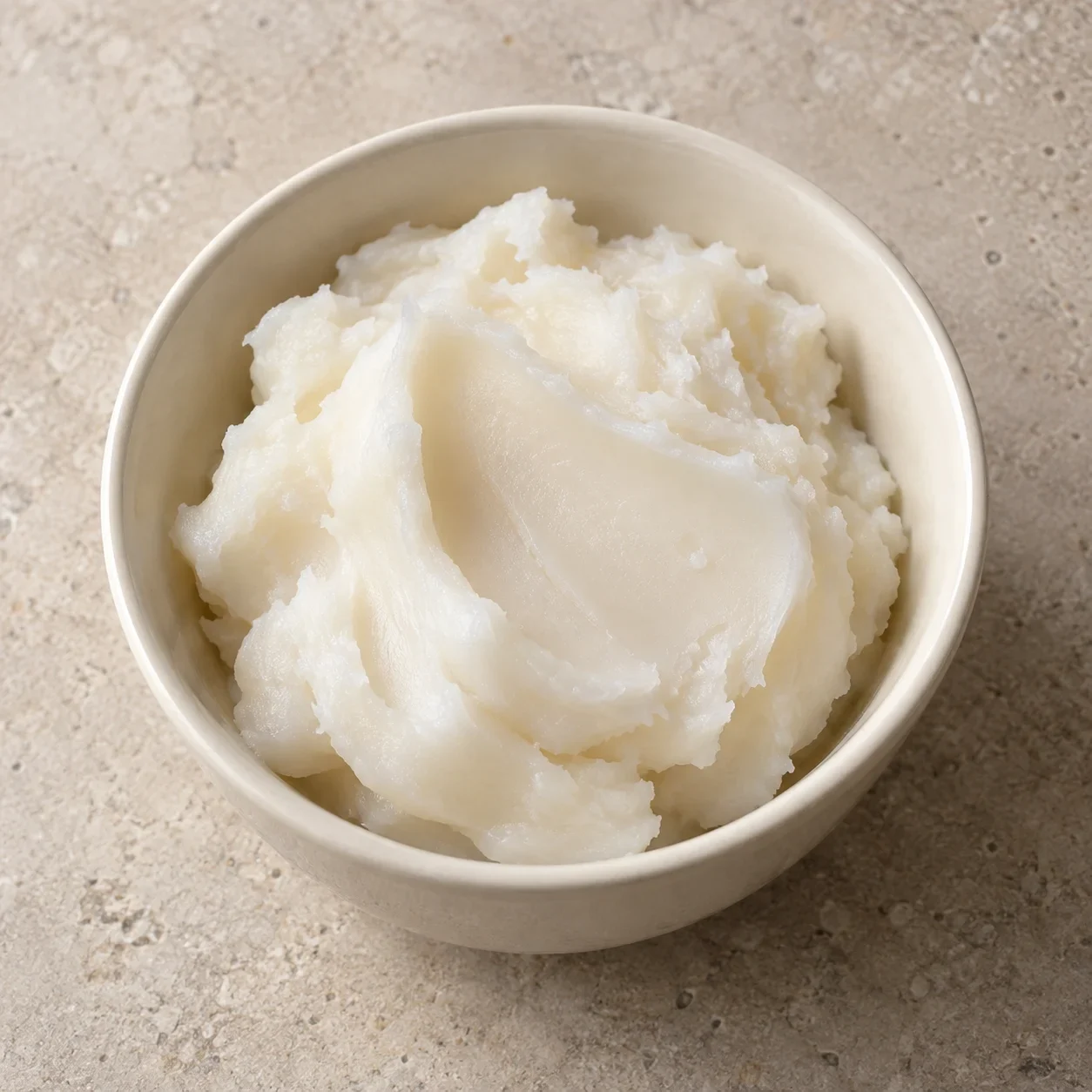
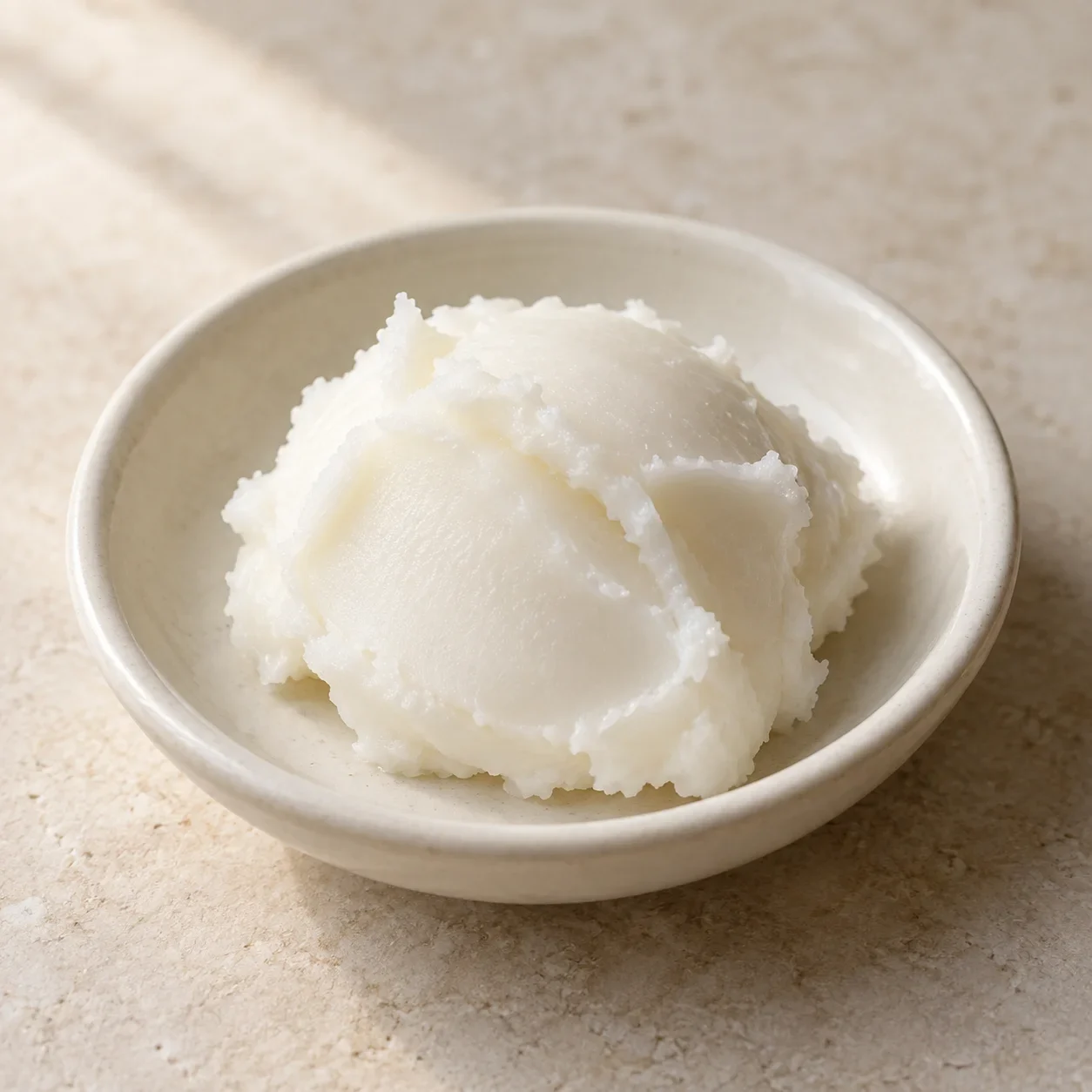
Recipes vary by restaurant.
How does it taste?
Sweet lotus paste with a mild, rich flavour.
- Chili heat
- Texture
- Fluffy bun around smooth, dense filling.
- How it’s made
- Enclose lotus paste in leavened dough, seal the buns and steam.
Buns can be round or shaped into peaches. Lard may be used in the dough or lotus filling; vegetable shortening is an alternative. Some doughs also contain milk powder.
A CONNECTION TO PLACE
Origin & regional roots
Associated with Guangdong.
About this regional connection
Guangdong: Guangdong/Cantonese association, not an exclusive origin claim.
Ask if they have it first
请问你们有莲蓉包吗?
Do you have this item?
A LITTLE SOMETHING TO READ
Story & history
A sweet bun for tea and birthdays
Lotus-paste buns are one of the choices at Cantonese morning tea, where a pot of tea and a few dishes of dim sum accompany conversation with friends and relatives. A peach-shaped version can also carry a birthday wish for long life. The shape recalls the peaches of immortality in Chinese legend, turning the sweet bun into a small symbolic gift.