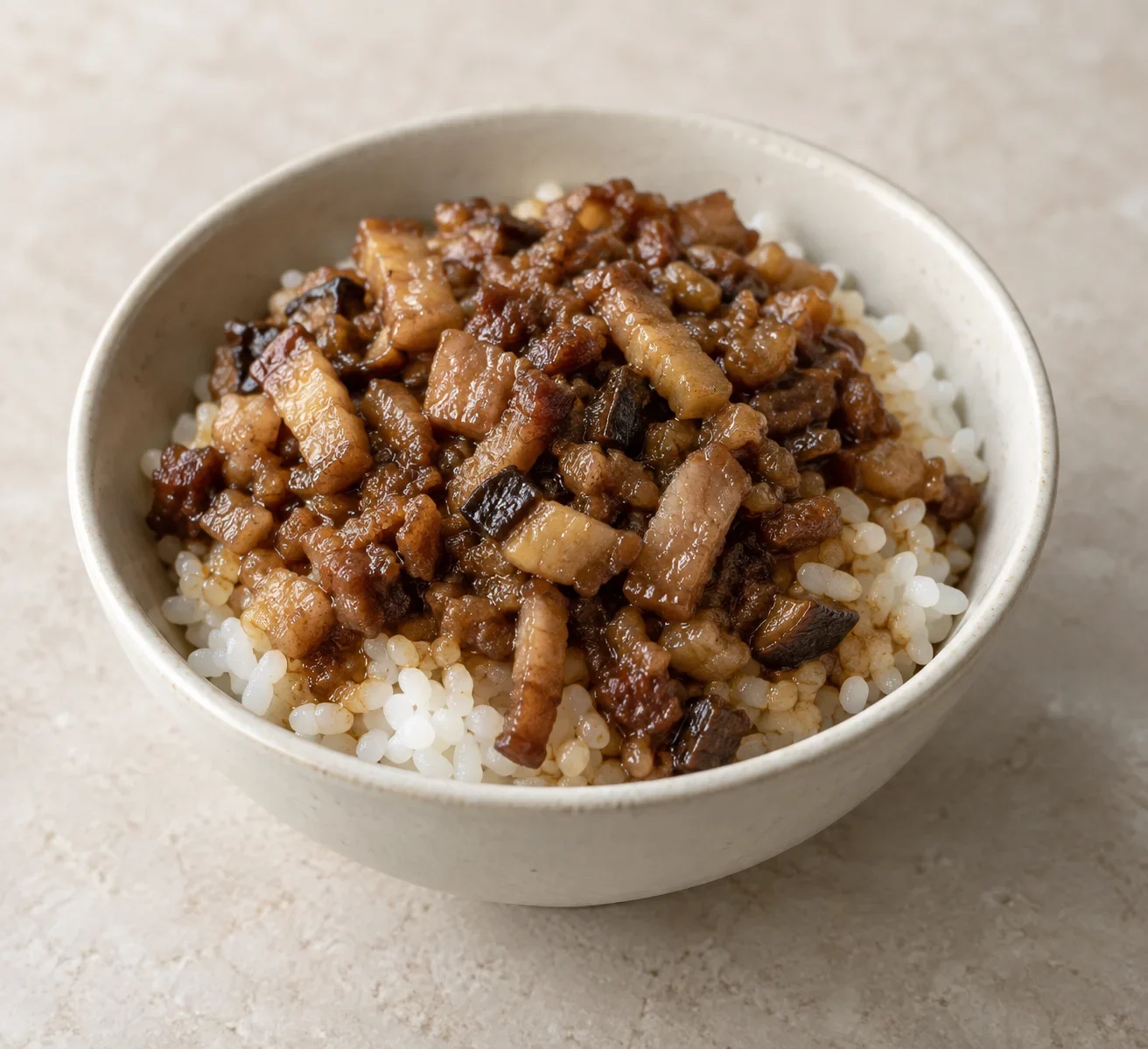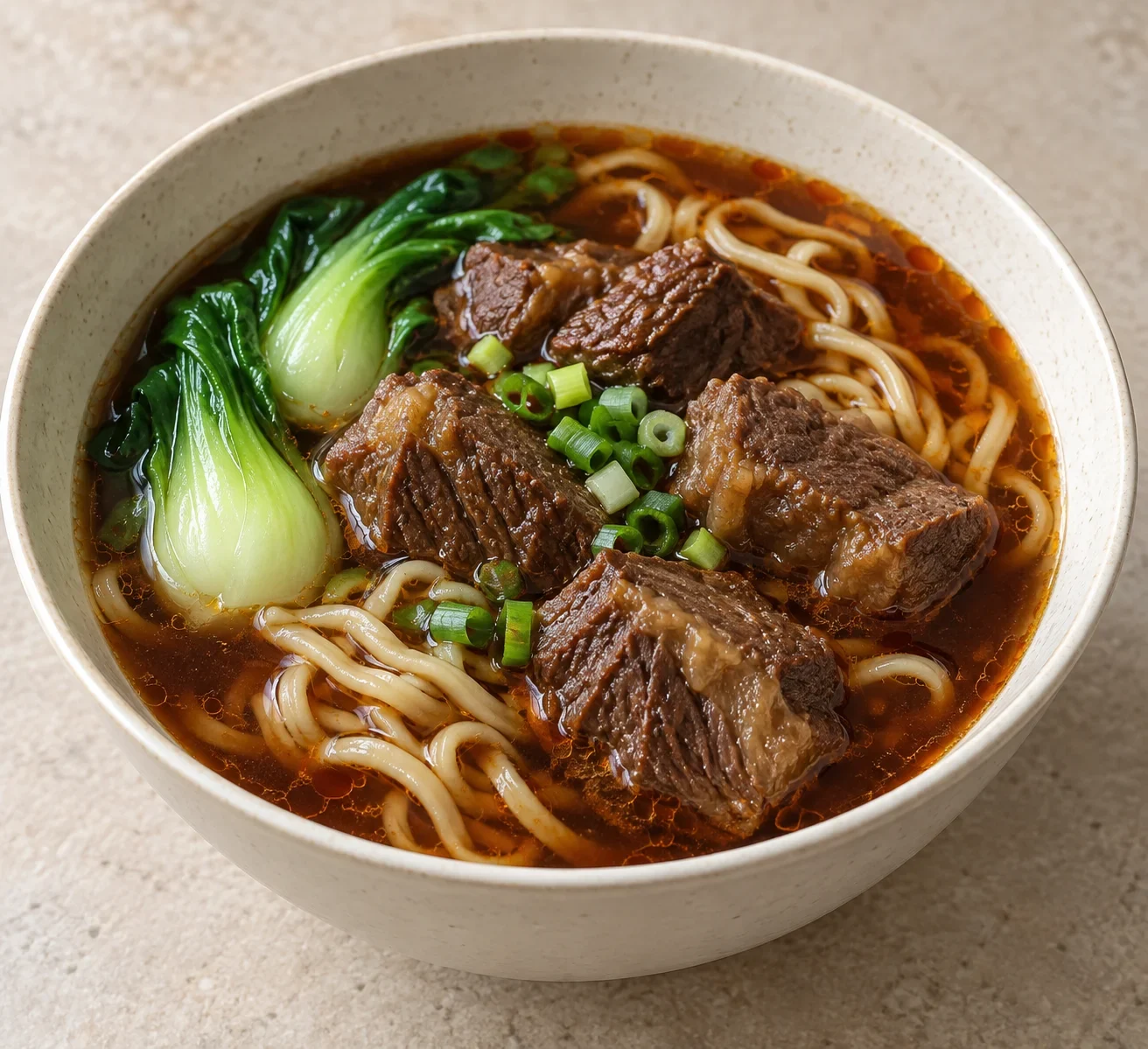
At the table
Use chopsticks for the noodles and beef, and a spoon for the broth. Try the beef and noodles together; ask about chili and pickled toppings before ordering.
Contains beef and wheat noodles. Soy sauce and chili-bean paste may add soy, wheat or broad beans, and cooking wine may be used. Check the broth and toppings if you avoid these ingredients.
Spice blends vary. A homemade sachet may use cassia, cumin, fennel seeds, coriander seeds and black pepper; bay leaf and Sichuan pepper are optional additions. Coriander leaves and pickled xuecai greens can be added as toppings.
GET TO KNOW THE DISH
What goes into it?
Explore some key ingredients below. Preparations may use additional seasonings and ingredients.
The broth can be cooked in a pressure cooker or on the stovetop.
Typical ingredients
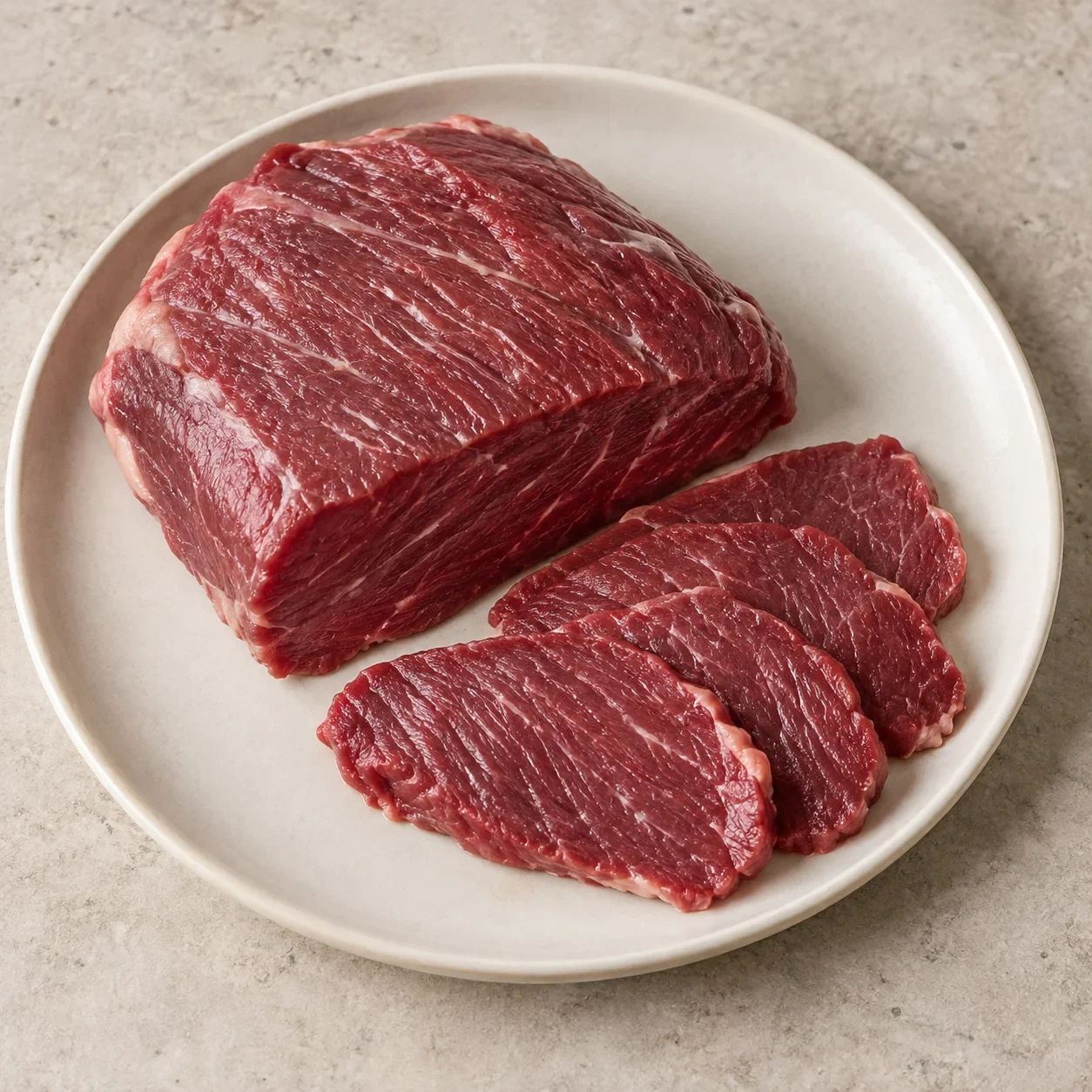
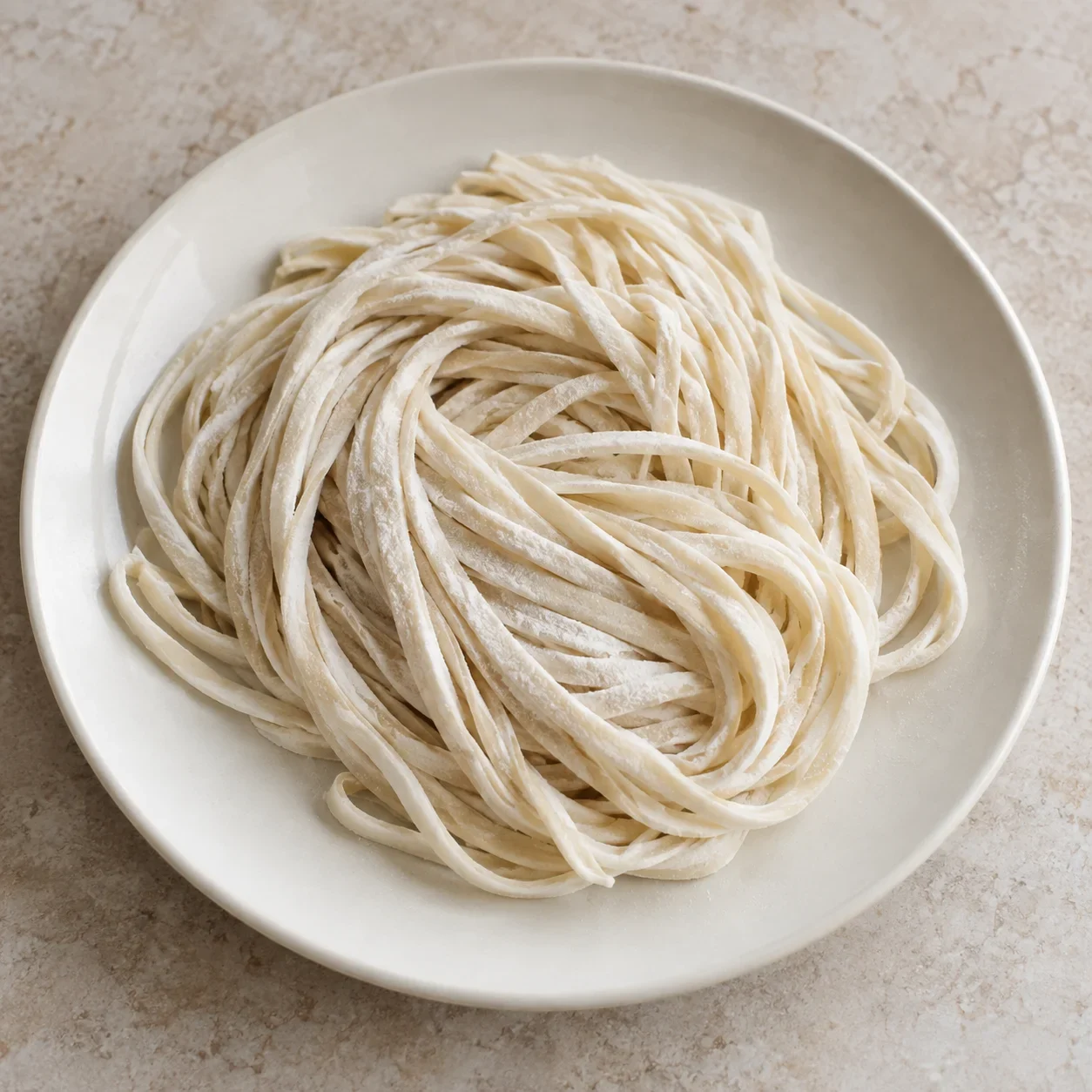
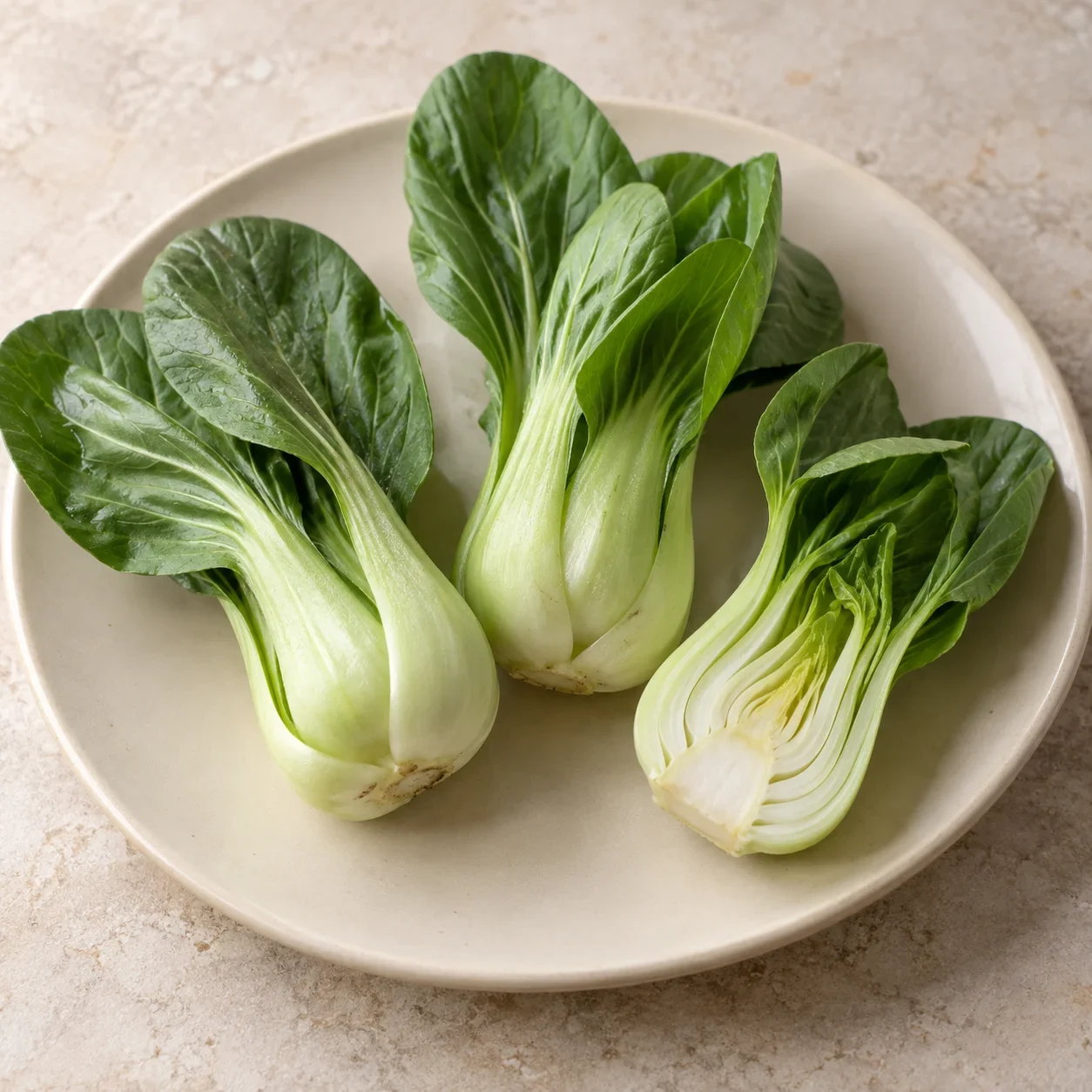
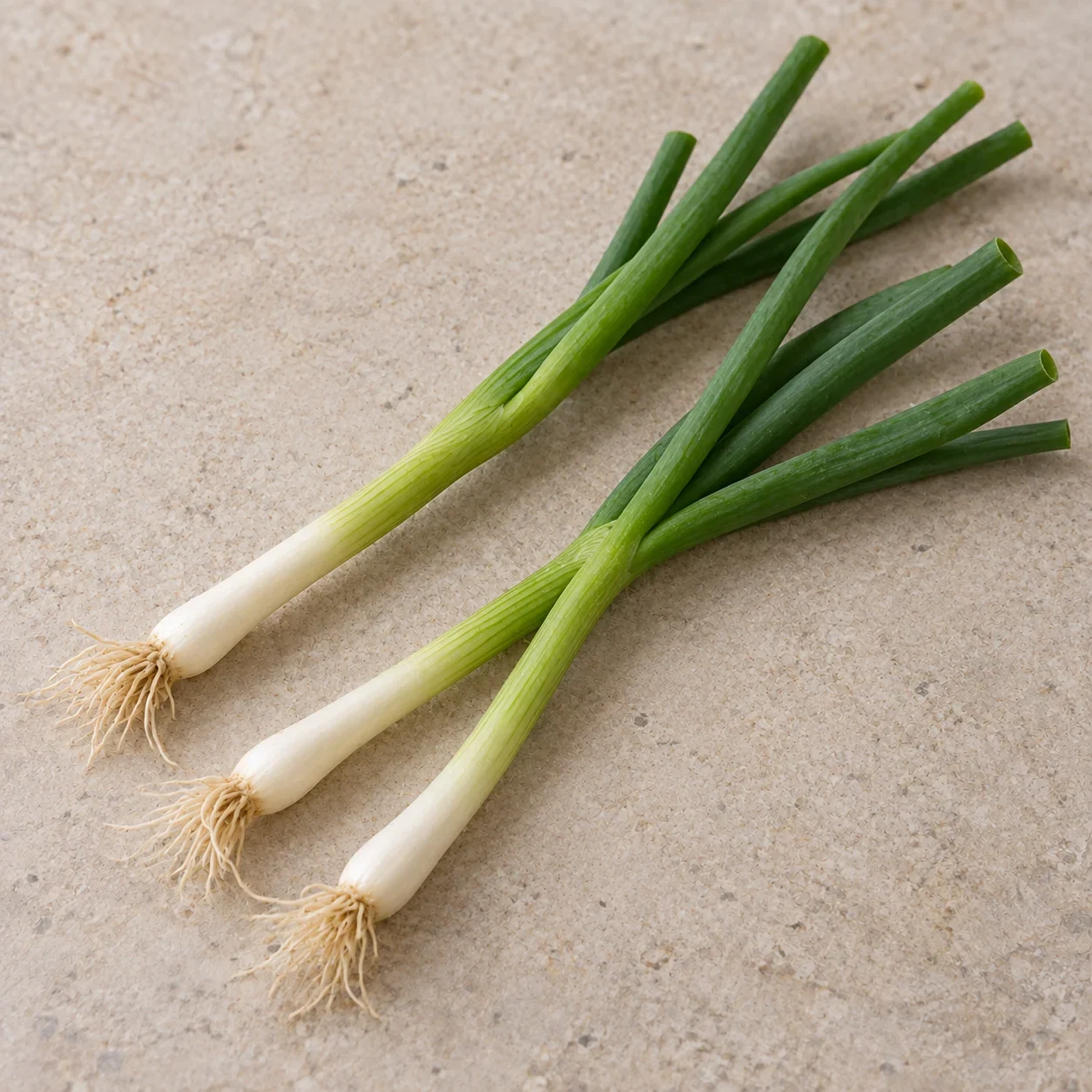
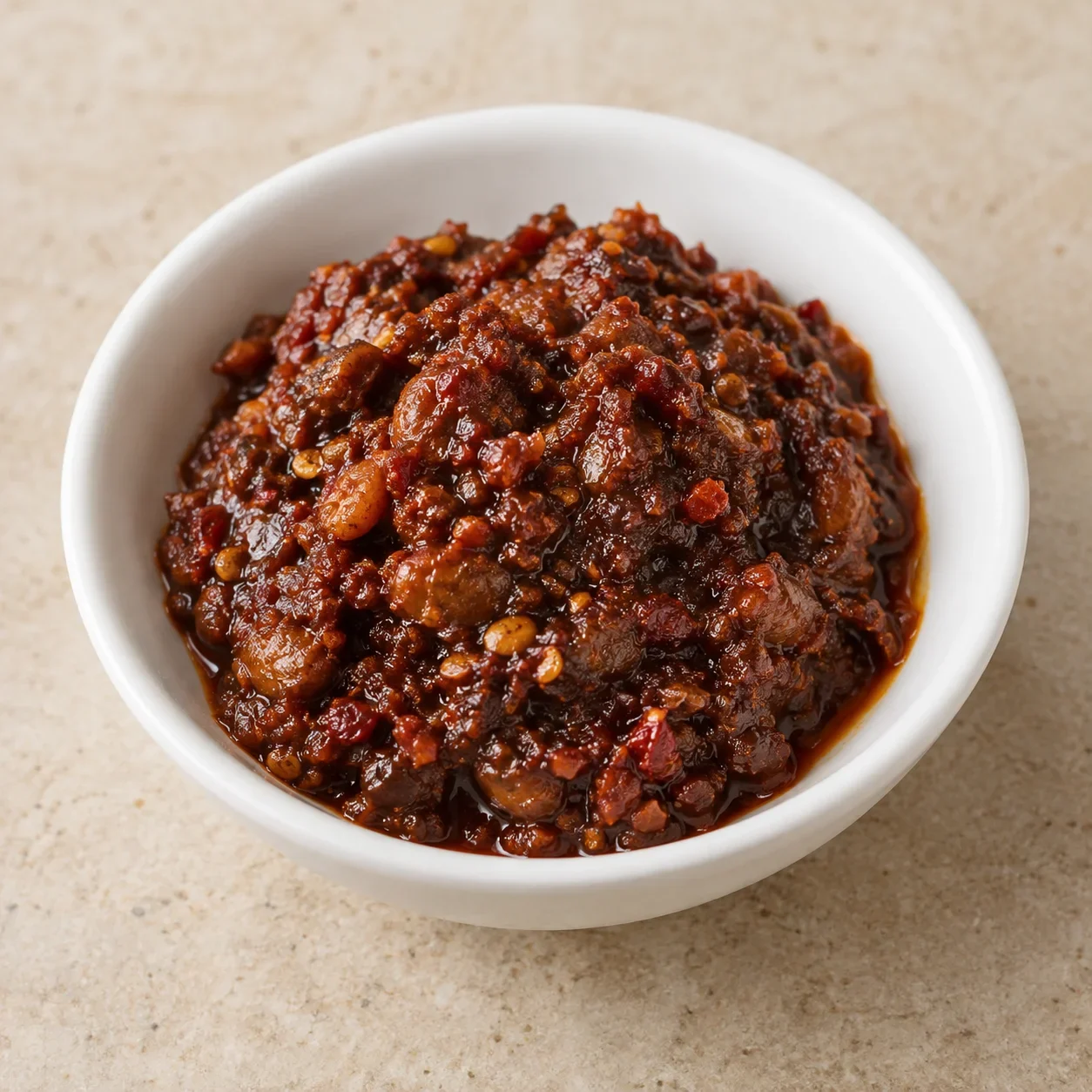
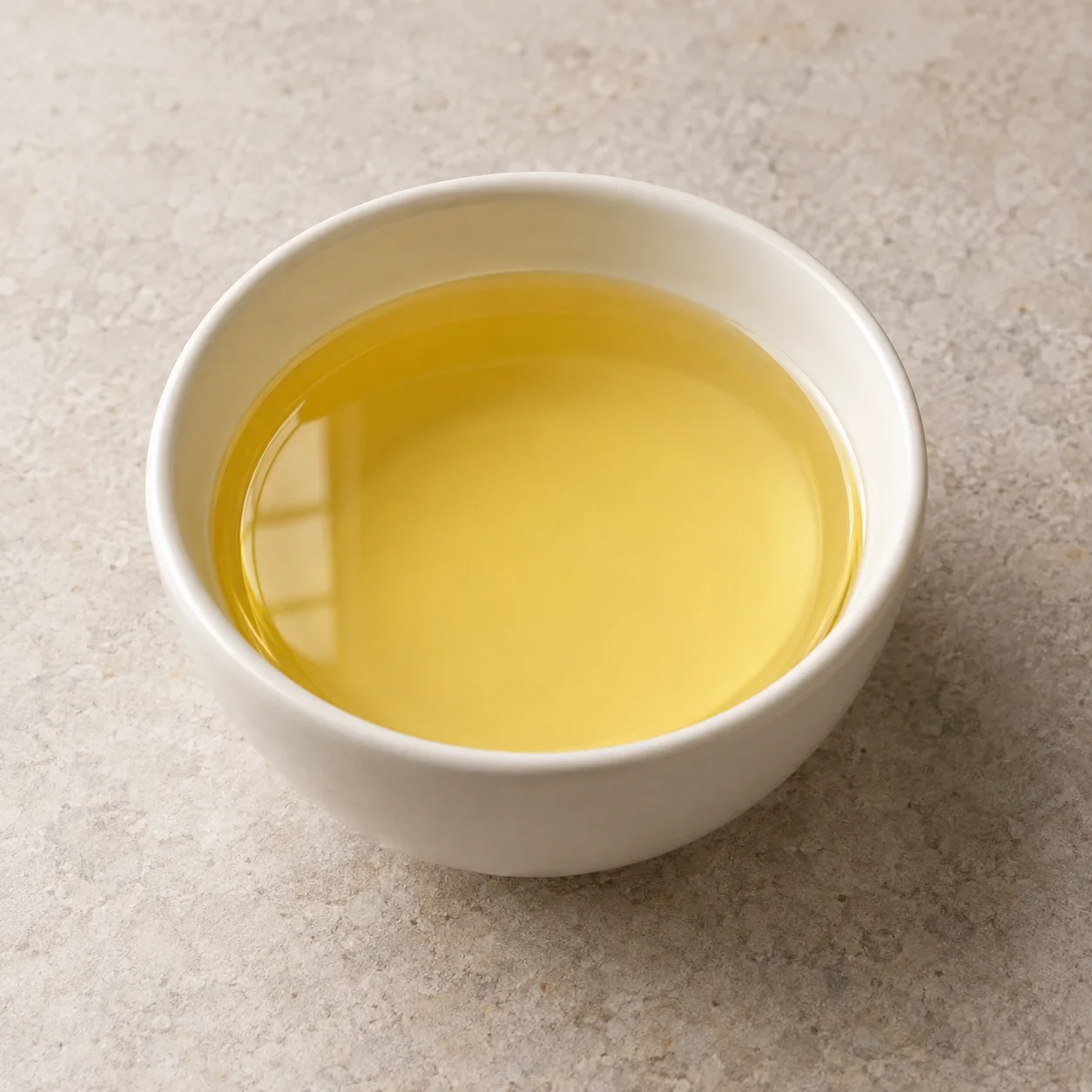
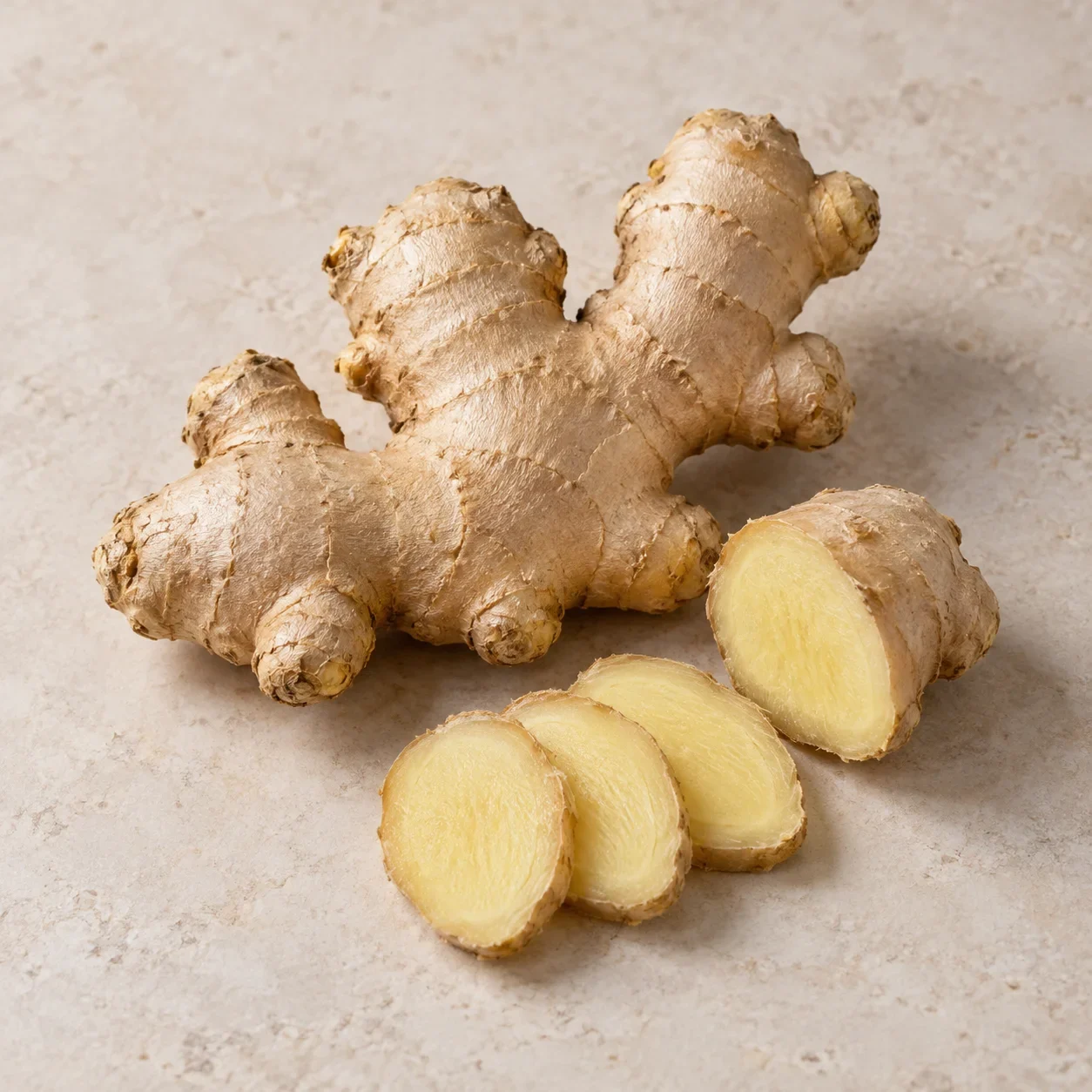
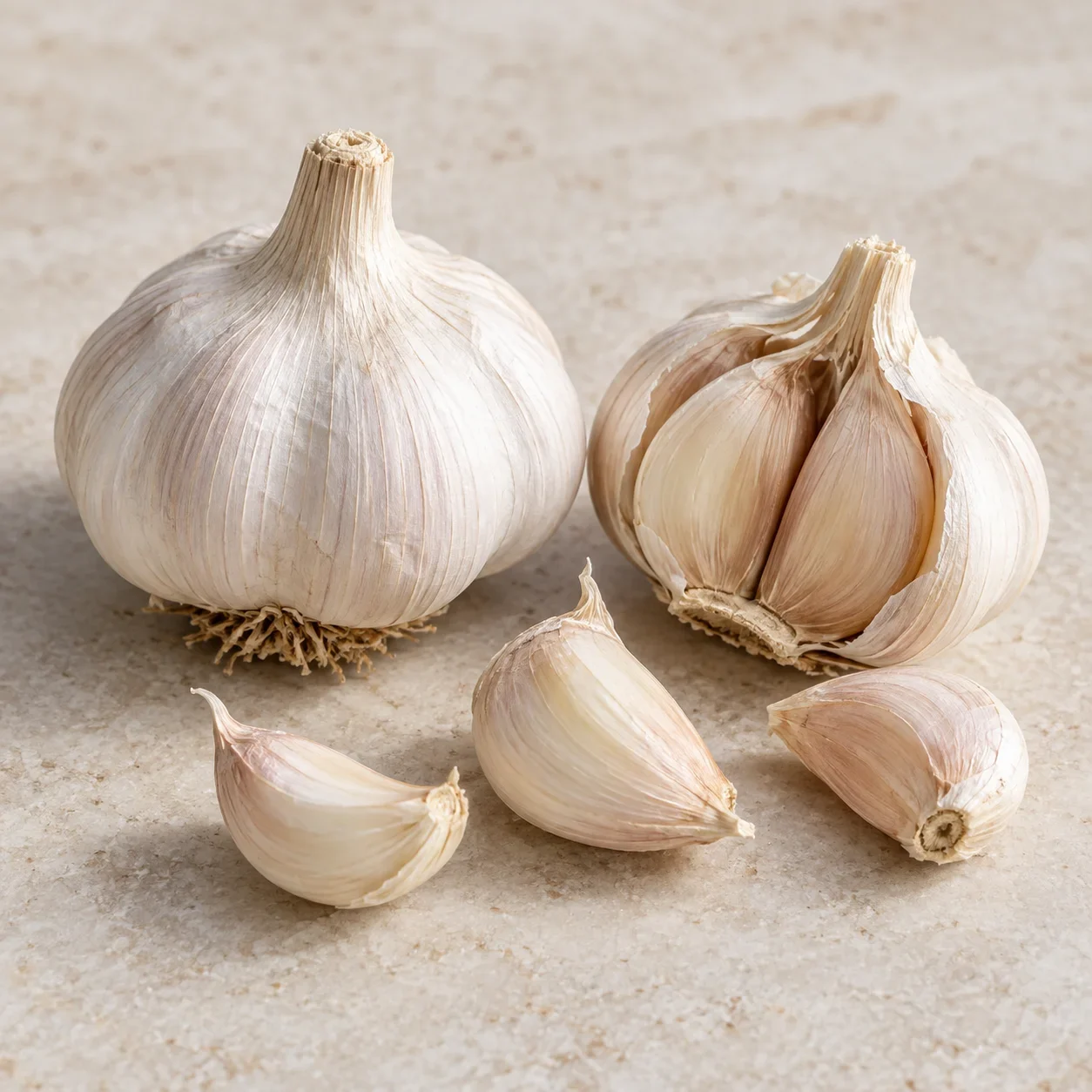
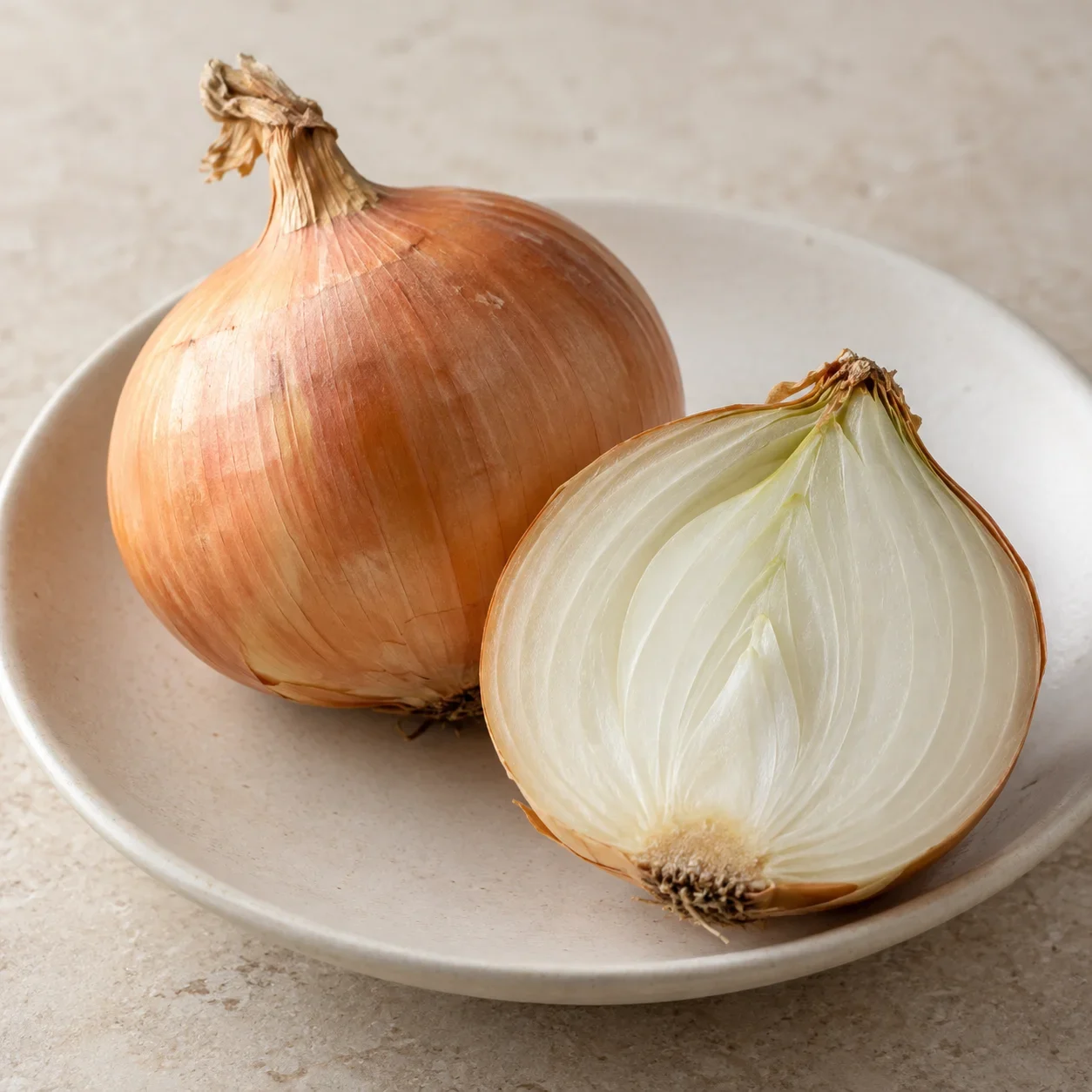
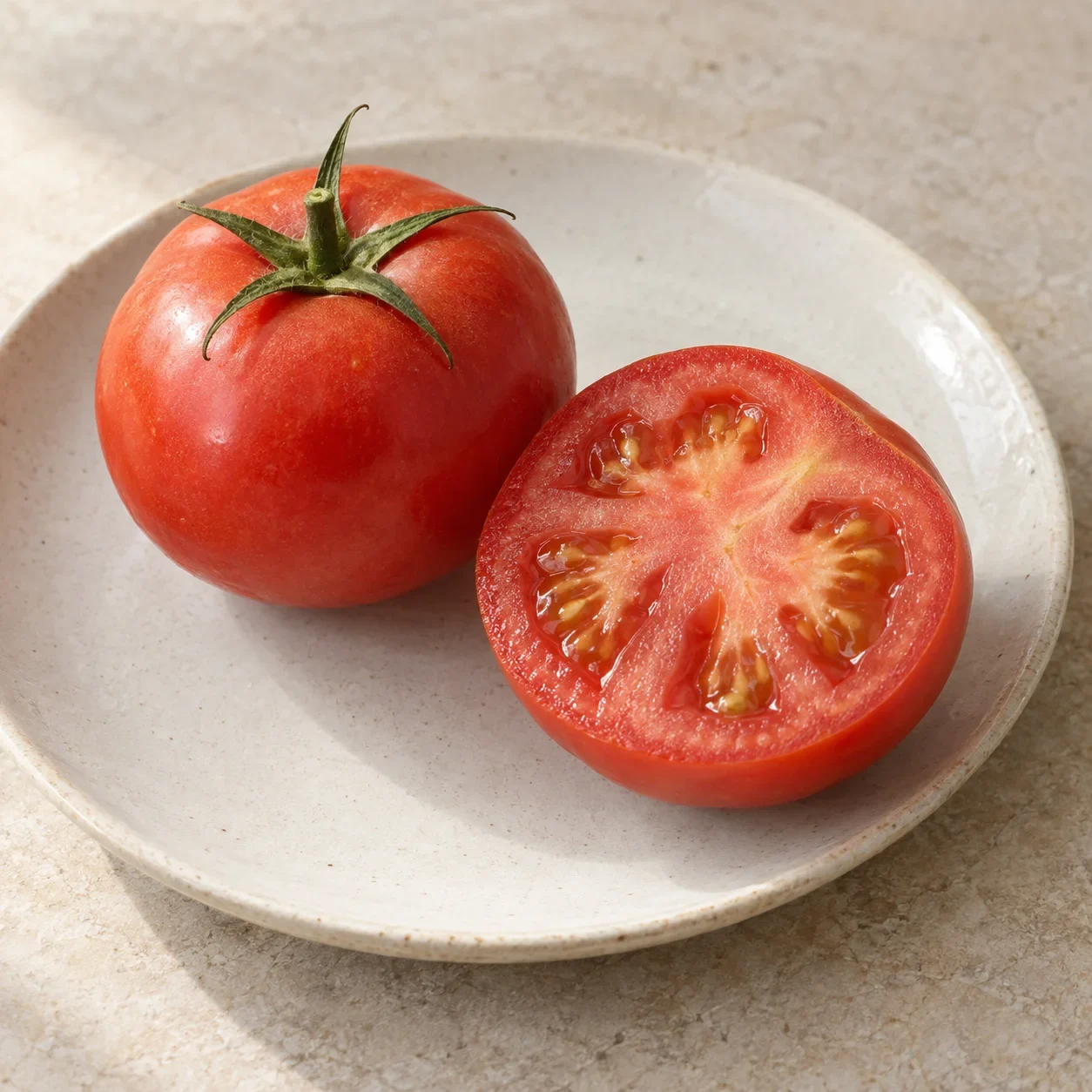
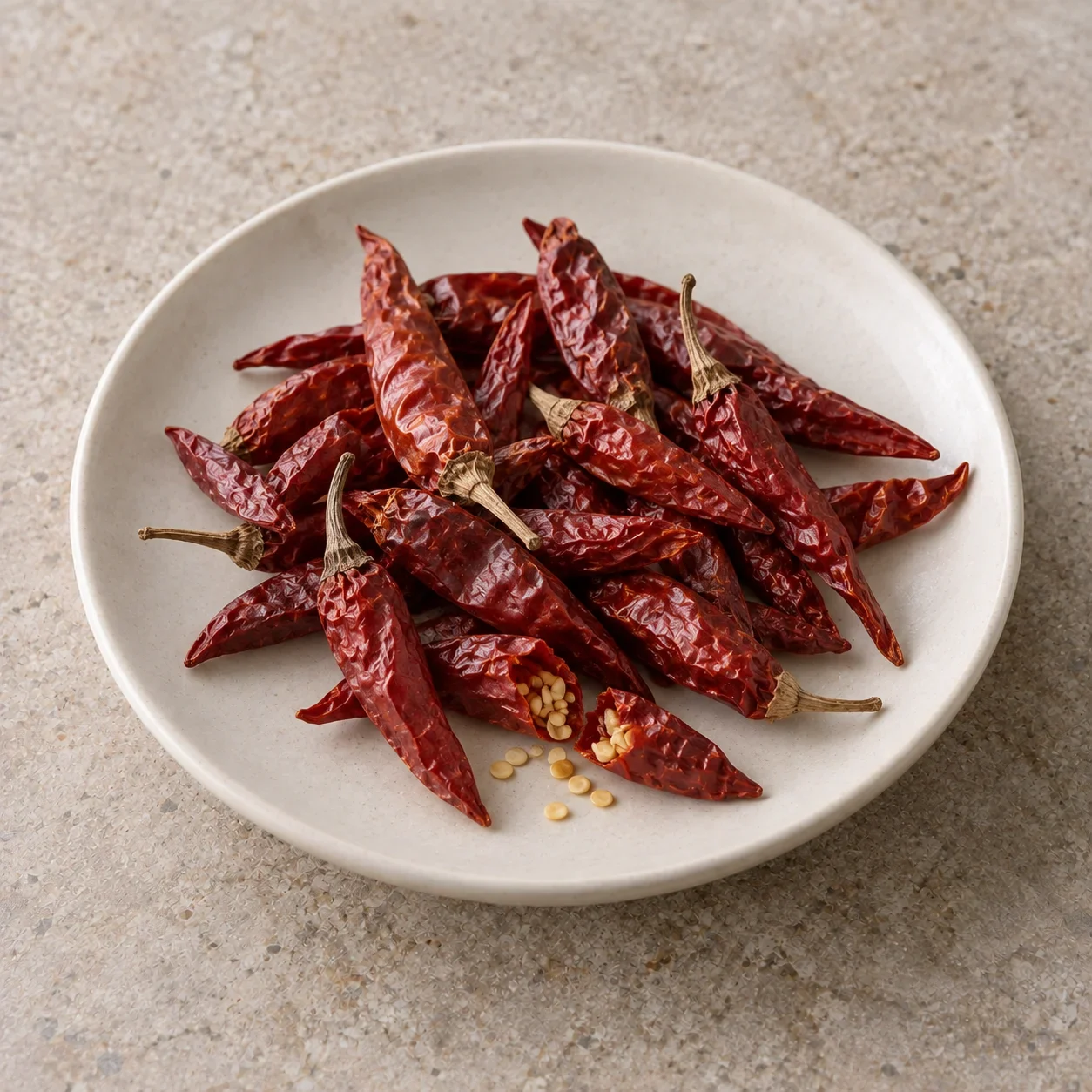
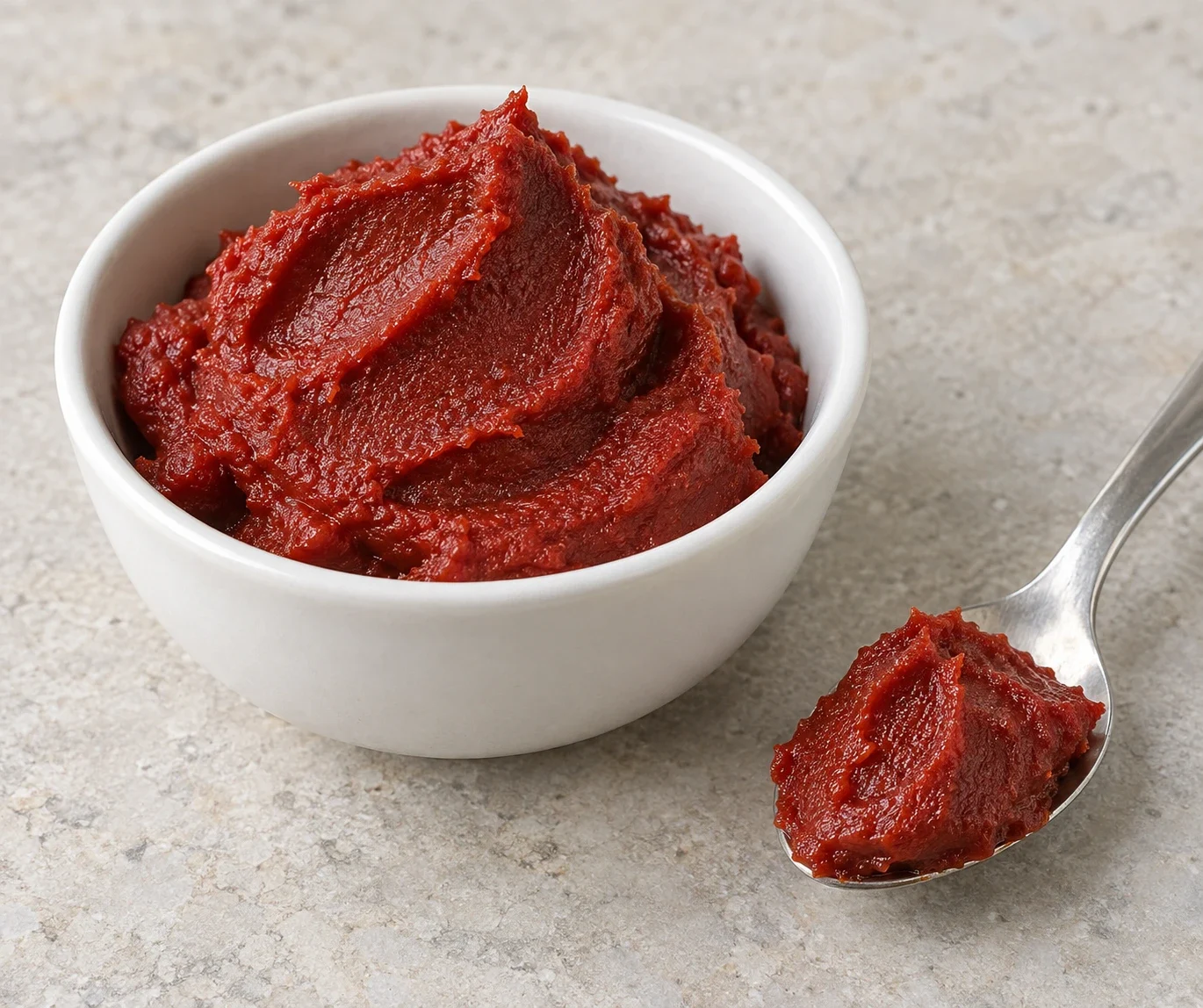
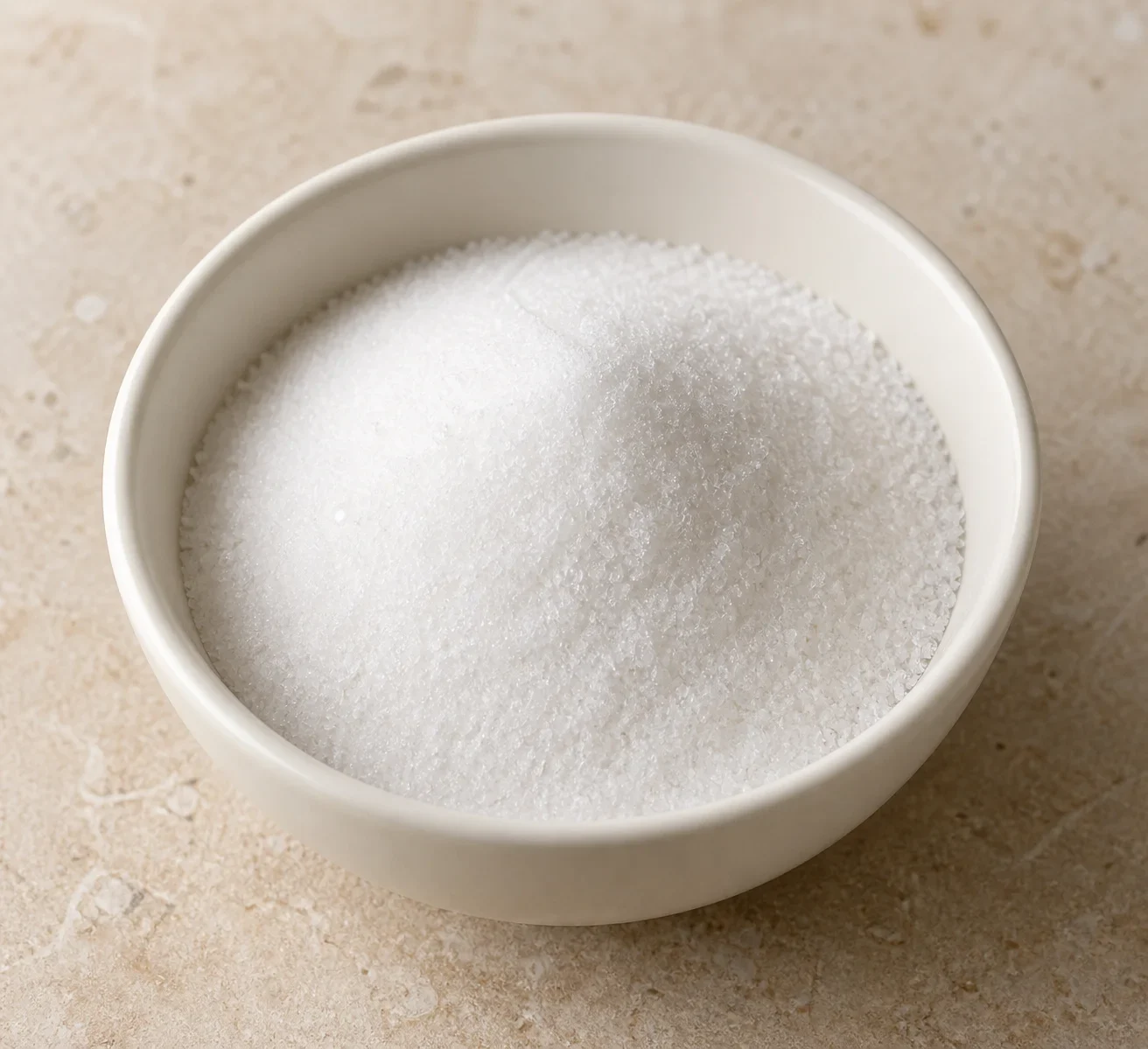
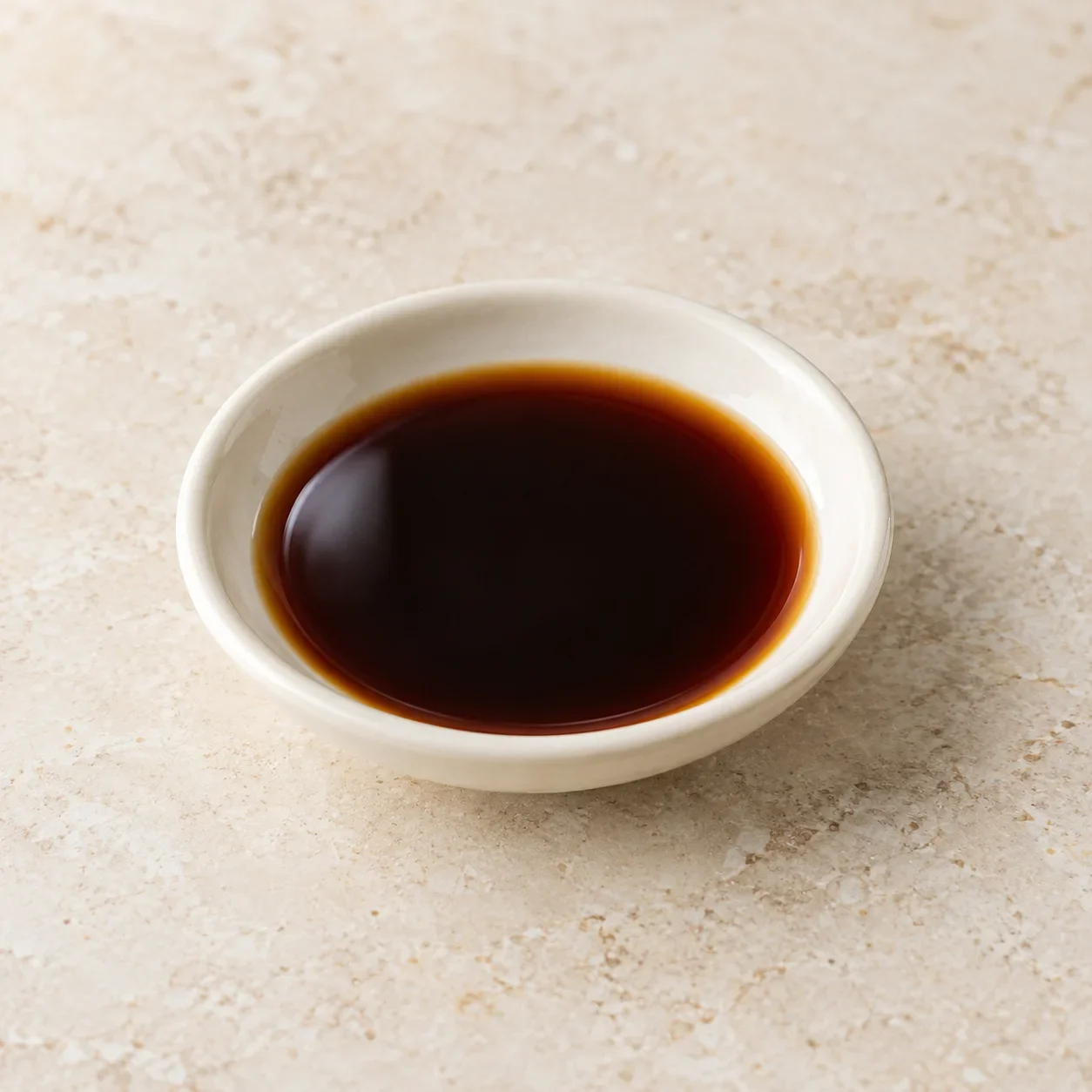
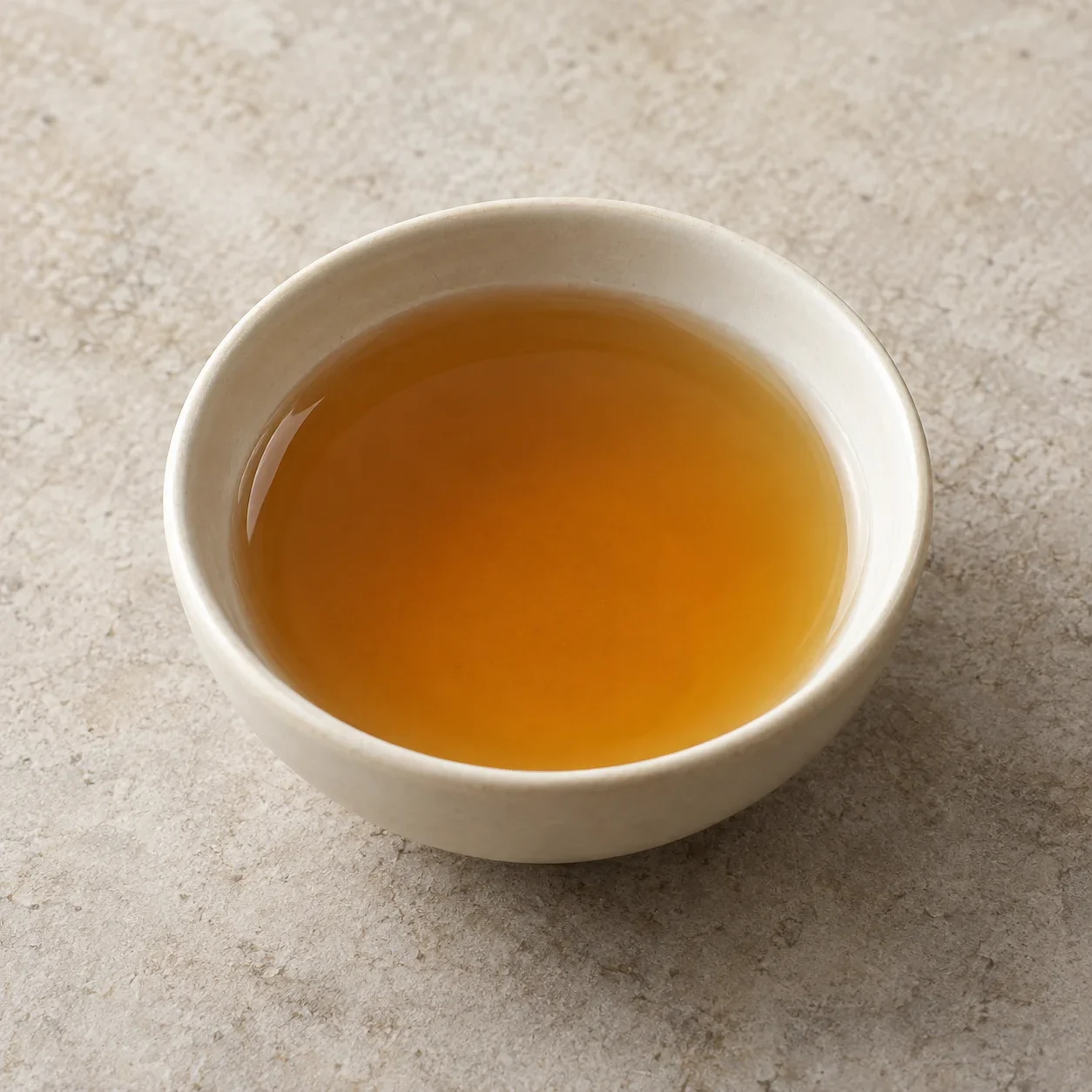
In some versions
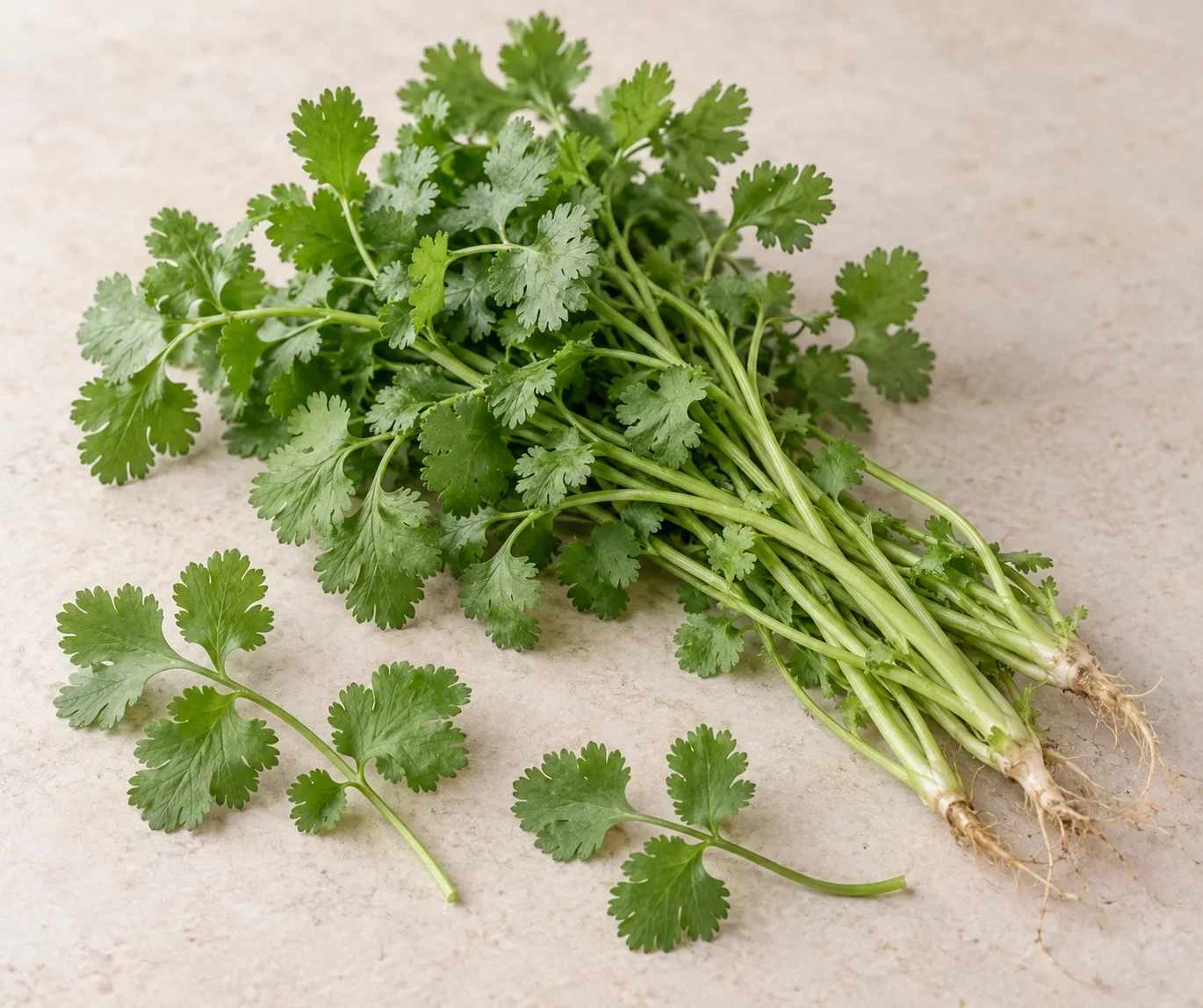
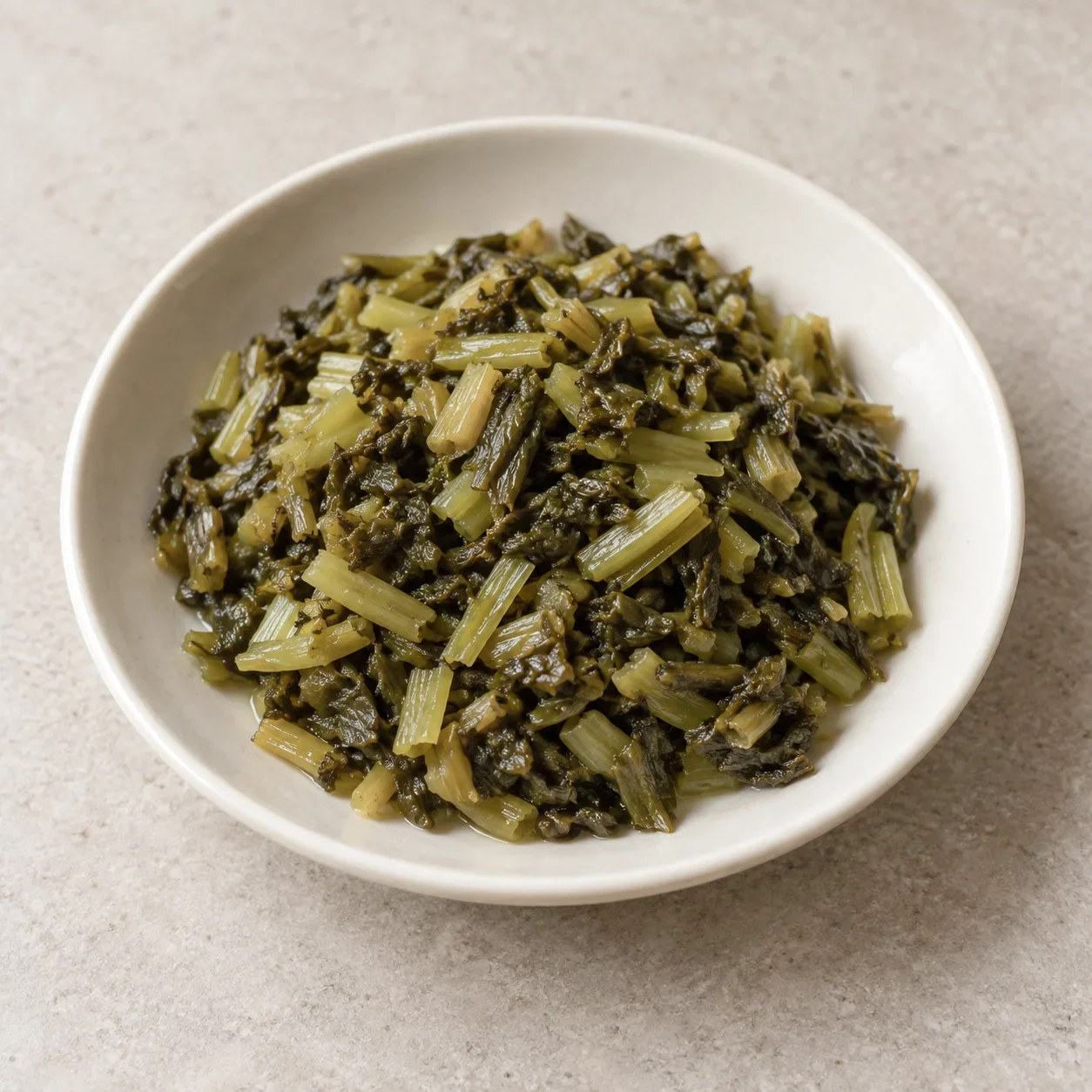
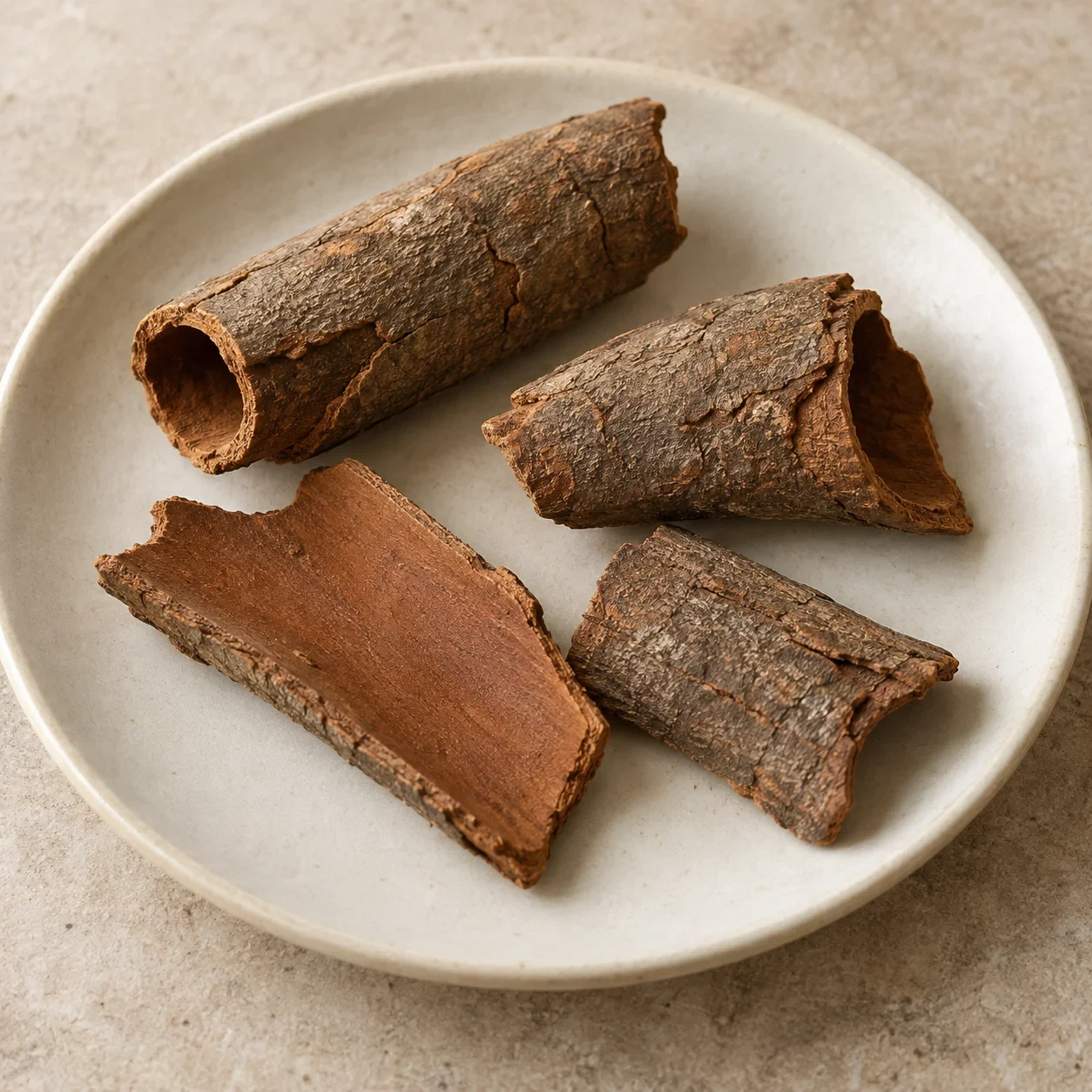
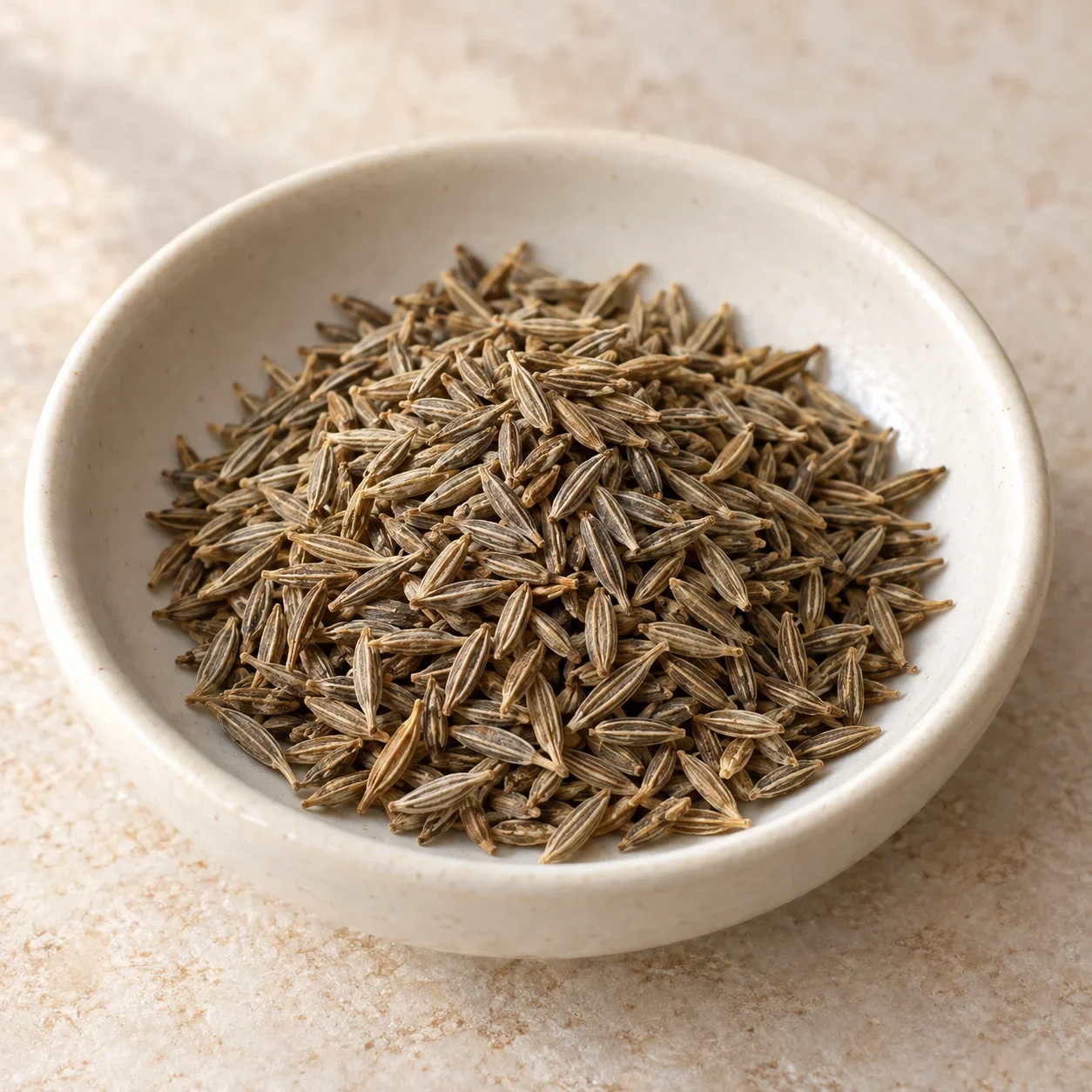
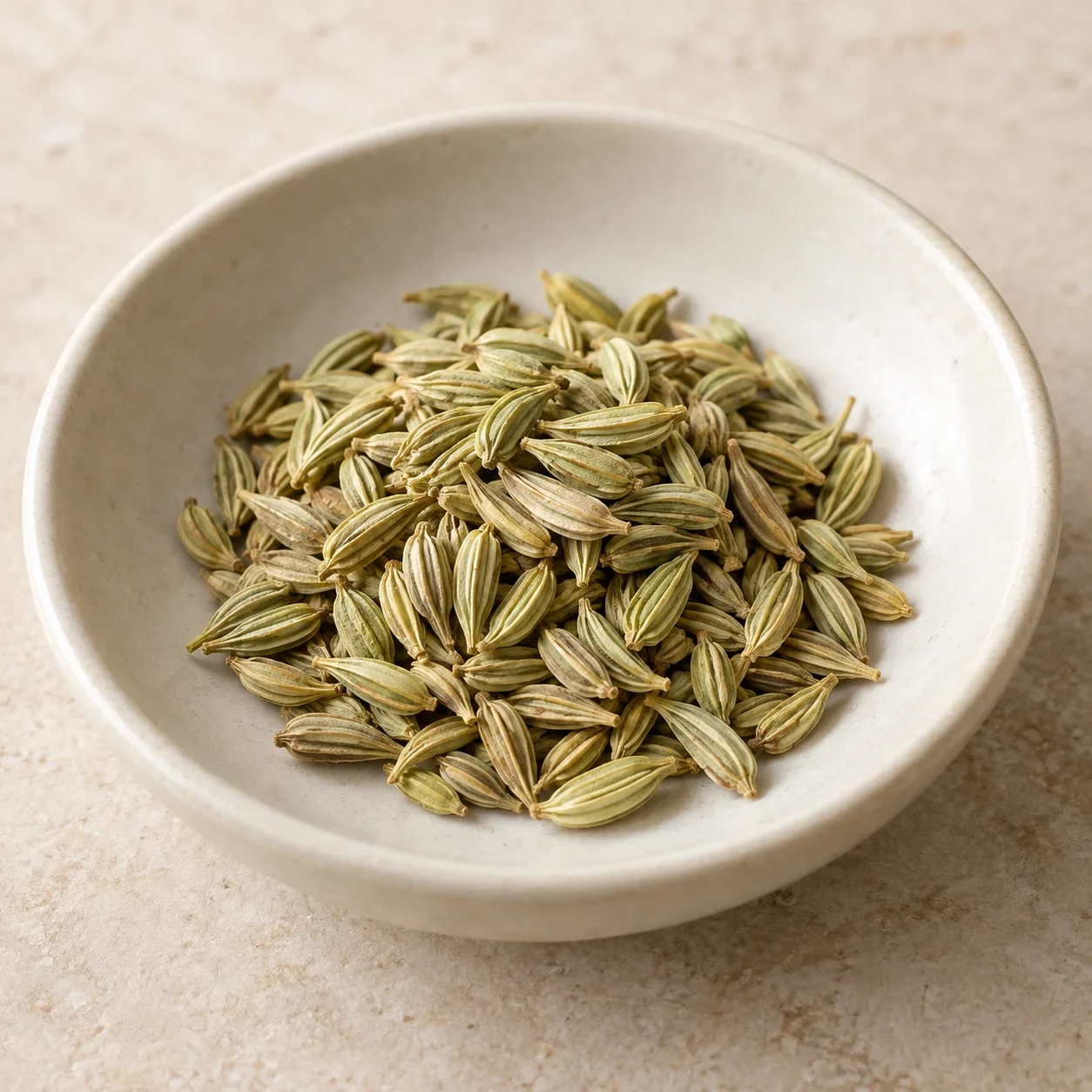
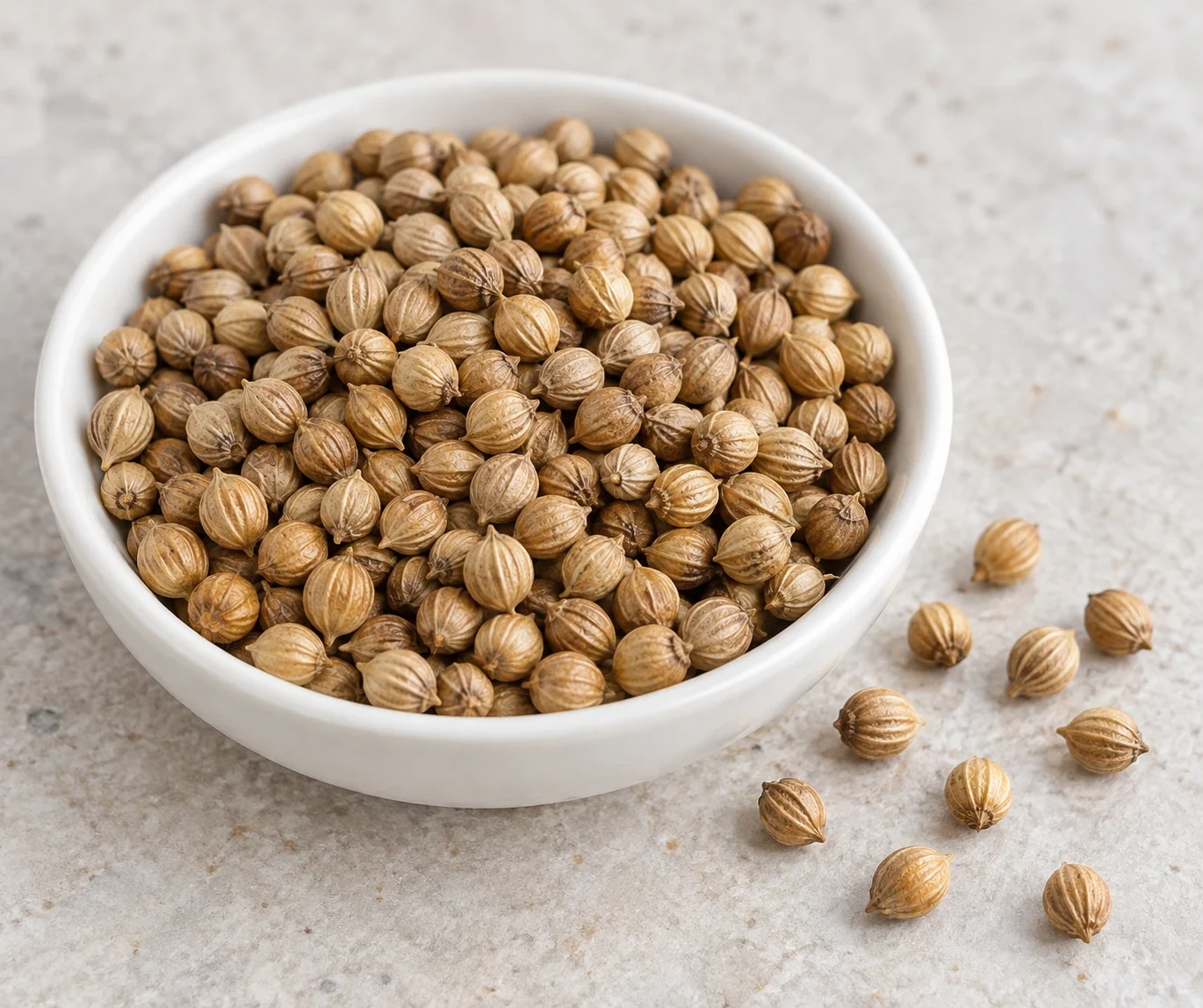
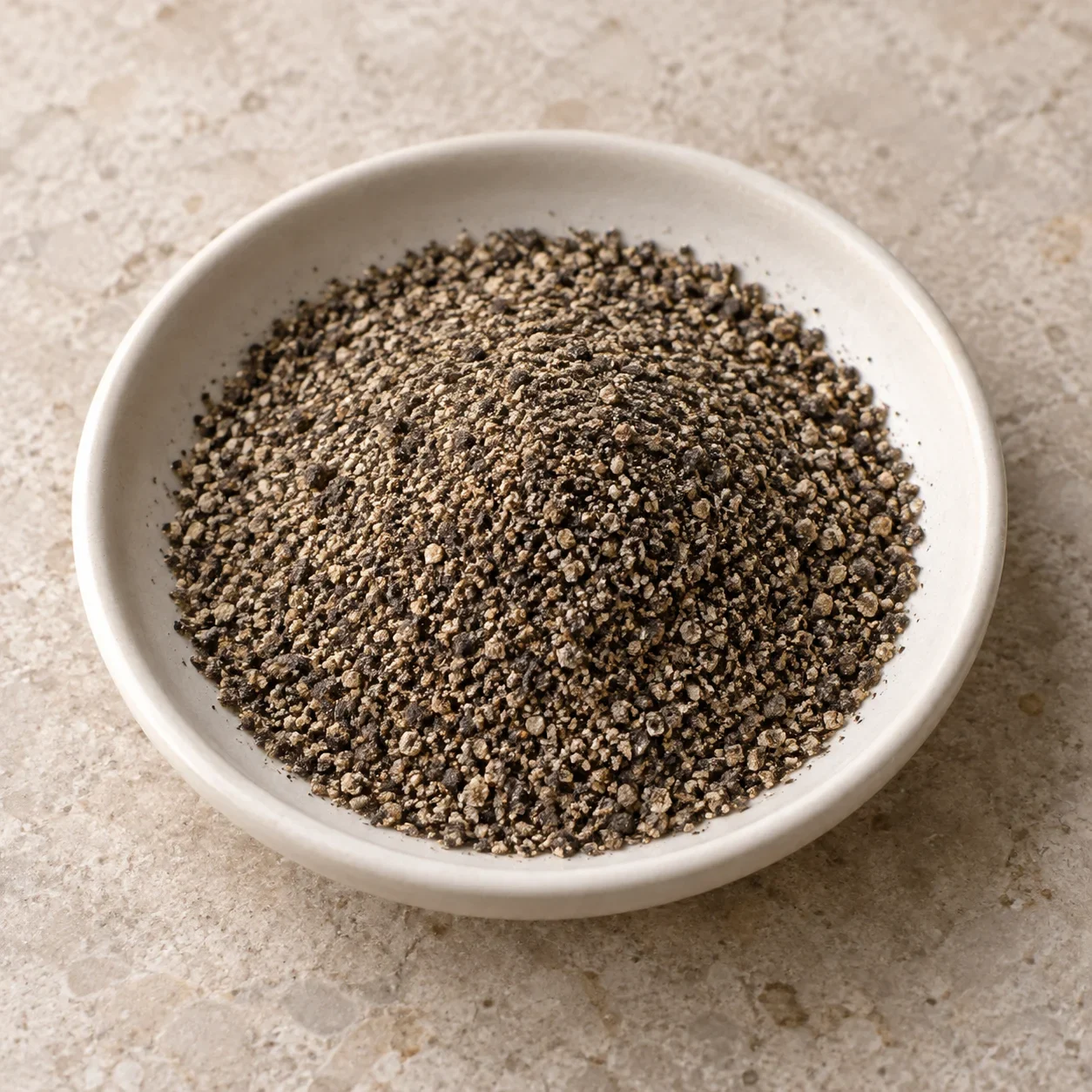
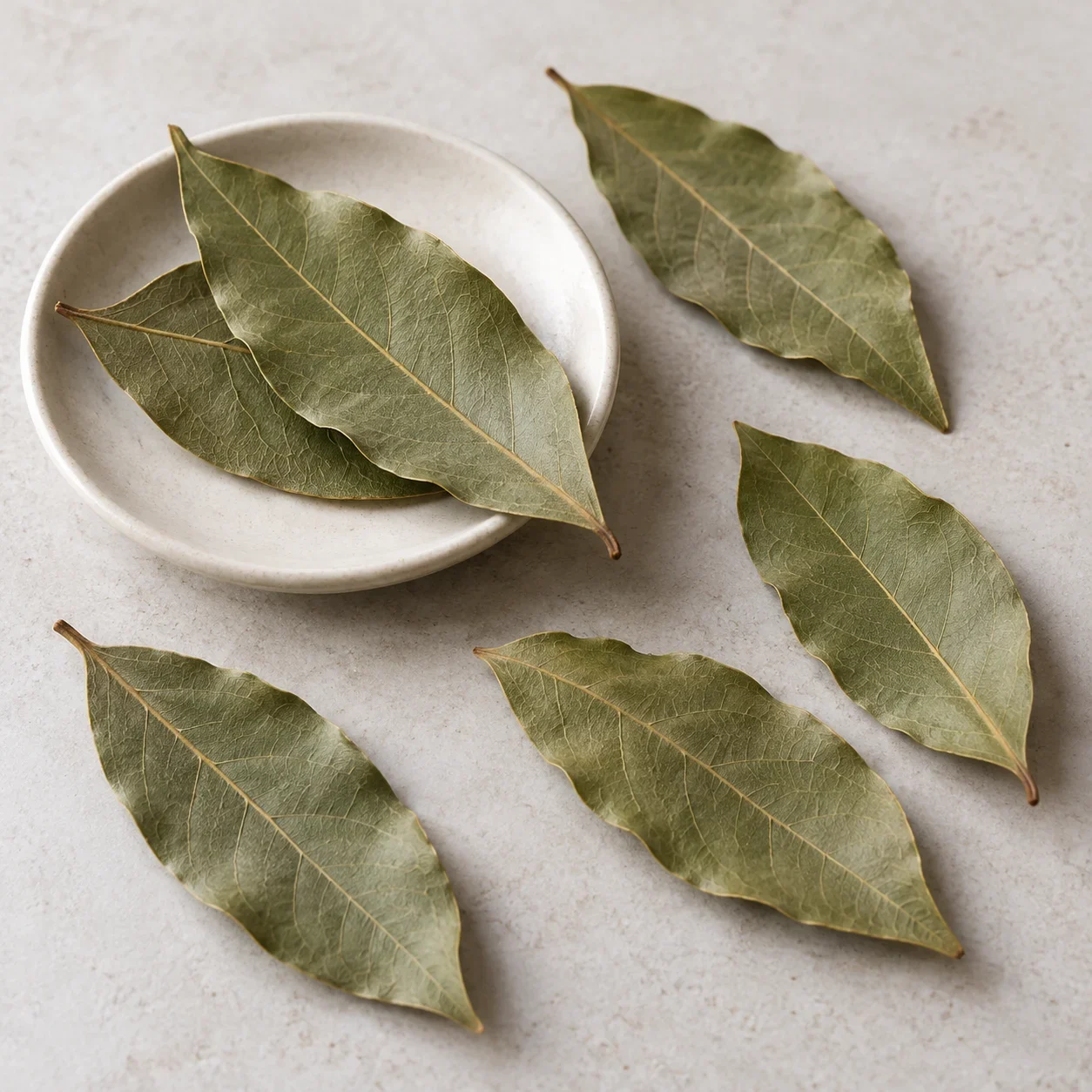
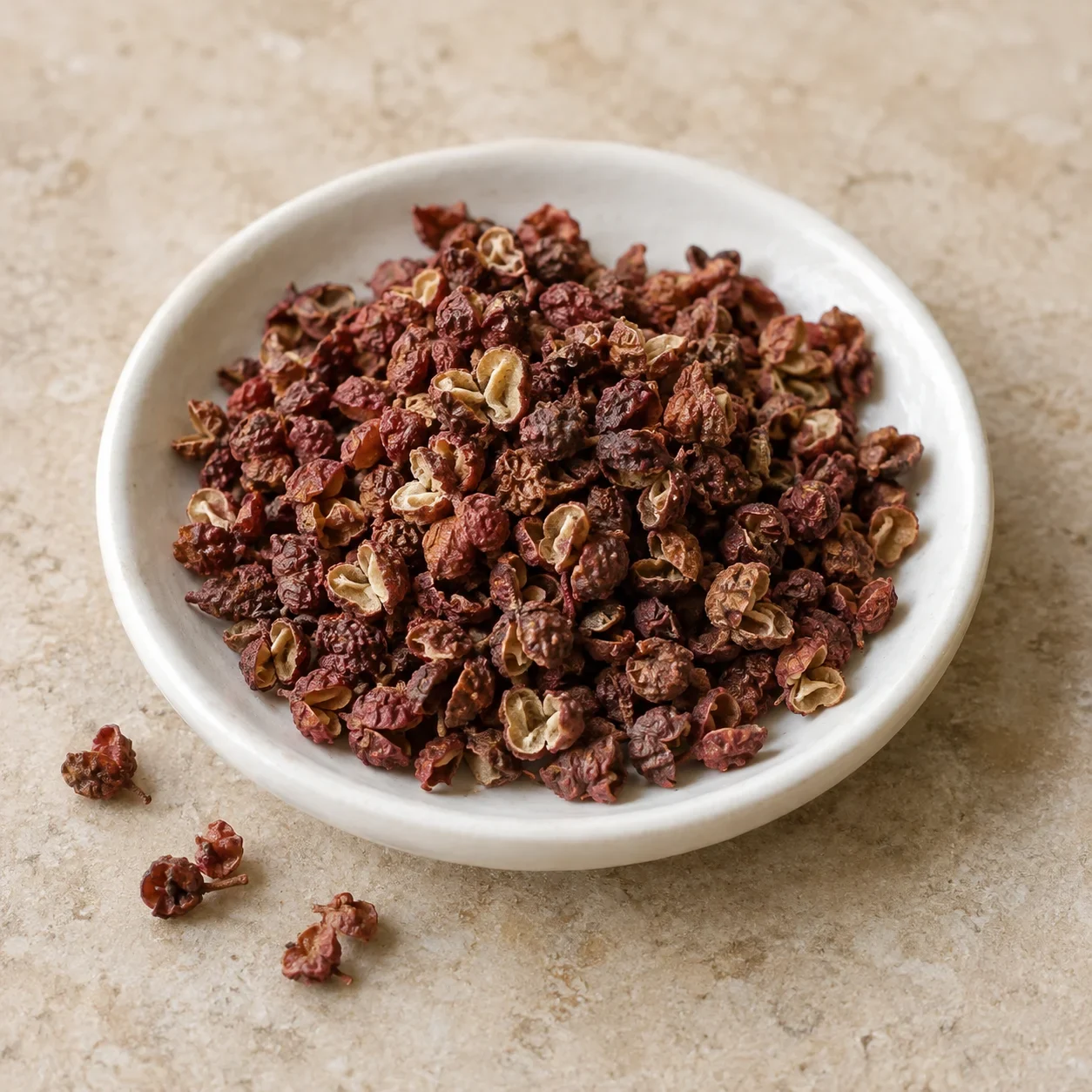
Recipes vary by restaurant.
How does it taste?
Savory and chili-seasoned.
- Chili heat
- Texture
- Tender beef; springy noodles.
- How it’s made
- Braise beef with aromatics, then serve with separately cooked noodles.
The broth can be cooked in a pressure cooker or on the stovetop.
A CONNECTION TO PLACE
Origin & regional roots
Associated with Taiwan.
About this regional connection
Taiwan: A Taiwanese specialty.
Ask if they have it first
请问你们有臺灣牛肉麵吗?
Do you have this item?
A LITTLE SOMETHING TO READ
Story & history
Taiwan’s beef noodles hold several postwar stories
Taiwan’s beef-noodle bowl has more than one postwar story. Migrants from Gansu brought Lanzhou-style clear-broth noodles; another account links red-braised, chili-bean broth to Sichuanese families in Kaohsiung’s Gangshan. A different version places that red-braised bowl in Tainan, where veterans from Hunan and Sichuan sold hometown food for a living. The accounts differ, but together they show how migration, local ingredients and the work of settling into a new home shaped Taiwan’s beef-noodle culture.