
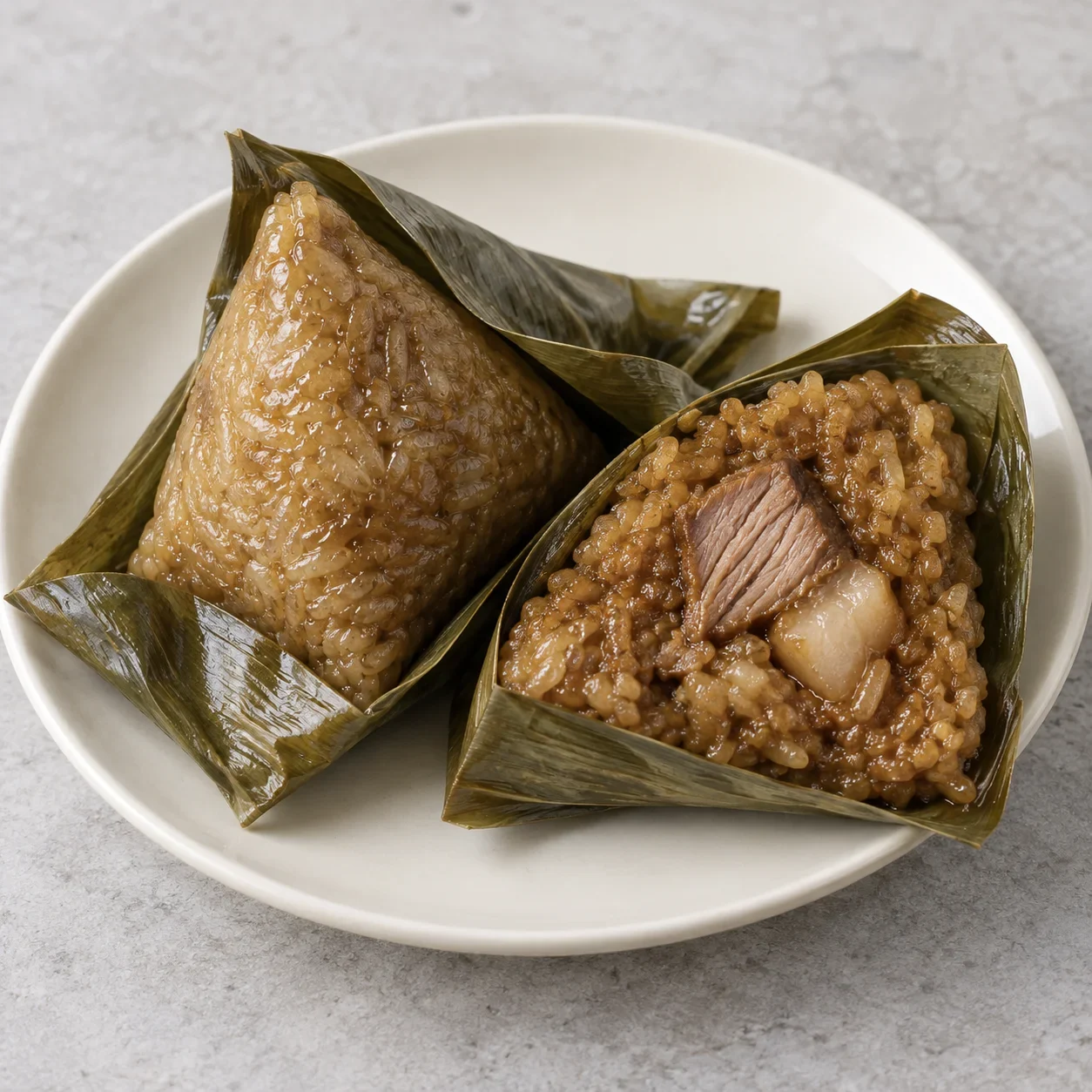
At the table
Untie the string and remove the leaves; neither is eaten. Take small bites of rice and pork together, letting the hot filling cool.
Contains pork and soy sauce, which may contain wheat. Some preparations use baijiu in the pork seasoning.
The balance of fatty and lean pork, rice seasoning and parcel size varies. Baijiu is used in some versions, not every recipe.
GET TO KNOW THE DISH
What goes into it?
Explore some key ingredients below. Preparations may use additional seasonings and ingredients.
Some pork-leg preparations use baijiu; household formulas vary.
Typical ingredients
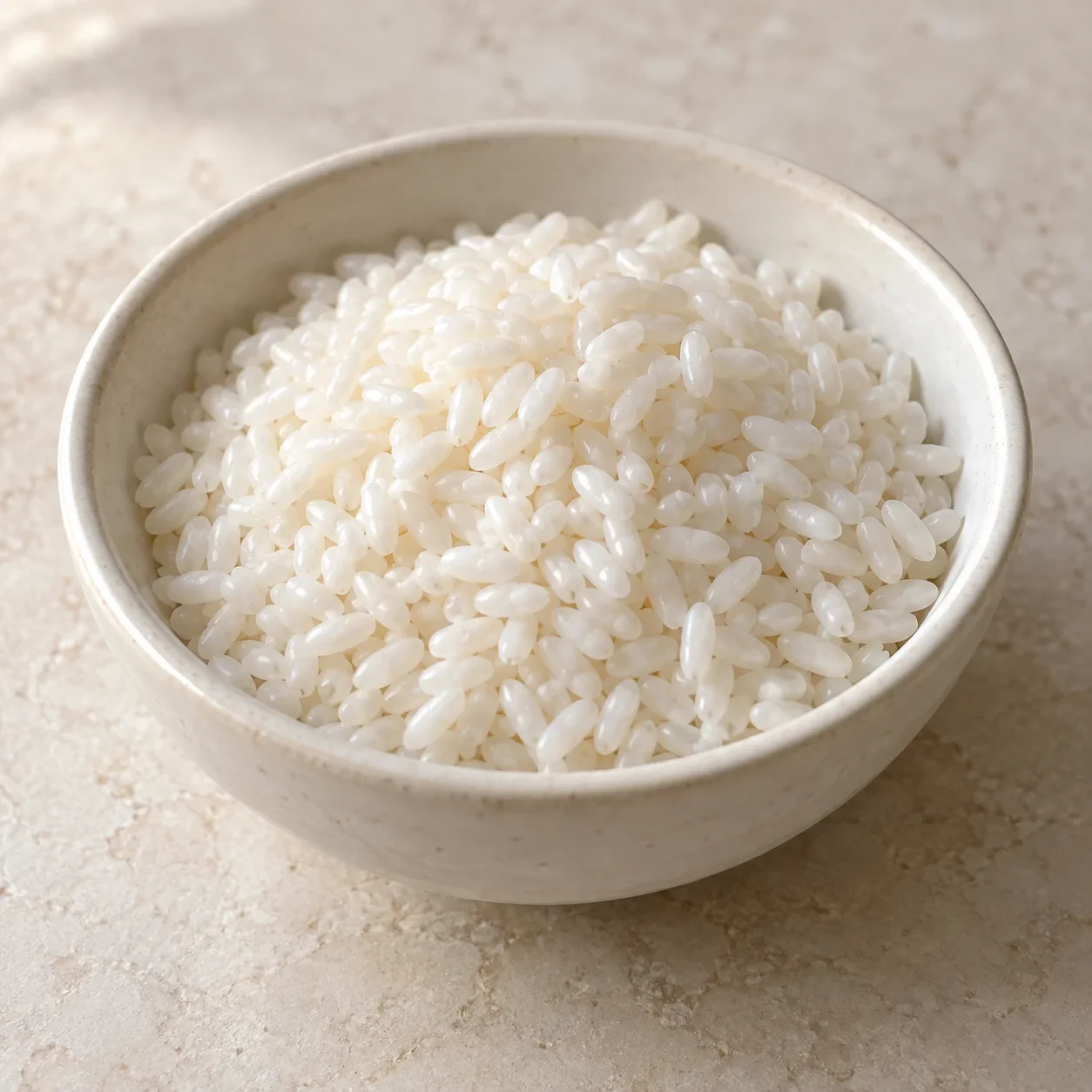
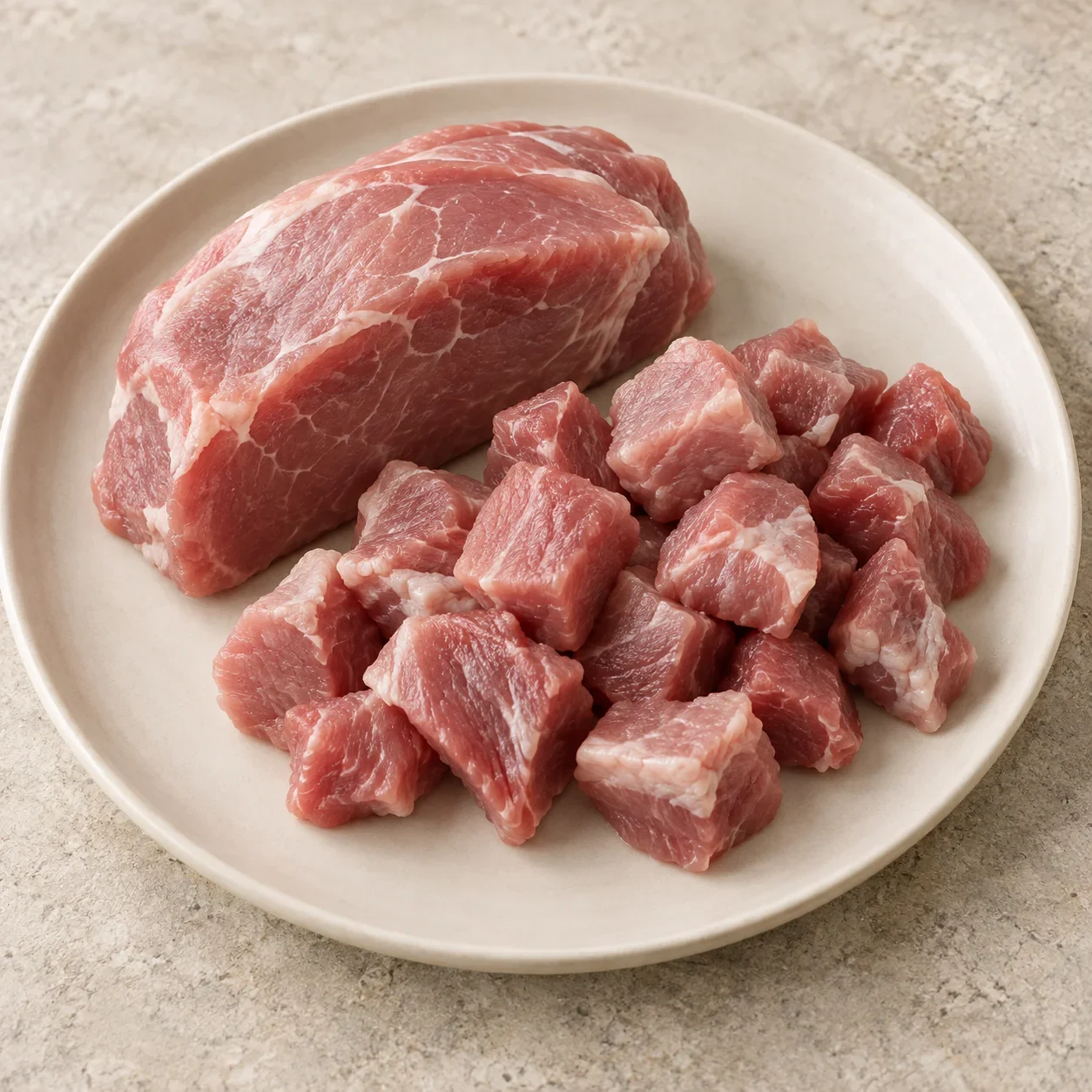
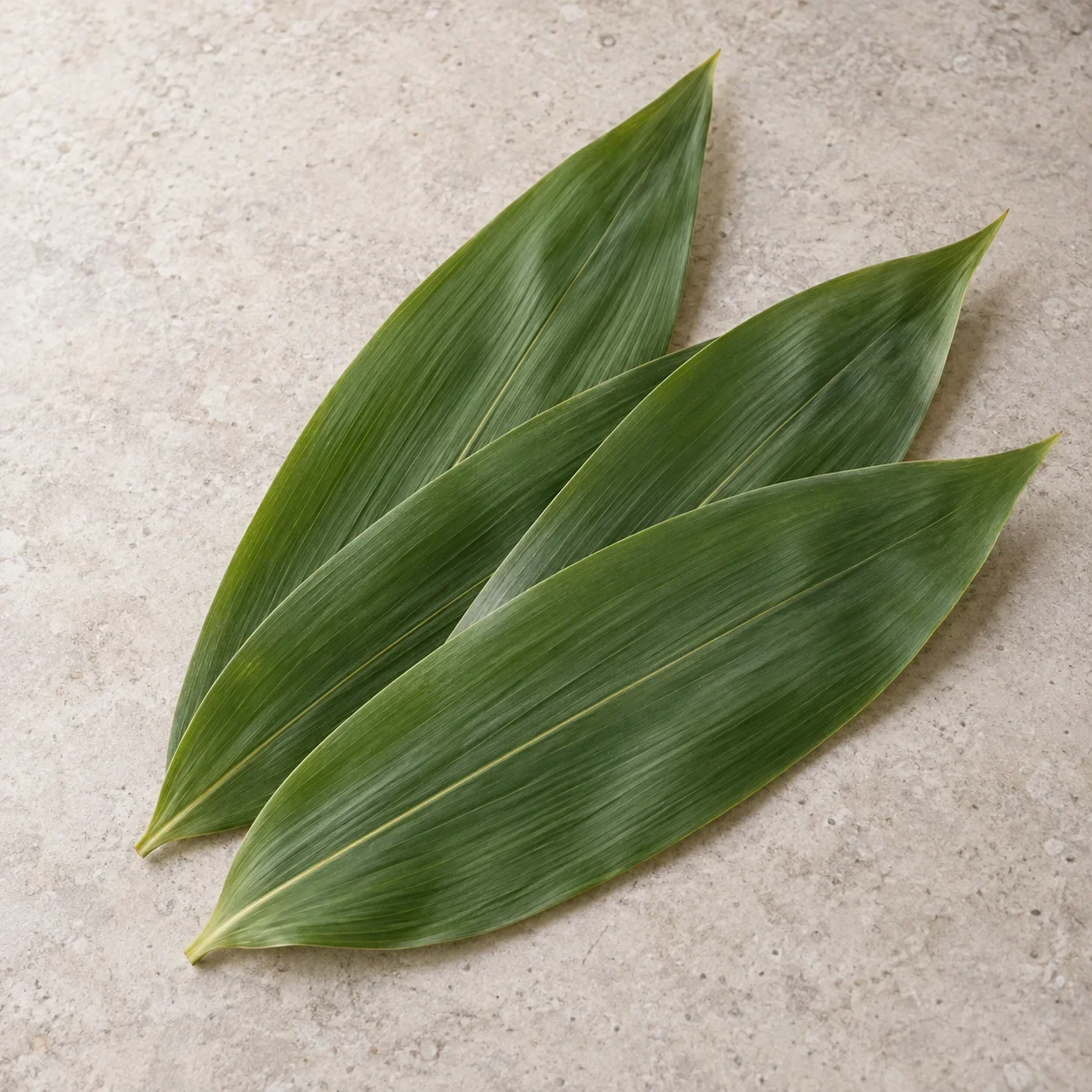



In some versions

Recipes vary by restaurant.
How does it taste?
Savory with a little sweetness
- Chili heat
- Texture
- Sticky rice and soft meat.
- How it’s made
- Season rice and pork, wrap in leaves, tie and boil.
Some pork-leg preparations use baijiu; household formulas vary.
A CONNECTION TO PLACE
Origin & regional roots
Associated with Zhejiang.
Ask if they have it first
请问你们有嘉兴鲜肉粽吗?
Do you have this item?
A LITTLE SOMETHING TO READ
Story & history
A savory start to the day in Jiaxing
This account describes a tradition or story, rather than an established historical fact.
In Jiaxing, pork zongzi are part of everyday eating, including breakfast. Fatty and lean pork are enclosed in seasoned glutinous rice. As the parcels boil, some pork fat melts into the rice, while the leaves add their aroma. The appeal lies in eating the fragrant rice and tender filling together.