
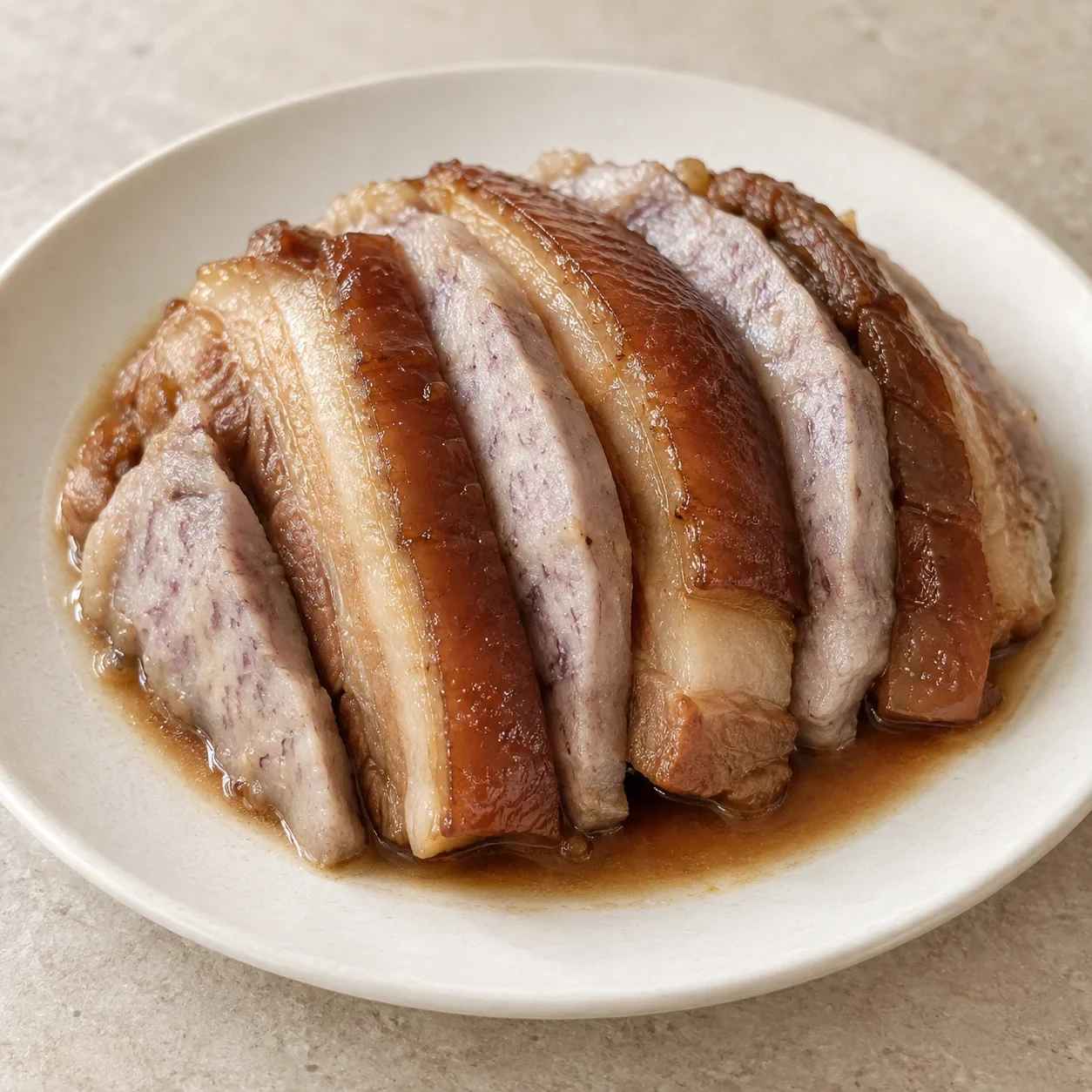
Steamed taro becomes soft and the pork turns tender, so both can be shared in small pieces; the savory dish is rich, making a modest portion practical.
Recipes vary. Ask the restaurant about ingredients and serving before you order.
GET TO KNOW THE DISH
What goes into it?
Explore some key ingredients below. Preparations may use additional seasonings and ingredients.
Lipu taro is a favored choice.
Typical ingredients
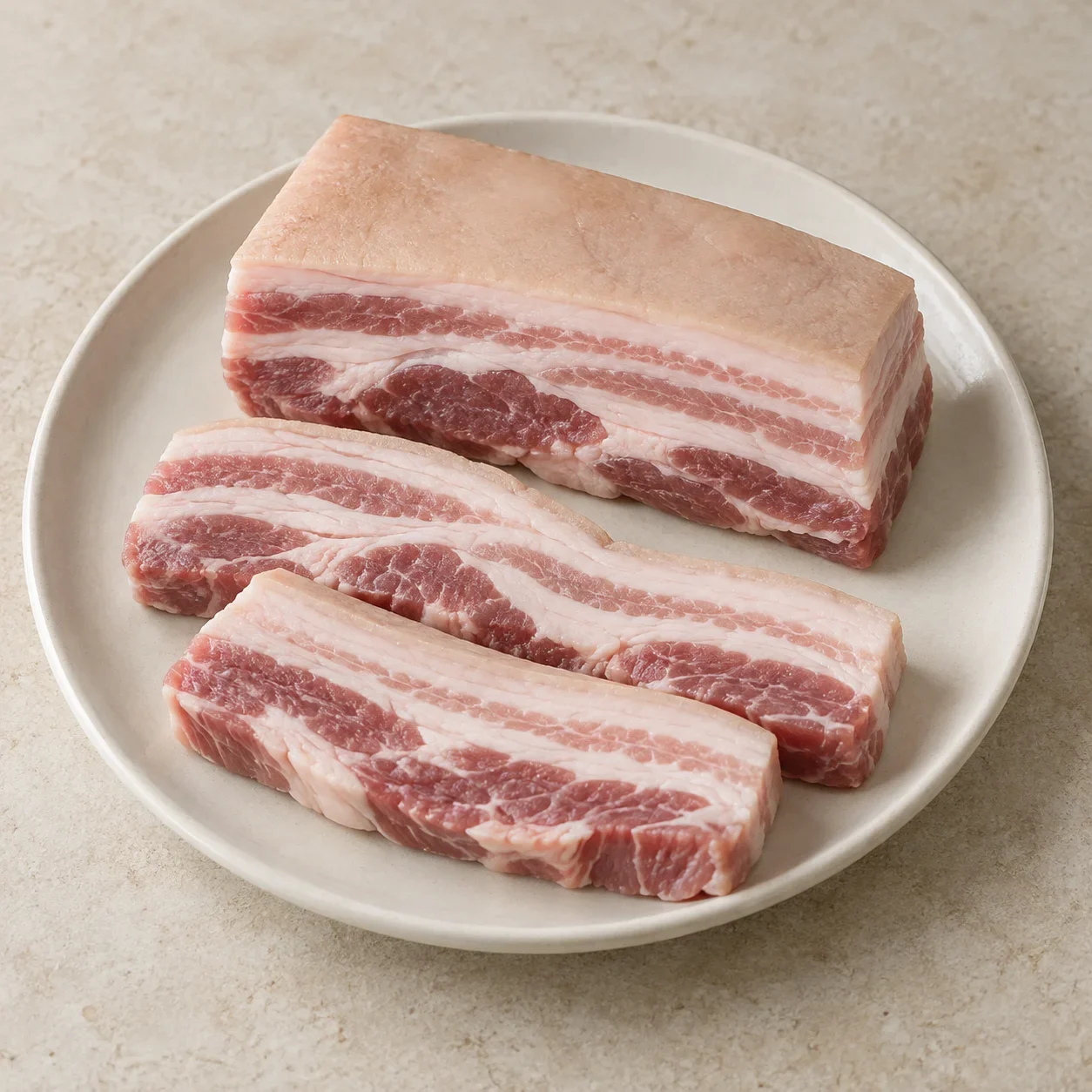
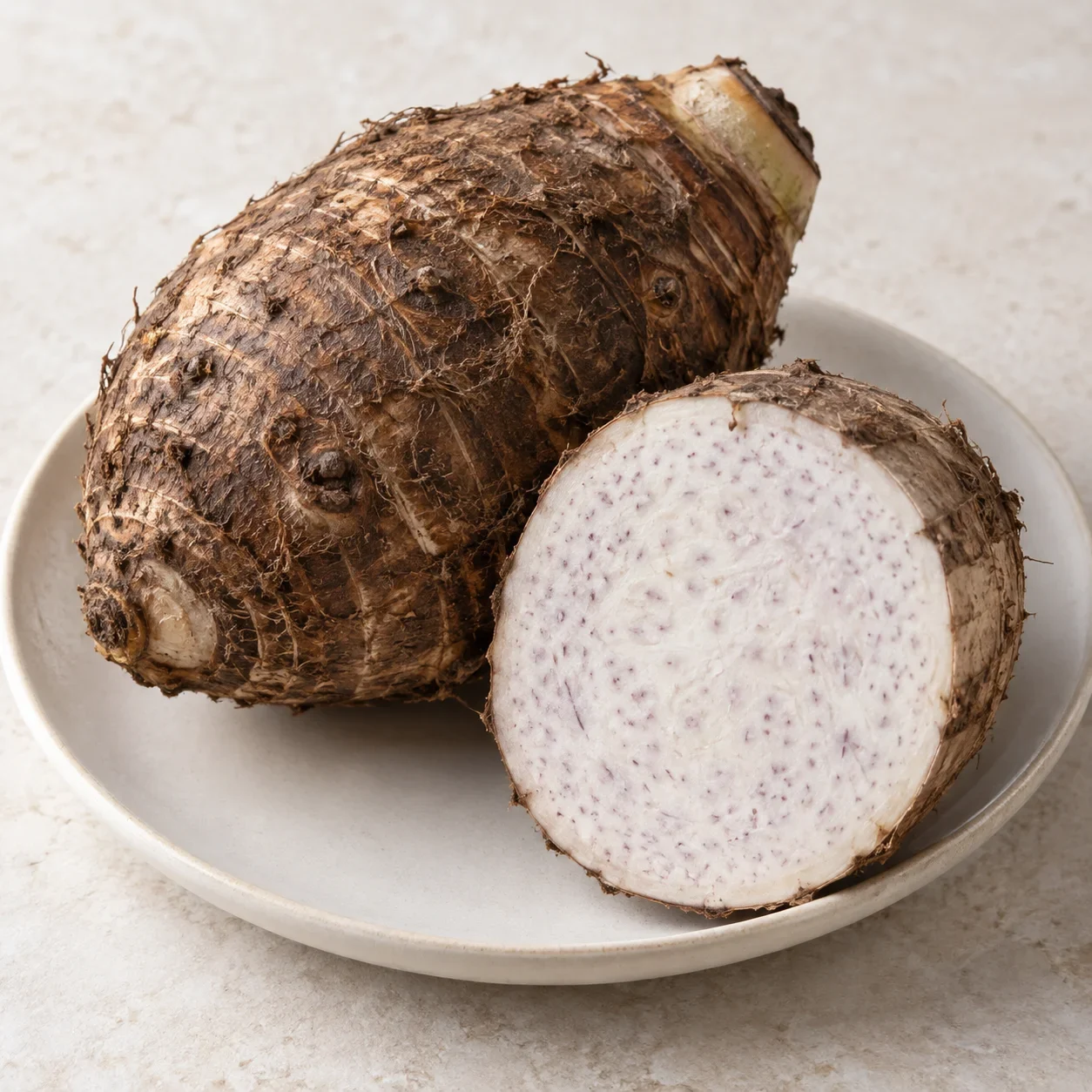
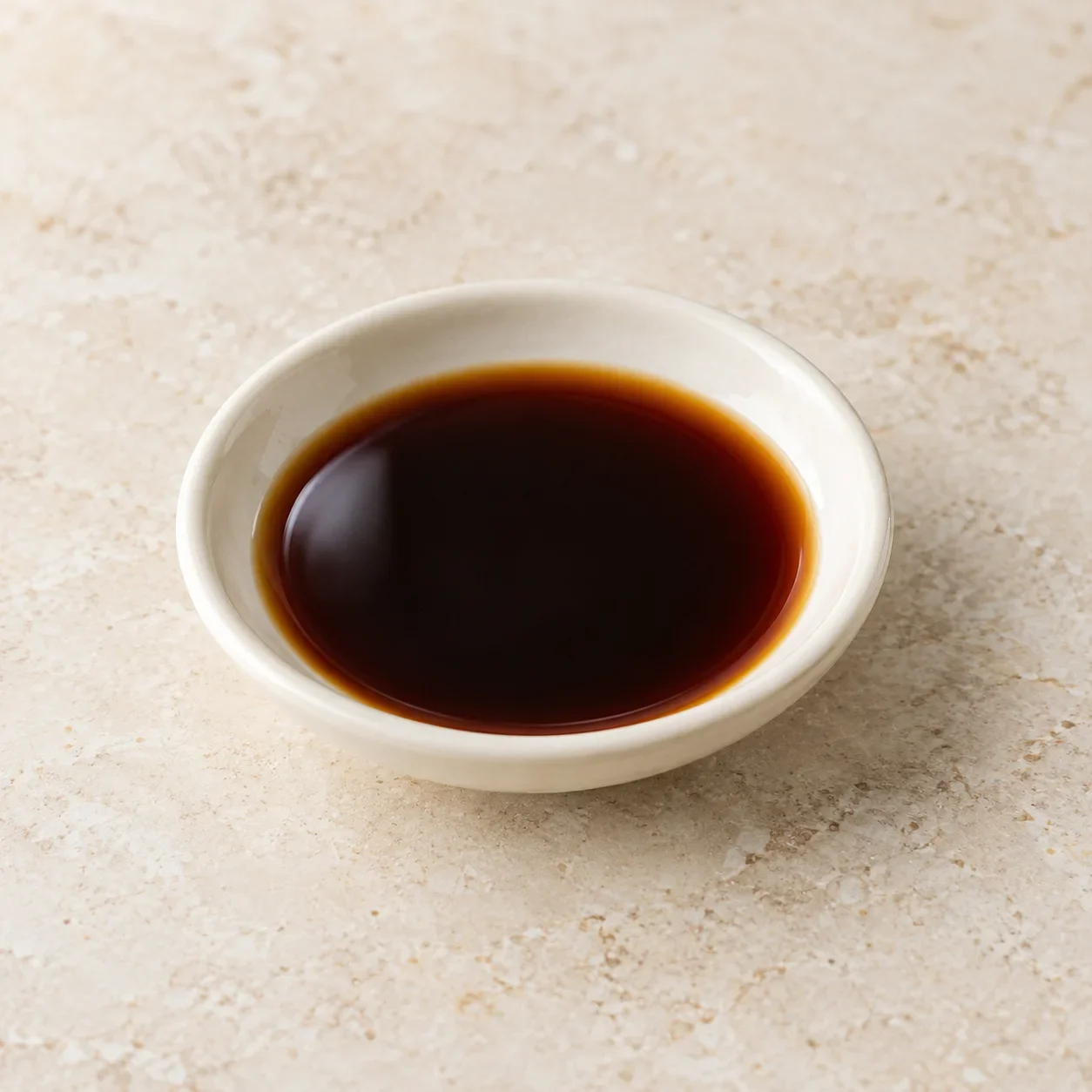
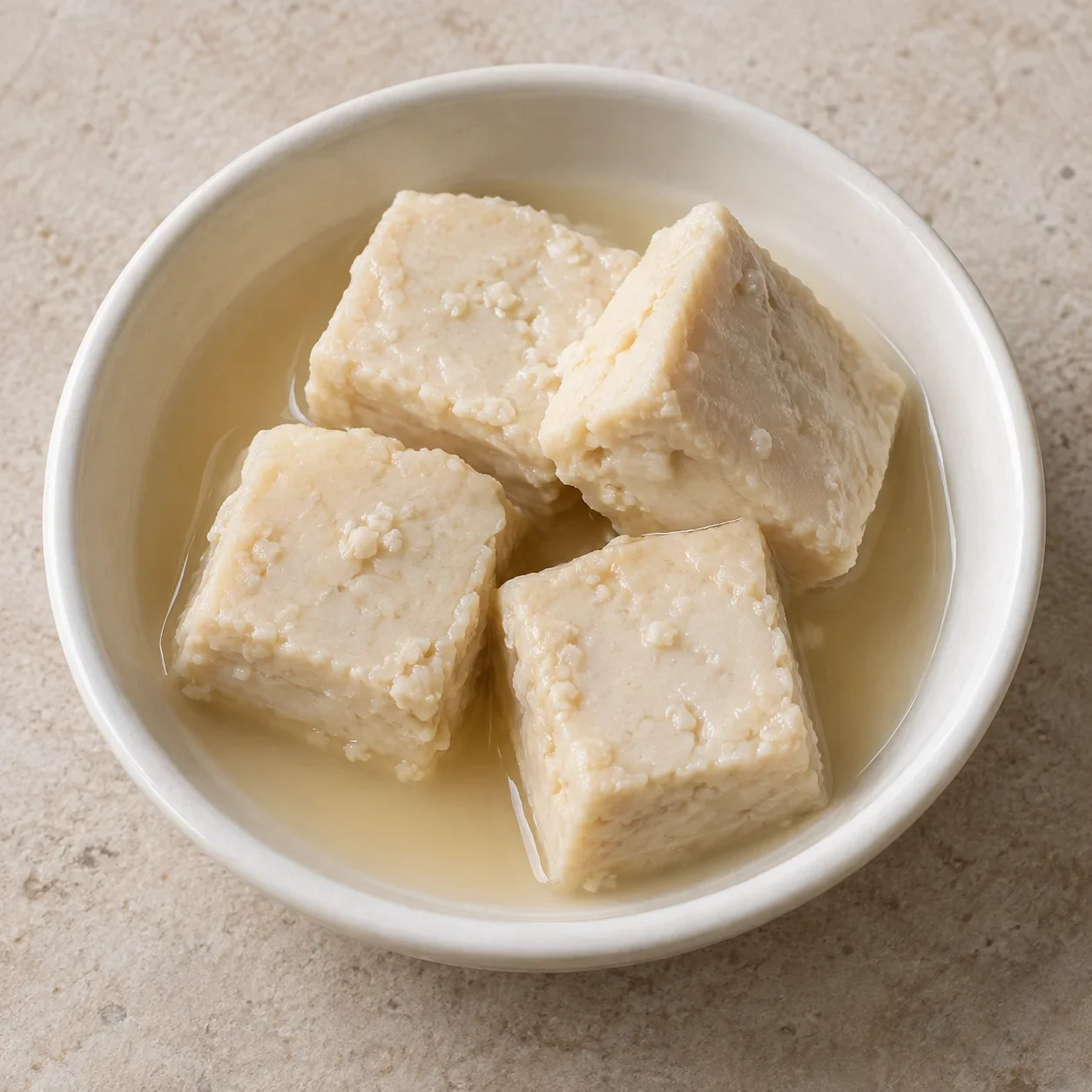
Recipes vary by restaurant.
How does it taste?
Sweet-savory fermented-bean-curd seasoning.
- Chili heat
- Texture
- Soft pork and floury taro.
- How it’s made
- Boil and fry pork; fry taro; season, layer and steam.
Lipu taro is a favored choice.
A CONNECTION TO PLACE
Origin & regional roots
Associated with Guangxi.
Ask if they have it first
请问你们有荔浦芋扣肉吗?
Do you have this item?
A LITTLE SOMETHING TO READ
Story & history
The upside-down centerpiece of Lipu feasts
In Lipu, a local saying treats kourou as essential to a feast. On 2 August 2025, cook Huang Xueke and his team prepared it as the centerpiece of a baby’s one-month celebration in Bengshan village. He had formed a banquet-service team with other young villagers in 2015. Pork belly and Lipu taro are layered alternately in a bowl, steamed, then turned onto a plate with the browned skin on top. The making craft entered Guangxi’s regional intangible cultural heritage list in 2020.